Artwork
Olivier Patru (1604-1681), avocat au Parlement de Paris, membre de l'Académie française
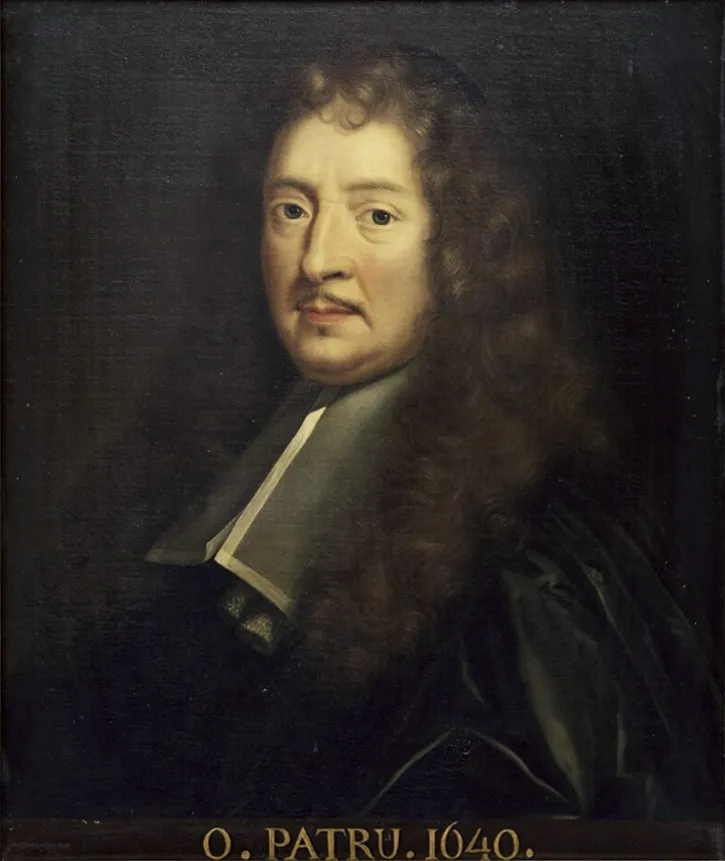
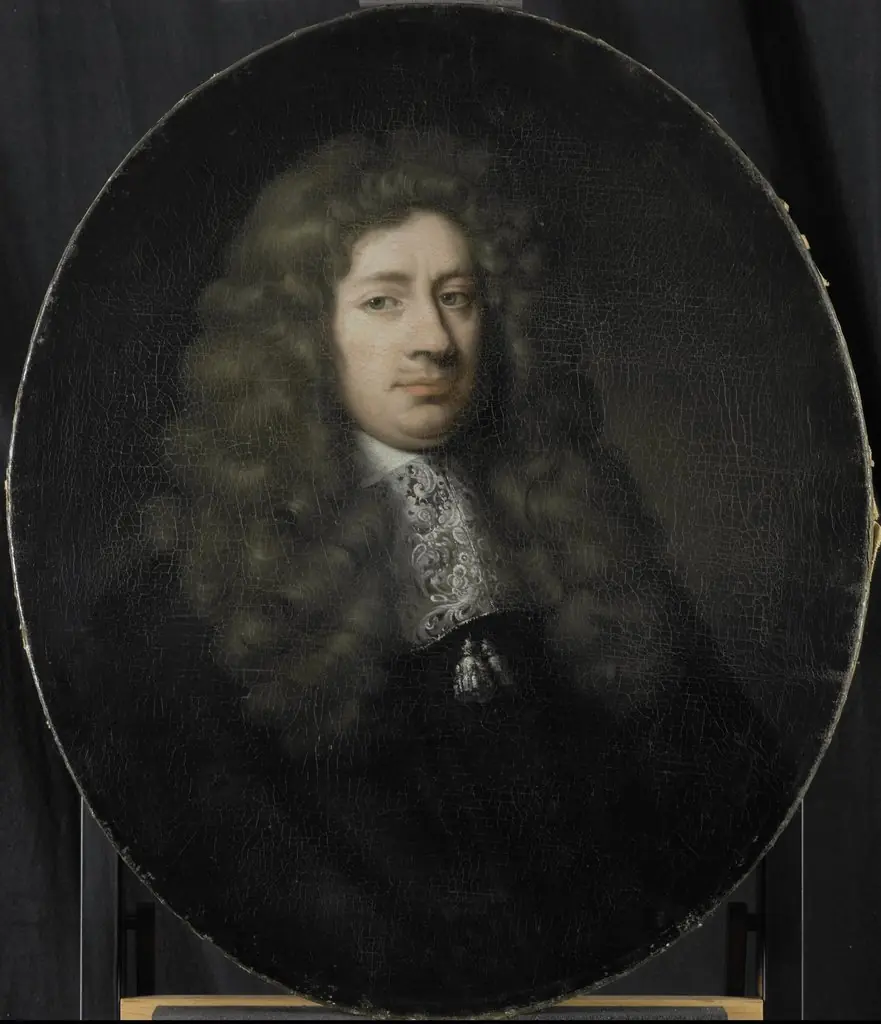
Olivier Patru (1604-1681), avocat au Parlement de Paris, membre de l'Académie française is an oil painting by Unknown. It is held in the collection of the Palace of Versailles. This oil painting depicts Olivier Patru, a 17th-century French lawyer and member of the Académie française.
About this work
The man's attire suggests he is from the 17th century, and the style of the painting is reminiscent of the Baroque period.
This portrait features a man with long, curly brown hair and a dark jacket. He is depicted from the chest up, facing the viewer with a neutral expression. The background of the painting is a solid dark color.
The man's attire suggests he is from the 17th century, and the style of the painting is reminiscent of the Baroque period. The artist's use of chiaroscuro creates a sense of depth and dimensionality in the portrait.
To learn more about the artistic techniques used in this painting, explore the technique of chiaroscuro.
Overview
This oil painting depicts Olivier Patru, a 17th-century French lawyer and member of the Académie française. Rendered in a half-length format, the subject faces the viewer directly with a composed demeanor. The dark, unadorned background isolates the figure, emphasizing his presence. The work exemplifies the portraiture conventions of the French Baroque era, focusing on dignity and social standing rather than elaborate setting.
Subject & Meaning
Olivier Patru was a prominent legal figure in Paris and an intellectual within the Académie française. The portrait conveys his professional gravitas through restrained expression and formal attire. His long, curled hair and dark jacket reflect contemporary male fashion among the educated elite. The absence of symbolic objects or heraldry suggests an emphasis on personal authority derived from intellect and position, not lineage or title.
Technique & Style
The artist employs chiaroscuro to model the face and clothing with subtle gradations of light and shadow, lending volume and realism to the figure. Brushwork is precise yet unobtrusive, avoiding theatricality. The dark, flat background enhances the three-dimensionality of the subject, a hallmark of Baroque portraiture. The palette is muted, dominated by blacks, browns, and soft tones, reinforcing the portrait’s solemn character.
History & Provenance
Painted during Patru’s lifetime, the portrait likely served as a personal or institutional record of his status. Its early provenance is undocumented, but it was likely held within French scholarly or legal circles before entering public collections. No records indicate commission by a specific patron, suggesting it may have been created for self-representation or by the artist’s initiative.
Context
In mid-17th century France, portraiture among the legal and academic elite emphasized restraint and intellectual authority. Unlike courtly portraits, these works avoided ostentation, favoring somber tones and direct gaze. Patru’s image aligns with this trend, reflecting the values of the Paris Parlement and the Académie française, institutions that prized reason, decorum, and civic duty over aristocratic display.
Legacy
The portrait endures as a quiet testament to the intellectual class of early modern France. It contributes to the visual record of figures who shaped French law and language during a formative period. While not widely reproduced, it remains a representative example of how professional identity was visually articulated outside the royal court, preserving the dignity of civic life in paint.
Artist & collection

 Domestic Scene
 Giacomo and Cardinal Marco, investing Andrea, Abbot of San Zeno, with his Benefice
 The Nymph of Fontainebleau
 Portrait of a Woman
 Madonna and Child with Saints in the Enclosed Garden
 Venus and Minerva
 Family Group of Four on Sofa
 Wall painting from Room H of the Villa of P. Fannius Synistor at Boscoreale
 Portrait of a Man
 Portrait of Johan de Witt (1625-72), Grand pensionary of Holland
 Fabio Brulart de Sillery (1655-1714), évêque de Soissons
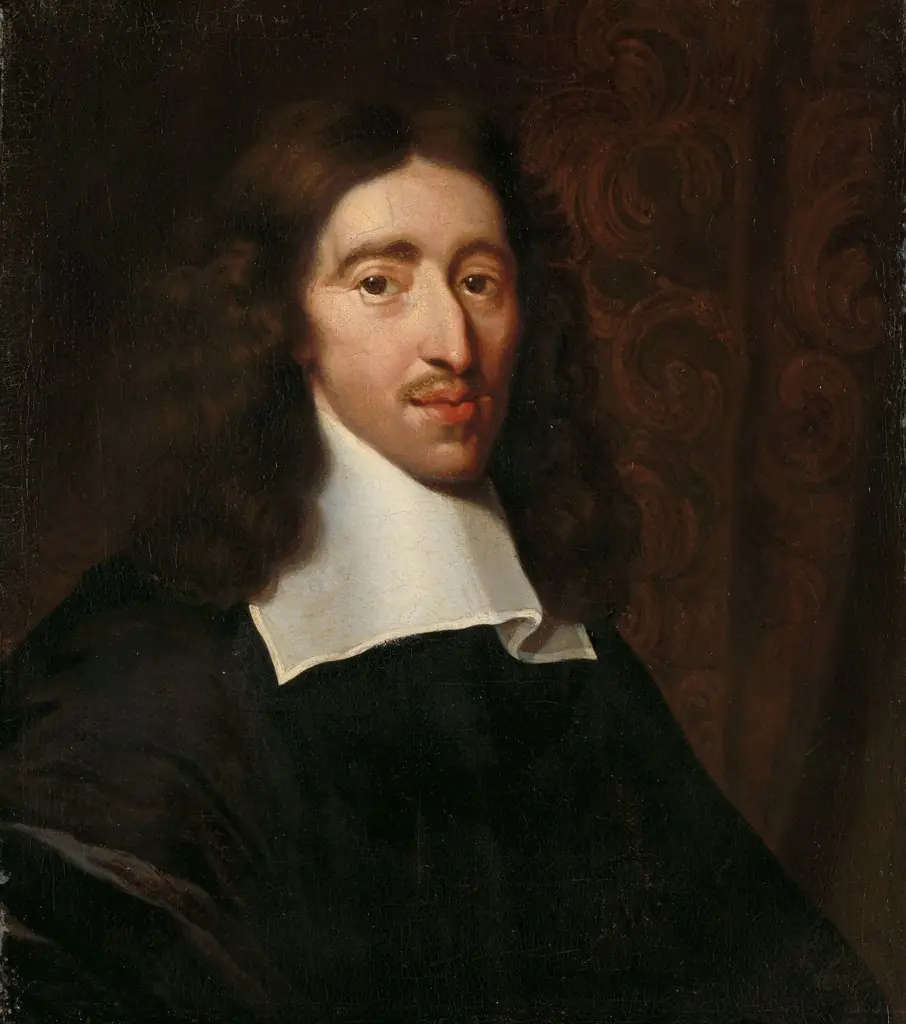 Portrait of Johan de Witt (1625-72), Grand pensionary of Holland
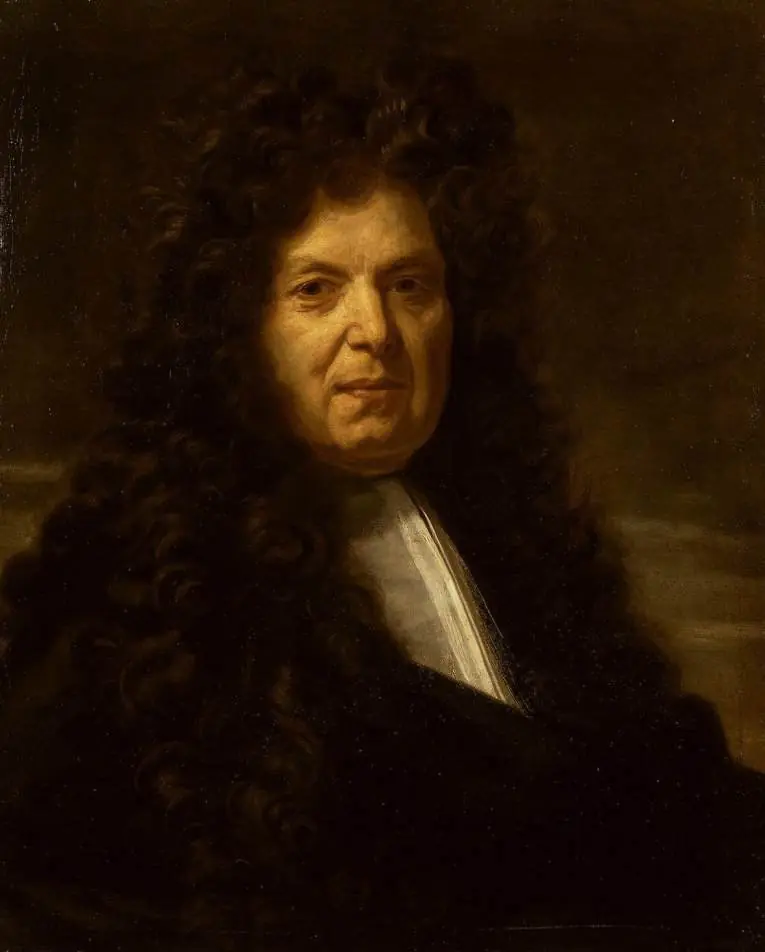 Portrait of an Unknown Man
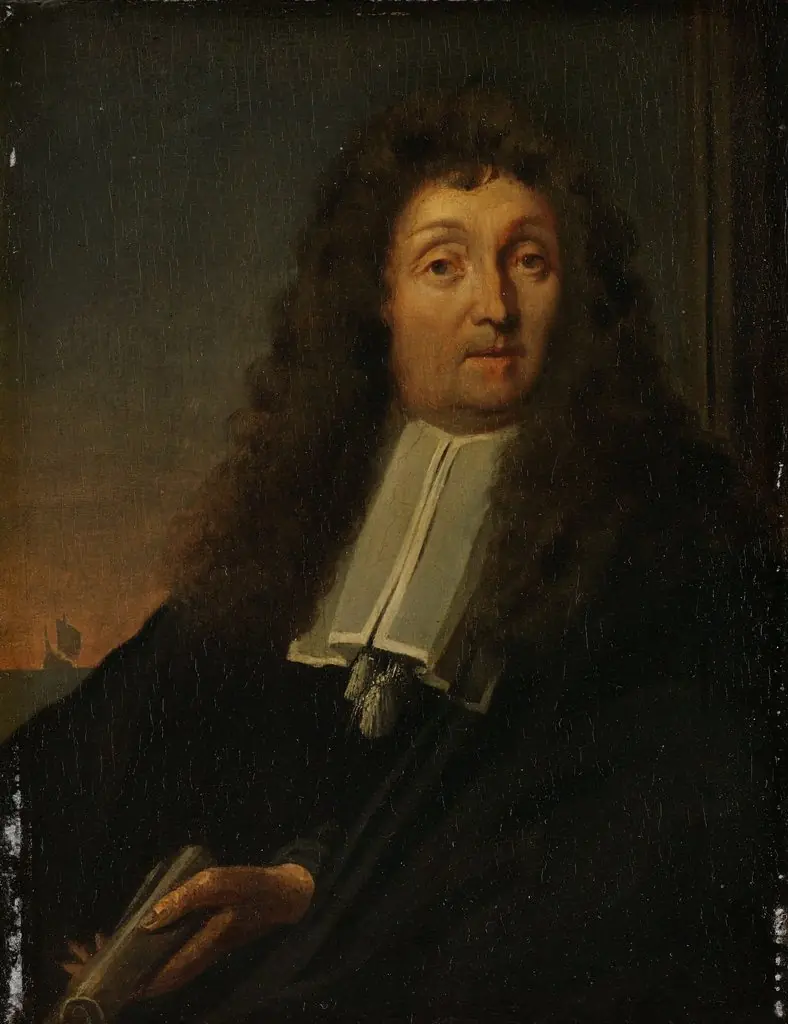 Self portrait
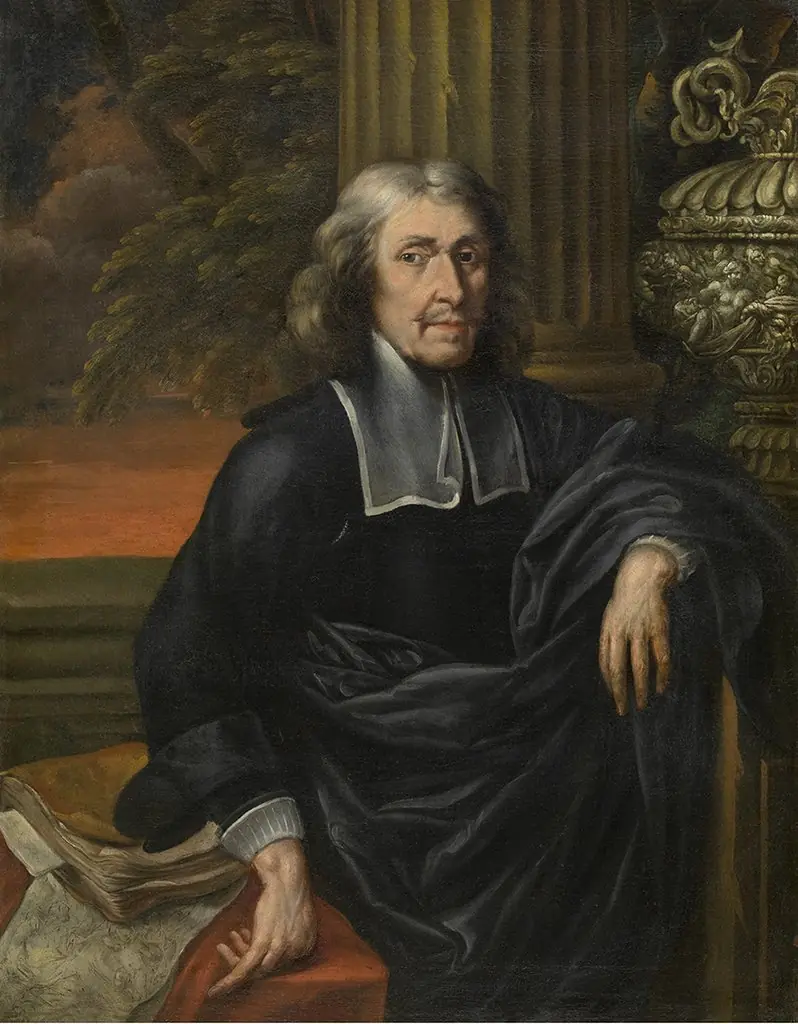 Portrait of David Herregouts
 Valtioneuvos, kreivi Bengt Oxenstjernan muotokuva
 Jean Le Camus
 Portrait of Nicolas Colvius, Walloon minister in AmsterdaM
 Gregorius Martens, Mayor of Antwerp and Dean of the Guild of Saint Luke
 Portrait of Dominicus Rosmale, Director of the Rotterdam Chamber of the Dutch East India Company, elected 1677