Artwork
Lope de Vega en el cementerio
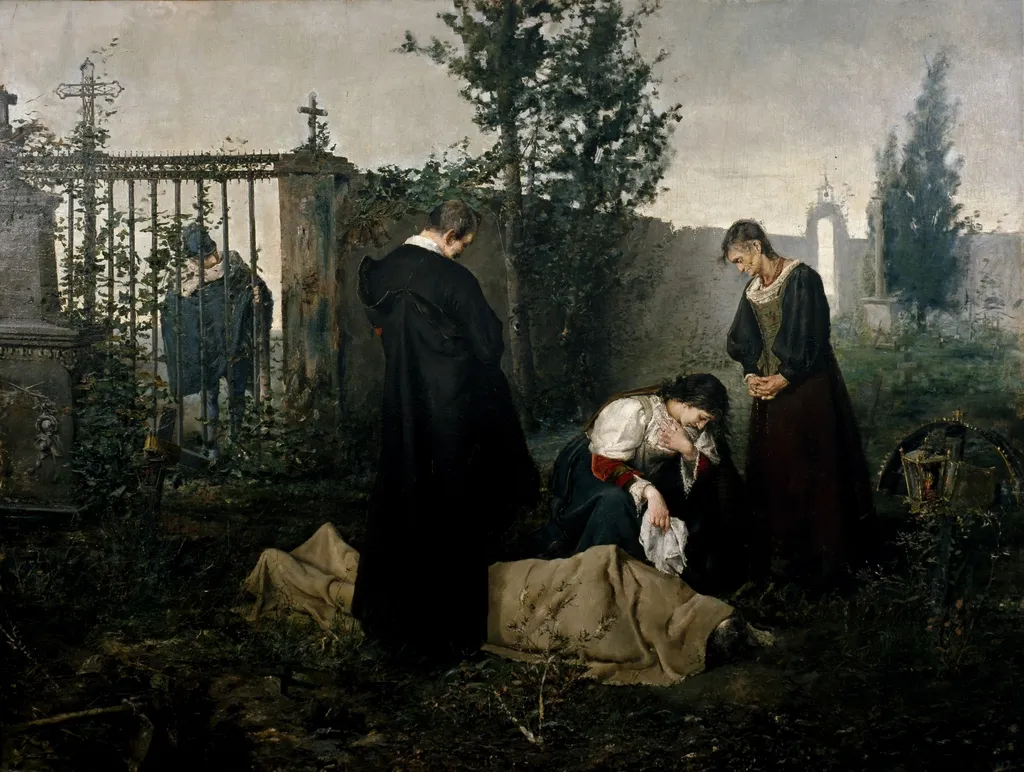
Lope de Vega en el cementerio is an oil painting by the Post-Impressionist artist José Uría y Uría. It dates from 1892 and is held in the collection of the Museo del Prado.
About this work
Overview
José Uría y Uría's 1892 oil painting, housed at the Museo del Prado, presents a somber scene set in a dimly lit, overgrown cemetery at dusk, populated by four figures amidst the remnants of forgotten graves and a distant, faint church tower.
Subject & Meaning
The painting captures a moment of profound grief, as a kneeling woman, overcome with emotion, covers her face, while a standing woman and a man in a long black coat offer silent, supportive presence, conveying a sense of shared sorrow and contemplation.
Technique & Style
The work employs soft, nuanced lighting, characteristic of chiaroscuro, where shadows blend seamlessly into the dark, muted background, enhancing the emotional intensity and melancholic atmosphere of the cemetery scene.
History & Provenance
Created in 1892 by José Uría y Uría, the painting is part of the collection at the Museo del Prado, though the original description mistakenly highlights a crucifix, which is not the central focus of the depicted scene.
Context
While the title 'Lope de Vega en el cementerio' suggests a connection to the renowned playwright, the painting's focus on universal themes of grief and mourning situates it within a broader exploration of human emotion in late 19th-century Spanish art.
Legacy
The painting's legacy lies in its poignant portrayal of collective sorrow, making it a notable, if not widely highlighted, piece in the Prado's collection, offering insights into the artistic handling of light and emotional depth during its time.
Own this work as a print
Artist & collection

 La reina doña Juana la Loca
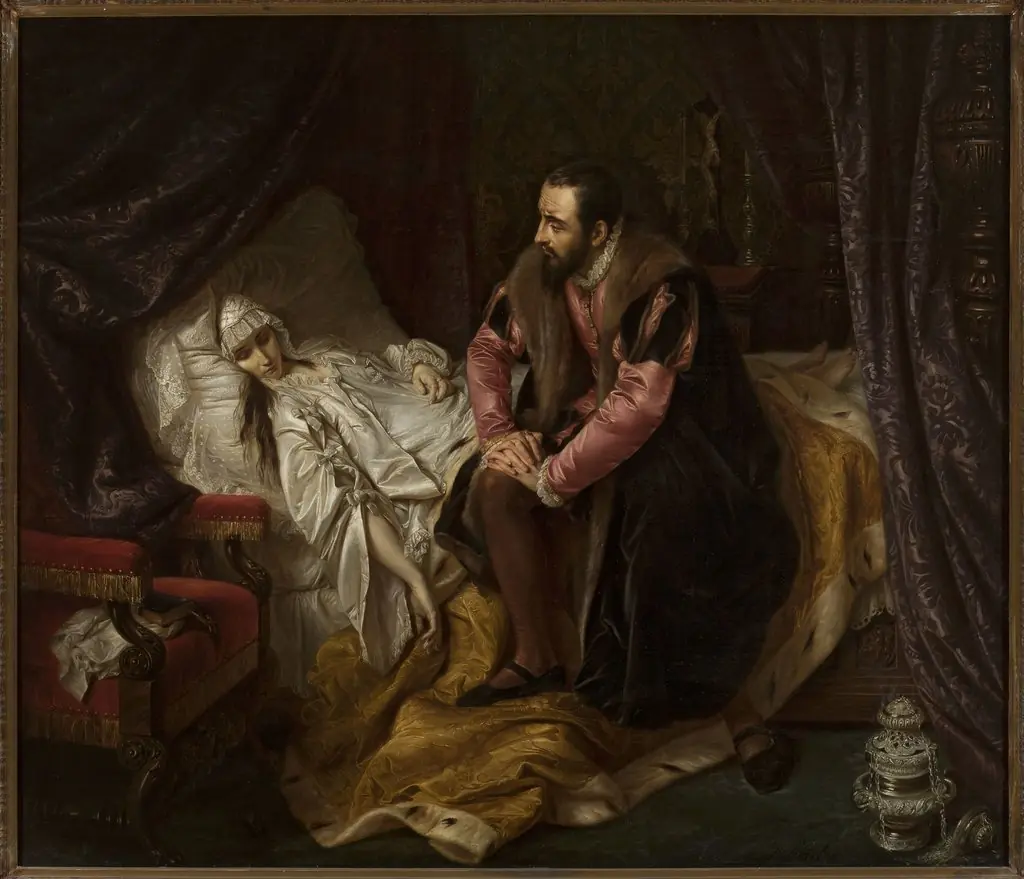 Death of Barbara Radziwiłł
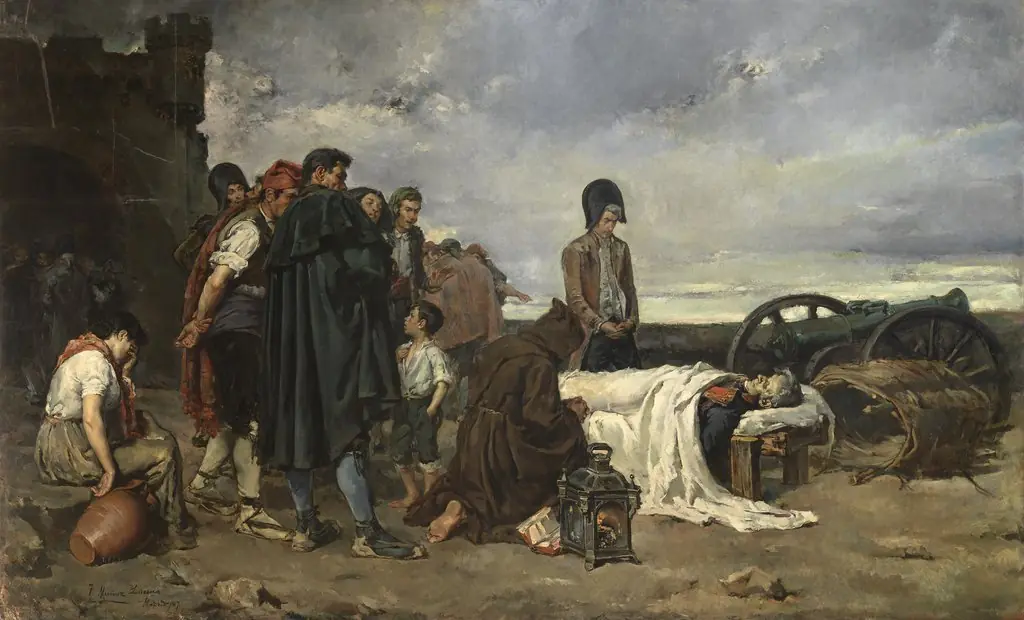 El cadáver de Álvarez de Castro
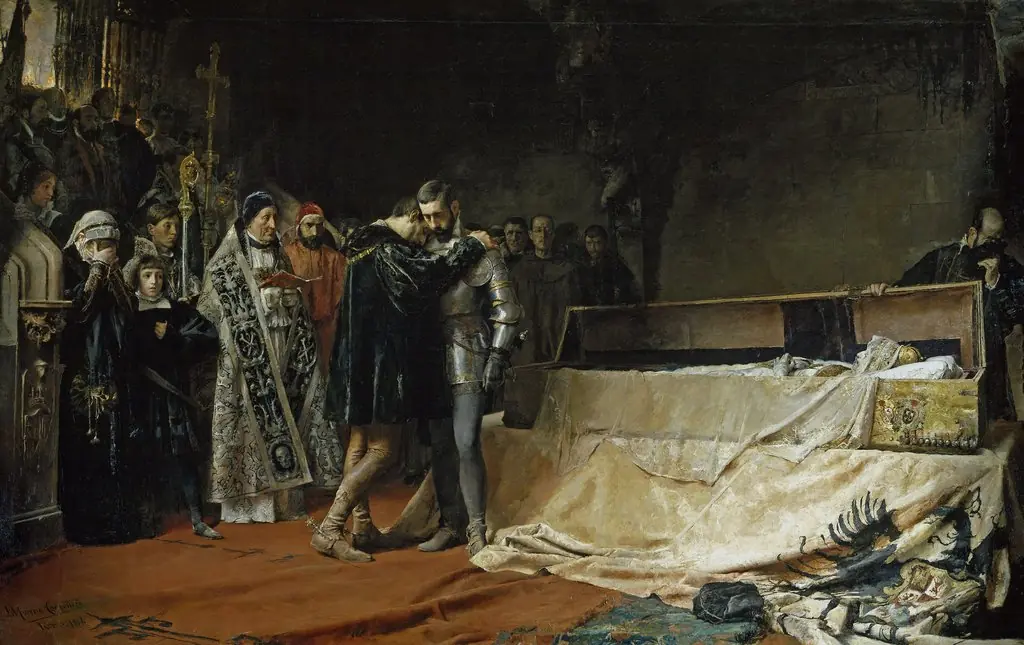 The Conversion of the Duke of Gandía
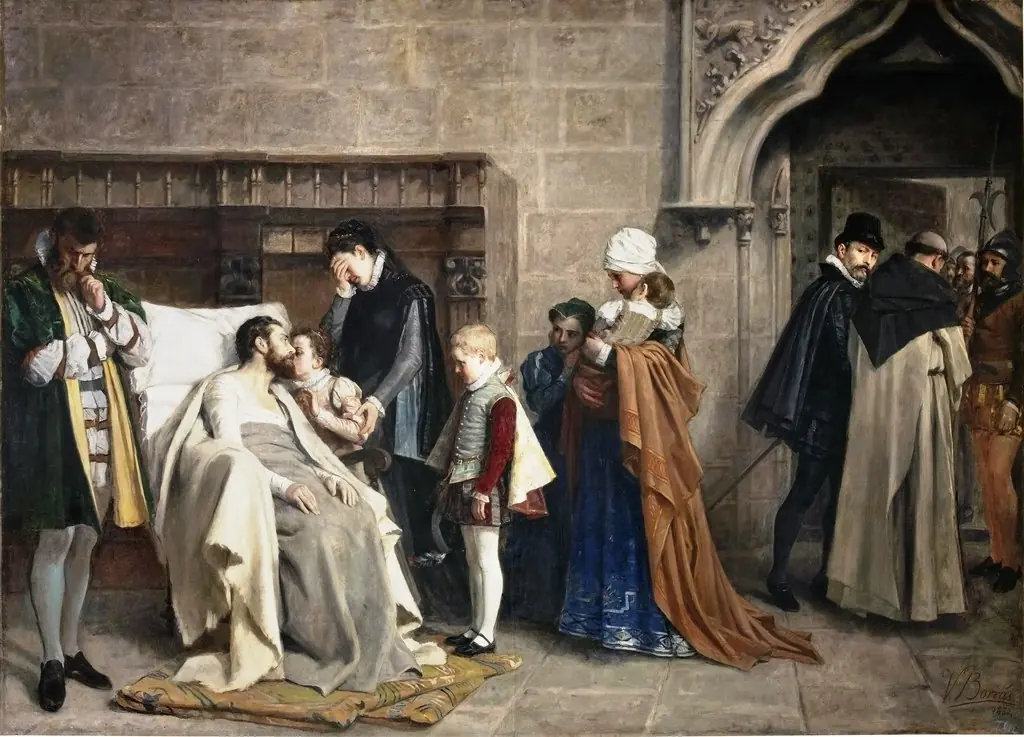 Antonio Pérez recibiendo a su familia después del tormento
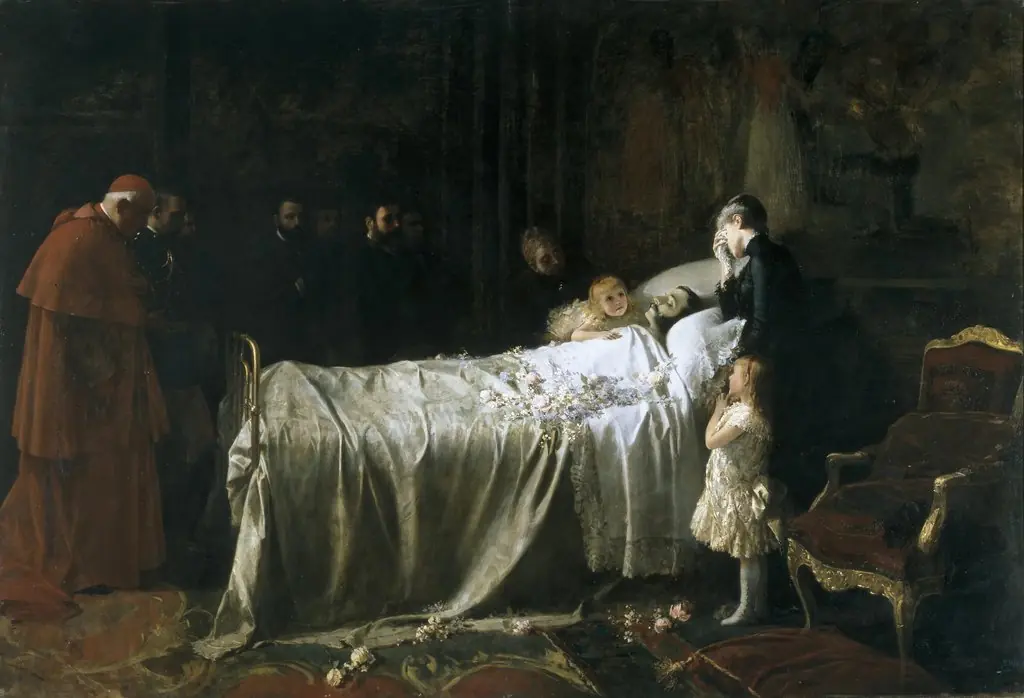 el Último Beso
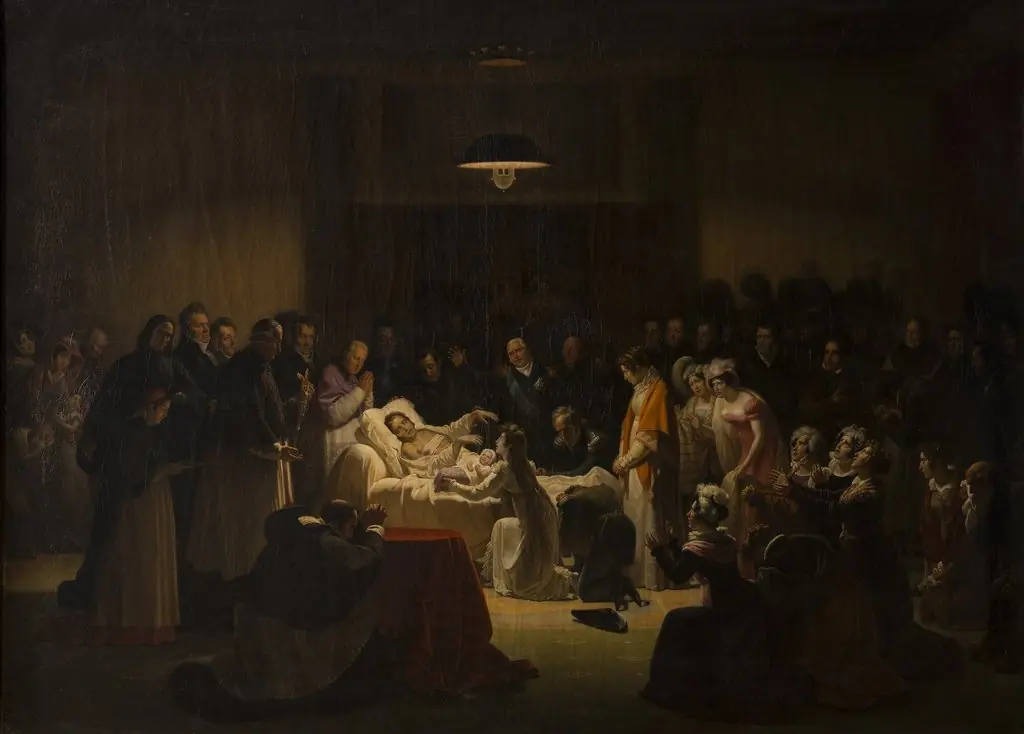 The Death of the Duke of Berry
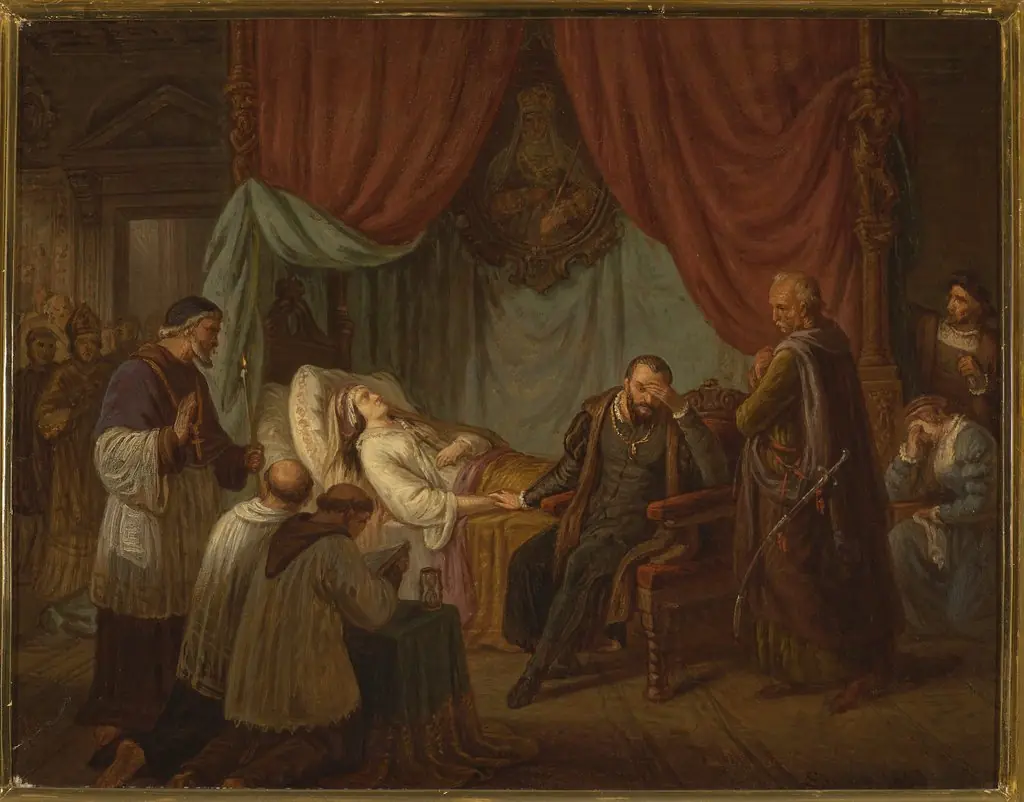 Death of Barbara Radziwiłł
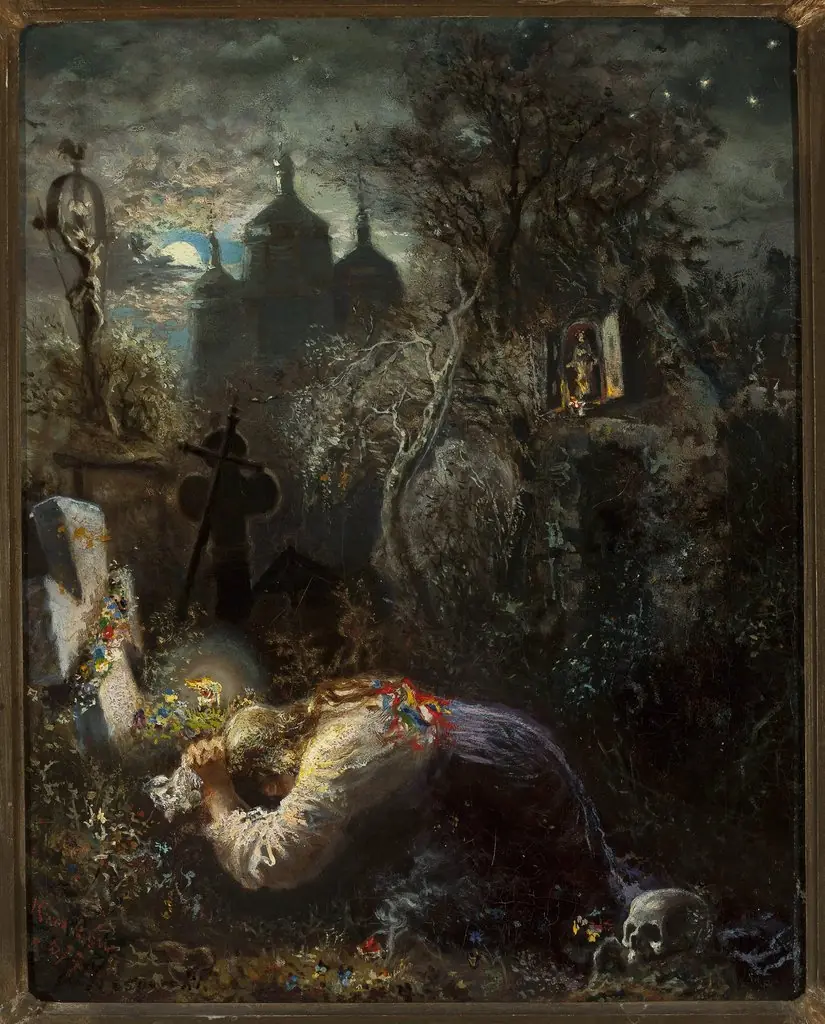 At the grave of an insurgent
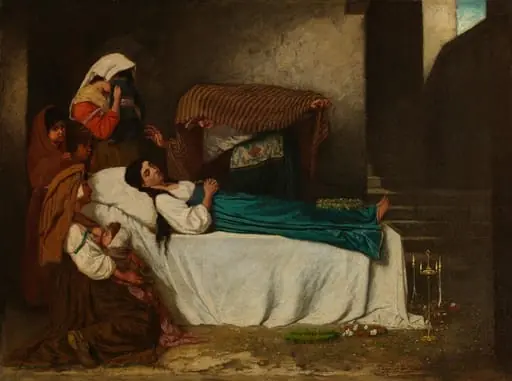 Kyynelten tunti (L'ora del' pianto)
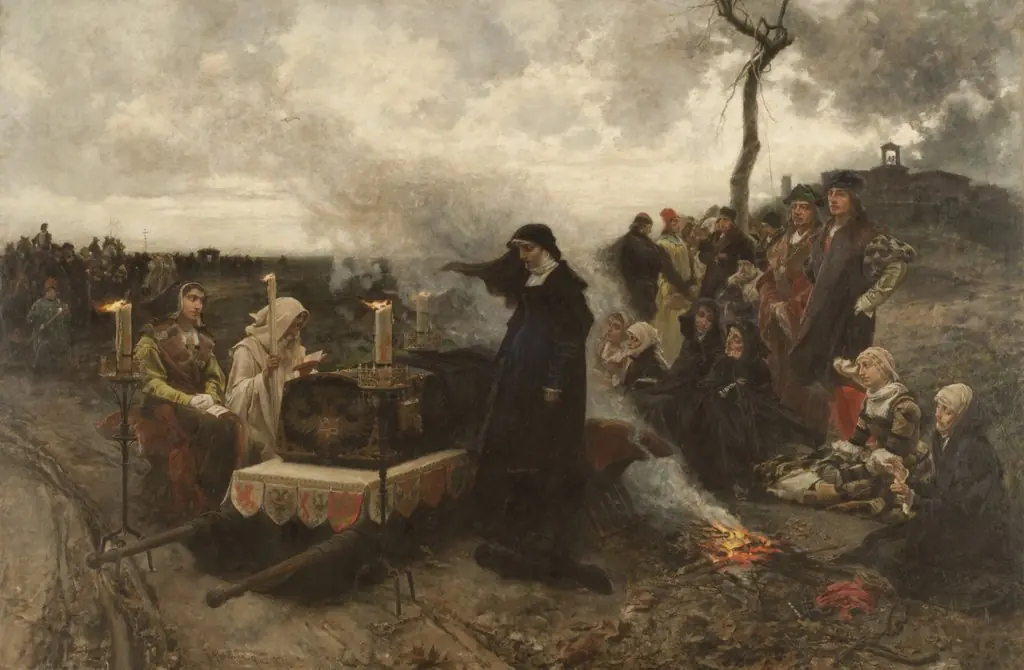 Doña Juana la loca
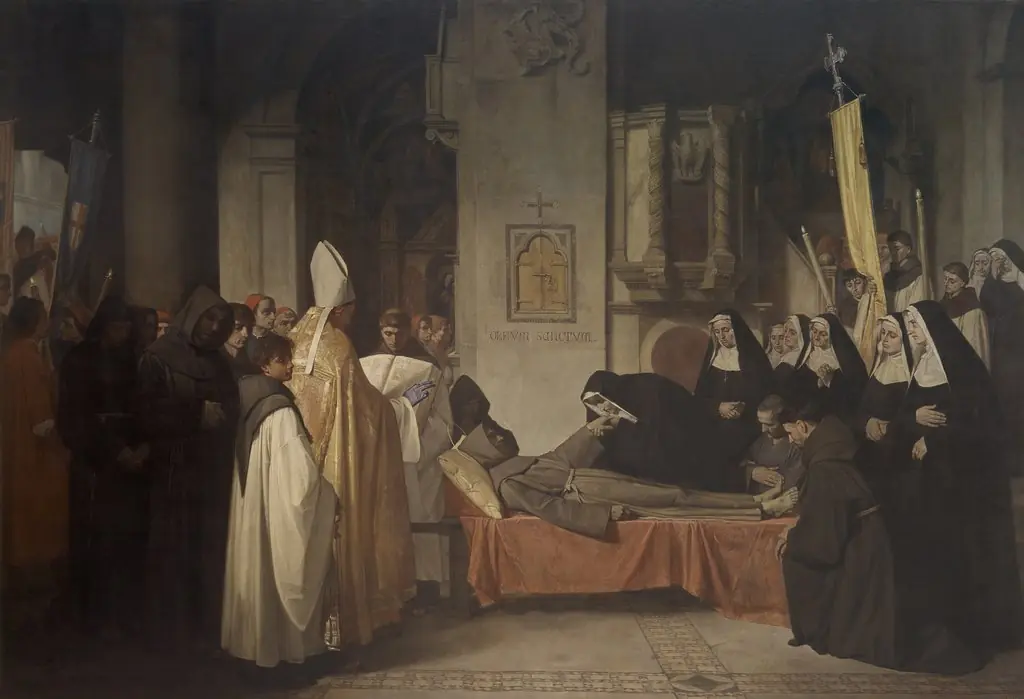 Traslación de San Francisco de Asís