Artwork
Landscape
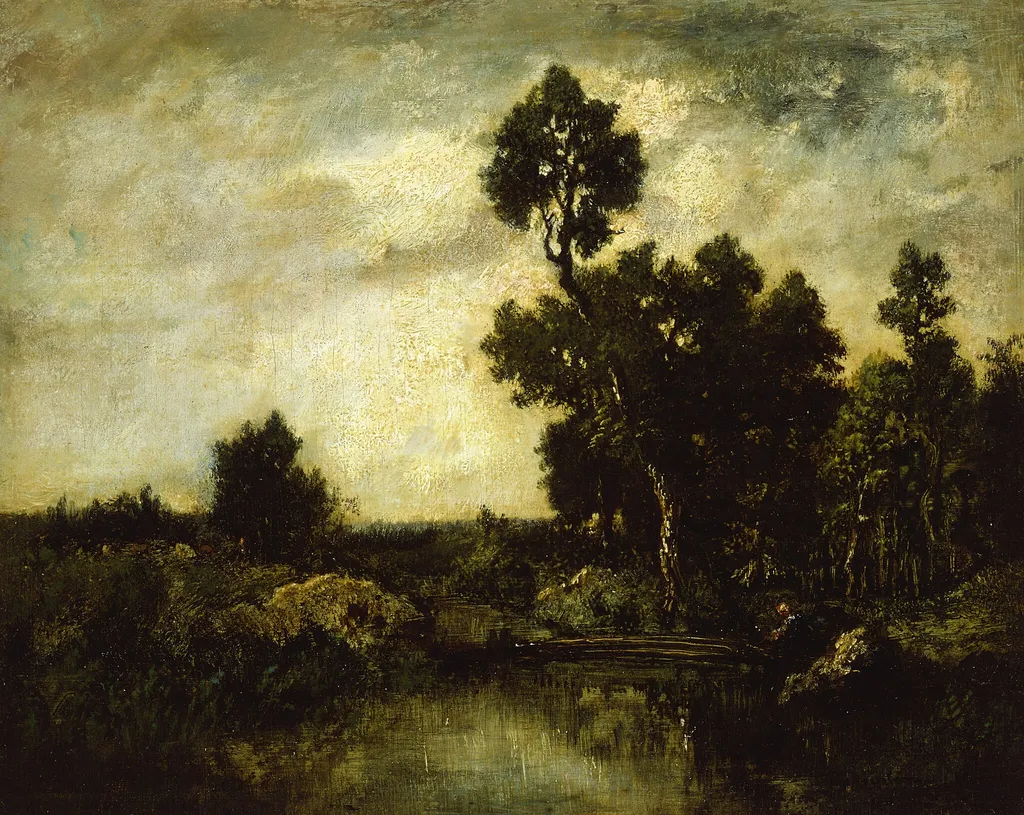
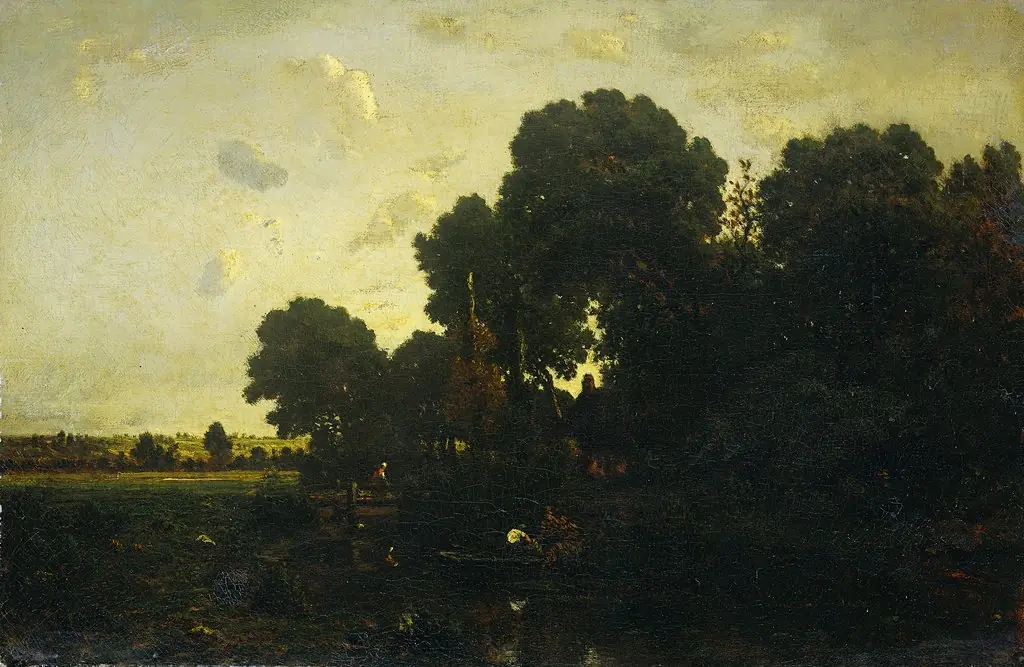
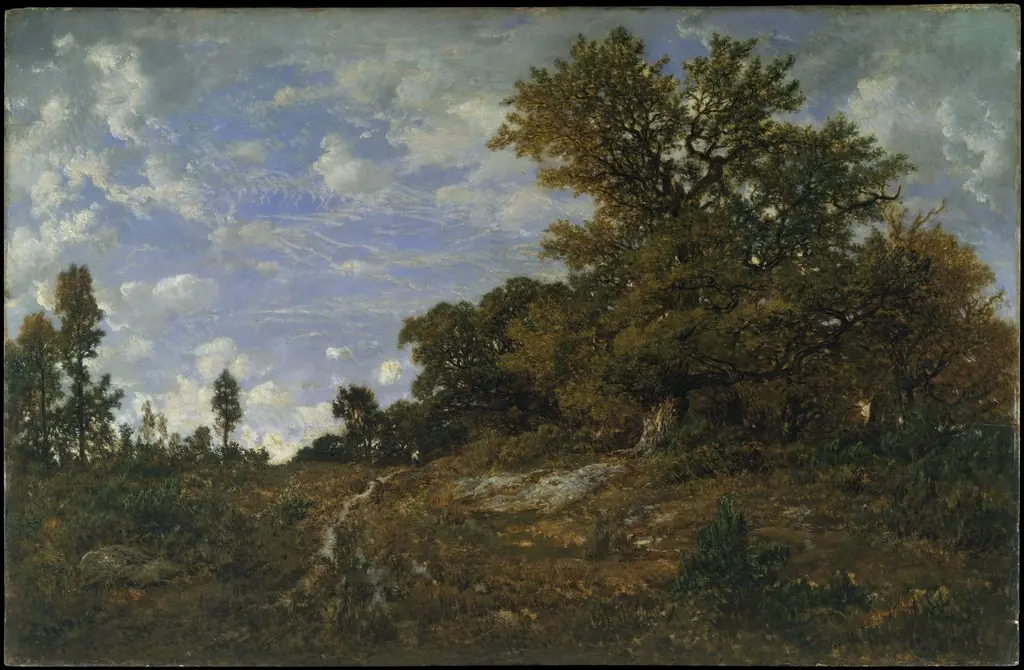
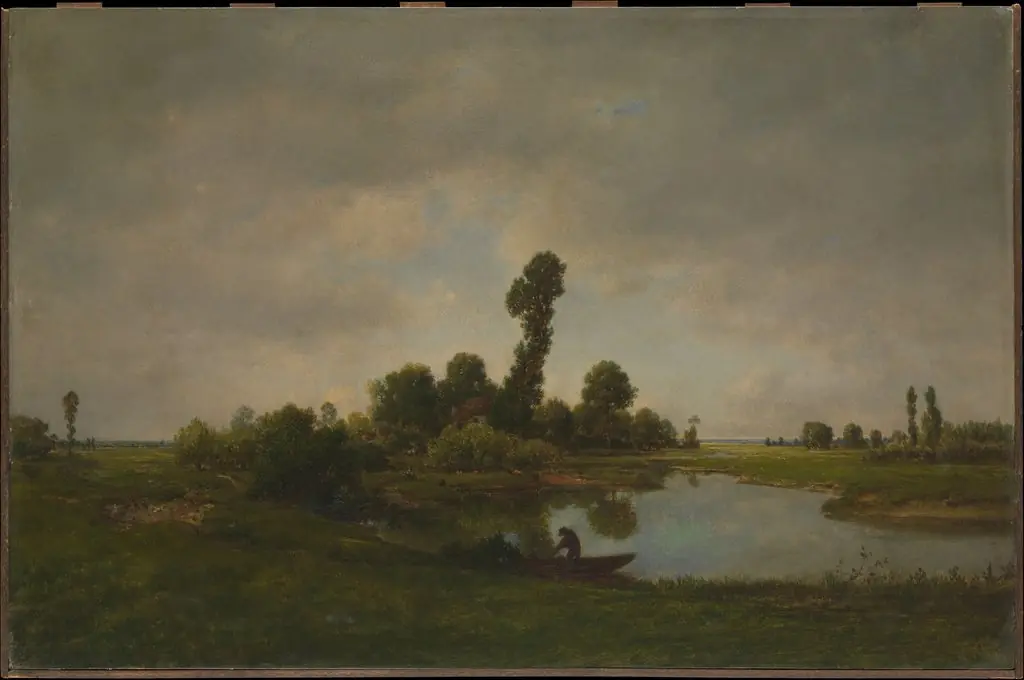
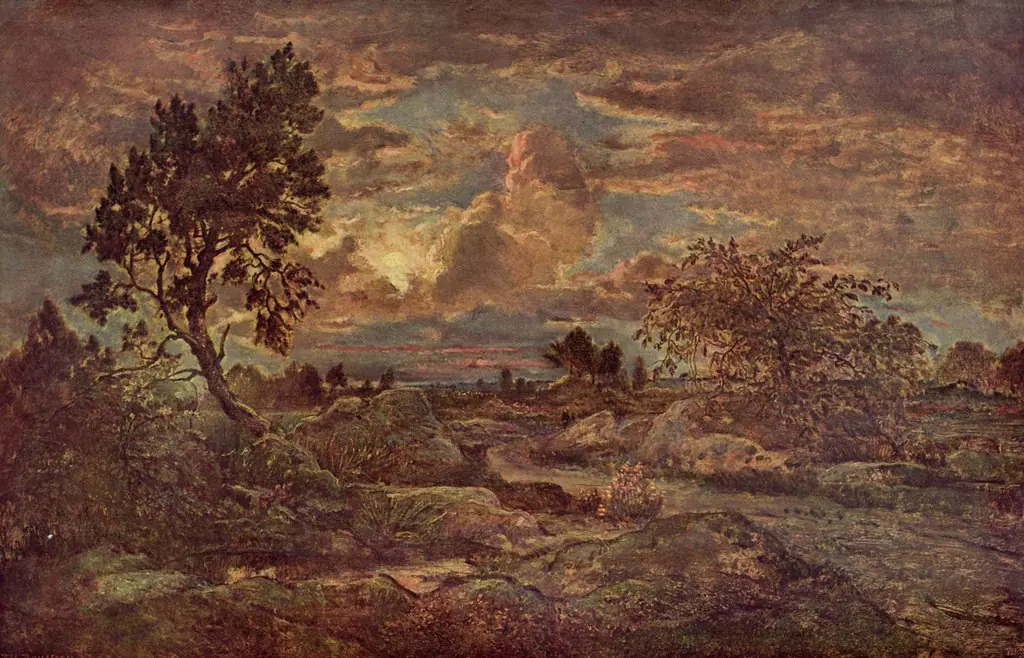
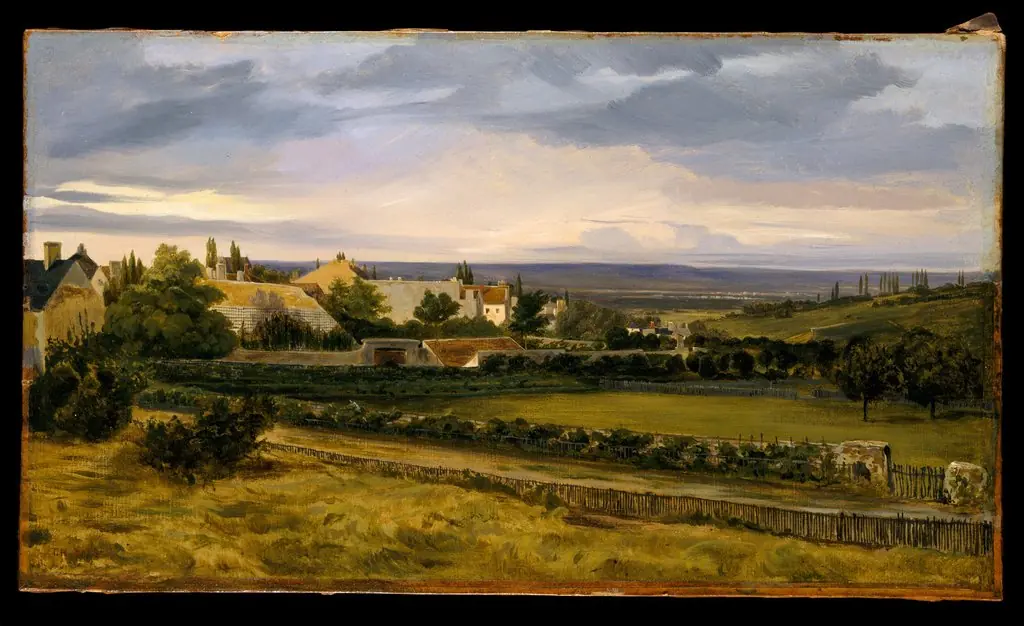
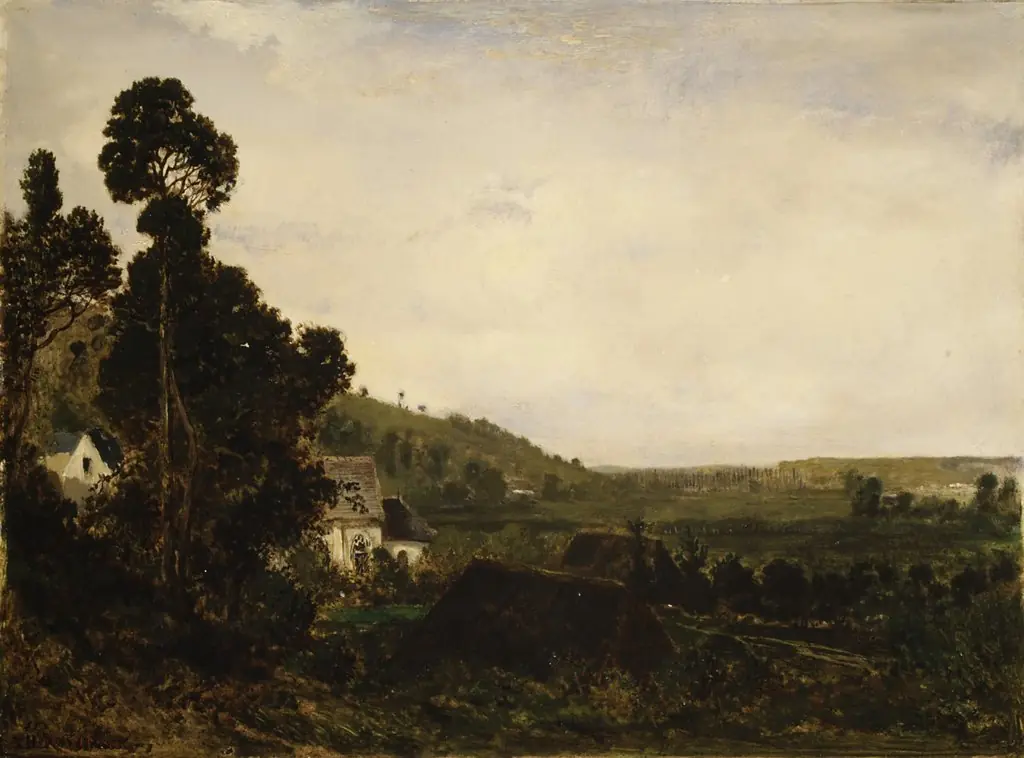
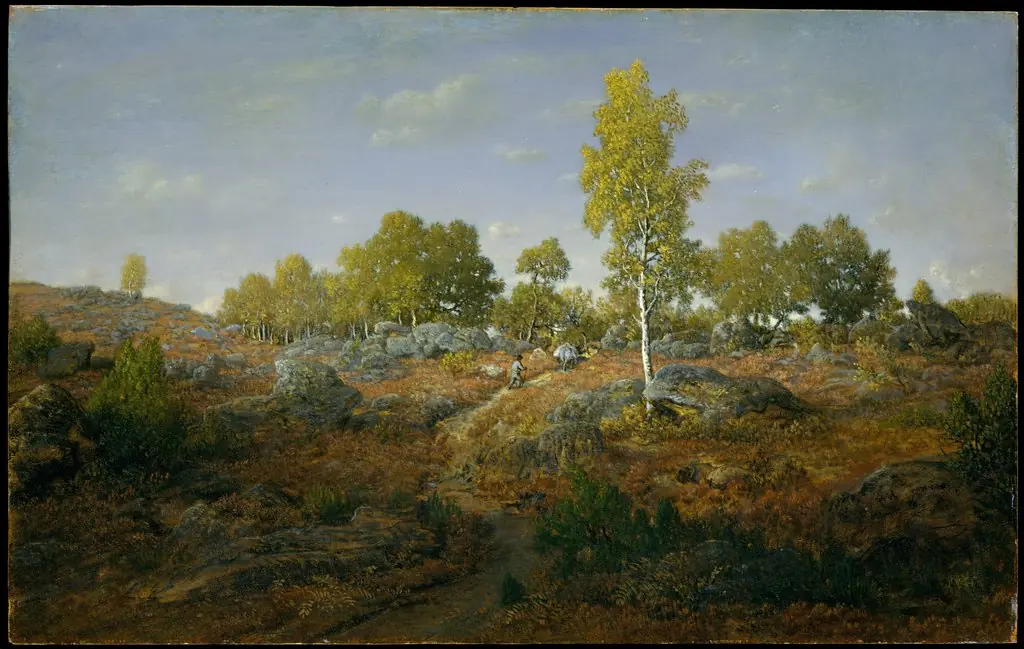
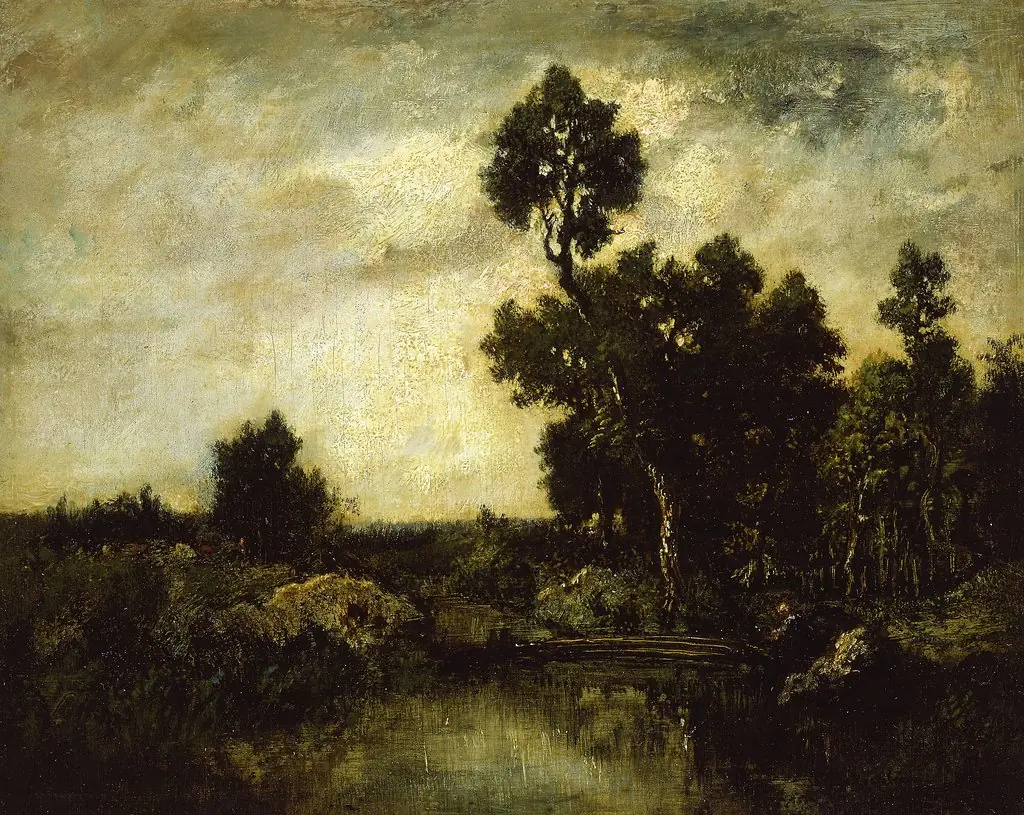
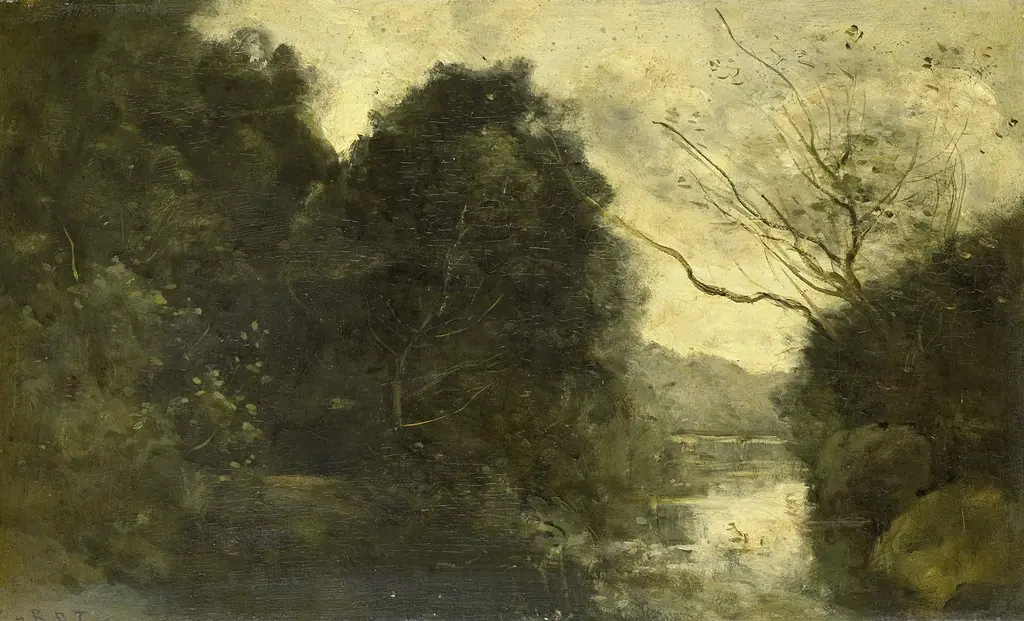
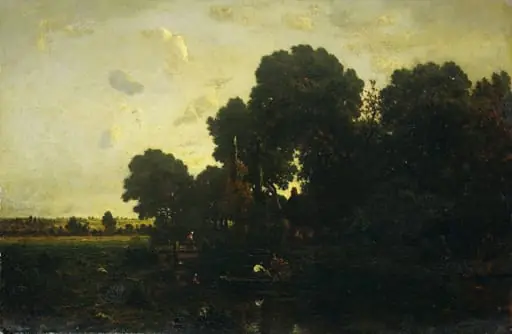
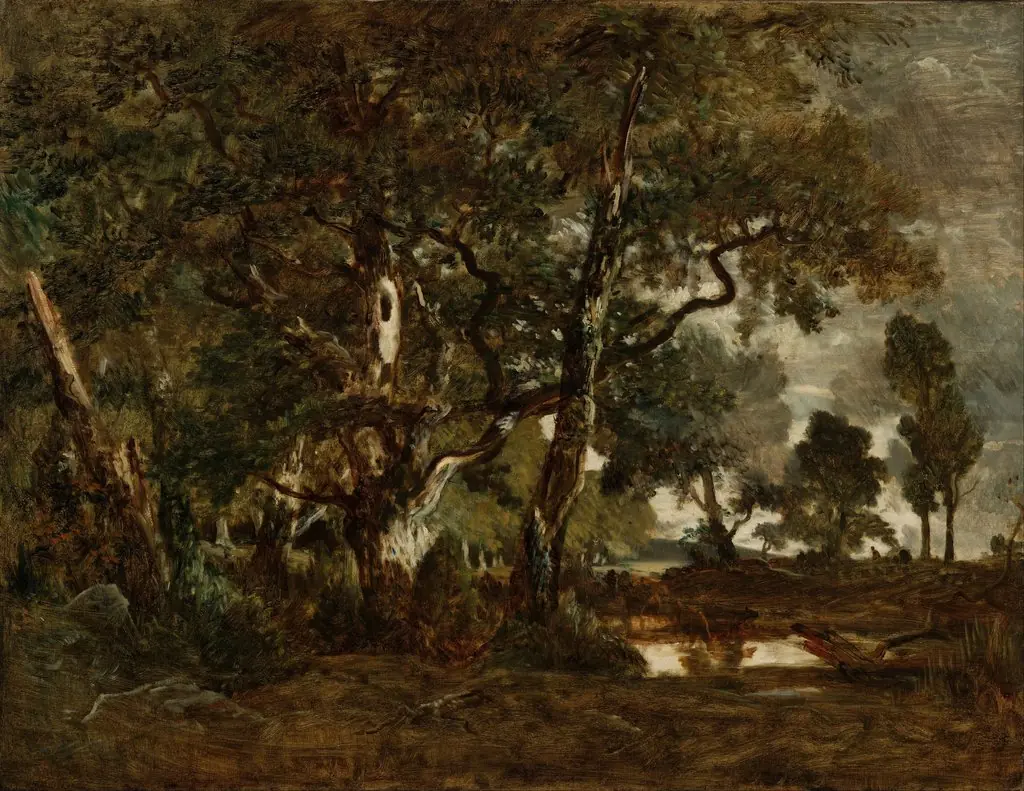
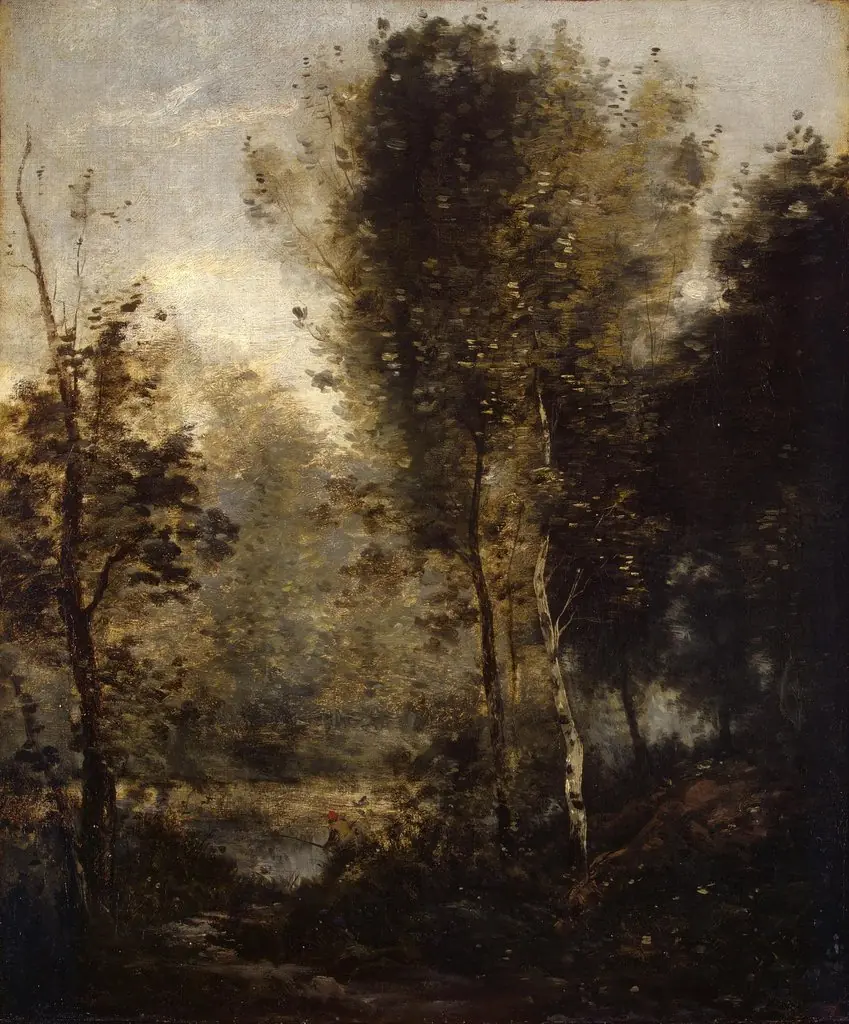
Landscape is an oil painting by the Romanticist artist Théodore Rousseau. It dates from 1850 and is held in the collection of the Art Institute of Chicago.
About this work
Overview
Landscape, an oil on panel painting created by Théodore Rousseau around 1850, is a quintessential example of the Barbizon school's emphasis on naturalistic rural landscapes. Now part of the Art Institute of Chicago's collection, it showcases Rousseau's characteristic attention to detail and serene composition.
Subject & Meaning
The painting depicts a peaceful, tree-dotted landscape set against a sky, evoking a sense of calm. As with much of Rousseau's work, the subject is a celebration of the everyday beauty of the natural world, reflecting the Barbizon school's focus on humble, unromanticized rural scenes.
Technique & Style
Rousseau employed oil on panel to achieve a detailed, realistic effect. Notably, the painting's depth and luminosity are likely enhanced by glazing techniques, a method involving the application of multiple thin, transparent layers of paint to capture subtle color nuances and atmospheric effects.
History & Provenance
Created circa 1850 by Théodore Rousseau (1812-1867), a leading figure of the Barbizon school, the painting is now held in the permanent collection of the Art Institute of Chicago.
Context
Within the broader art historical context, *Landscape* aligns with the mid-19th-century shift towards naturalism and the Barbizon school's influence on the development of outdoor, observational painting practices that would later impact Impressionism.
Legacy
While *Landscape* may not be Rousseau's most renowned work, it contributes to the artist's legacy as a pioneer of realistic, emotionally restrained landscape painting, influencing subsequent generations of European landscape artists.
Own this work as a print
Artist & collection
Artist
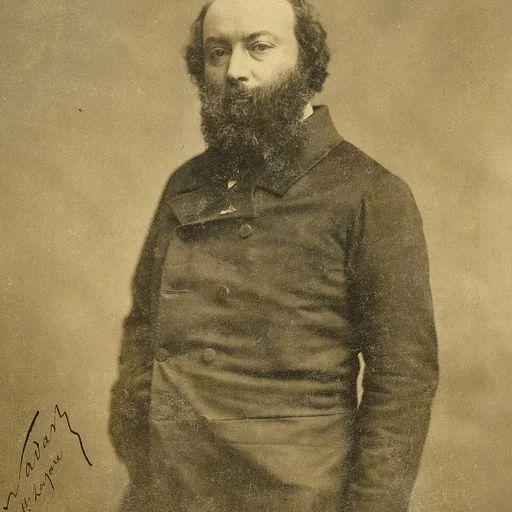
Étienne Pierre Théodore Rousseau (French pronunciation: ; 15 April 1812 – 22 December 1867) was a French painter of the Barbizon school.