Artwork
Farmstead on a Forest Road
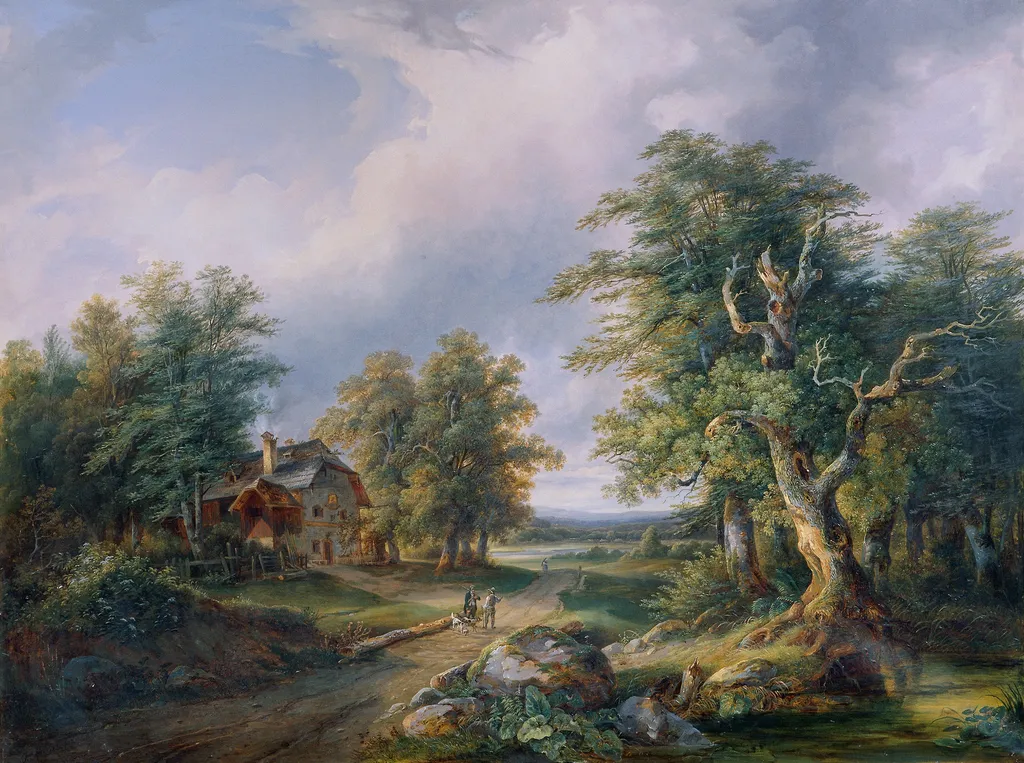
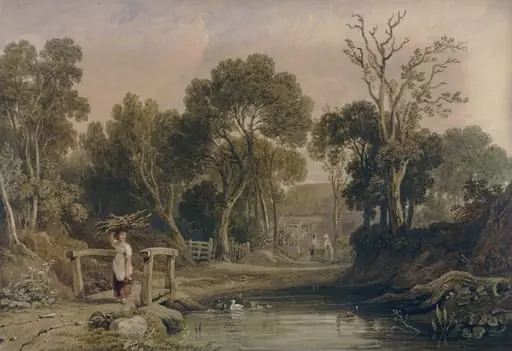
Farmstead on a Forest Road is an oil painting by the Biedermeier artist Joseph Altenkopf. It dates from 1850 and is held in the collection of the Belvedere.
About this work
Overview
Painted around 1850, Farmstead on a Forest Road is an oil-on-canvas work by Joseph Altenkopf. It depicts a quiet rural scene along a winding path through woodland, leading toward a distant lake. The composition balances natural elements with human presence, emphasizing the harmony between settlement and landscape. The painting resides in the collection of the Kunsthistorisches Museum in Vienna.
Subject & Meaning
The scene portrays a modest farmstead—house and barn—nestled beside a forest road, with travelers moving along it in a horse-drawn cart.
The scene portrays a modest farmstead—house and barn—nestled beside a forest road, with travelers moving along it in a horse-drawn cart. The figures are small, suggesting quiet daily life rather than dramatic event. The path, framed by trees and leading to open water, implies transition and continuity. The painting reflects a contemplative view of rural existence, free from idealization or narrative tension.
Technique & Style
Altenkopf employed oil paint to build subtle layers of texture, particularly in the foliage and earthy ground. Brushwork is deliberate but not showy, favoring atmospheric depth over sharp detail. The sky, softly graded between gray and blue, modulates light across the scene. Shadows and highlights are rendered with restraint, enhancing the painting’s quiet realism without romantic embellishment.
History & Provenance
The painting entered the Kunsthistorisches Museum’s collection in the 19th century, likely through acquisition or donation during a period of expanded regional art holdings. Its attribution to Joseph Altenkopf is consistent with museum records, though little is documented about the artist’s life or the work’s early ownership. It has remained in the museum’s care since at least the late 1800s.
Context
Created during a time when European artists increasingly turned to everyday landscapes, Altenkopf’s work aligns with regional traditions of quiet rural observation. Unlike grand historical or mythological scenes, this painting reflects a growing interest in ordinary life and local topography. It echoes broader 19th-century trends in Central European painting that valued sincerity over spectacle.
Legacy
While not widely exhibited outside Vienna, Farmstead on a Forest Road remains a representative example of mid-19th-century Austrian landscape painting. It contributes to the museum’s collection of works that document the aesthetic values of its time—measured, unembellished, and attentive to the rhythms of rural existence. Its enduring presence underscores its role as a quiet record of place.
Own this work as a print
Artist & collection

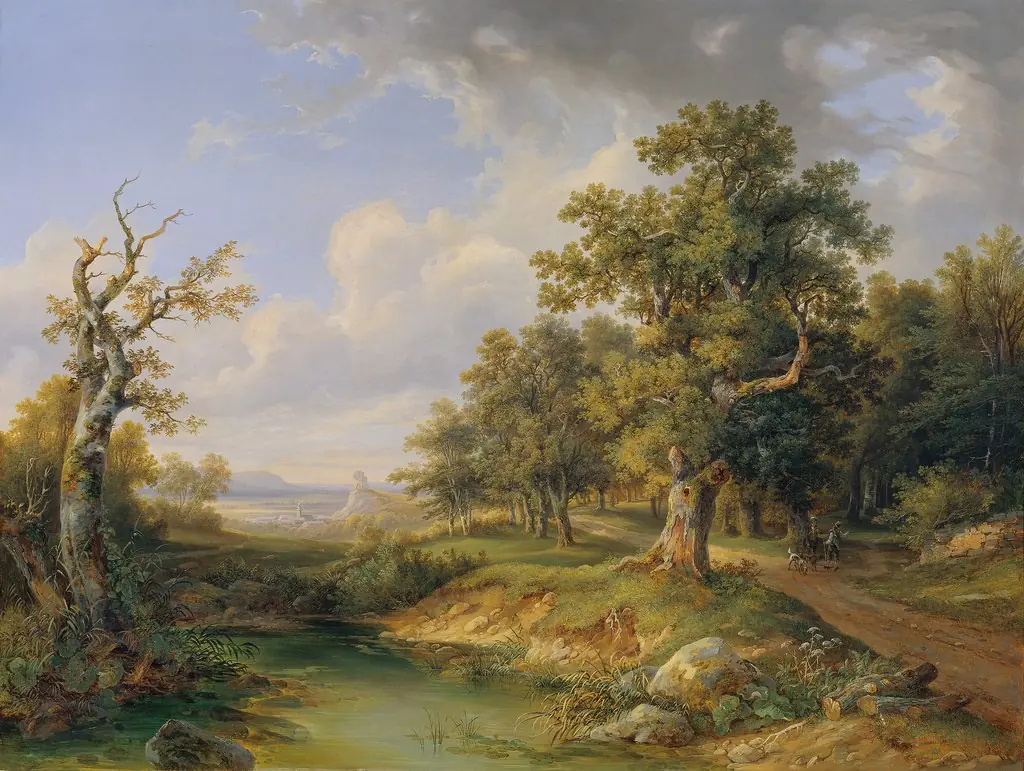 Wood near Mödling
 Landscape
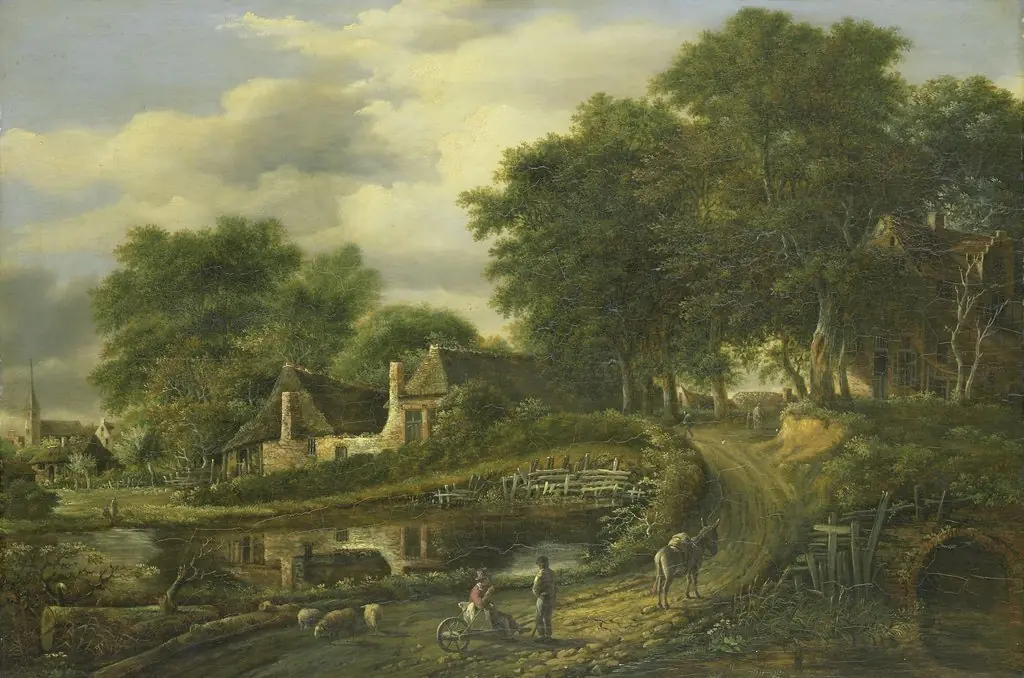 Landscape
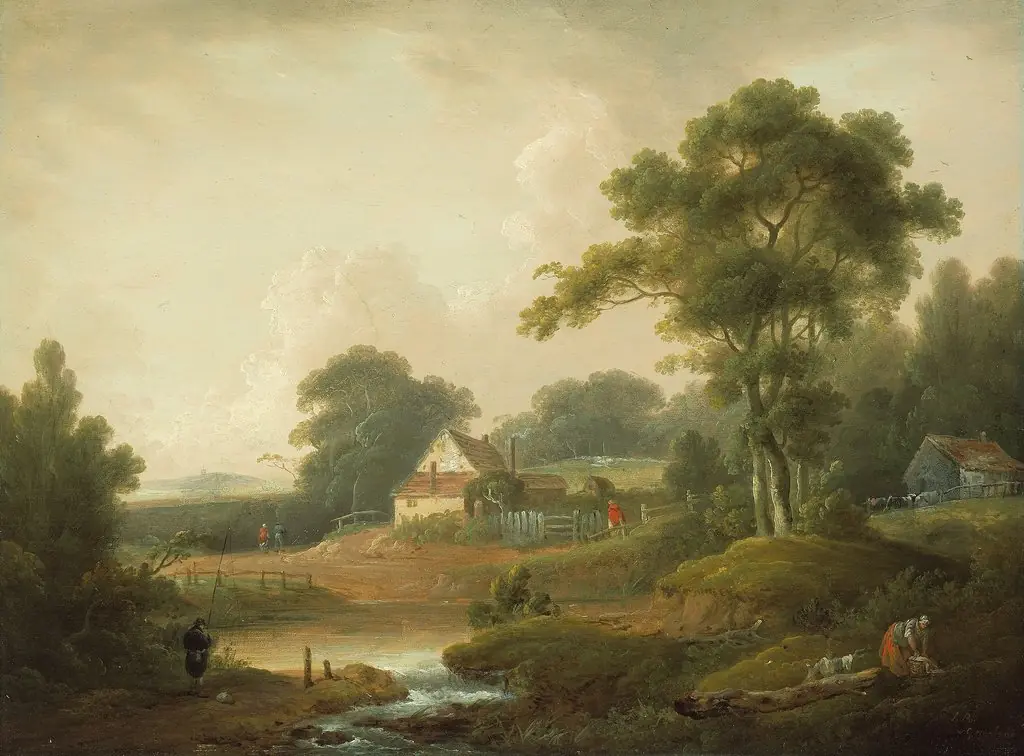 Landscape with Fisherman and Washerwoman
 Sir Philip Sidney's Oak
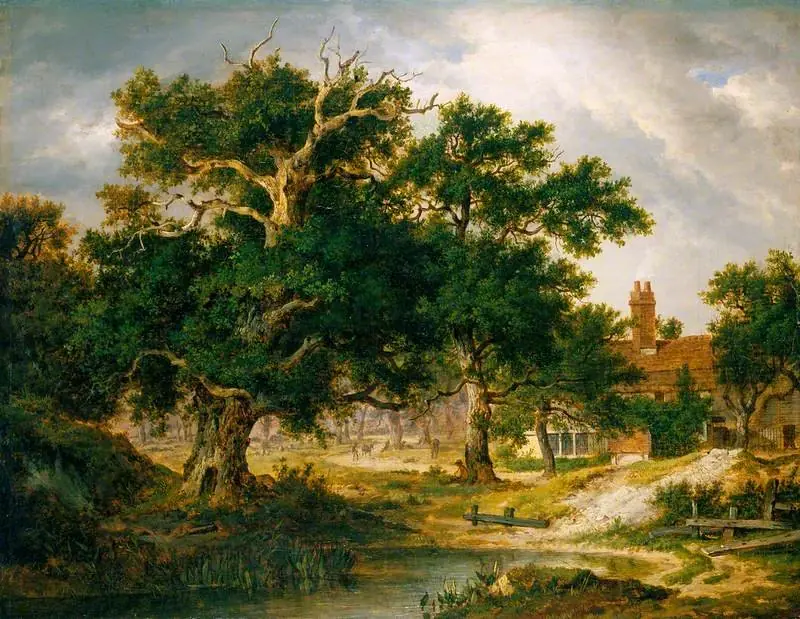 Sir Philip Sidney's Oak
 Richmond Park
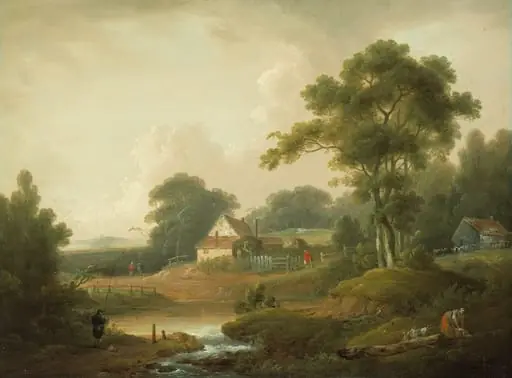 Landscape with Fisherman and Washerwoman
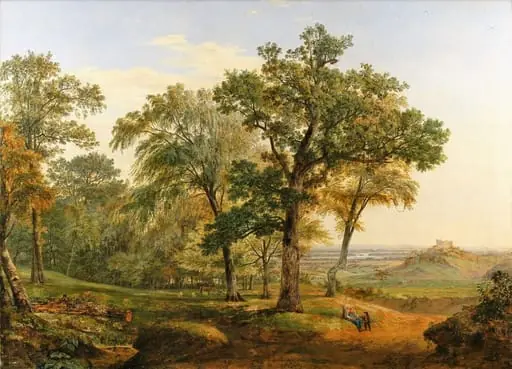 Cetatea Kesmárk
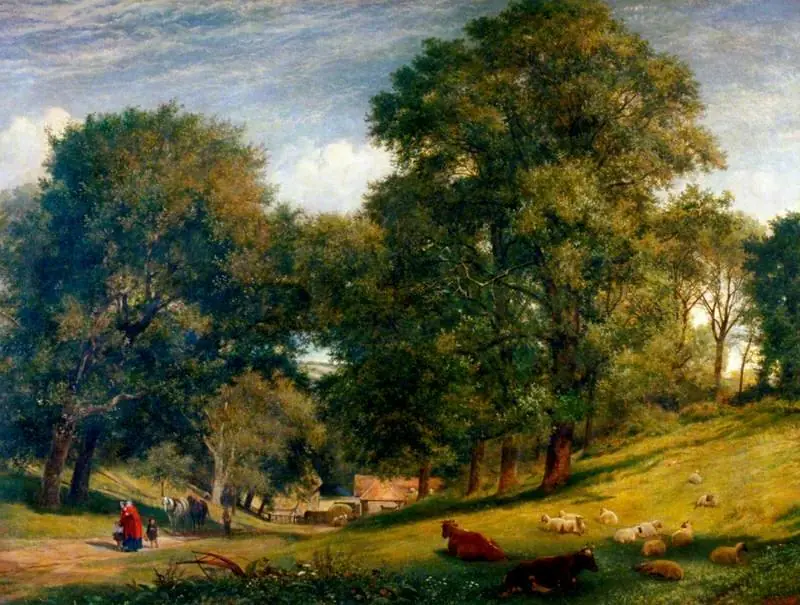 An Old English Homestead
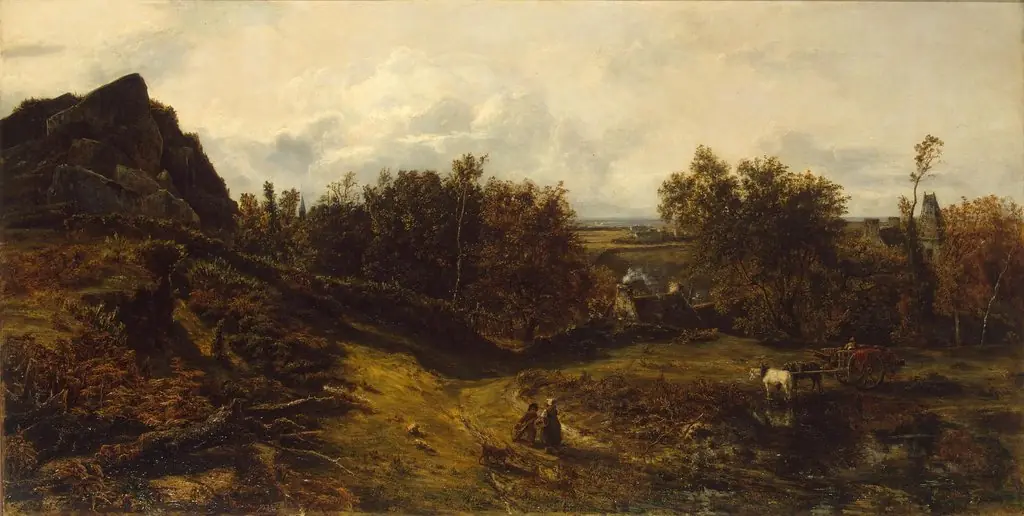 View on the Outskirts of Granville
 Landscape with a pond and country folk outside a cottage