Artwork
Untitled
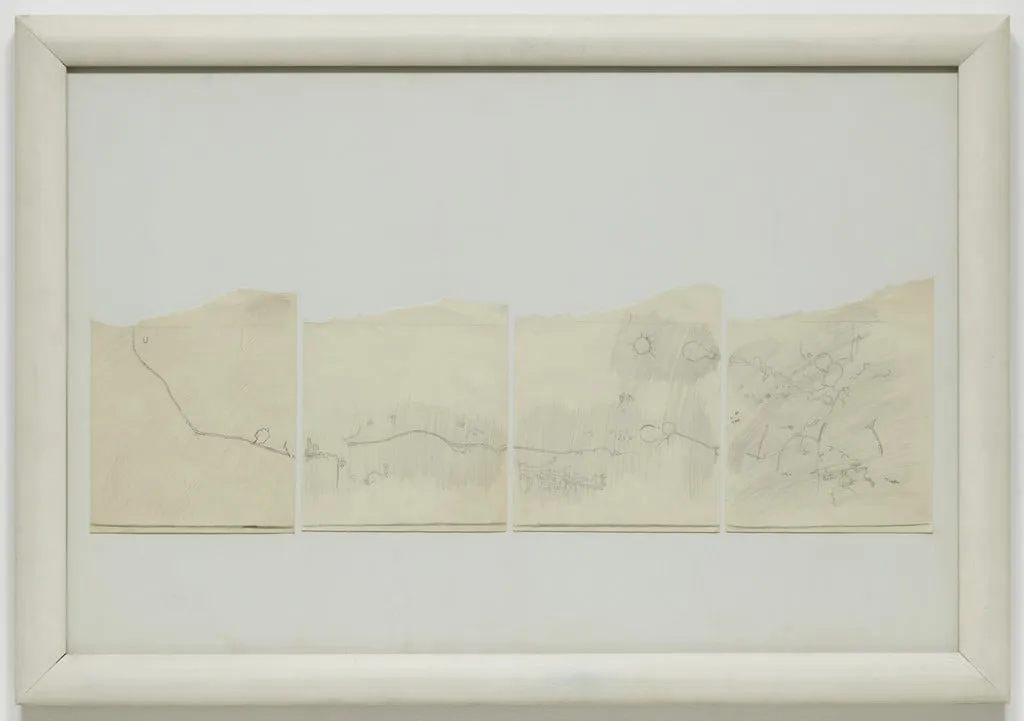
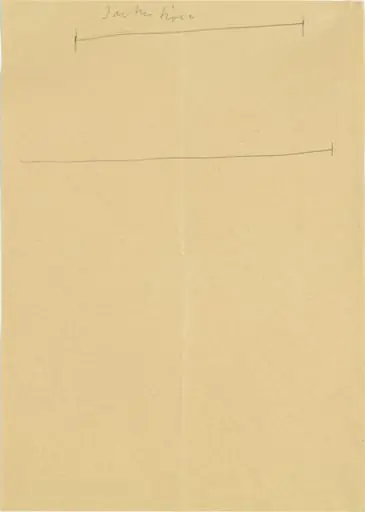
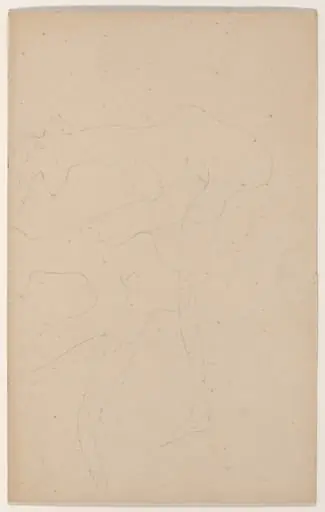
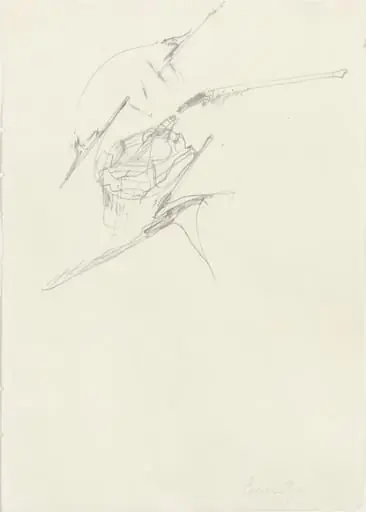
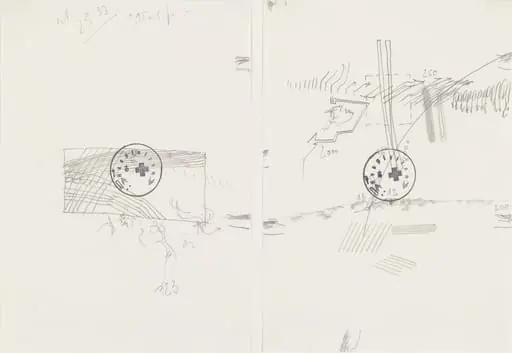
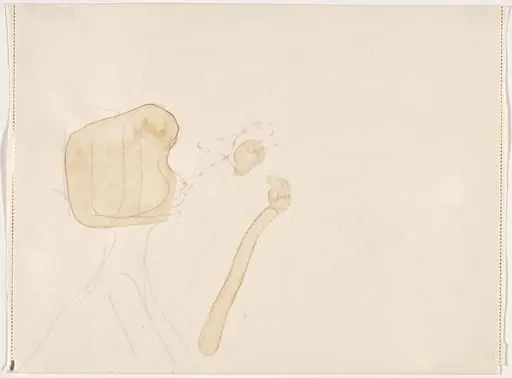
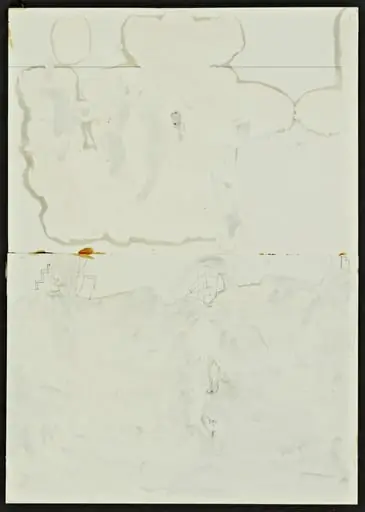
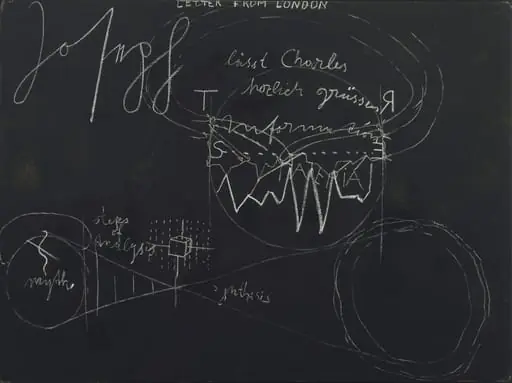
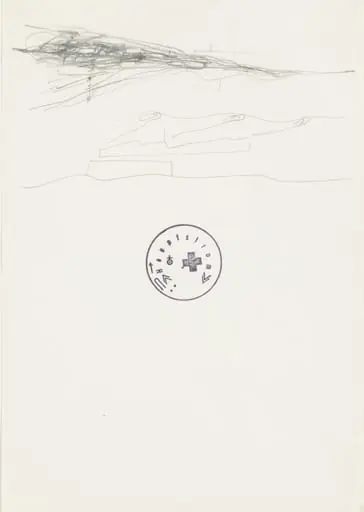
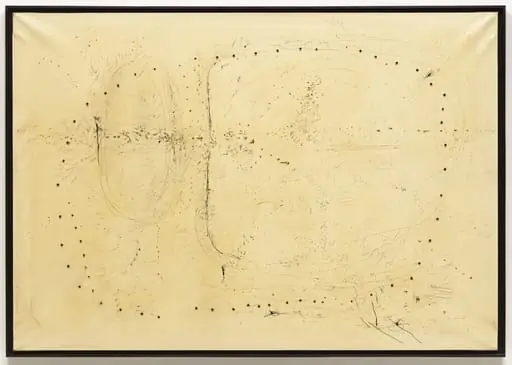
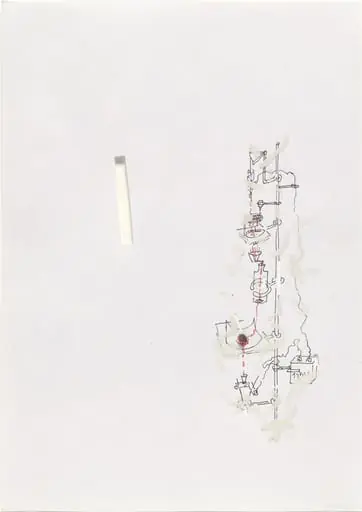
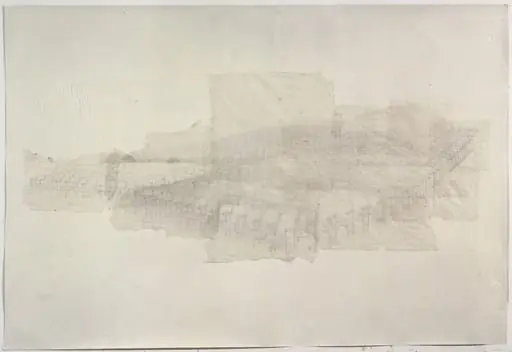
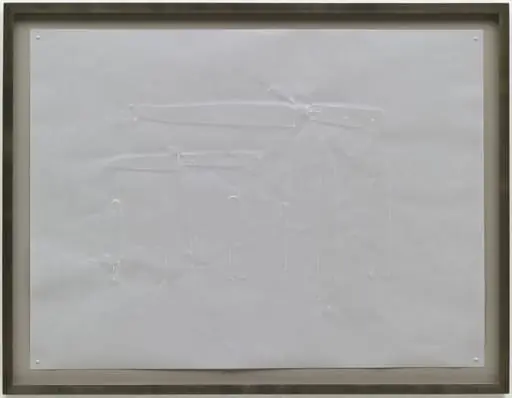
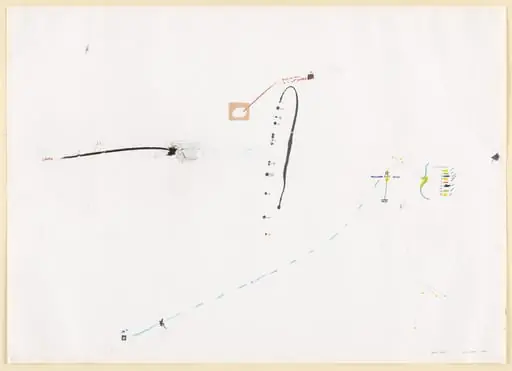
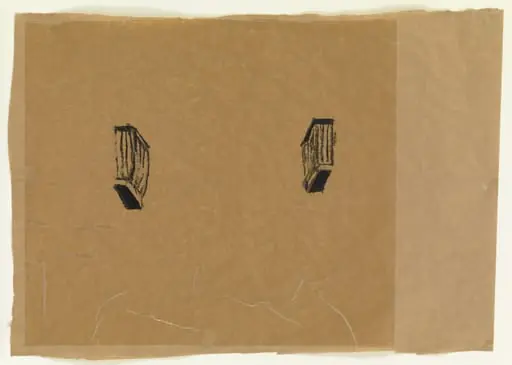
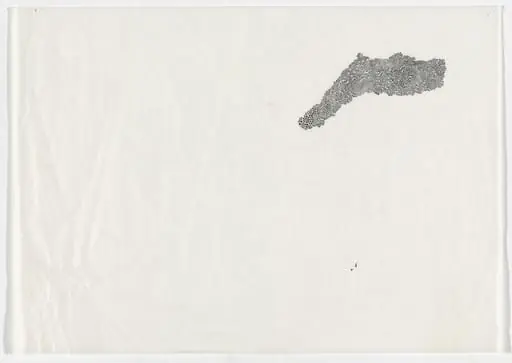
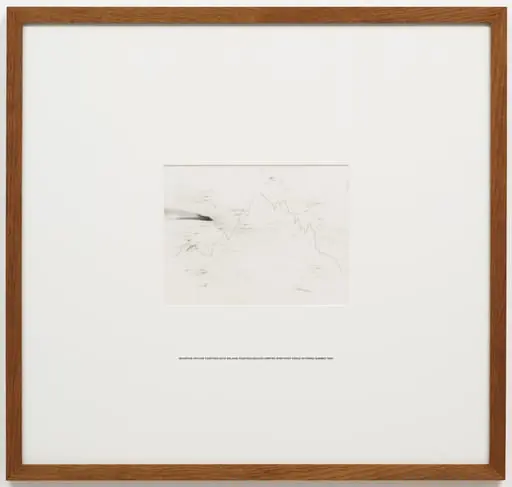
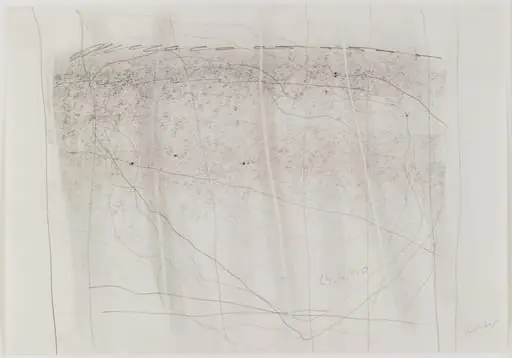
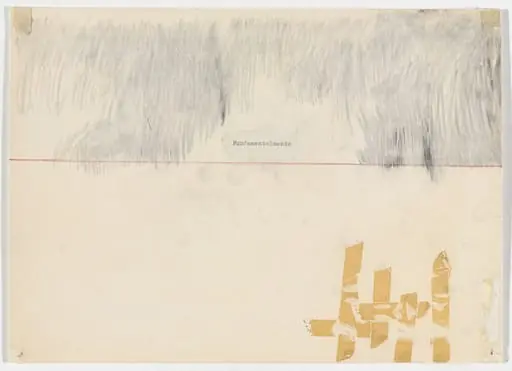
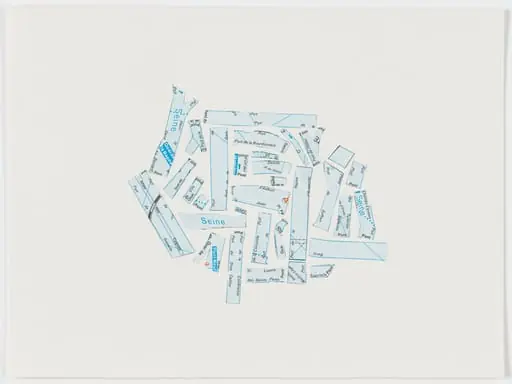
Untitled is a graphite drawing by Joseph Beuys. It dates from 1974 and is held in the collection of the Museum of Modern Art. Created around 1974, this drawing consists of four sheets of light beige paper mounted on a painted wooden panel.
About this work
Overview
The marks are delicate, unevenly applied, and appear deliberately unrefined, suggesting a process of exploration rather than final composition.
Created around 1974, this drawing consists of four sheets of light beige paper mounted on a painted wooden panel. Executed in pencil, the work presents a series of faint, irregular lines—some resembling fragmented cartography, others abstract notations or clusters of small circles. The marks are delicate, unevenly applied, and appear deliberately unrefined, suggesting a process of exploration rather than final composition. The paper shows subtle creases, reinforcing the sense of a working document rather than a finished object.
Subject & Meaning
The work resists clear narrative or symbolic interpretation, aligning with Beuys’s interest in open-ended thought. The ambiguous forms—part map, part sketch, part annotation—invite viewers to consider the act of thinking itself. Rather than conveying a fixed message, the drawing functions as a trace of mental activity, reflecting Beuys’s belief in art as a tool for collective inquiry and the expansion of consciousness beyond traditional boundaries.
Technique & Style
Beuys employed minimal pencil strokes, favoring light, tentative lines that suggest hesitation or revision. Cross-hatching appears sporadically, but without the density typical of traditional shading. The marks vary in pressure and clarity, some nearly erased, others slightly darker, as if the artist was testing visual ideas in real time. The irregular mounting of the paper and its slight physical distortion emphasize the work’s material presence and its status as a record of process.
History & Provenance
The work dates from a period when Beuys was deeply engaged in pedagogical and institutional projects, including the founding of the Free International University. While its exact origin within his studio practice is undocumented, it aligns with a broader body of works from the early 1970s that prioritize ephemeral, non-commercial forms. It was likely produced for personal reflection or as part of preparatory research, rather than for public exhibition.
Context
Emerging from Beuys’s broader rejection of art as commodity, this drawing reflects his alignment with Fluxus and conceptual practices that valued idea over object. In the context of postwar Germany, where art was often tied to national identity or historical trauma, Beuys’s focus on process and accessibility offered an alternative. This work, like others of its time, resists grandeur, instead proposing art as a quiet, ongoing act of observation and experimentation.
Legacy
The drawing contributes to a legacy of artist’s sketches that challenge conventional notions of completion and value. Its unpolished nature has influenced later generations who see artistic value in the provisional and the unfinished. Rather than being seen as incomplete, it is understood as a deliberate mode of inquiry—one that prioritizes thought over presentation and invites viewers to participate in the act of interpretation.
Artist & collection
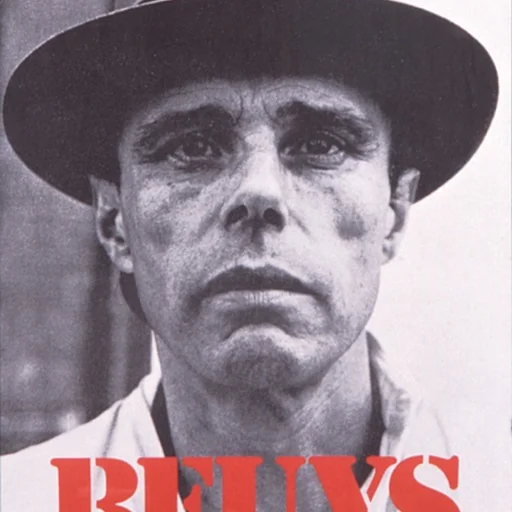
Artist
Joseph Heinrich Beuys ( BOYSS; German: ; 12 May 1921 – 23 January 1986) was a German artist, teacher, performance artist, and art theorist whose work reflected concepts of humanism and sociology.