Artwork
Untitled
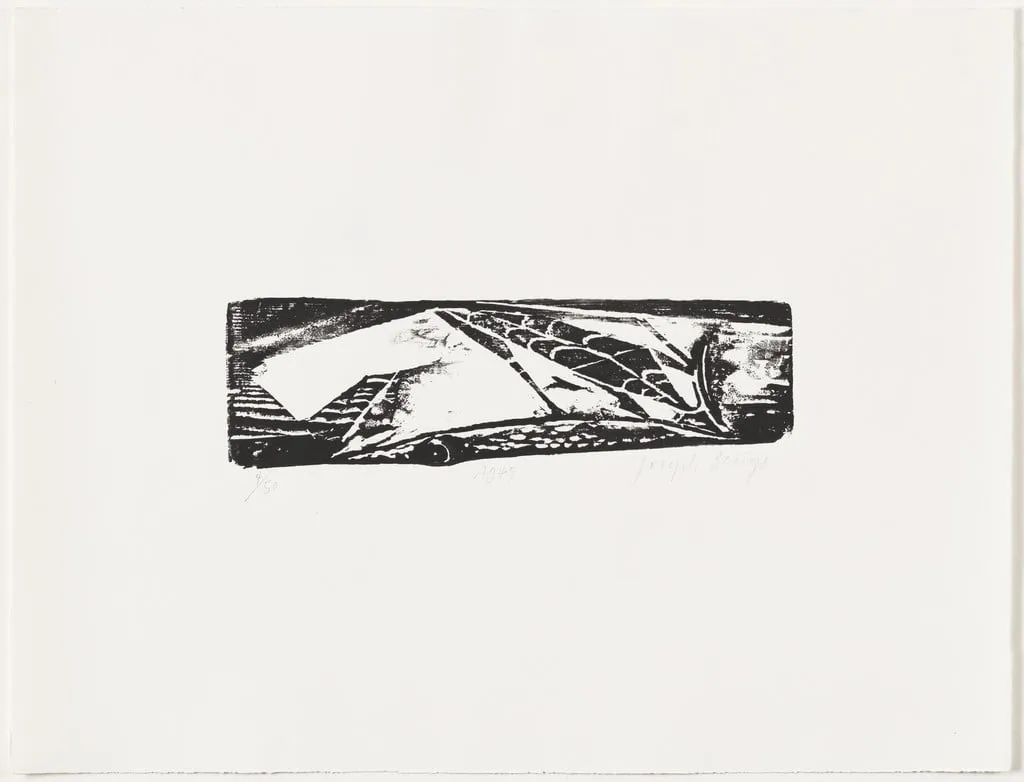
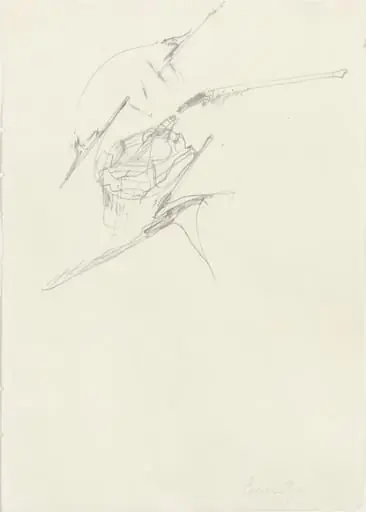
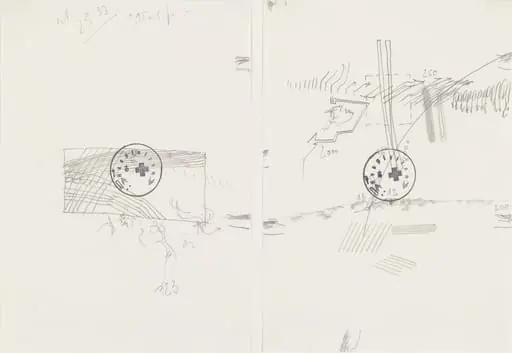
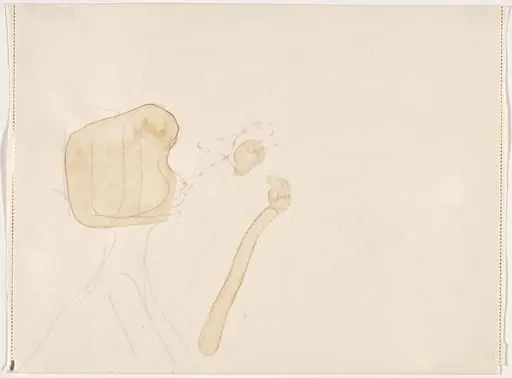
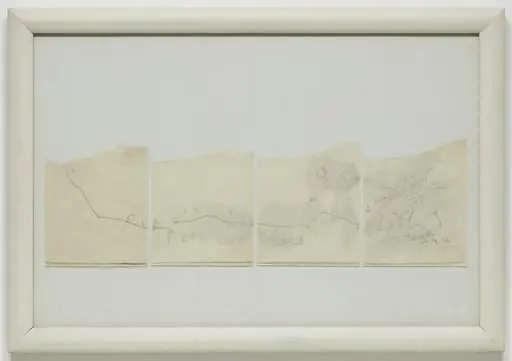
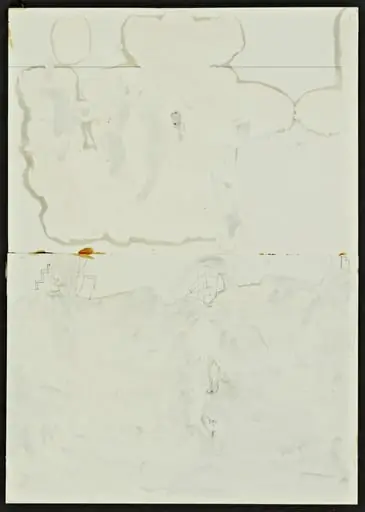
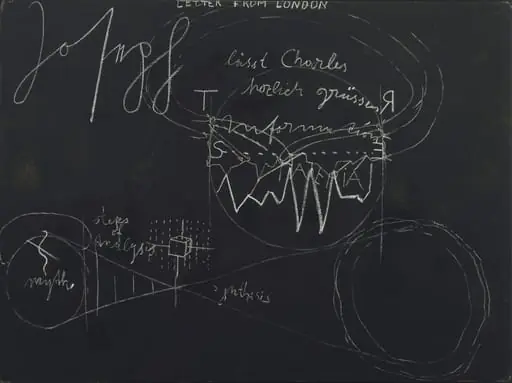
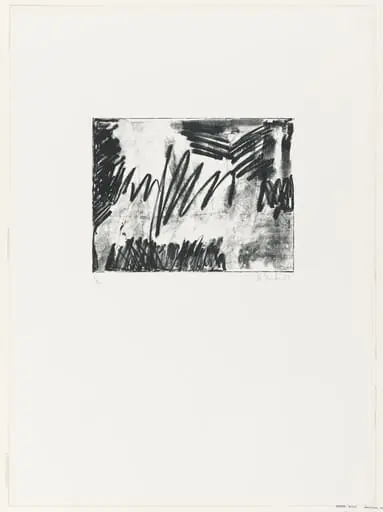
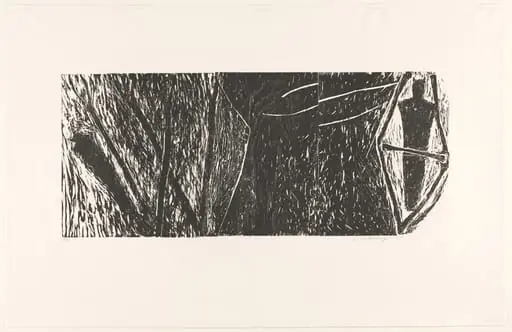
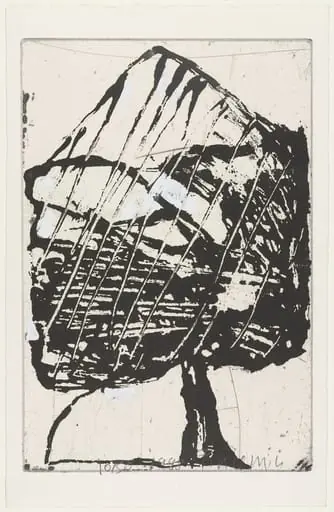
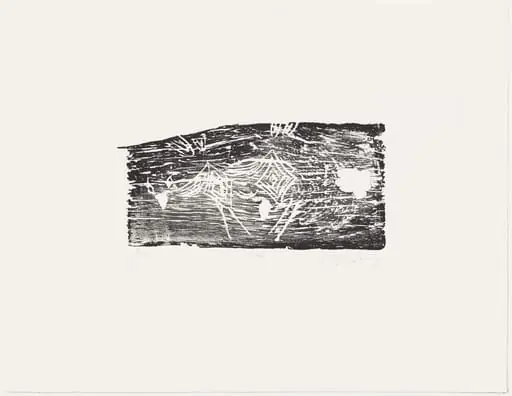
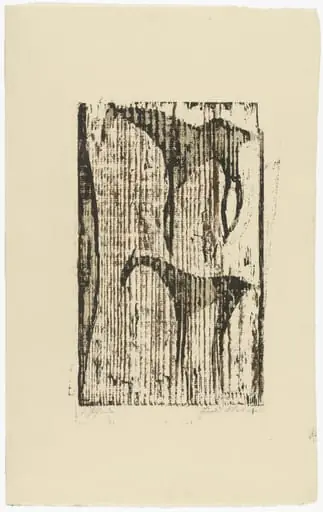
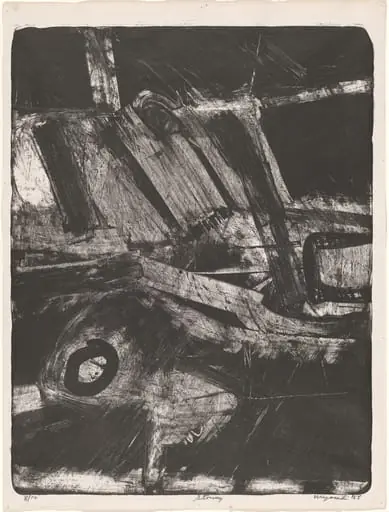
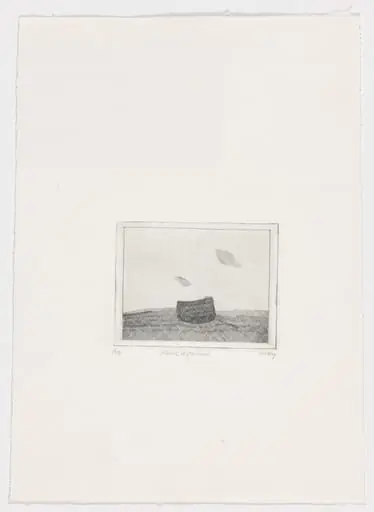
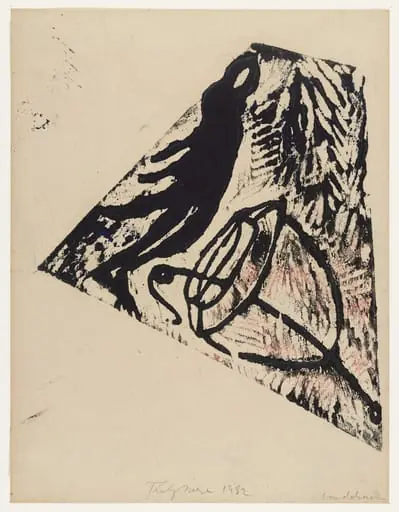
Untitled is an ink print by Joseph Beuys. It dates from 1974 and is held in the collection of the Museum of Modern Art.
About this work
Overview
Though best known for performance and sculpture, he frequently returned to printmaking to distill ideas into stark, accessible images.
Joseph Beuys produced this woodcut in 1974 as part of his broader exploration of material and symbolic form. Though best known for performance and sculpture, he frequently returned to printmaking to distill ideas into stark, accessible images. The work reflects his interest in direct, tactile processes and the potential of simple visual language to convey complex thought. It resides in The Museum of Modern Art’s collection.
Subject & Meaning
The image resists literal interpretation, presenting abstracted forms that suggest landscape or architecture without defining them. Sharp angles and flat planes evoke structural elements, while the diagonal line and wavy marks introduce tension and movement. Beuys often used ambiguous imagery to invite personal reflection, avoiding fixed narratives in favor of open-ended symbolism rooted in his philosophical concerns.
Technique & Style
Executed in woodcut, the print relies on the physical act of carving into wood to produce bold contrasts between inked black and uninked white. The hand-carved lines are direct and unrefined, emphasizing process over polish. This method aligns with Beuys’s preference for materials that retain the trace of the maker’s hand, reinforcing the connection between labor, thought, and expression.
History & Provenance
Created during a period of intense theoretical activity, this print emerged from Beuys’s engagement with post-war German identity and social renewal. It entered The Museum of Modern Art’s collection as part of a broader recognition of his contributions to conceptual art. Its preservation reflects institutional acknowledgment of his printmaking as integral to his artistic practice, not merely supplementary.
Context
Beuys worked within the Fluxus tradition, which valued ephemeral actions and anti-commercial aesthetics. His woodcuts, like this one, functioned as quiet counterpoints to his performative works—accessible yet resistant to easy consumption. They shared his belief that art could serve as a tool for collective reflection, rooted in material honesty and symbolic ambiguity.
Legacy
This print exemplifies Beuys’s influence on later generations who embraced printmaking as a vehicle for conceptual inquiry. Its minimalism and emphasis on process anticipated trends in post-conceptual art. While not widely exhibited, it remains a quiet testament to his conviction that even the simplest image could carry the weight of philosophical and social inquiry.
Artist & collection
Artist
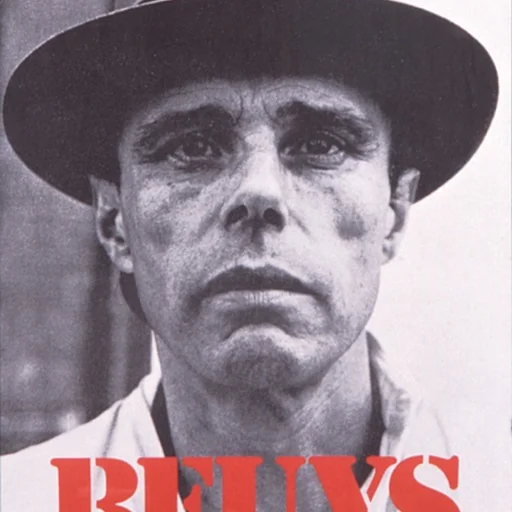
Joseph Heinrich Beuys ( BOYSS; German: ; 12 May 1921 – 23 January 1986) was a German artist, teacher, performance artist, and art theorist whose work reflected concepts of humanism and sociology.