Artwork
Apotheosis of the Elector Carl Theodor of the Palatinate
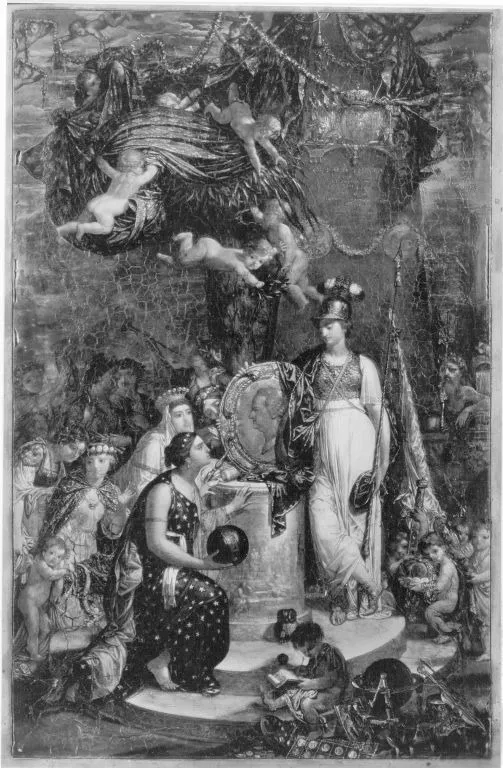
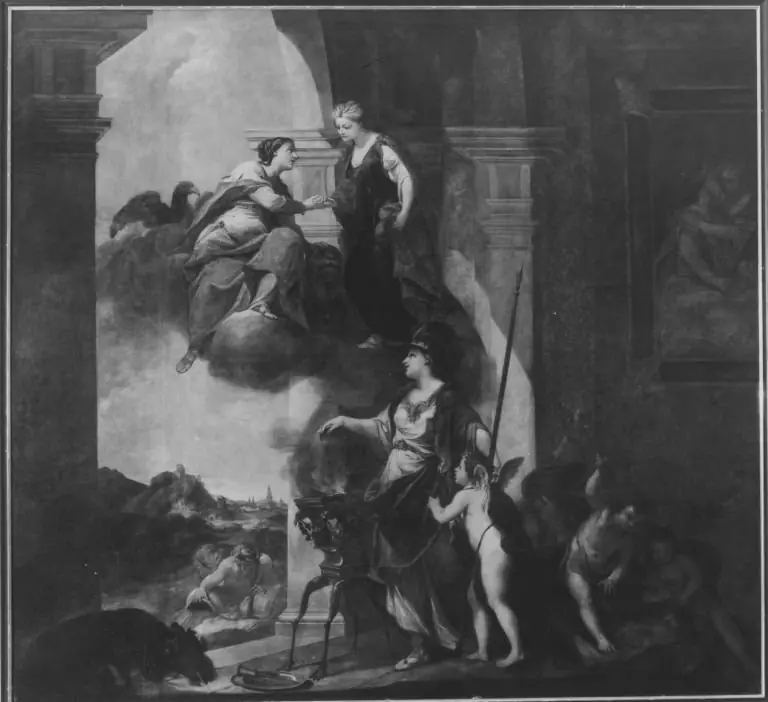
Apotheosis of the Elector Carl Theodor of the Palatinate is a copper painting by the Rococo painting artist Joseph Fratrel. It dates from 1756 and is held in the collection of the Bavarian State Painting Collections.
About this work
Overview
Joseph Fratrel’s 1756 work, titled *Apotheosis of the Elector Carl Theodor of the Palatinate*, is executed on a copper sheet. The composition presents a central female figure in a white dress and feathered helmet, flanked by attendants, cherubs, and a dark, muted backdrop. The piece is part of the Alte Pinakothek’s collection.
Subject & Meaning
The central woman, armed with a spear and a shield bearing a male likeness, appears to embody a triumphal or divine elevation of the Elector. Surrounding figures in togas and robes kneel, sit, or lean, reinforcing a ceremonial atmosphere that celebrates the ruler’s status.
Technique & Style
Fratrel employed the Rococo aesthetic, characterized by lightness, decorative detail, and fluid movement. The copper substrate allowed for fine, luminous brushwork, while the muted blues and greens in the background create a subtle contrast to the bright figures.
History & Provenance
Born in 1730, Fratrel trained under the French painter Baudouin before becoming court painter to Elector‑Palatine Charles Theodore. He completed this work in 1756, and it later entered the Alte Pinakothek’s holdings, where it remains on display.
Context
The painting reflects the political and cultural ambitions of the Palatinate court in the mid‑18th century, using allegorical imagery to legitimize the Elector’s rule. Rococo’s emphasis on elegance and celebration aligns with the court’s desire to project power through art.
Artist & collection
Artist
Joseph Fratrel, was a distinguished painter and etcher in France. Born at Épinal in 1730, he was a scholar of Baudouin in Paris. He became court painter for King Stanislaus and the Elector-Palatine Charles Theodore: in…

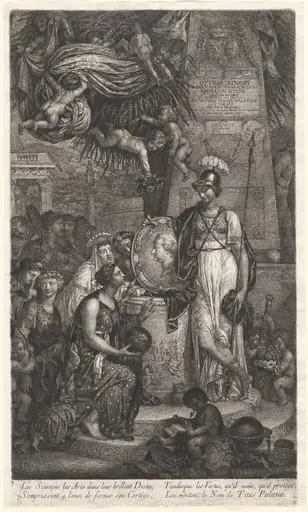 The Personifications of the Arts and Sciences Pay Tribute to Carl Theodor von der Pfalz
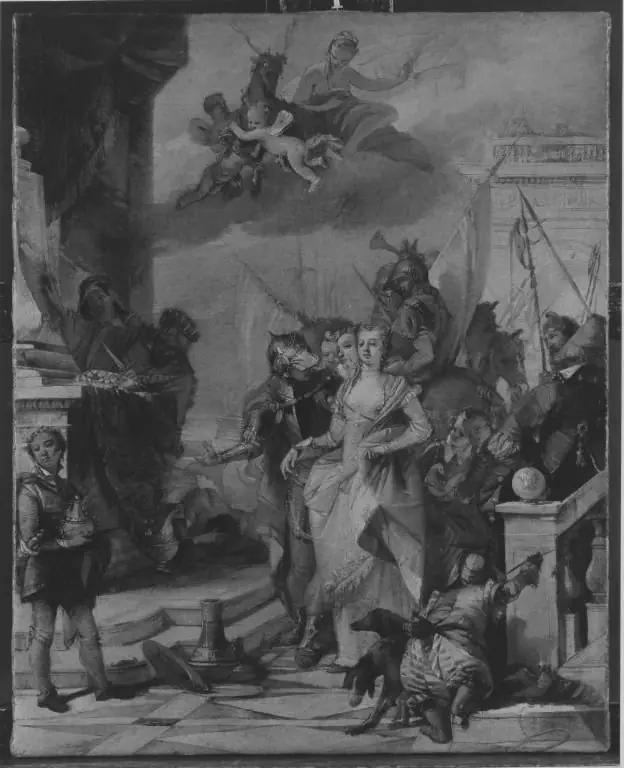 Iphigenie wird zum Tempel geführt
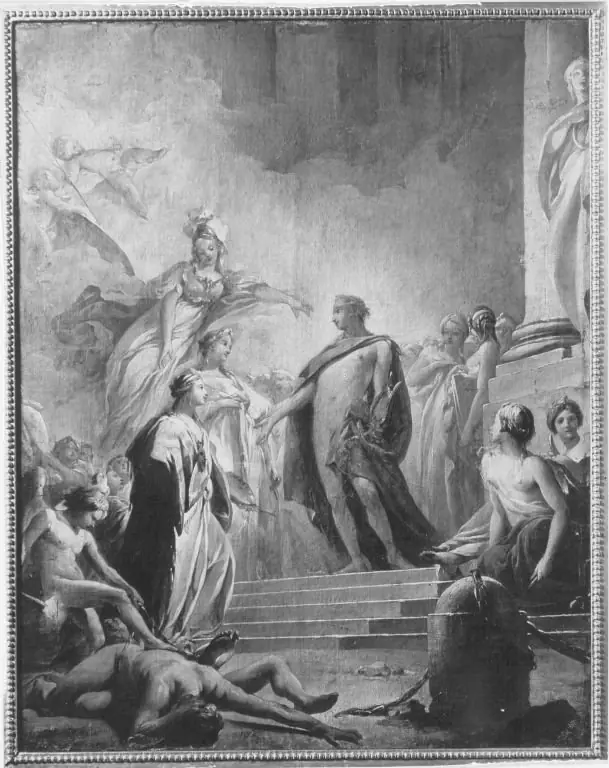 Allegorische Szene (?)
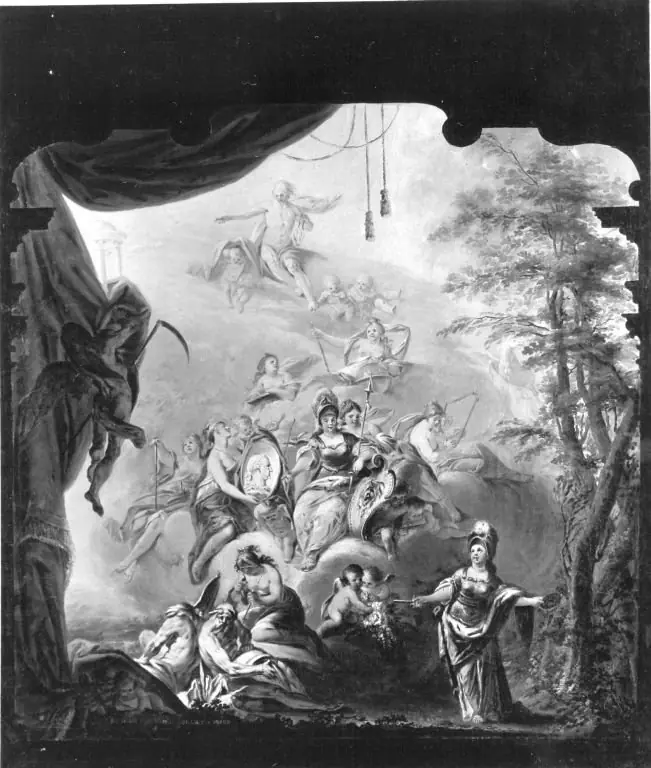 Verherrlichung des Kurfürsten Karl Theodor von der Pfalz
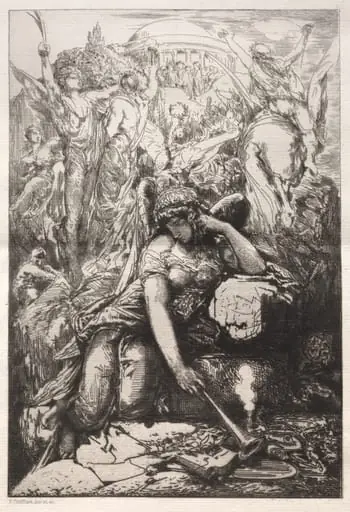 Melancholy
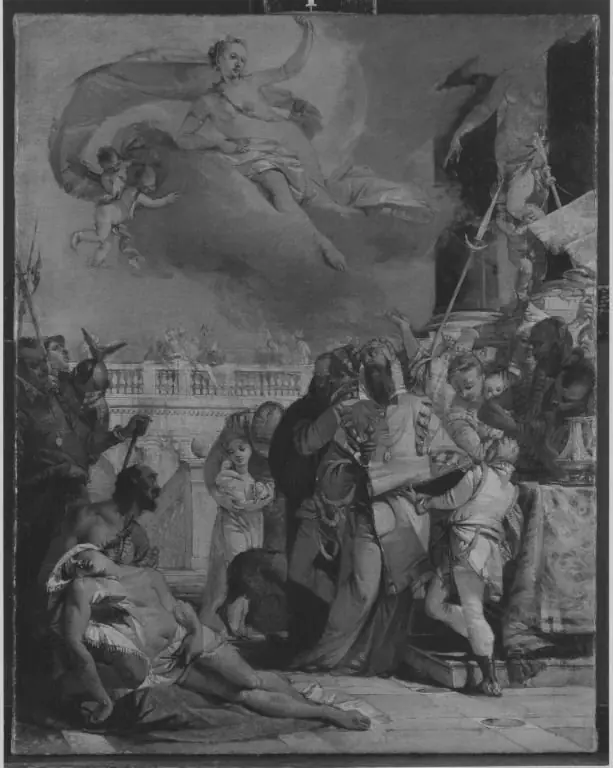 Opferung der Iphigenie
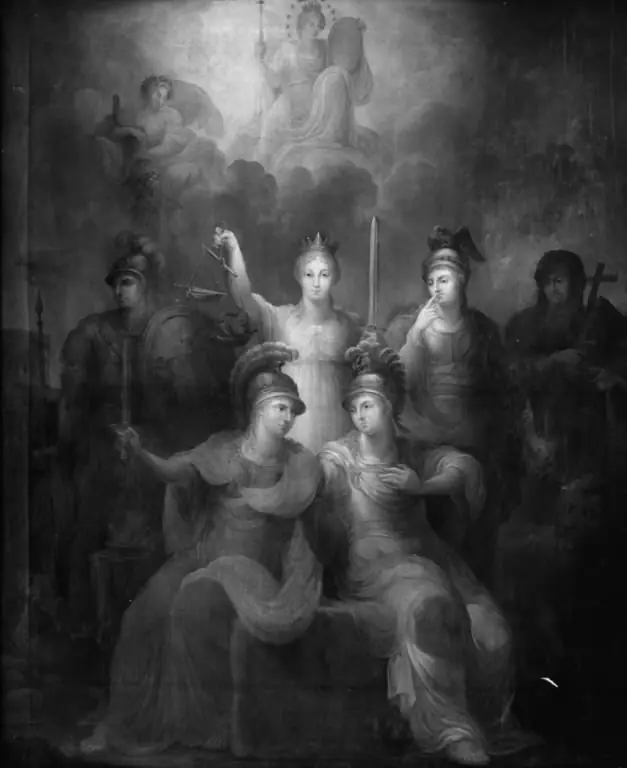 En allegori
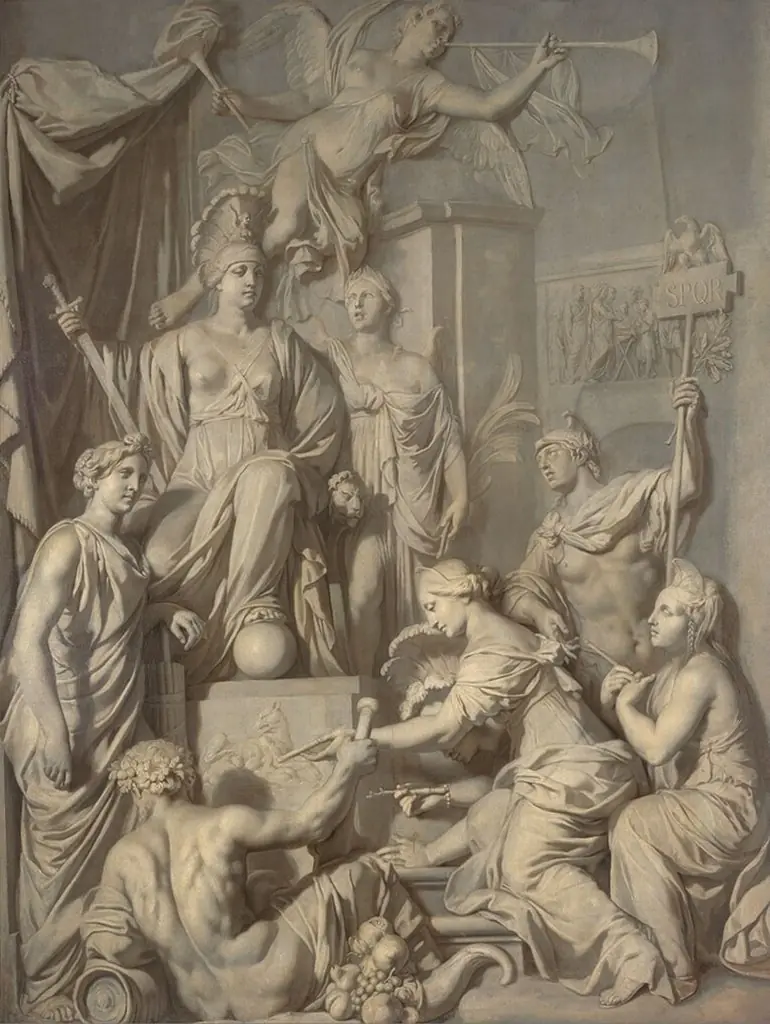 Rome Wearing the Crown
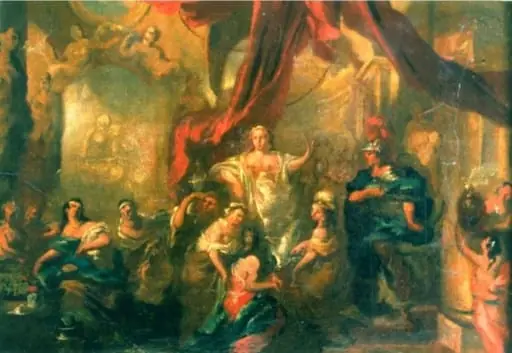 Scenă alegorică
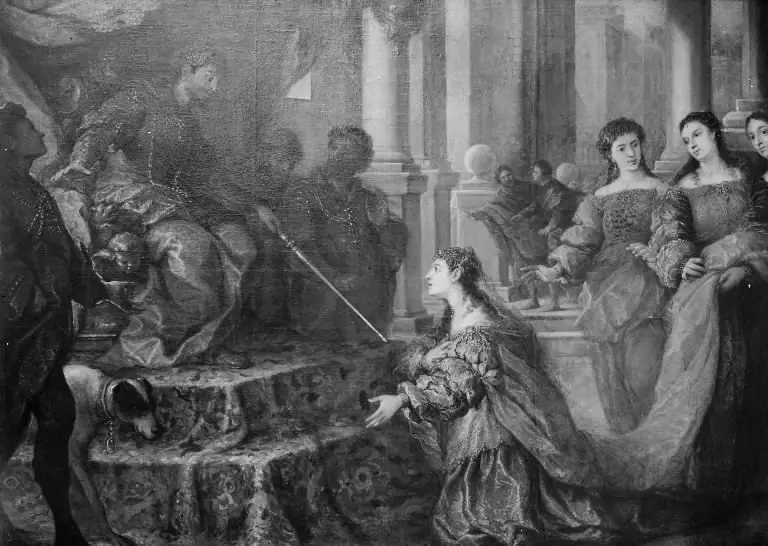 Esther Kneeling before Ahasverus
 Esther Kneeling before Ahasverus
 Minerva von Hymen Begleitet