Artwork
Liber Studiorum: Mt. St. Gothard
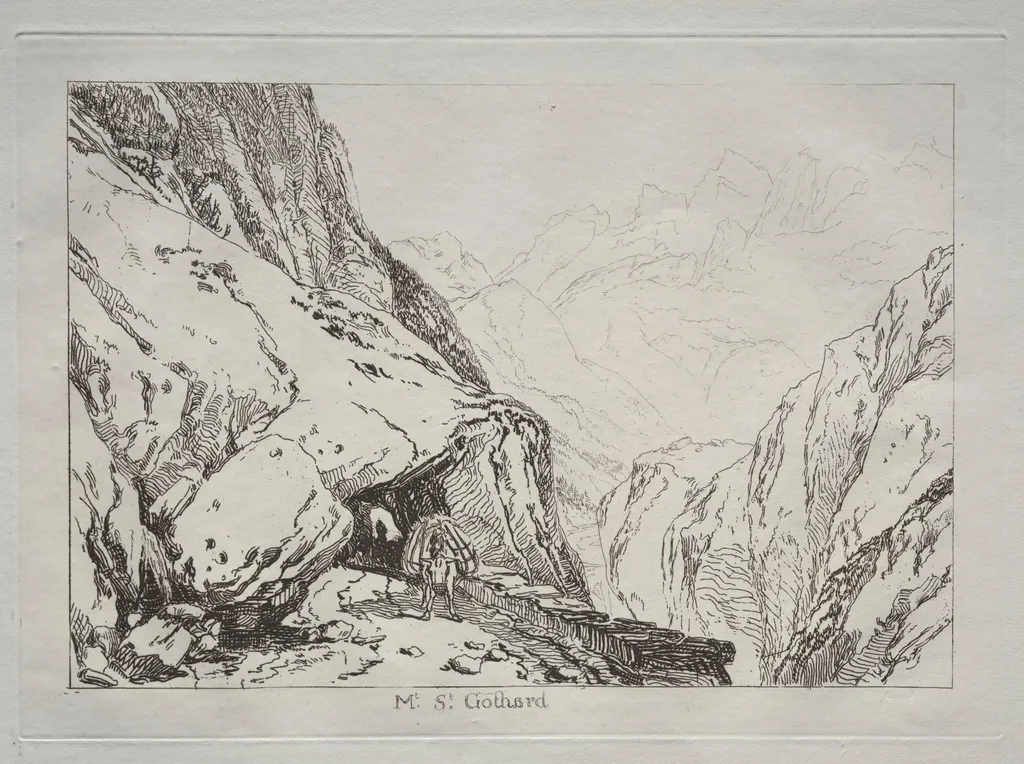
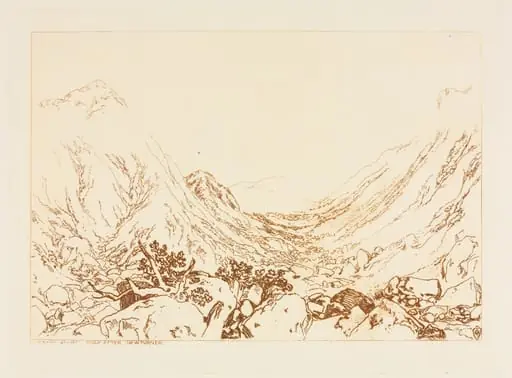
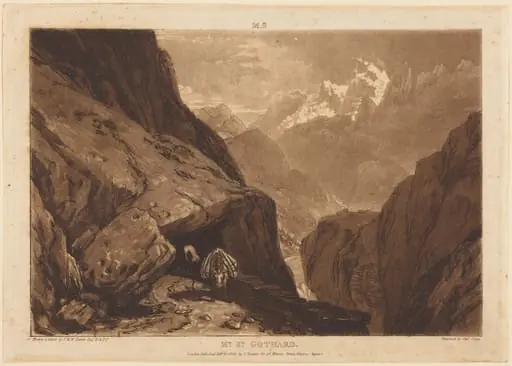
Liber Studiorum: Mt. St. Gothard is a print by Joseph Mallord William Turner. It dates from 1823 and is held in the collection of the Cleveland Museum of Art. Created around 1823, *Liber Studiorum: Mt.
About this work
Overview
Turner used mixed techniques to achieve subtle tonal gradations, moving beyond mere topographical representation toward a more interpretive vision of nature.
Created around 1823, *Liber Studiorum: Mt. St. Gothard* is an etching and mezzotint by Joseph Mallord William Turner. It belongs to a larger series of prints intended to classify and explore landscape composition. Turner used mixed techniques to achieve subtle tonal gradations, moving beyond mere topographical representation toward a more interpretive vision of nature. The work reflects his commitment to elevating landscape as a serious artistic genre.
Subject & Meaning
The print depicts the mountain pass of Mt. St. Gothard in the Swiss Alps, a route Turner traversed during his travels. Rather than documenting the site literally, he emphasized its atmospheric grandeur—clouds, light, and geological form merge into a dynamic composition. The scene suggests human passage through nature’s immensity, evoking contemplation rather than narrative. It aligns with Romantic ideals of nature as both sublime and spiritually resonant.
Technique & Style
Turner combined etching for fine linear detail with mezzotint to produce rich, velvety blacks and soft transitions of light. The result is a luminous, almost ethereal atmosphere where form dissolves into mood. His brushwork in the original drawings, translated into print, prioritized emotional impact over precision. This technical experimentation marked a departure from conventional landscape representation and foreshadowed later developments in modern art.
History & Provenance
The *Liber Studiorum* series was conceived by Turner as a systematic study of landscape types, published in parts between 1807 and 1819, with additional plates added later, including this one from around 1823. *Mt. St. Gothard* was likely issued in a later state. The print entered the collection of The Cleveland Museum of Art through documented acquisition, preserving its place within Turner’s printed oeuvre and the broader history of British printmaking.
Context
During the early 19th century, landscape art in Britain was gaining intellectual prestige, moving beyond decorative function. Turner’s *Liber Studiorum* responded to this shift by proposing a taxonomy of landscape—pastoral, mountainous, marine—each treated with distinct compositional and tonal strategies. His work stood apart from contemporaries by prioritizing emotional resonance and atmospheric effect over topographical accuracy.
Legacy
Turner’s experimental approach in the *Liber Studiorum* series, including *Mt. St. Gothard*, influenced later artists seeking to capture light and movement beyond literal depiction. His dissolution of form into tone and his emphasis on perception over detail prefigured concerns central to Impressionism and, indirectly, abstraction. Though not widely recognized in his lifetime as a printmaker, his technical innovations in etching and mezzotint are now seen as pivotal to the evolution of modern visual language.
Artist & collection
Artist
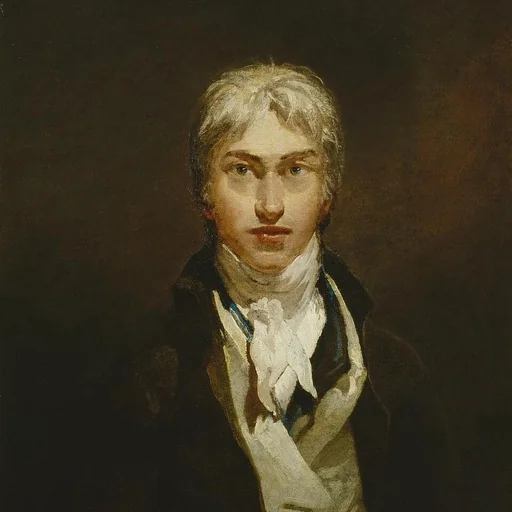
Joseph Mallord William Turner was born in 1775 at Maiden Lane, Covent Garden, where his father kept a barber and wig-making shop.

 Mountain View with Lake
 Ben Arthur, Scotland
![The Alps [recto], by John Singer Sargent](https://artifactworldgallery.com/img/john-singer-sargent--the-alps-recto--be3c1d8551c9fe49-w320.webp) The Alps [recto]
The Alps [recto] The Pass Between Dale and Dalsjed
 Mountain Scene with Rocks
 Mount Kinchinjunga (All Things Fair)
 Cromlech, Pass of Llanberis
 Untitled
 Indian village dwellings with a humped ox
 The Grimsel Pass
 Chain of Alps from Grenoble to Chamberi
 Mt. Saint Gothard