Artwork
The Alps [recto]
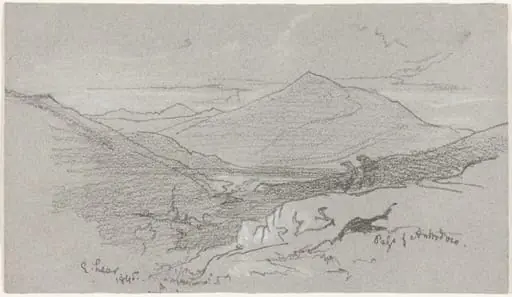
![The Alps [recto], by John Singer Sargent, graphite, 1868](https://artifactworldgallery.com/img/john-singer-sargent--the-alps-recto--be3c1d8551c9fe49-w1024.webp)
The Alps [recto] is a graphite drawing by the Impressionist artist John Singer Sargent. It dates from 1868 and is held in the collection of the National Gallery of Art.
About this work
Overview
John Singer Sargent produced a graphite drawing titled The Alps during the period of 1868–1869. Executed on wove paper, the work presents a panoramic view of a mountainous region, emphasizing the stark contours of peaks and the intervening valleys. The piece reflects Sargent’s early interest in landscape observation, rendered entirely in monochrome graphite.
Subject & Meaning
The composition depicts an alpine environment, focusing on the interplay of light and shadow across rugged terrain. By isolating the forms of the mountains from any human presence, the drawing invites contemplation of nature’s scale and the atmospheric conditions that define the highland landscape. The absence of color heightens the sense of distance and mood.
Technique & Style
Sargent employs fine graphite lines to articulate the texture of rock faces and the gradations of tone that suggest atmospheric perspective. Subtle cross‑hatching creates depth, while smoother strokes convey the softer sky and distant haze. The handling of graphite anticipates the sfumato effect, allowing edges to dissolve gradually into surrounding tones.
History & Provenance
Created shortly after Sargent’s arrival in Europe, the drawing belongs to his formative years of study and travel. It remained in private collections for much of the twentieth century before entering a museum holding of his early works. Documentation traces its ownership through several European dealers before its acquisition by the current institution.
Own this work as a print
Artist & collection
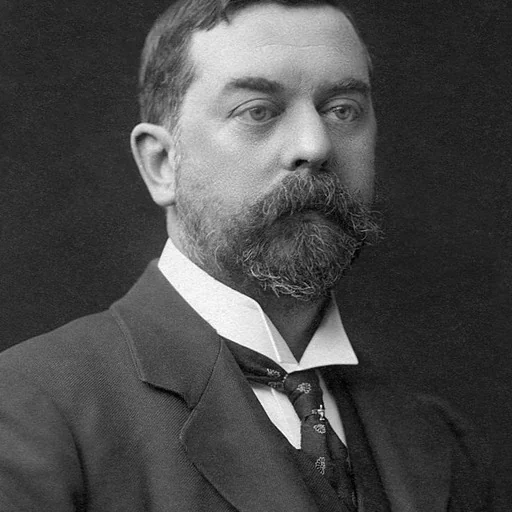
Artist
John Singer Sargent (; January 12, 1856 – April 15, 1925) was an American expatriate artist, considered the "leading portrait painter of his generation" for his evocations of Belle Époque and Edwardian-era luxury.

 The Pass Between Dale and Dalsjed
 Mount Kinchinjunga (All Things Fair)
 Mountain View with Lake
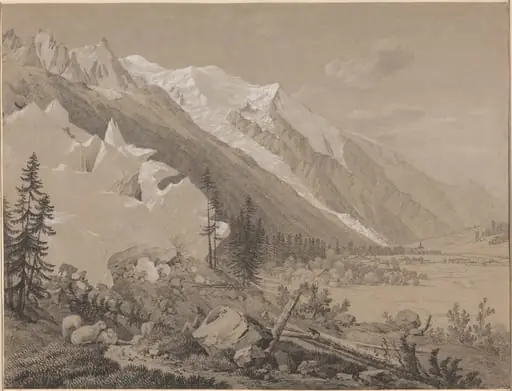 Vue du Mont Blanc
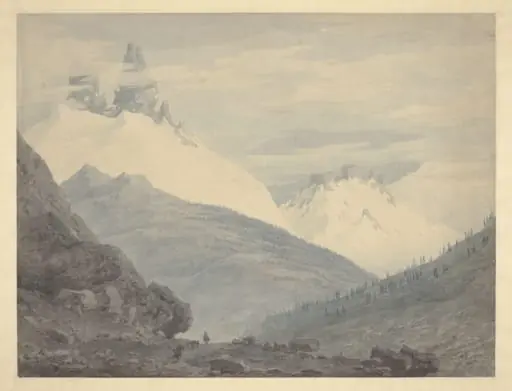 Alpine Scenery : Packhorses coming up a Pass
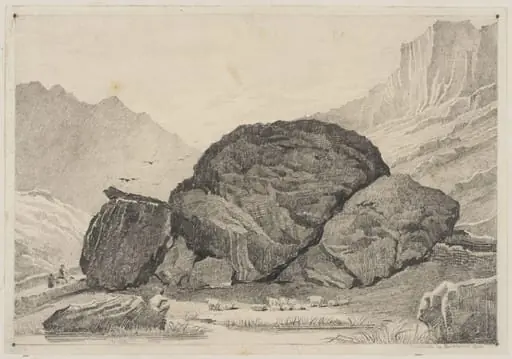 Cromlech, Pass of Llanberis
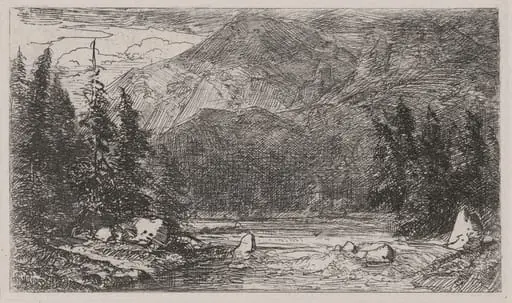 Mountain Stream with Rapids
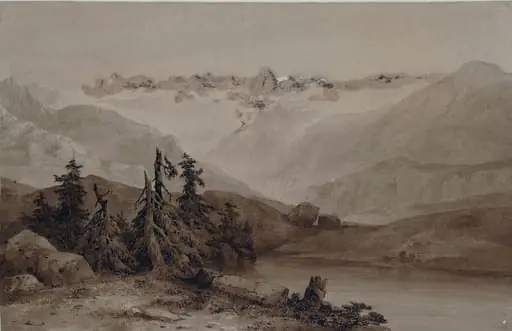 Chain of Mont Blanc
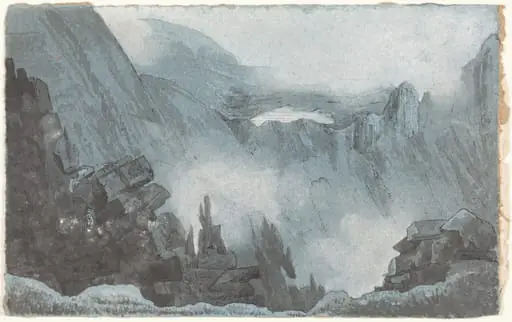 Mountain Scene with Rocks
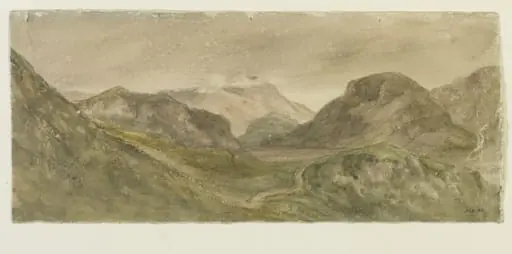 Hellvellyn
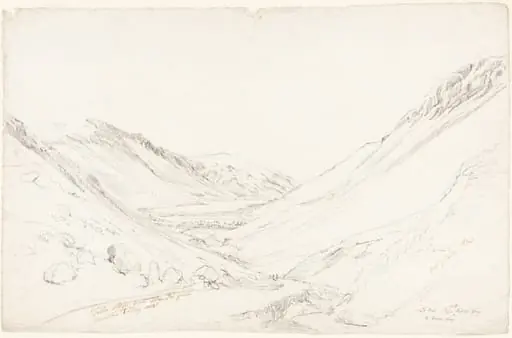 Tally Llyn from Llyn Trigrain
 Mountainous View from Antrodoco