Artwork
The Toilet of Psyche
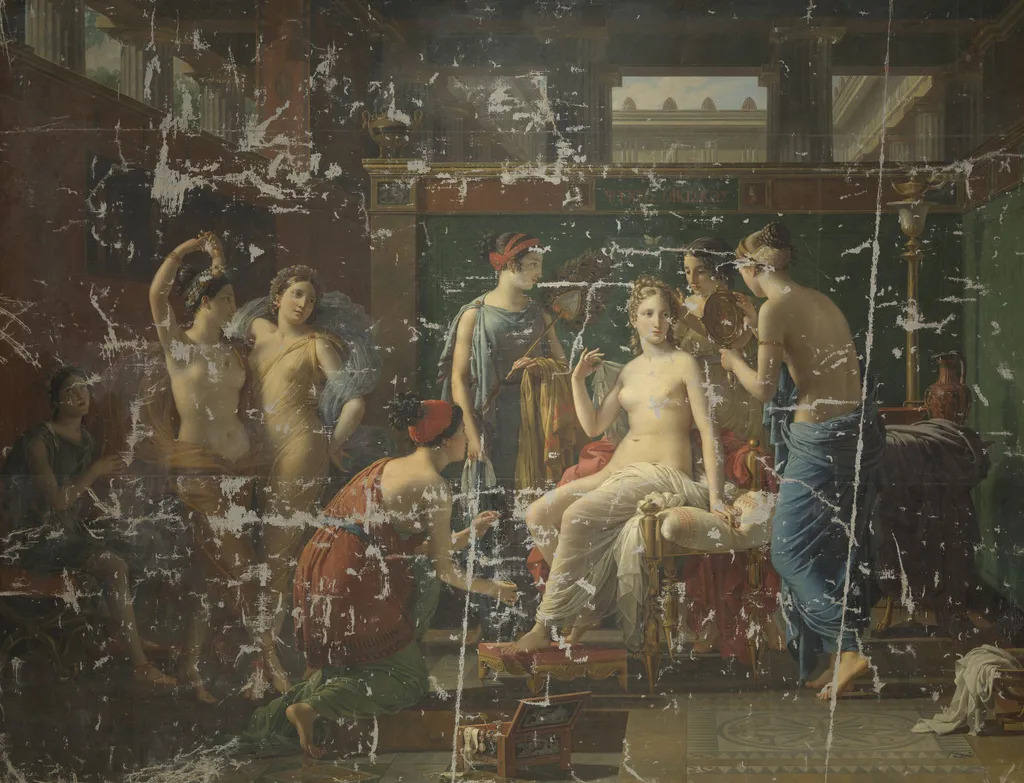
The Toilet of Psyche is an oil painting by Joseph Paelinck. It dates from 1823 and is held in the collection of the Rijksmuseum.
About this work
Overview
Architectural elements such as columns and arches frame the composition, while assorted objects—mirrors, vases, a box, and draped fabric—populate the floor.
Joseph Paelinck’s 1823 oil painting, The Toilet of Psyche, is part of the Rijksmuseum’s collection. The work depicts an interior scene populated by several women attired in classical garments, arranged around a central figure seated on a chair. Architectural elements such as columns and arches frame the composition, while assorted objects—mirrors, vases, a box, and draped fabric—populate the floor.
Subject & Meaning
The tableau evokes the mythological moment when Psyche prepares for her encounter with Cupid, a theme frequently explored in neoclassical art. The presence of mirrors and grooming implements suggests a ritual of beautification, while the surrounding women function as attendants, emphasizing the social and ceremonial aspects of the heroine’s preparation.
Technique & Style
Paelinck employs a refined chiaroscuro, contrasting illuminated figures with shadowed architectural recesses to model volume and depth. The brushwork renders delicate textures in fabric, marble, and metal, while a restrained palette of earth tones and muted reds reinforces the classical atmosphere. The composition balances symmetry with a subtle dynamism created by the varied poses of the attendants.
History & Provenance
Executed in 1823, The Toilet of Psyche entered the Rijksmuseum’s holdings at an unspecified later date, becoming part of the museum’s representation of early‑19th‑century European painting. Its acquisition reflects the institution’s interest in works that illustrate the neoclassical revival and its influence on Dutch collections.
Context
Created during the height of neoclassicism, the painting aligns with contemporary interest in antiquity and mythological subjects. Paelinck, a Belgian artist trained in the French academic tradition, often incorporated classical themes, and this work demonstrates his engagement with the period’s aesthetic ideals of harmony, idealized form, and moral narrative.
Artist & collection

 După-amiaza unei patriciene romane
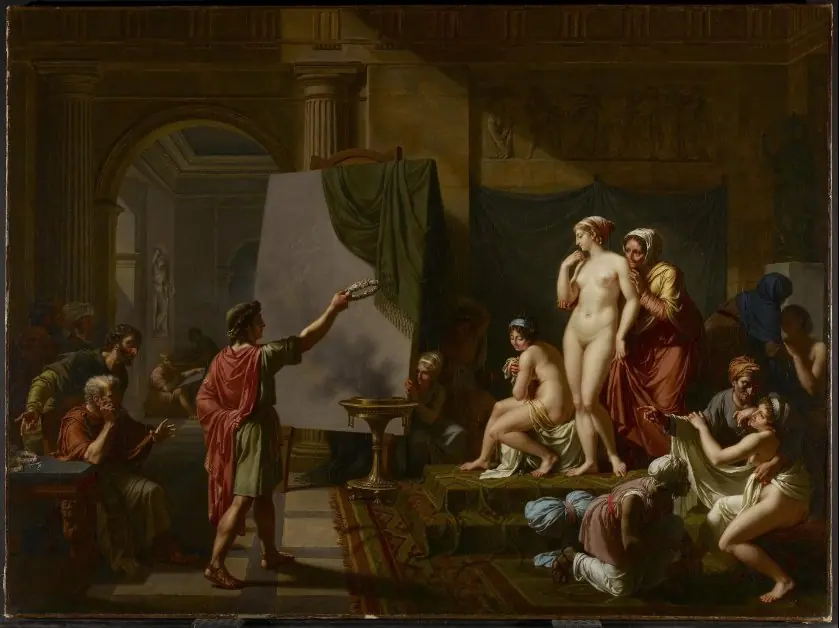 Zeuxis choisissant des modèles
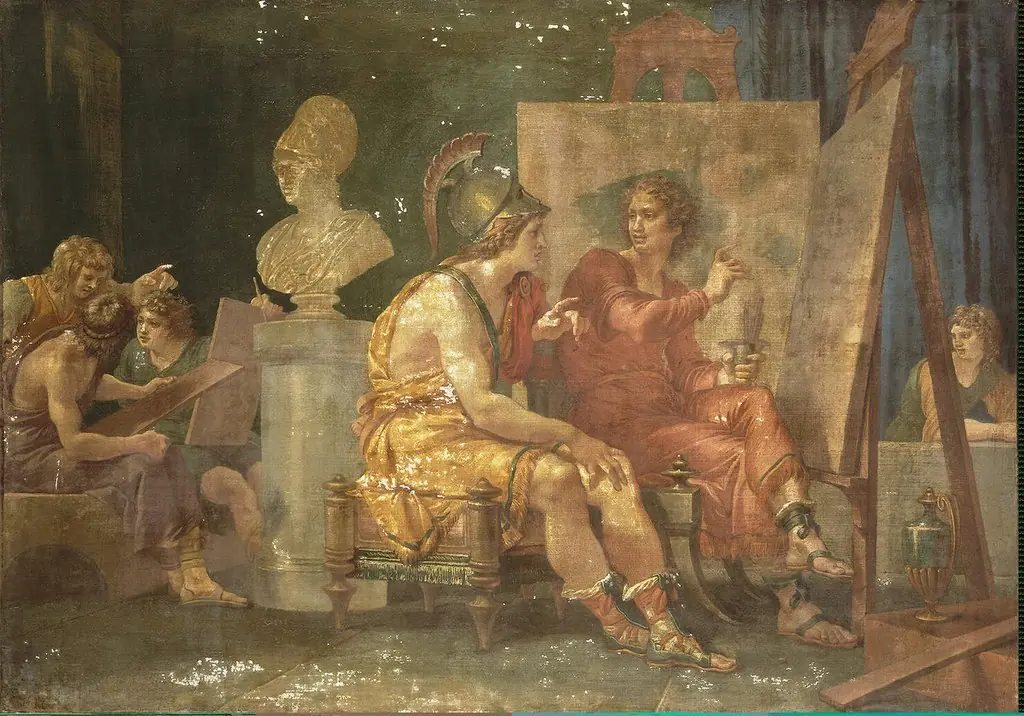 Alexander the Great in the Workshop of Apelles
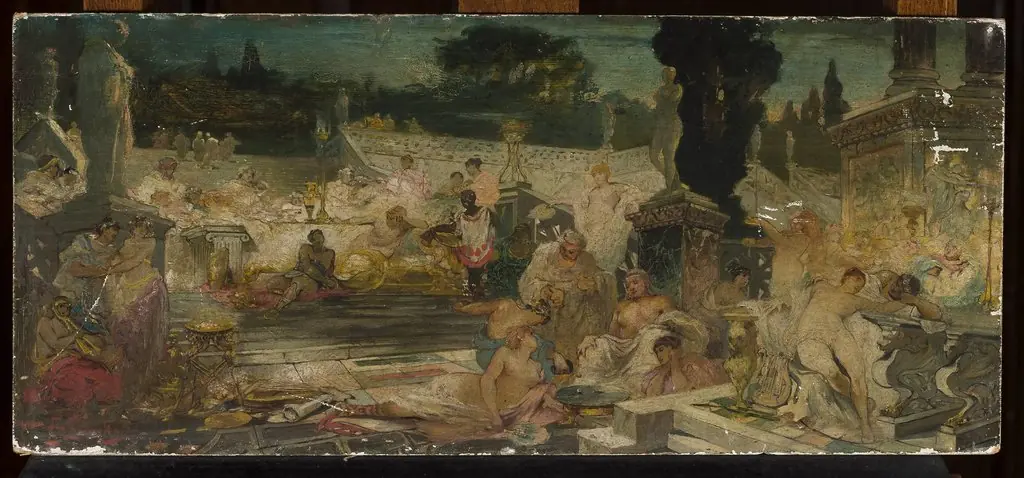 Banquet
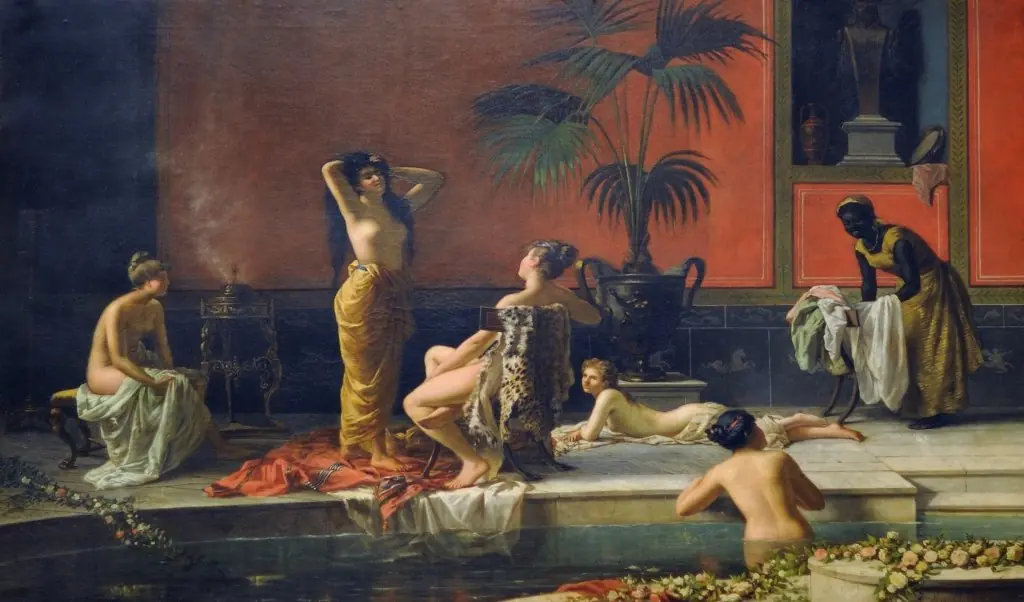 Pompeian bath
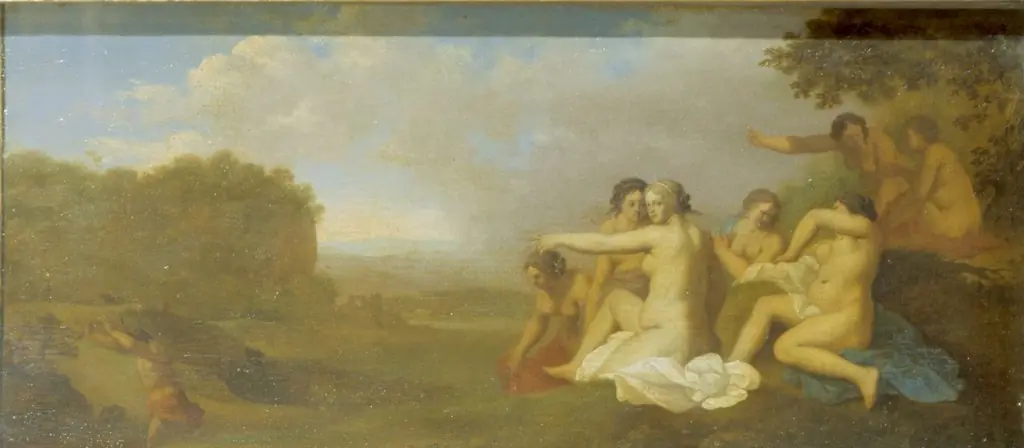 Diana and Actaeon
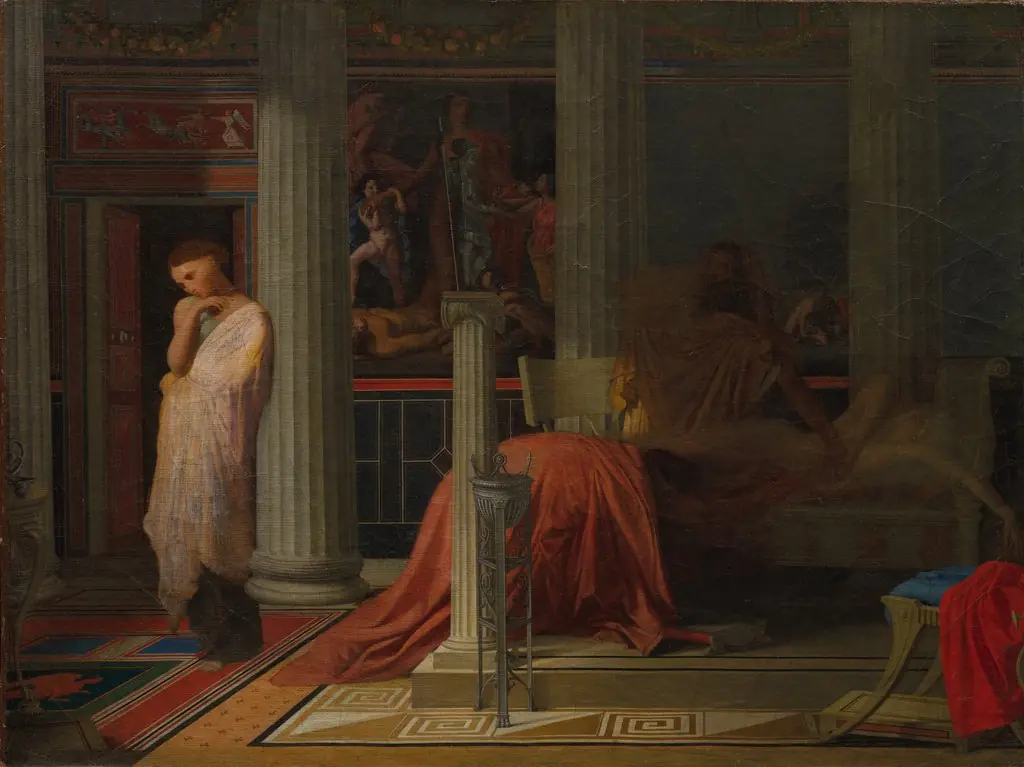 Antiochus and Stratonice
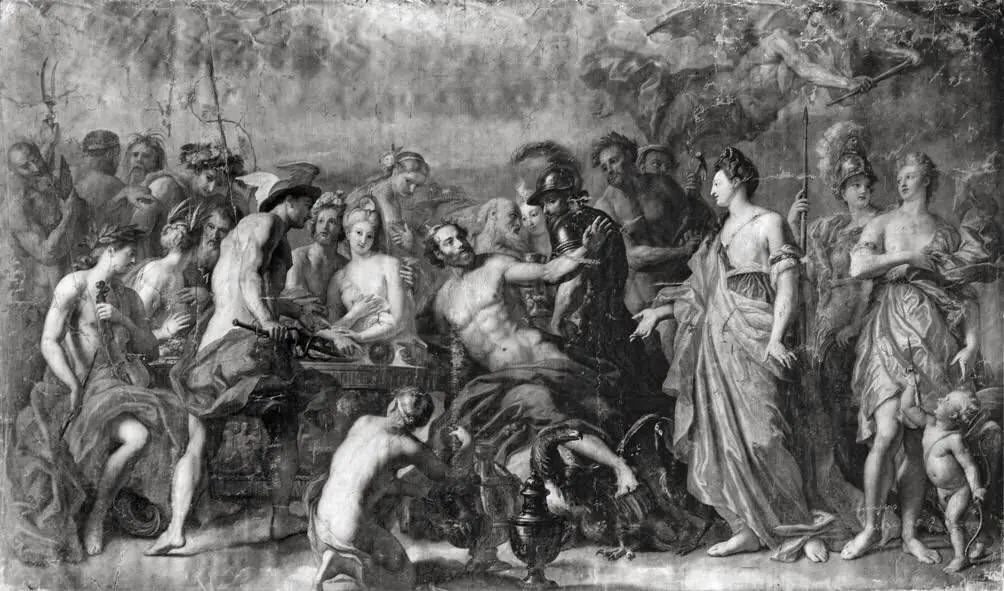 Der Erisapfel
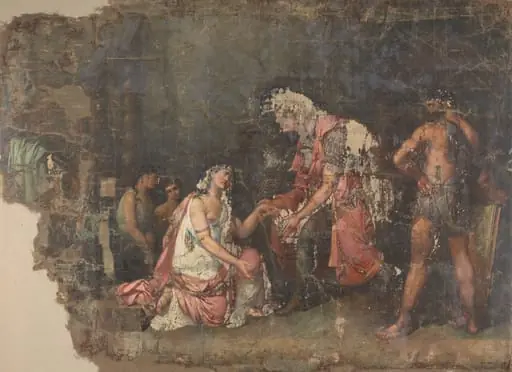 Sophonisbe kneeling before Masinissa, King of Numidia
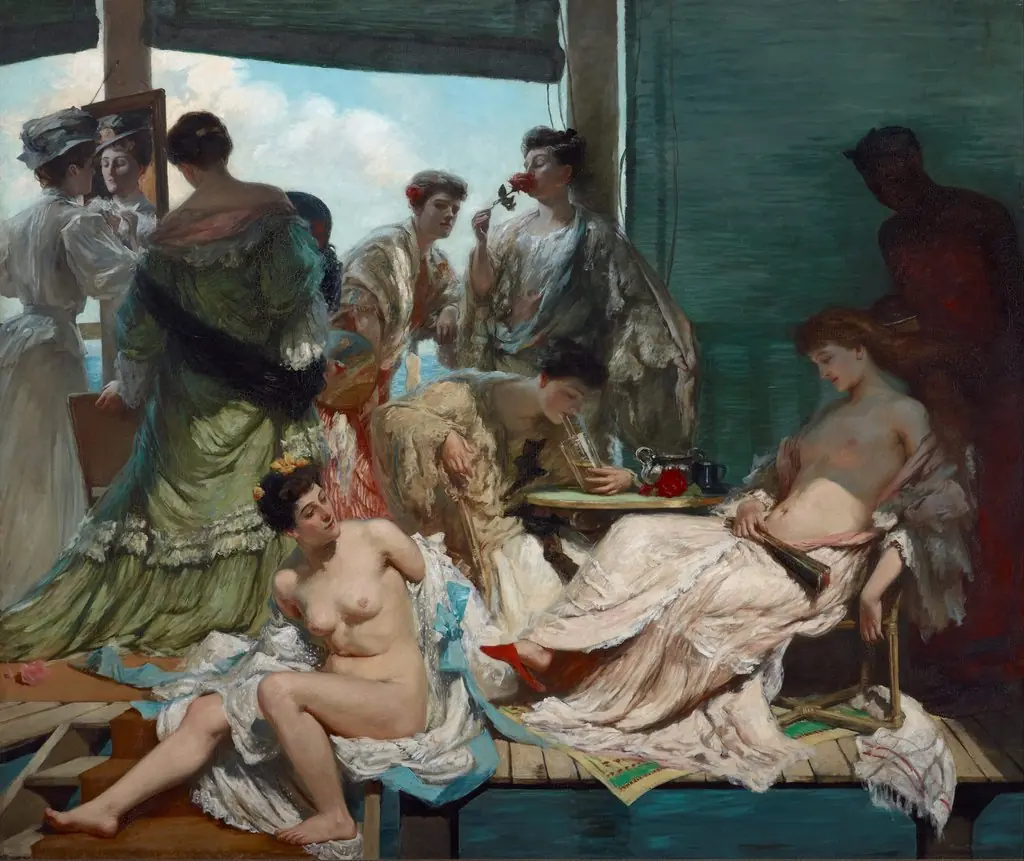 Summer time
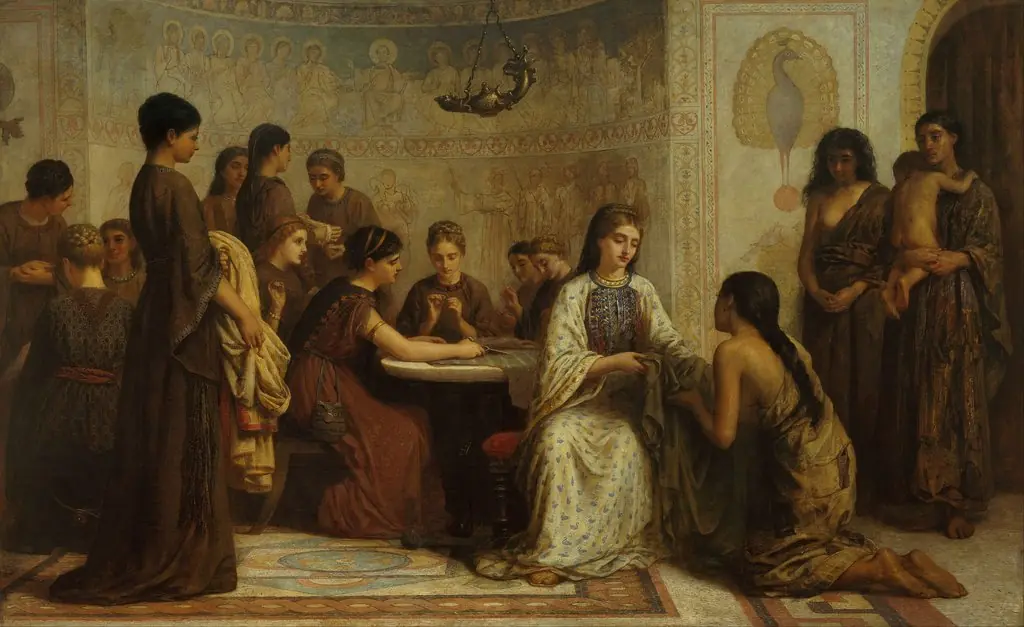 A Dorcas meeting in the 6th century
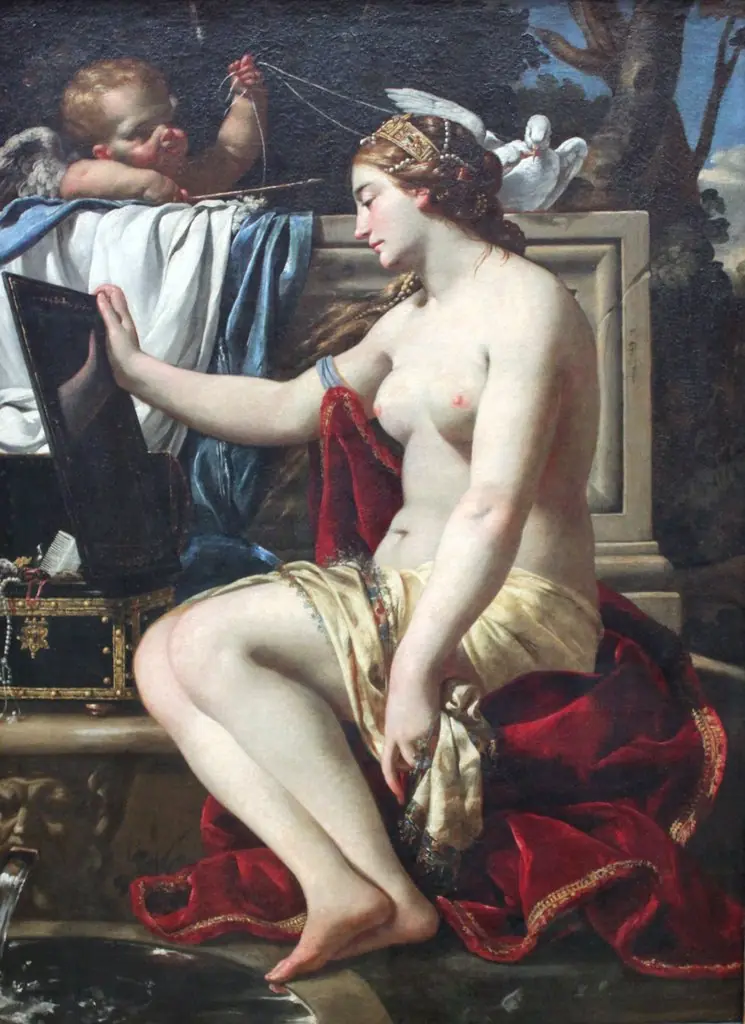 The Toilet of Venus