Artwork
Self-Portrait
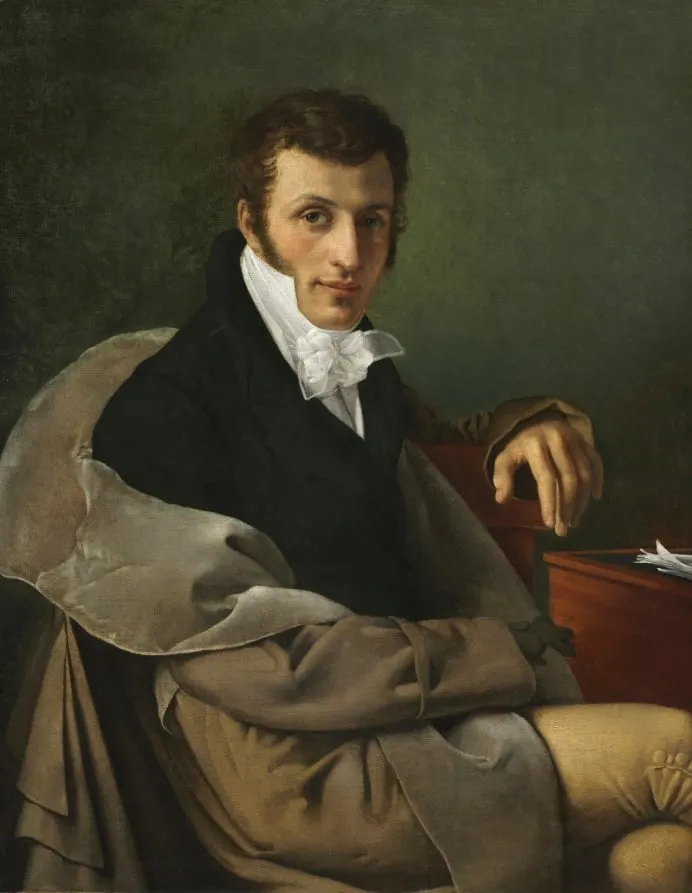
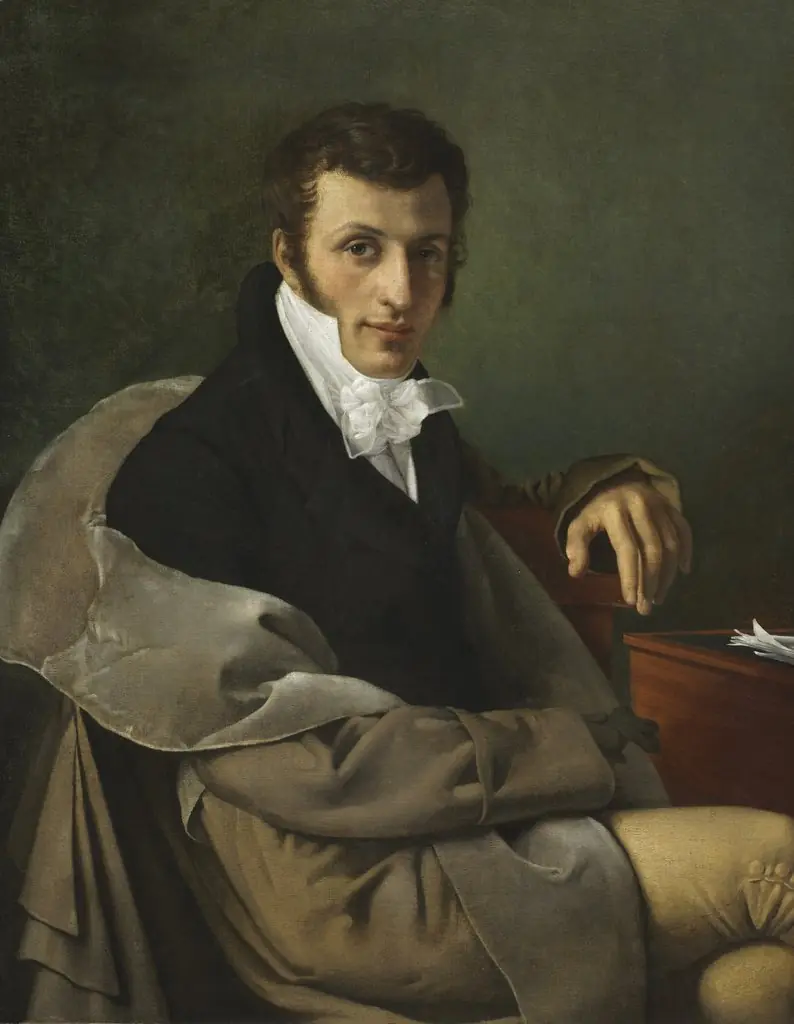
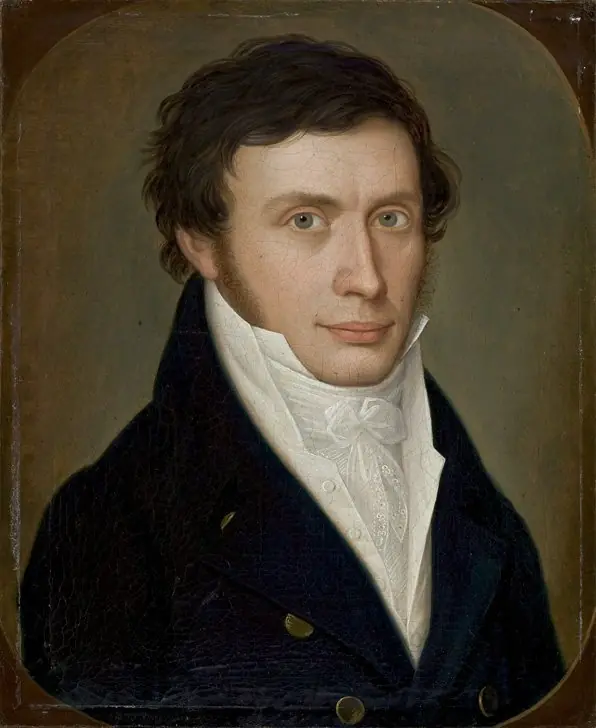
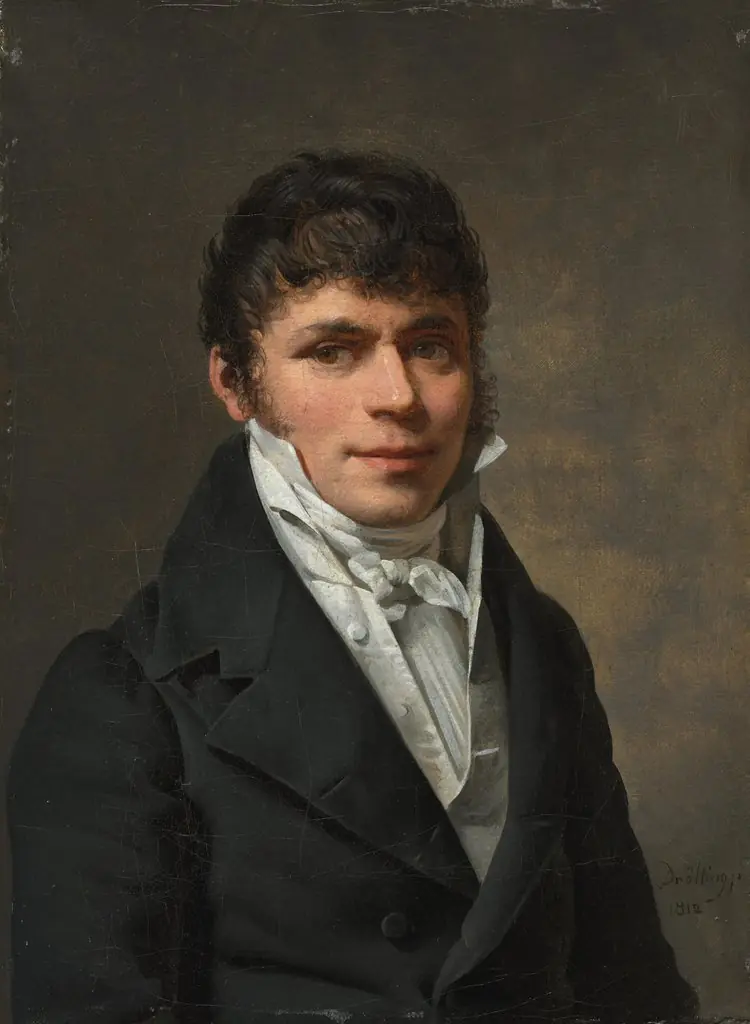
Self-Portrait is an unspecified painting by the Romanticist artist Joseph Paelinck. It dates from 1812 and is held in the collection of the Cleveland Museum of Art. The canvas presents a young male artist seated before a modest desk, dressed in a high‑collared box‑coat of muted hue.
About this work
The clothes he wears—soft colors, precise tailoring—show the fashion of the time, not the grand historical costumes David usually painted.
This is a self-portrait of a young man in a high-collared coat, his dark hair neatly combed. He looks straight at you with a calm, confident gaze.
Paelinck painted this around 1812, when he was studying in Paris with Jacques-Louis David, Napoleon’s court painter. The clothes he wears—soft colors, precise tailoring—show the fashion of the time, not the grand historical costumes David usually painted. It’s a quiet moment of self-assurance, not a dramatic scene.
If you like this, look up *chiaroscuro*—the way artists use light and shadow to shape a face.
Overview
The canvas presents a young male artist seated before a modest desk, dressed in a high‑collared box‑coat of muted hue. His hair is neatly arranged, and his gaze meets the viewer directly, conveying a composed confidence. The composition is restrained, focusing on the figure and the subtle play of light across textured fabrics and polished surfaces.
Subject & Meaning
The work functions as a self‑portrait, offering a personal glimpse into the artist’s identity during his formative years. By portraying himself in contemporary attire rather than historical garb, he emphasizes his status as a cultured, fashionable individual, aligning his image with the emerging professional artist‑scholar of the early nineteenth century.
Technique & Style
Executed with careful chiaroscuro, the painting balances illuminated planes against deep shadows to model the face and the velvet collar. Fine brushwork renders the sheen of the coat’s fabric, while broader strokes suggest the smooth wood of the desk, reflecting the neoclassical influence of his mentor while retaining a modest, intimate tone.
History & Provenance
Created circa 1812 while the artist was a pupil of Jacques‑Louis David in Paris, the portrait marks a period of academic training under the leading neoclassical painter of the era. The piece later entered private collections before being acquired by the museum, where it remains a documented example of his early Parisian output.
Context
During the early 1800s, young artists from the Low Countries often traveled to Paris and Rome to study classical antiquity and contemporary artistic trends. The subject’s box‑coat, a fashionable garment among Roman artists, and the classical‑inspired desk echo the cross‑cultural exchange that shaped his artistic development and positioned him within the broader European art network.
Artist & collection

 Johann Carl Friedrich Bruch
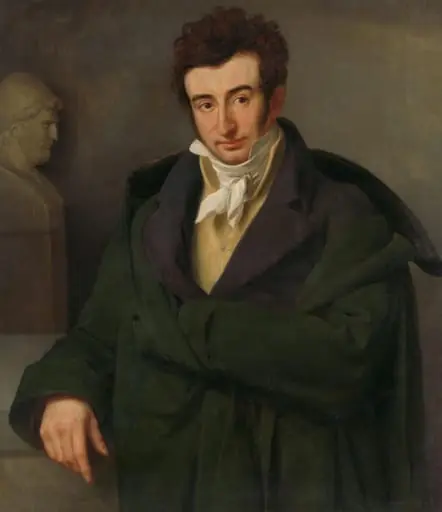 Portrait of Paulus Joseph Gabriël
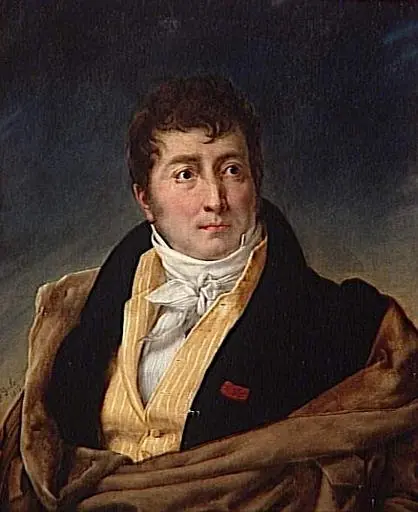 Bust portrait of Charles-Louis Cadet de Gassicourt (1769-1821), pharmacist to Napoleon I
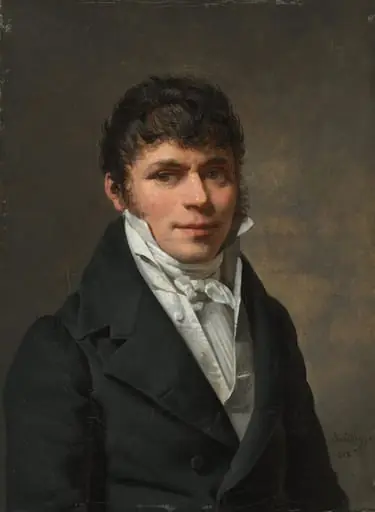 Nicolas Louis Faret
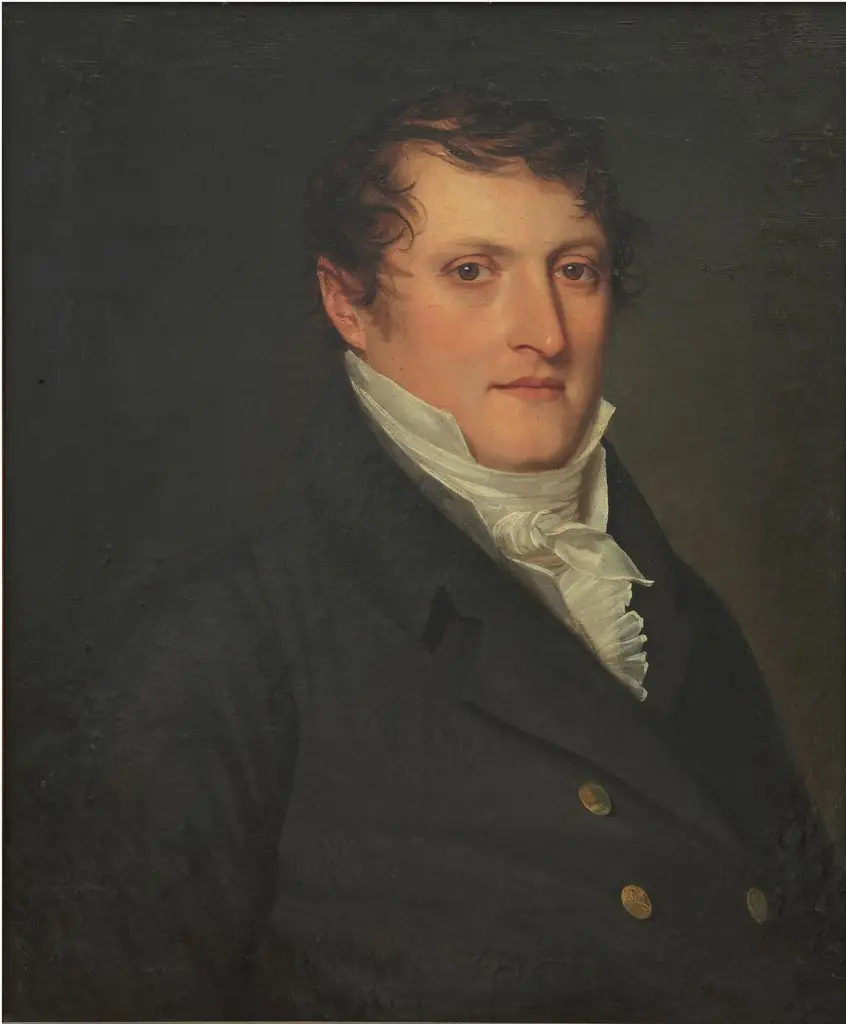 Retrato del Gral. Manuel Belgrano
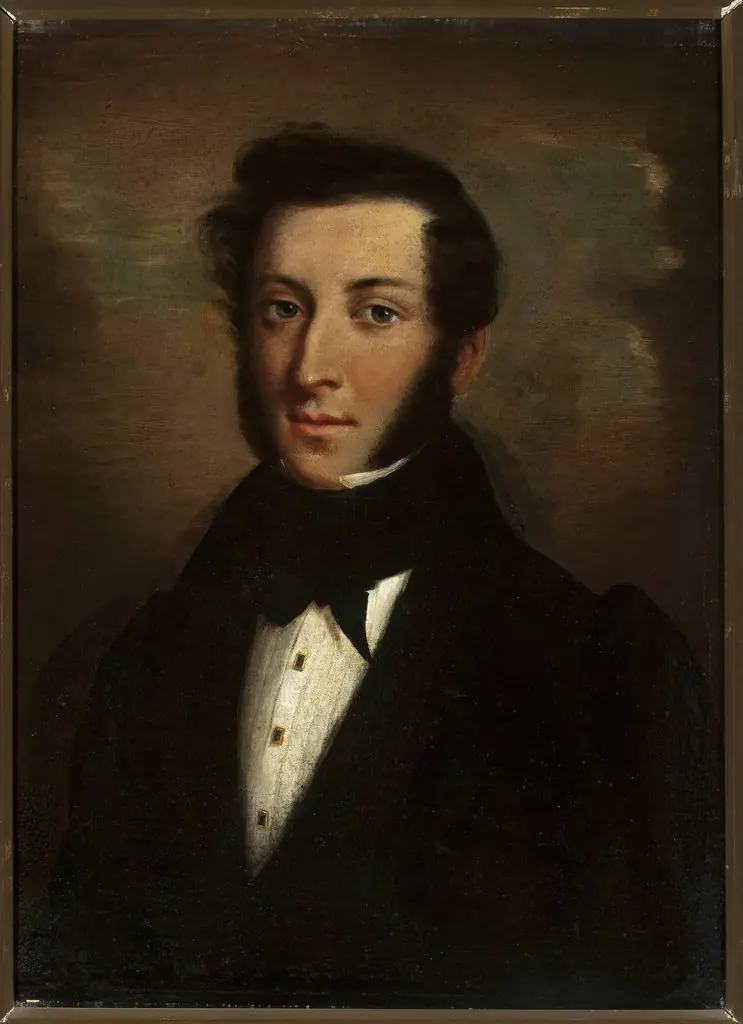 Portrait of Józef Węgleński
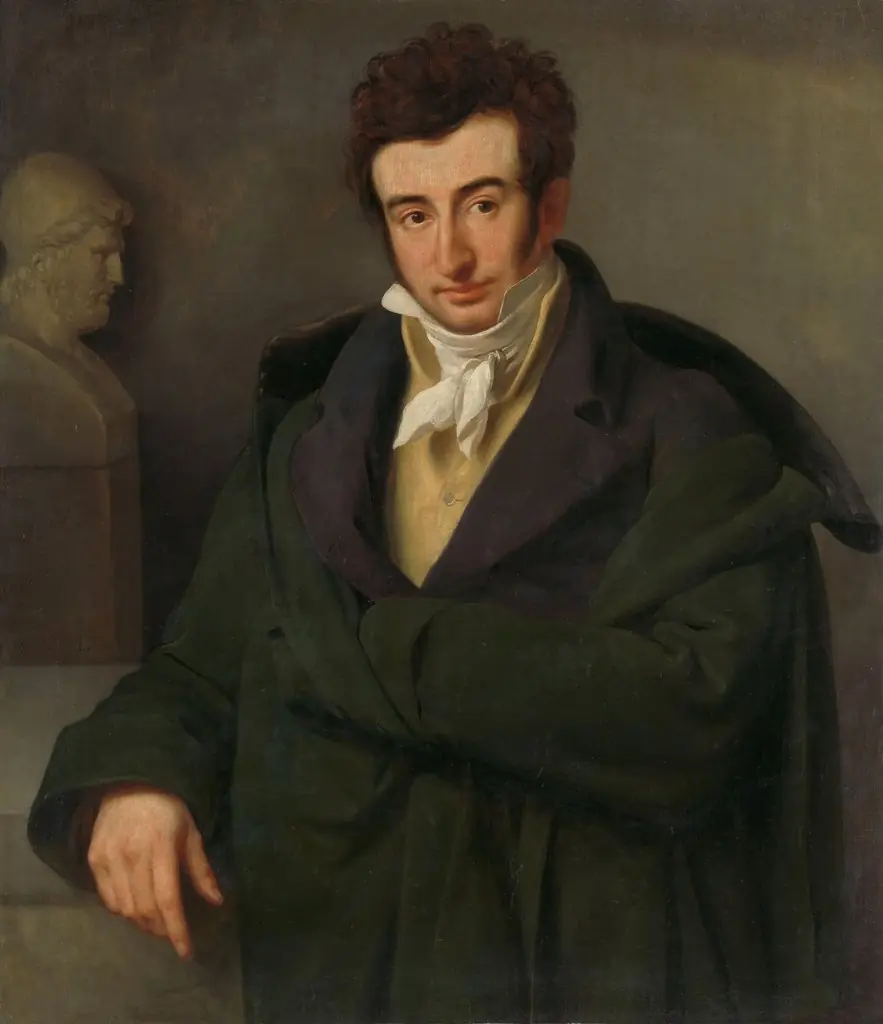 Portrait of Paulus Joseph Gabriël
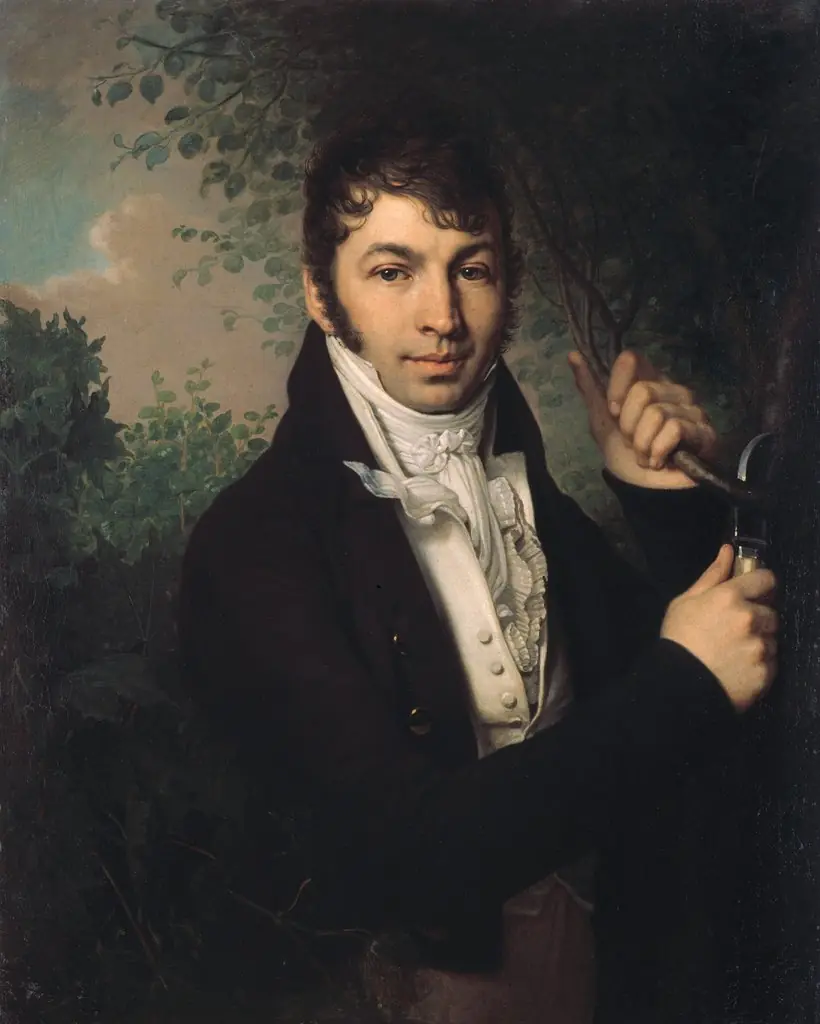 Porträt des Alexander Petrovich Dubovitsky
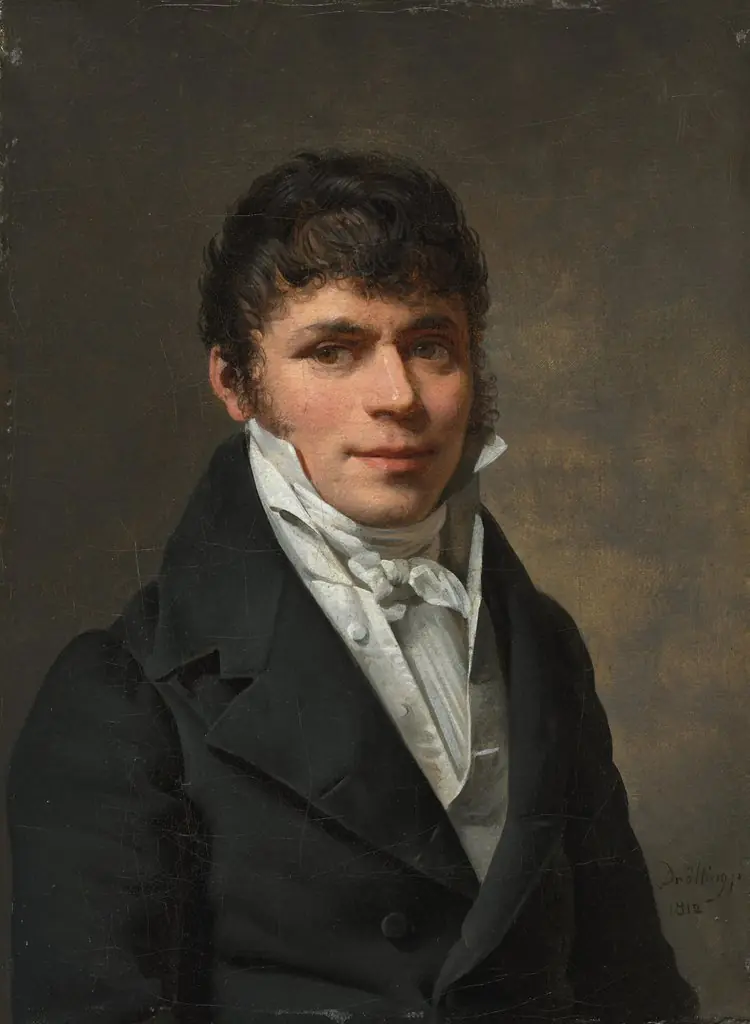 Nicolas Louis Faret
 Nicolas Louis Faret and Madame Nicolas Louis Faret
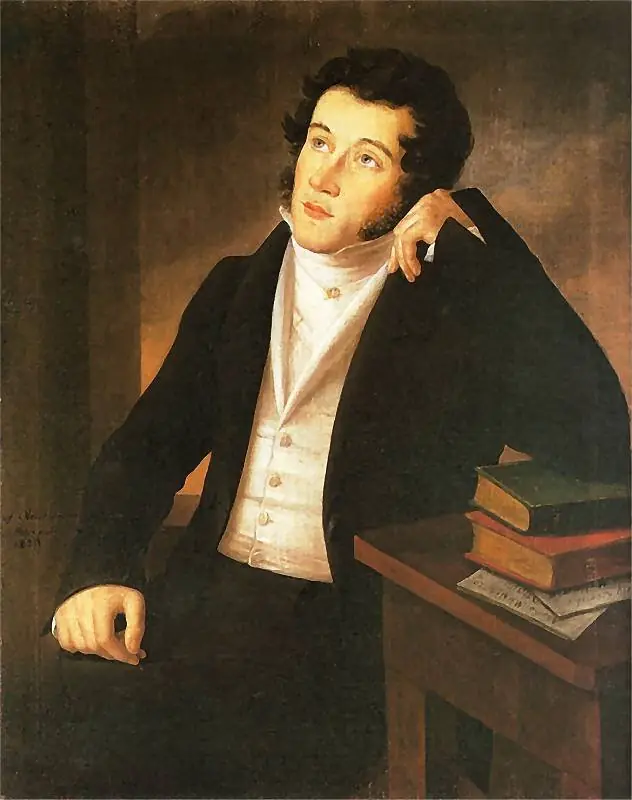 Portrait of Adam Mickiewicz