Artwork
Portrait of Charles-Claude Flahaut de la Billarderie comte d'Angiviller (1730-1809)
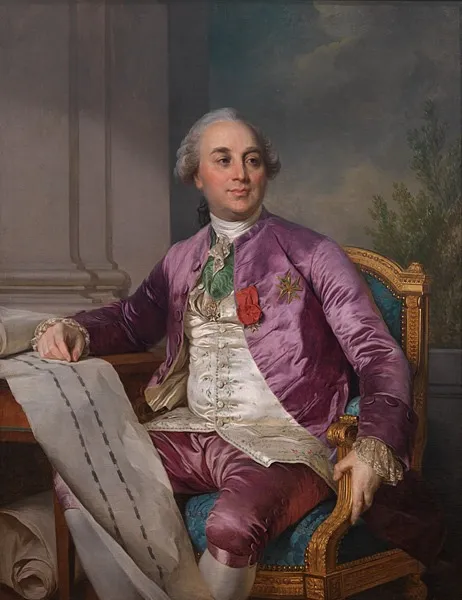
Portrait of Charles-Claude Flahaut de la Billarderie comte d'Angiviller (1730-1809) is an oil painting by the Rococo painting artist Joseph Siffred Duplessis. It dates from 1792 and is held in the collection of the Statens Museum for Kunst.
About this work
Overview
Joseph‑Siffred Duplessis painted this oil portrait in 1792, presenting Charles‑Claude Flahaut de la Billarderie, comte d’Angiviller (1730‑1809).
Joseph‑Siffred Duplessis painted this oil portrait in 1792, presenting Charles‑Claude Flahaut de la Billarderie, comte d’Angiviller (1730‑1809). The sitter is shown seated in an upholstered chair, his attire dominated by a purple coat over a white shirt, a red flower accenting his lapel, and a long sheet of paper held in his right hand. The work is part of the Statens Museum for Kunst’s collection.
Subject & Meaning
The portrait captures the comte d’Angiviller, a prominent French official, in a poised, contemplative pose that suggests his administrative duties. The paper he grasps and the rolled document on the nearby table hint at his role in cultural oversight, while the restrained background and modest greenery focus attention on his dignified bearing.
Technique & Style
Executed in oil on canvas, Duplessis employs a restrained Rococo palette, balancing the rich violet of the coat with the cool blues of the chair and a muted backdrop. Fine brushwork renders the textures of fabric and metal trim, while subtle chiaroscuro models the figure’s form, creating a sense of three‑dimensional presence without overt dramatization.
History & Provenance
Created shortly after the French Revolution, the painting reflects the shifting status of aristocratic patrons. It entered the Statens Museum for Kunst in Denmark, where it remains on display, providing insight into late‑eighteenth‑century French portraiture and the career of Duplessis, noted for his clear, immediate likenesses.
Context
Duplessis was a leading portraitist of his era, known for capturing the likenesses of officials and intellectuals. This work aligns with the period’s emphasis on personal virtue and civic responsibility, portraying a public figure in a sober yet elegant manner that contrasts with the more flamboyant Rococo portraiture of earlier decades.
Artist & collection

Artist
Joseph-Siffred Duplessis (22 September 1725 – 1 April 1802) was a French painter known for the clarity and immediacy of his portraits.

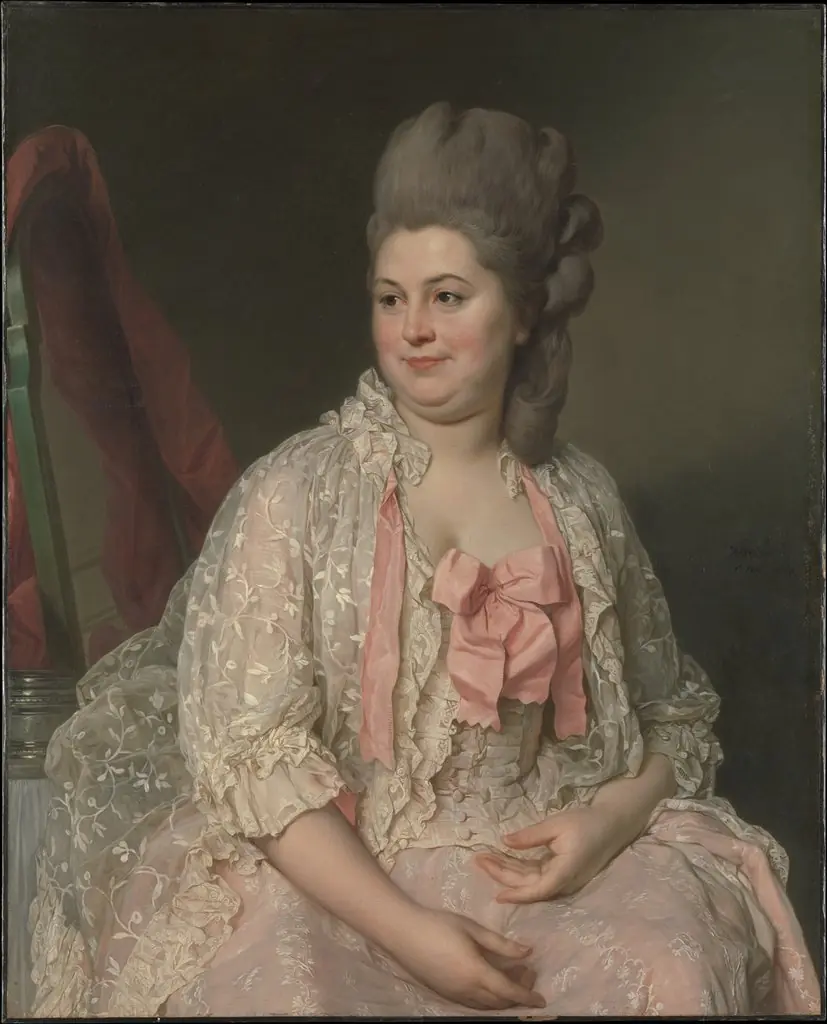
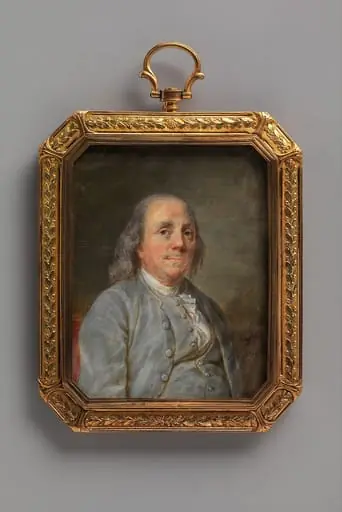
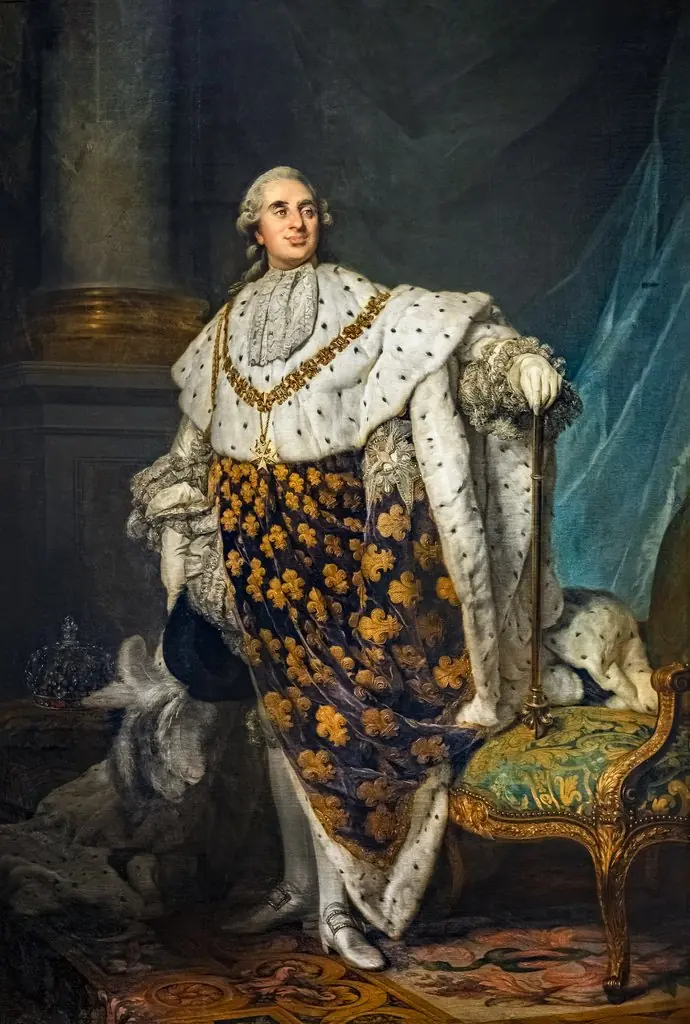
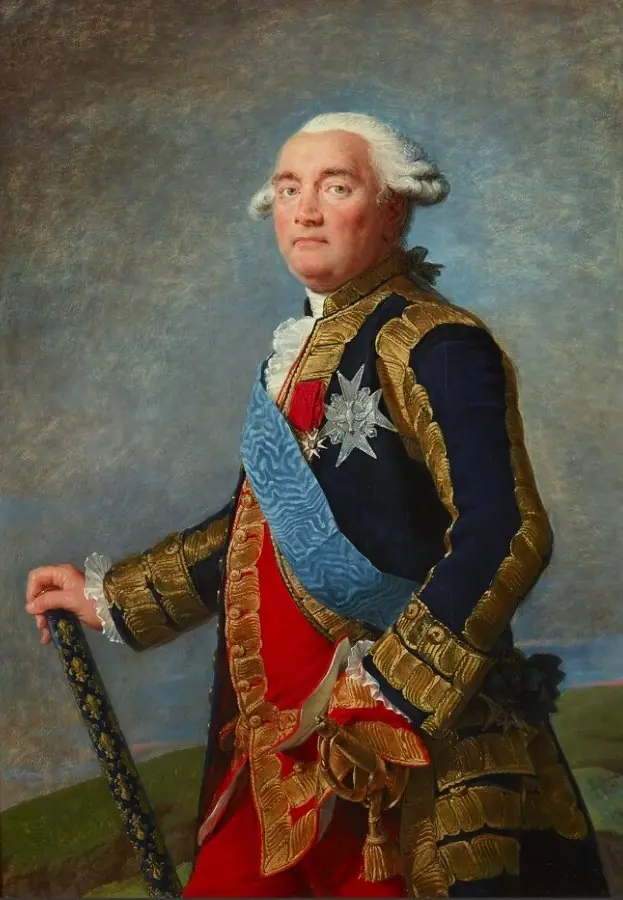 Philippe Henri, marquis de Ségur-Ponchat (1724–1801), französischer Marschall und Kriegsminister
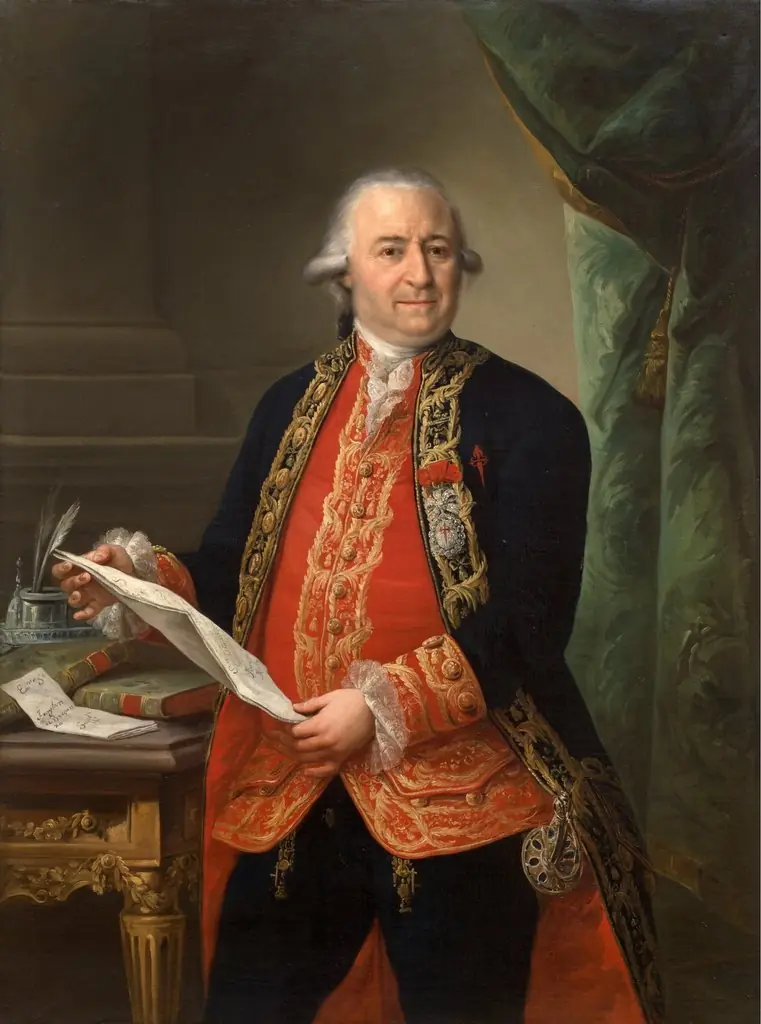 D Pedro López de Lerena, I Count of Lerena
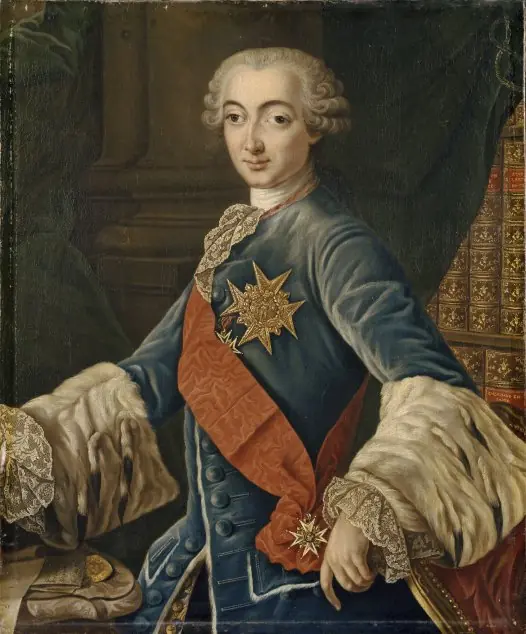 Antoine-René de Voyer, marquis de Paulmy d'Argenson (1722-1787), diplomate français.
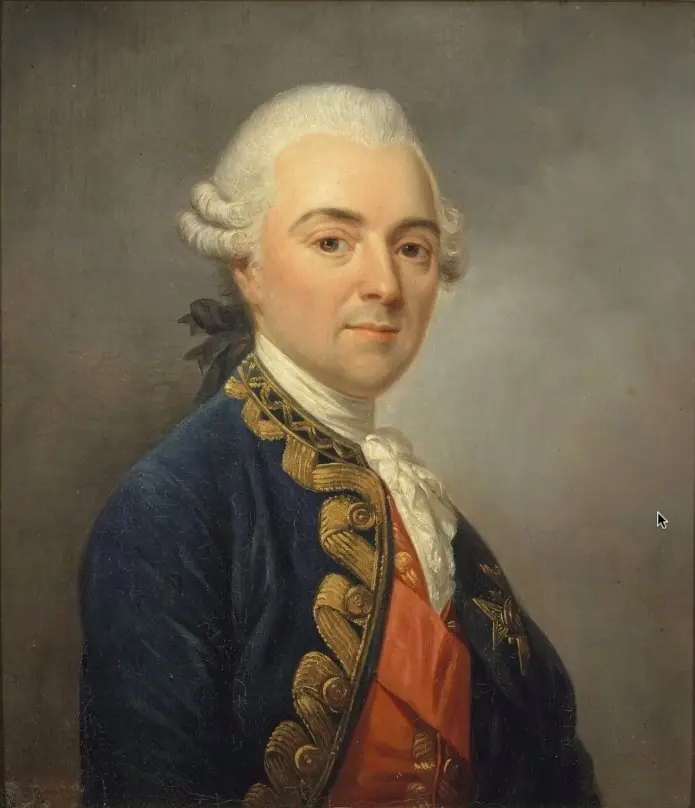 Portrait of Victor-Maurice de Riquet de Caraman (1722-1807)
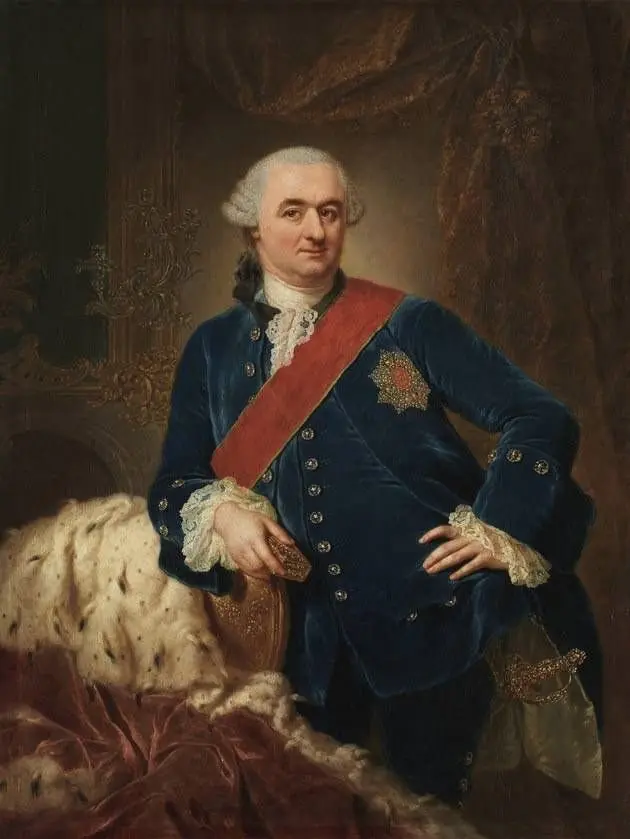 Bildnis des Kurfürsten Karl Theodor von der Pfalz und Bayern (1724-1799) im blauen Samtanzug
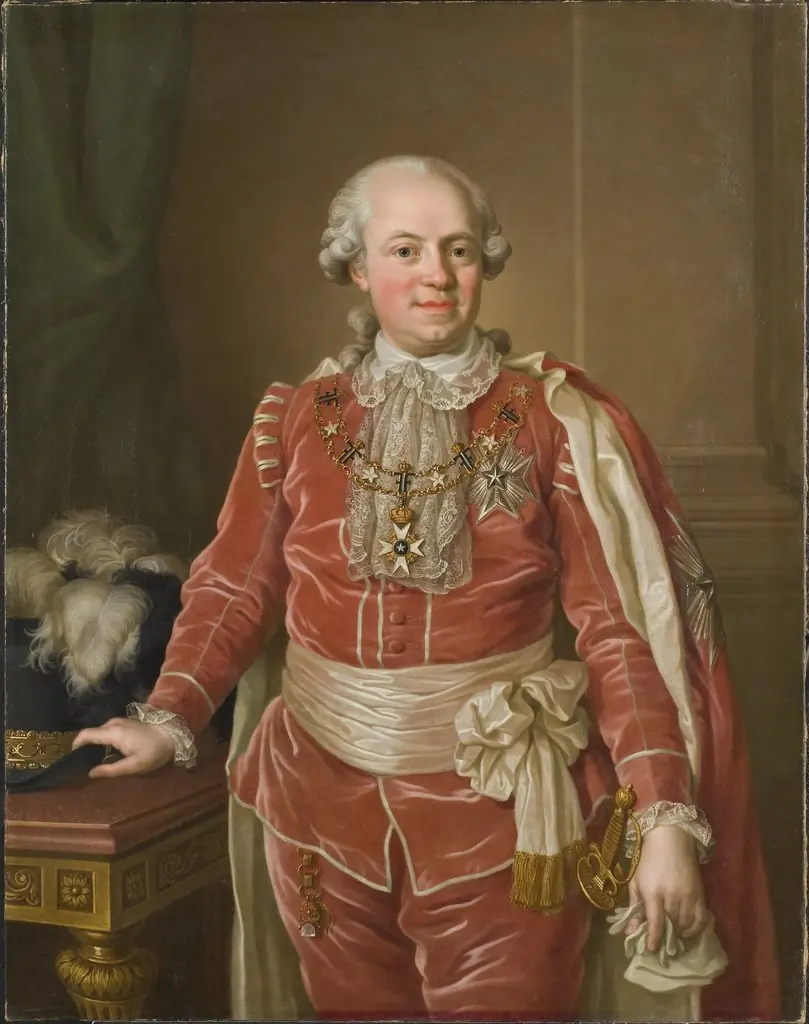 Samuel af Ugglas (1750-1812), greve, landshövding, överståthållare, kammarkollegiepresident, en av rikets herrar
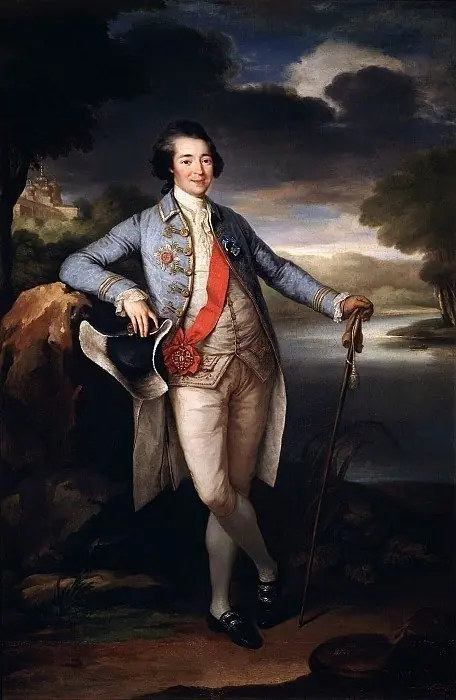 Alexander Kurakin