Artwork
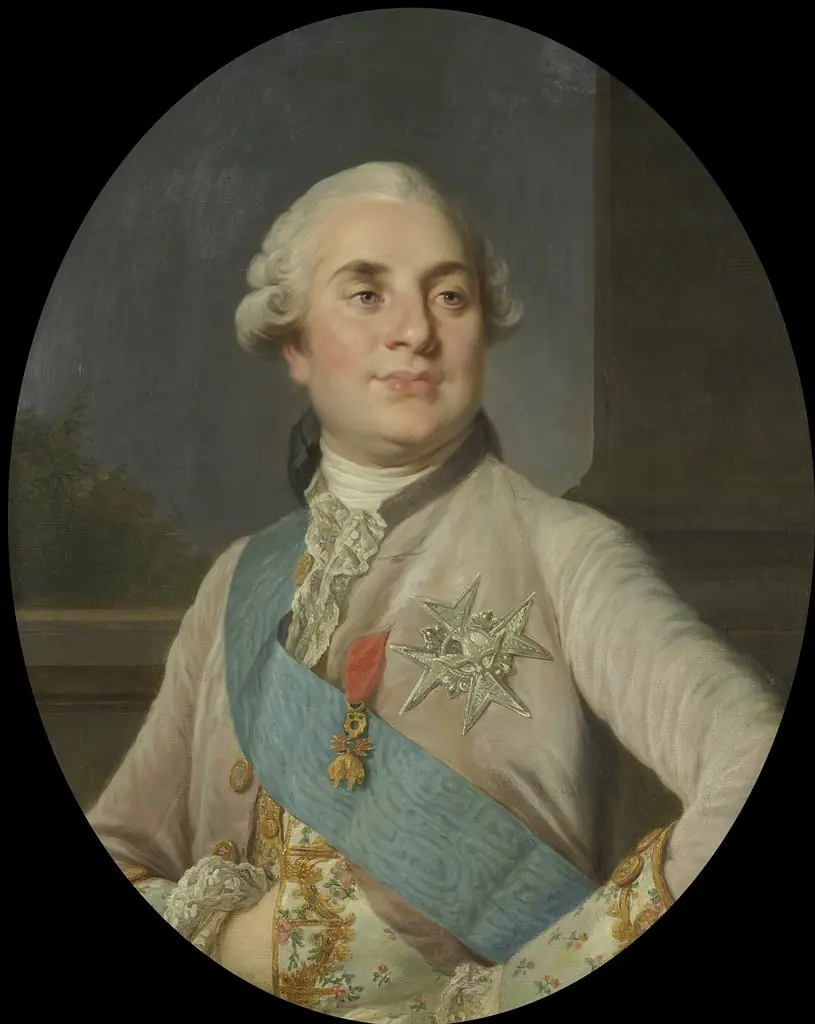
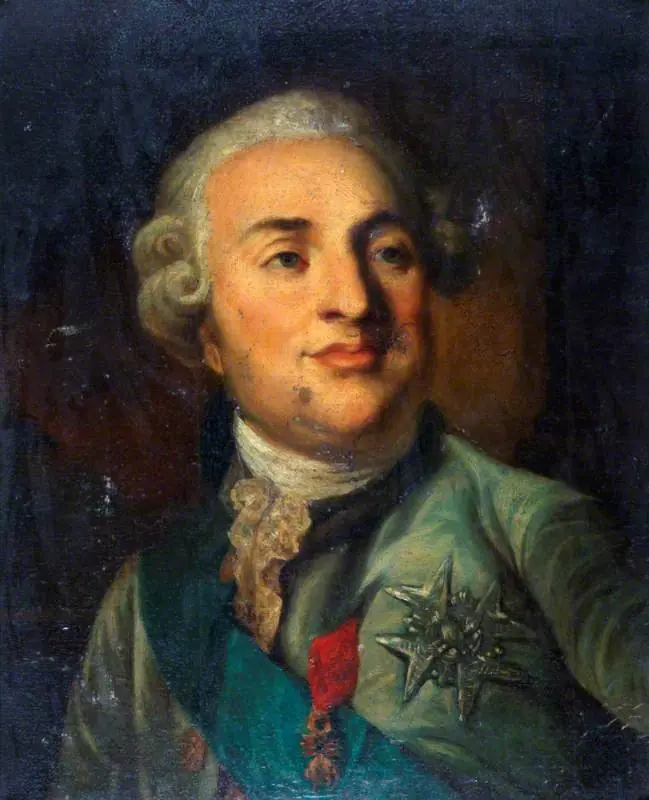
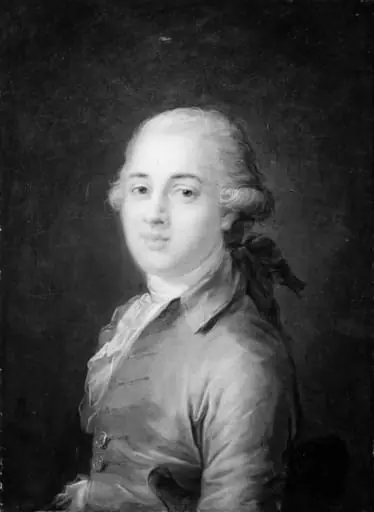
Portrait of Louis XVIII, when comte de Provence ?
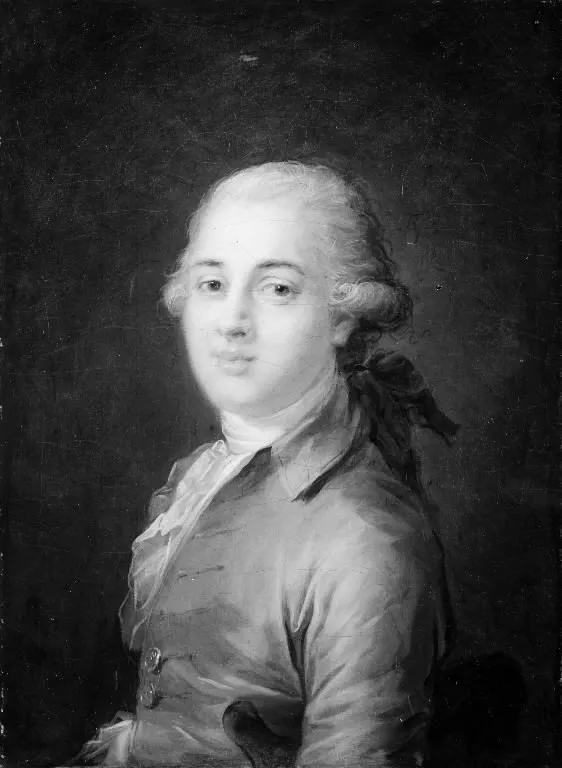
Portrait of Louis XVIII, when comte de Provence ? is an oil painting by the Rococo painting artist Joseph Siffred Duplessis. It dates from 1771 and is held in the collection of the Statens Museum for Kunst.
About this work
Overview
Created in 1771, this oil portrait by Joseph‑Siffred Duplessis presents the future Louis XVIII before his accession, when he was still the comte de Provence. The work is part of the Statens Museum for Kunst’s collection and exemplifies the clear, direct approach that characterises Duplessis’s portraiture.
Subject & Meaning
The sitter is the young French prince, shown in a composed pose that conveys both dignity and restraint. His calm expression and modest attire reflect the political delicacy of his position during the waning years of the Ancien Régime, offering a glimpse of the heir apparent before the upheavals of the Revolution.
Technique & Style
Duplessis employs smooth, controlled brushwork to render the flesh tones and fabric, while a dark, unadorned background isolates the figure. Subtle chiaroscuro models the face, creating a gentle illumination that makes the subject appear almost luminous against the surrounding shadow, a hallmark of late Rococo portraiture.
History & Provenance
The painting remained in private hands before entering the Danish national collection, where it is now displayed at the Statens Museum for Kunst. Its acquisition reflects 19th‑century European interest in French royal portraiture and provides a rare visual record of Louis XVIII prior to his reign.
Context
Executed just a decade before the French Revolution, the portrait captures a moment when the Bourbon monarchy still projected stability through refined court imagery. Duplessis, known for his ability to convey immediacy, contributed to the visual culture that sought to humanise royal figures amid growing social tensions.
Artist & collection

Artist
Joseph-Siffred Duplessis (22 September 1725 – 1 April 1802) was a French painter known for the clarity and immediacy of his portraits.

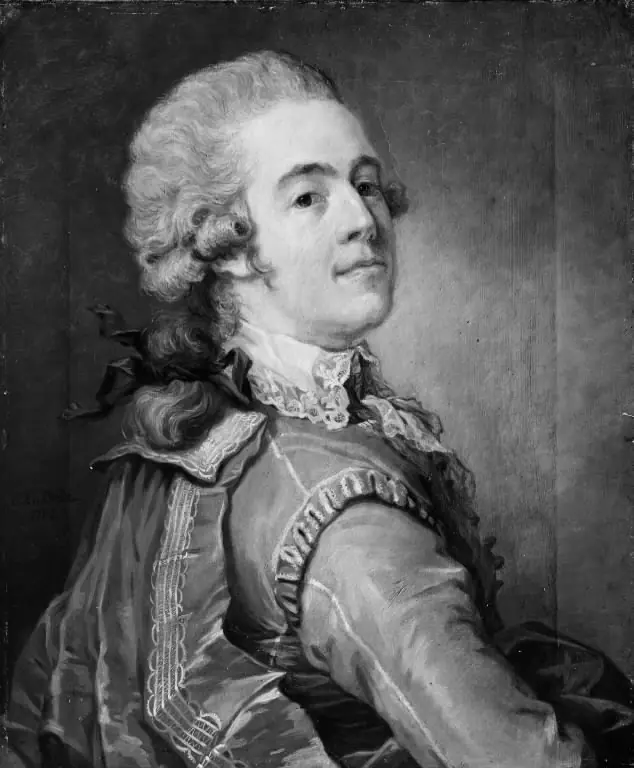 Portrait of Claes Fredrik Horn
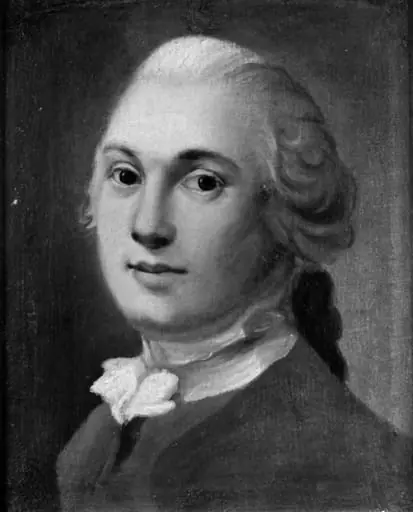 Materialforvalter Bartholin (?)
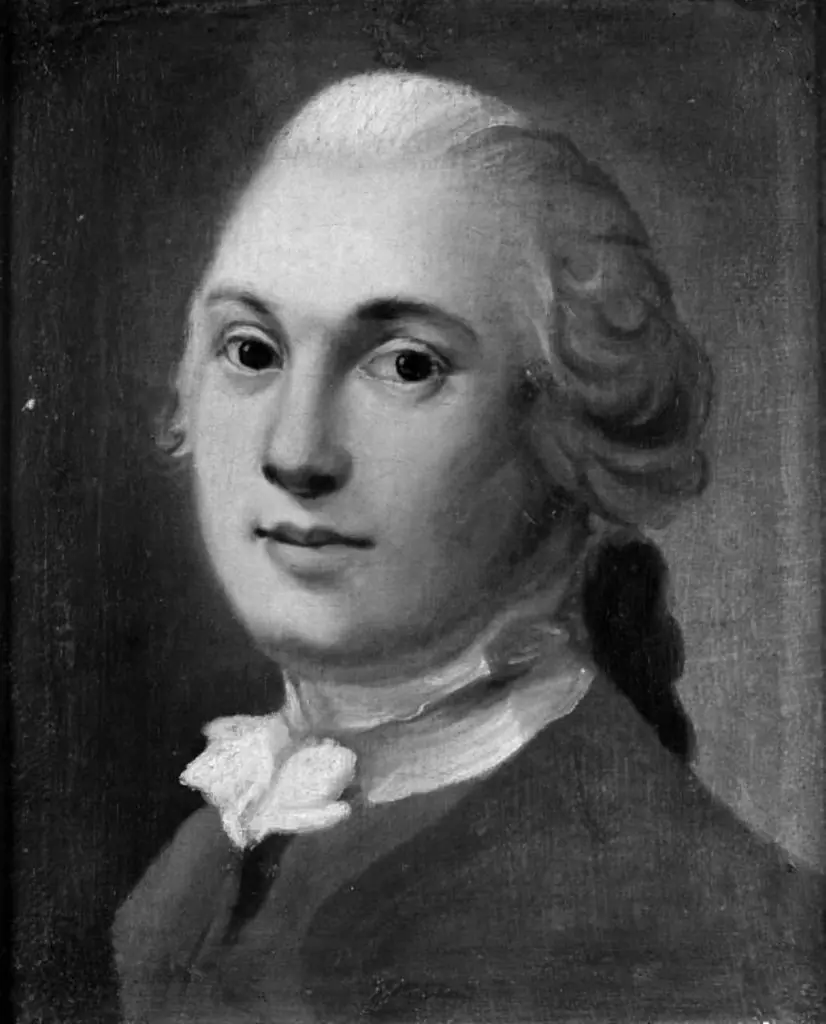 Materialforvalter Bartholin (?)
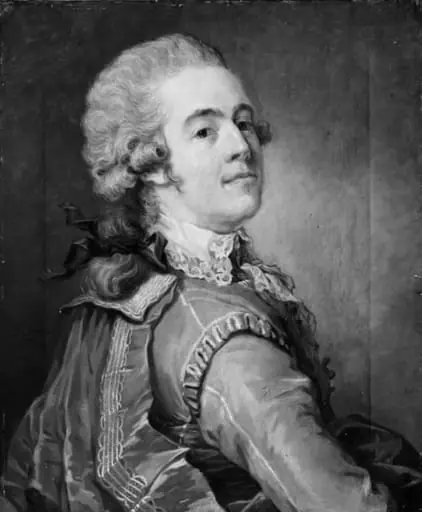 Portrait of Claes Fredrik Horn
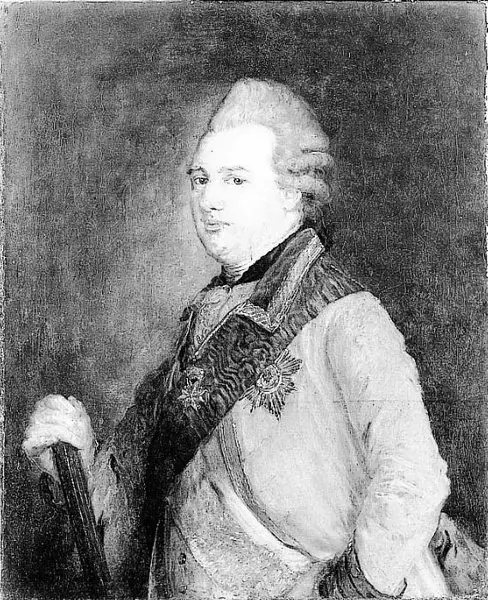 Carl Landgraf von Hessen-Kassel
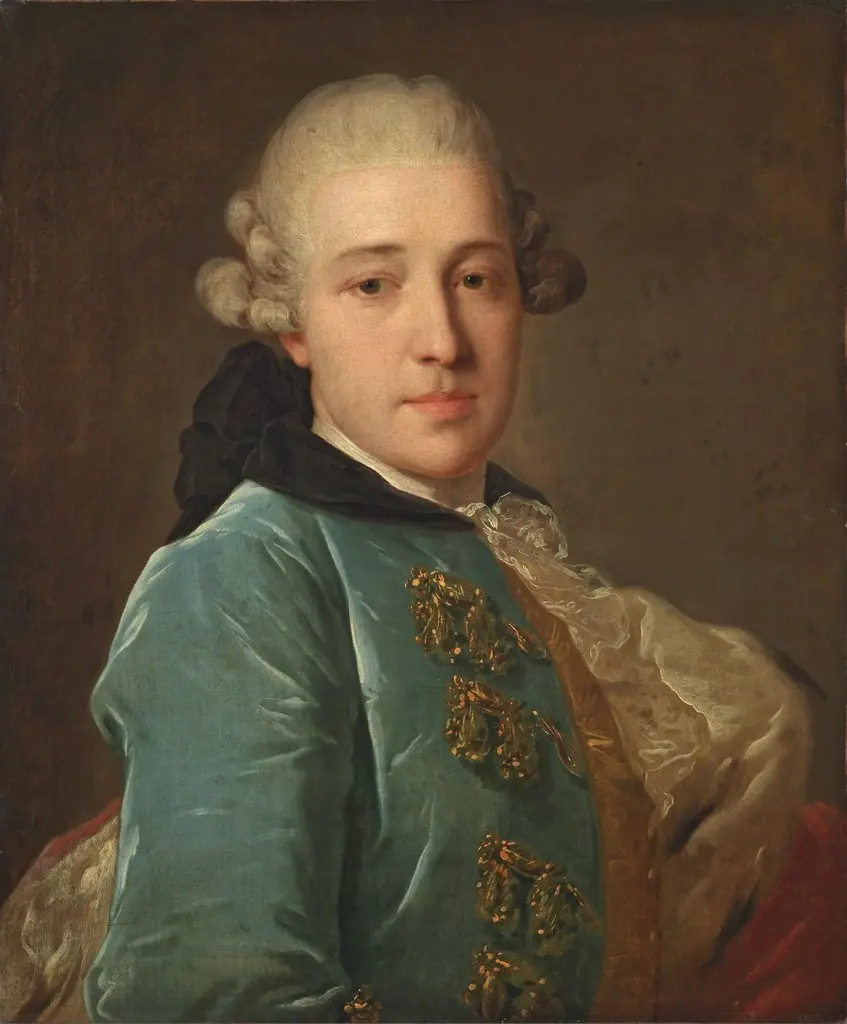 Portrait of Prince Dmitry Mikhailovich Golitsyn
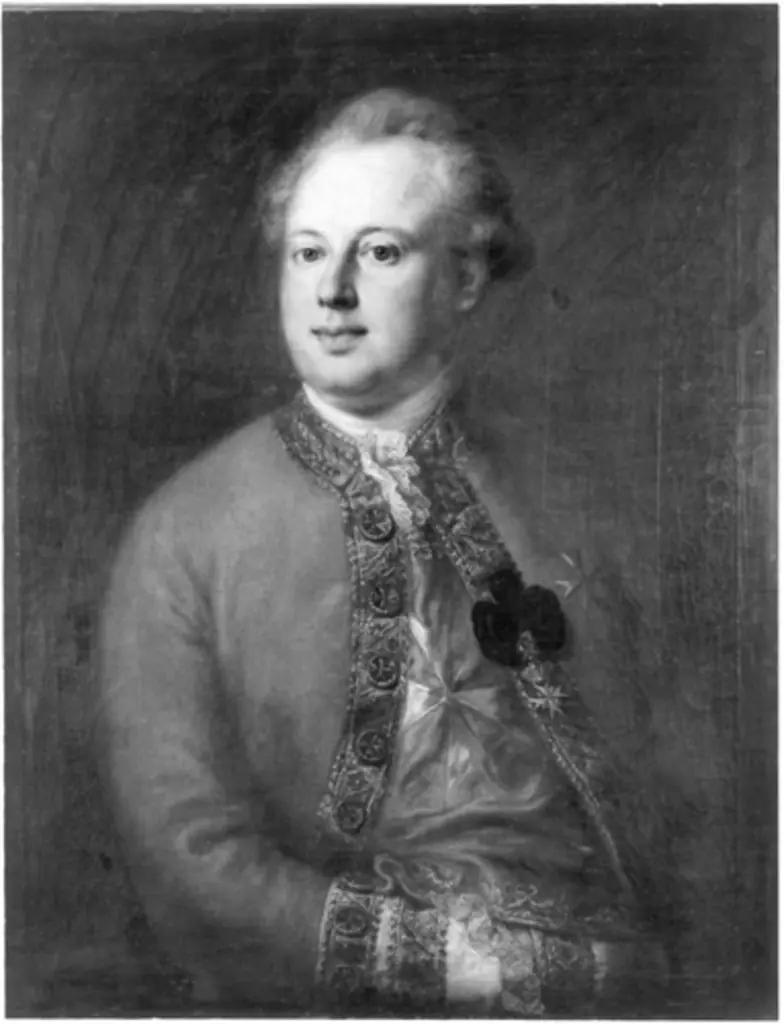 Bildnis eines Ritters des Malteserordens
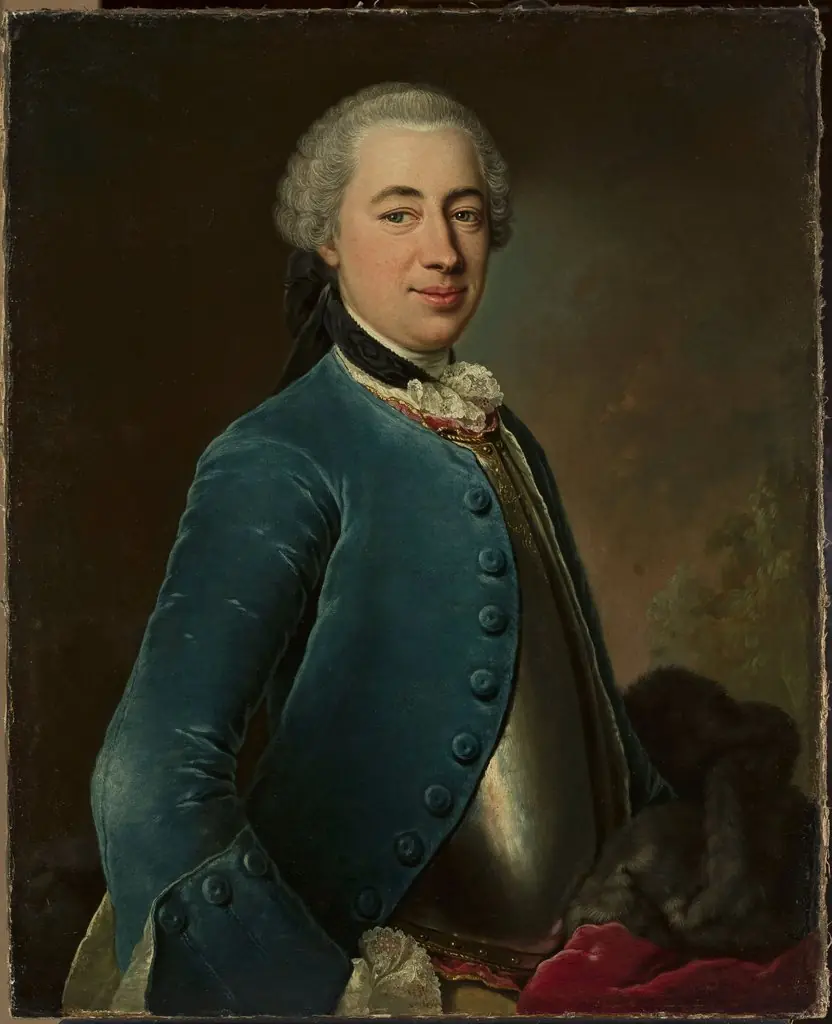 Portrait of a man in armour
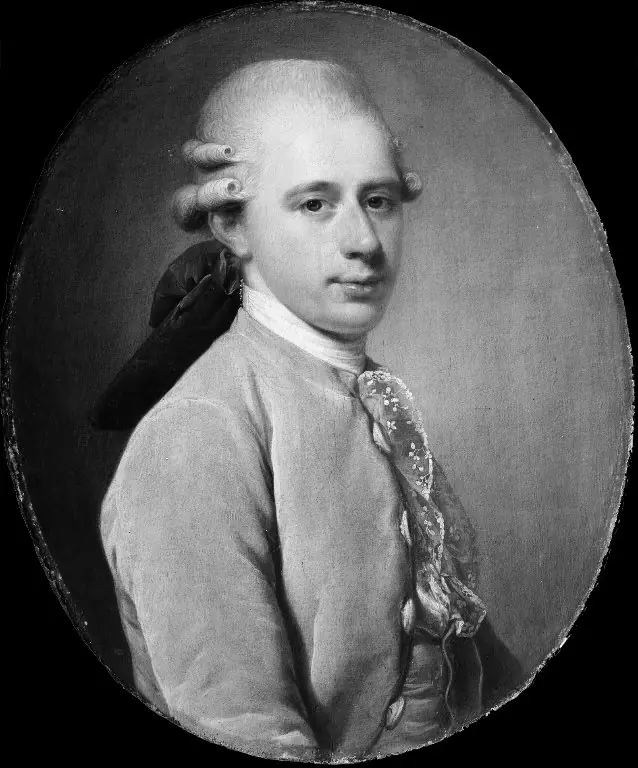 Generalpostdirektør Frederik Hauch som ung
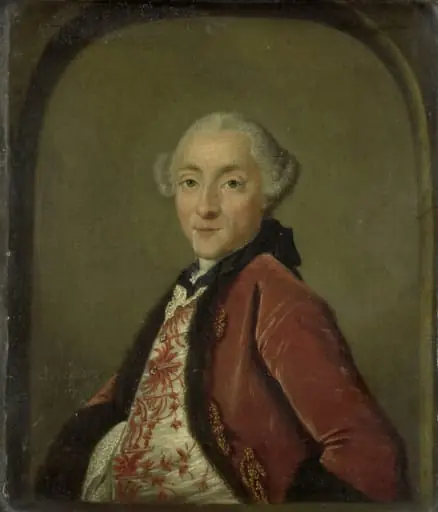 Portrait of Pieter Nicolaas Rendorp, Amsterdam Brewer
 Portrait of a Man
 Portrait of Louis XVIII, when comte de Provence ?