Artwork
Alexander Kurakin
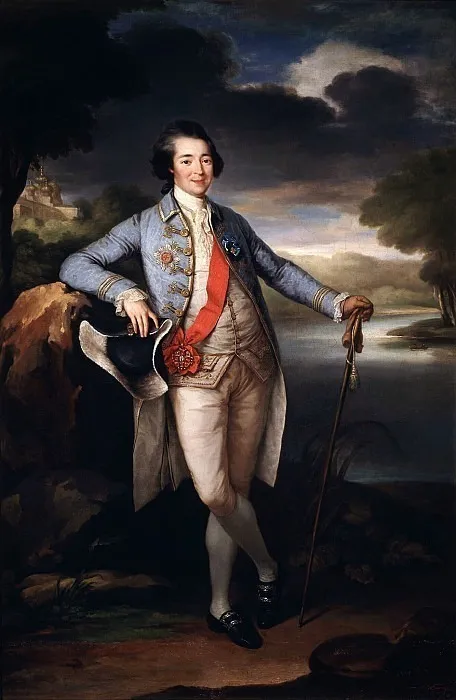
Alexander Kurakin is an oil painting by the Rococo painting artist Richard Brompton. It is held in the collection of the Tretyakov Gallery.
About this work
Overview
The composition emphasizes the sitter’s poise and social standing through careful arrangement of figure and environment.
Painted in 1791 by Richard Brompton, this oil portrait captures Alexander Kurakin, a Russian diplomat and nobleman. The work is part of the Tretyakov Gallery’s collection in Moscow. It presents its subject in a naturalistic outdoor setting, blending formal portraiture with landscape elements. The composition emphasizes the sitter’s poise and social standing through careful arrangement of figure and environment.
Subject & Meaning
Alexander Kurakin, depicted in full dress, is shown as a man of refined status, his attire signaling his position within imperial Russia’s aristocracy. The blue coat with gold embroidery and red sash reflect ceremonial dress, while the cane and hat suggest leisure and authority. The tranquil landscape behind him implies both personal reflection and the cultivated taste expected of his class, reinforcing his identity beyond mere rank.
Technique & Style
Brompton employs soft transitions between light and shadow to model the figure against a hazy backdrop. The brushwork is precise in rendering fabric textures—particularly the sheen of the coat and the fold of the sash—while the background is rendered with looser, atmospheric strokes. This contrast enhances spatial depth and grounds the subject within a believable, gently lit environment.
History & Provenance
Commissioned during Kurakin’s time in Western Europe, the painting likely originated as a personal record of his diplomatic presence abroad. It entered the Tretyakov Gallery’s holdings in the late 19th century, part of a broader effort to document Russian cultural figures. Its preservation reflects its value as a record of aristocratic identity in the late Enlightenment era.
Context
In the late 18th century, Russian nobles often commissioned portraits abroad to align with European artistic norms. Brompton, an English painter active in Russia, catered to this demand. Kurakin’s portrait reflects a trend where aristocrats used imagery to project cosmopolitanism, blending Russian symbols with Western compositional traditions to assert their place in international elite circles.
Legacy
The portrait remains a documented example of cross-cultural portraiture between Britain and Russia. While Brompton is not widely known today, this work contributes to understanding how Russian elites engaged with foreign artists to construct their public image. It stands as a quiet testament to the transnational networks of aristocratic identity in the pre-revolutionary period.
Artist & collection

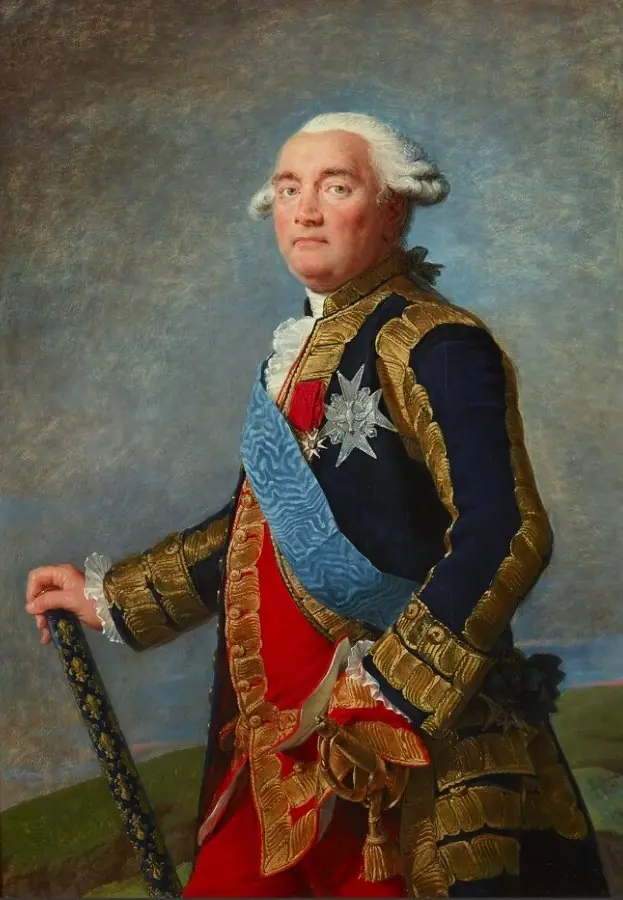 Philippe Henri, marquis de Ségur-Ponchat (1724–1801), französischer Marschall und Kriegsminister
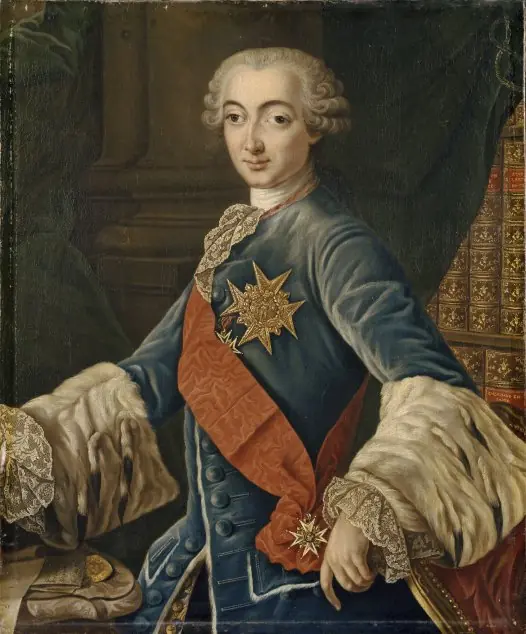 Antoine-René de Voyer, marquis de Paulmy d'Argenson (1722-1787), diplomate français.
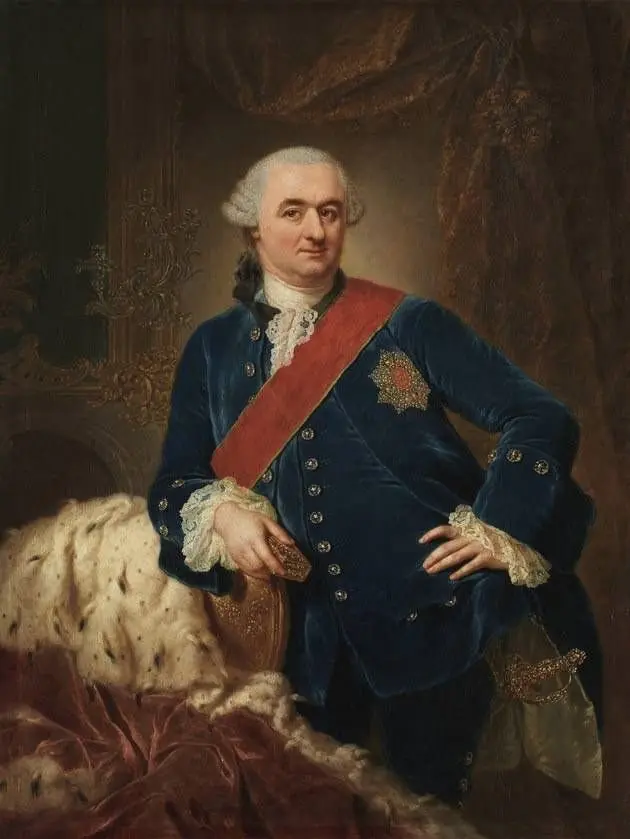 Bildnis des Kurfürsten Karl Theodor von der Pfalz und Bayern (1724-1799) im blauen Samtanzug
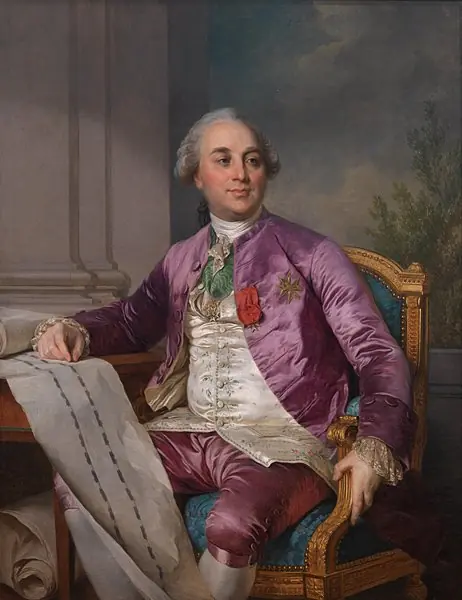 Portrait of Charles-Claude Flahaut de la Billarderie comte d'Angiviller (1730-1809)
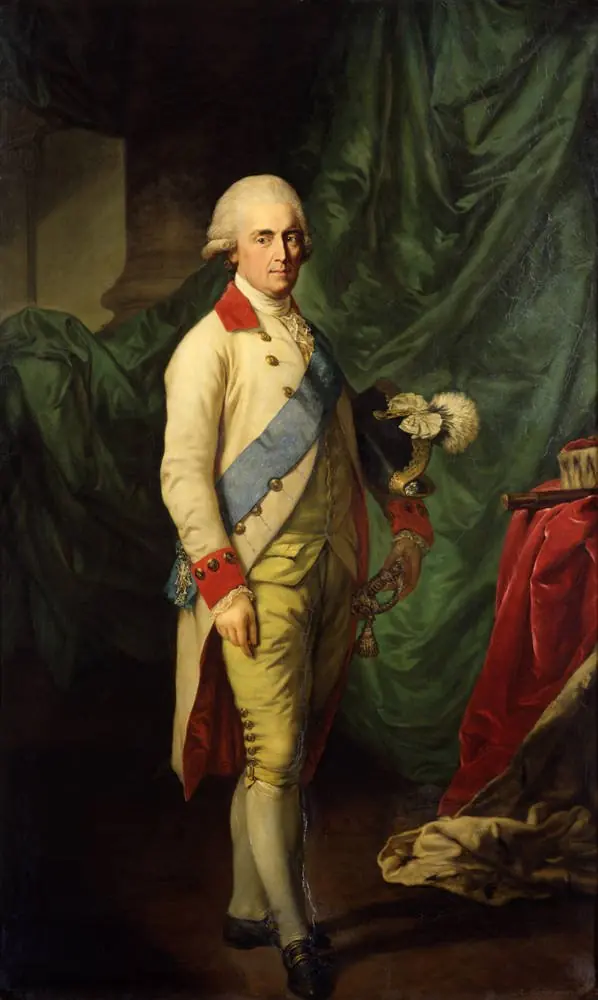 Porträt des Frederick Augustus I of Saxony (1750-1827)
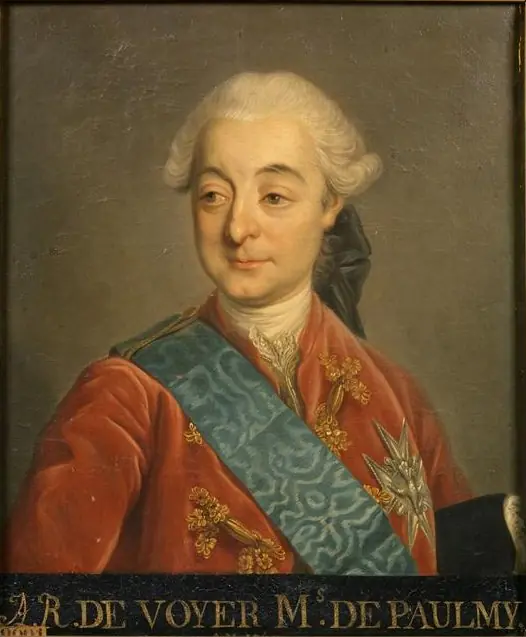 Antoine-René de Voyer de Paulmy, marquis d'Argenson (1722-1787), ministre
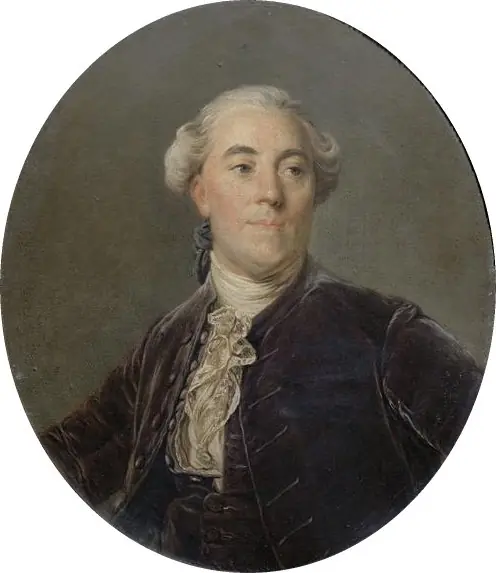 Portrait of Jacques Necker (1732-1804)
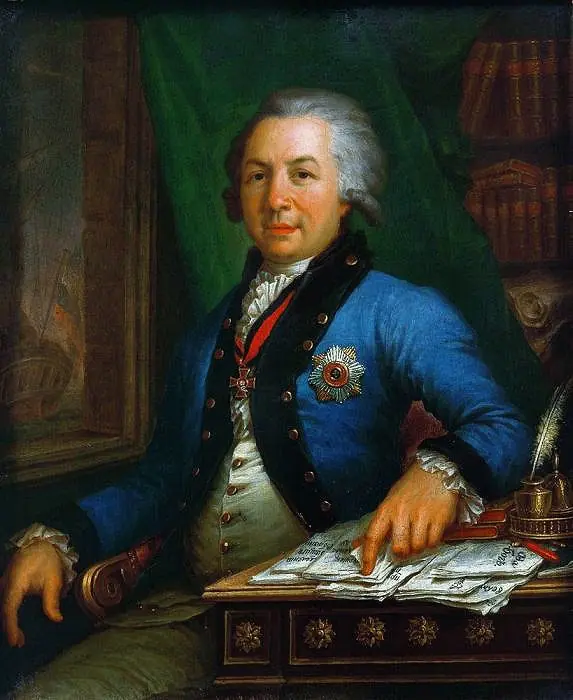 Portrait of Gavrila Romanovich Derzhavin
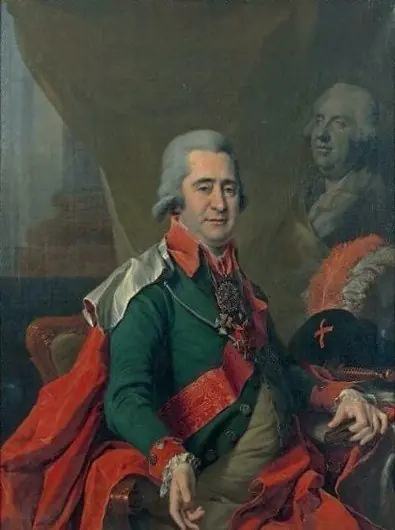 Portrait of Count I. Bezborodko
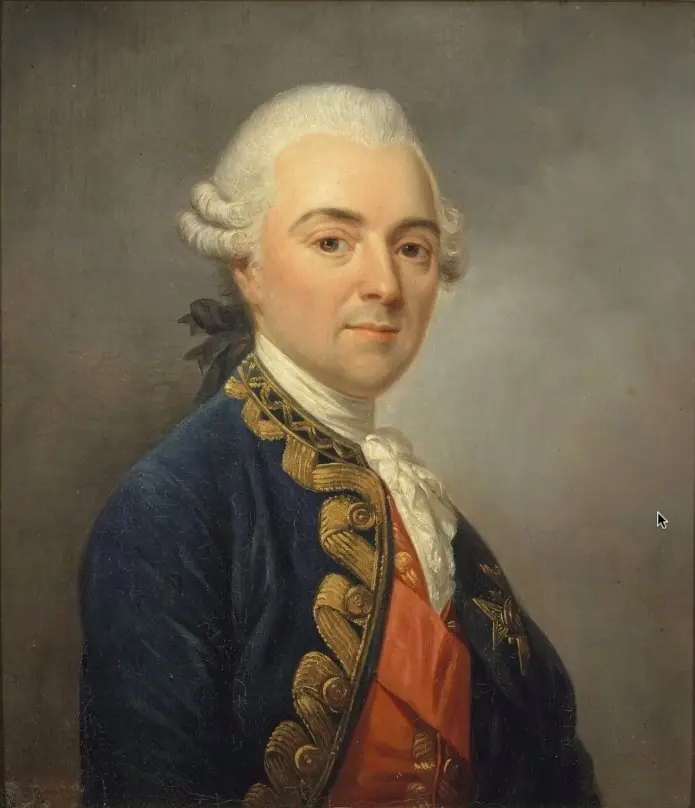 Portrait of Victor-Maurice de Riquet de Caraman (1722-1807)