Artwork
Polyxena on Achilles' Stake
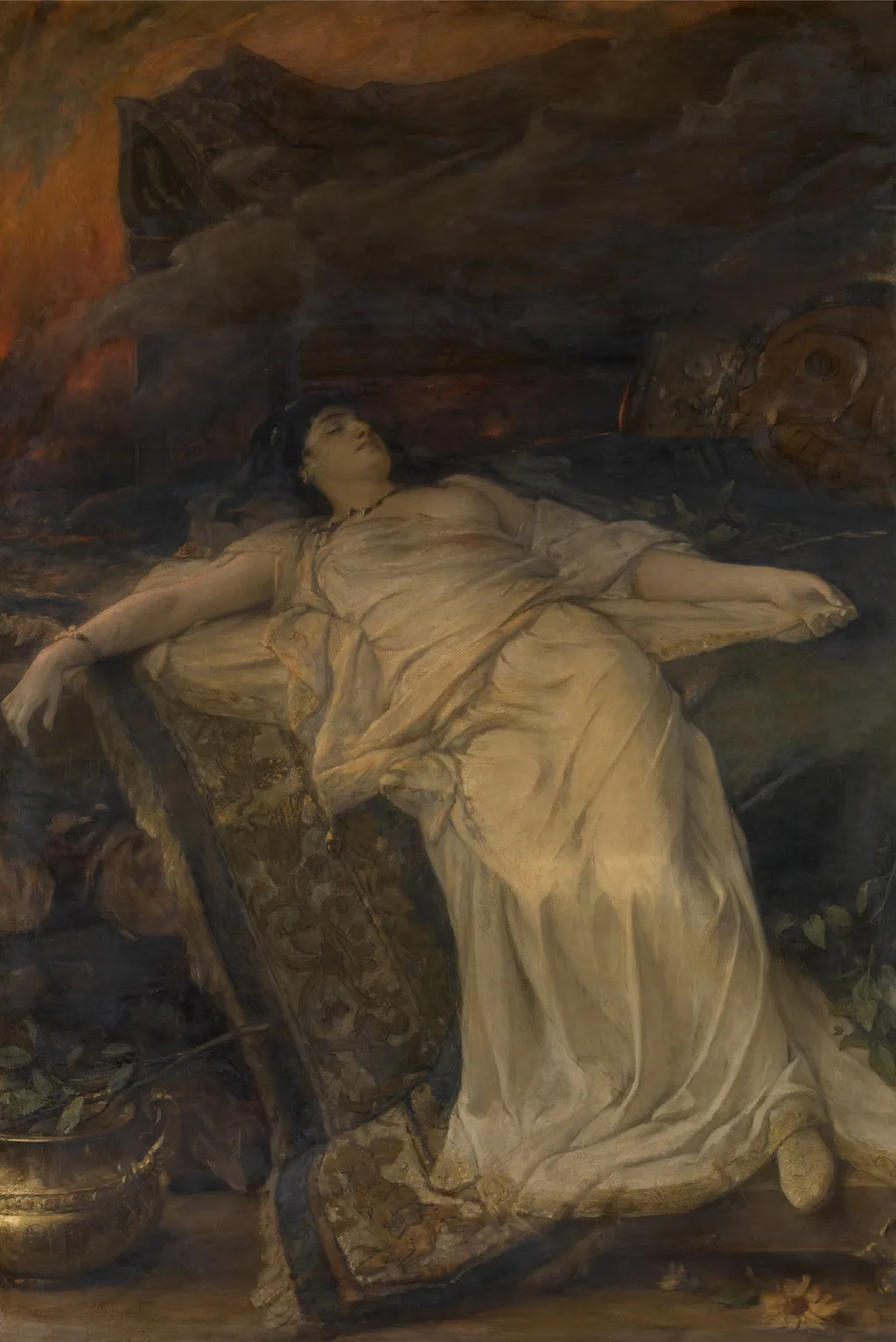
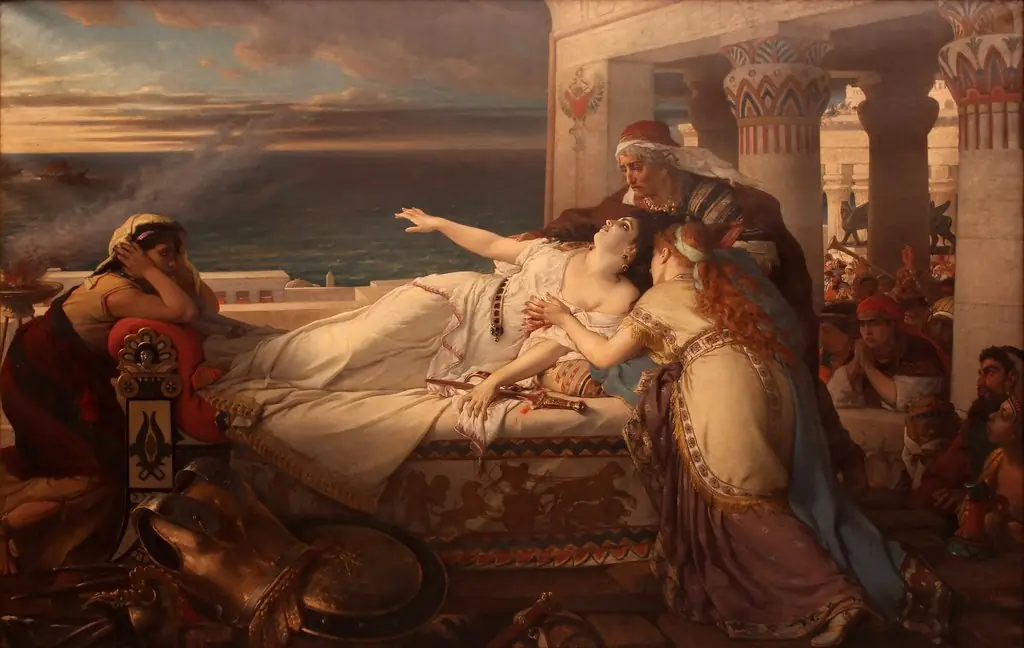
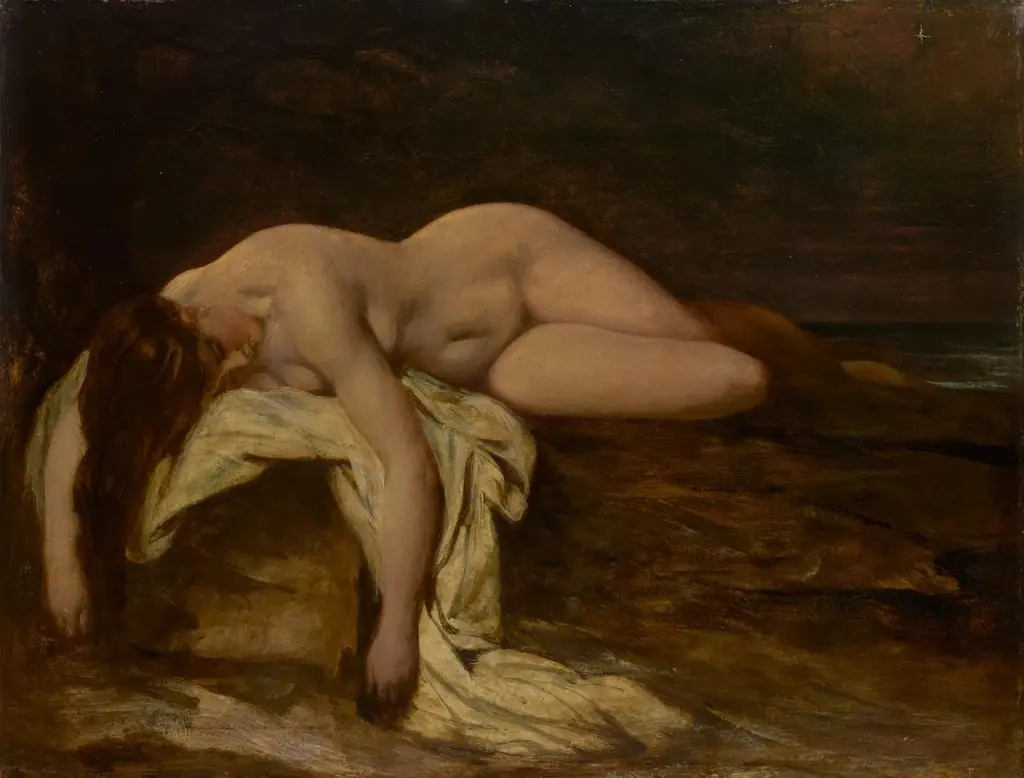
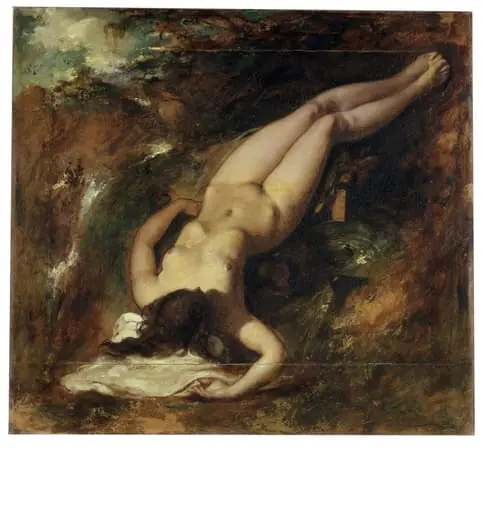
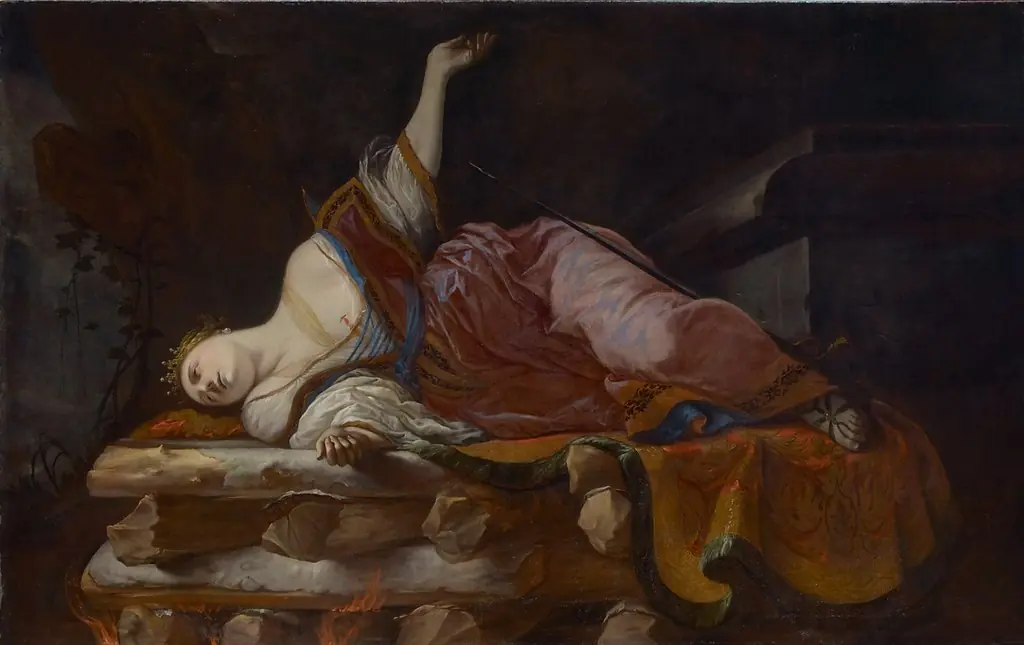
Polyxena on Achilles' Stake is an oil painting by Joseph Stallaert. It dates from 1891 and is held in the collection of the Royal Museum of Fine Arts Antwerp.
About this work
Overview
A Belgian artist and educator, Stallaert worked within the Academic tradition, drawing from French Neoclassical principles.
Joseph Stallaert’s 1891 oil painting, *Polyxena on Achilles' Stake*, resides in the Royal Museum of Fine Arts Antwerp. A Belgian artist and educator, Stallaert worked within the Academic tradition, drawing from French Neoclassical principles. The painting captures a grim episode from Trojan War mythology, rendered with formal precision and emotional restraint, reflecting the period’s scholarly engagement with ancient narratives.
Subject & Meaning
The scene illustrates the sacrifice of Polyxena, daughter of King Priam, at the tomb of Achilles as demanded by the Greek hero’s spirit. Her passive posture and downcast gaze convey resignation rather than resistance. The moment is not one of violence but of quiet inevitability, emphasizing the tragic cost of war and the subjugation of the defeated. The composition isolates her vulnerability against a barren landscape, underscoring her isolation in death.
Technique & Style
Stallaert employs chiaroscuro to model the figure with subtle gradations of light and shadow, enhancing the sculpture-like volume of Polyxena’s form. The white robe contrasts with the dark, rocky backdrop and ornate chair, focusing attention on her stillness. Brushwork is controlled and smooth, aligning with Academic ideals of clarity and idealized anatomy. The palette remains muted, reinforcing the scene’s solemnity without theatrical flourish.
History & Provenance
Painted in 1891, the work entered the collection of the Royal Museum of Fine Arts Antwerp shortly after its completion. Stallaert, a professor at the Antwerp Academy, was known for historical subjects favored by institutional patrons. The painting reflects the museum’s 19th-century acquisitions policy, which prioritized technically accomplished mythological scenes rooted in classical literature and European academic training.
Context
In late 19th-century Europe, classical mythology remained a favored subject for academic painters, serving as a vehicle for moral and emotional exploration. Stallaert’s approach aligns with contemporaries who sought to revive ancient themes with psychological depth rather than heroic grandeur. The painting’s quiet intensity contrasts with more dramatic interpretations of the same myth, reflecting a shift toward introspective storytelling within Academic circles.
Legacy
Though not widely exhibited beyond Belgium, the painting exemplifies the enduring influence of Neoclassical aesthetics in regional academies. Stallaert’s focus on emotional restraint and formal discipline contributed to the pedagogical standards of his time. Today, it stands as a quiet testament to how classical narratives were reinterpreted in the shadow of industrial modernity, preserving a sense of ancient tragedy through measured technique.
Own this work as a print
Artist & collection
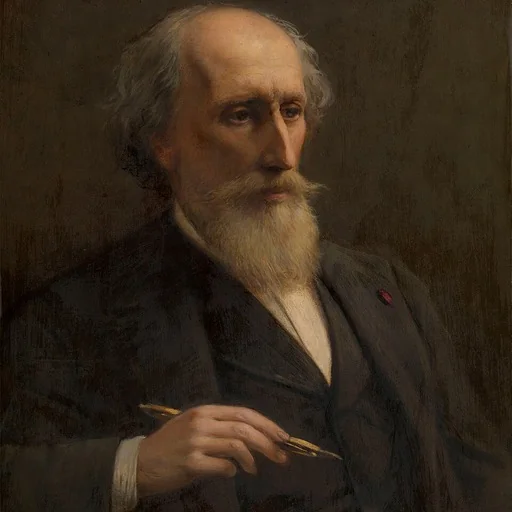
Artist
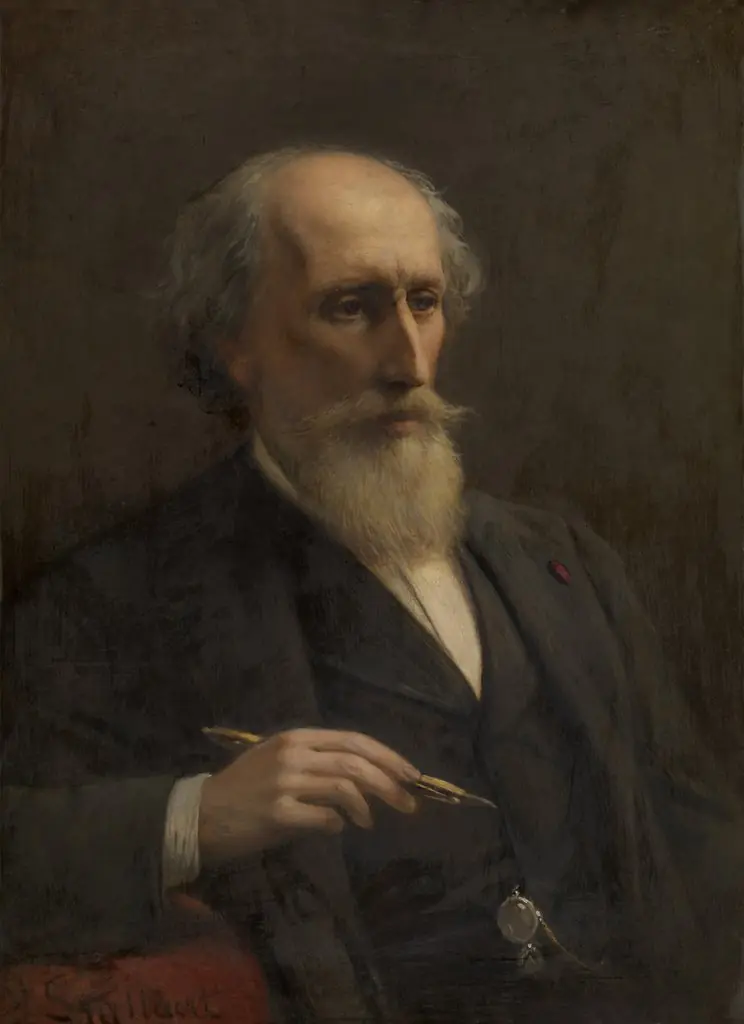
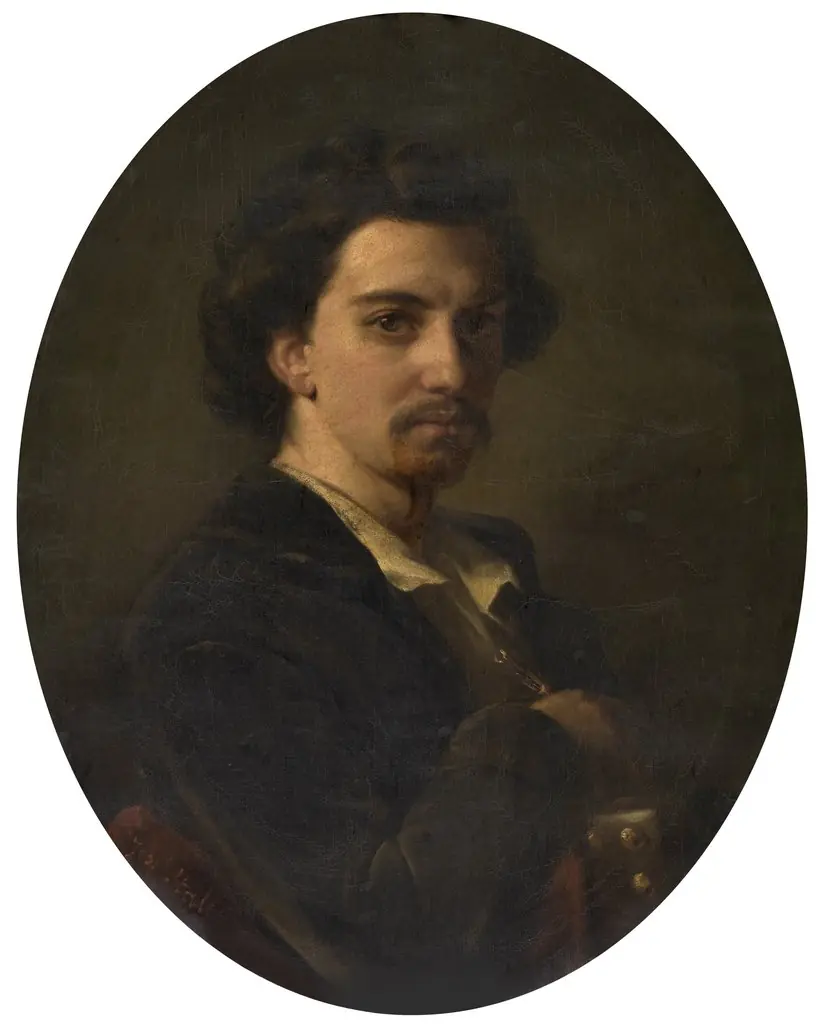
Joseph Stallaert (19 March 1825 – 24 November 1903) was a Belgian painter and art educator. He is known for his scenes from antiquity executed in a Classicistic and Academic style going back on the French models of Louis David.