Artwork
Saying Grace
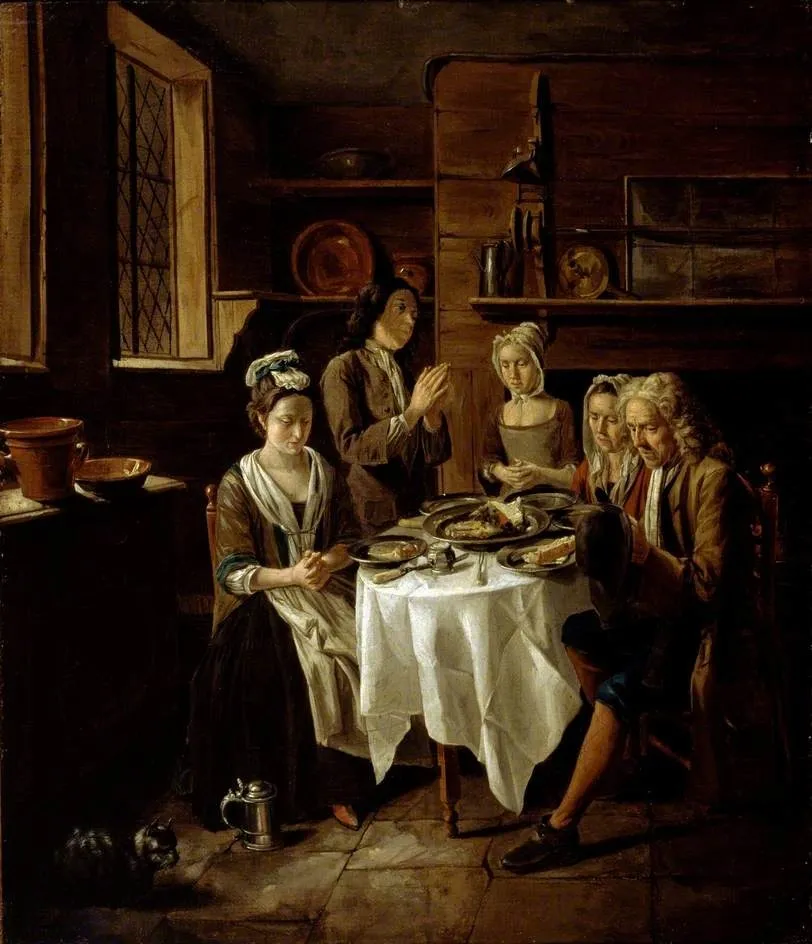
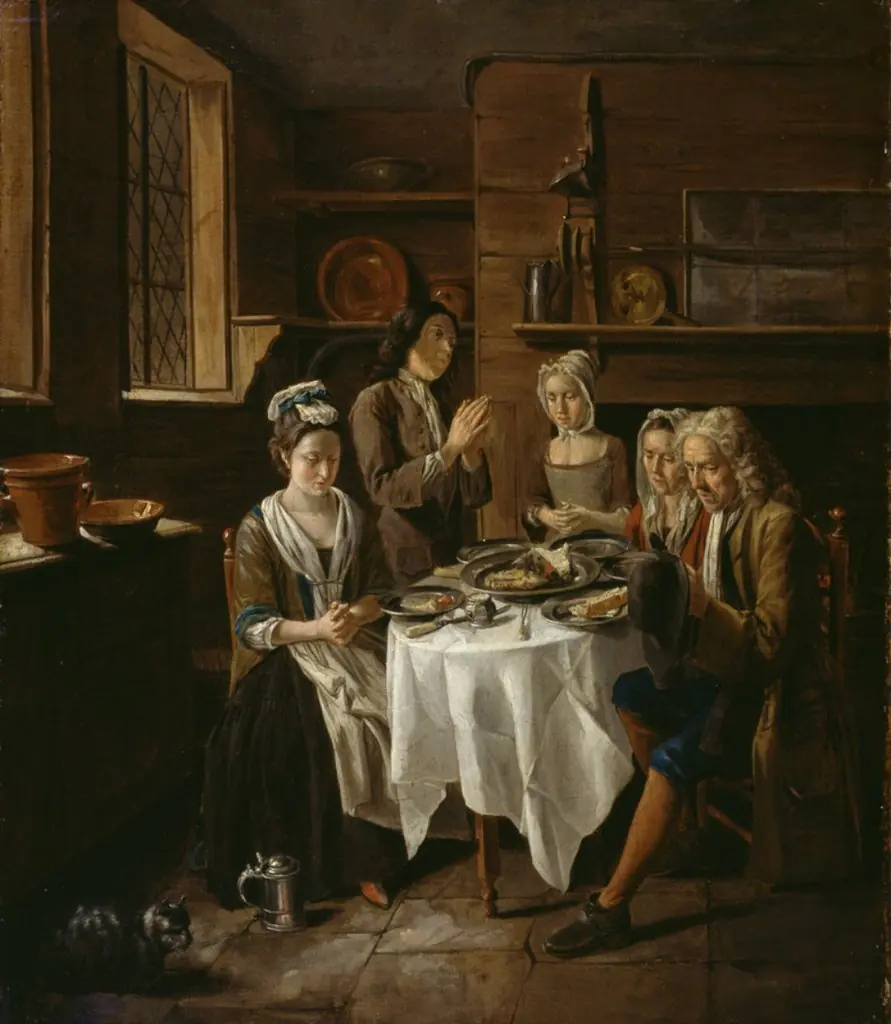
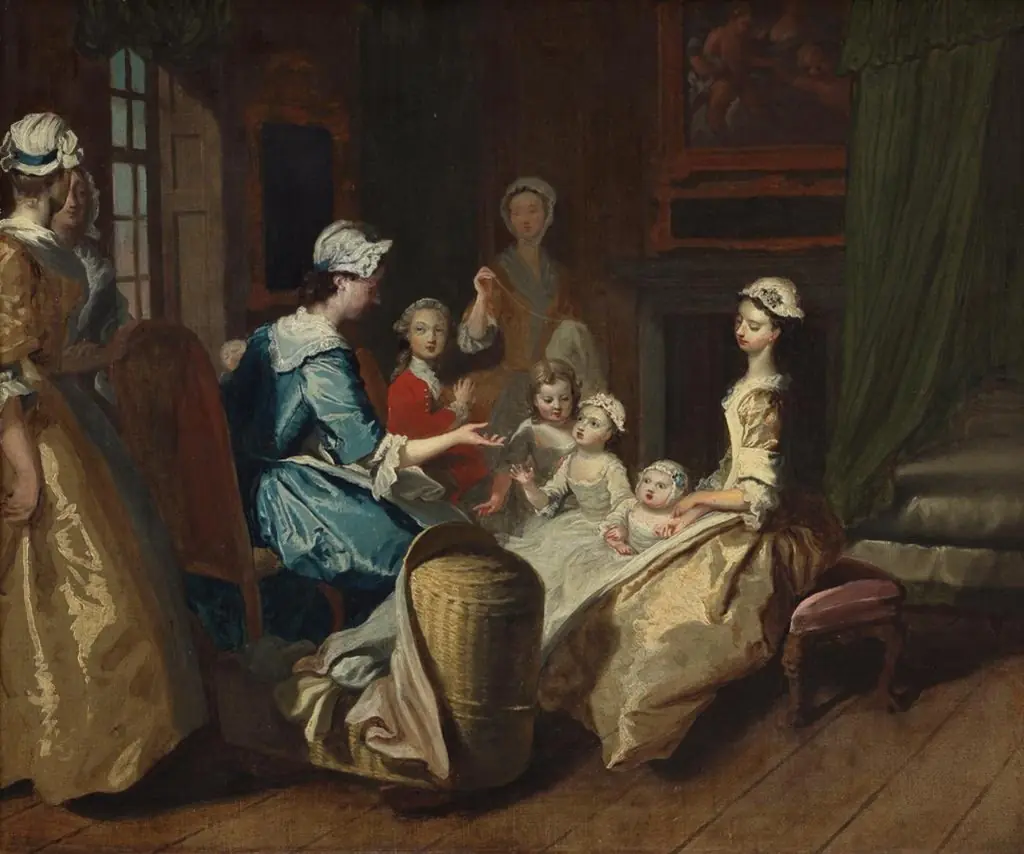
Saying Grace is an oil painting by the Rococo painting artist Joseph Van Aken. It dates from 1720 and is held in the collection of the Ashmolean Museum.
About this work
The scene appears to be a moment of quiet reflection or prayer, with the standing figure possibly leading the group in a blessing or grace.
This painting shows a group of people gathered around a table, with one person standing and the others seated. The table is set with plates, utensils, and a pitcher, and the people are dressed in clothing from the 18th century.
The scene appears to be a moment of quiet reflection or prayer, with the standing figure possibly leading the group in a blessing or grace. The atmosphere is subdued and intimate, with the focus on the people and their interaction.
The use of chiaroscuro in this painting creates a sense of depth and volume, drawing the viewer's eye to the central figures. Next, explore more works by Joseph Van Aken.
Overview
Painted around 1720, *Saying Grace* is an oil-on-canvas work by Joseph Van Aken, a Flemish artist active in England. Known for his skill in rendering textiles and accessories, Van Aken frequently assisted portrait painters by detailing garments. This piece stands as a rare independent genre scene, capturing a private domestic ritual with restrained emotion and careful observation.
Subject & Meaning
The painting portrays a family gathered at a modest table, engaged in a quiet moment of prayer. One figure stands, head bowed, while others remain seated, their postures suggesting reverence. The absence of overt religious symbols shifts focus to the intimacy of the act itself—grace as a habitual, unremarkable part of daily life. The scene reflects 18th-century Protestant values of quiet piety within the home.
Technique & Style
Van Aken employs chiaroscuro to model forms with subtle gradations of light and shadow, lending volume to faces and fabrics. The brushwork is precise, particularly in the rendering of lace, linen, and wooden surfaces. The composition is tightly framed, with figures arranged around a central axis, guiding attention to the praying figure. Colors are muted, reinforcing the scene’s solemnity without theatricality.
History & Provenance
Created during Van Aken’s time in London, the painting likely emerged from his broader practice of genre scenes before he became primarily known for drapery work in portraits. Its early provenance is undocumented, but it entered public collections in the 19th century, where it was recognized as an example of domestic realism in early Georgian art.
Context
In early 18th-century England, genre painting was gaining traction as a vehicle for moral and social observation. Van Aken’s work aligns with contemporaries like Hogarth in its attention to everyday behavior, though without narrative drama. The emphasis on familial piety resonated with rising middle-class ideals, where domestic virtue was seen as foundational to social order.
Legacy
Though Van Aken is better remembered for his contributions to portraiture, *Saying Grace* remains a significant example of his independent vision. It offers a quiet counterpoint to the grandeur of contemporary history painting, affirming the artistic value of unadorned domestic life. The work continues to be studied for its nuanced portrayal of private ritual in an era of public display.
Artist & collection
Artist
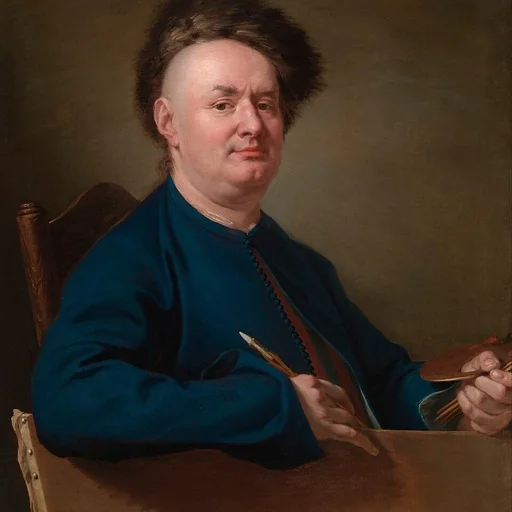
Josef van Aken, known in England as Joseph van Aken and Joseph Van Aken of Heacken (c.