Artwork
Saying Grace
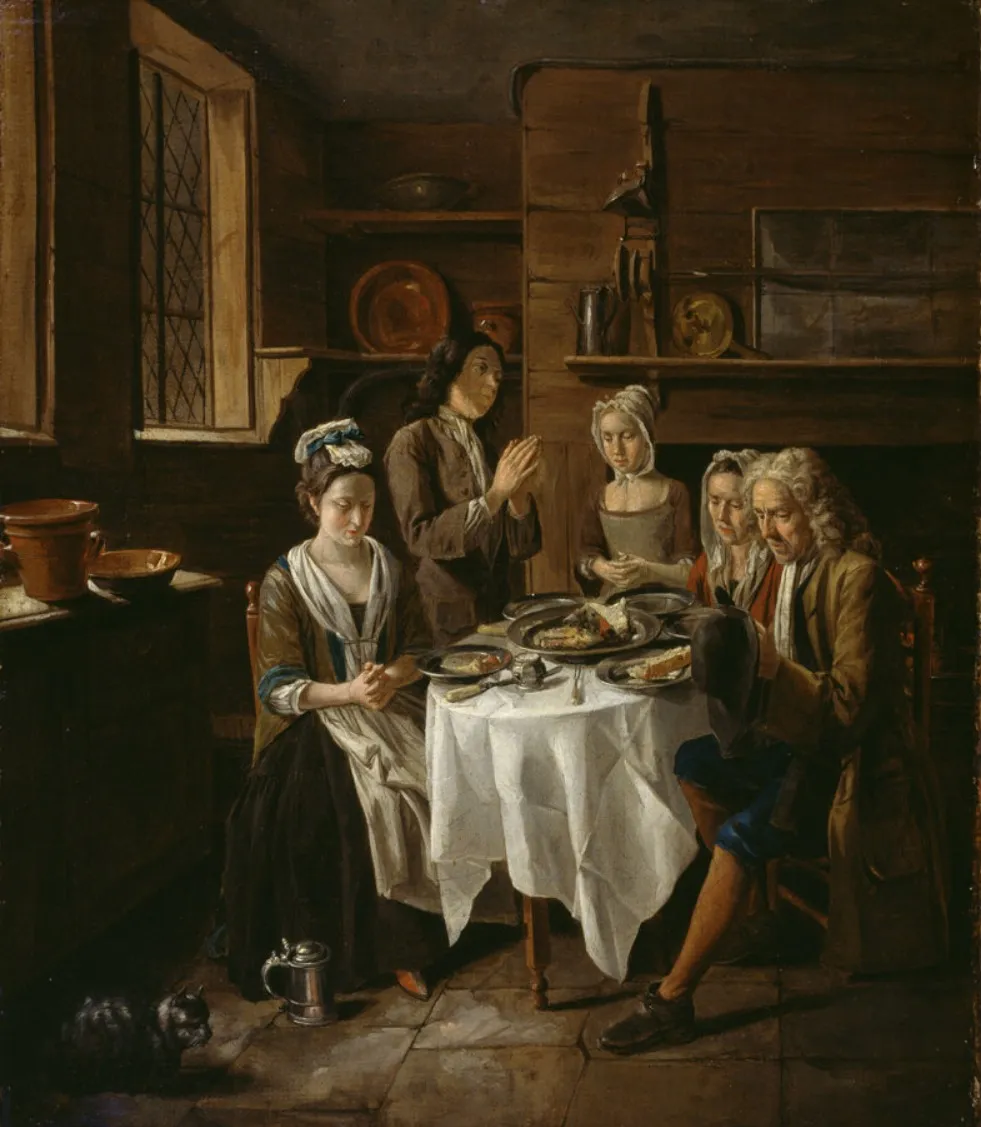
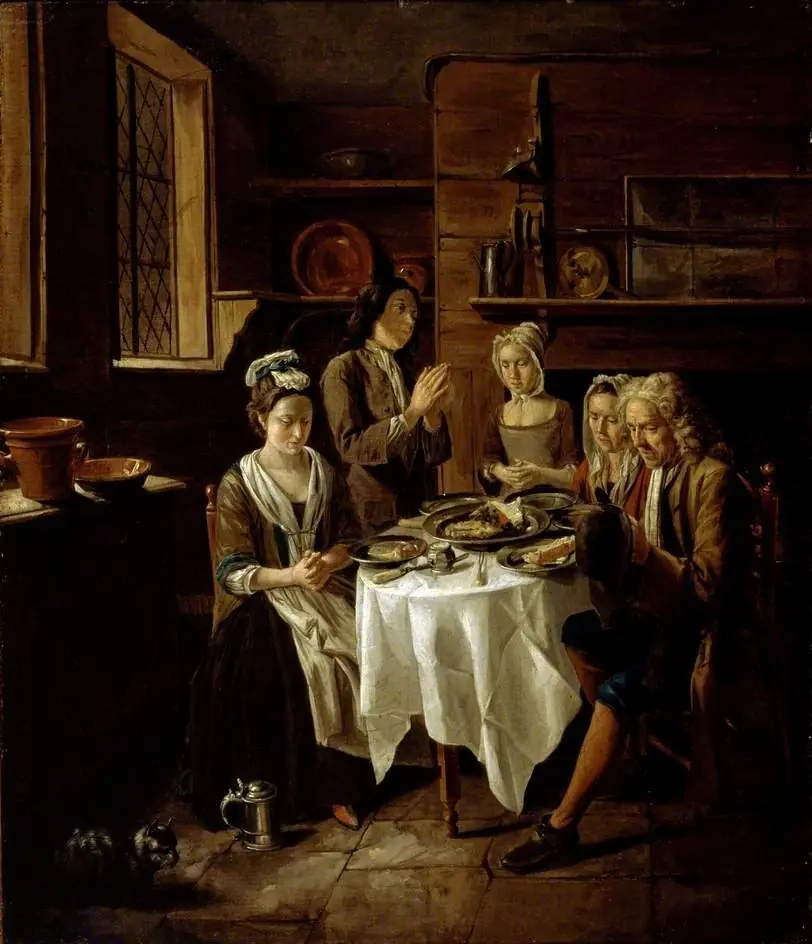
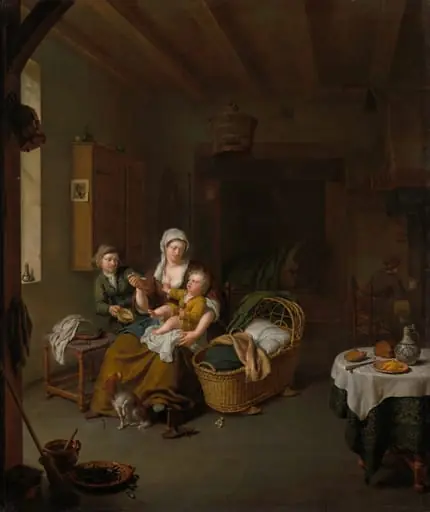
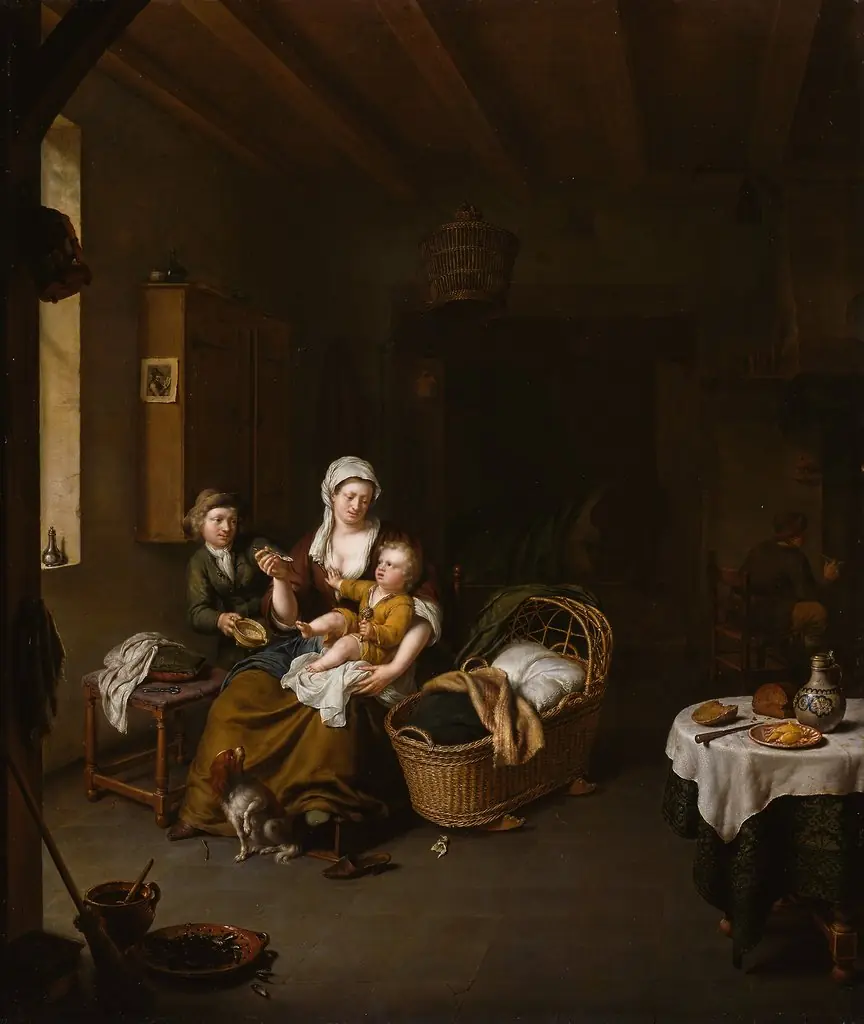
Saying Grace is an oil painting by the Rococo painting artist Joseph Van Aken. It dates from 1720 and is held in the collection of the Ashmolean Museum.
About this work
Overview
This work, now in the Ashmolean Museum, reflects his skill in portraying intimate moments with restrained emotion and careful attention to detail.
Joseph Van Aken’s *Saying Grace* (c. 1720) is an oil painting capturing a quiet domestic ritual. Though Flemish by origin, Van Aken spent much of his career in England, where he gained recognition for genre scenes and later as a specialist in rendering textiles for portraitists. This work, now in the Ashmolean Museum, reflects his skill in portraying intimate moments with restrained emotion and careful attention to detail.
Subject & Meaning
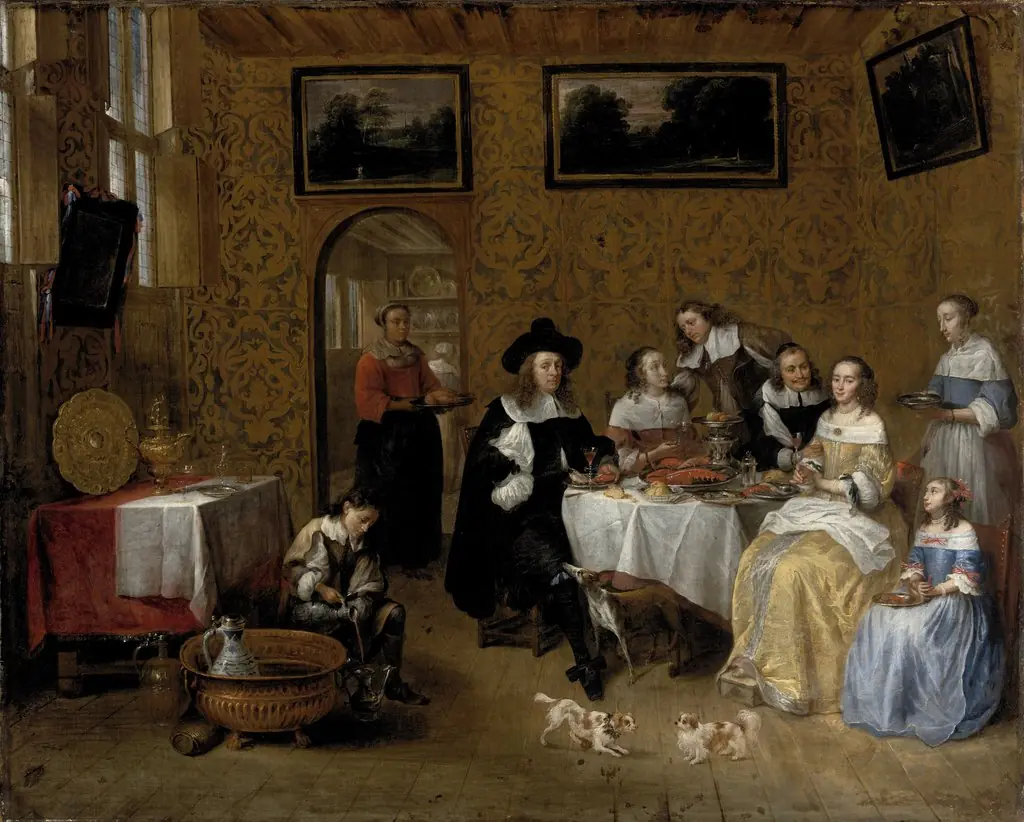
The painting shows a family of six gathered around a table, heads bowed in silent prayer before a meal. The arrangement—centered on a young girl in a white apron and blue headscarf, with an older man beside her—suggests generational continuity and shared reverence. No overt religious symbols appear, yet the stillness and focused posture convey a deeply personal act of gratitude, rooted in everyday piety rather than ceremonial display.
Technique & Style
Van Aken employs subtle chiaroscuro to model forms within a dimly lit interior, enhancing the solemnity of the moment. The dark wood paneling and muted tones ground the scene in realism, while the textures of fabric, skin, and wood are rendered with precision. His background in drapery painting informs the careful depiction of clothing, lending dignity to the figures without embellishment. The composition avoids theatricality, favoring quiet naturalism.
History & Provenance
Created around 1720, the painting entered the Ashmolean Museum’s collection in the 19th century. Van Aken’s reputation as a drapery specialist for portraitists like Hogarth may have overshadowed his independent works during his lifetime. *Saying Grace* survives as one of the few known genre scenes attributed solely to him, offering insight into his artistic range beyond auxiliary roles in portraiture.
Context
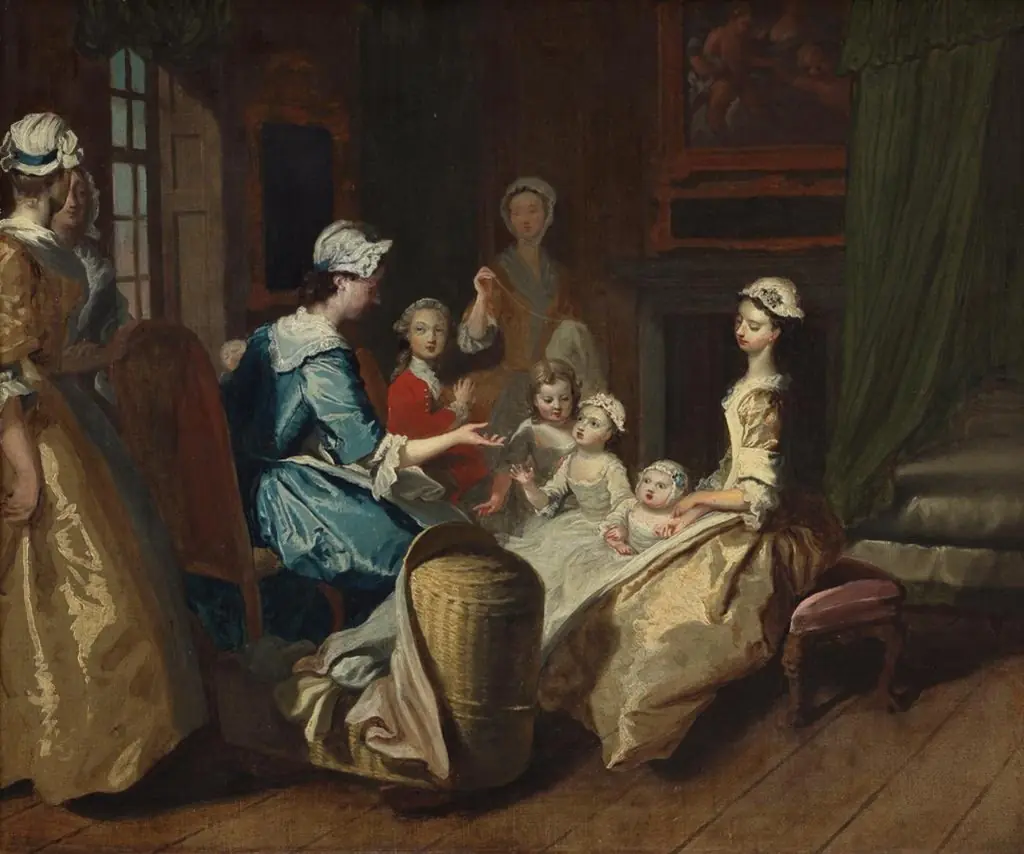
In early 18th-century England, genre scenes depicting middle-class domestic life gained traction among collectors seeking relatable imagery. Van Aken’s work aligns with this trend, reflecting Protestant values of modesty and familial devotion. Unlike Dutch precedents, his approach lacks anecdotal detail or moralizing humor, instead emphasizing stillness and shared reverence, perhaps mirroring contemporary shifts in devotional practice.
Legacy
Though Van Aken is better known for his contributions to portraits, *Saying Grace* stands as a quiet testament to his ability to convey emotional depth in everyday settings. The painting’s understated realism influenced later British genre painters who sought authenticity over idealization. It remains a significant example of how religious sentiment was rendered in secular domestic spaces during the early Enlightenment.
Artist & collection
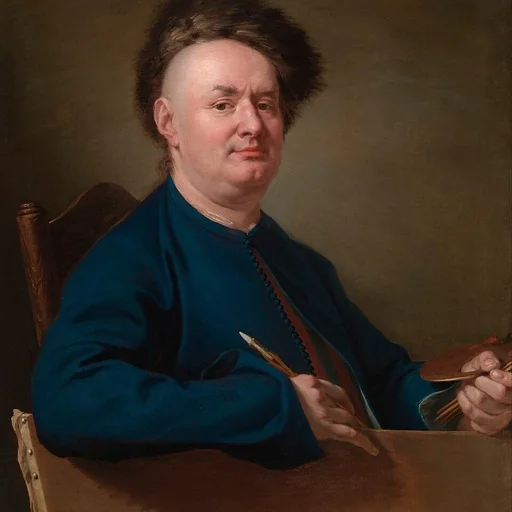
Artist
Josef van Aken, known in England as Joseph van Aken and Joseph Van Aken of Heacken (c.