Artwork
Twelfth-Night Feast
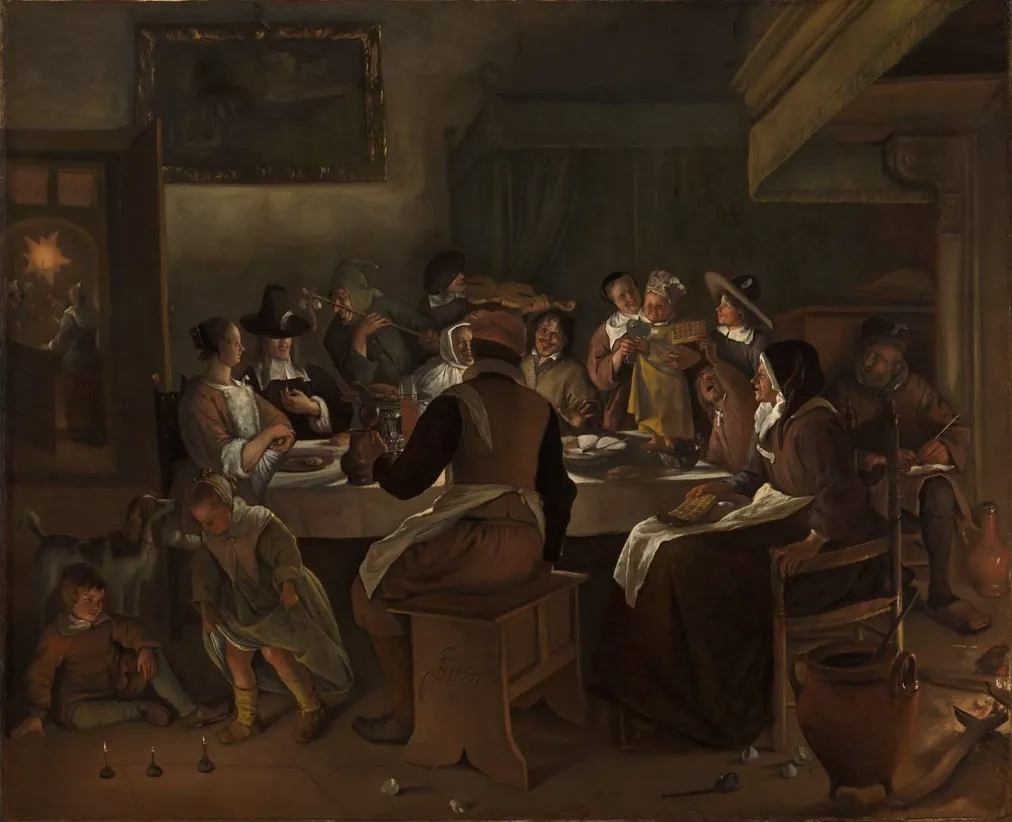
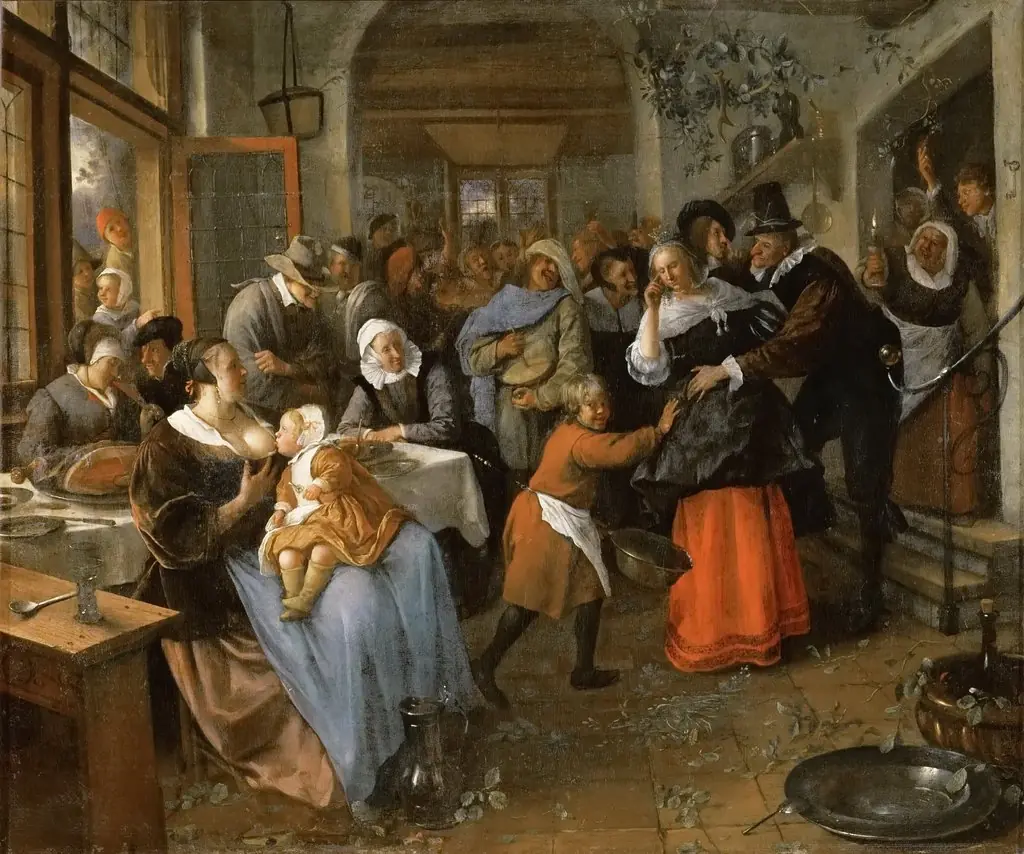
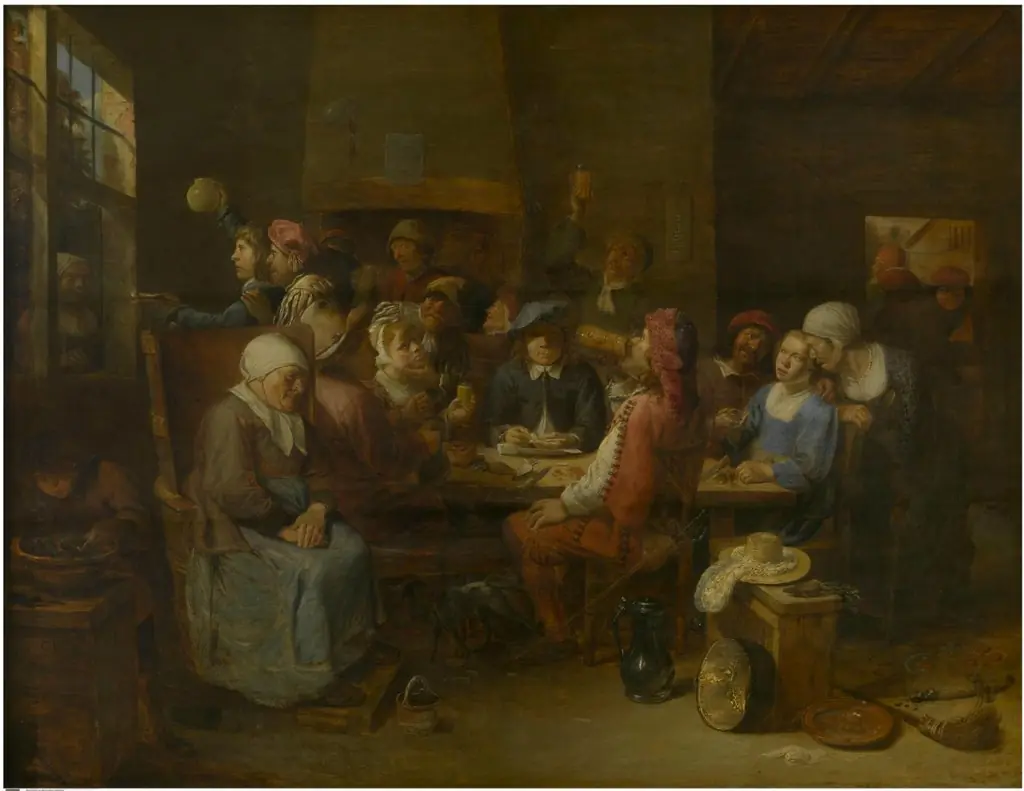
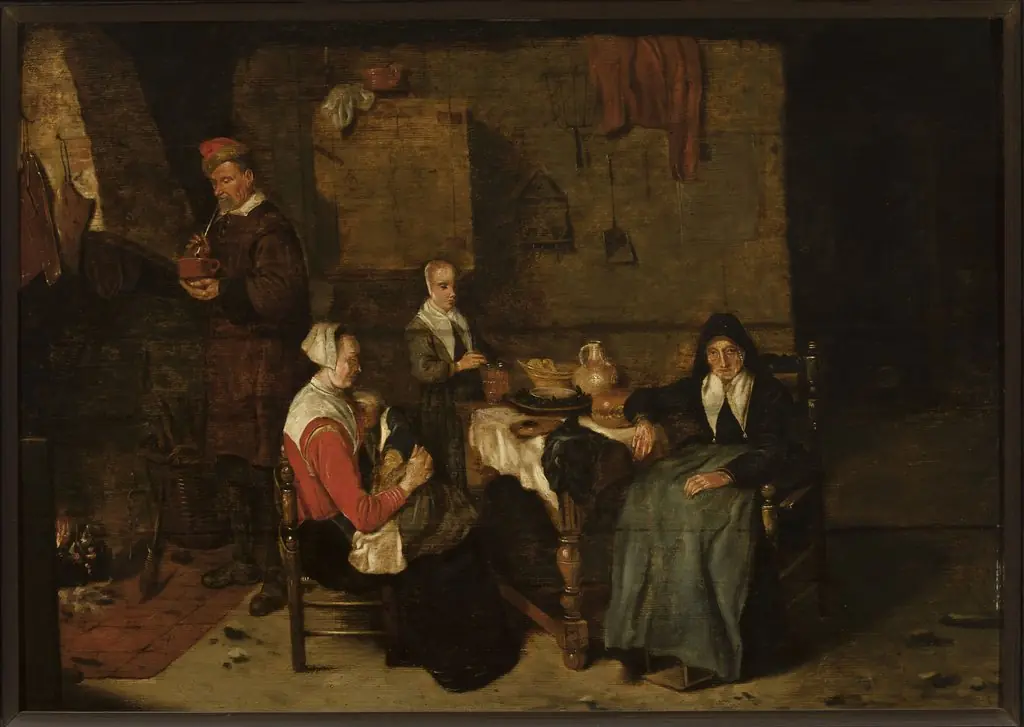
Twelfth-Night Feast is an oil painting by the Dutch Golden Age artist Jan Steen. It dates from 1662 and is held in the collection of the Museum of Fine Arts Boston.
About this work
Overview
Jan Steen’s oil on canvas, dated 1662, presents a bustling interior scene of a Dutch family’s Twelfth‑Night celebration.
Jan Steen’s oil on canvas, dated 1662, presents a bustling interior scene of a Dutch family’s Twelfth‑Night celebration. The composition fills a sizeable panel now housed in the Museum of Fine Arts, Boston, which acquired the work in 1945. The painting captures the moment when the Christmas season gives way to the Epiphany, marked by festive food, drink, and lively interaction among adults and children.
Subject & Meaning
The tableau illustrates the traditional Twelfth‑Night feast, a rite concluding the Christmas holidays and recalling the visit of the Magi to the infant Christ. Children on the floor clutch three candles, symbolising the three kings, while a boy offers a piece of a festival waffle to a youngster dressed as a king, emphasizing the playful ritual of role‑reversal and communal generosity.
Technique & Style
Steen employs a pronounced chiaroscuro, allowing bright, animated faces to emerge from darker corners of the room. The contrast of illuminated figures against the shadowed wooden walls creates a sense of depth and immediacy. Details such as the gleaming metalware, the soft fur of a dog, and the subtle sheen of a cat’s coat are rendered with meticulous brushwork, enhancing the scene’s realism.
History & Provenance
Executed in the early 1660s, the canvas remained in private collections before entering the Museum of Fine Arts, Boston, in 1945. Its provenance reflects the typical trajectory of Dutch Golden Age works, moving from domestic ownership to institutional acquisition during the mid‑twentieth‑century surge in interest for Northern European genre painting.
Context
Set within a well‑to‑do Dutch household, the painting reflects the social customs of the Dutch Republic, where middle‑class families celebrated religious festivals with elaborate banquets. Steen’s characteristic genre scenes often blend moral commentary with humor; here, the chaotic merriment and the presence of domestic animals underscore both the conviviality and the underlying moral lesson about temperance and order.
Artist & collection
Artist
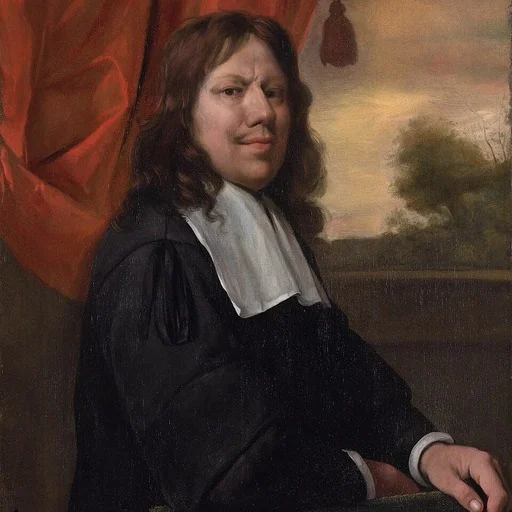
Jan Havickszoon Steen was a Dutch Golden Age painter, one of the leading genre painters of the 17th century.

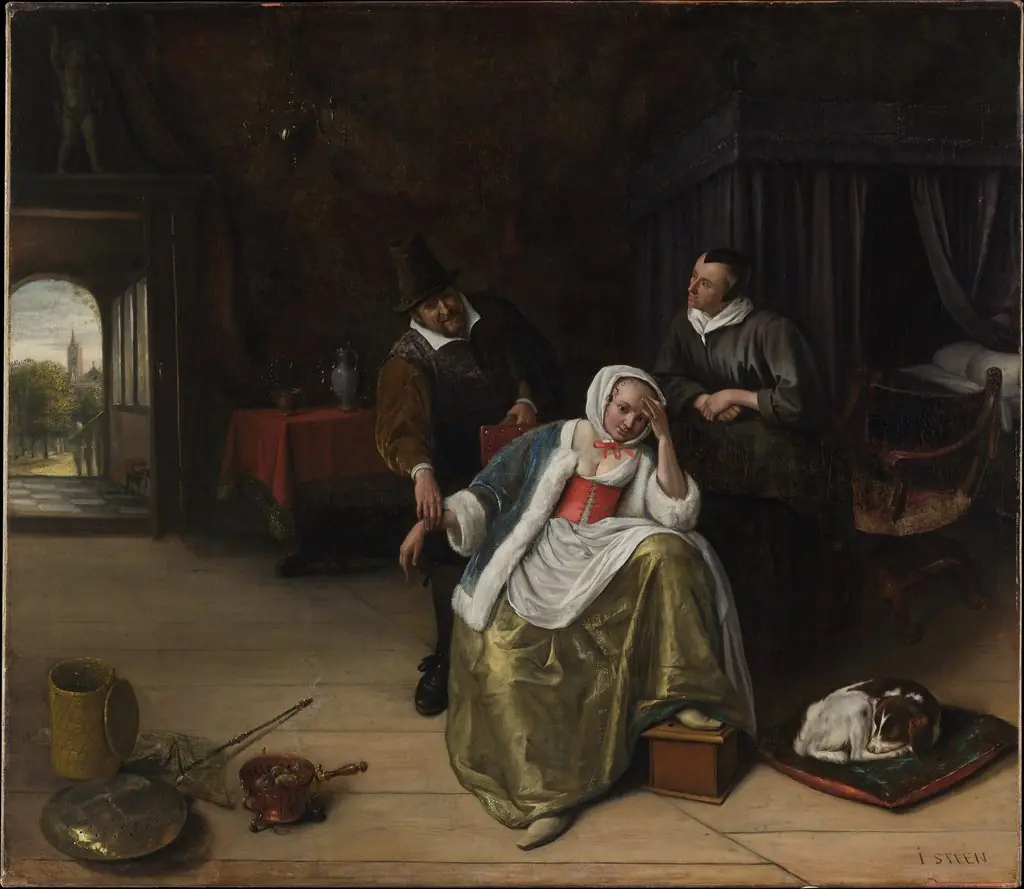 Paintings of physicians by Jan Steen
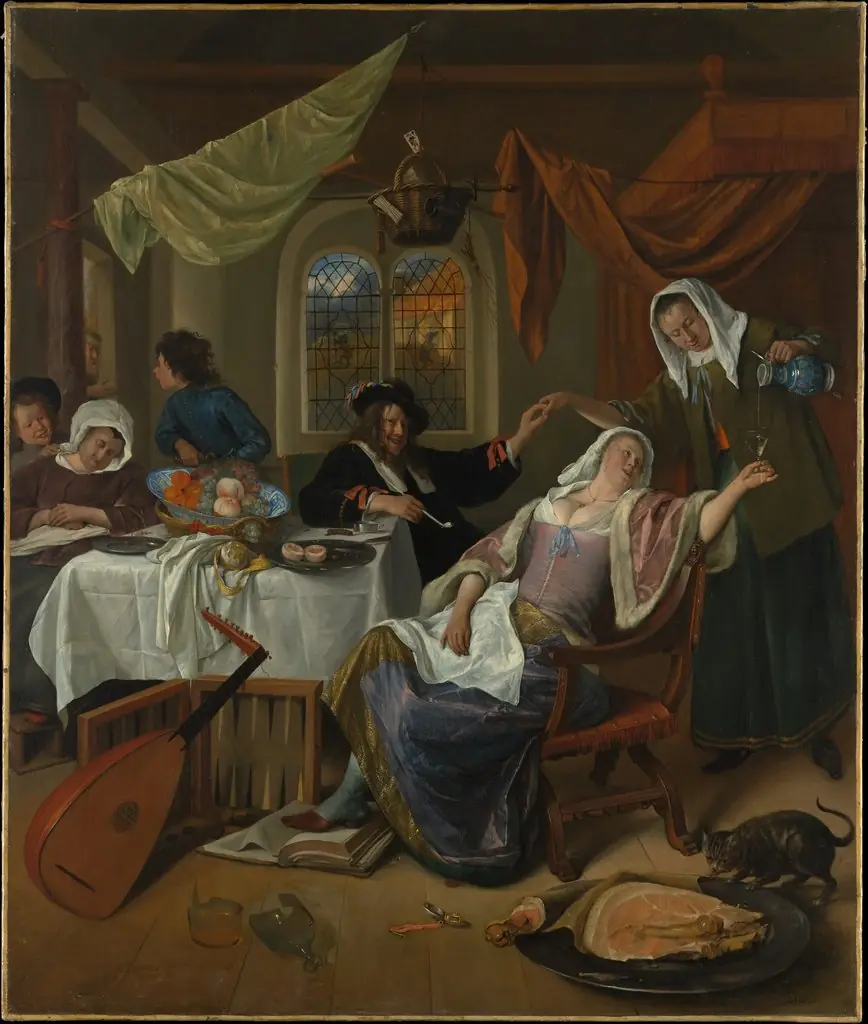 The Dissolute Household
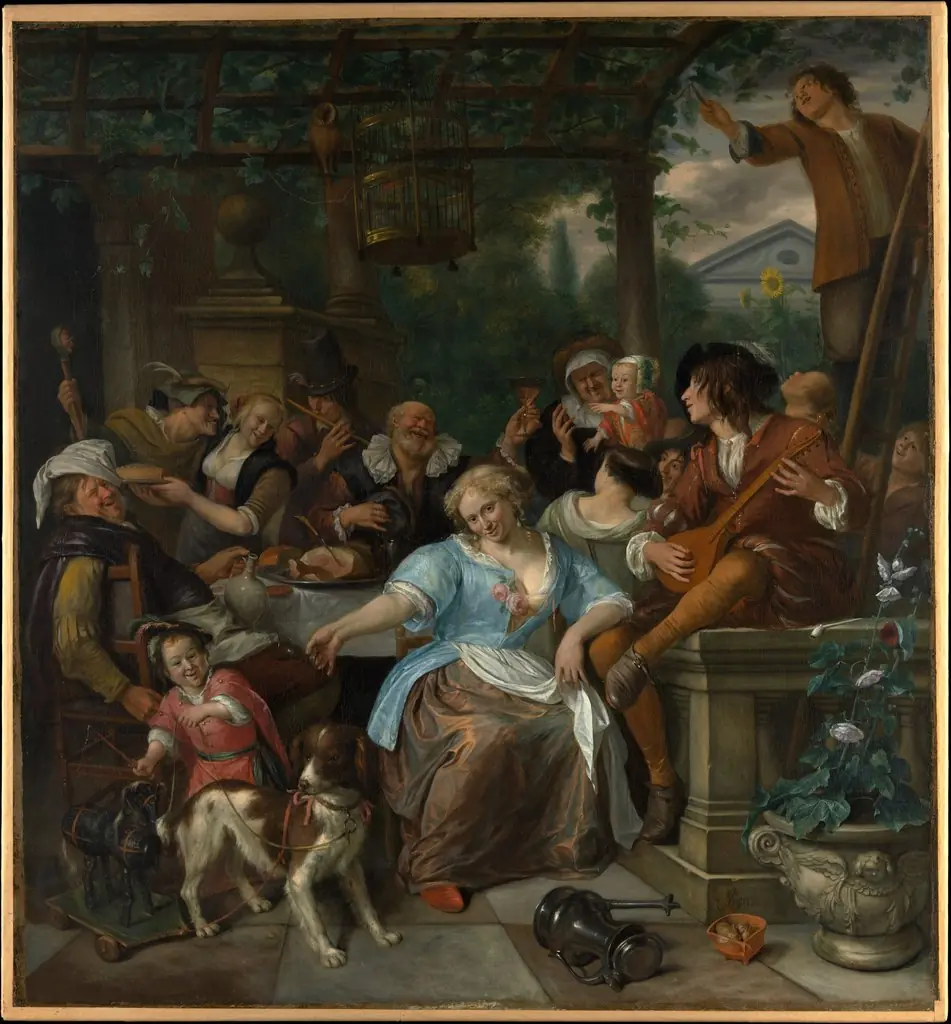 Merry Company on a Terrace
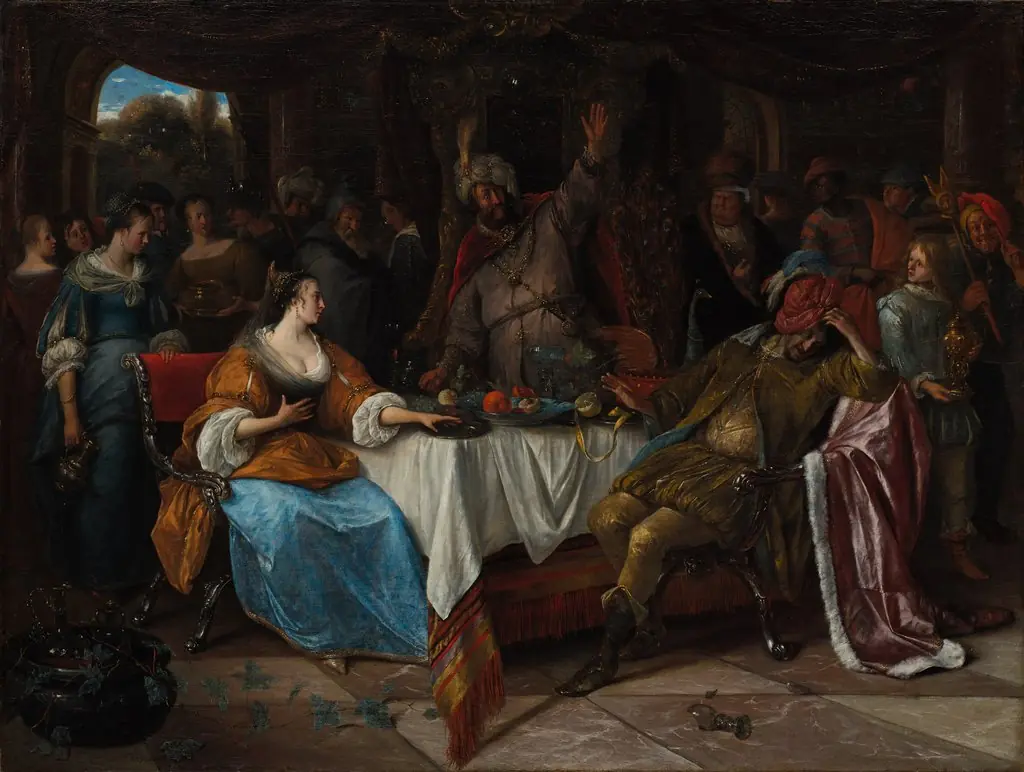 Esther, Ahasuerus, and Haman
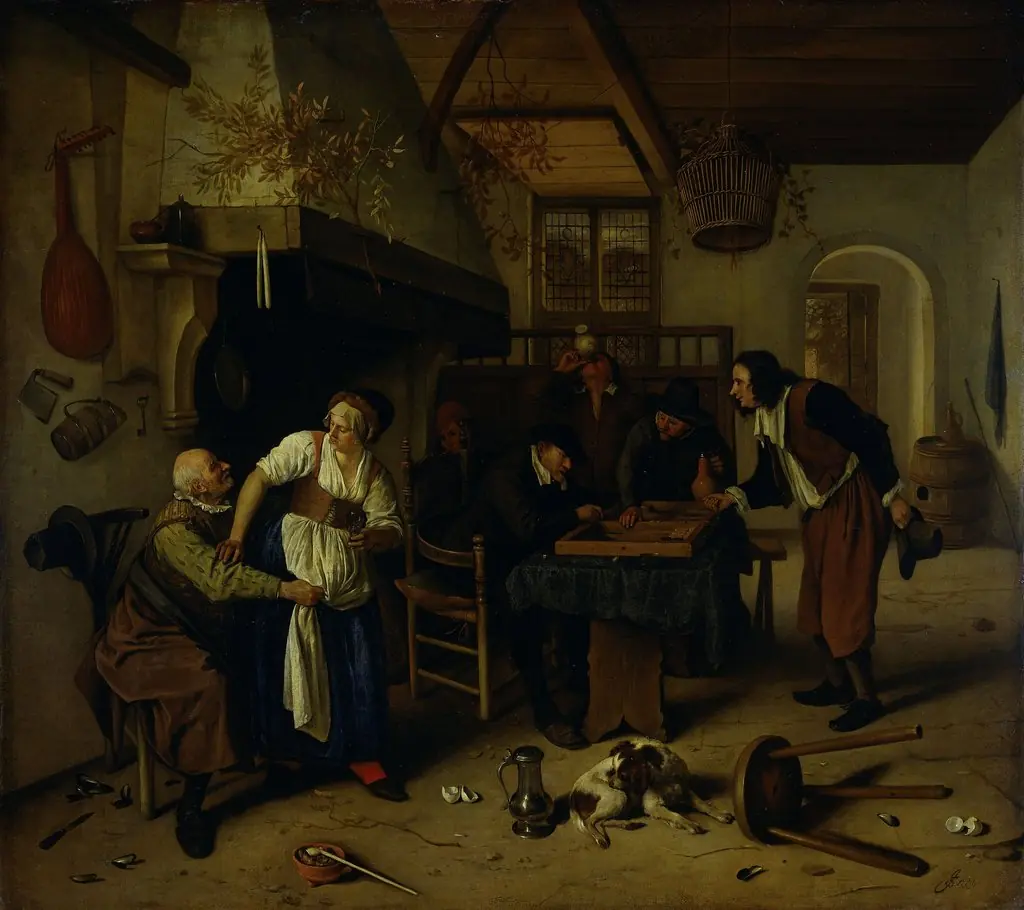 Interior of an inn with an old man amusing himself with the landlady and two men playing backgammon, known as 'Two kinds of games'
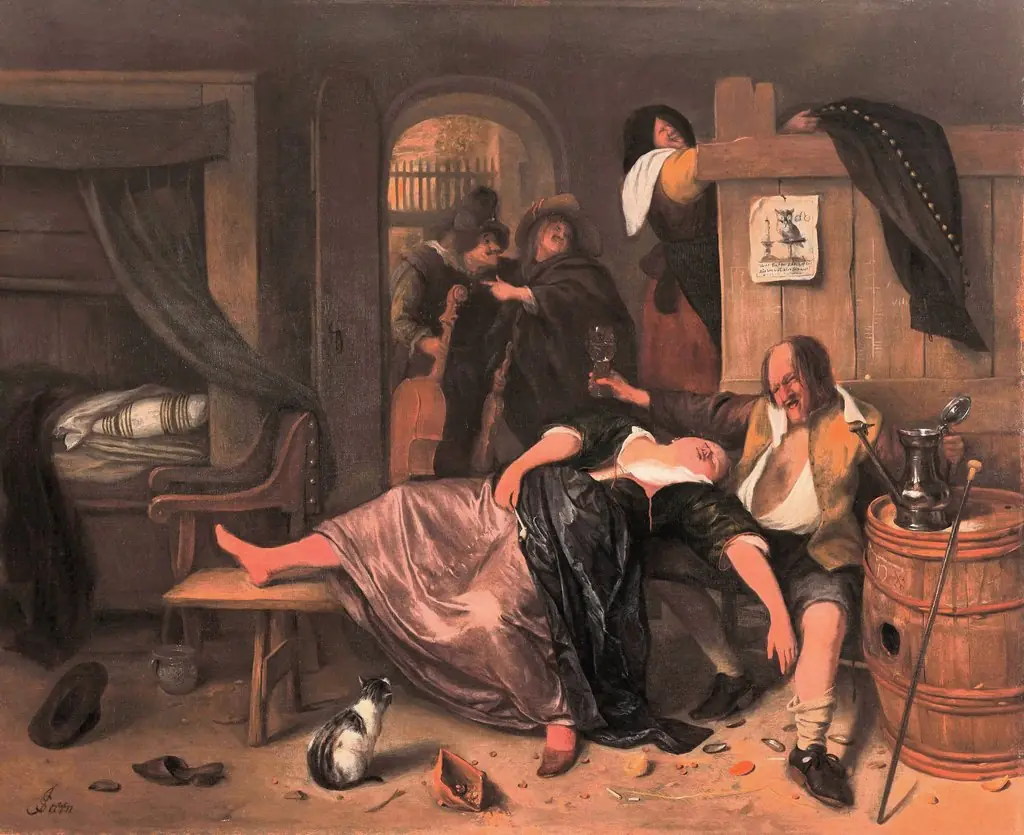 The Drunken Couple
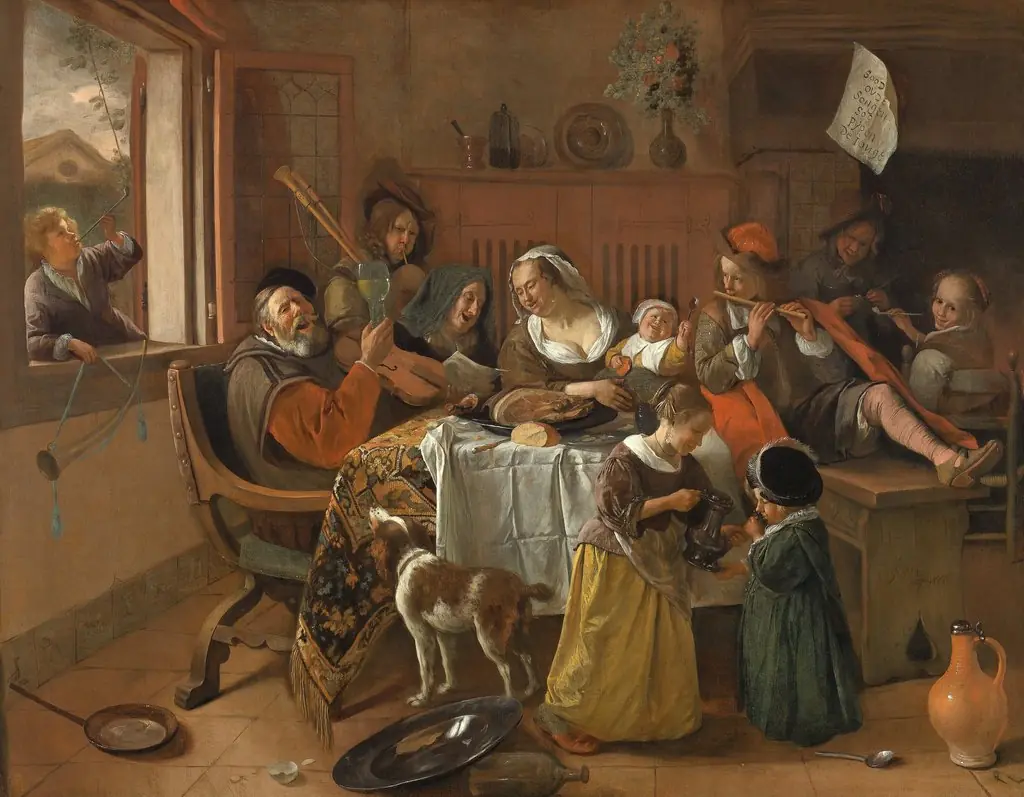 The Happy Family
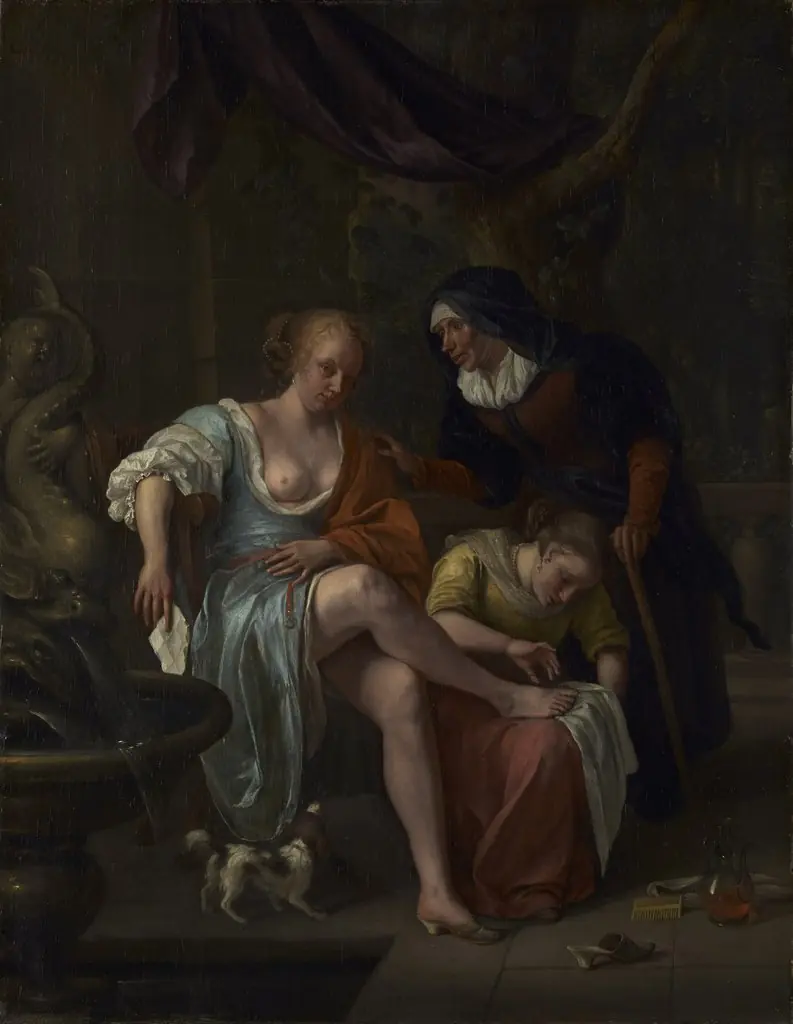 Bathsheba after the Bath