Artwork
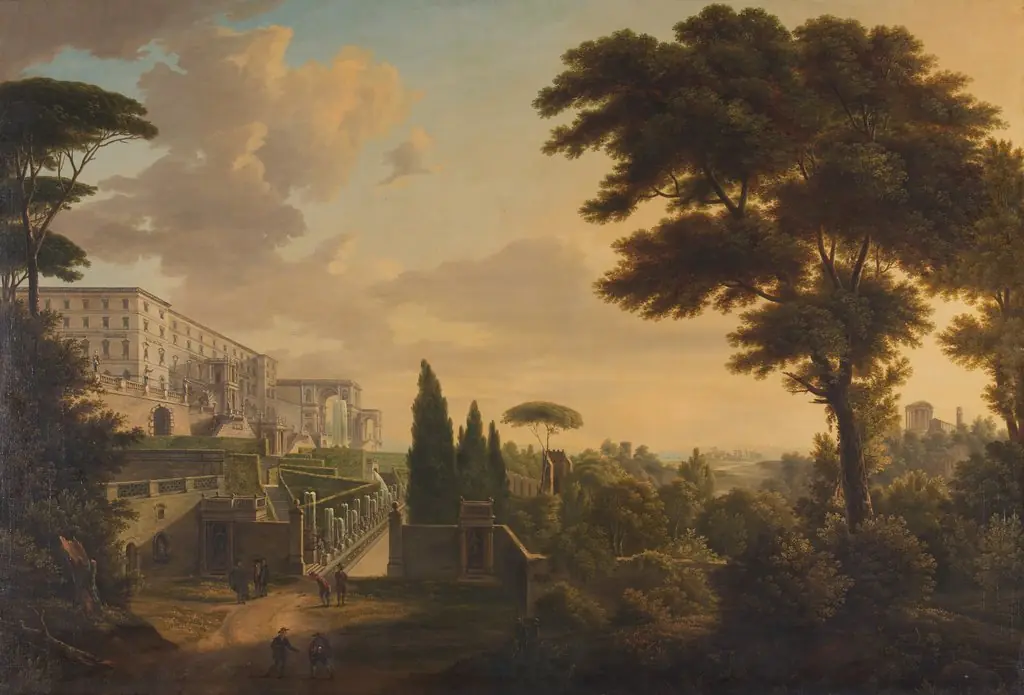
Villa at Caprarola
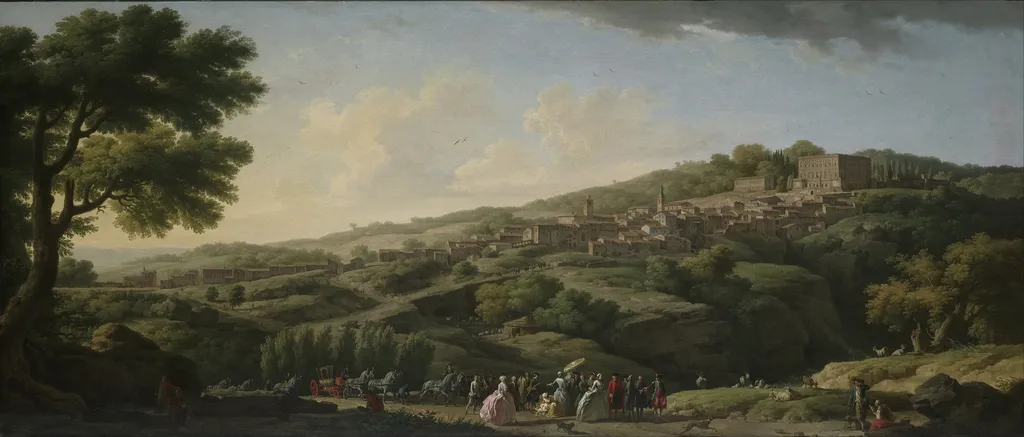
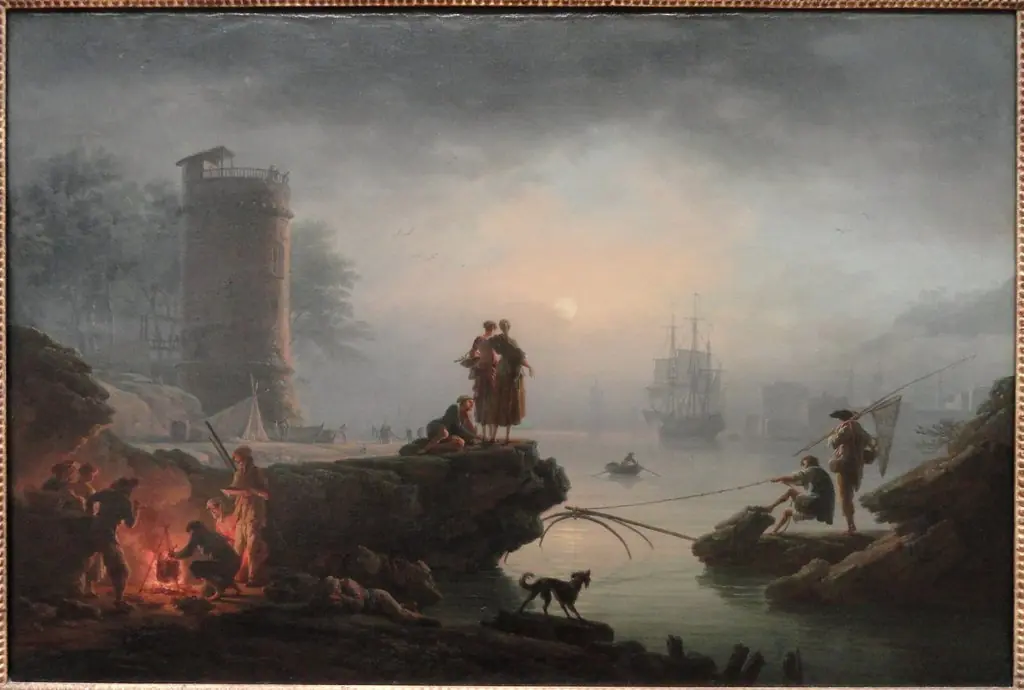
Villa at Caprarola is an oil painting by the Rococo painting artist Claude-Joseph Vernet. It dates from 1746 and is held in the collection of the Philadelphia Museum of Art.
About this work
Overview
Created in 1746, *Villa at Caprarola* is an oil on canvas by French artist Joseph Vernet. The work is part of the Philadelphia Museum of Art’s holdings and presents a tranquil Italian countryside scene centered on a prominent villa perched on a hillside.
Subject & Meaning
The composition shows a spacious villa surrounded by trees, with a group of figures—some on foot, others on horseback—gathered in the foreground. Rolling hills and a cloud‑filled sky extend into the distance, suggesting a leisurely, pastoral atmosphere typical of 18th‑century landscape painting.
Technique & Style
Vernet employs a Rococo sensibility, using soft, diffused lighting to model forms and create a sense of depth. Visible brushwork adds texture, while a balanced palette of warm ochres for the architecture and cool blues‑greens for the foliage enhances spatial recession. Subtle chiaroscuro further defines the three‑dimensional space.
History & Provenance
The painting was executed during Vernet’s prolific middle period, when he frequently traveled to Italy for inspiration. After changing hands among private collectors, it entered the Philadelphia Museum of Art’s collection, where it remains on view as an example of Vernet’s Italianate landscape oeuvre.
Context
Vernet, renowned for maritime and atmospheric scenes, applied his skill for rendering light and atmosphere to an inland setting here. The work reflects the 18th‑century French fascination with Italian scenery, combining topographical accuracy with the decorative elegance characteristic of the Rococo movement.
Artist & collection
Artist
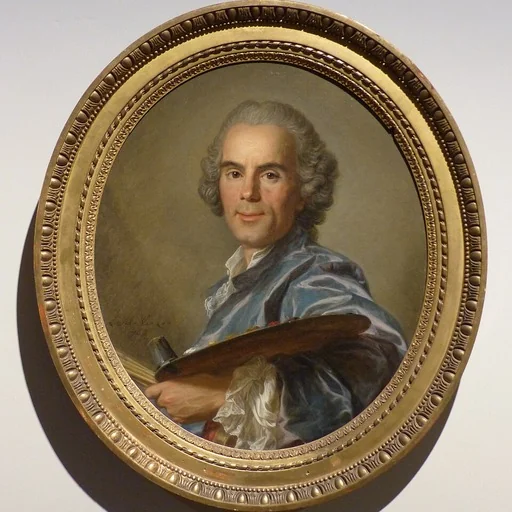
Claude-Joseph Vernet (French pronunciation: ; 14 August 1714 – 3 December 1789) was a French painter. His son Carle Vernet and daughter Marguerite Émilie Chalgrin were also painters.


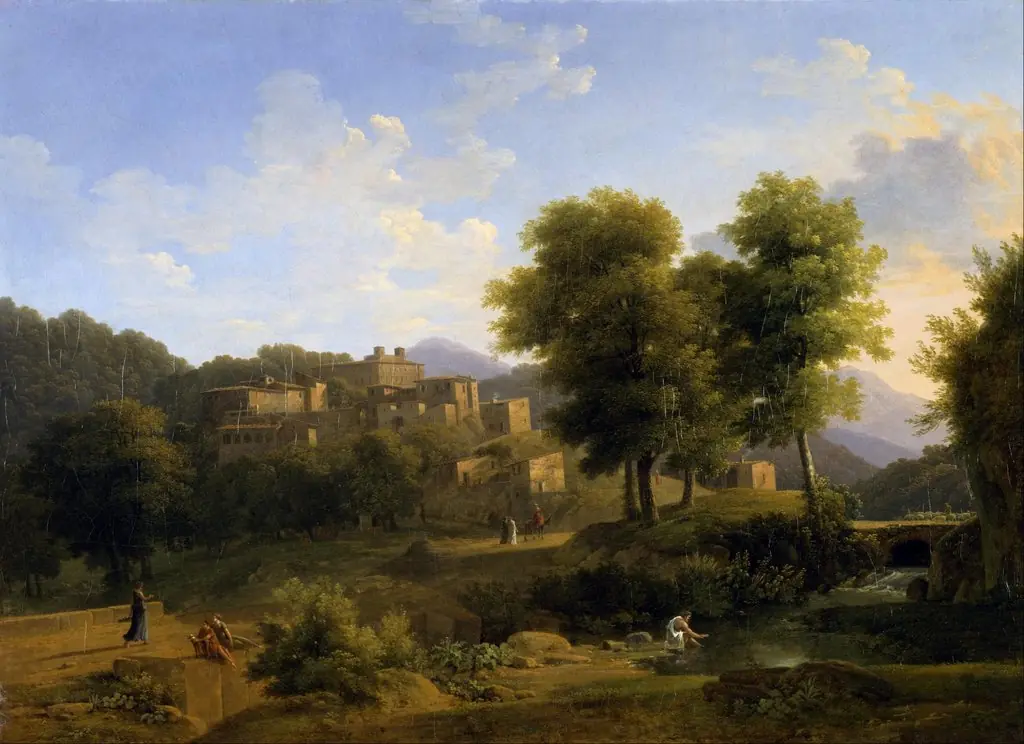 View of a Town in the Sabine Hills
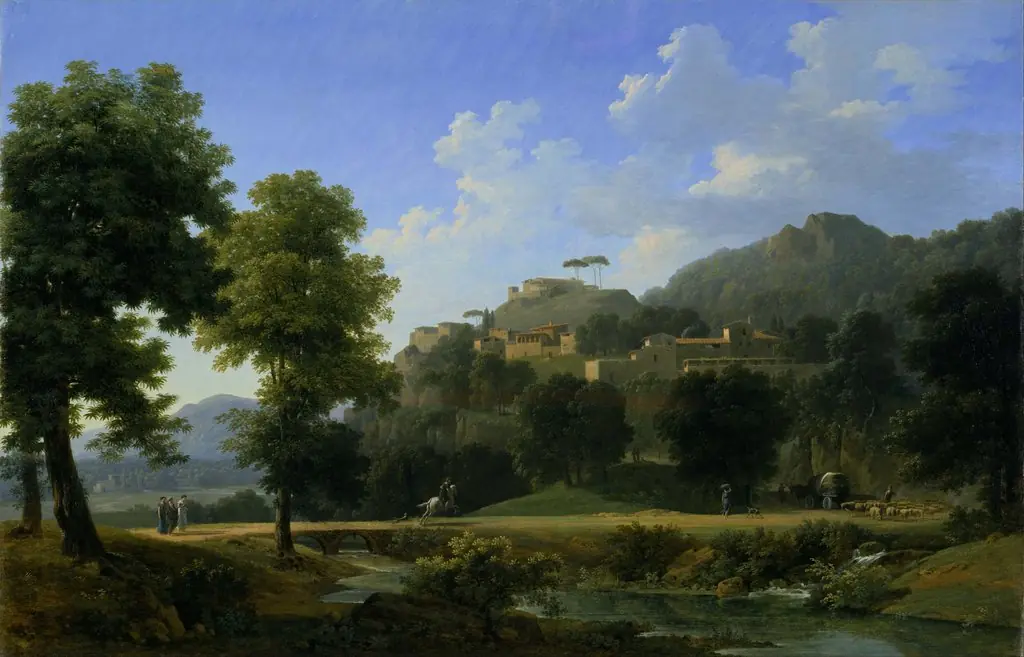 Italian Landscape (Le Paysage d'Italie)
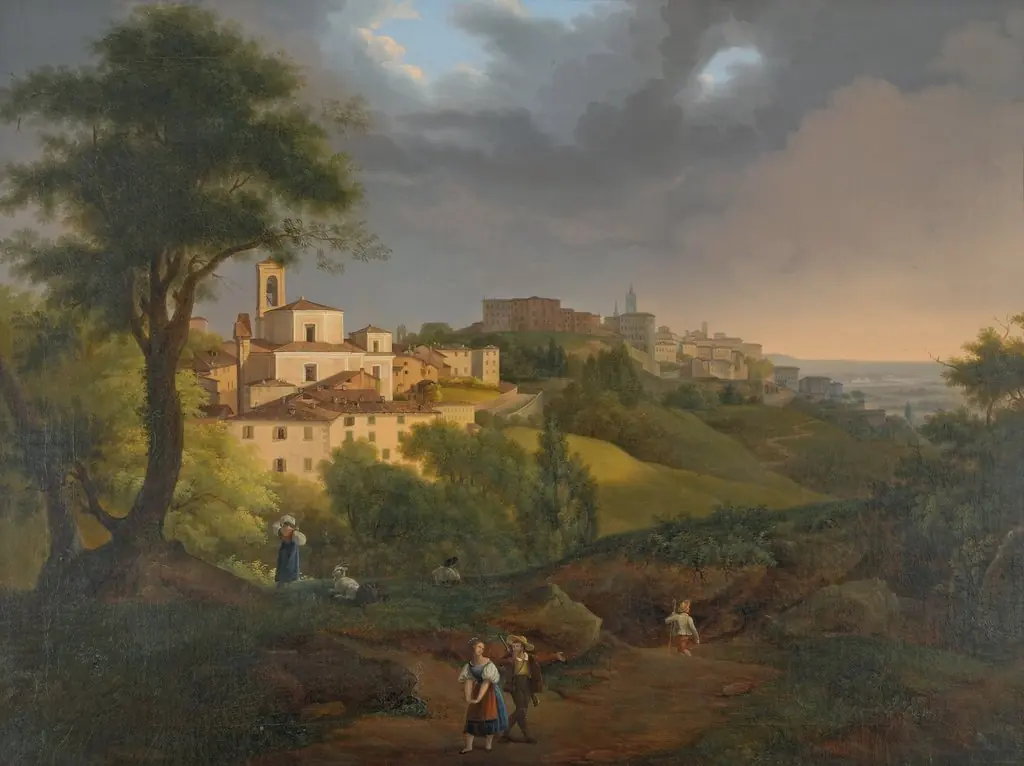 Ansicht des Borgo, Canale in Bergamo
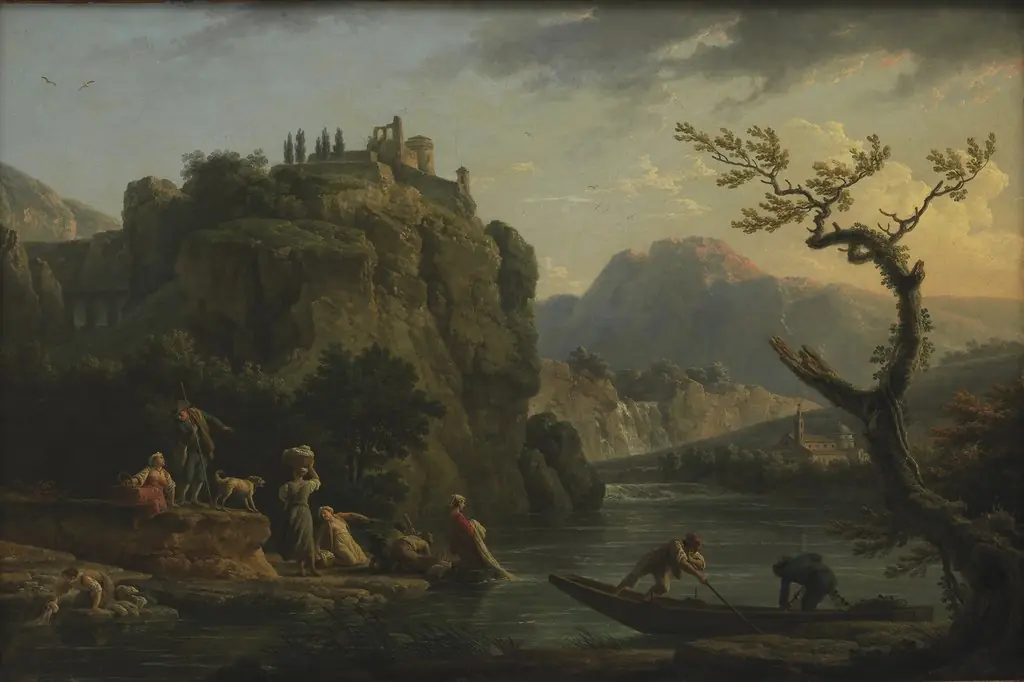
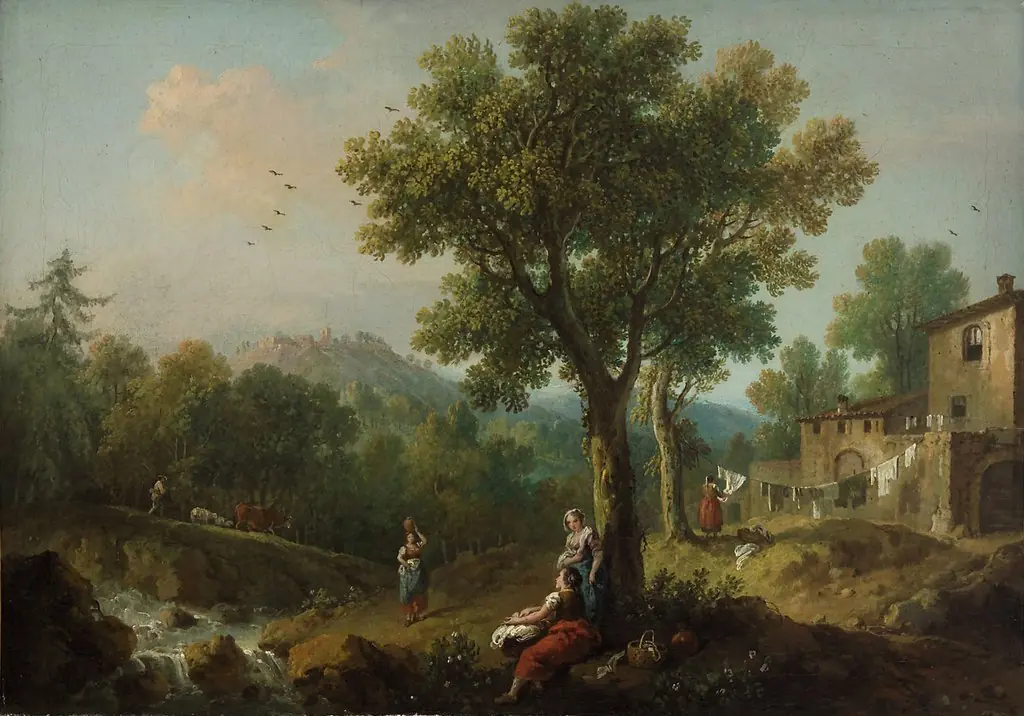 Landschaft mit Wäscherinnen
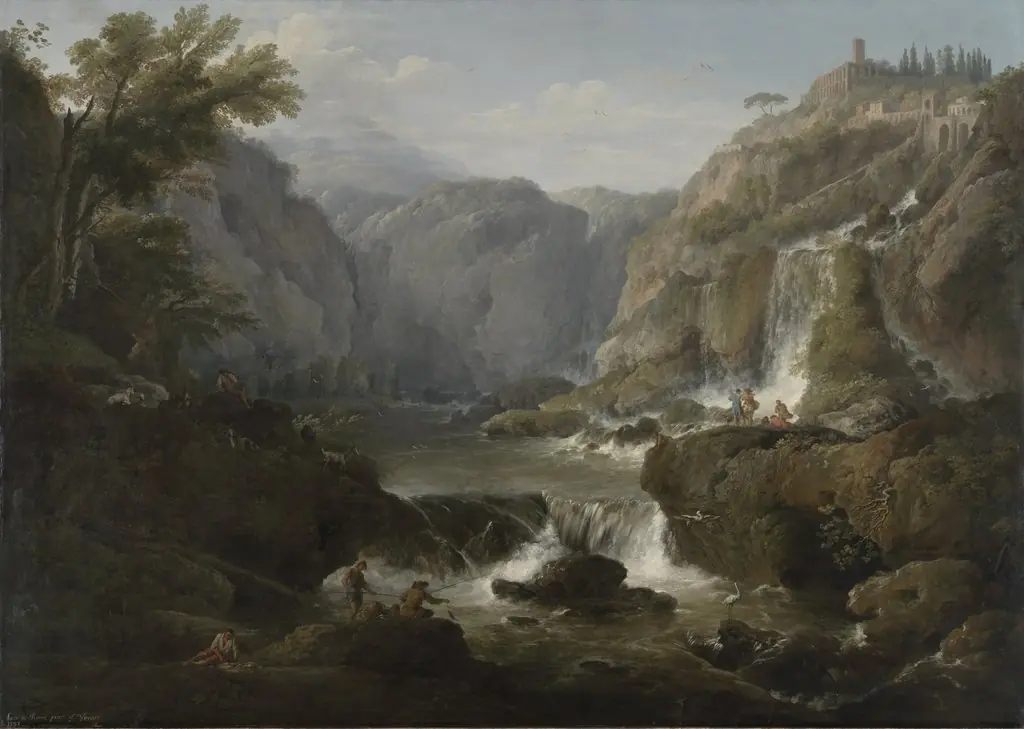
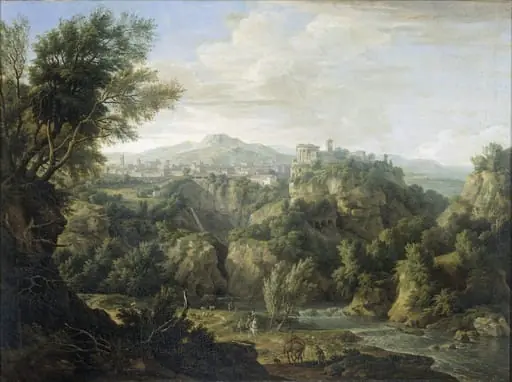 View of Tivoli
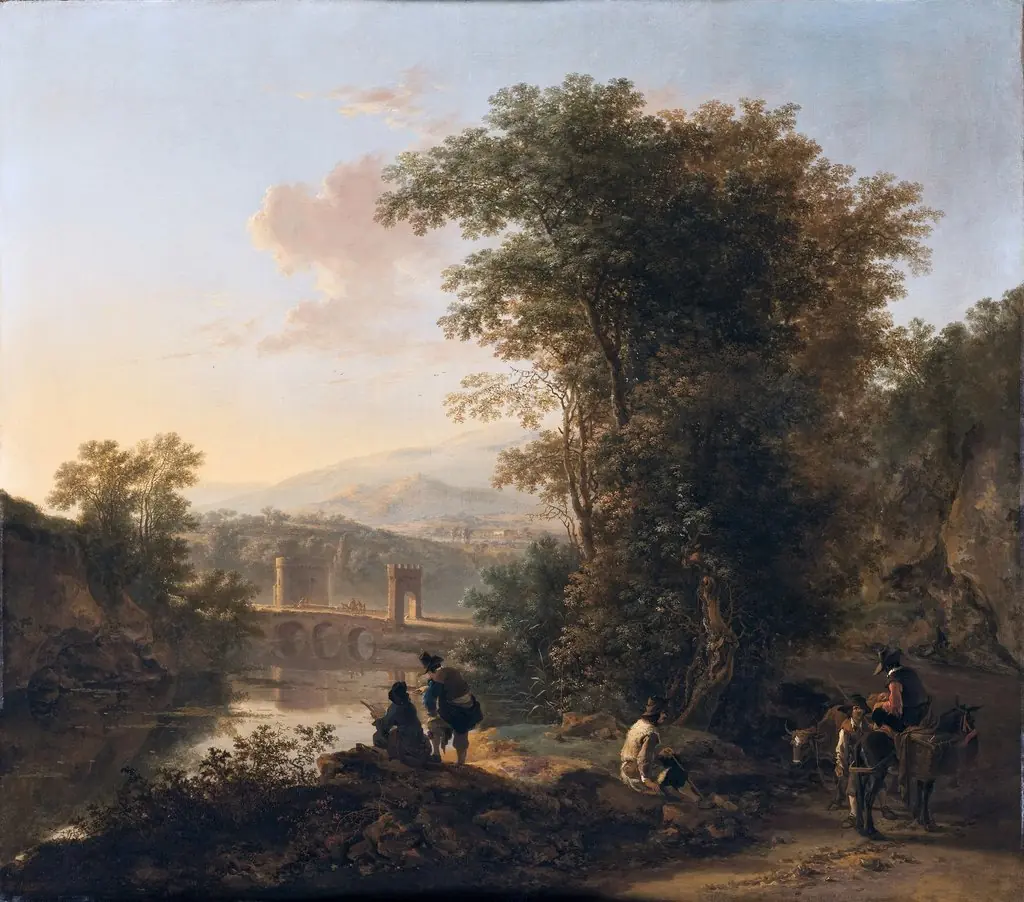 Landscape with a Draftsman
 Tivoli
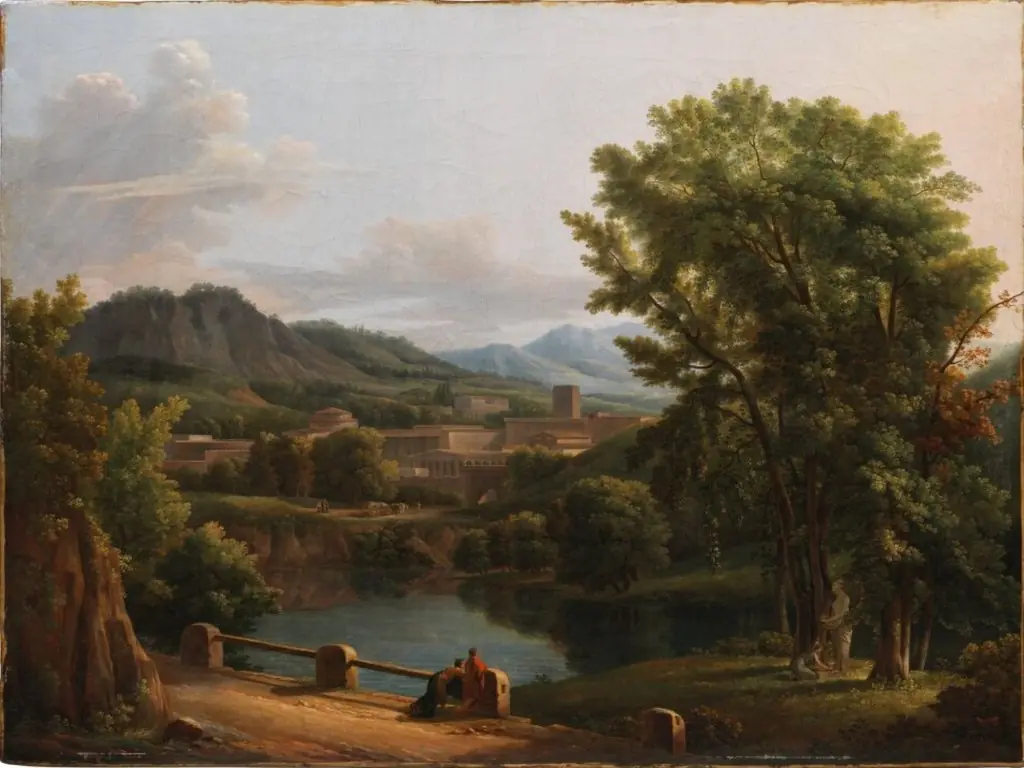 Ideal Landscape with a Sacrifice to the Goddess Flora
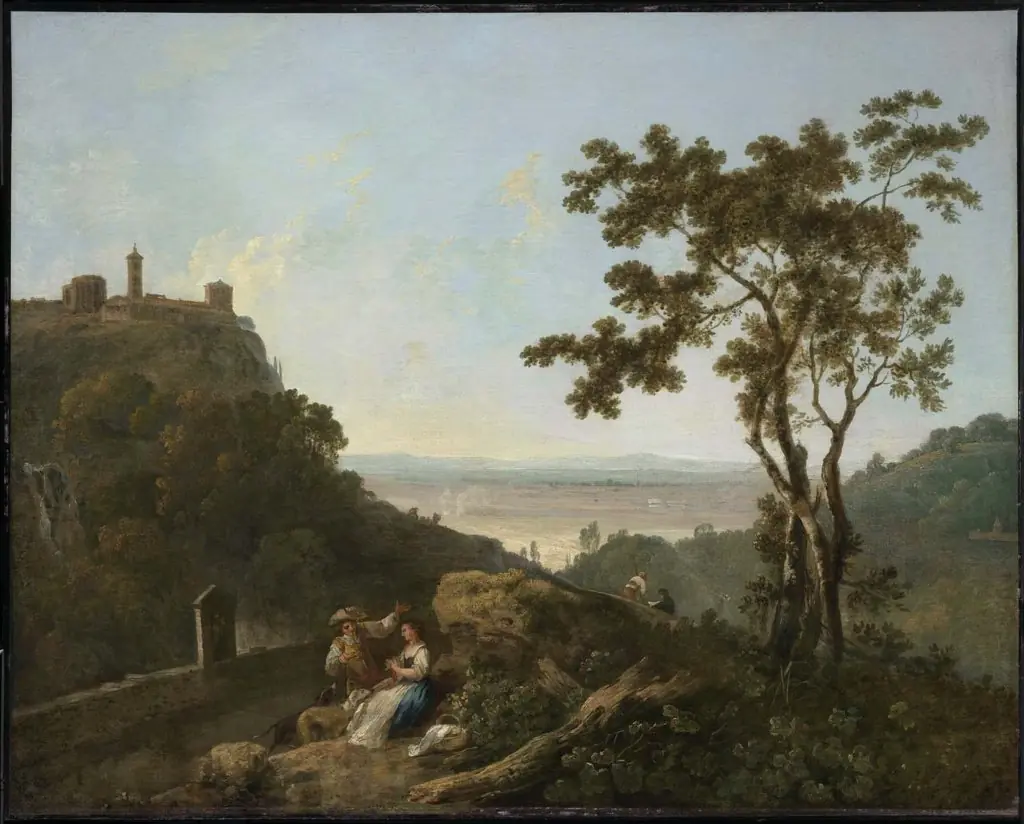 Tivoli and the Roman Campagna with a Man and Woman
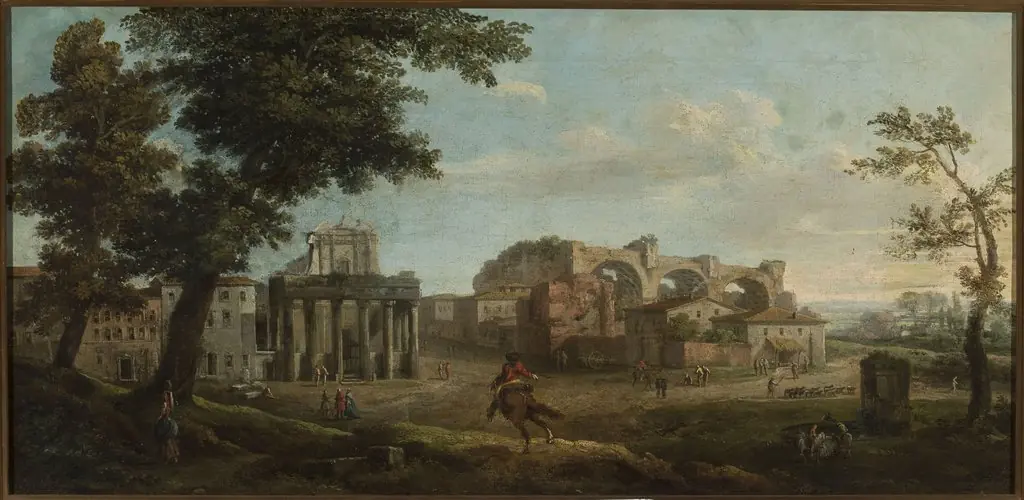 View of Rome
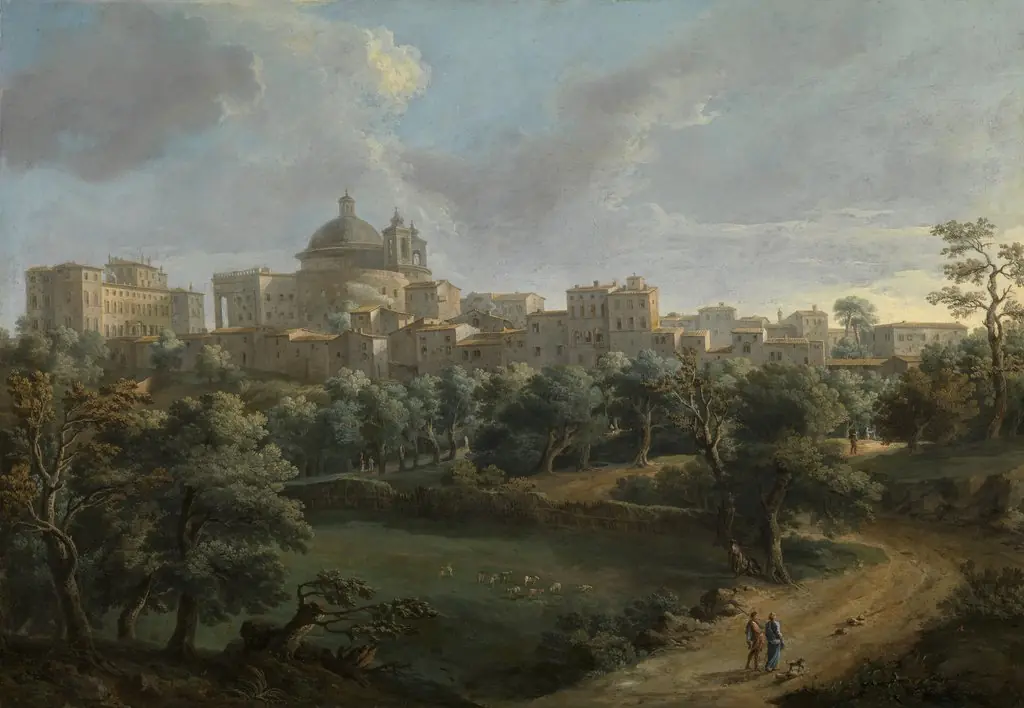 View of Ariccia
 The Villa d'Este in Tivoli