Artwork
Ladislaus Kökényesdi von Vetes (1685–1756)
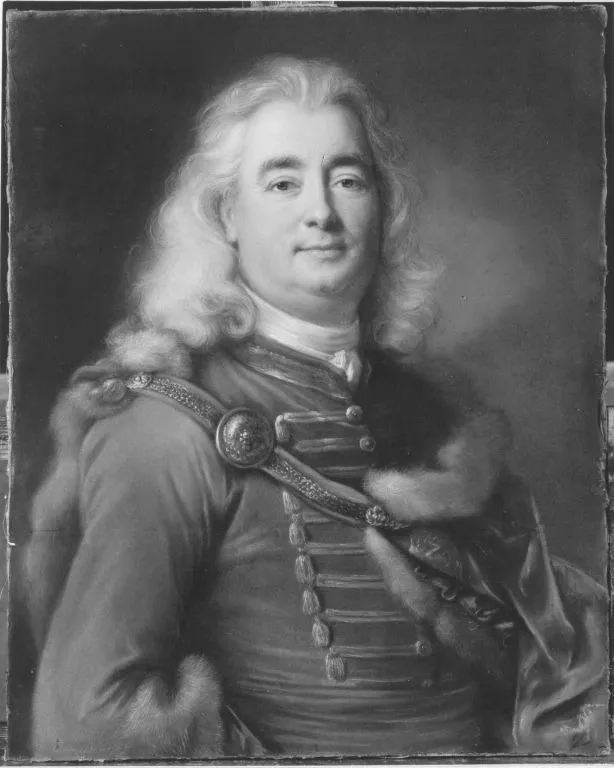
Ladislaus Kökényesdi von Vetes (1685–1756) is an unspecified painting by the Rococo painting artist Joseph Vivien. It dates from 1705 and is held in the collection of the Bavarian State Painting Collections.
About this work
Overview
The work is a pastel portrait executed in 1705 by French artist Joseph Vivien, depicting the Hungarian aristocrat Ladislaus Kökényesdi. Rendered in a restrained Rococo idiom, the image presents the sitter in a formal military uniform against a subdued background, emphasizing his facial features and hands.
Subject & Meaning
Ladislaus Kökényesdi, a member of the Hungarian nobility, is shown wearing a richly decorated coat with prominent buttons, a fur collar and a sash, suggesting his rank and military affiliation. His slightly wavy hair is gathered back, and a faint smile conveys a composed, confident demeanor typical of aristocratic portraiture of the period.
Technique & Style
Vivien employed pastel on paper, a medium favored for its capacity to render delicate tonal variations. The handling is characteristic of early Rococo portraiture, with a soft modeling of flesh and a focus on the sitter’s expression, while the dark ground heightens contrast and draws attention to the illuminated face and hands.
History & Provenance
The portrait entered the collection of the Alte Pinakothek, where it remains on display. Joseph Vivien, a pupil of Charles Le Brun in Paris, had been admitted to the Académie royale de peinture et de sculpture in 1701, positioning him among the leading French pastelists of the early eighteenth century.
Artist & collection
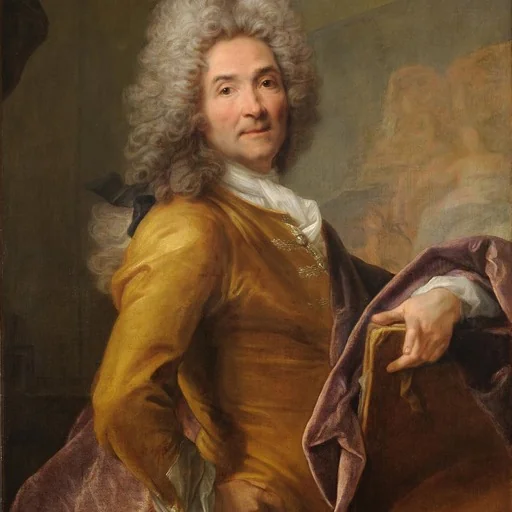
Artist
Joseph Vivien (1657 – 5 December 1735) was a French painter from Lyon. He left Lyon for Paris at the age of twenty and found employment in the large atelier of Charles Le Brun, the equivalent of an academy. He was…

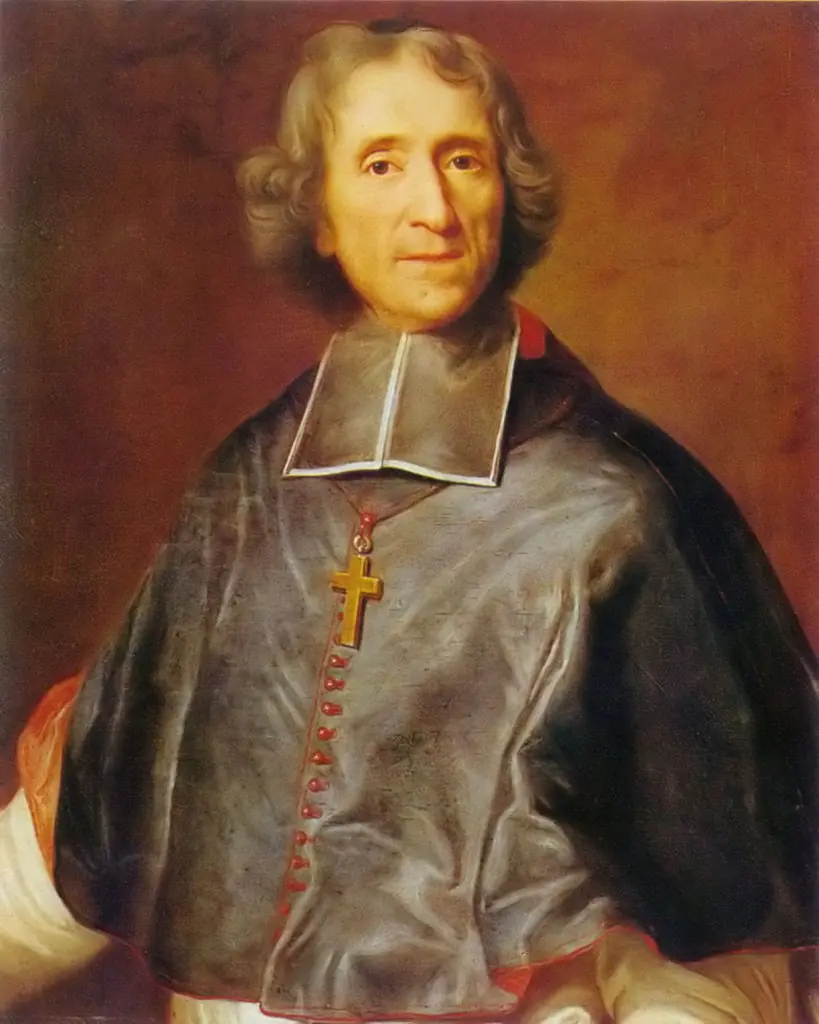 François Fénelon, Archbishop of Cambrai
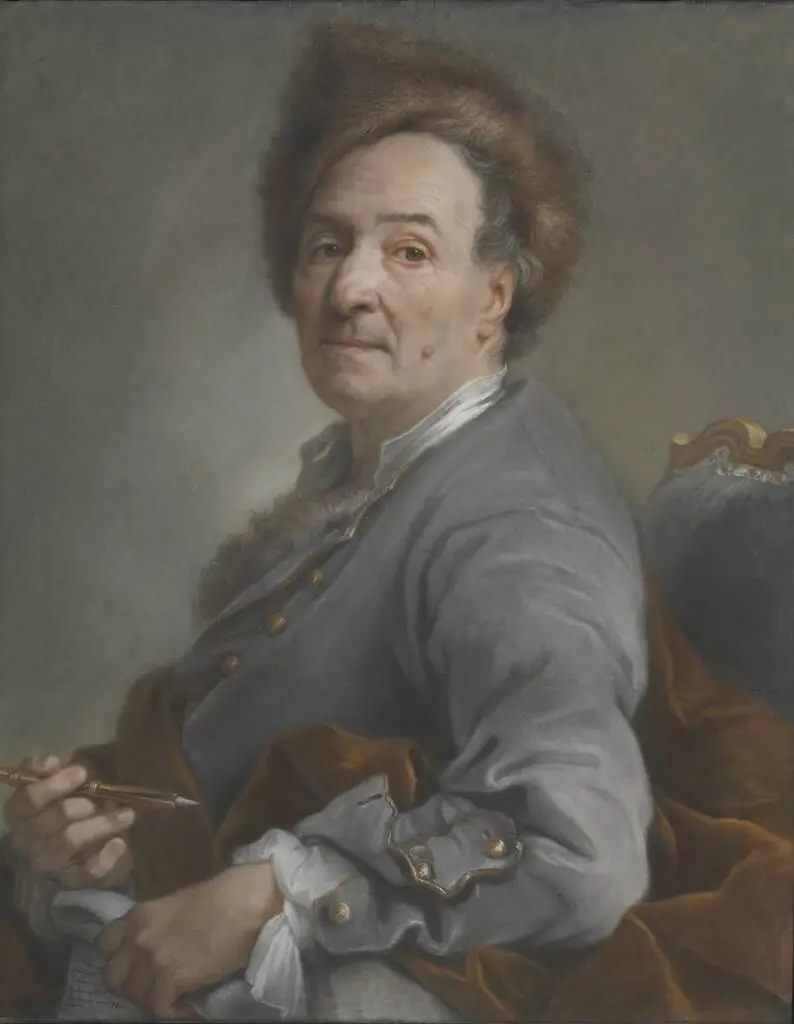 Selbstbildnis mit Pelzmütze
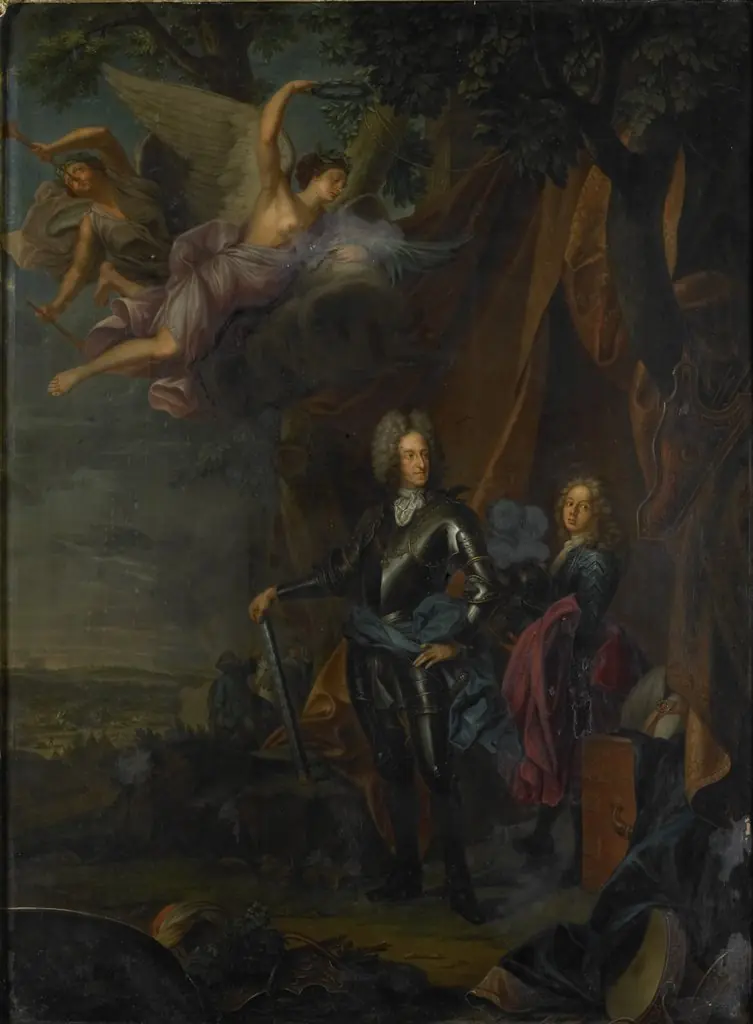 Portrait of Maximilian II, Elector of Bavaria, at the Battle of Mohács against the Turks
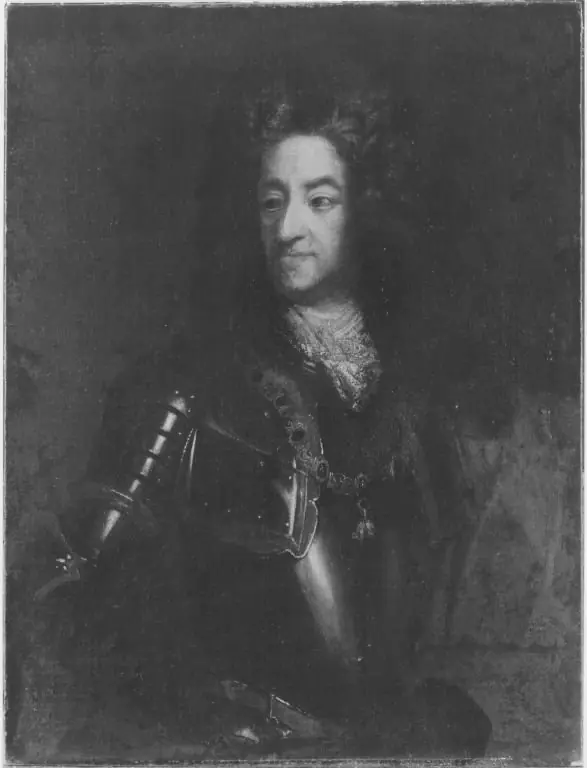 Kurfürst Max Emanuel (?)
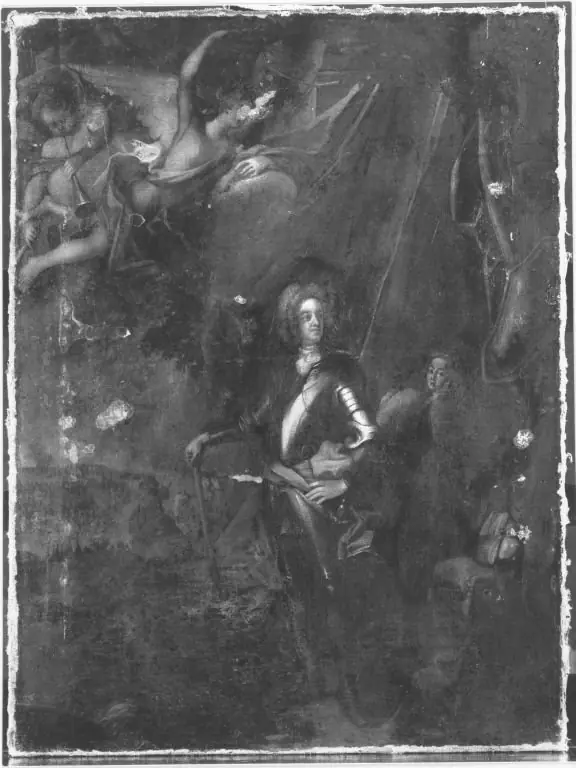 Max Emanuel in der Schlacht bei Harsan (?)
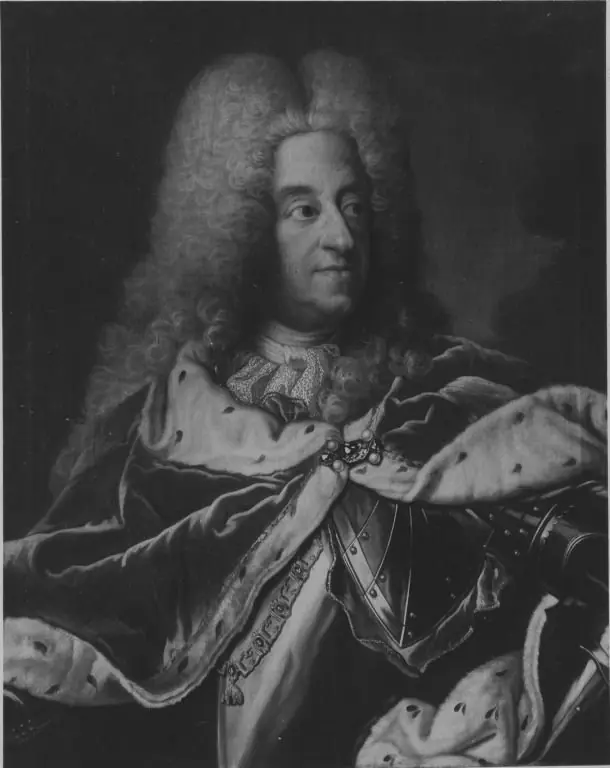 Bildnis des Kurfürsten Max Emanuel von Bayern (Kopie nach)
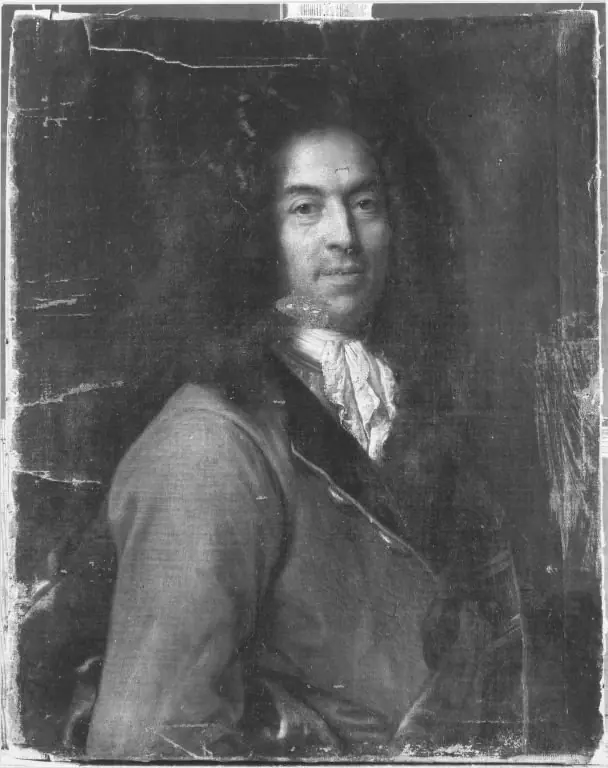 Bildnis eines Mannes
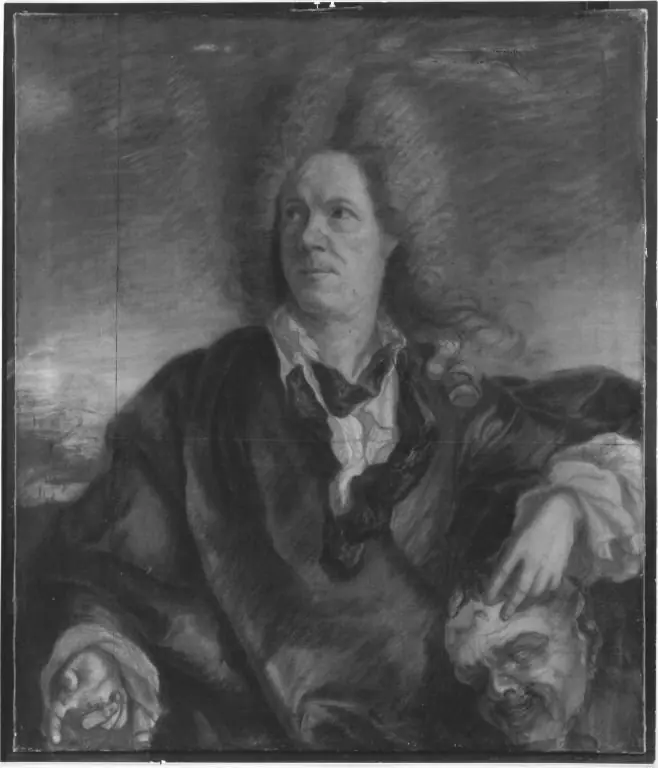 Bildhauer (zugeschrieben)
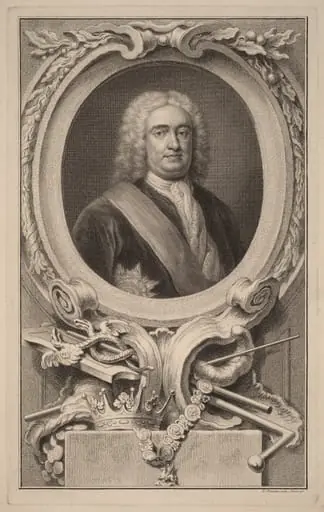 Robert Walpole, 1st Earl of Orford
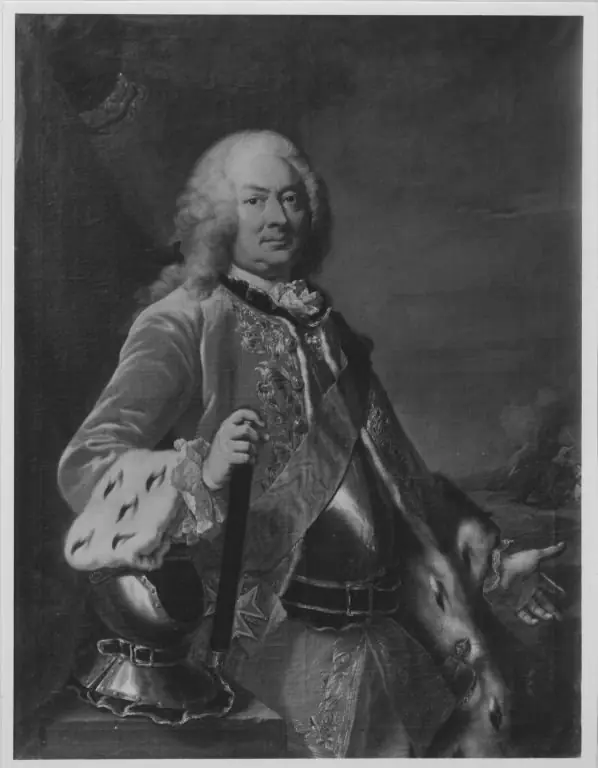 Landgraf Wilhelm VIII. von Hessen-Kassel
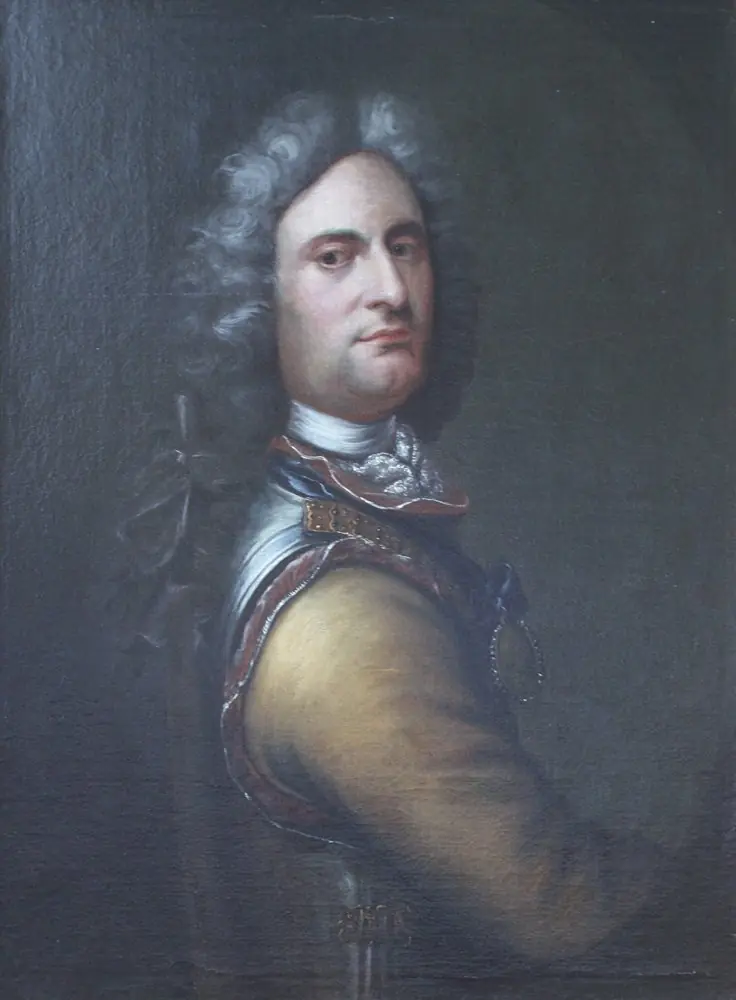 Portrait of Peder Tordenskjold
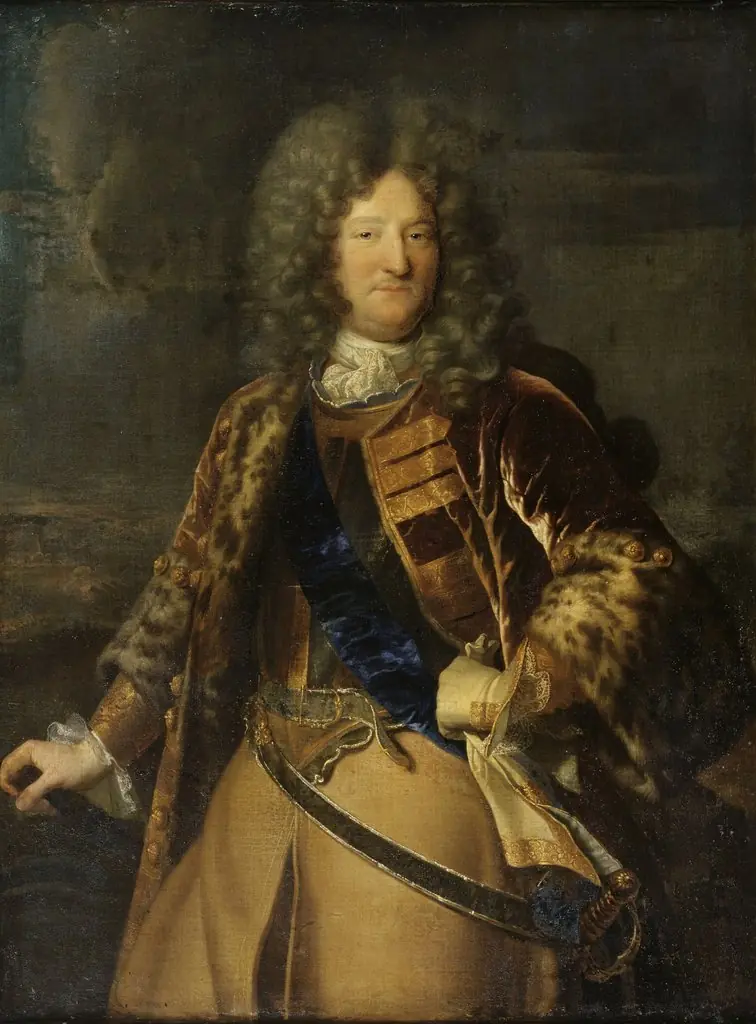 Porträt des Anne-Jules, Herzog von Noailles (1650-1708)
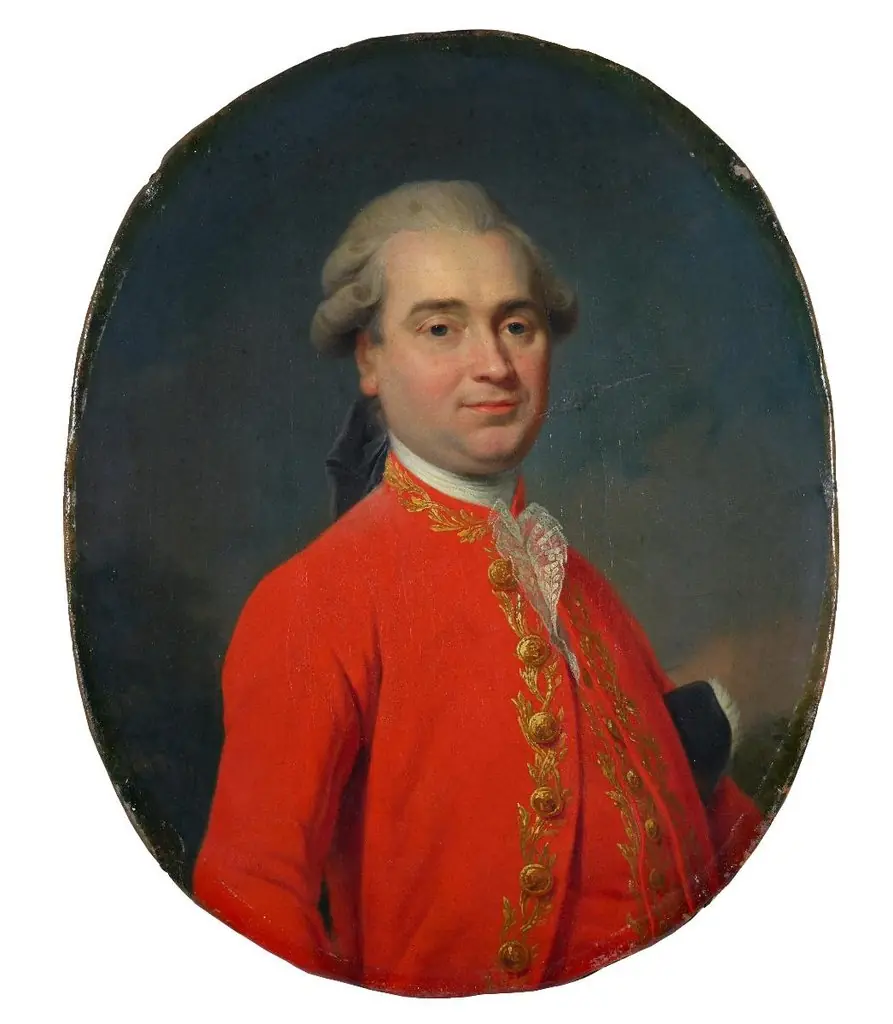 Bildnis eines Herrn im roten Kleid
 Portrait of Peder Tordenskjold
 The Flemish Painter Anthoni Schoonjans
 Bildnis eines Herrn, angeblich des Kammerherrn von Montargu
 Philippe, Duke of Anjou
 Portrait of Louis XIV
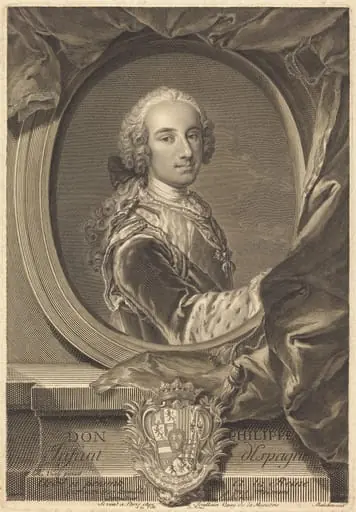 Don Philippe, Infant d'Espagne