Artwork
Robert Walpole, 1st Earl of Orford
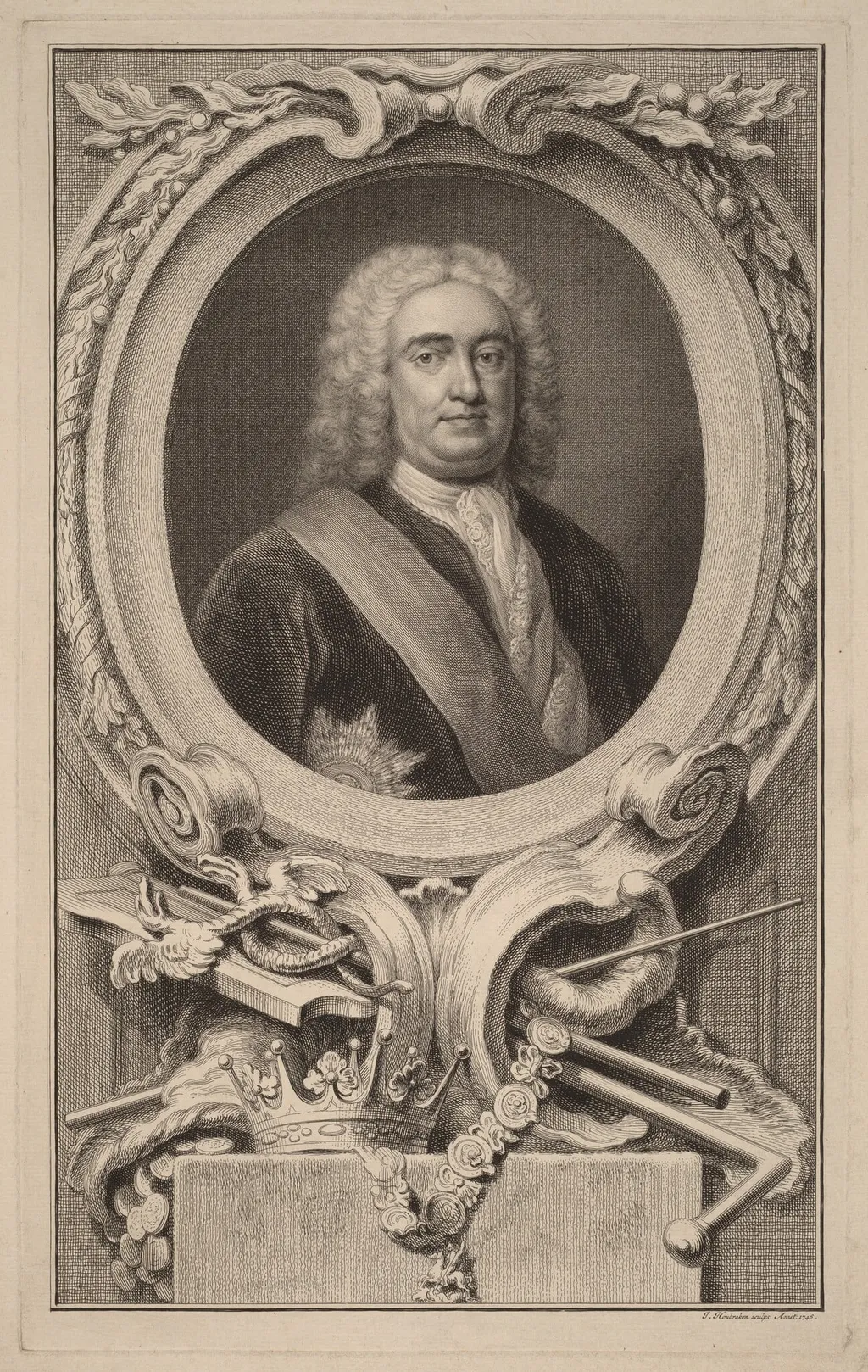
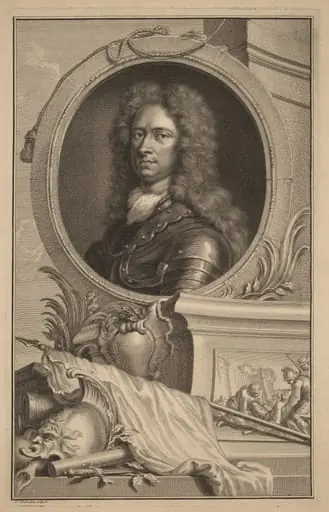
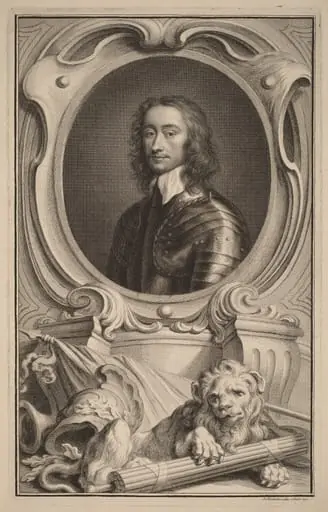
Robert Walpole, 1st Earl of Orford is an ink print by the Baroque artist Jacobus Houbraken. It dates from 1746 and is held in the collection of the National Gallery of Art.
About this work
Overview
The technique reflects the precision expected in portraiture of the period, where engraving was used to reproduce likenesses for elite audiences.
This 1746 print depicts Robert Walpole, 1st Earl of Orford, in a formal portrait rendered through etching and engraving by Jacobus Houbraken. The image is monochrome, emphasizing tonal contrast and fine line work to convey texture and depth. The composition frames Walpole within a decorative architectural border, suggesting his status and intellectual pursuits. The technique reflects the precision expected in portraiture of the period, where engraving was used to reproduce likenesses for elite audiences.
Subject & Meaning
Robert Walpole, Britain’s first de facto prime minister, is portrayed with the accoutrements of aristocratic authority: a powdered wig, ornate coat, and a feather in his lapel. The stone-like frame encircling him includes symbolic elements—scrolls, tools, and a crown—that allude to governance, learning, and sovereignty. These motifs reinforce his public role as a statesman while elevating his image beyond mere likeness to a statement of institutional power.
Technique & Style
Houbraken employed fine, controlled lines typical of 18th-century engraving to model form and texture. The folds of Walpole’s coat, the grain of the frame, and the softness of his powdered skin are rendered through hatching and cross-hatching, creating a sense of volume. The etched plate allowed for intricate detail, while the contrast between light and shadow enhances the three-dimensionality of the figure, aligning with contemporary ideals of refined portraiture.
History & Provenance
Created in 1746, the print was made during Walpole’s retirement from public life, likely intended to preserve his public image for posterity. Houbraken, known for his portraits of notable figures, produced this as part of a broader tradition of engraving political elites for circulation among the educated classes. The work was likely distributed in limited numbers, intended for private collections rather than mass dissemination.
Context
In mid-18th-century Britain, engraved portraits served as tools of political memory and social distinction. Walpole’s image, reproduced in this manner, reinforced his legacy amid shifting political tides. The use of classical framing devices connected him to ideals of Roman republicanism and Enlightenment governance. Such prints were exchanged among elites, functioning as both personal mementos and public statements of influence.
Legacy
Houbraken’s engraving remains a key visual record of Walpole’s public persona, reflecting the era’s fusion of portraiture and political symbolism. While not widely known today, it exemplifies how printmaking sustained the reputations of statesmen beyond their lifetimes. The work contributes to the historical archive of British political iconography, illustrating how image and authority were deliberately intertwined in the age of print.
Artist & collection


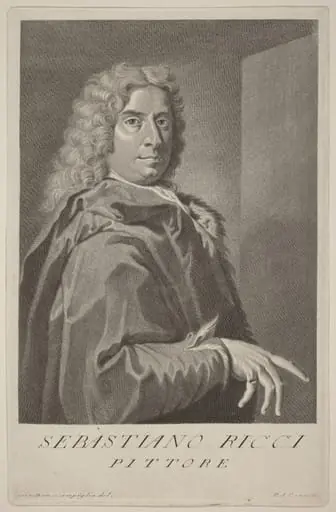 Sebastiano Ricci
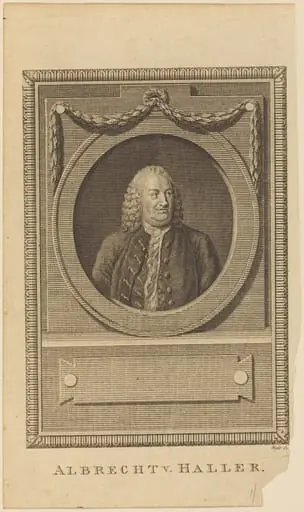 Albrecht V. Haller
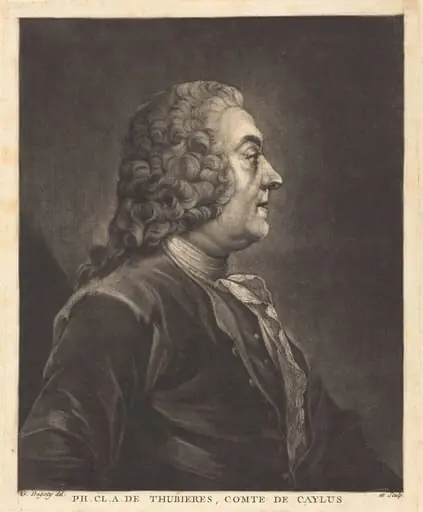 Ph. Cl. A. de Thubières, Comte de Caylus
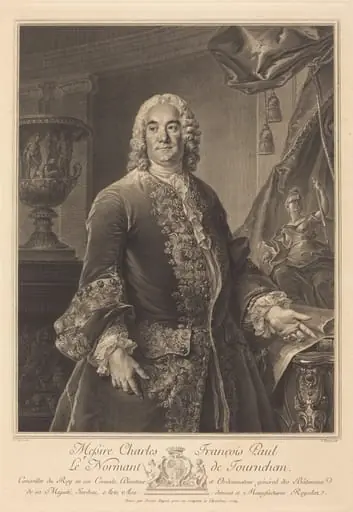 Charles Francois Paul Le Normant de Tournehem
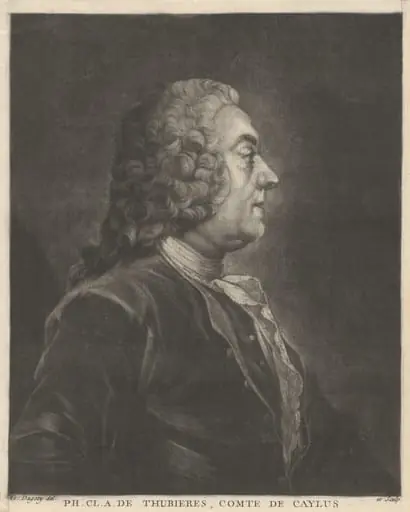 Ph. Cl. A. de Thubières, Comte de Caylus
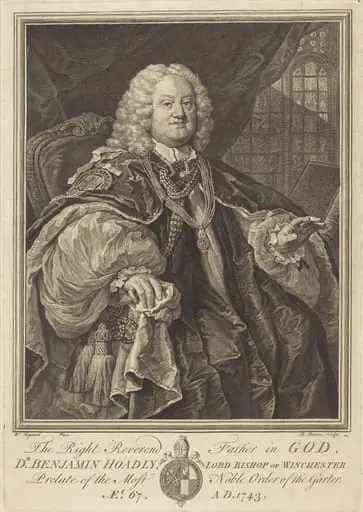 Bishop Hoadly
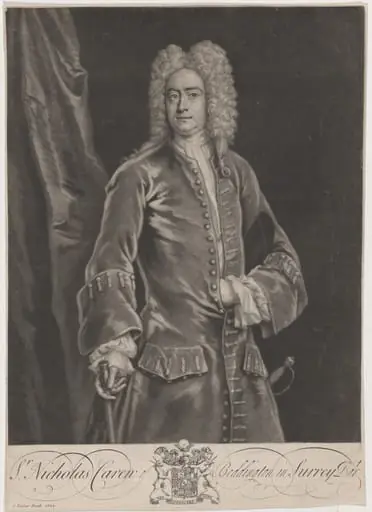 Sir Nicholas Caren of Beddington
 Johann von Erlach
 Don Philippe, Infant d'Espagne
 Louis XV, King of France
 Francois Verdier
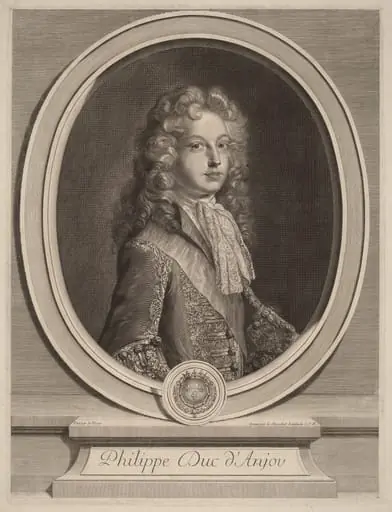 Philippe, Duke of Anjou