Artwork
Philippe, Duke of Anjou
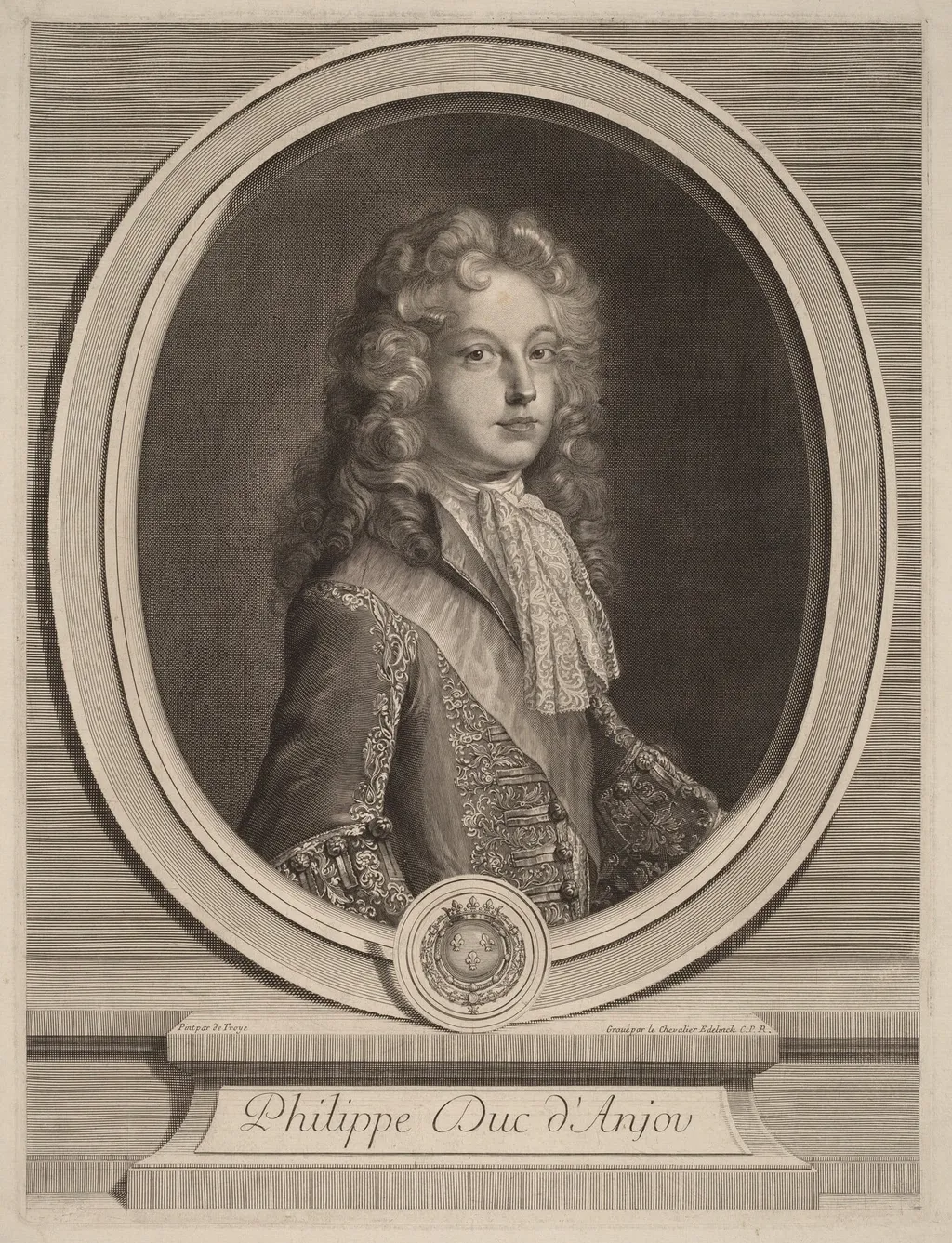
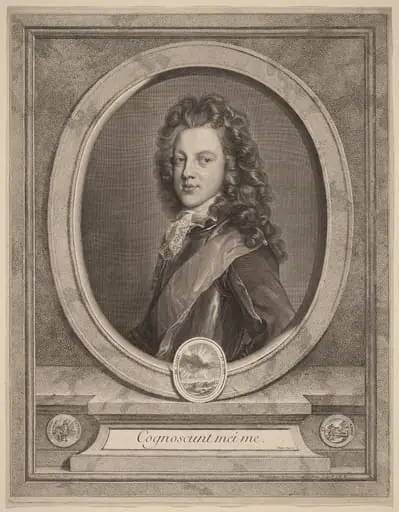
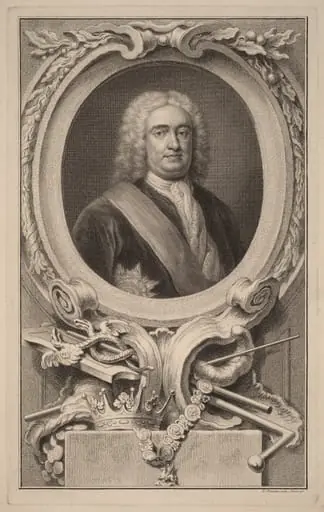
Philippe, Duke of Anjou is an ink print by the Baroque artist Gerard Edelinck. It dates from 1674 and is held in the collection of the National Gallery of Art.
About this work
Overview
Executed in black ink on paper, the portrait follows the formal conventions of courtly representation in late 17th-century France.
This 1674 engraving by Gérard Edelinck depicts Philippe, Duke of Anjou, a younger son of the French royal family. Executed in black ink on paper, the portrait follows the formal conventions of courtly representation in late 17th-century France. Edelinck, a Flemish artist who established his career in Paris, used fine linear engraving to render the subject with precision, reflecting the technical sophistication of French printmaking at the time.
Subject & Meaning
The portrait presents Philippe as a child of nobility, dressed in elaborate court attire including a powdered wig, high collar, and lace-trimmed sleeves. He holds a small object in his left hand, possibly a symbol of authority or lineage. The plain background focuses attention on his posture and garments, emphasizing status rather than personality. The inclusion of his title and the ornate border reinforce his position within the royal hierarchy.
Technique & Style
Edelinck employed copperplate engraving, incising fine lines into a metal surface to create tonal gradations and intricate detail. The texture of the lace, the sheen of fabric, and the curl of the wig were rendered through controlled hatching and cross-hatching. The decorative frame, with its swirling motifs and central crest, was integrated into the plate, demonstrating how printmakers combined portraiture with heraldic symbolism to elevate the image’s ceremonial function.
History & Provenance
Created in 1674, the engraving was produced during Philippe’s early years as Duke of Anjou, before his later designation as King of Spain. Edelinck, appointed engraver to the French court, regularly produced portraits of royalty for distribution among elites. This print likely served as a diplomatic or familial keepsake, circulated to affirm the family’s prestige. Its survival suggests it was carefully preserved in aristocratic collections.
Context
In the reign of Louis XIV, portraiture was a tool of political visibility. Engravings like this allowed the monarchy to project its image beyond the palace walls, reaching nobles and foreign courts. The emphasis on dress, insignia, and composure aligned with the era’s ideals of order and hierarchy. Edelinck’s work contributed to a broader visual culture that linked printmaking with the consolidation of royal authority.
Legacy
Edelinck’s engraving exemplifies the peak of French academic printmaking in the late 1600s. His technical mastery influenced generations of engravers, and his portraits helped standardize the visual language of French royalty. While Philippe’s later role as King of Spain overshadowed his early title, this print remains a documented artifact of his place in the Bourbon lineage and the mechanics of dynastic representation through print.
Artist & collection
Artist
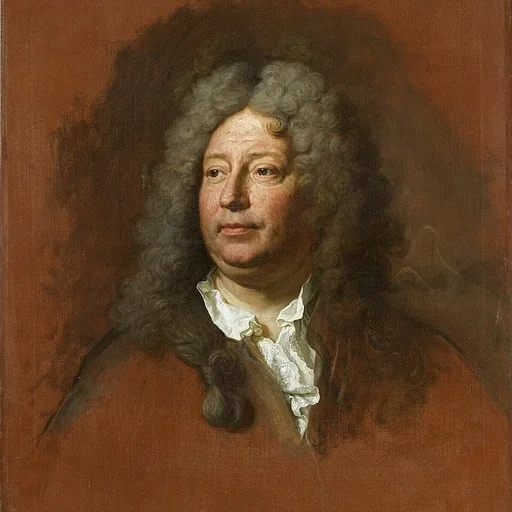
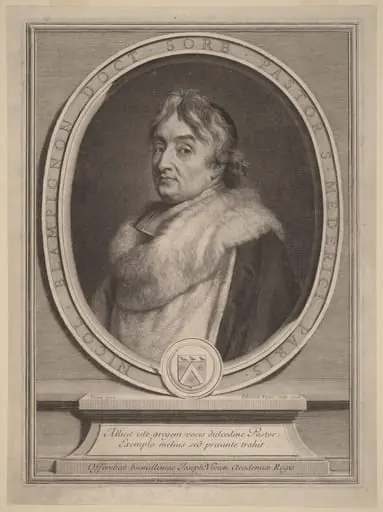
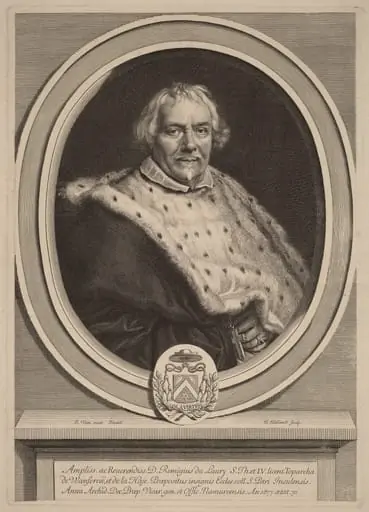
Gérard Edelinck (20 October 1640 (baptized) – 2 April 1707) was a copper-plate engraver and print publisher of Flemish origin, who worked in Paris from 1666 and became a naturalized French citizen in 1675.

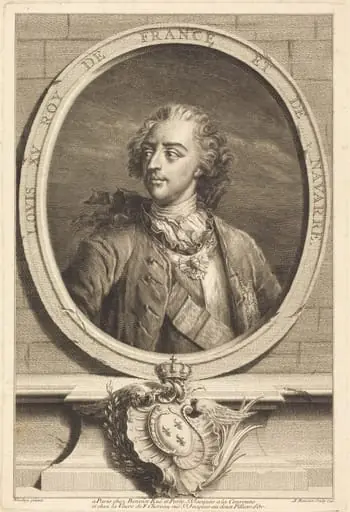 Louis XV, King of France
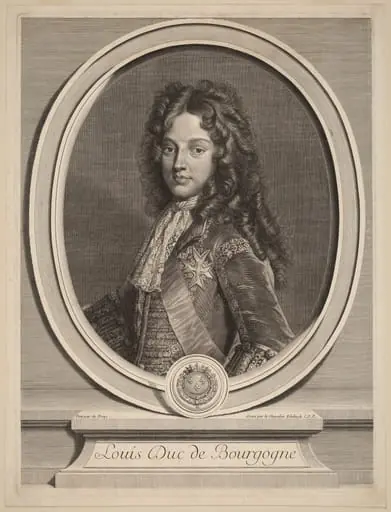 Louis, Duke of Burgundy
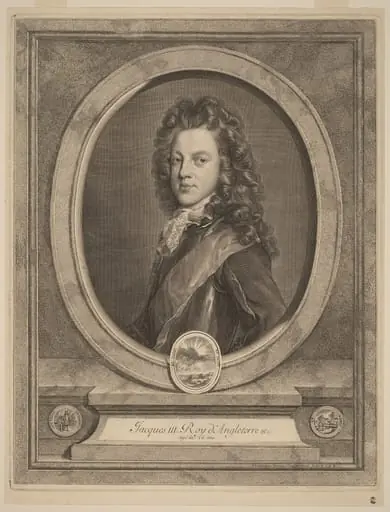 Jacques III, Roy d'Angleterre (James III, Prince of Wales)
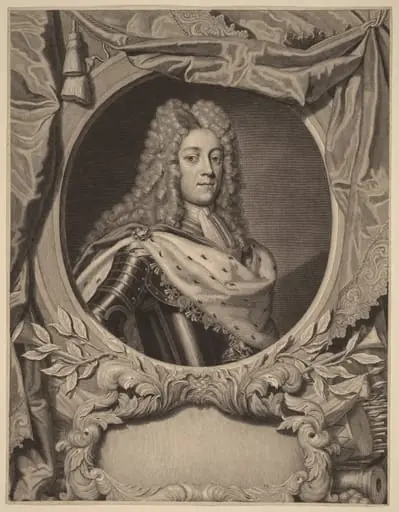 King George II
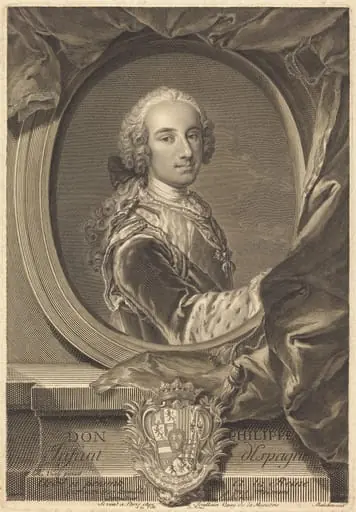 Don Philippe, Infant d'Espagne
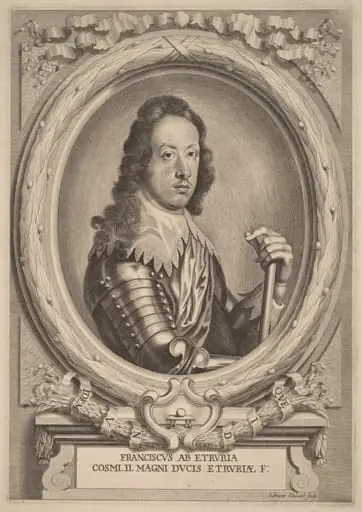 Cosimo II, Grand Duke of Tuscany
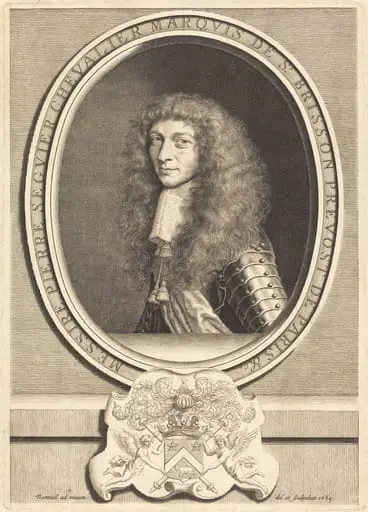 Pierre Seguier, Marquis de Saint-Brisson
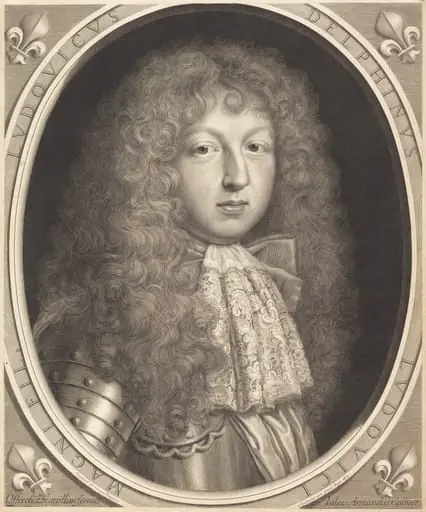 Louis, Dauphin de France
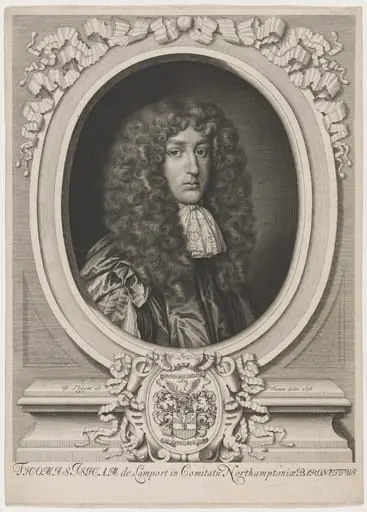 Sir Thomas Isham
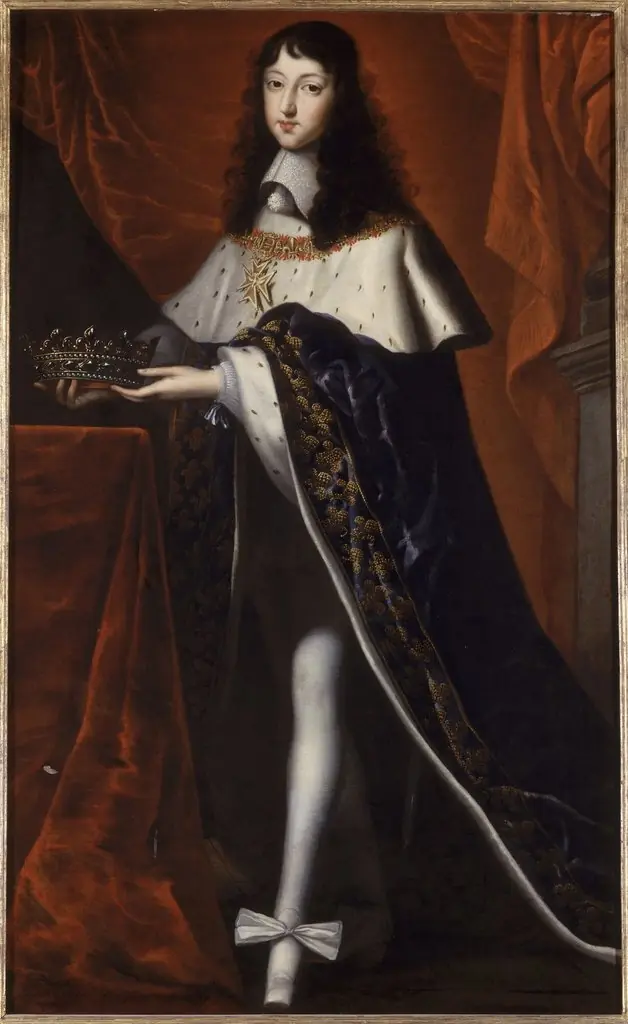 Philippe of France, Duke of Orleans
 Robert Walpole, 1st Earl of Orford