Artwork
A View of the Ponte Nomentano, near Rome
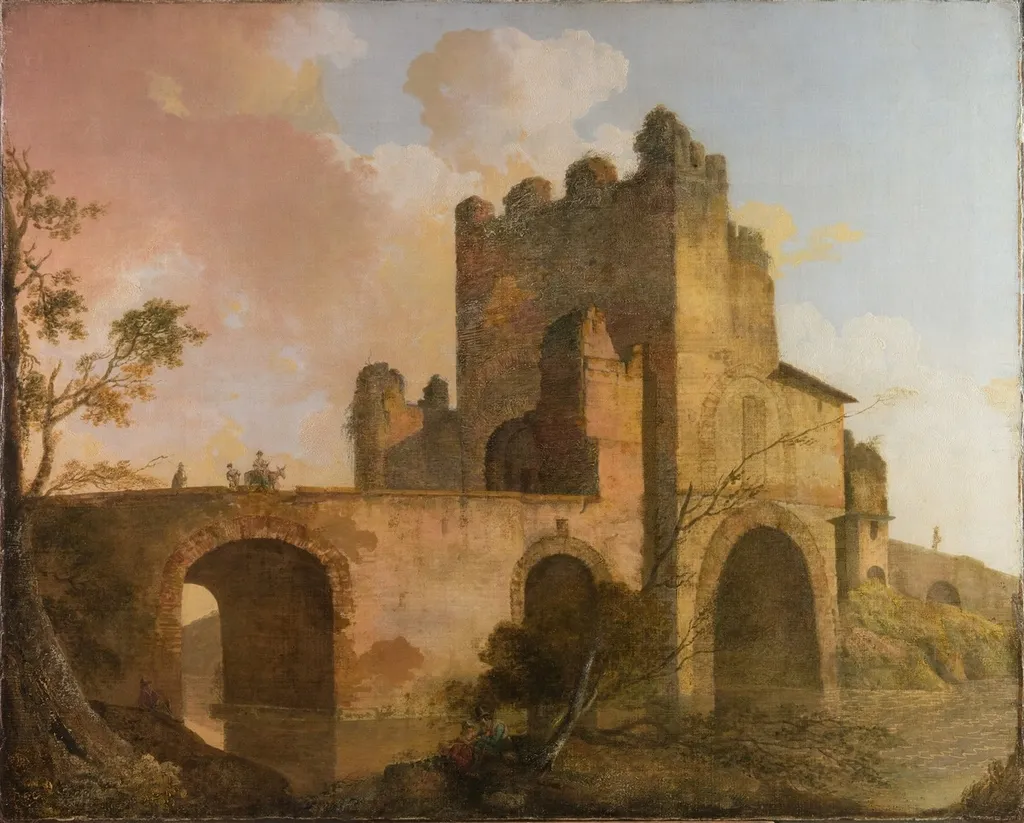
A View of the Ponte Nomentano, near Rome is an oil painting by the Rococo painting artist Joseph Wright of Derby. It dates from 1793 and is held in the collection of the Derby Museum and Art Gallery. Painted in 1793, this oil on canvas depicts the Ponte Nomentano, an ancient Roman bridge crossing the Aniene River northeast of Rome.
About this work
Overview
The scene is rendered with careful attention to architectural detail and natural light, reflecting his interest in the interplay of atmosphere and form.
Painted in 1793, this oil on canvas depicts the Ponte Nomentano, an ancient Roman bridge crossing the Aniene River northeast of Rome. Joseph Wright of Derby, known for his landscapes and scientific subjects, captured the structure during his travels in Italy. The scene is rendered with careful attention to architectural detail and natural light, reflecting his interest in the interplay of atmosphere and form.
Subject & Meaning
The painting presents a quiet moment along a historic bridge, with figures engaged in everyday activities—walking, standing, or resting. The bridge, with its central tower and three arches, stands as a silent witness to time, its weathered stone contrasting with the soft, hazy sky. There is no overt narrative, but the composition invites contemplation of human presence within enduring landscapes.
Technique & Style
Wright used chiaroscuro to model forms through subtle gradations of light and shadow, enhancing the three-dimensionality of the bridge and figures. The sky, painted in muted pinks and grays, suggests dawn or dusk, casting a gentle glow across the scene. Brushwork is precise yet unobtrusive, favoring atmospheric cohesion over dramatic contrast, aligning with late 18th-century landscape traditions.
History & Provenance
Wright created the work during his second Italian journey, sketching sites along the Tiber and Aniene rivers. The painting remained in his possession until his death and later entered the collection of Derby Museum and Art Gallery, where it has been held since the 19th century. Its preservation reflects local interest in Wright’s legacy as a native artist of Derbyshire.
Context
While often associated with the Enlightenment and industrial themes, Wright’s Italian landscapes reveal his engagement with classical ruins and the Grand Tour aesthetic. This painting aligns with contemporary European interest in antiquity, though it avoids romanticized grandeur. Instead, it offers a restrained, observational approach to place, distinct from the ornamental tendencies of Rococo.
Legacy
The painting exemplifies Wright’s ability to merge topographical accuracy with poetic light effects. Though less celebrated than his industrial scenes, it contributes to understanding his broader artistic range. Its quiet dignity and technical restraint continue to inform studies of British landscape painting in the late 18th century.
Artist & collection
Artist
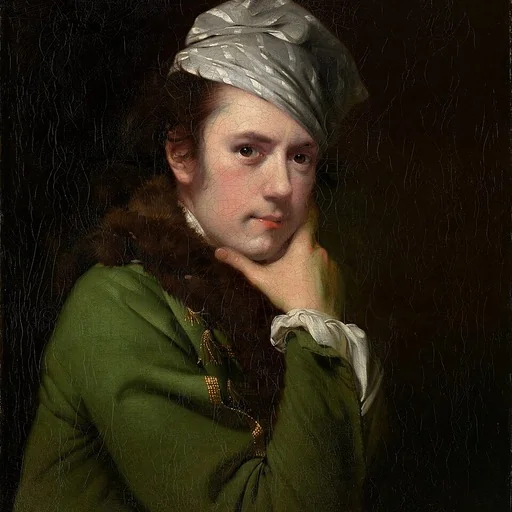
Joseph Wright (3 September 1734 – 29 August 1797), styled Joseph Wright of Derby, was an English painter who specialised in portrait painting and landscape art.

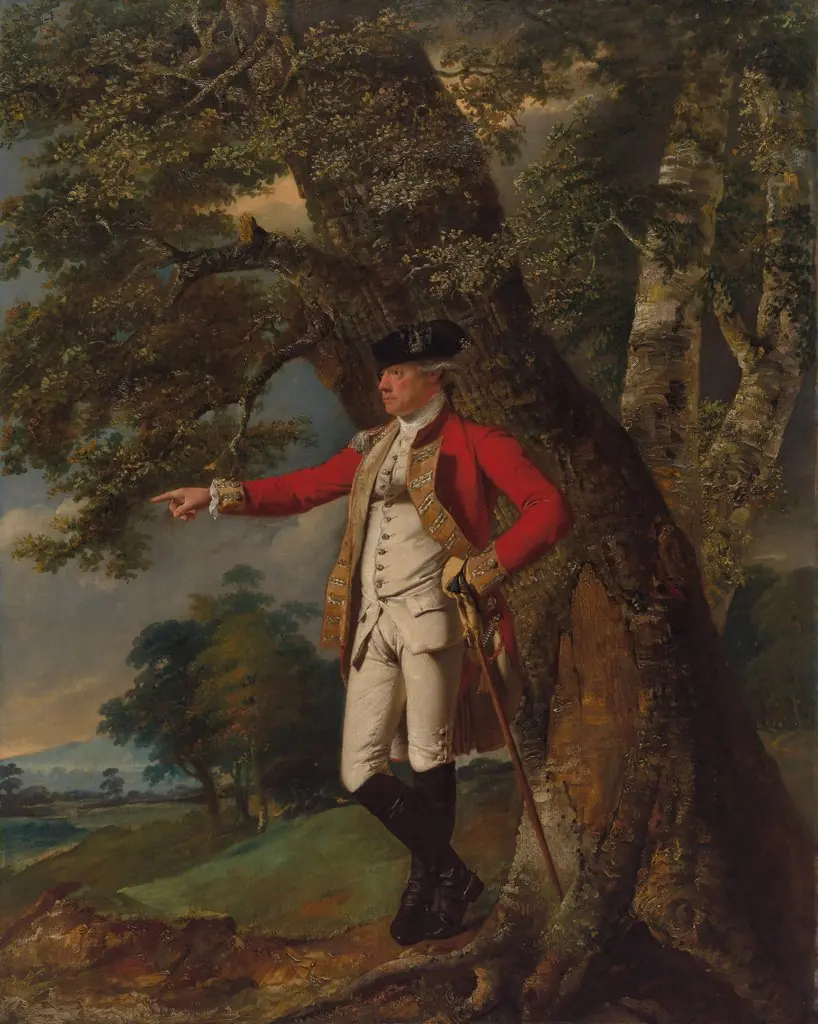 Portrait of Colonel Charles Heathcote
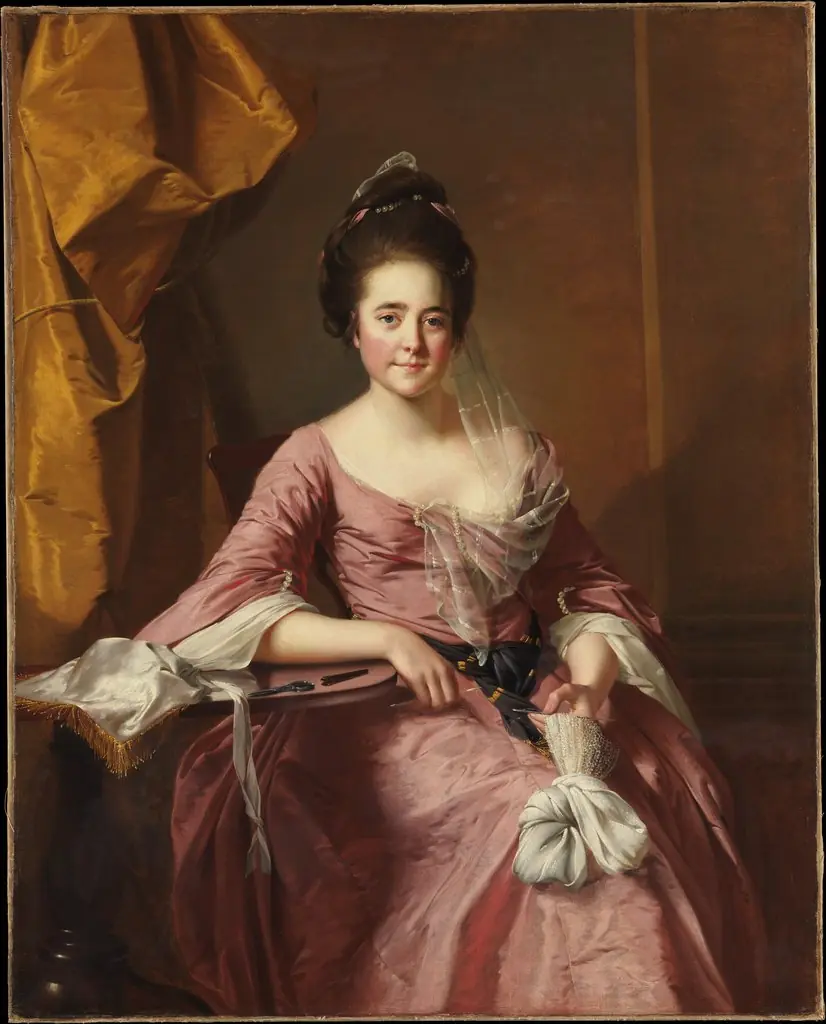 Portrait of a Woman
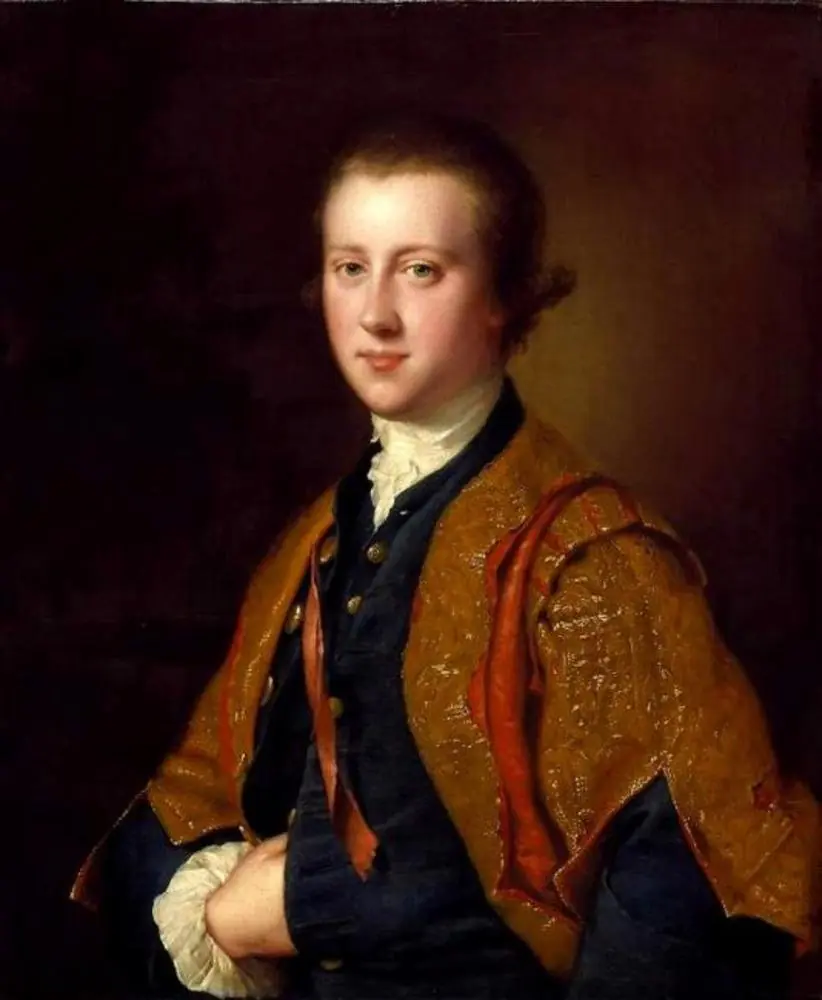 The Hon. Richard Fitzwilliam, 7th Viscount Fitzwilliam of Merrion
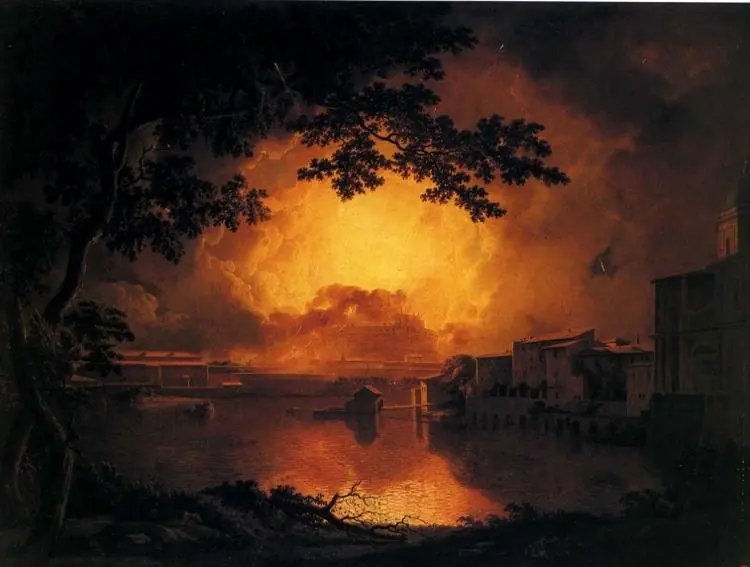 The Girandola at the Castel Sant'Angelo in Rome
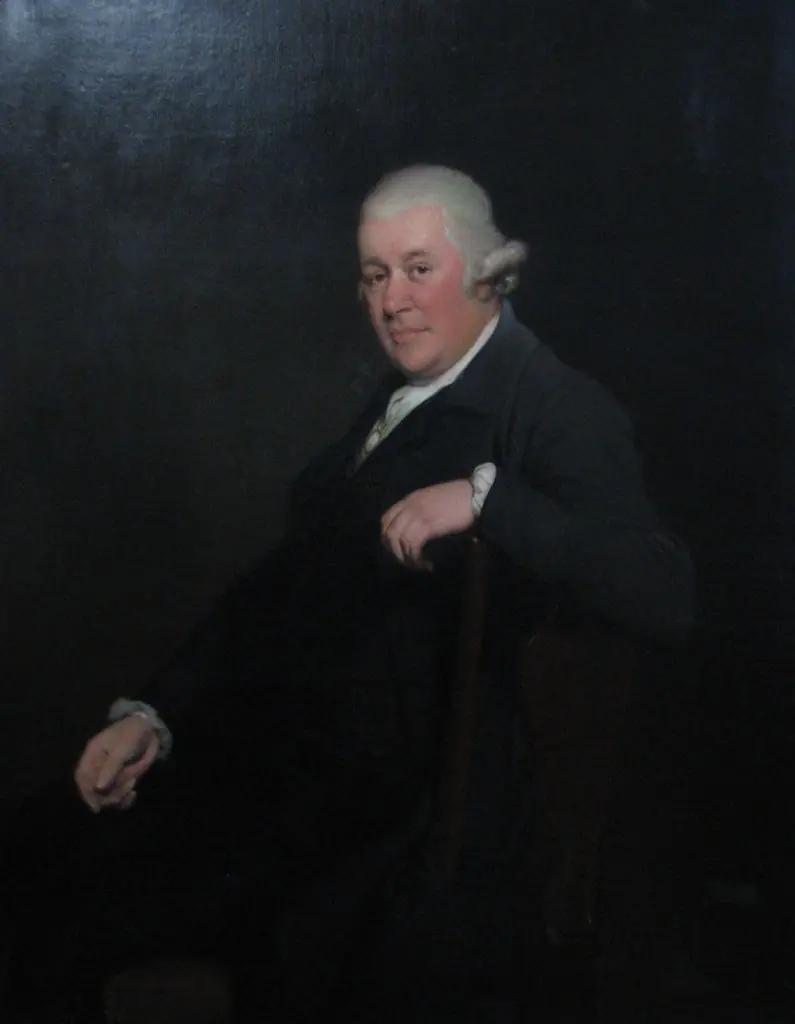 Reverend Basil Bury Beridge
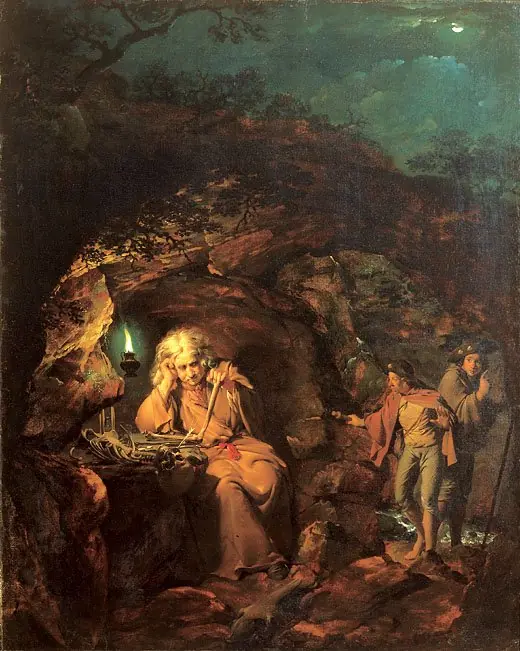 A Philosopher by Lamplight
 Portrait of Alexander B. Fock (1763-1825)
 Portrait of Fyodor A. Lindfors (1760-1813)
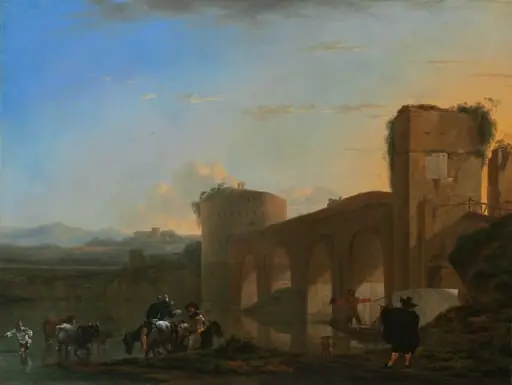 The Tiber River with the Ponte Molle at Sunset
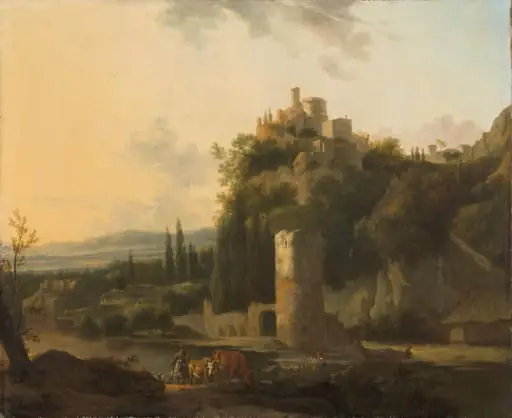 Italina landscape with round tower
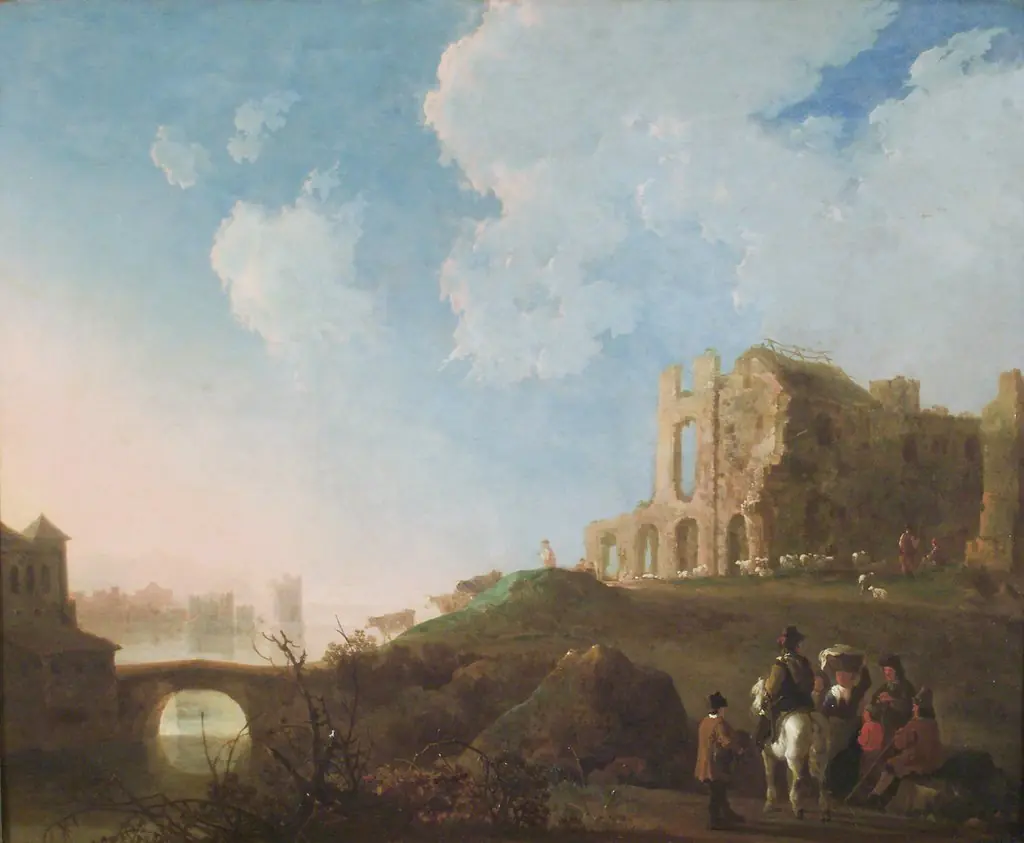 Landscape with the ruins of Rijnsburg Abbey
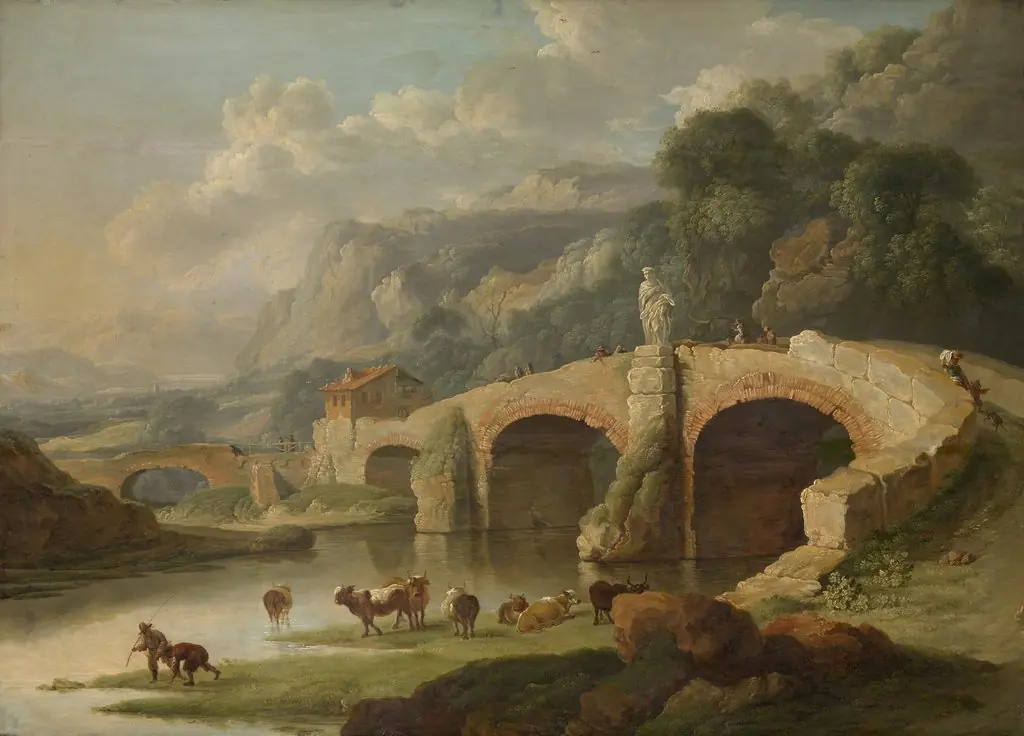 Italian Landscape
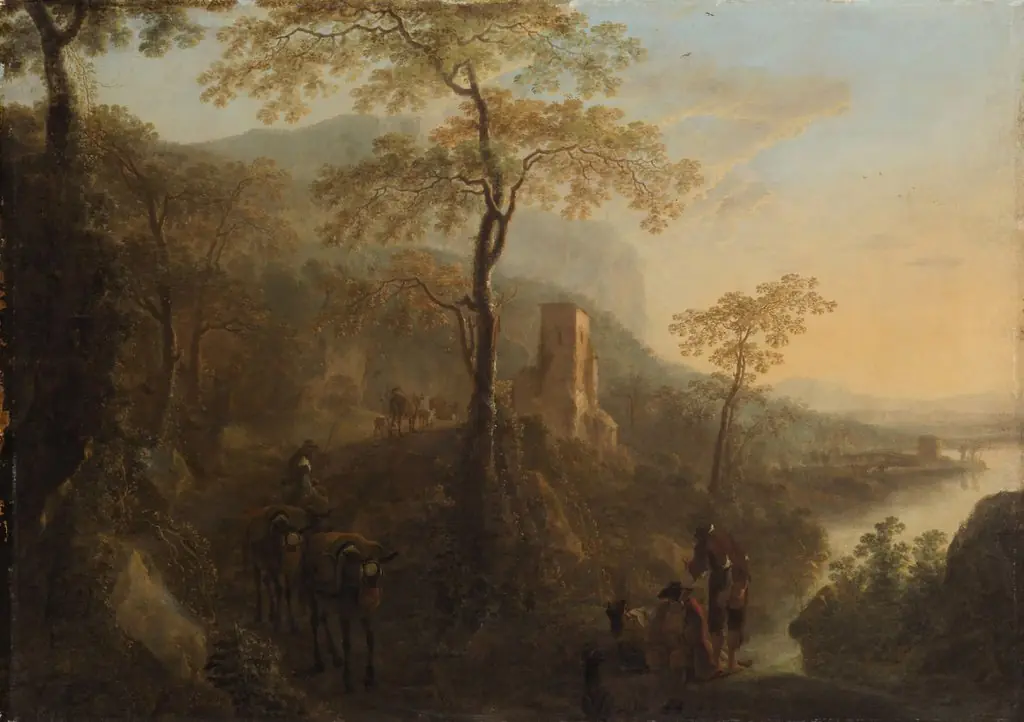 Italienische Landschaft
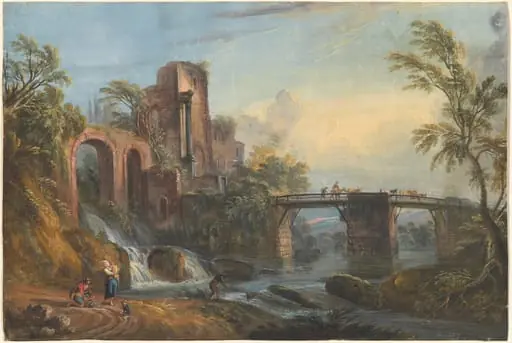 Dawn Landscape with Classical Ruins
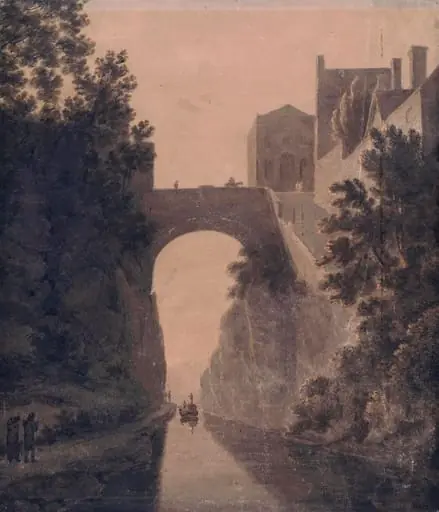 The canal in Chester, showing Northgate Street Bridge and part of the Bluecoat Hospital
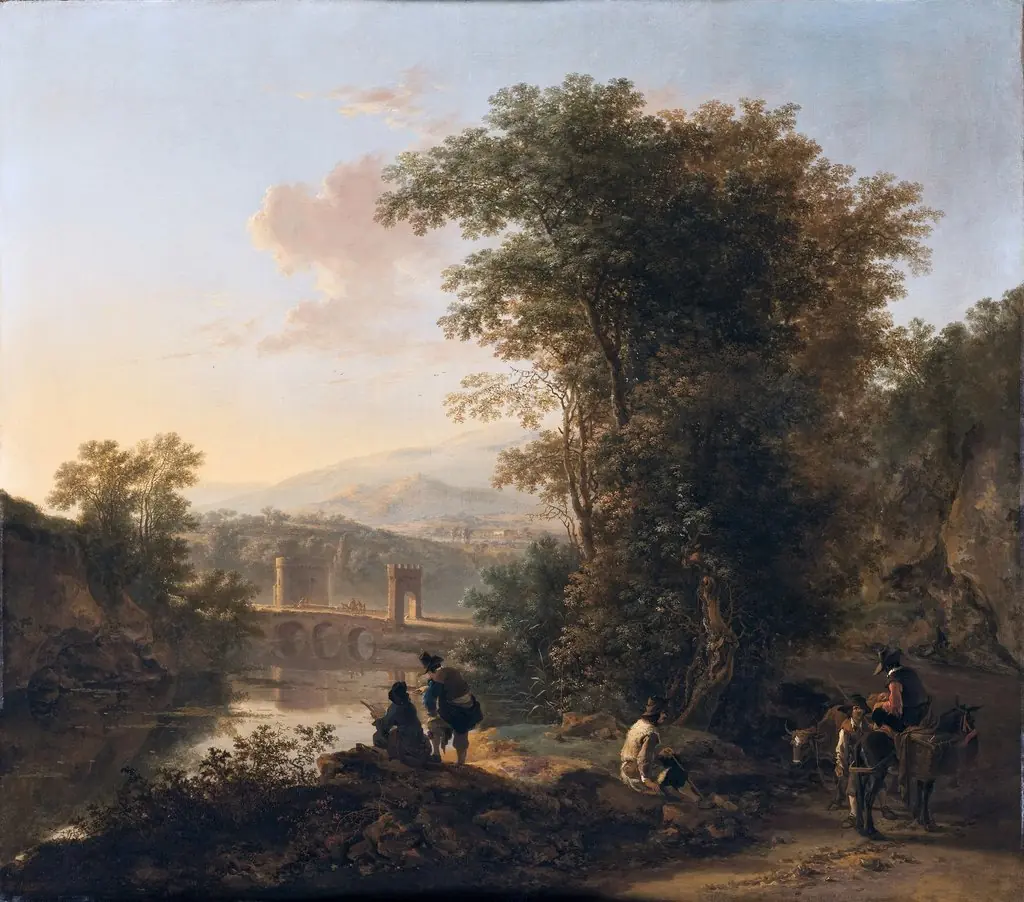 Landscape with a Draftsman
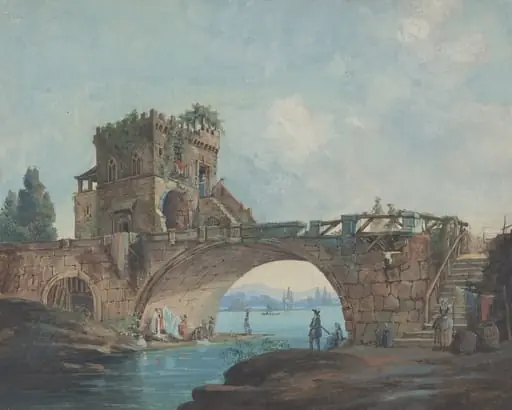 The Ponte Salario with Laundresses
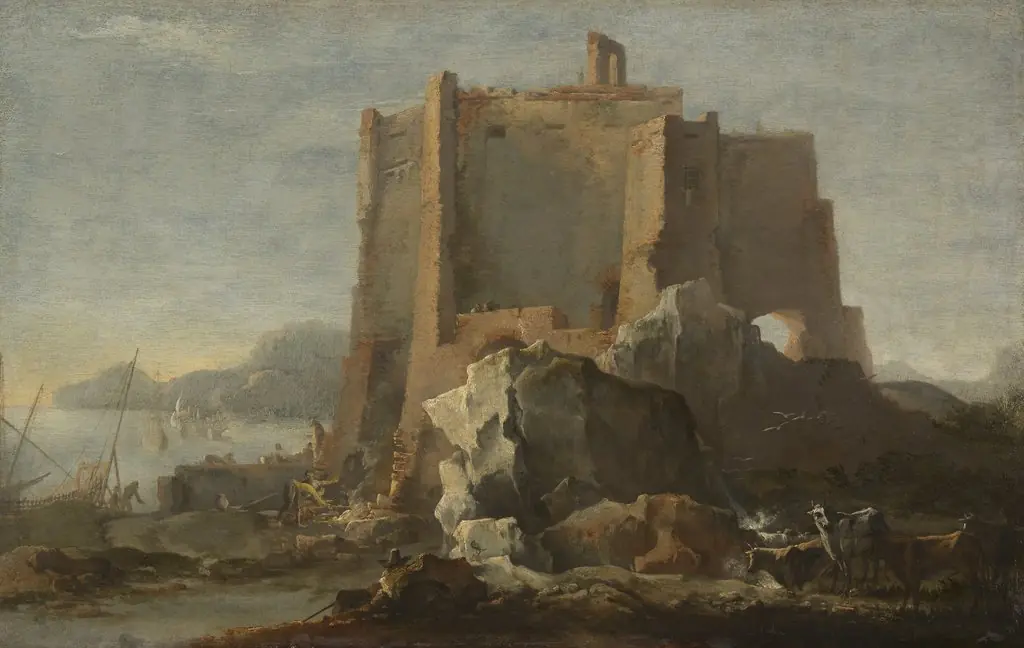 Landscape with Rock and Fortress
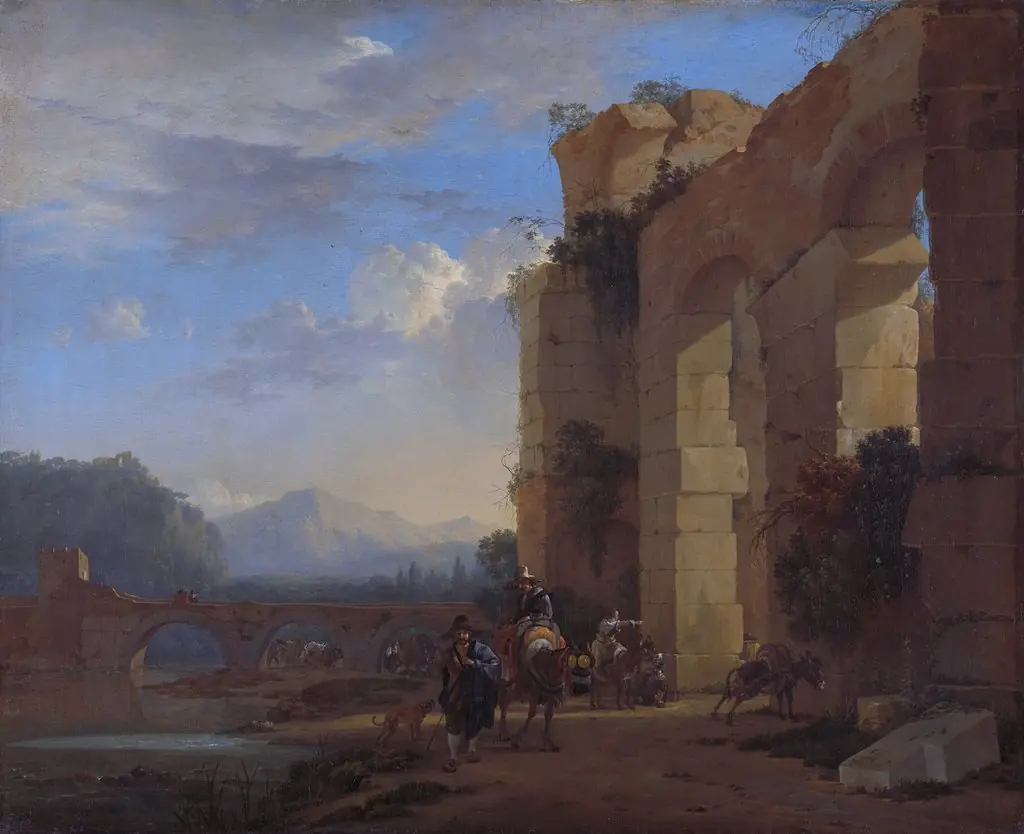 Muleteers beside an Italian Ruin
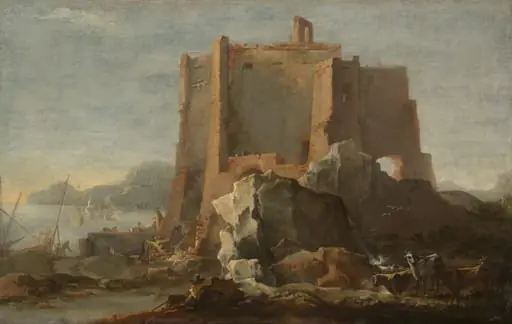 Landscape with Rock and Fortress