Artwork
Elizabeth Crompton
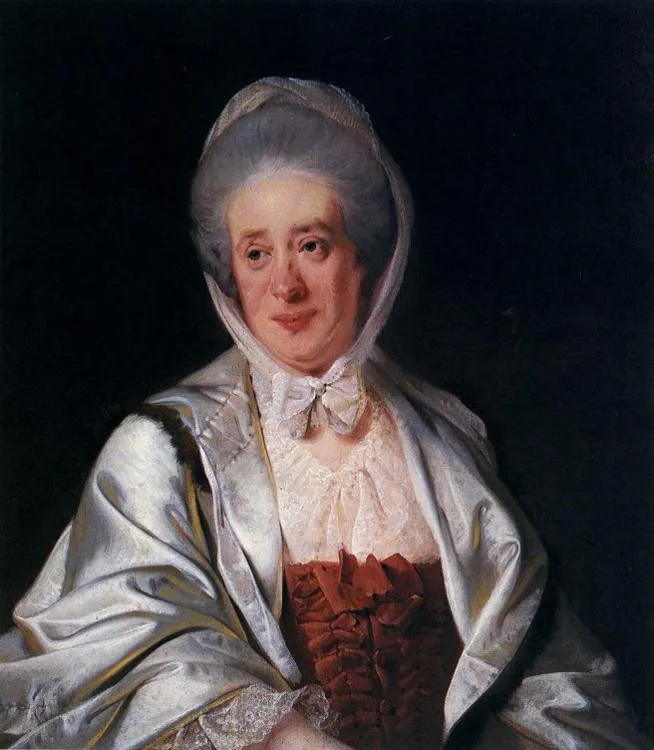
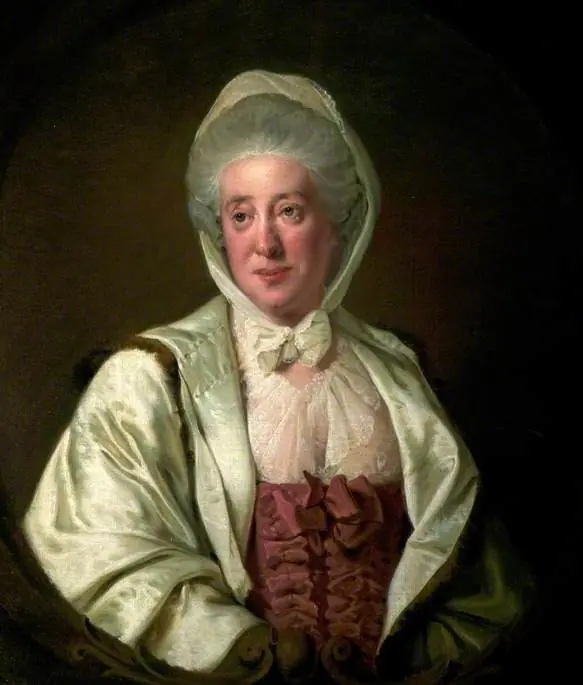
Elizabeth Crompton is an oil painting by the Rococo painting artist Joseph Wright of Derby. It dates from 1790 and is held in the collection of the Derby Museum and Art Gallery.
About this work
Overview
Elizabeth Crompton is an oil painting created in 1790 by Joseph Wright of Derby, an English artist recognized for his portraits and landscapes, often characterized by dramatic lighting effects.
Subject & Meaning
The painting portrays a woman, identified as Elizabeth Crompton, in a formal, dignified manner. Her attire, including a white dress, brown corset, and neat updo adorned with a white lace bow, conveys elegance and refinement. Her slightly turned head and forward-facing body suggest a subtle, introspective pose.
Technique & Style
Wright utilized tenebrism, a hallmark of his work, to create strong contrasts between light and dark. The dark background accentuates the subject's features, highlighting her dignified expression and formal dress, aligning with the Rococo movement's emphasis on intricate details and lighting effects.
History & Provenance
Painted in 1790, the artwork's provenance and historical context beyond its creation are not detailed here, focusing instead on its stylistic and compositional attributes.
Context
Within the Rococo movement, this portrait reflects the period's attention to detail, use of chiaroscuro, and depiction of subjects in refined, intimate settings.
Legacy
As part of Wright's oeuvre, Elizabeth Crompton contributes to the artist's legacy in capturing the essence of his subjects through innovative lighting techniques, though its specific impact on art history is not elaborated here.
Artist & collection
Artist
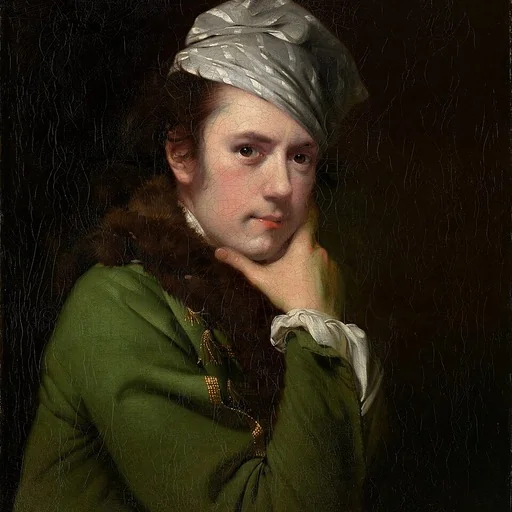
Joseph Wright (3 September 1734 – 29 August 1797), styled Joseph Wright of Derby, was an English painter who specialised in portrait painting and landscape art.

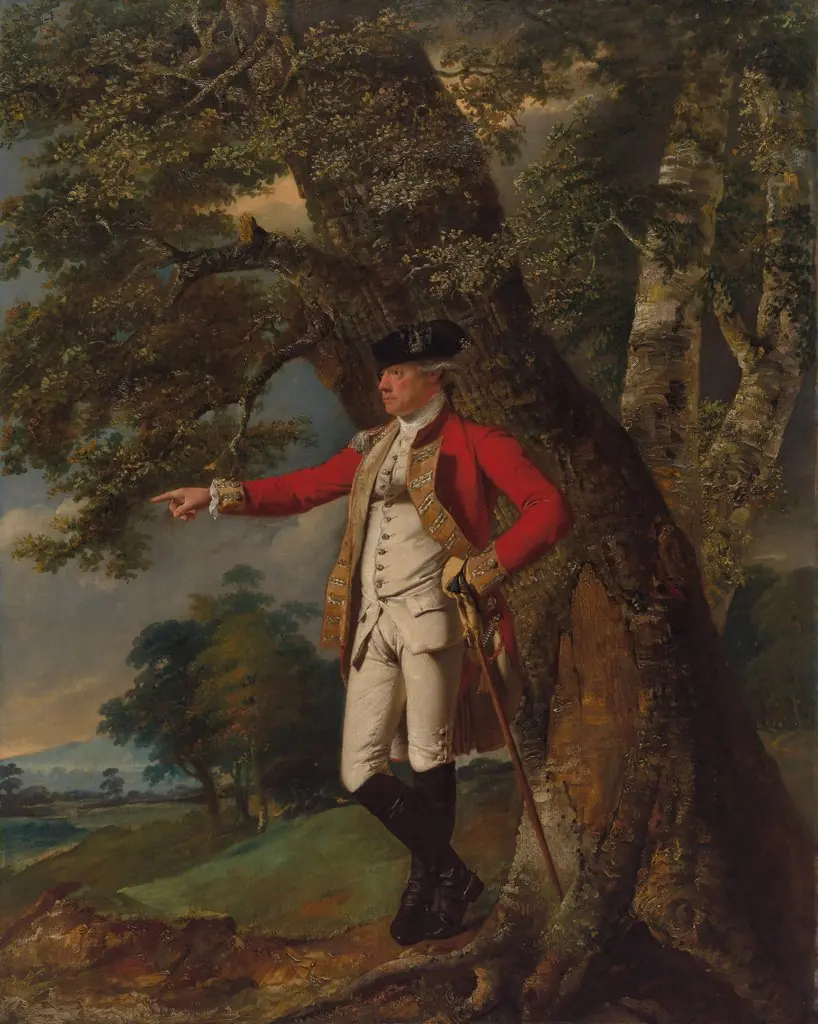 Portrait of Colonel Charles Heathcote
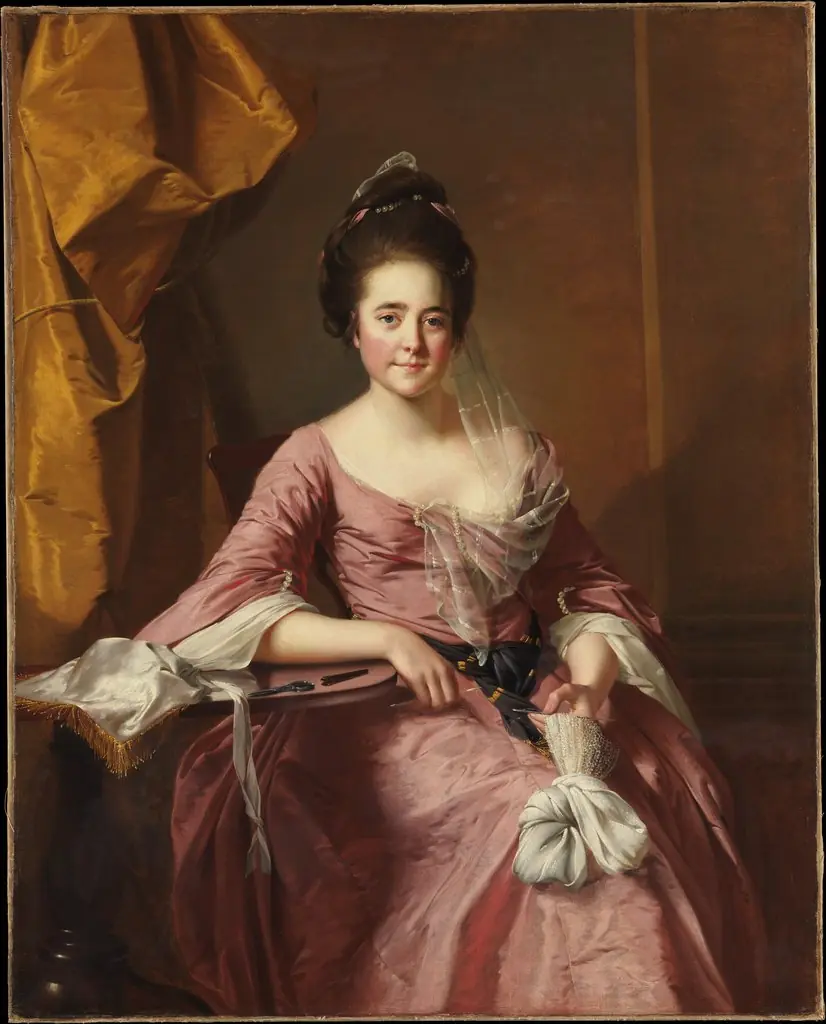 Portrait of a Woman
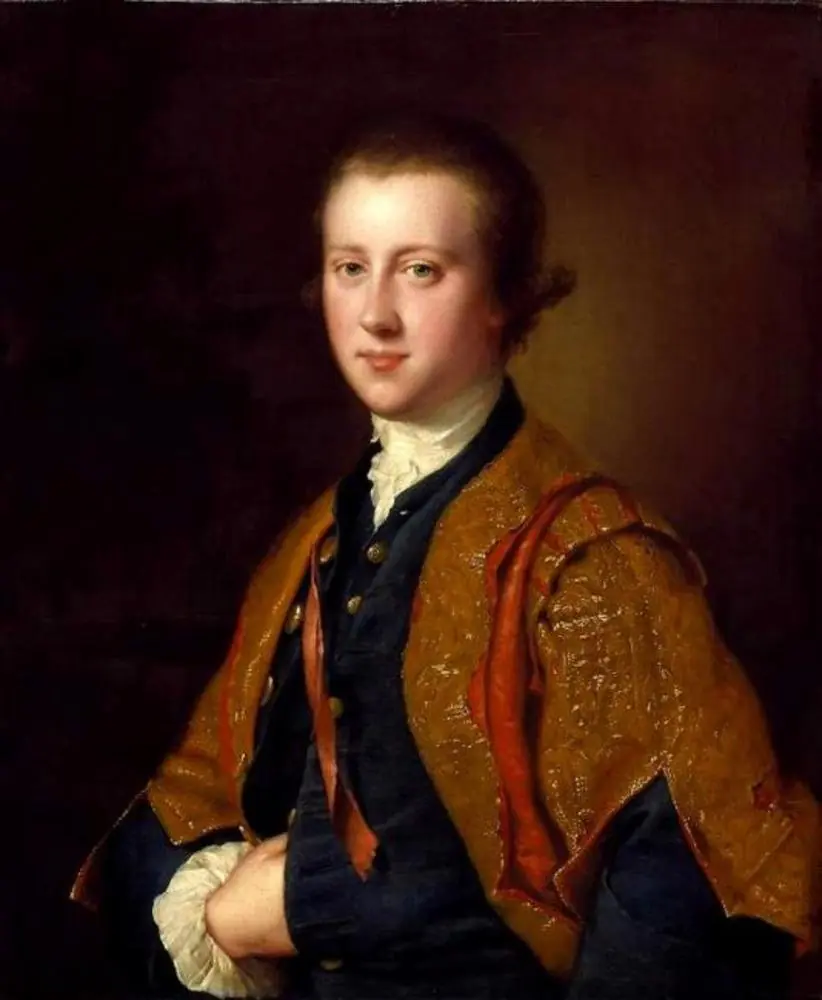 The Hon. Richard Fitzwilliam, 7th Viscount Fitzwilliam of Merrion
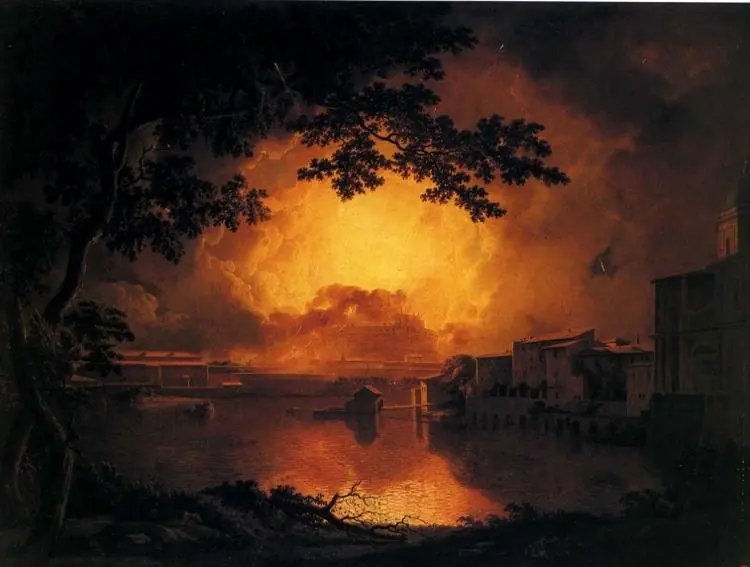 The Girandola at the Castel Sant'Angelo in Rome
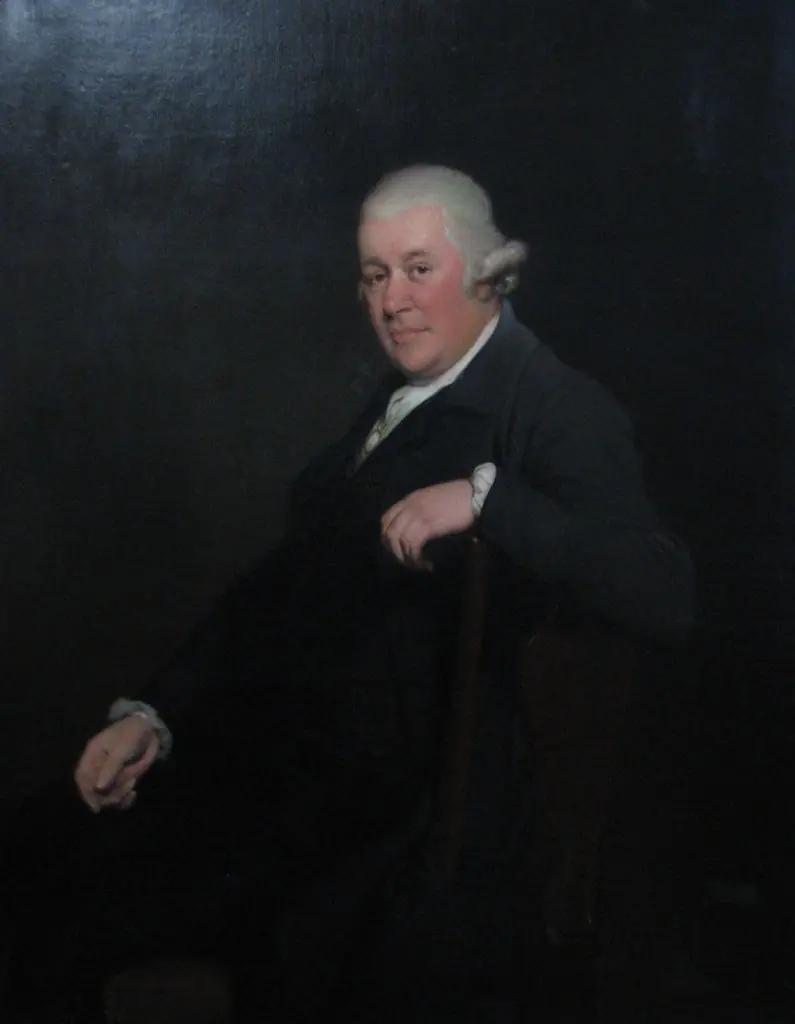 Reverend Basil Bury Beridge
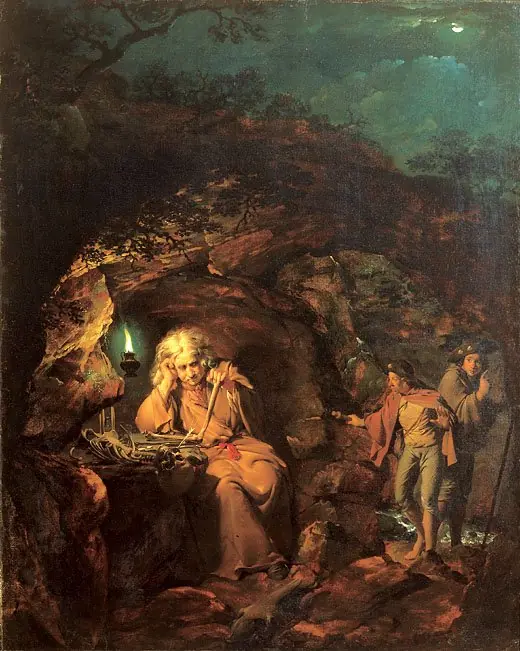 A Philosopher by Lamplight
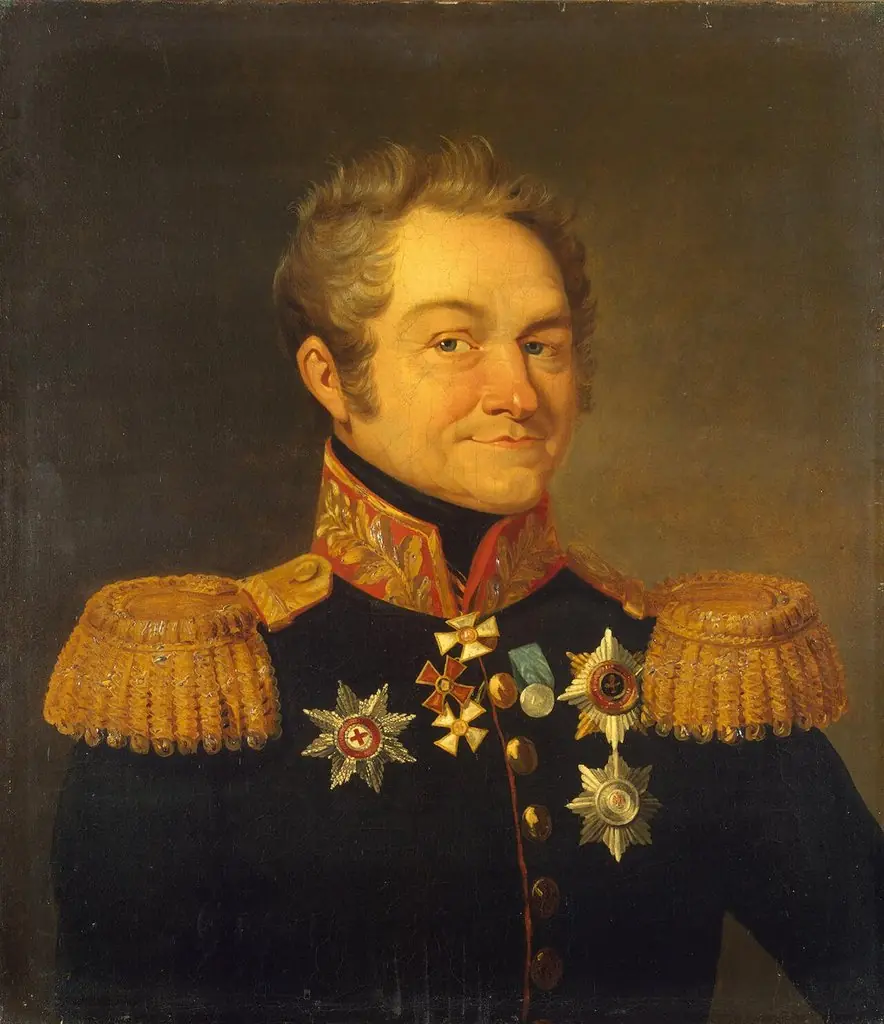 Portrait of Alexander B. Fock (1763-1825)
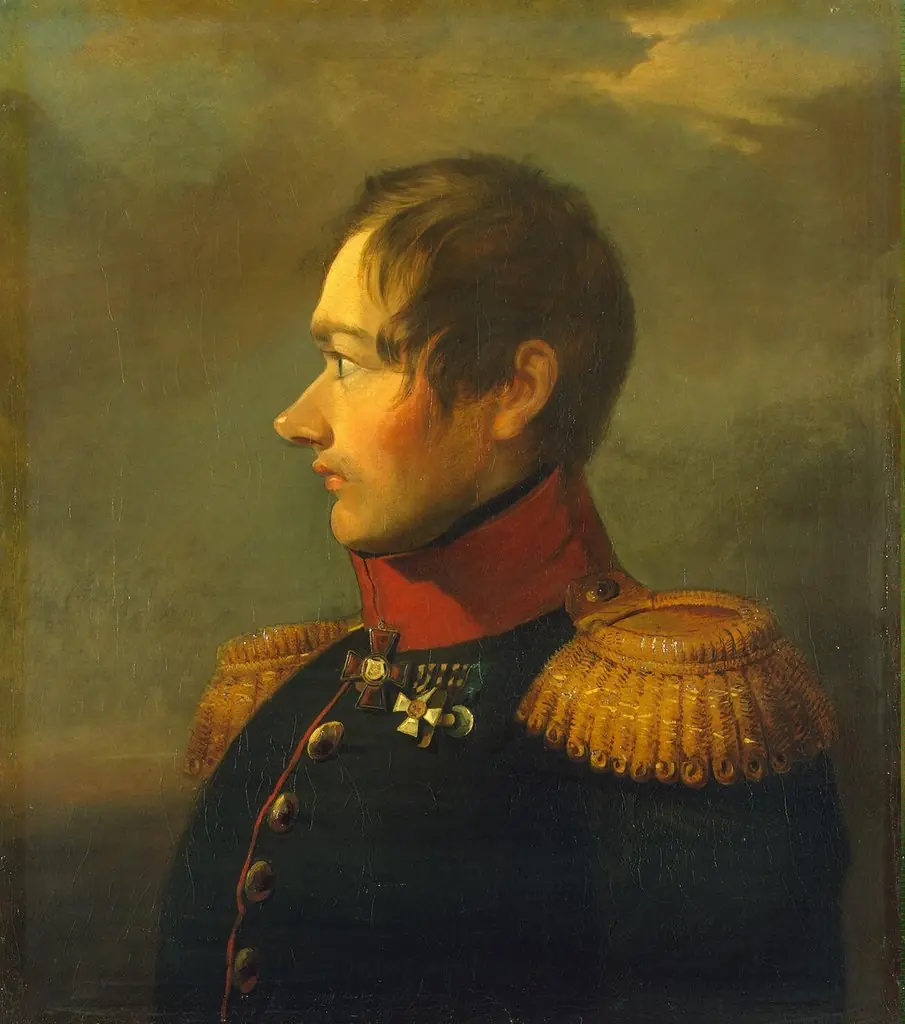 Portrait of Fyodor A. Lindfors (1760-1813)
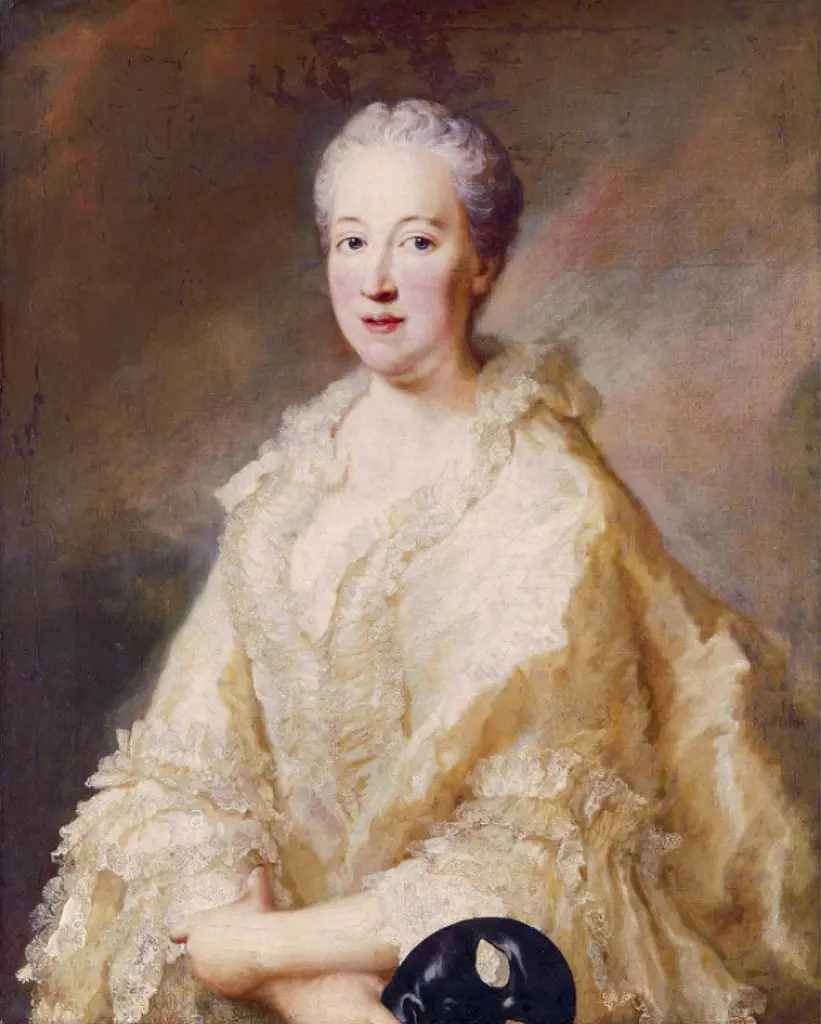 Portrait of Countess Palatine Maria Anna of Sulzbach (1722-1790)
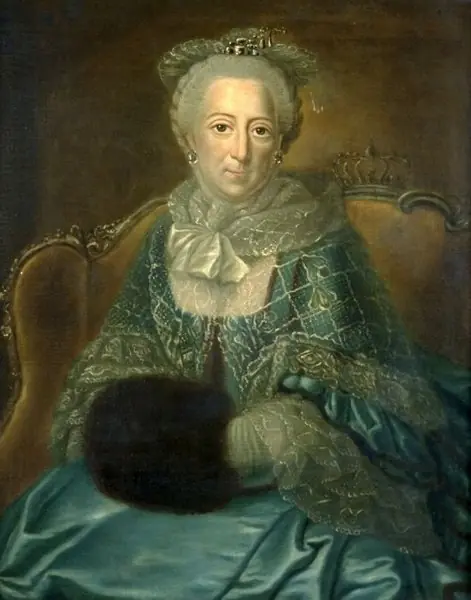 Herzogin Philippine Charlotte von Braunschweig, geb. Prinzessin von Preußen (1716-1801)
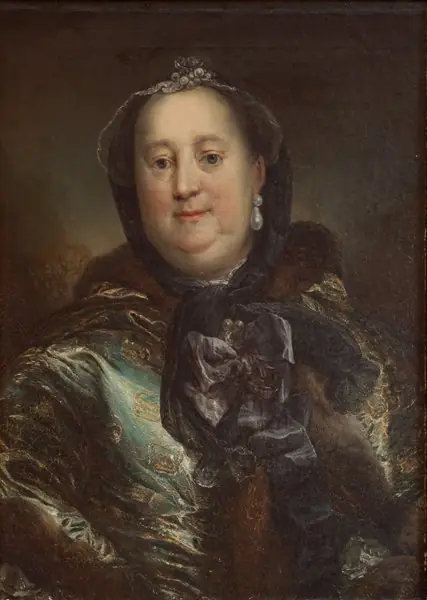 Portræt af hertuginde Antoinette Amalie af Braunschweig-Wolfenbüttel
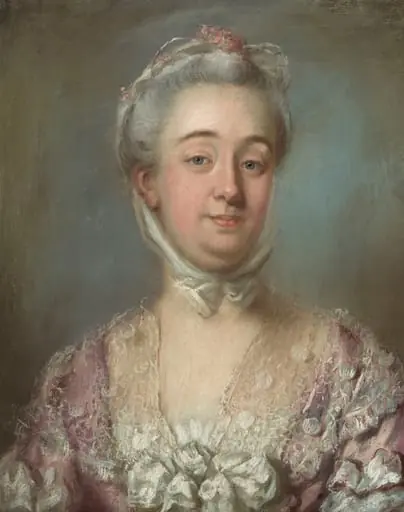 Juliana Elisabet König
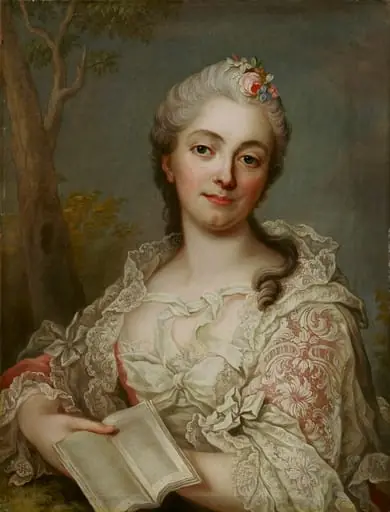 Kreivitär Antoinetta Virginia Gyllenborg
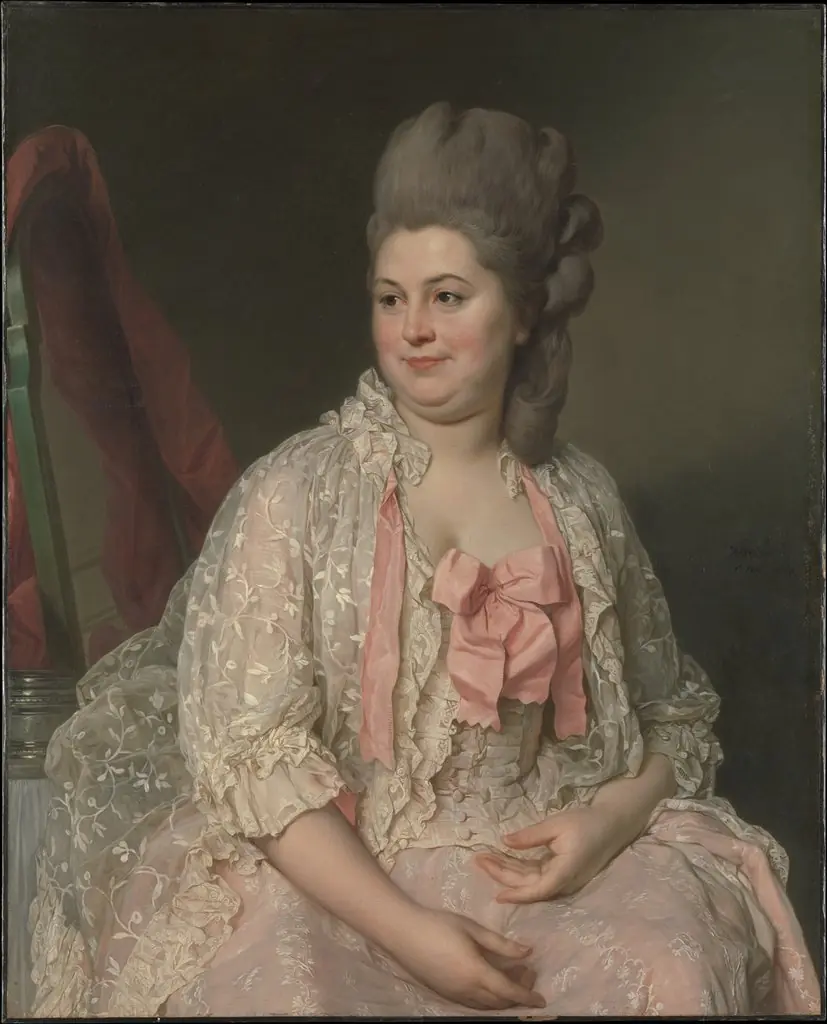 Madame de Saint-Maurice
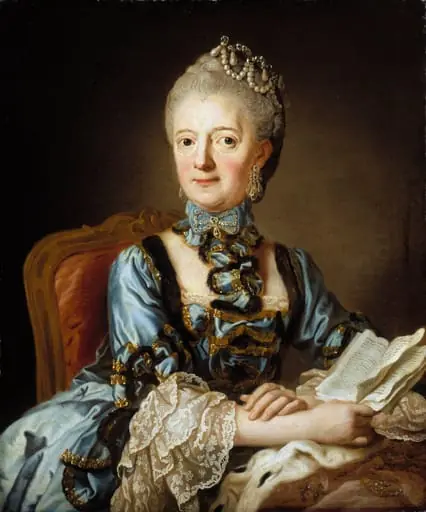 Kuningatar Lovisa Ulrika
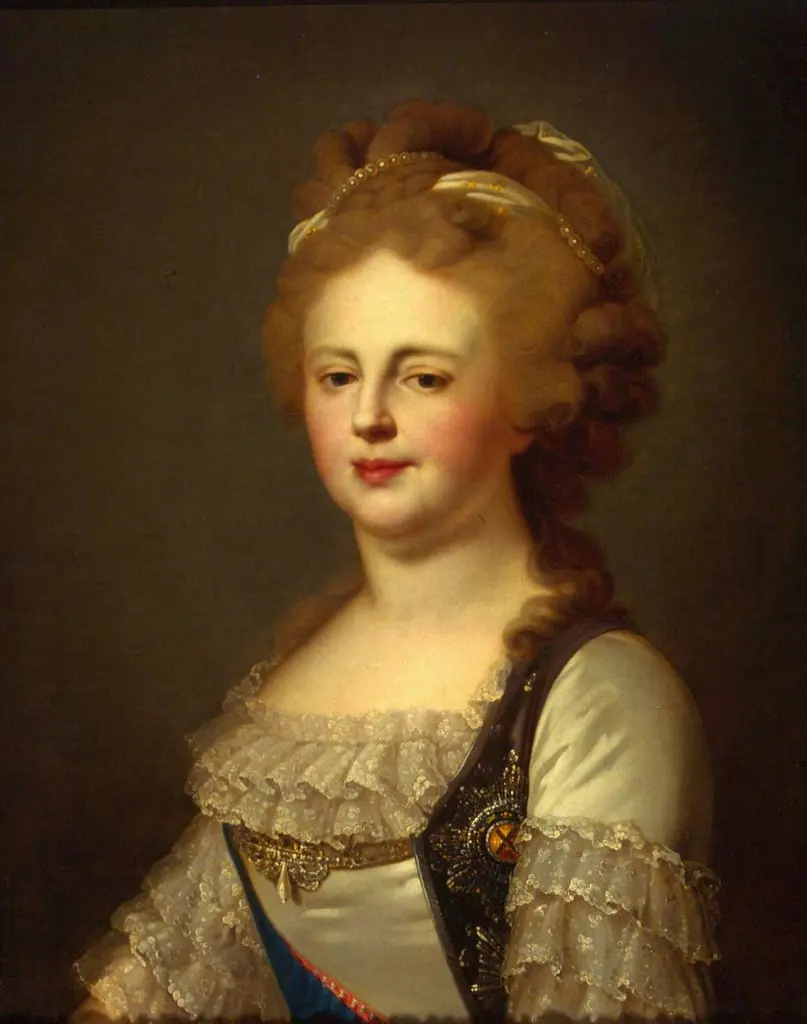 Portrait of Empress Maria Fiodorovna (copy)
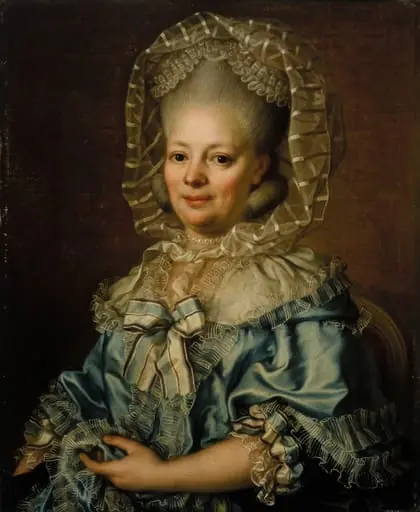 Catharina Charlotta L'Estrade
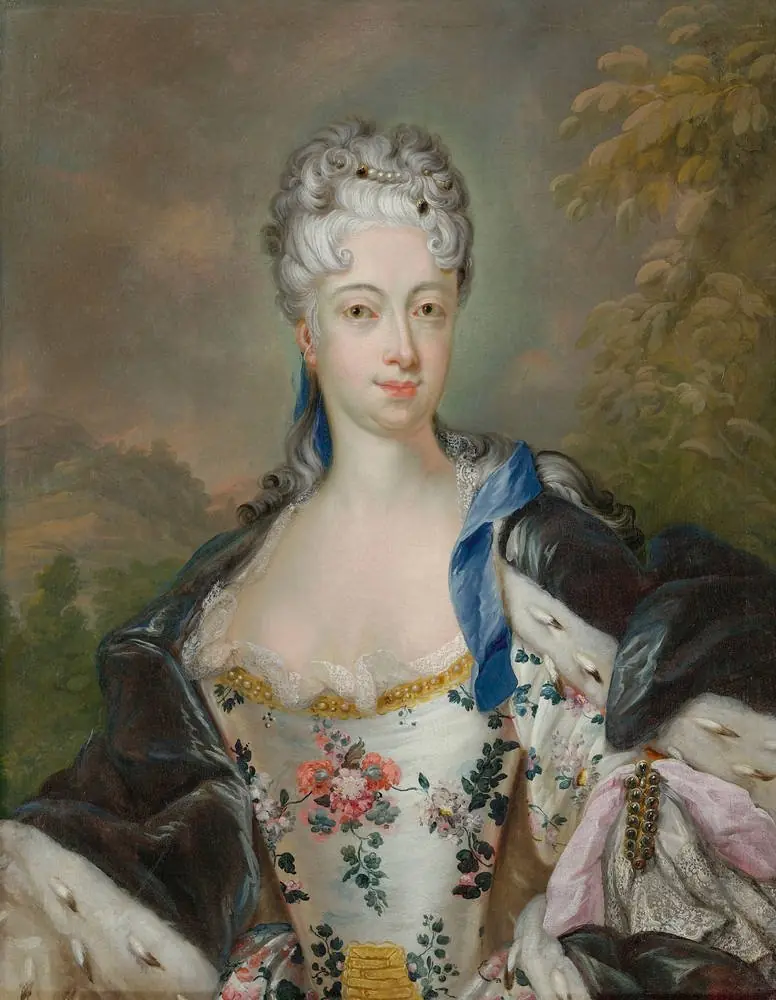 Anna Constanze Gräfin von Cosel (1680-1765)
 Portretul arhiducesei Maria Christina
 Elizabeth Crompton