Artwork
Richard Arkwright (1732–1792), English inventor
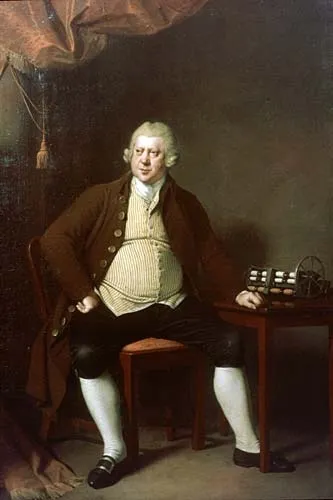
Richard Arkwright (1732–1792), English inventor is an oil painting by Joseph Wright of Derby. It dates from 1796 and is held in the collection of the Derby Museum and Art Gallery. This 1790 oil on canvas portrait depicts Richard Arkwright, the English inventor instrumental in developing early factory systems.
About this work
The portrait shows the English inventor who helped launch the Industrial Revolution, Richard Arkwright.
The painting is titled *Richard Arkwright* and was made by Joseph Wright of Derby in 1790. It is an oil work on canvas.
The portrait shows the English inventor who helped launch the Industrial Revolution, Richard Arkwright. It now hangs in Derby Museum and Art Gallery, where visitors can see other works from the same period.
If you’re curious about the creator, look up the artist: Joseph Wright of Derby.
Overview
This 1790 oil on canvas portrait depicts Richard Arkwright, the English inventor instrumental in developing early factory systems. Painted by Joseph Wright of Derby, it captures Arkwright in middle age, dressed in formal attire befitting his status as a leading industrialist. The work belongs to a series of portraits Wright created of key figures in Derby’s manufacturing community during the height of the Industrial Revolution.
Subject & Meaning
Arkwright is portrayed not as a manual laborer but as a man of enterprise and authority. His pose and attire suggest dignity and control, reflecting his role in transforming textile production. The portrait conveys his social ascent—from barber and wig-maker to wealthy industrialist—emphasizing the shifting class dynamics of the era. It serves as a visual assertion of his influence on Britain’s economic landscape.
Technique & Style
Wright employs his characteristic chiaroscuro, using dramatic lighting to model Arkwright’s face and hands with precision. The background remains muted, focusing attention on the subject’s composed demeanor. Brushwork is controlled yet expressive, particularly in the rendering of fabric and skin tone. The composition avoids theatricality, favoring quiet realism over grandeur, aligning with Wright’s broader interest in portraying individuals of intellect and industry.
History & Provenance
Commissioned in 1790, the portrait remained in private collections until it entered the Derby Museum and Art Gallery’s holdings in 1993. Wright painted Arkwright’s business partner, Jedediah Strutt, the same year, suggesting a deliberate effort to document the region’s industrial leadership. Other portraits by Wright of Arkwright’s family further indicate a sustained artistic engagement with the inventor’s circle.
Context
During the 1790s, Derby was a center of textile innovation, and Wright, as a local artist, was uniquely positioned to record its key figures. Arkwright’s water-powered spinning frame revolutionized production, making him a symbol of progress. Portraits like this one were not merely personal commissions but public acknowledgments of industrial achievement, reflecting a new cultural value placed on technological entrepreneurship.
Legacy
Though other artists, including Mather Brown, later portrayed Arkwright in more ornate styles, Wright’s version endures for its restraint and psychological depth. The painting remains a primary visual record of one of the Industrial Revolution’s architects. Its presence in Derby Museum anchors the city’s identity as a cradle of industrial innovation and a hub of Enlightenment-era portraiture.
Artist & collection
Artist
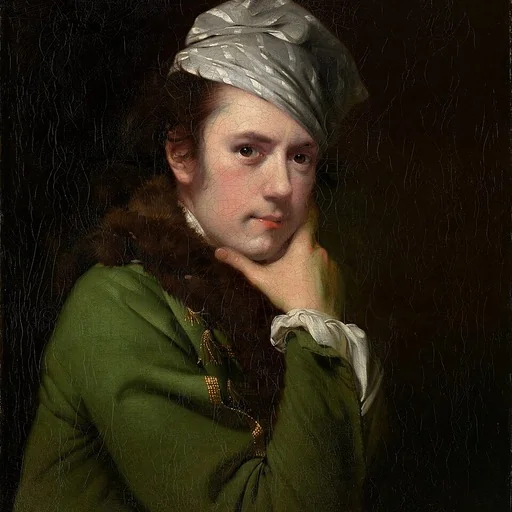
Joseph Wright (3 September 1734 – 29 August 1797), styled Joseph Wright of Derby, was an English painter who specialised in portrait painting and landscape art.

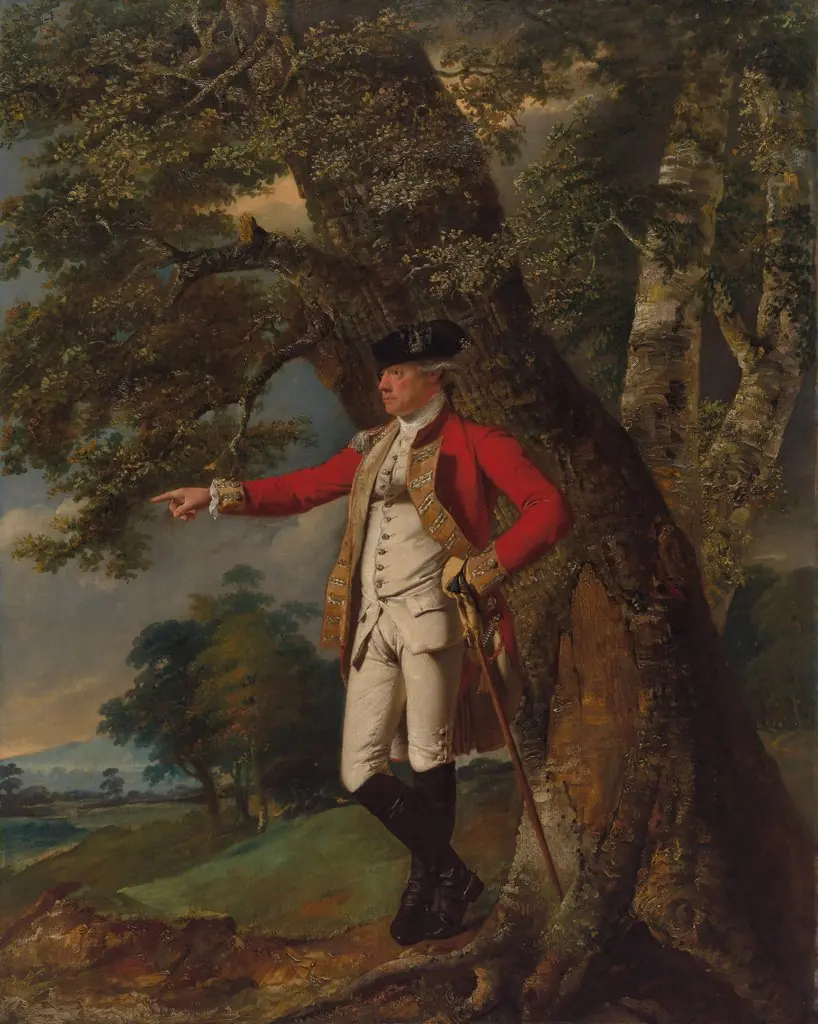 Portrait of Colonel Charles Heathcote
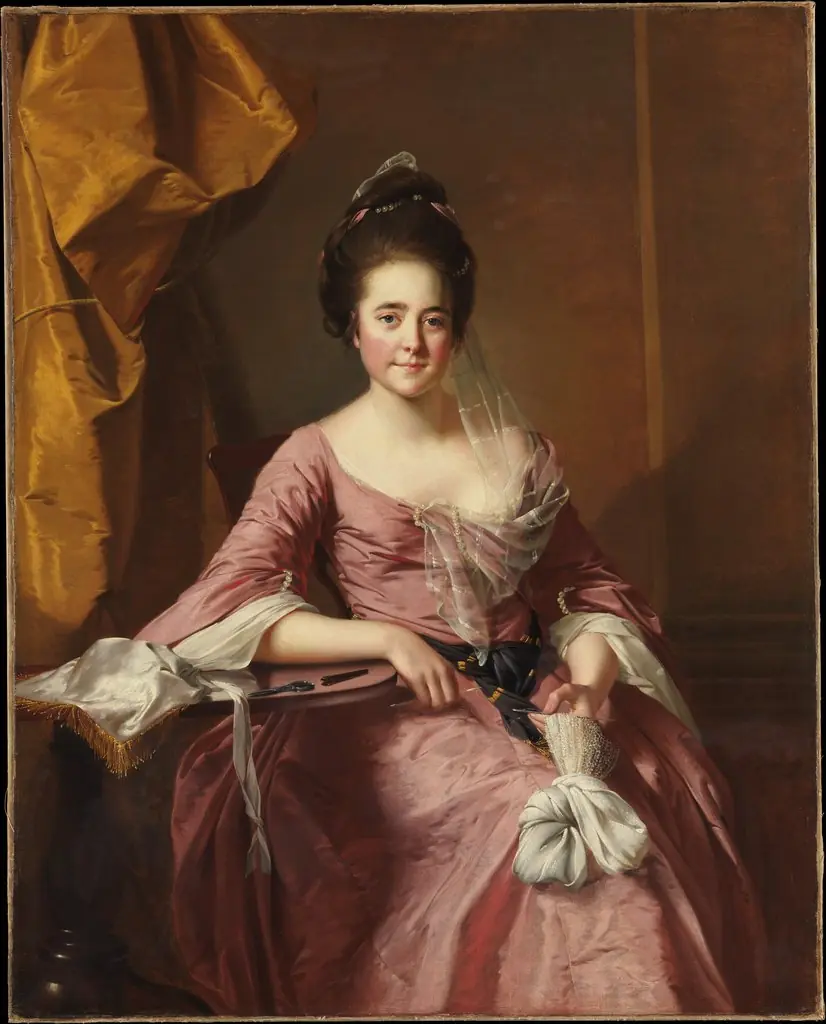 Portrait of a Woman
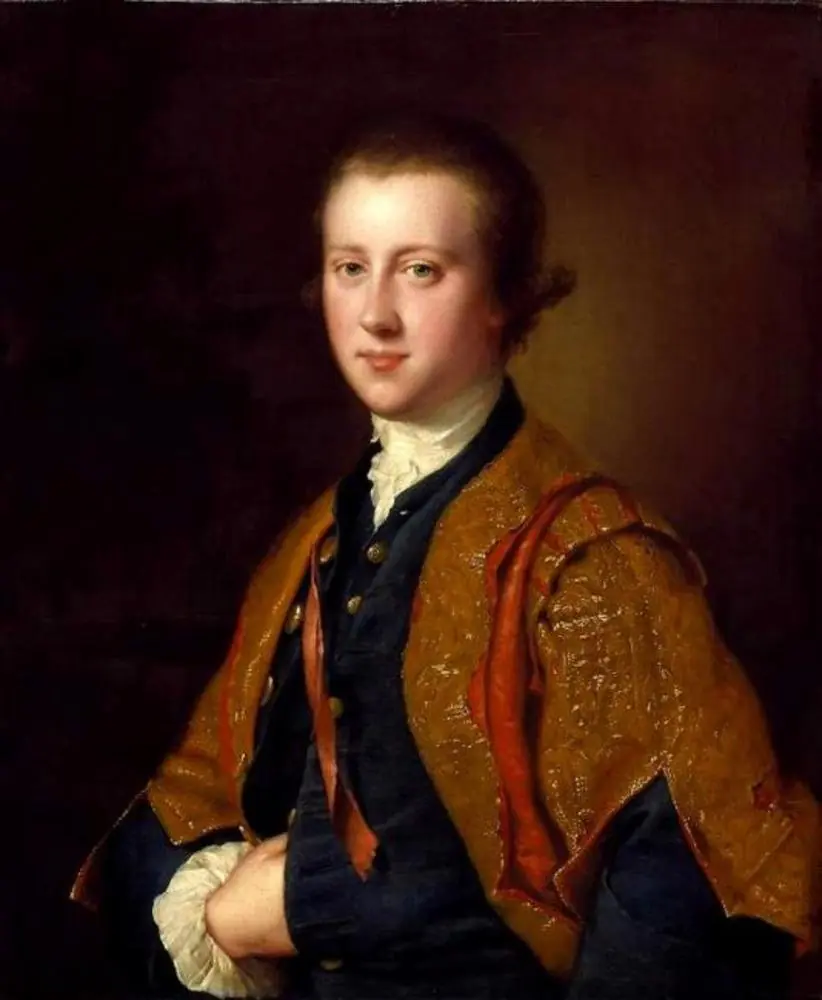 The Hon. Richard Fitzwilliam, 7th Viscount Fitzwilliam of Merrion
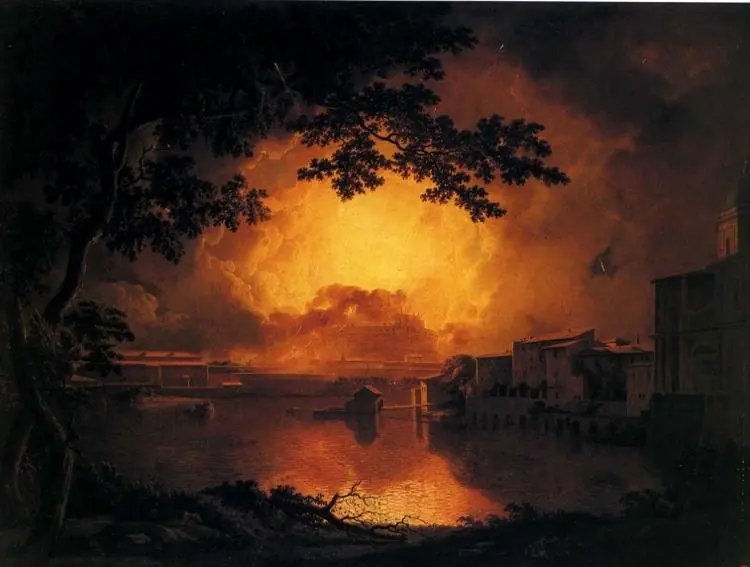 The Girandola at the Castel Sant'Angelo in Rome
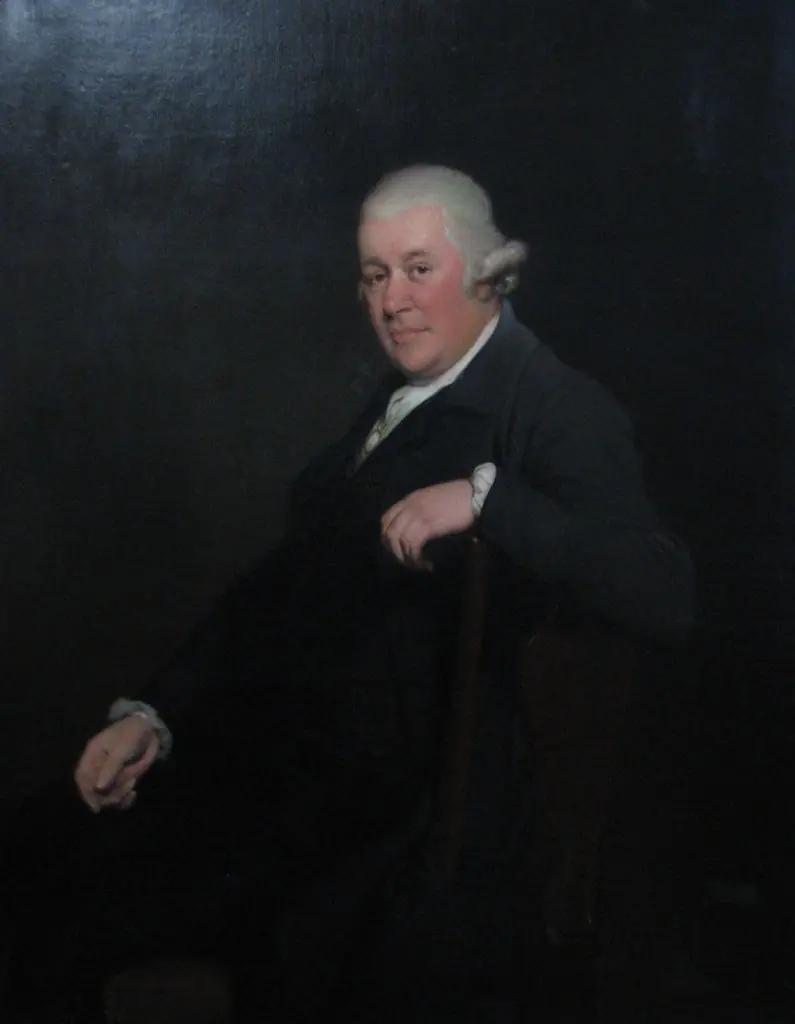 Reverend Basil Bury Beridge
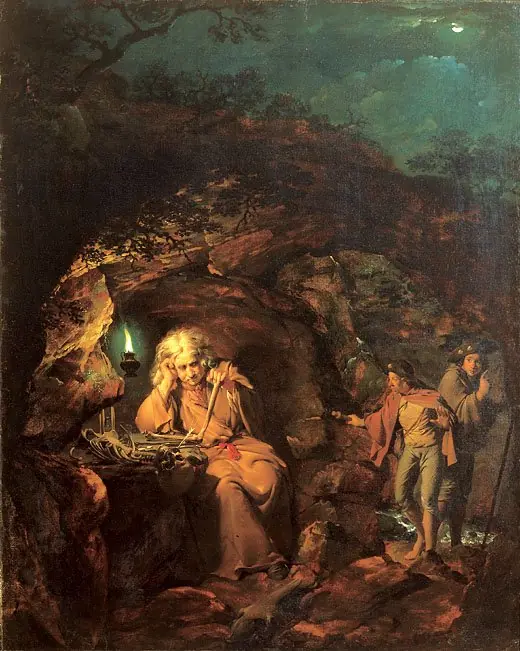 A Philosopher by Lamplight
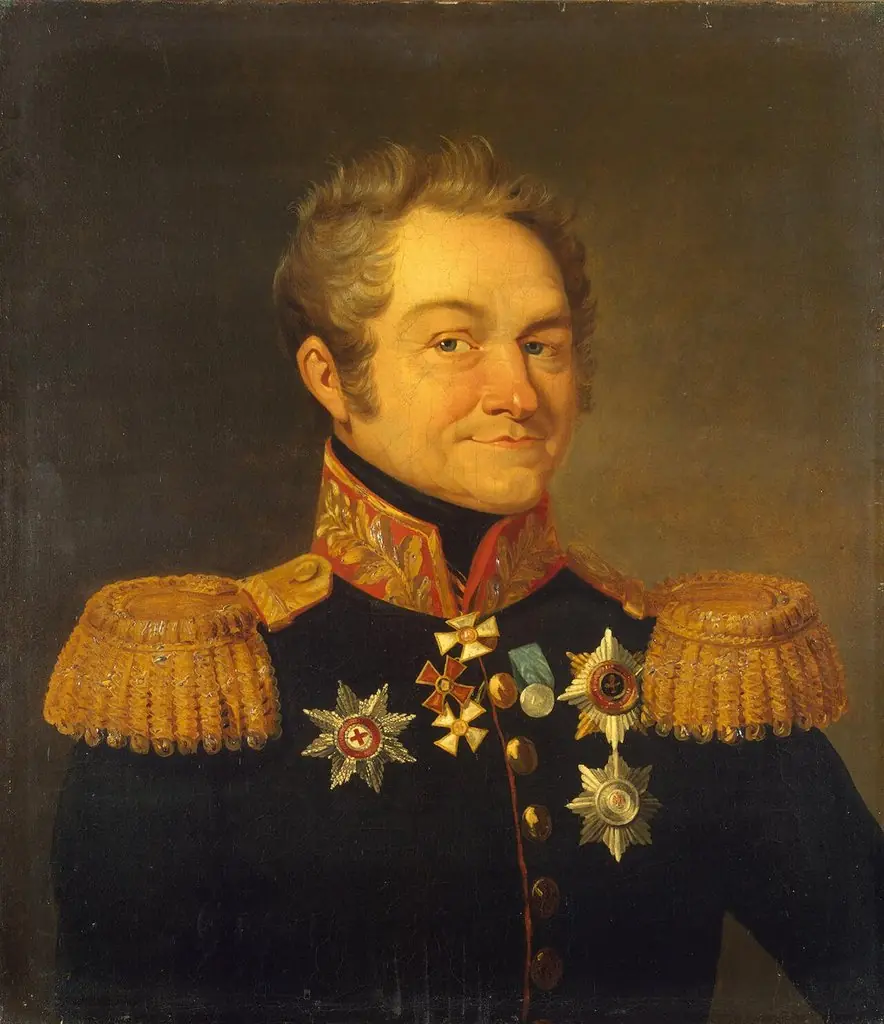 Portrait of Alexander B. Fock (1763-1825)
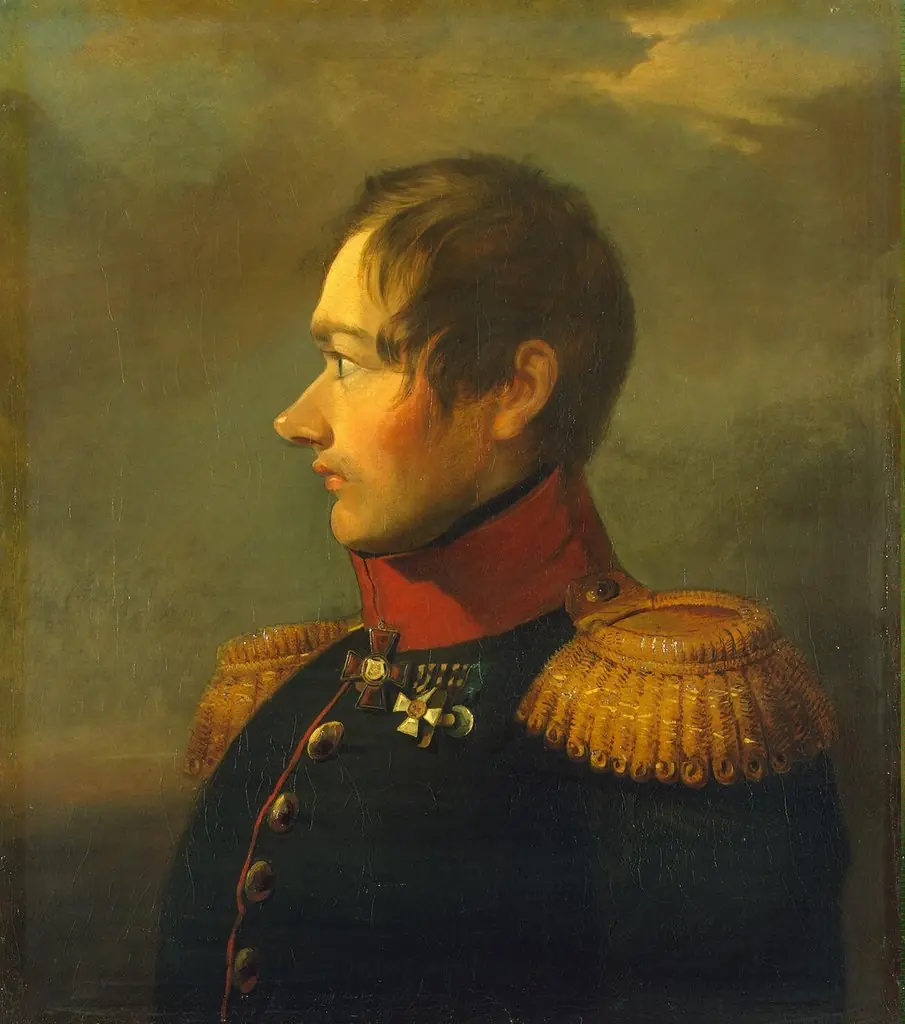 Portrait of Fyodor A. Lindfors (1760-1813)
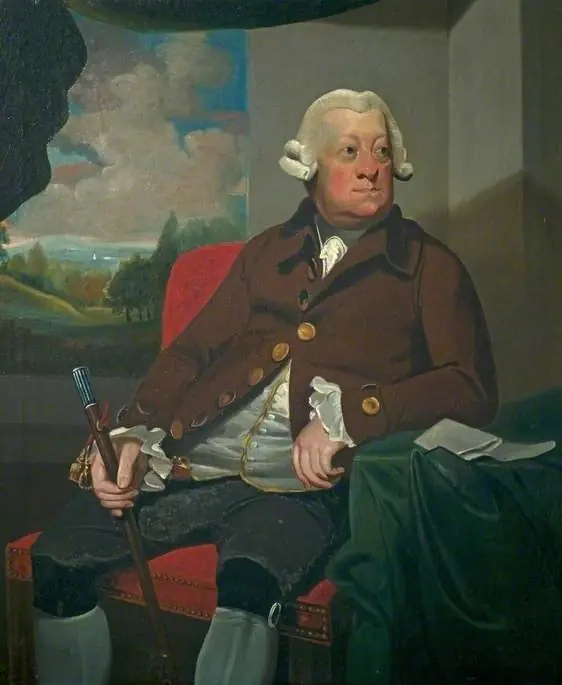 Lord George Augustus Cavendish (d.1794)
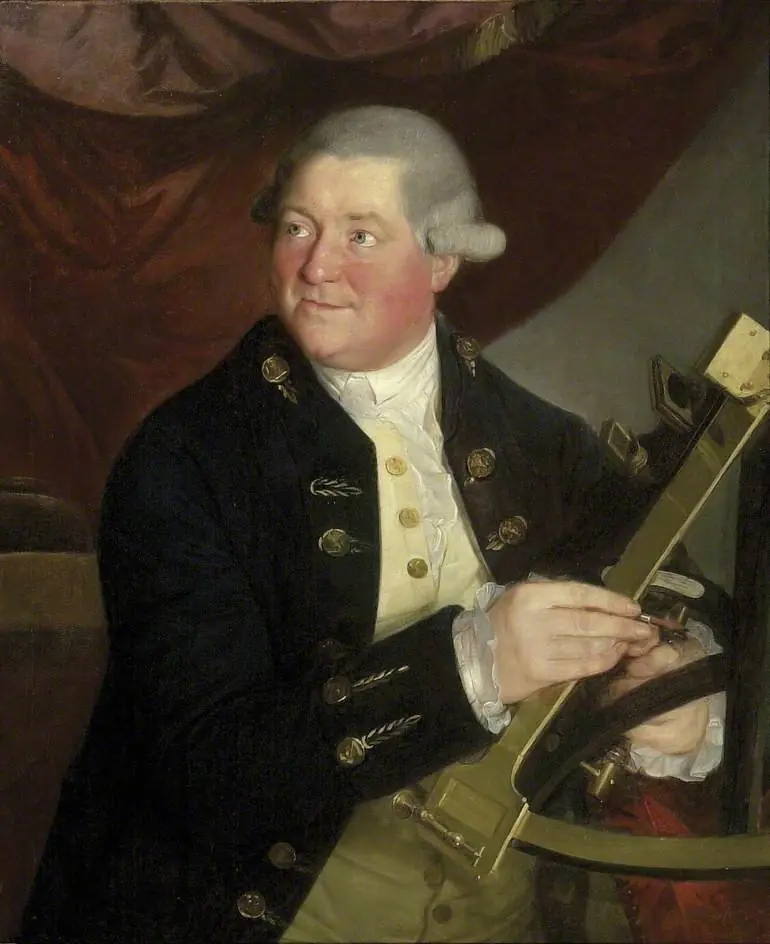 Captain William Hall
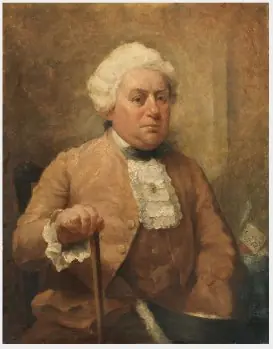 Portrait of C.H. Granby as Sir Peter Teazle in 'The School for Scandal'
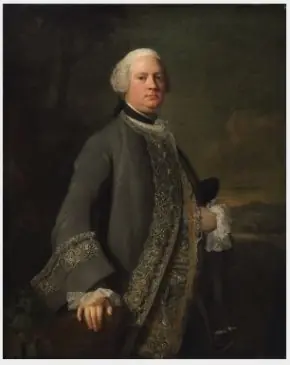 Portrait of Sir John Tyrell, Bt.
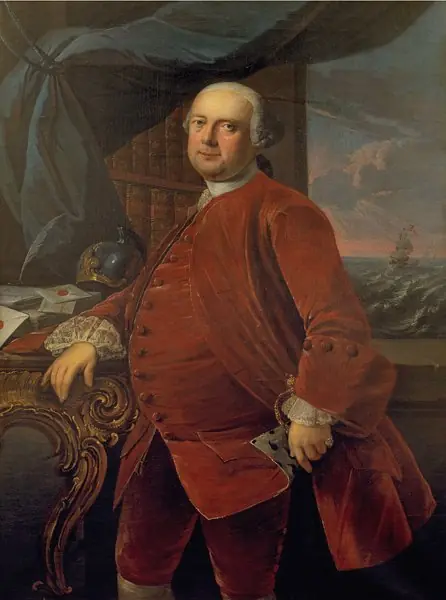 Postmester Frederik Carl Harboe (?)
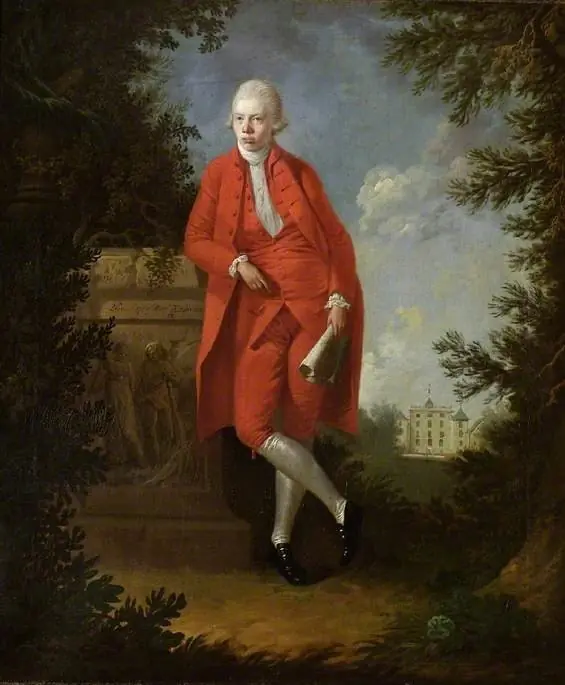 Young man in red
 Edward Thelwall
 Mr Suett as Dicky Gossip in 'My Grandmother'
 Portrait of James Quin (1693-1766), Actor
 Postmester Frederik Carl Harboe (?)