Artwork
Captain William Hall
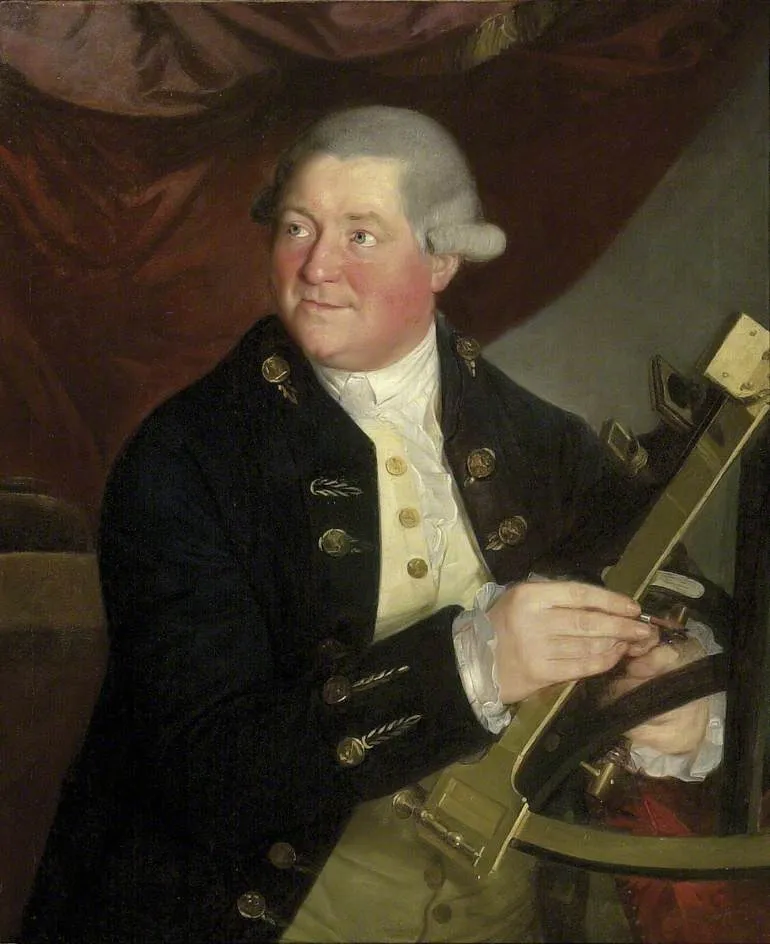
Captain William Hall is an oil painting by the Rococo painting artist Johann Zoffany. It dates from 1792 and is held in the collection of the Ashmolean Museum.
About this work
The painting features a man dressed in a black coat with gold buttons, paired with a white shirt and a white cravat.
The painting features a man dressed in a black coat with gold buttons, paired with a white shirt and a white cravat. He is holding a navigational instrument, possibly a sextant or an octant, in his left hand. The background of the painting is a dark red curtain.
The man's attire and the navigational instrument suggest that he is a naval officer. The painting's style and the subject's clothing indicate that it was created in the 18th century.
To learn more about the artist who created this portrait, look up Johann Zoffany.
Overview
Johann Zoffany painted Captain William Hall in 1792 using oil on canvas. The work belongs to the Ashmolean Museum’s collection and reflects the artist’s engagement with British naval portraiture during his time in England. Though Zoffany is often associated with Neoclassicism, this piece displays a more intimate, decoratively refined approach characteristic of late 18th-century British elite portraiture.
Subject & Meaning
The sitter, Captain William Hall, is depicted as a naval officer in formal attire: a black coat with gold buttons, white shirt, and cravat. He holds a navigational instrument—likely a sextant or octant—signaling his professional expertise. The pose and accoutrements convey authority and competence without overt symbolism, emphasizing his role within the Royal Navy during a period of maritime expansion.
Technique & Style
Zoffany renders the figure with precise detail, particularly in the textures of fabric and metal. The dark red curtain behind him creates a dramatic, theatrical backdrop, focusing attention on the subject. Brushwork is controlled yet expressive, blending Rococo elegance with the restrained realism typical of British portraiture. The lighting is soft, enhancing the three-dimensionality of the figure without theatricality.
History & Provenance
Commissioned during Zoffany’s years in England, the portrait entered the Ashmolean Museum’s collection in the 19th century. Its provenance traces back to the Hall family, suggesting it was painted for private display before institutional acquisition. No records indicate public exhibition prior to its museum placement, reinforcing its role as a personal commemoration rather than a state commission.
Context
Painted during the height of Britain’s naval power, the portrait reflects the cultural value placed on naval officers following conflicts like the American Revolutionary War. Zoffany, a German artist who worked across Europe and India, brought continental training to British commissions. His portraits of military figures helped shape the visual identity of the officer class in late Georgian society.
Legacy
The portrait remains a representative example of Zoffany’s British portraiture, illustrating how personal identity and professional status were visually negotiated in the 18th century. While not widely reproduced, it contributes to scholarly understanding of how naval officers were portrayed outside formal state imagery, offering insight into the quieter, domestic dimensions of military life.
Artist & collection
Artist
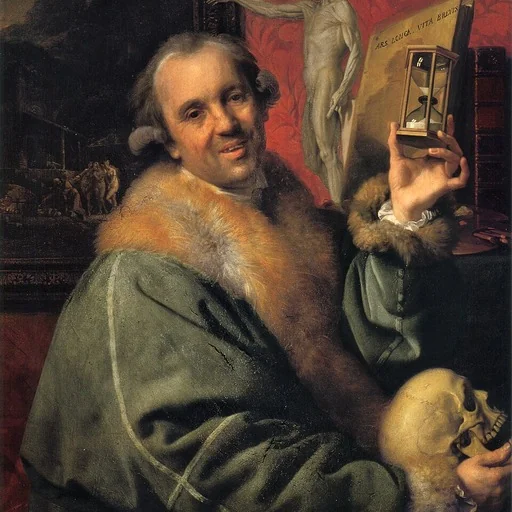
Johan / Johann Joseph Zoffany (born Johannes Josephus Zaufallij; 13 March 1733 – 11 November 1810) was a German neoclassical painter who was active mainly in England, Italy, and India.

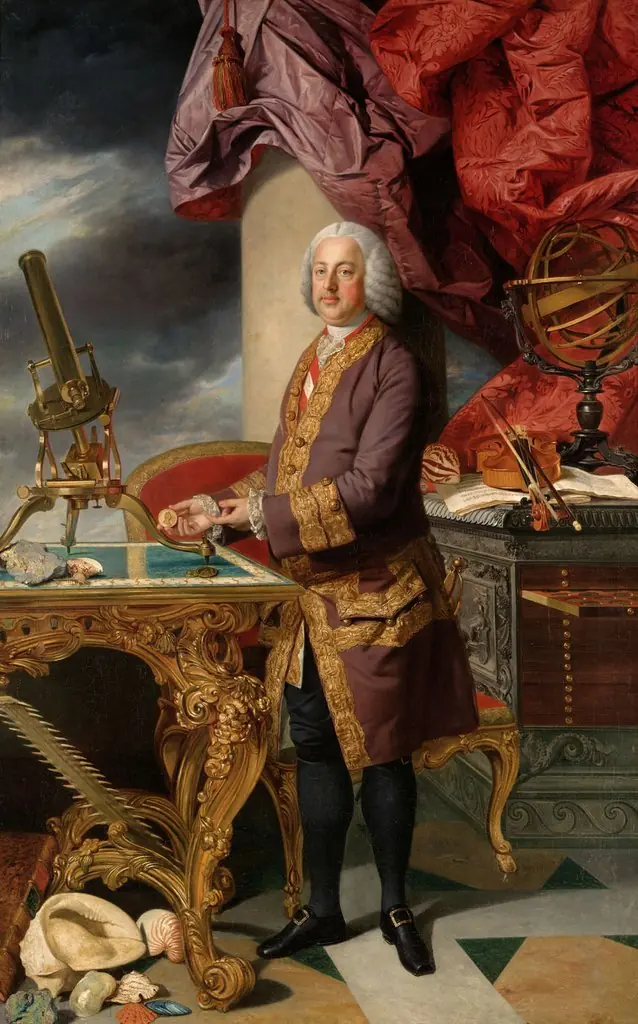 François Ier du Saint-Empire et sa collection d'histoire naturelle
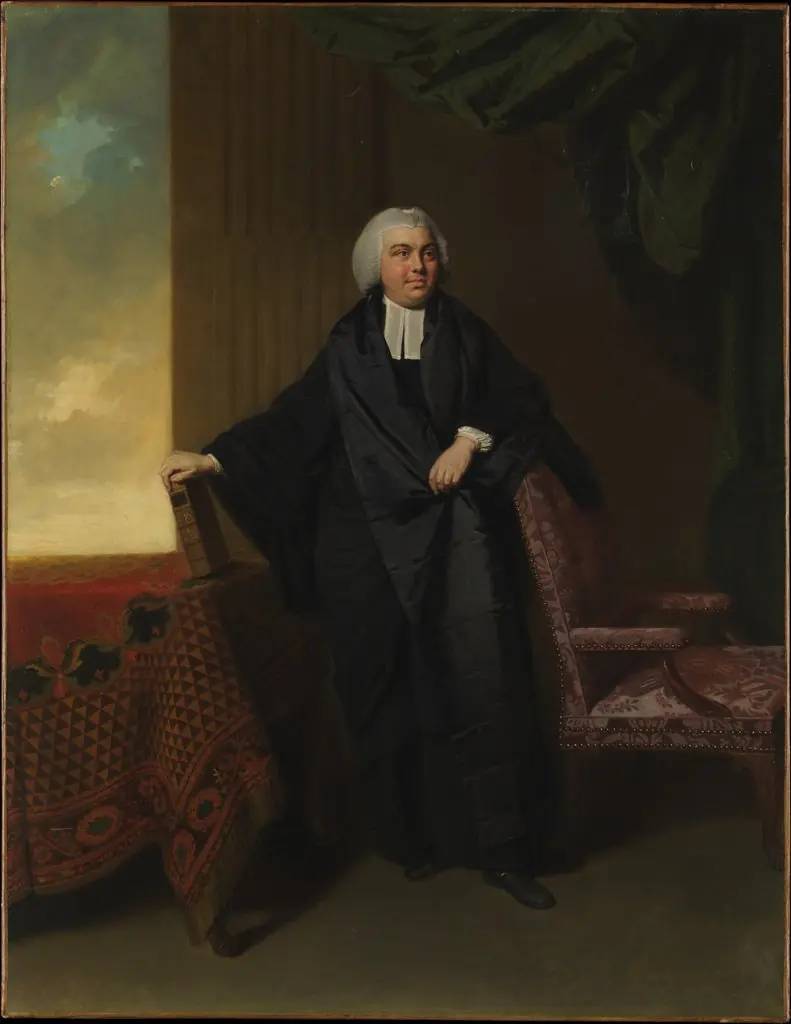 The Reverend Philip Cocks (1735–1797)
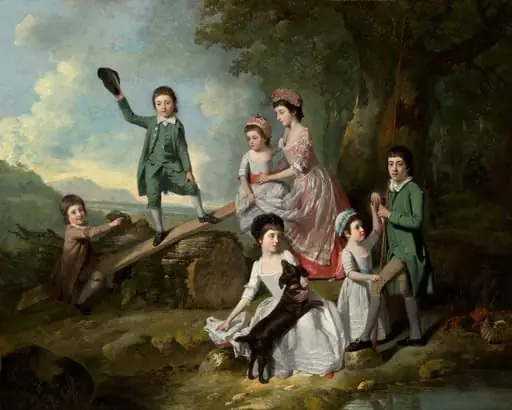 The Lavie Children
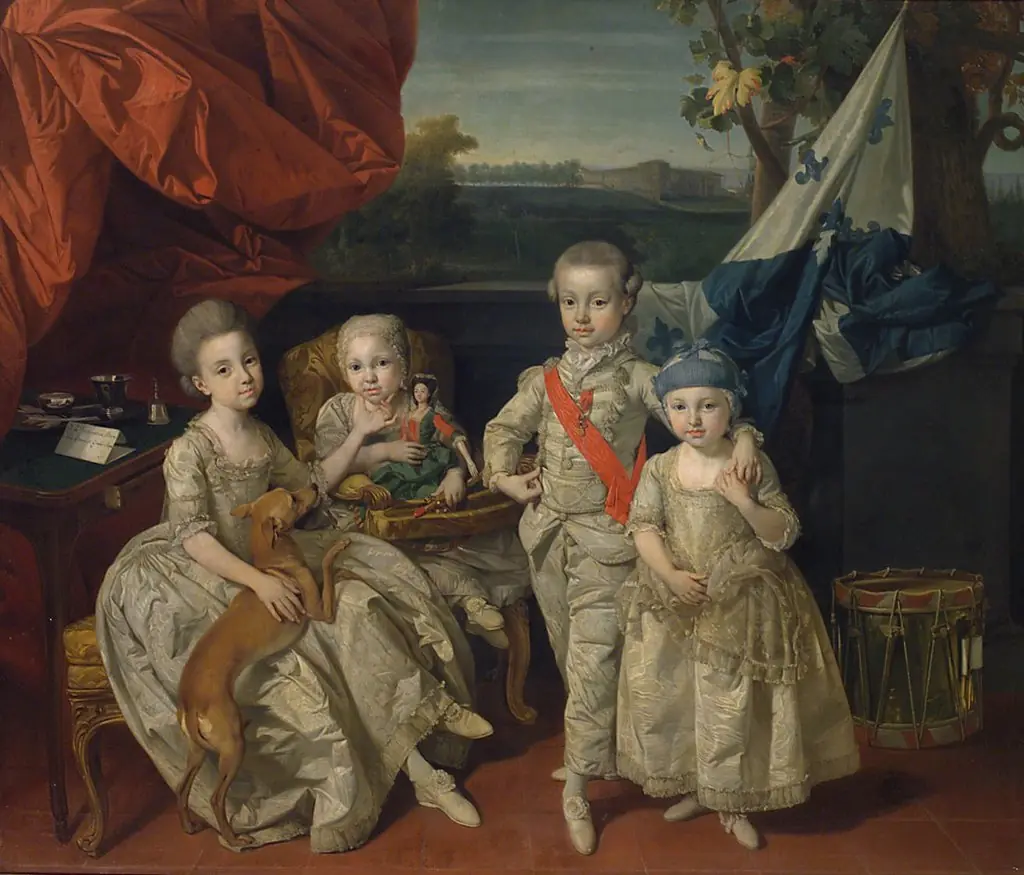 Prinz Ludwig von Parma (1773-1803) mit seinen drei ältesten Geschwistern Karoline (1770-1804), Marie Antonie (1774-1841) und Charlotte (1777-1813)
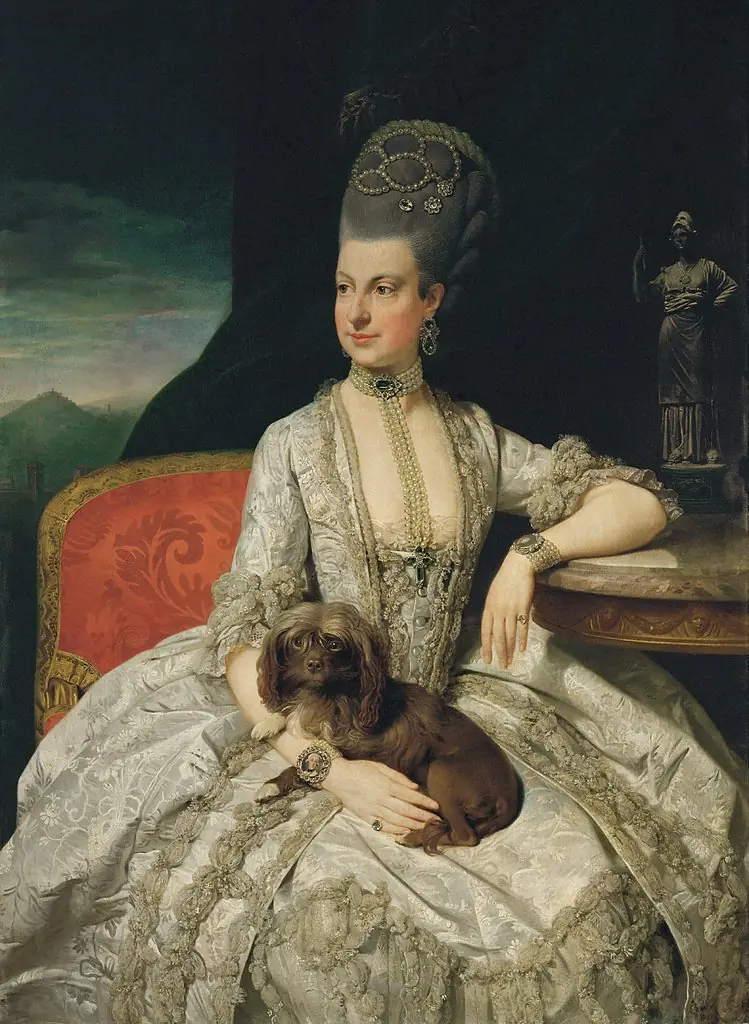 Archduchess Maria Christina, Duchess of Teschen, (1742-1798)
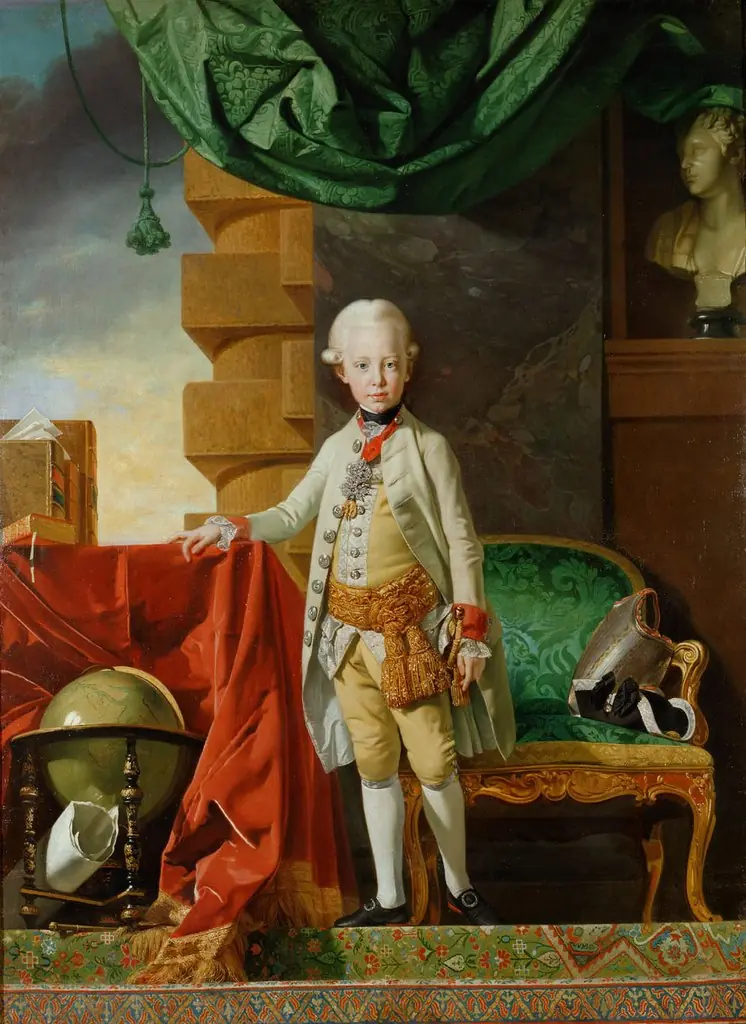 Portrait of Francis of Austria (1768-1835)
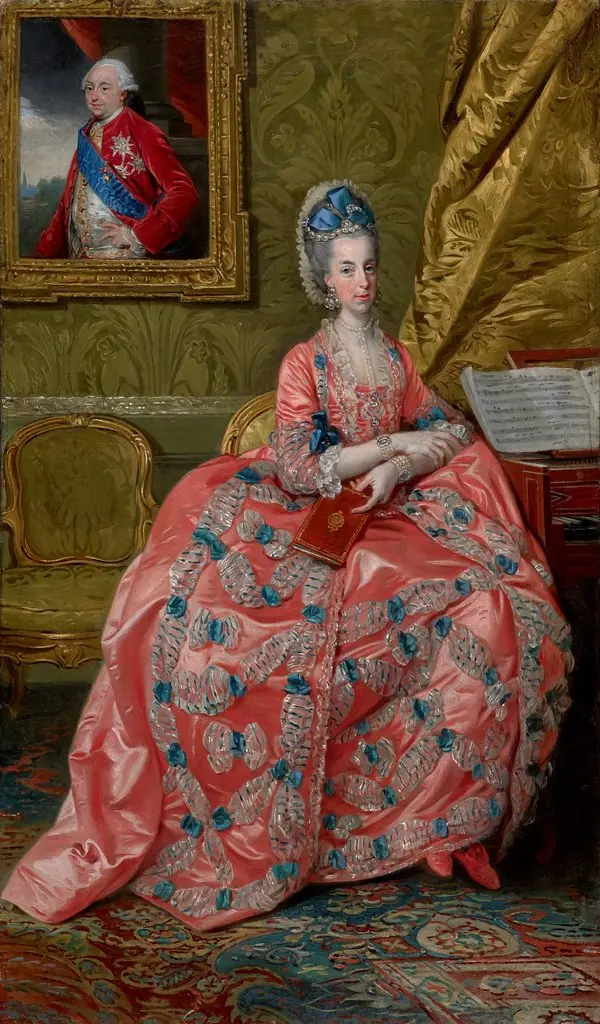 Portrait of the Archduchess Maria Amalia of Austria, Duchess of Parma
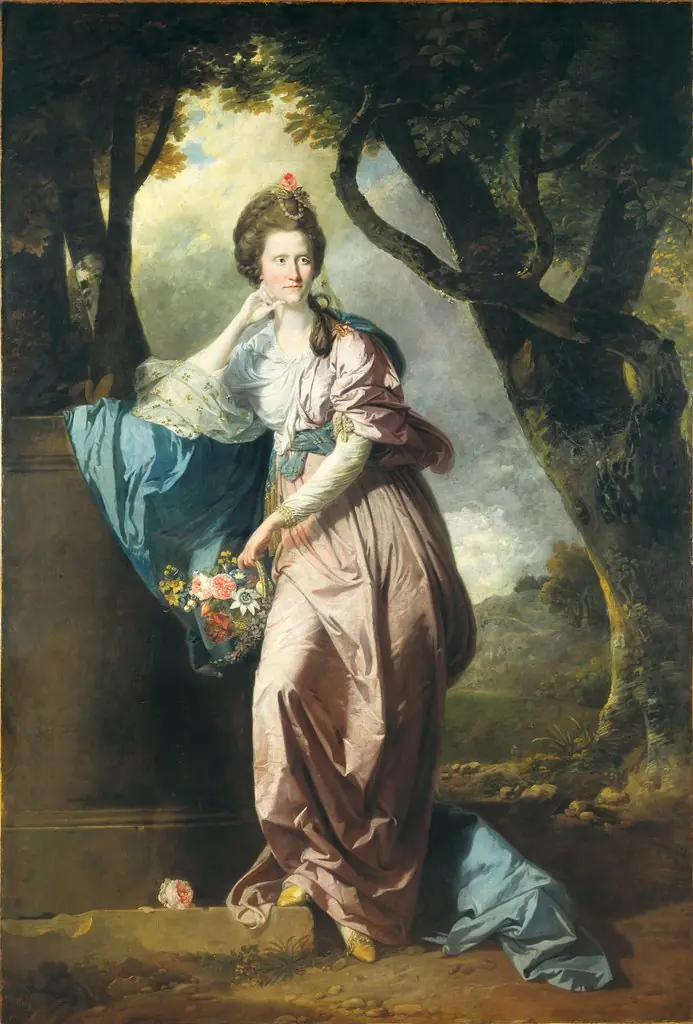 Mrs Woodhull
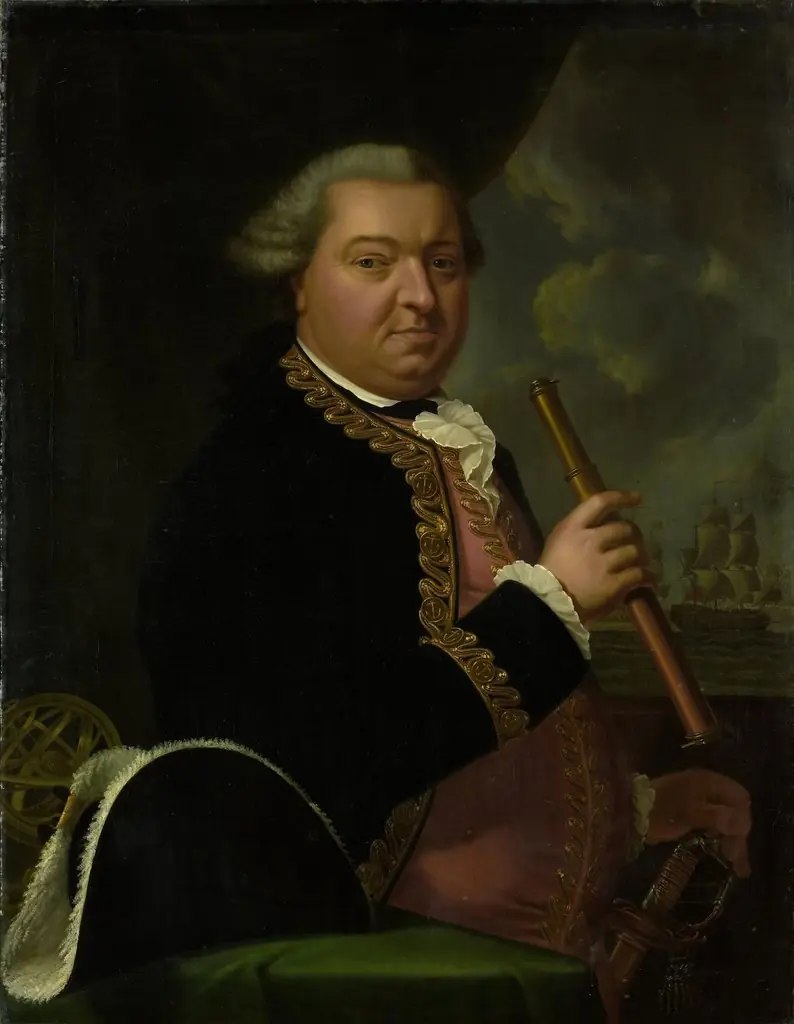 Willem Crul
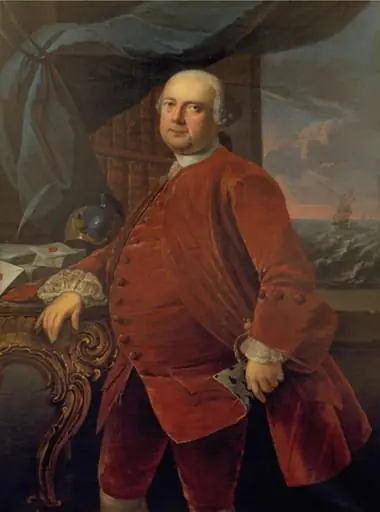 Postmester Frederik Carl Harboe (?)
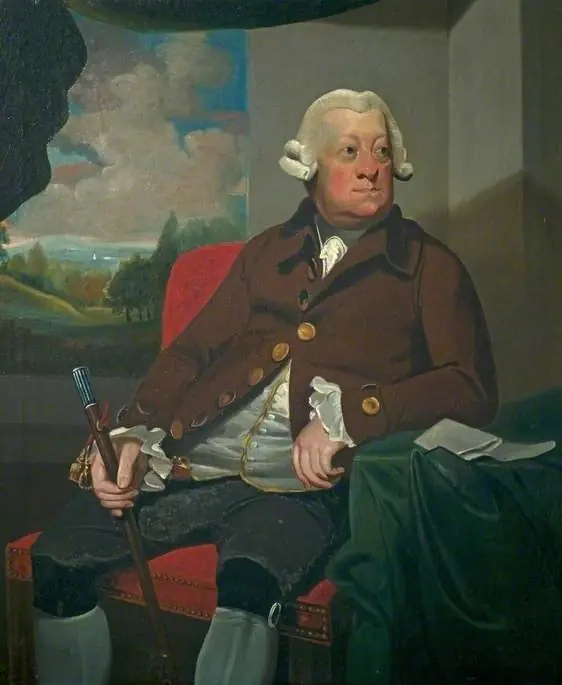 Lord George Augustus Cavendish (d.1794)
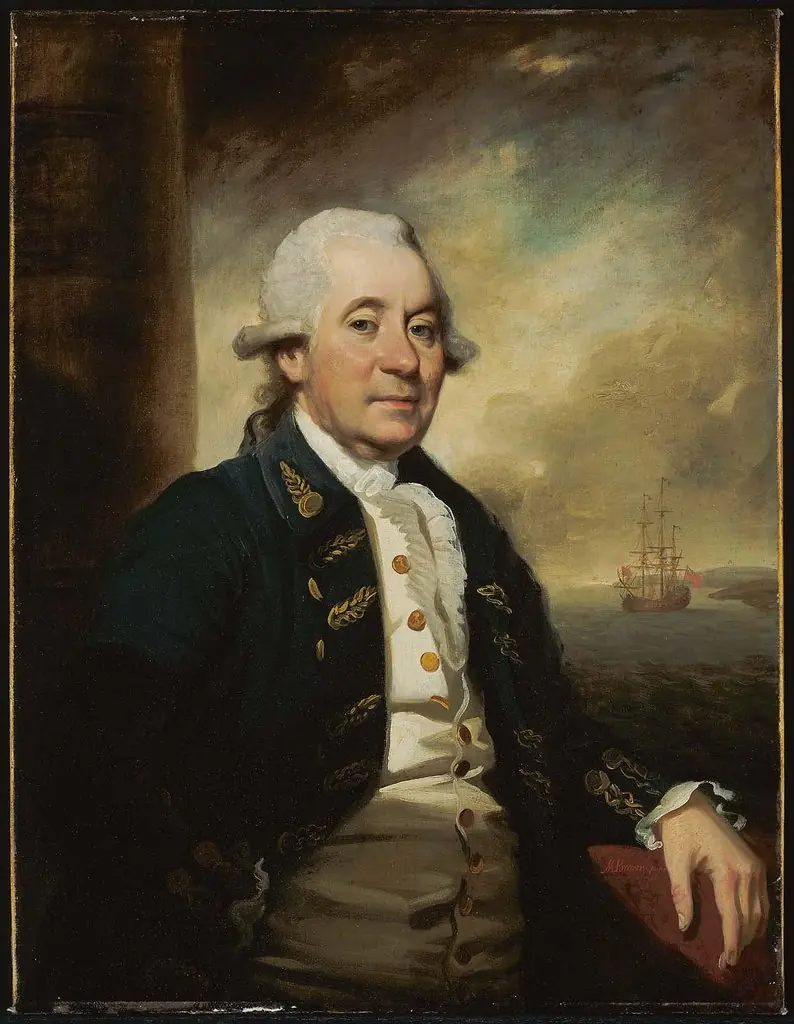 A Commander in the East India Company
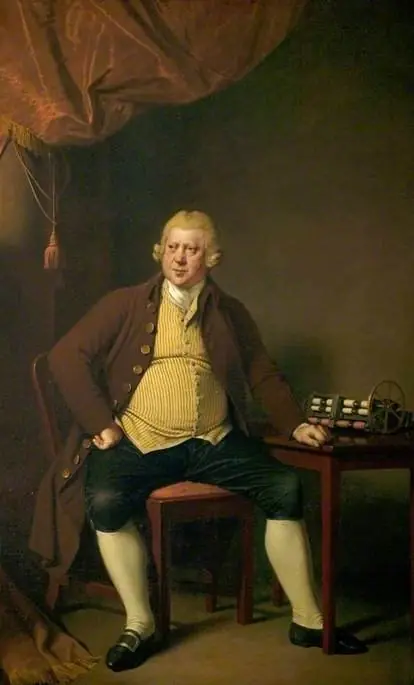 Sir Richard Arkwright (1732–1792)
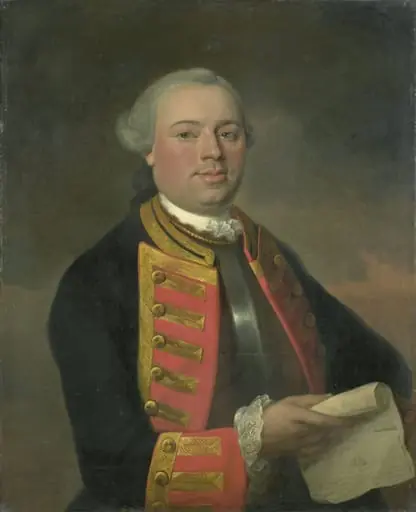 Johan Arnold Zoutman (1724-93), Vice Admiral
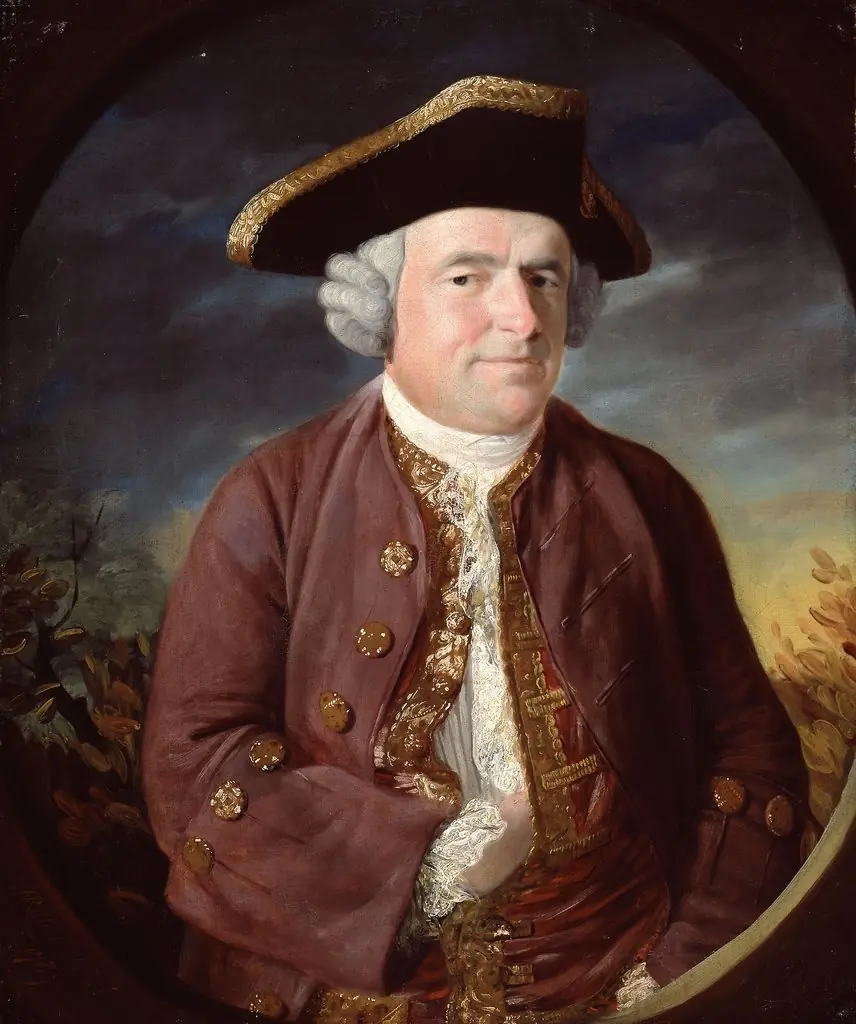 Portrait of a Man in a Tricorn Hat
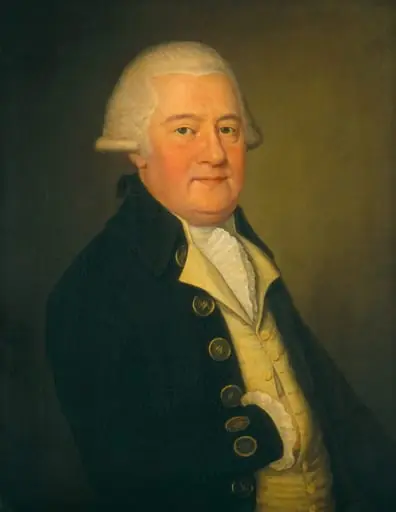 Portrait of a Quaker
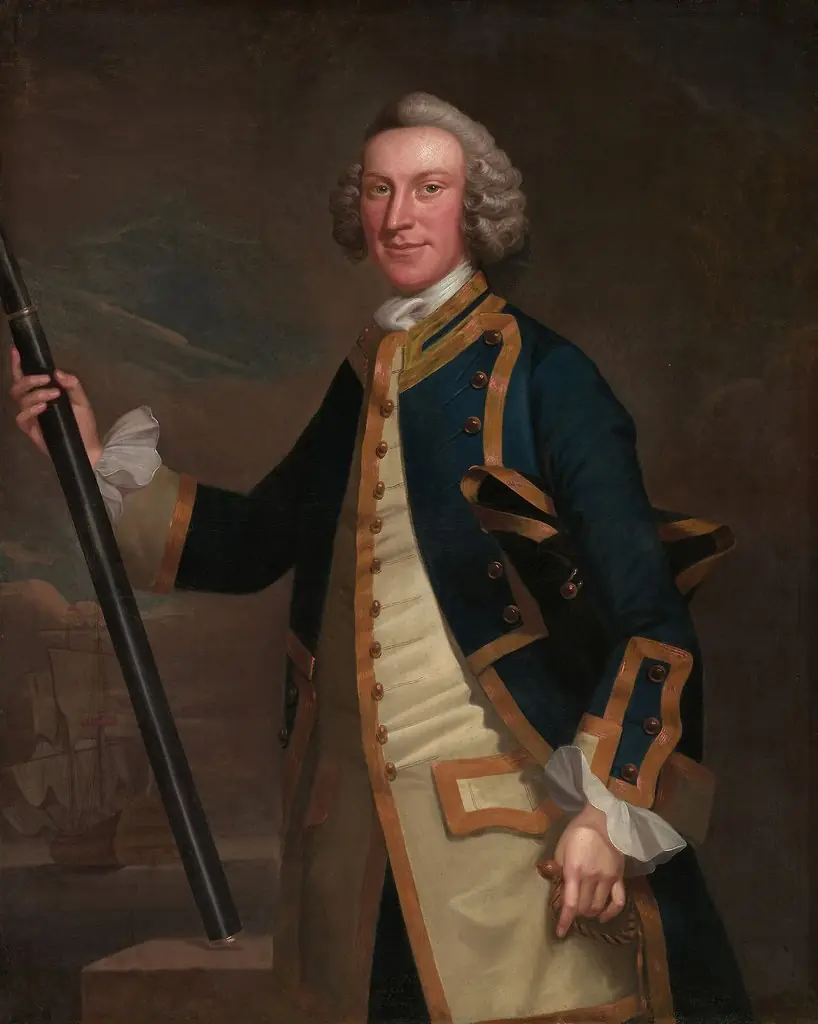 Portrait of a Naval Officer
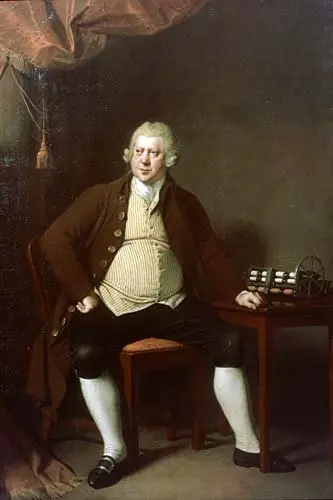 Richard Arkwright (1732–1792), English inventor
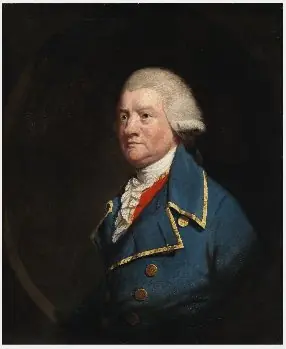 Portrait of a Man
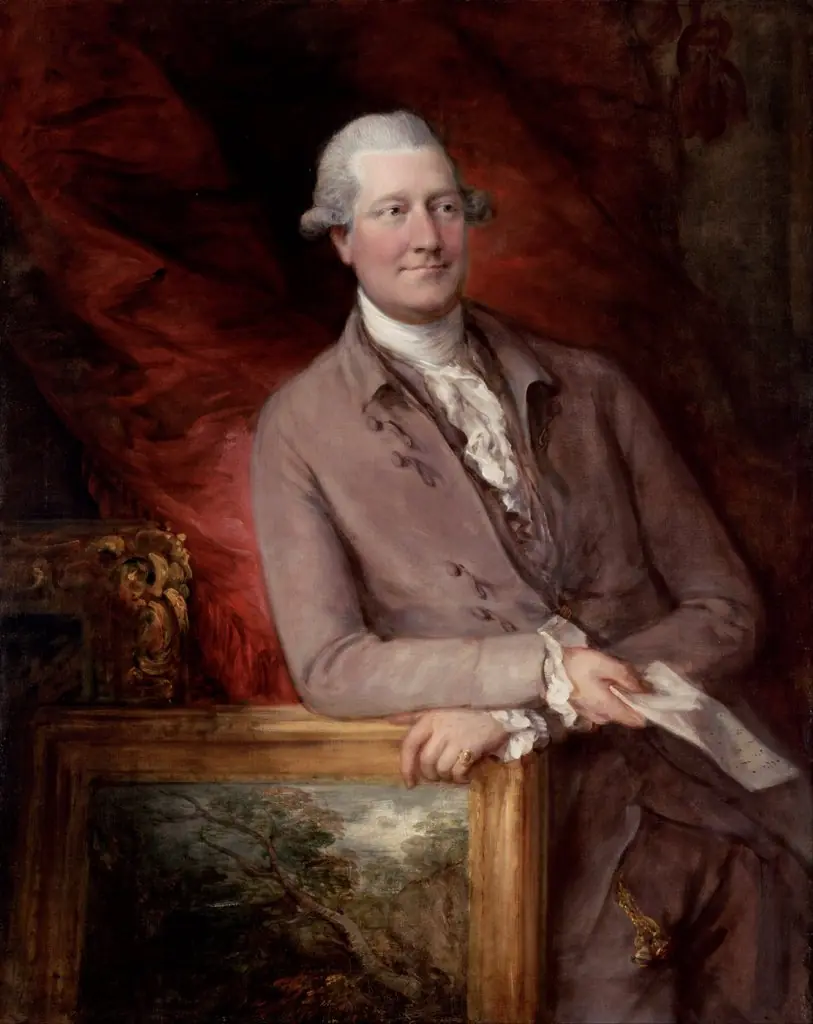 Portrait of James Christie (1730 - 1803)