Artwork
Portrait of Charles Coote, 1st Earl of Bellamont (1738-1800), in Robes of the Order of the Bath
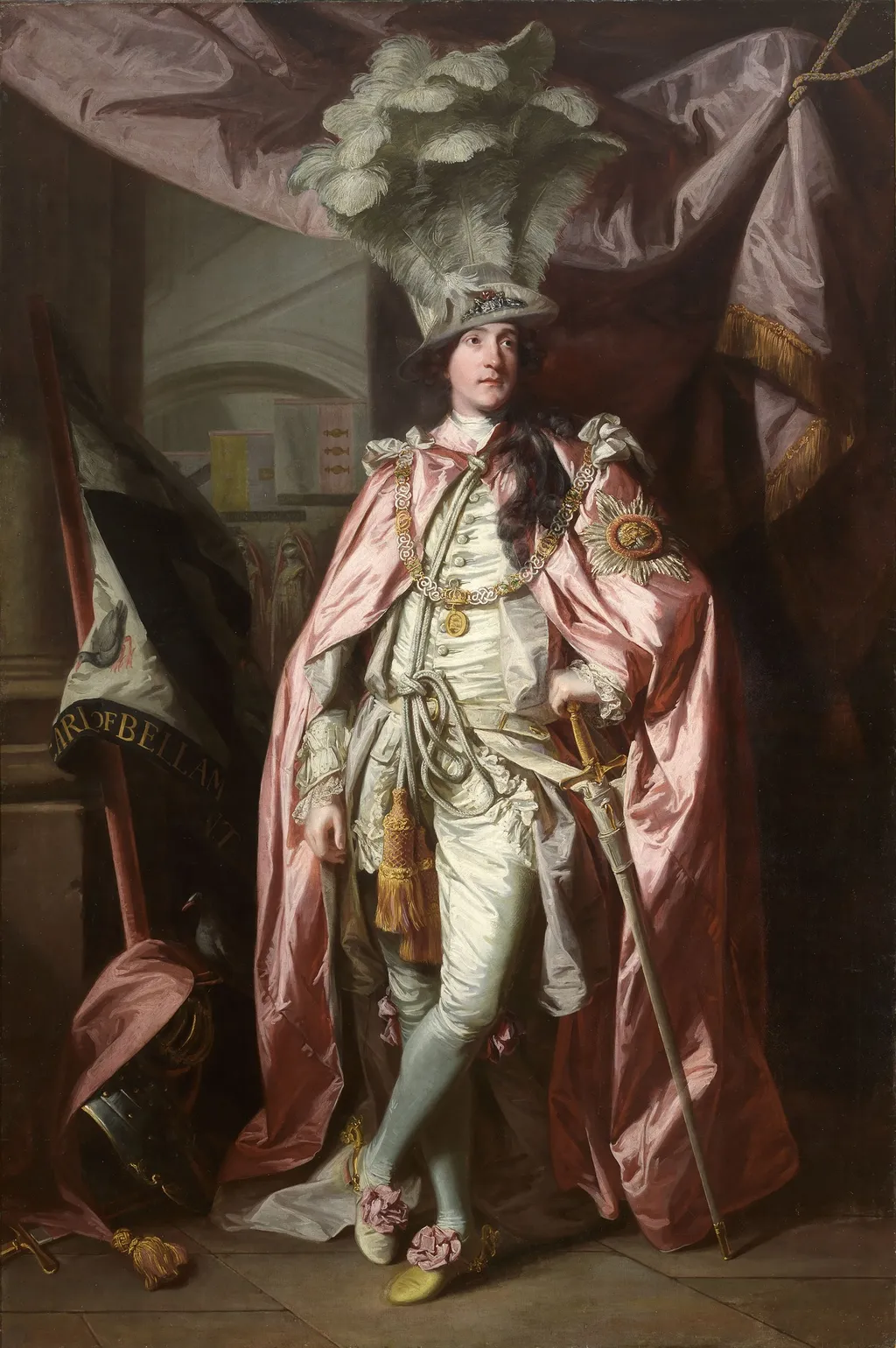
Portrait of Charles Coote, 1st Earl of Bellamont (1738-1800), in Robes of the Order of the Bath is an oil painting by the Rococo painting artist Joshua Reynolds. It dates from 1773 and is held in the collection of the National Gallery of Ireland.
About this work
Reynolds also slipped a little bird—a coot—into the background as a playful nod to Coote’s name.
Portrait of Charles Coote, 1st Earl of Bellamont (1738‑1800), in Robes of the Order of the Bath is a full‑length oil portrait by Joshua Reynolds, painted in 1773. The work shows the Irish aristocrat in ceremonial robes and an ostrich‑plumed hat, leaning on his sword in a relaxed pose that recalls the style of Anthony van Dyck. Reynolds also slipped a little bird—a coot—into the background as a playful nod to Coote’s name.
If you’re curious about more works by the same hand, check out the artist: Joshua Reynolds.
Overview
Painted in 1773, this full-length oil portrait by Joshua Reynolds captures Charles Coote, 1st Earl of Bellamont, in the ceremonial attire of the Order of the Bath. The composition follows the grand manner tradition, emphasizing aristocratic presence through pose and dress. Reynolds, a leading British portraitist, rendered the subject with a blend of formality and casual elegance, aligning with the sitter’s public image.
Subject & Meaning
Charles Coote, an Irish peer and politician, is portrayed not merely as a nobleman but as a figure of personal notoriety—known for his vanity and romantic indiscretions. The relaxed stance, sword at rest, and ornate robes suggest a cultivated self-image, one that leans into aristocratic performance. The inclusion of a coot, a waterbird, subtly alludes to his surname, turning identity into visual wordplay.
Technique & Style
Reynolds employed the grand manner, drawing from the compositional grace of Anthony van Dyck to elevate the sitter’s stature. The flowing robes, rich textures, and soft lighting create a sense of dignified ease. The background, though minimally detailed, holds the coot as a quiet jest, contrasting the formality of the foreground. Brushwork is refined yet unobtrusive, prioritizing presence over theatricality.
History & Provenance
Commissioned in 1773, the portrait was likely intended to affirm Coote’s status within British aristocratic circles. It remained in private collections for much of its history before entering public ownership. Its survival reflects both the artist’s reputation and the sitter’s enduring, if controversial, place in the social fabric of late 18th-century Britain.
Context
During the 1770s, British portraiture often merged personal identity with symbolic narrative. Reynolds, as president of the Royal Academy, championed this approach, blending classical references with contemporary character. Coote’s portrayal fits within a trend where aristocrats used art to negotiate reputation—balancing dignity with hints of personal eccentricity.
Legacy
The portrait endures as a nuanced example of Reynolds’ ability to encode social commentary within formal portraiture. The coot, though minor, exemplifies his wit and the era’s appetite for layered meaning. It remains a reference point in studies of identity, symbolism, and the intersection of personal reputation and public image in Georgian Britain.
Own this work as a print
Artist & collection
Artist
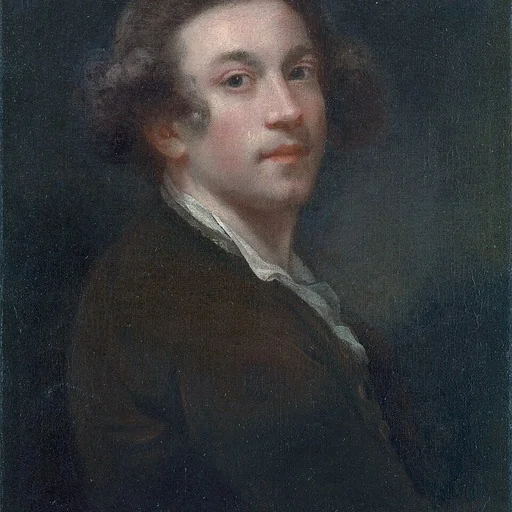
Sir Joshua Reynolds (16 July 1723 – 23 February 1792) was an English painter who specialised in portraits.

 Richard Grenville, 2nd Earl Temple
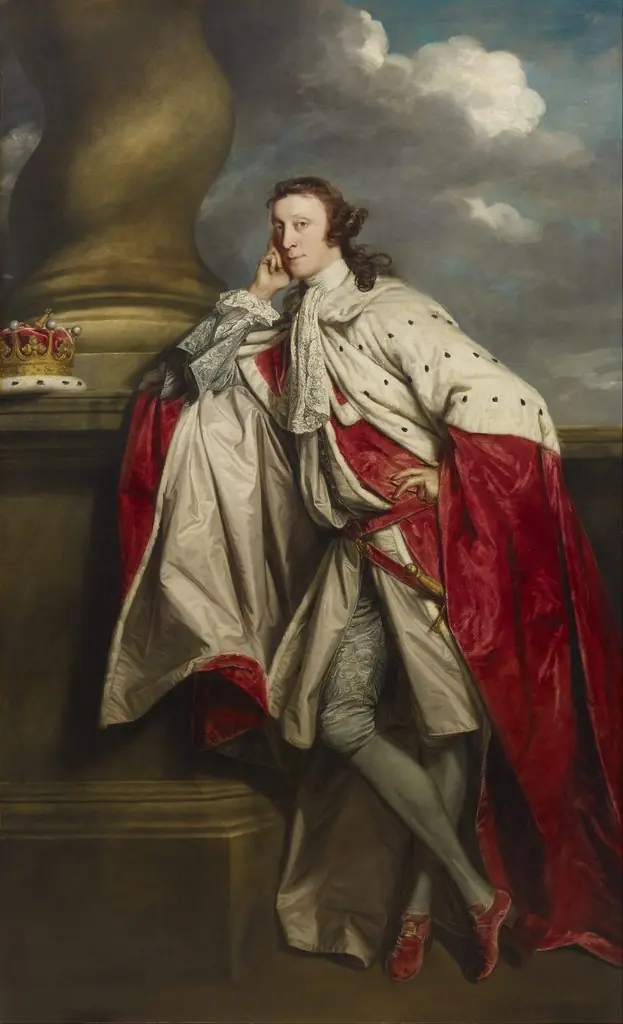 James Maitland, 7th Earl of Lauderdale
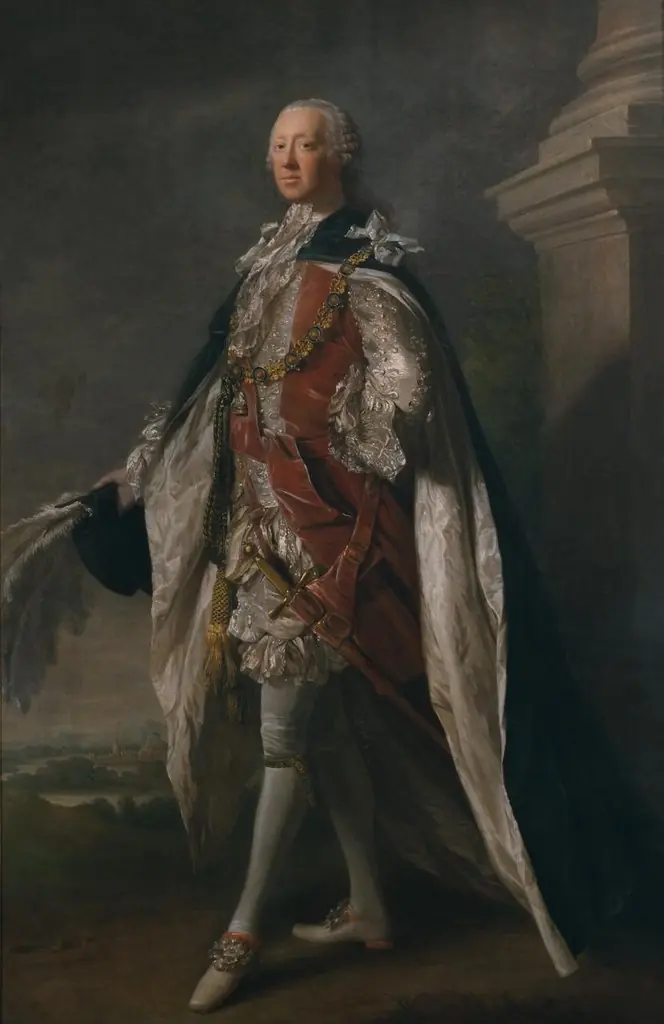
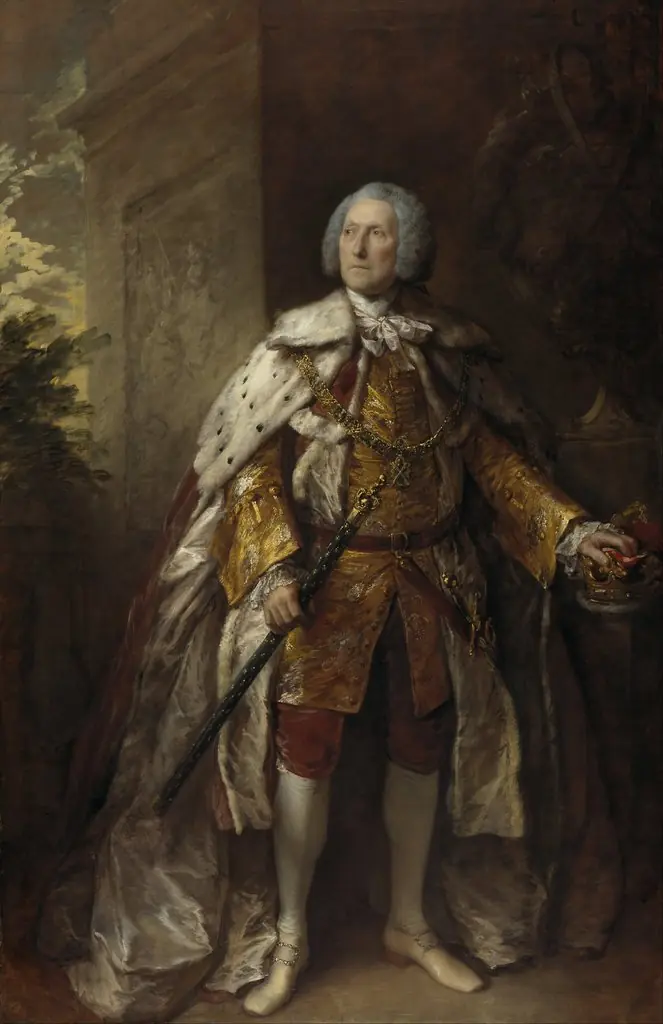 John Campbell, 4th Duke of Argyll
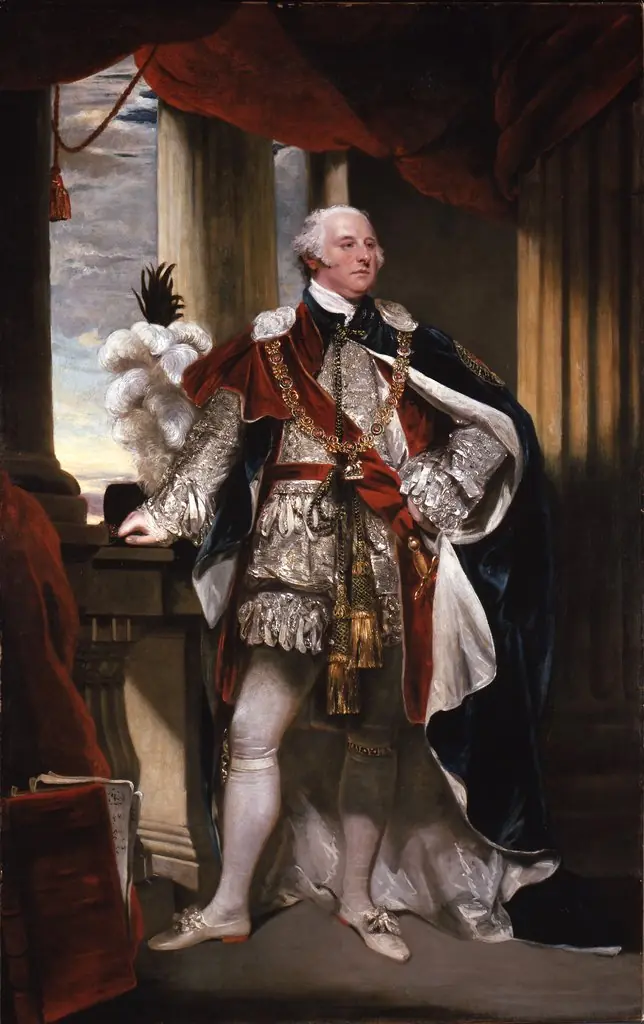 John Jeffreys Pratt, Second Earl and First Marquis Camden as Knight of the Order of the Garter
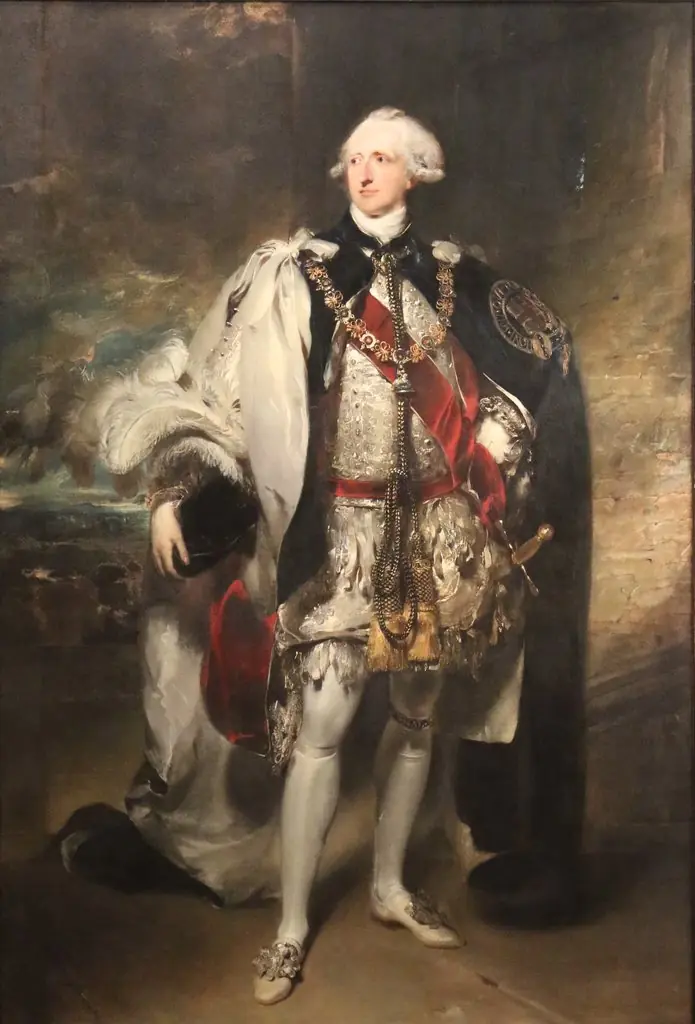 Francis Osborne, 5th Duke of Leeds
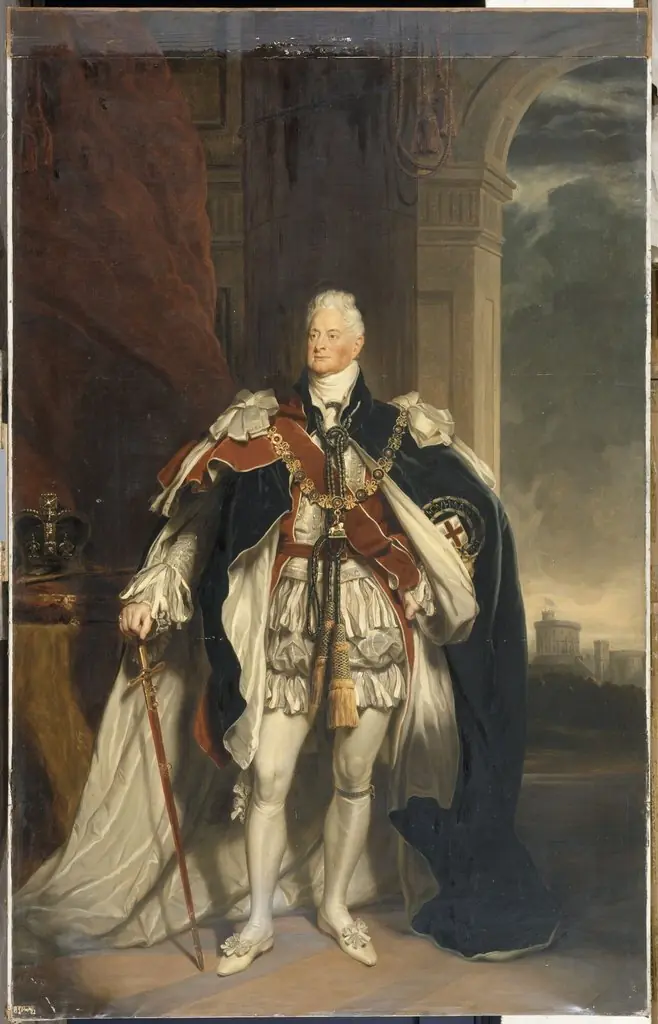 William IV, King of England (1765–1837)
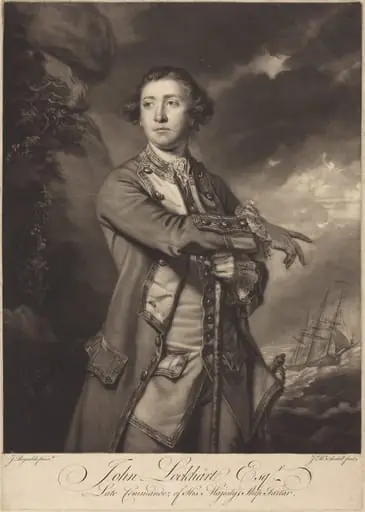 James Lockhart
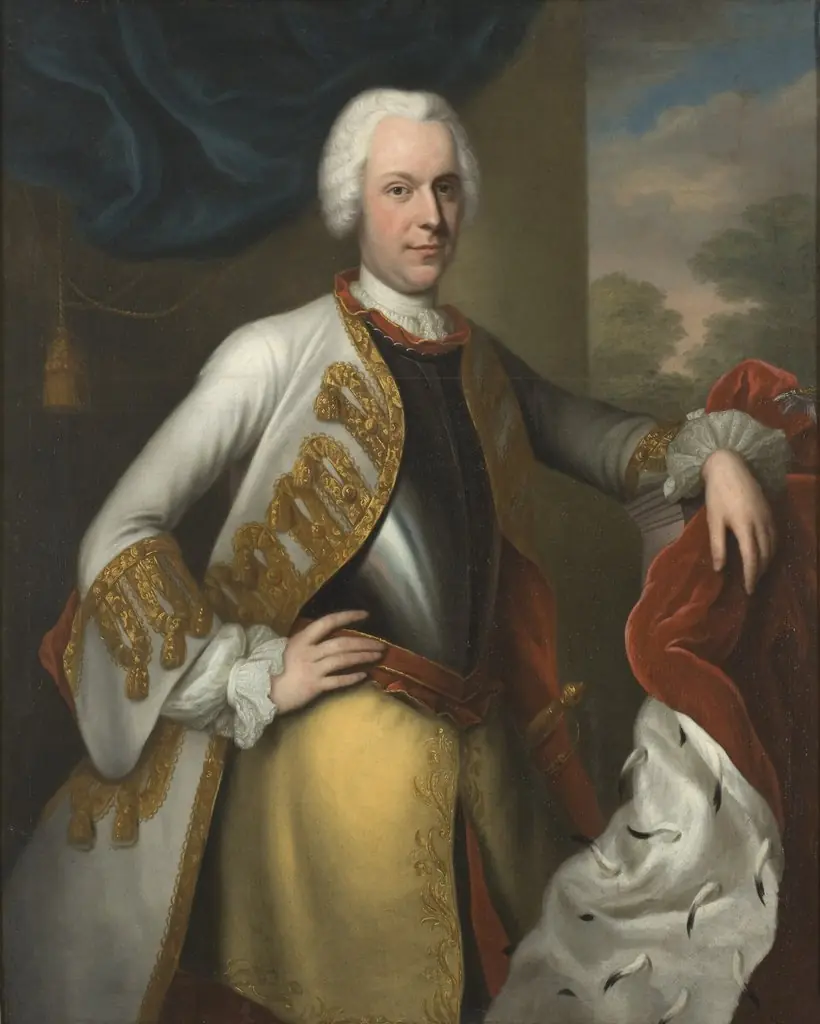 Adolf Fredrik (1710-1771), king of Sweden, duke of Holstein-Gottorp, prince bishop of Lübeck, married to Lovisa Ulrika of Prussia
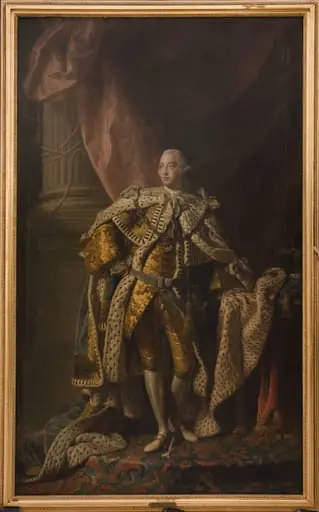 George III of England
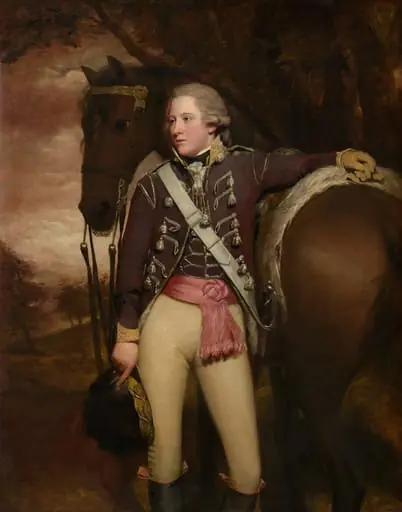 Captain Patrick Miller
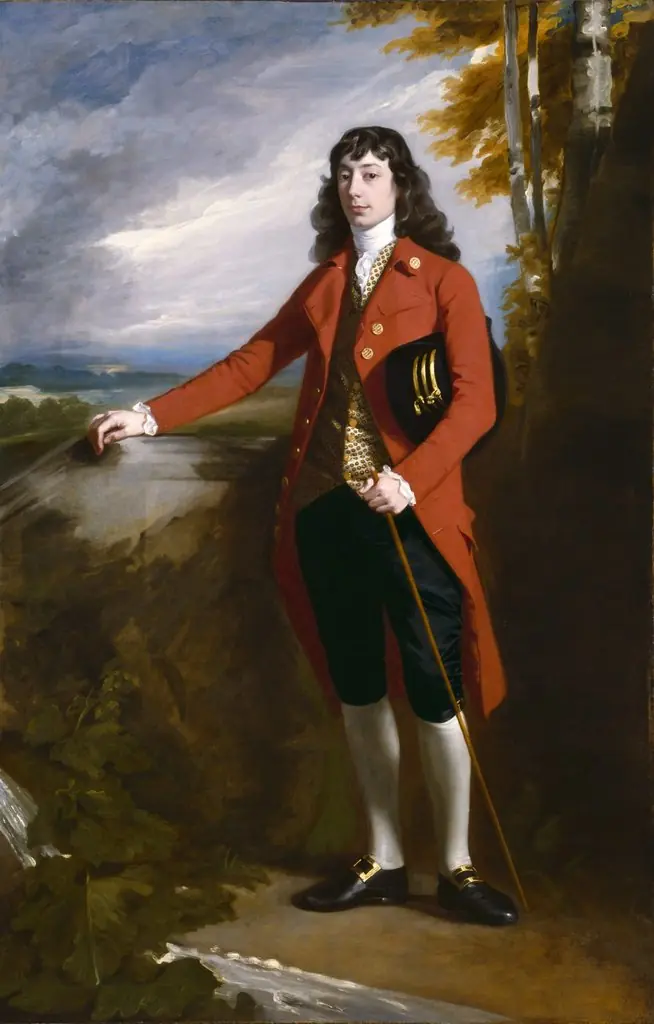 George Boone Roupell
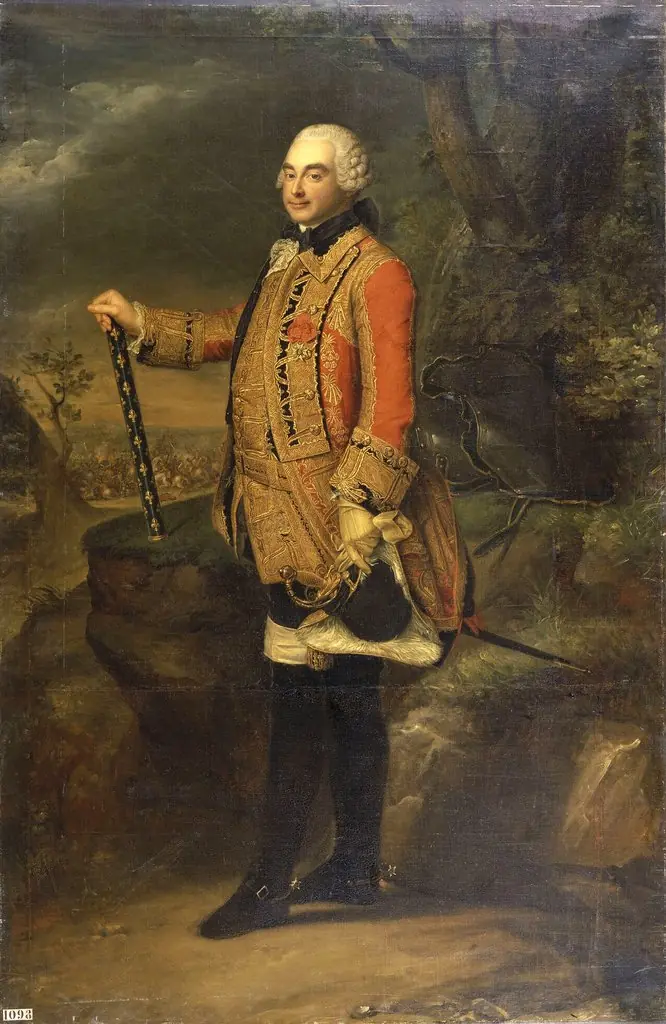 Portrait of Charles de Rohan, Prince of Soubise