Artwork
Portrait of a Man
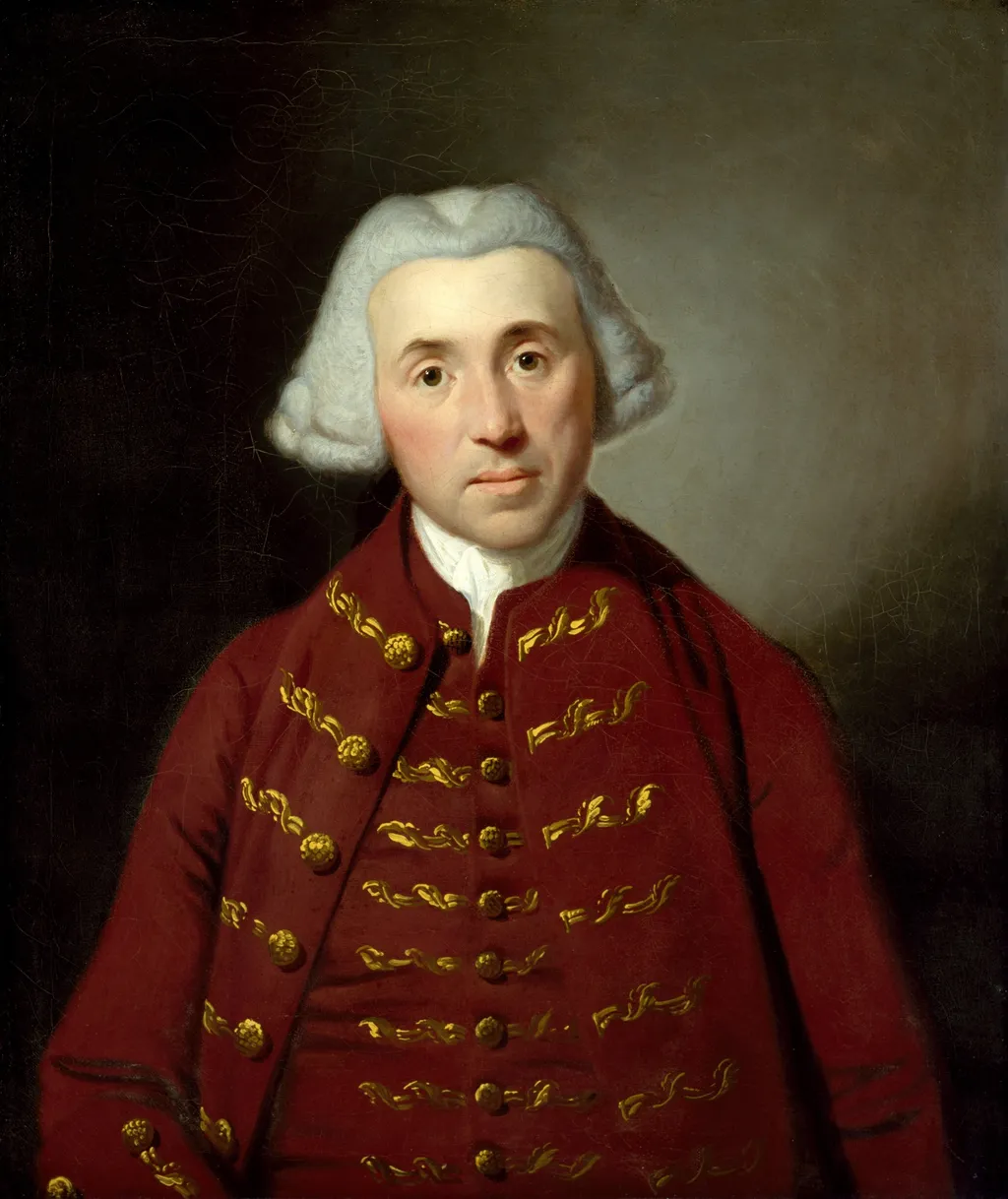
Portrait of a Man is an oil painting by the British Romanticist artist Tilly Kettle. It dates from 1770 and is held in the collection of the Museum of Fine Arts, Houston.
About this work
Overview
The painting is part of the Museum of Fine Arts, Houston’s collection, reflecting the transatlantic reach of 18th-century British artistic practice.
Painted around 1770 by the English artist Tilly Kettle, this oil portrait captures a man in formal attire against a dark, unobtrusive background. Kettle, known for his portraiture and later for his work in colonial India, employed traditional European techniques to convey presence and status. The painting is part of the Museum of Fine Arts, Houston’s collection, reflecting the transatlantic reach of 18th-century British artistic practice.
Subject & Meaning
The sitter is depicted in a red military-style coat adorned with gold embroidery and buttons, suggesting rank or official affiliation. His white hair and direct gaze convey authority and composure. The absence of identifying symbols or context leaves his exact identity uncertain, but the attire and posture imply a man of social standing, likely a British officer or colonial administrator during a period of imperial expansion.
Technique & Style
Kettle rendered the figure with precise brushwork, emphasizing texture in the fabric and the softness of aged skin. The dark background isolates the subject, focusing attention on facial expression and costume. Lighting is subtle but effective, modeling the contours of the face and highlighting metallic details on the jacket. The style aligns with late Georgian portraiture, prioritizing realism over theatricality.
History & Provenance
The painting was created during Kettle’s early career in Britain, before his move to India in the 1760s. Its provenance is not fully documented, but it entered the Museum of Fine Arts, Houston’s collection in the 20th century. The work exemplifies the type of portraiture produced for the British elite and military class, circulating within colonial networks before becoming part of institutional holdings.
Context
In the late 18th century, British portraiture served both personal and political functions, reinforcing social hierarchies through visual representation. Kettle’s work reflects the influence of Reynolds and other Royal Academy painters, adapting their conventions for a broader clientele. This portrait aligns with a trend of depicting military figures in civilian dress, blending martial identity with aristocratic refinement.
Legacy
Though Tilly Kettle is best remembered for his Indian commissions, this portrait illustrates his skill in capturing individual presence within established European norms. It remains a quiet example of how British artists documented the appearance and demeanor of colonial-era elites. The work contributes to understanding the visual culture of empire beyond its most celebrated figures.
Own this work as a print
Artist & collection
Artist
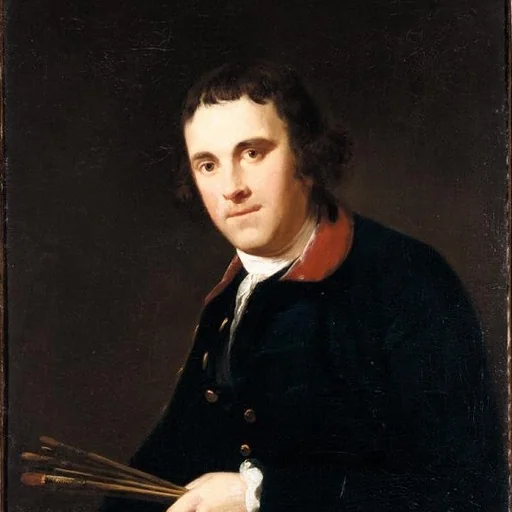
Tilly Kettle (1735 – 1786) was an English painter who specialised in portrait painting. He was the first British painter to operate in Colonial India.

 John Smith of Craigend (1739 - 1816)
 Luke White
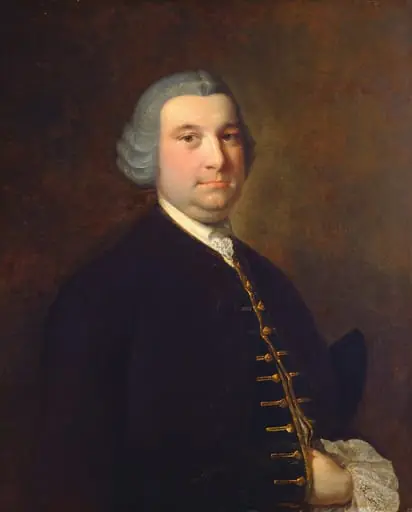 Portrait of a Gentleman
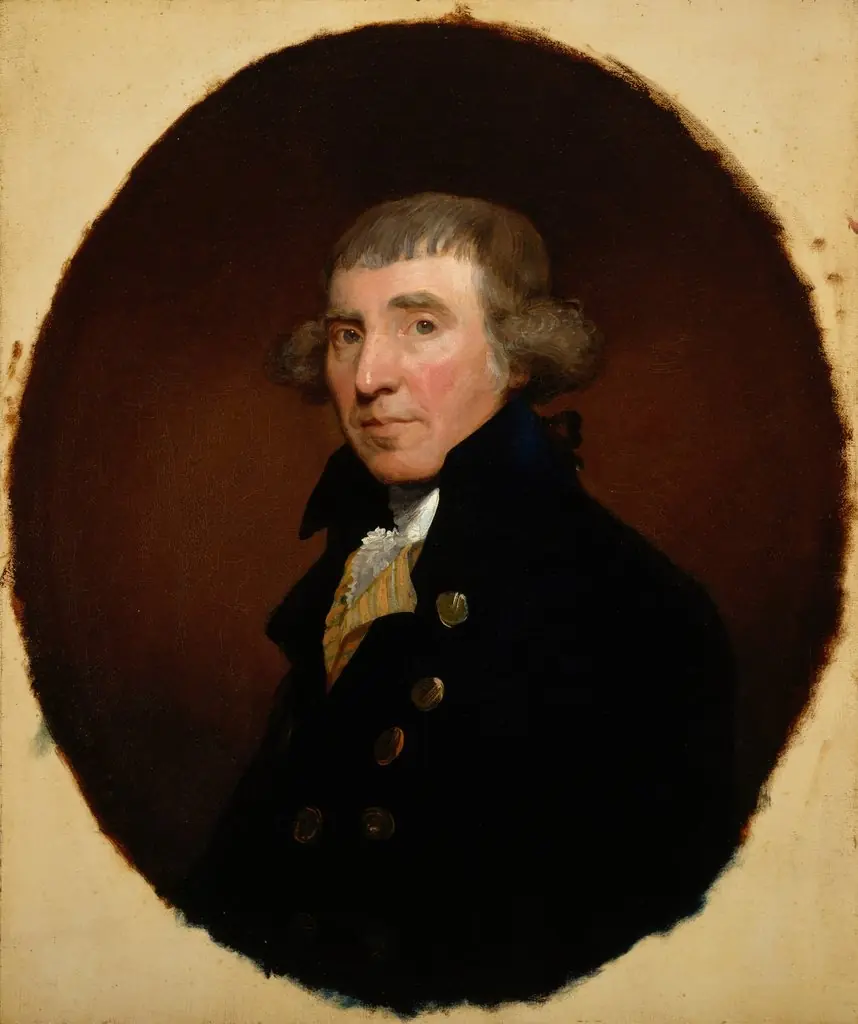 Portrait of Robert Livingston (b. 1733)
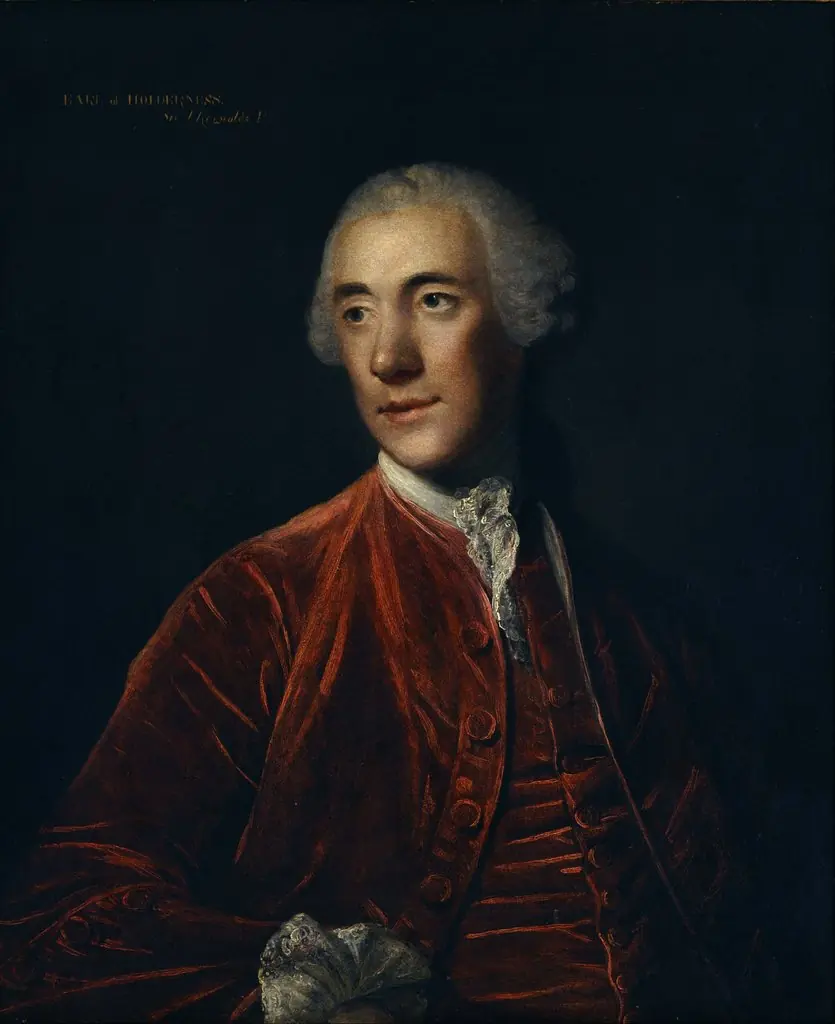 Robert d’Arcy, 4th Earl of Holderness
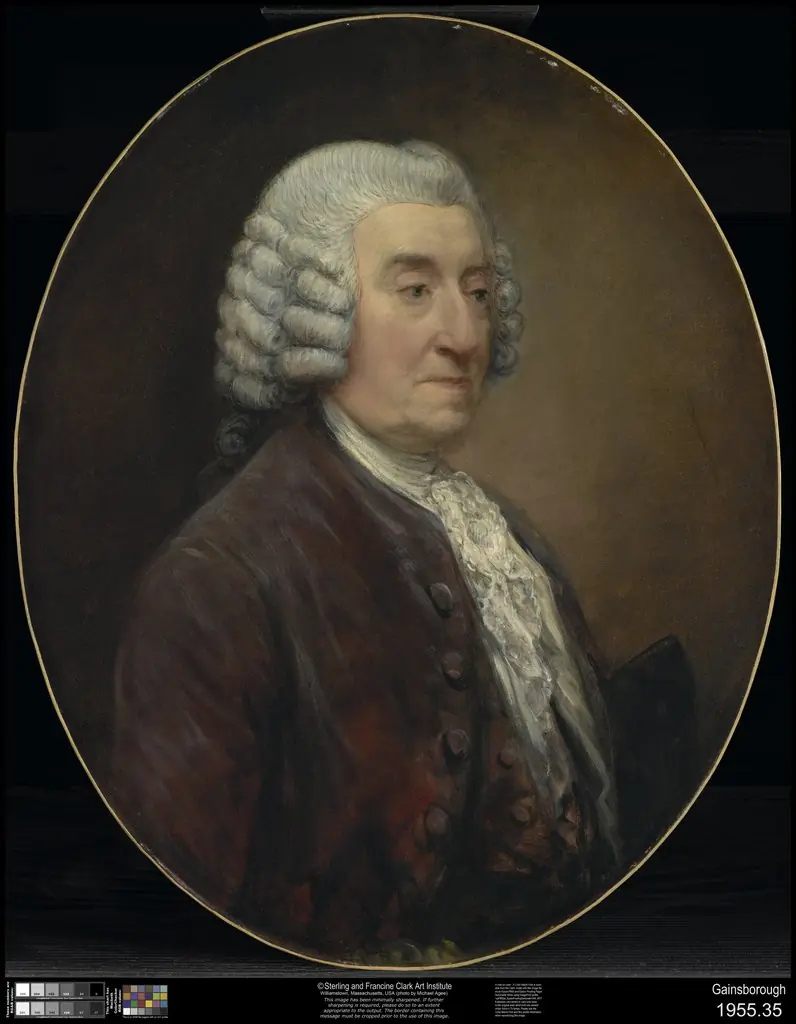 Viscount Hampden
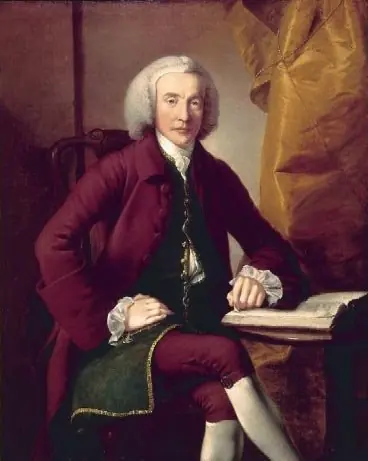 Thomas Borrow (1709–1786)
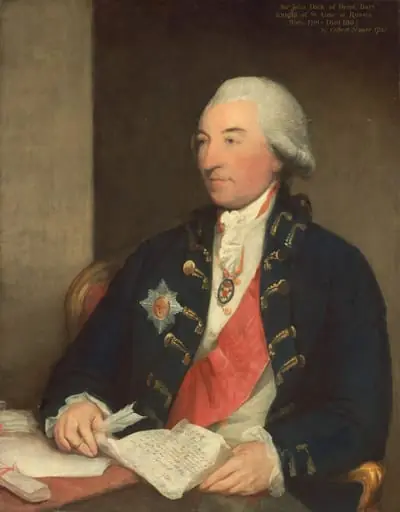 Sir John Dick
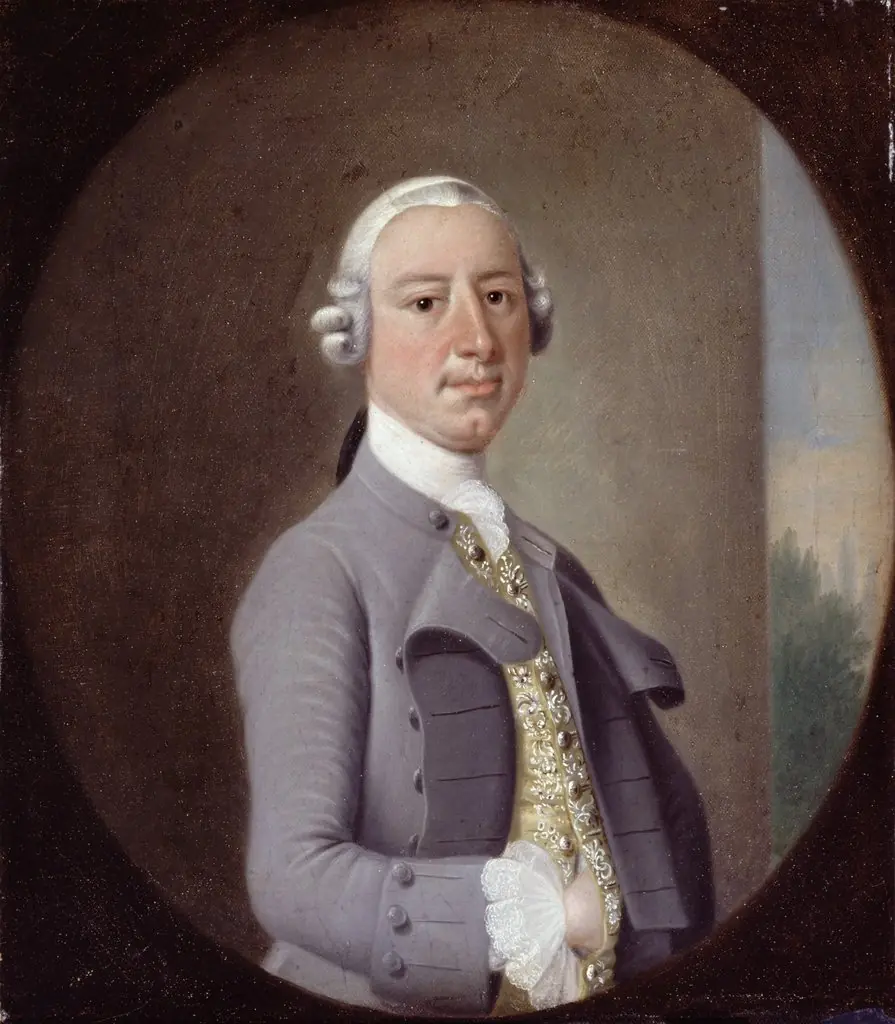 William Wragg
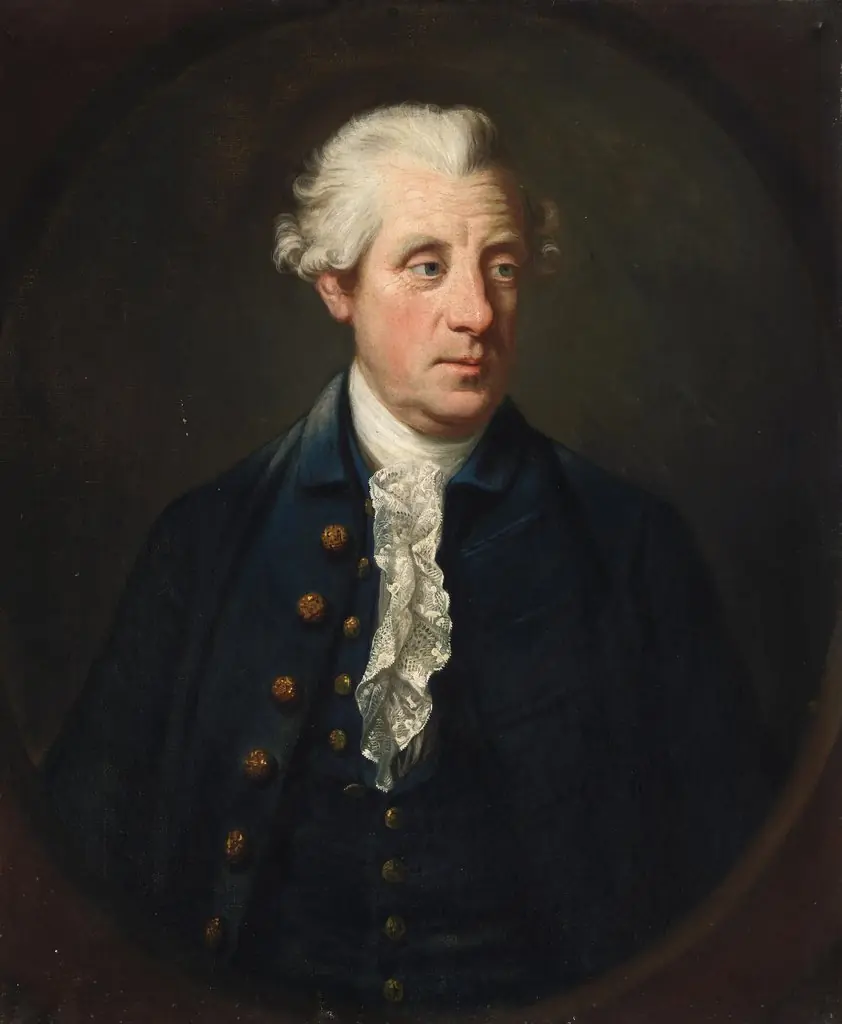 Portrait of Simon, 1st Earl Harcourt (1714-1777)
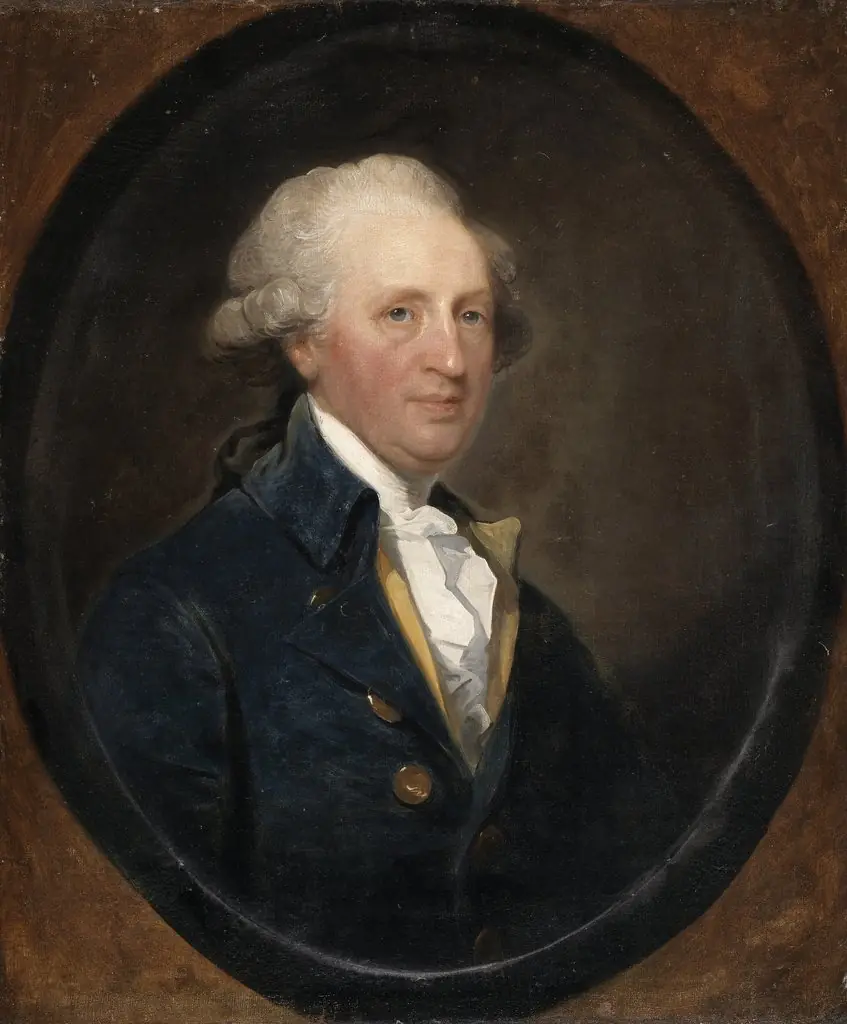 John Beresford (1738-1805), MP
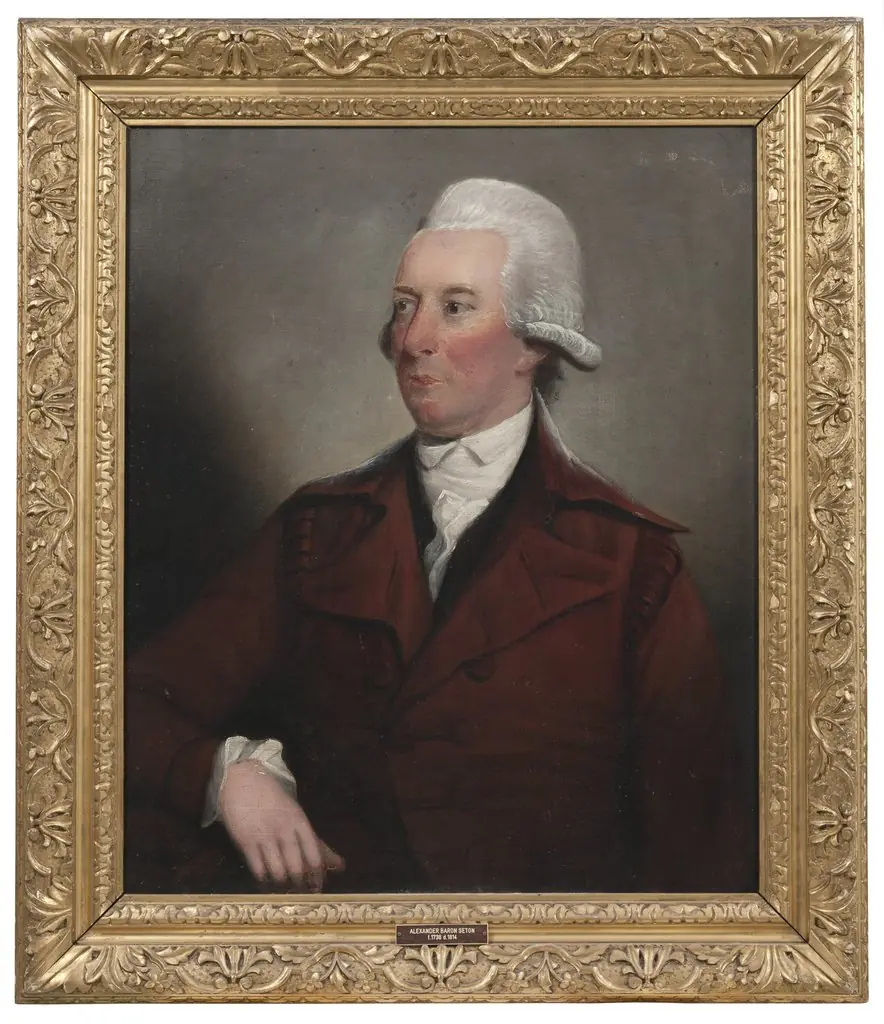 Alexander Baron Seton (1738-1814), jur.dr., godsägare, född i Skottland, verksam i Sverige och Skottland, g.m. 1. Elizabeth Angus, 2. Anne Innes of Cathlow, systerson till och adopterad av George Seton