Artwork
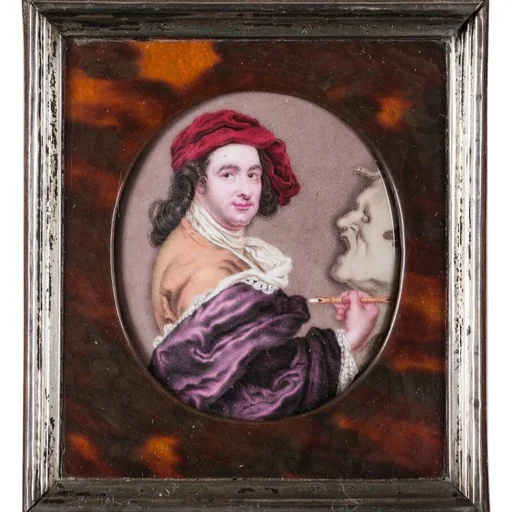
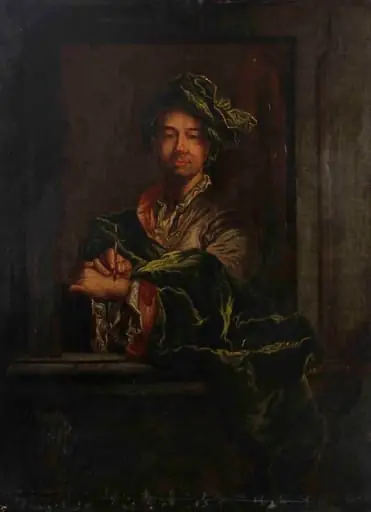
David Richter the Elder. Copy after RIchter´s Self-Portrait
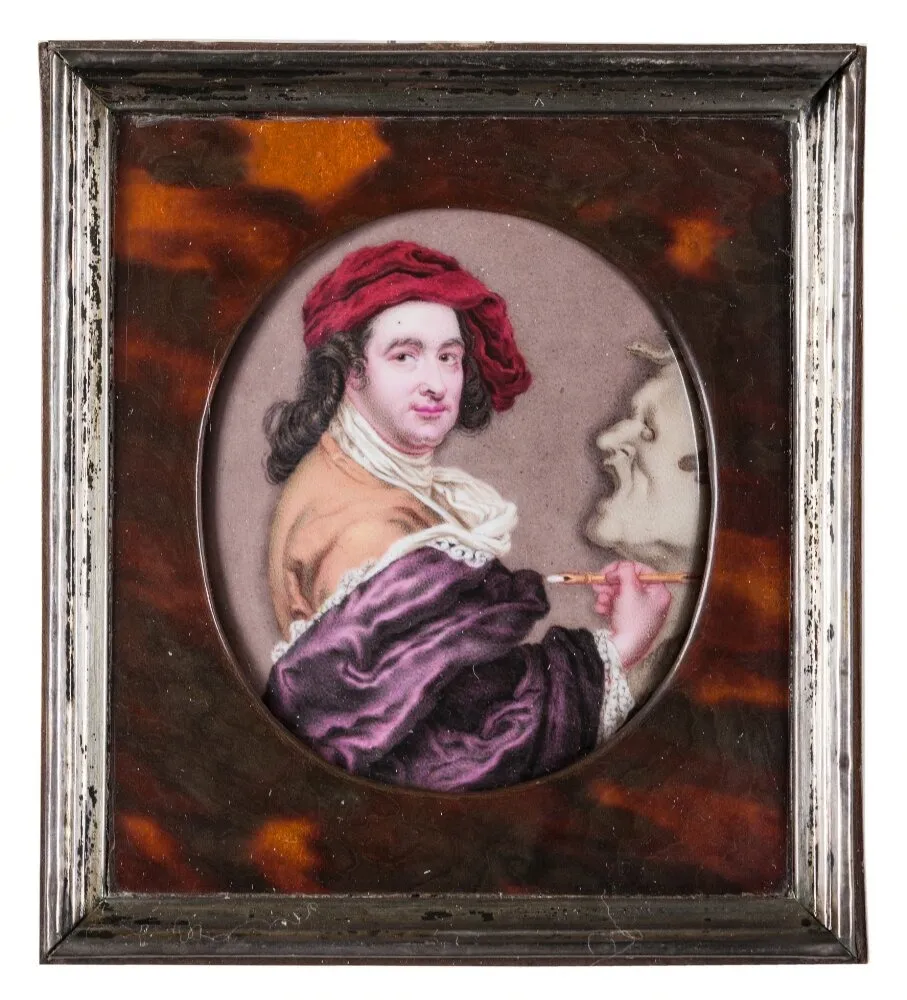
David Richter the Elder. Copy after RIchter´s Self-Portrait is an unspecified painting by Josie Barbette. It dates from 1704 and is held in the collection of the Nationalmuseum.
About this work
Overview
The work resides in the Nationalmuseum, where it functions as a record of artistic lineage and emulation in early 18th-century Sweden.
This painting, dated around 1704, is a copy made by Josie Barbette after a self-portrait by David Richter the Elder. It presents a seated male figure in profile, turned slightly toward the viewer, dressed in a red beret and a purple jacket. The inclusion of a paintbrush in his right hand identifies him as a painter. The work resides in the Nationalmuseum, where it functions as a record of artistic lineage and emulation in early 18th-century Sweden.
Subject & Meaning
The subject is David Richter the Elder, a Swedish painter active in the late 17th century. By depicting him holding a brush, Barbette emphasizes his professional identity. The portrait is not merely a likeness but a tribute, reinforcing the status of the original artist through replication. The act of copying suggests reverence and the transmission of artistic authority from one generation to another.
Technique & Style
Barbette employed a restrained palette dominated by muted browns and rich textiles in red and purple. The figure is rendered with soft modeling and attention to fabric texture, particularly in the beret and jacket. The background is unadorned, focusing attention on the sitter’s form and gesture. The brushwork is precise but not overly detailed, reflecting a quiet, observational approach typical of portrait copies of the period.
History & Provenance
The painting entered the collection of the Nationalmuseum in Sweden, where it has remained since at least the 19th century. Its origin as a copy after Richter’s lost self-portrait makes it a key surviving visual reference to the earlier artist. Barbette’s authorship is documented, though little is known about her life beyond this work, which stands as her most notable contribution to Swedish portraiture.
Context
In early 18th-century Sweden, copying the works of established artists was a common pedagogical practice and a sign of respect. Barbette’s reproduction of Richter’s self-portrait aligns with this tradition, reflecting the institutionalization of artistic identity. The portrait’s existence suggests that Richter’s reputation endured beyond his lifetime, and that female artists like Barbette participated in maintaining artistic memory.
Legacy
Though David Richter the Elder’s original self-portrait is no longer extant, Barbette’s copy preserves his image and professional persona. The painting serves as a historical anchor for understanding Swedish portraiture and the role of emulation in artistic training. It also offers rare evidence of female artists engaging with male predecessors in a period when such contributions were often unrecorded.
Artist & collection