Artwork
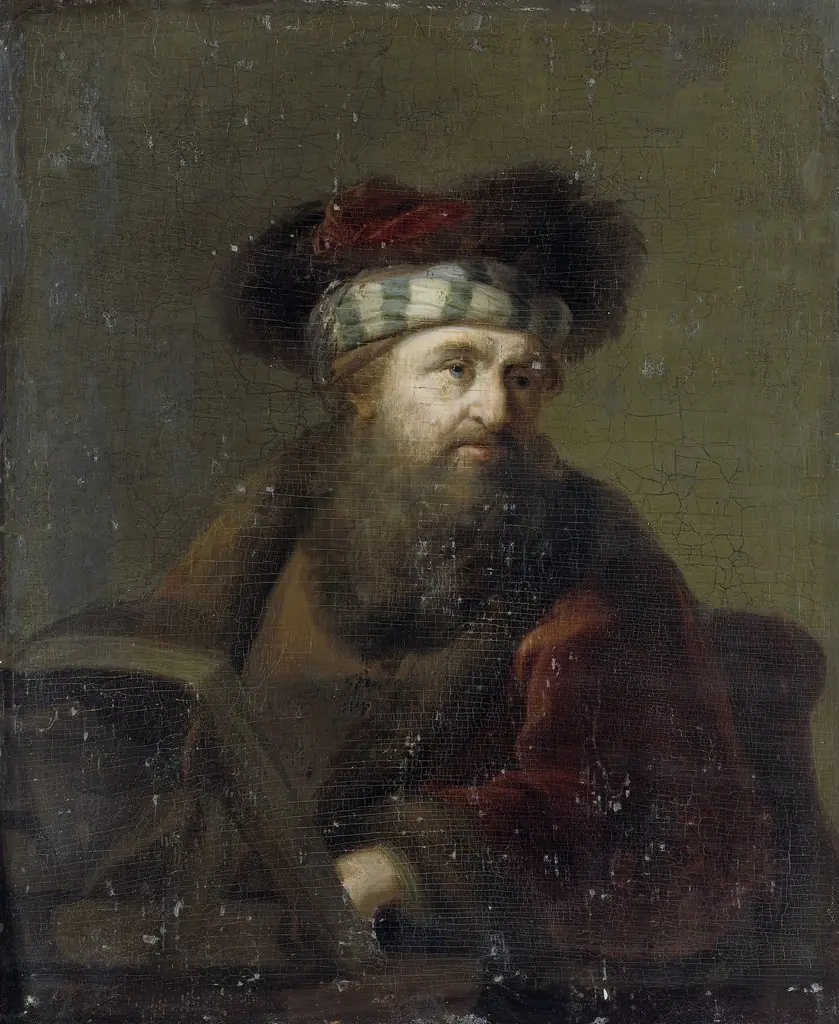
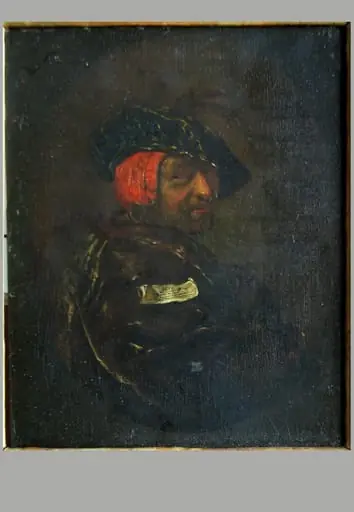
Țăran cu pălărie brună. Pandant: Țăran cu scufie roșie
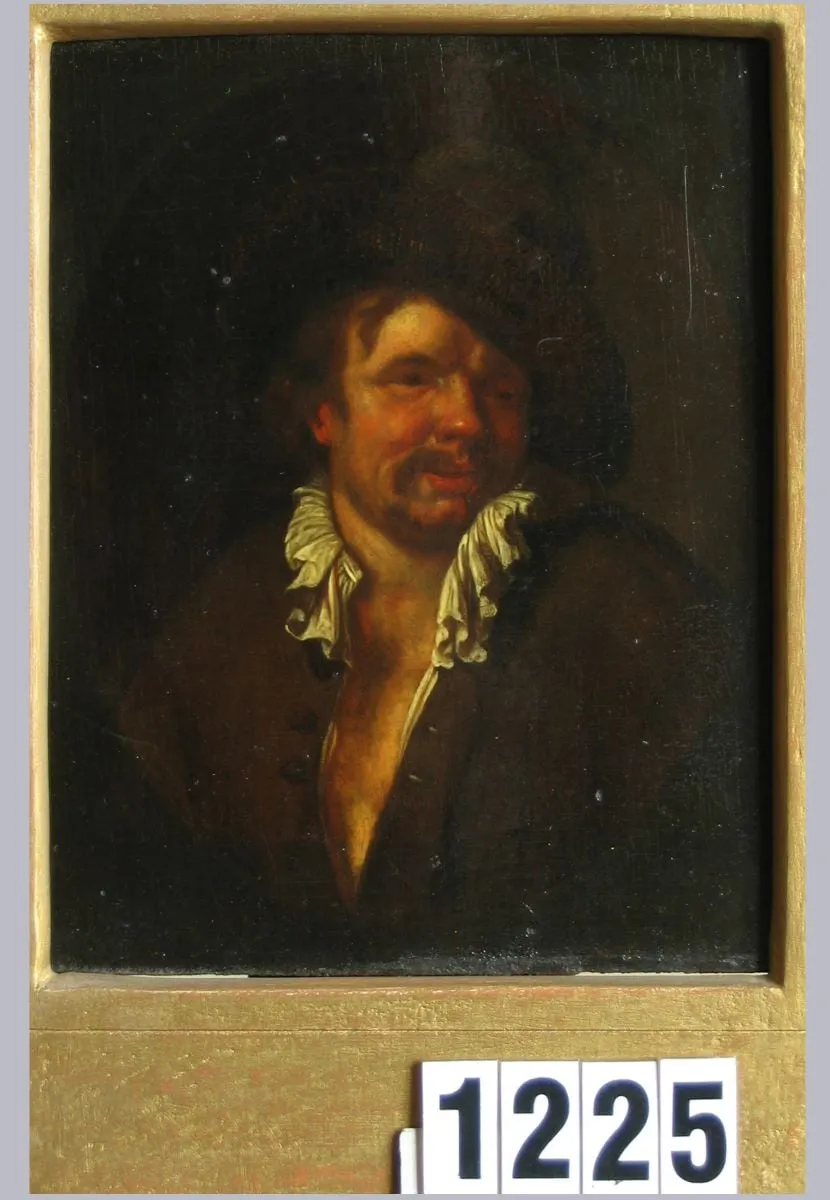
Țăran cu pălărie brună. Pandant: Țăran cu scufie roșie is an unspecified painting by the Baroque artist Ary de Vois. It dates from 1643 and is held in the collection of the Brukenthal National Museum.
About this work
Overview
Created around 1643 by Ary de Vois, this pair of portraits depicts two peasant men, each wearing distinct headwear—one in a brown hat, the other in a red cap.
Created around 1643 by Ary de Vois, this pair of portraits depicts two peasant men, each wearing distinct headwear—one in a brown hat, the other in a red cap. Both works are executed in oil on panel, sharing a consistent compositional approach: a dark, unobtrusive background isolates the figures, drawing focus to their faces and attire. The paintings function as companion pieces, likely intended for display together.
Subject & Meaning
The subjects are ordinary rural men, portrayed without idealization. Their clothing and headgear suggest regional or class-specific identity rather than individual fame. The absence of symbolic objects or narrative context implies a focus on presence and character. These portraits reflect a 17th-century Dutch interest in depicting common people with dignity, emphasizing humanity over social status.
Technique & Style
De Vois employs chiaroscuro to model the figures with subtle gradations of light and shadow, enhancing the three-dimensionality of faces and fabric. The white ruffled collars catch the light sharply, contrasting with the muted tones of jackets and hats. Brushwork is precise but not overly refined, capturing texture in wool, linen, and skin without theatricality. The style aligns with Dutch tronies—studies of expression and type rather than formal portraiture.
History & Provenance
The paintings are documented as part of Ary de Vois’s early output, likely produced during his time in the Netherlands. Their survival as a matched pair is uncommon, suggesting they were commissioned or kept together from the outset. Early records place them in private collections before entering institutional holdings, though specific ownership trails prior to the 20th century remain incomplete.
Context
In the mid-17th century, Dutch artists increasingly turned to everyday subjects, moving away from religious and aristocratic themes. De Vois’s portraits reflect this shift, aligning with contemporaries like Rembrandt in their interest in character and light. The pairing of two similar figures with contrasting headwear may have appealed to collectors seeking visual variety within a thematic unity.
Legacy
Though not widely exhibited, these works contribute to the understanding of de Vois’s role in Dutch genre portraiture. Their restrained realism and technical control offer insight into how lesser-known artists engaged with the broader trends of their time. They remain valuable as examples of how ordinary lives were rendered with quiet attention in the Dutch Golden Age.
Artist & collection

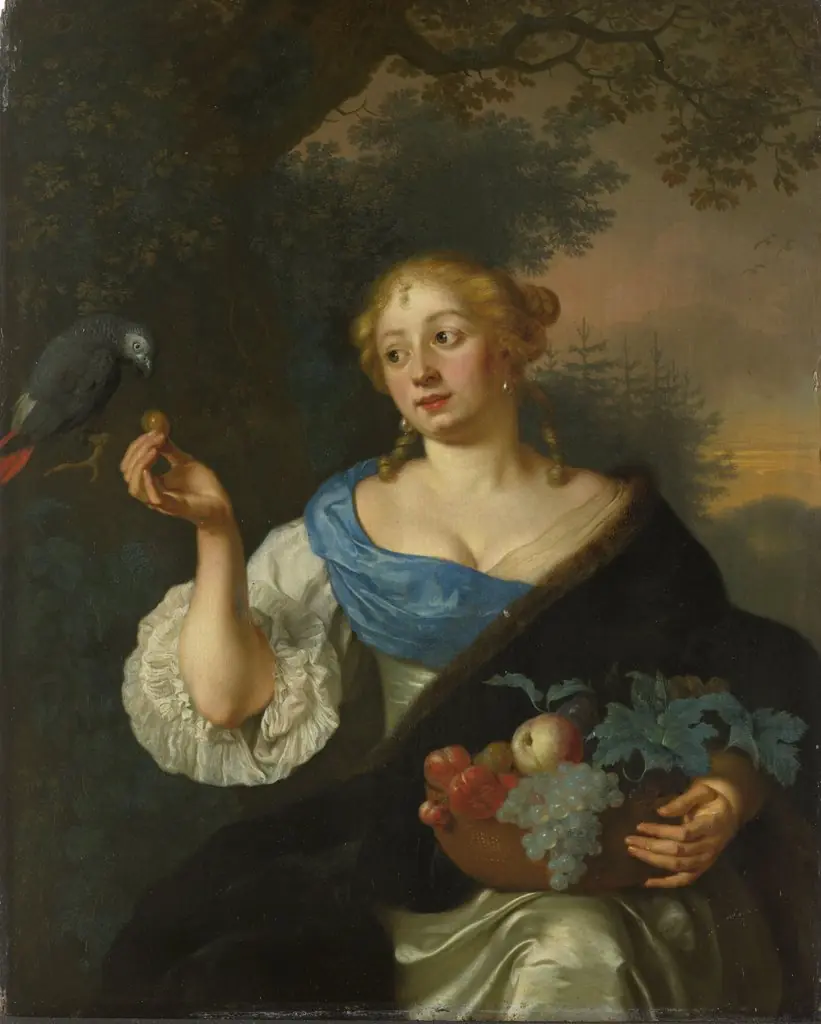
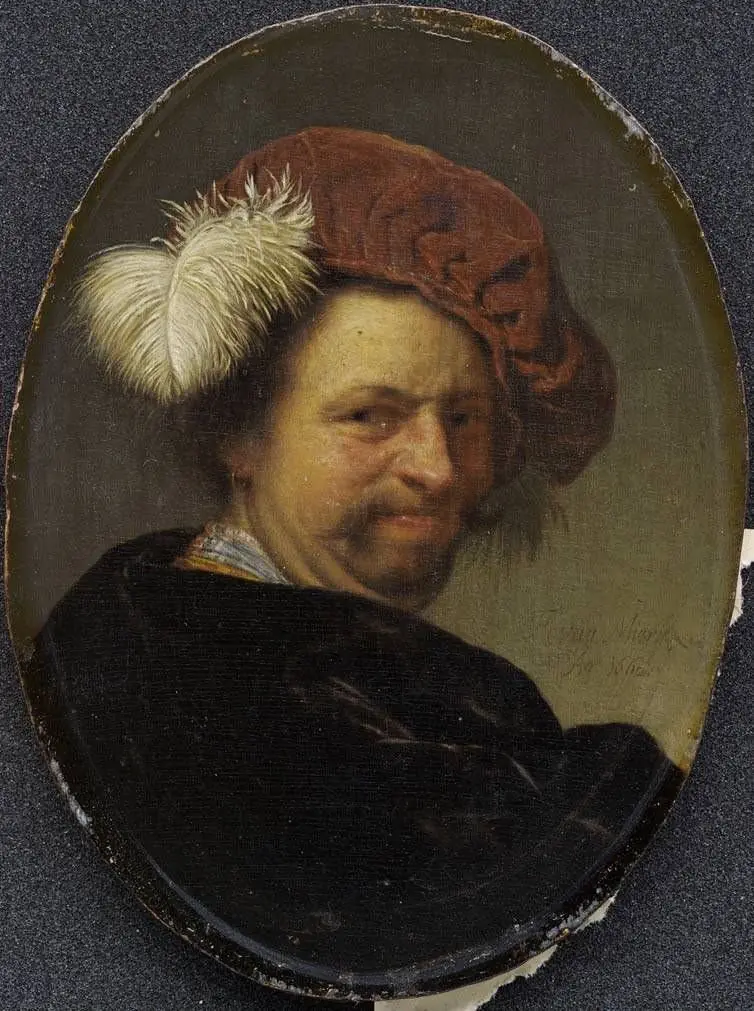 Self portrait
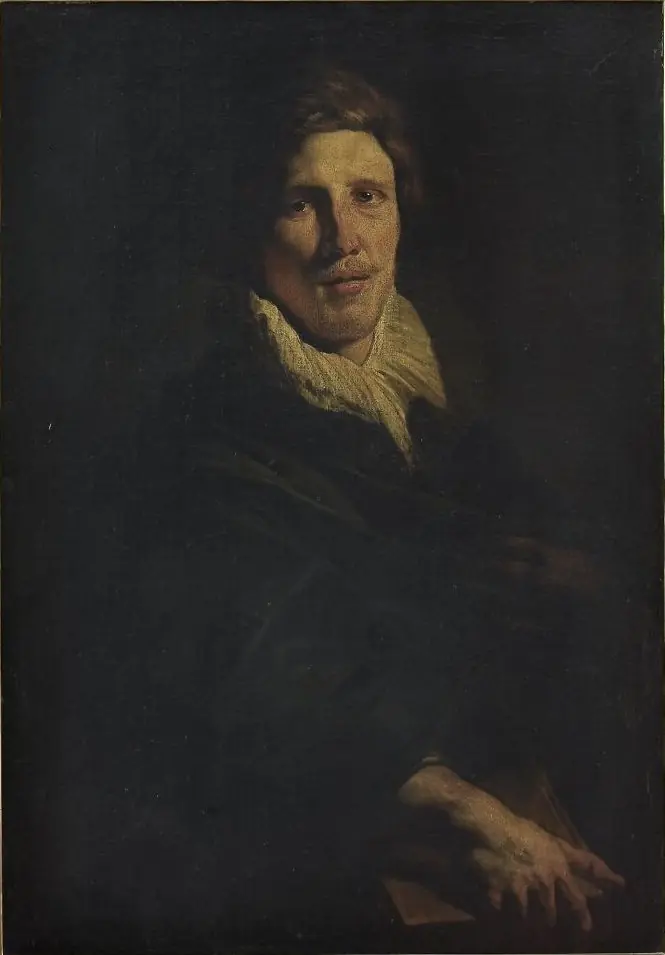 Portrait of a young gentleman, formerly believed to be a self-portrait
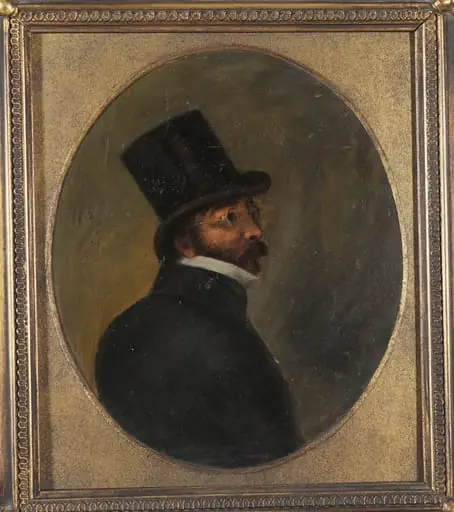 Προσωπογραφία του Αλεξάνδρου Μαυροκορδάτου
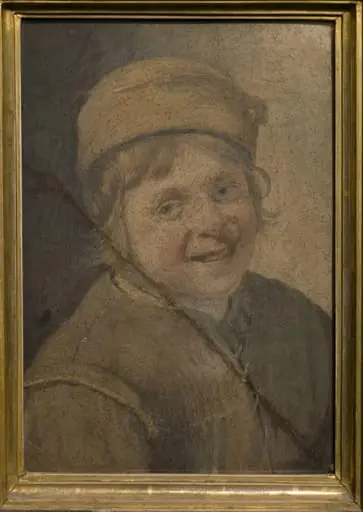 Head of a peasant boy
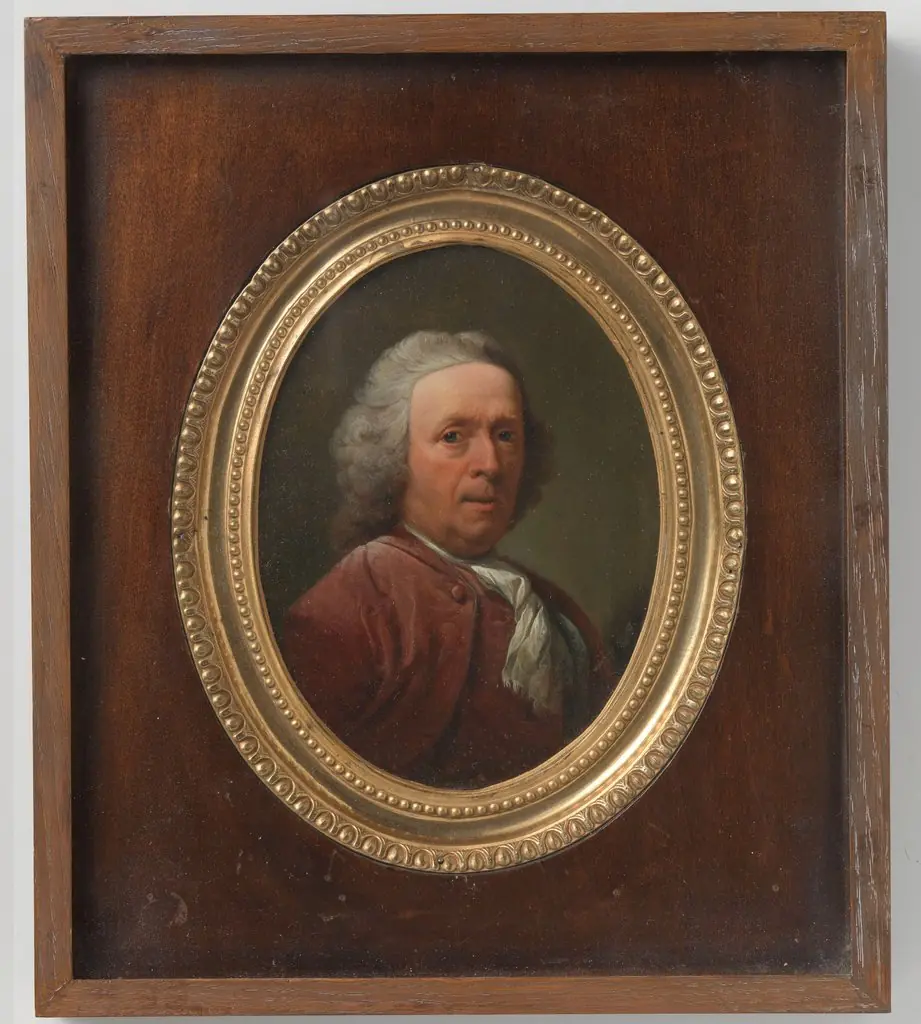 Self-Portrait
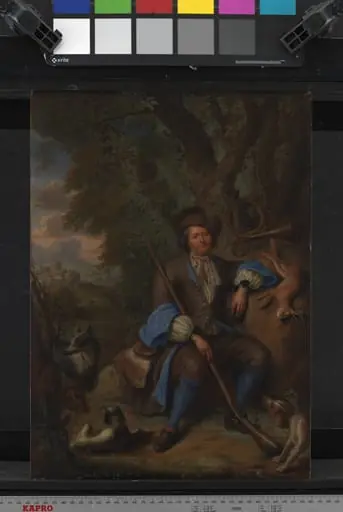 A Hunter
 Head of a Man
 Michelangelo Ricciolini
 Anton van Dyckin omakuva
 Forty Lithographic Impressions from Drawings of Landscape Scenery by Thomas Barker, Selected from His Studies of Rustic Figures after Nature: Seated Man with Baskets Holding Hat and Walking Stick
 Țăran cu scufie roșie. Pandant: Țăran cu pălărie brună