Artwork
Allegory of Dawn
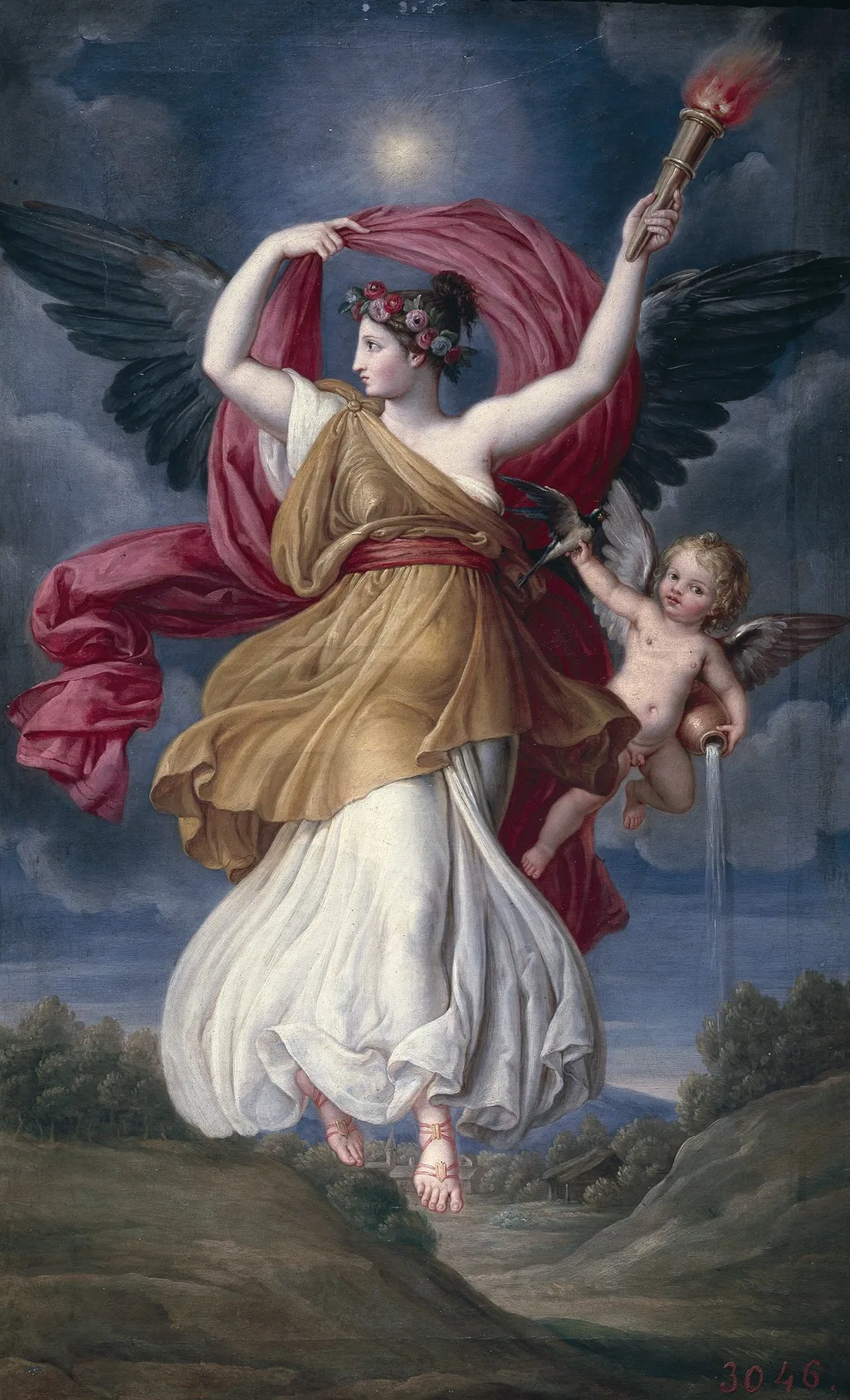
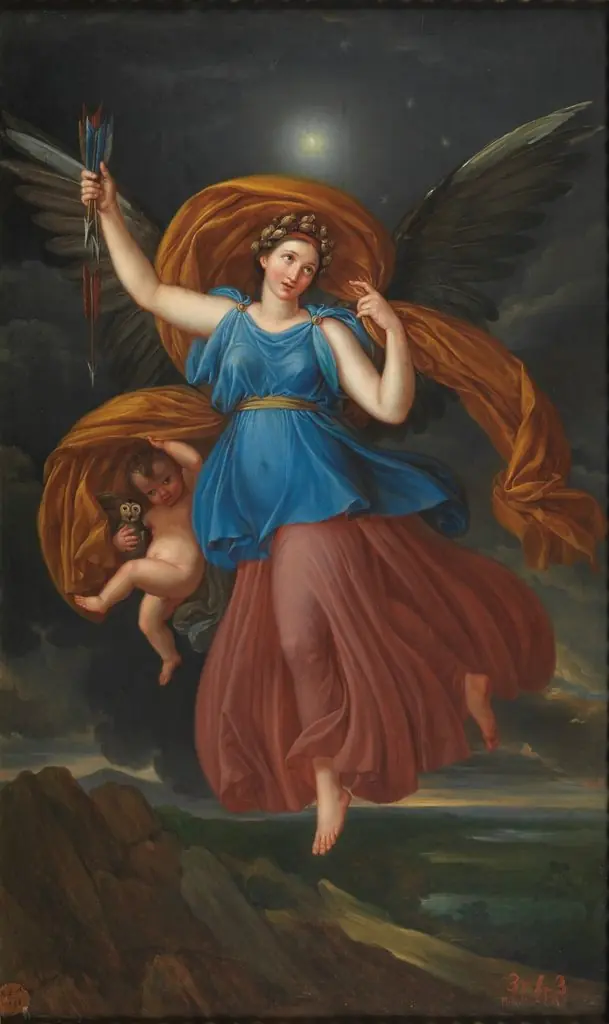
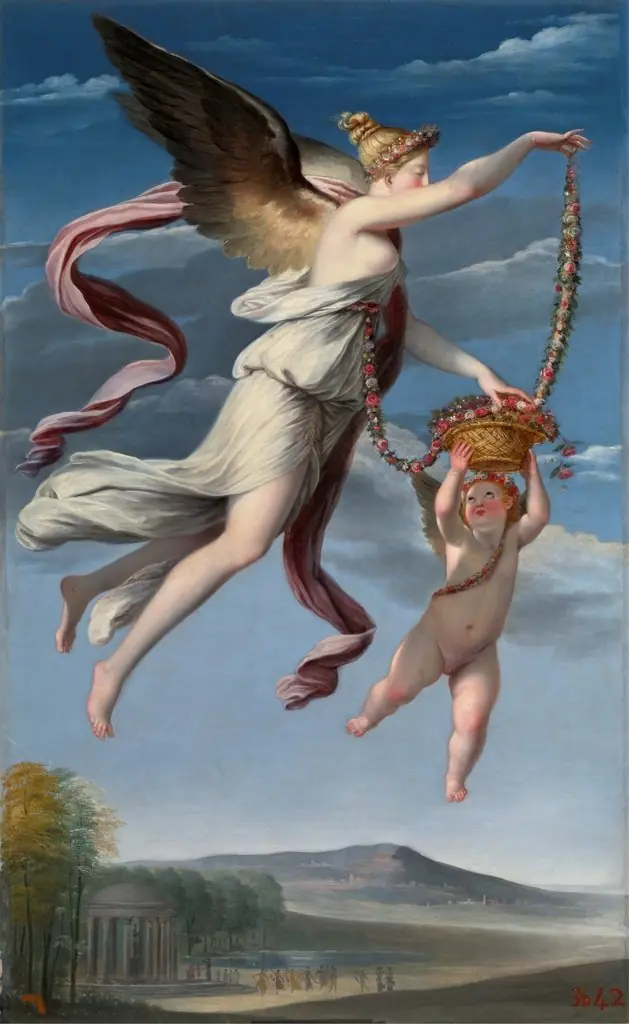
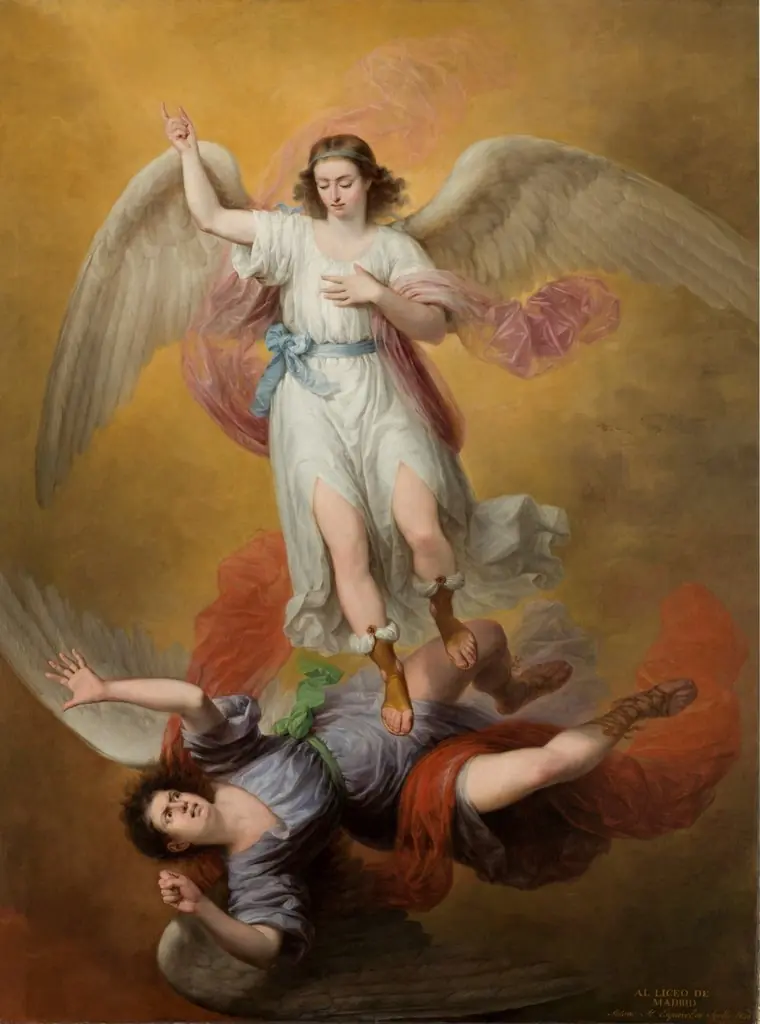
Allegory of Dawn is an oil painting by Juan Antonio de Ribera. It dates from 1819 and is held in the collection of the Museo del Prado.
About this work
Overview
The composition employs symbolic figures to convey the transition from night to day, aligning with broader European traditions of allegorical painting.
Painted in 1819 by Spanish artist Juan Antonio de Ribera Fernández, this oil on canvas work is an allegorical representation of dawn. It resides in the Museo del Prado in Madrid and reflects the artist’s engagement with classical themes during the early 19th century. The composition employs symbolic figures to convey the transition from night to day, aligning with broader European traditions of allegorical painting.
Subject & Meaning
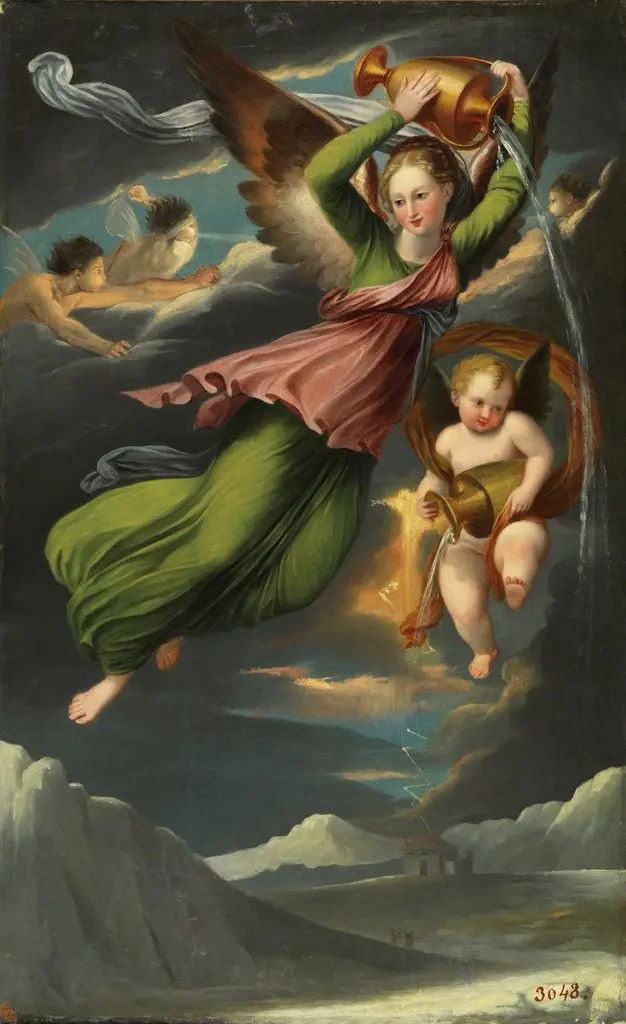
The central figure is a winged woman embodying Dawn, dressed in white and gold with a red sash, symbolizing the first light and vitality of morning. She holds a torch, suggesting illumination, while a cherub on her arm pours water from a jug, evoking dew or renewal. The rising sun behind her reinforces the theme of daily rebirth. The imagery draws from classical mythology, translating abstract natural cycles into human form.
Technique & Style
Ribera renders the figure with refined brushwork, emphasizing the fluidity of fabric and the softness of skin. The folds in the dress suggest motion, while the luminous sky is rendered with subtle gradations of color to simulate dawn’s glow. The cherub’s delicate features and the clarity of form reflect Neoclassical ideals, prioritizing harmony, balance, and idealized beauty over dramatic expression.
History & Provenance
Commissioned during a period of renewed interest in classical allegory in Spanish court circles, the painting entered the Museo del Prado’s collection in the 19th century. Ribera, a professor at the Real Academia de Bellas Artes de San Fernando, was active in state-sponsored artistic projects. This work likely served a decorative or ceremonial function, reflecting the cultural priorities of post-Napoleonic Spain.
Context
In early 19th-century Spain, Neoclassicism remained dominant in academic art, even as Romanticism gained ground elsewhere. Ribera’s work aligns with state-endorsed themes that emphasized order, reason, and mythological symbolism. The choice of Dawn as subject may have resonated with political narratives of renewal following years of conflict and foreign occupation.
Legacy
Though not widely exhibited outside Spain, the painting exemplifies the persistence of Neoclassical allegory in Spanish academic painting. Ribera’s careful execution and adherence to classical motifs influenced younger artists trained at the Royal Academy. The work remains a reference point for understanding how traditional iconography was sustained in Spain during a period of broader artistic change.
Own this work as a print
Artist & collection
Artist
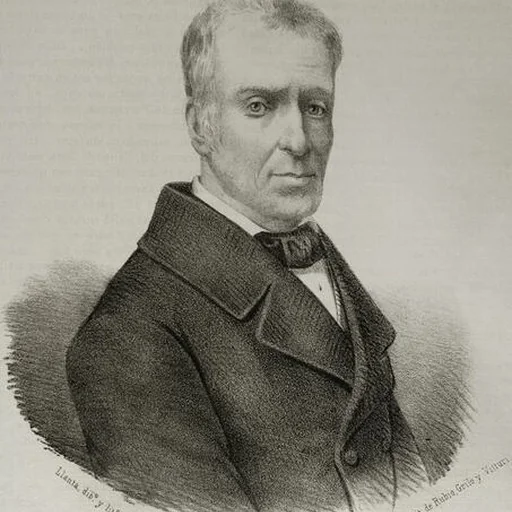
Juan Antonio Ribera Fernandez (also known as Juan Antonio de Ribera; May 27, 1779 – June 15, 1860) was a Spanish painter.