Artwork
Portrait of Baltasar Carlos of Spain (1629-1646)
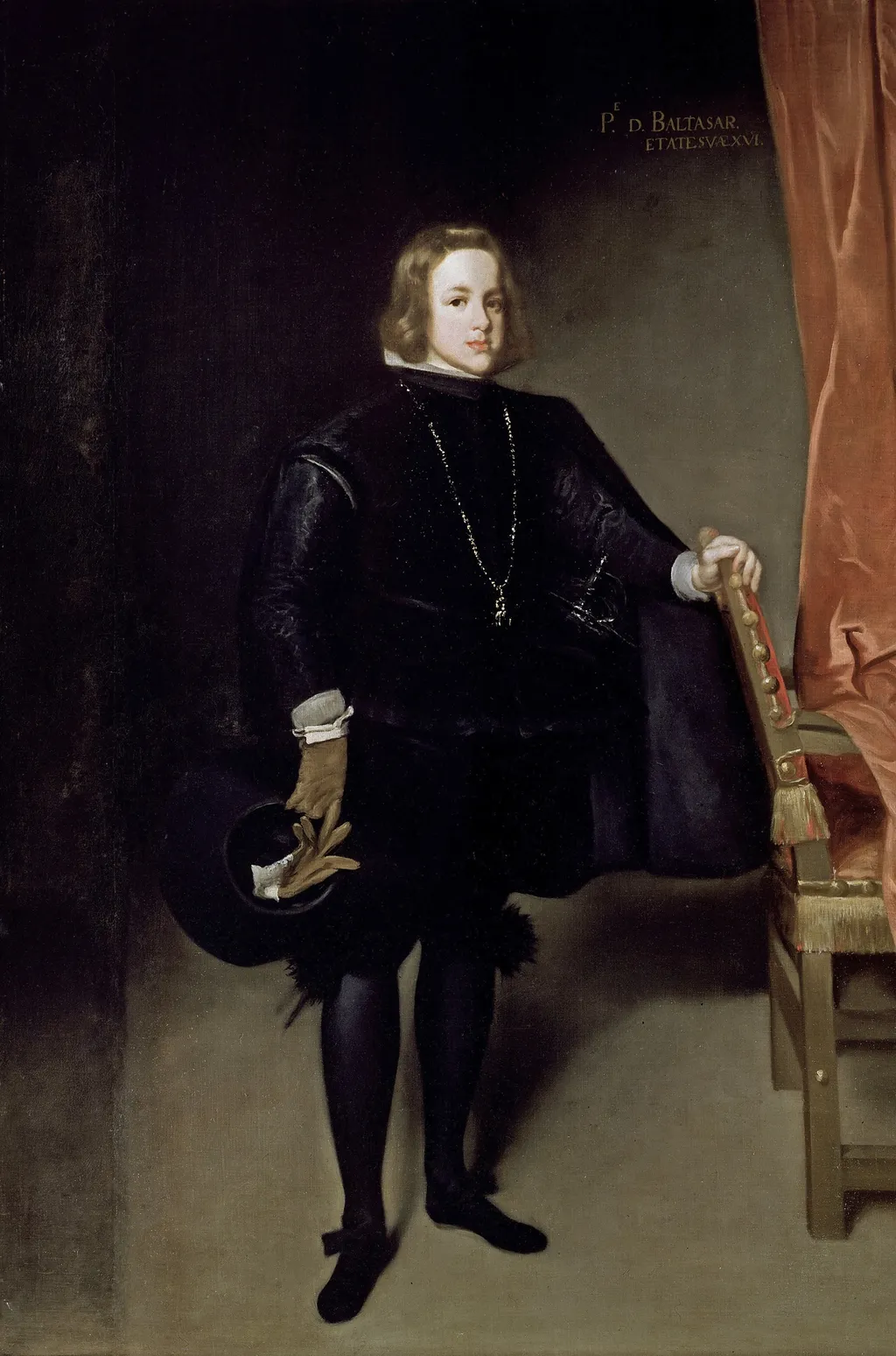
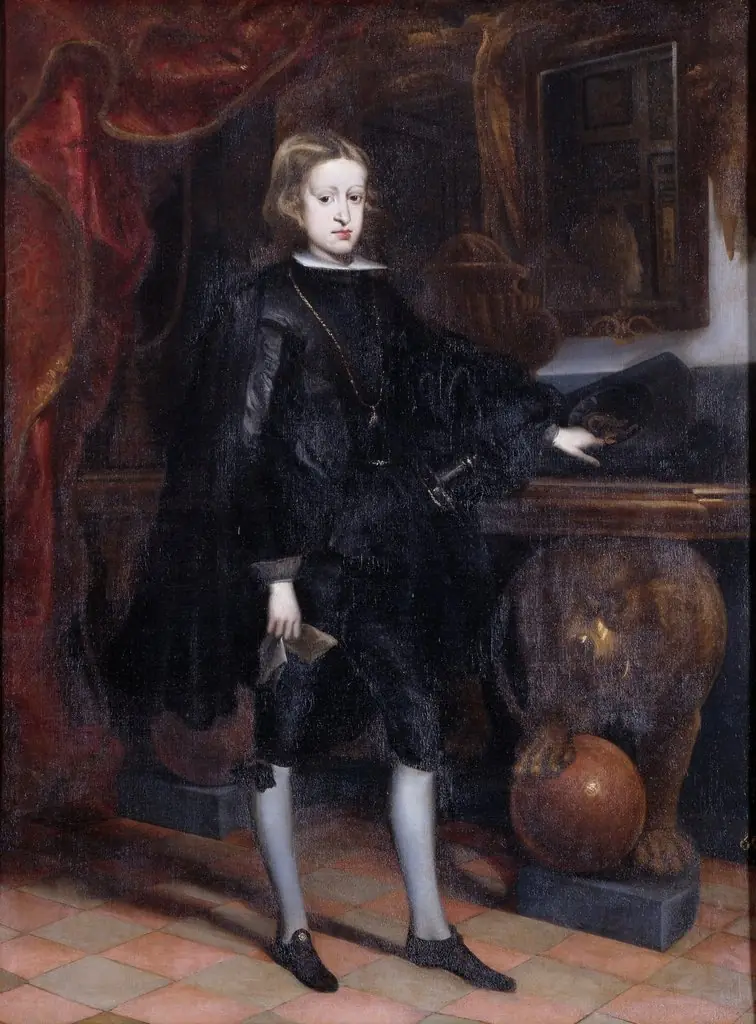
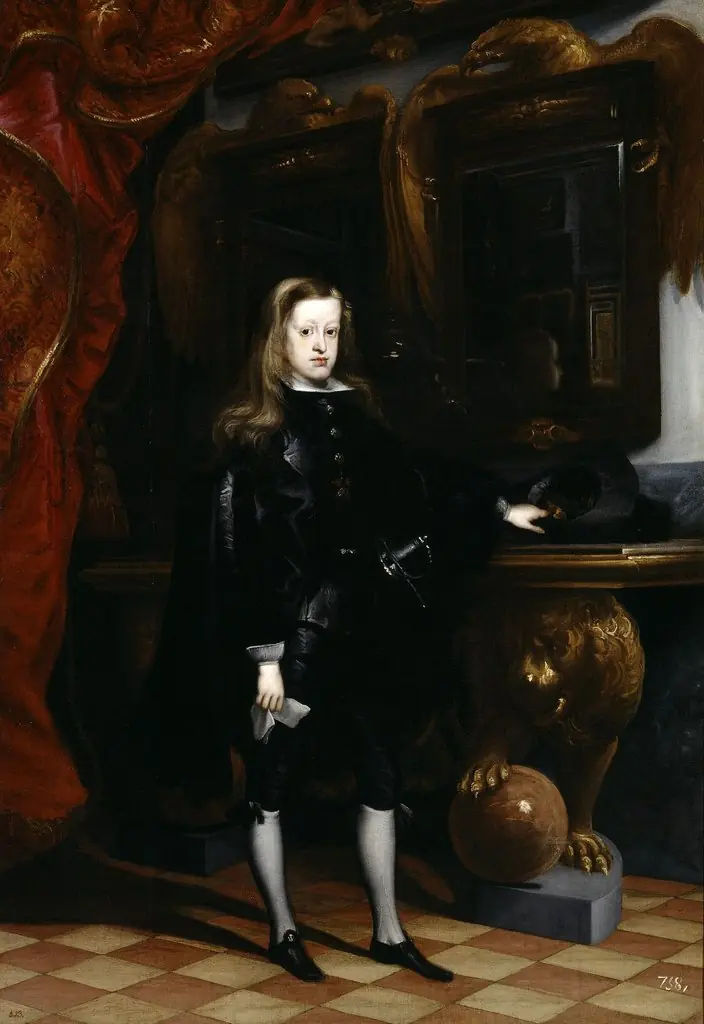
Portrait of Baltasar Carlos of Spain (1629-1646) is an oil painting by the Early Baroque Italian artist Juan Bautista Martínez del Mazo. It dates from 1645 and is held in the collection of the Museo del Prado.
About this work
Overview
Juan Bautista Martínez del Mazo, a Spanish Baroque painter and disciple of Diego Velázquez, executed this oil portrait in 1645.
Juan Bautista Martínez del Mazo, a Spanish Baroque painter and disciple of Diego Velázquez, executed this oil portrait in 1645. The canvas presents the young heir to the Spanish throne, Baltasar Carlos, adorned with the insignia of the Order of the Golden Fleece and a glove, set against a subdued interior. The work exemplifies early Baroque court portraiture and is part of the Museo del Prado’s collection.
Subject & Meaning
The sitter, Prince Baltasar Carlos (1629‑1646), is shown in regal attire that emphasizes his dynastic status and future responsibilities. The Golden Fleece chain signals his membership in the prestigious chivalric order, while the glove alludes to the rites of knighthood. Together, these symbols convey the prince’s emerging role as a future monarch and the continuity of Habsburg authority.
Technique & Style
Mazo employs a chiaroscuro scheme, allowing deep shadows to model the velvet doublet and crisp white cuffs, creating a tactile illusion of rich fabrics. The subtle gradations of light on the gold chain and the feathered hat highlight material contrast, while the restrained background focuses attention on the figure’s dignified pose. The handling of paint reflects the Baroque interest in realism and dramatic illumination.
History & Provenance
Completed shortly before the prince’s premature death, the portrait entered the royal collection and remained in Spanish hands for centuries. It was transferred to the Museo del Prado in the 19th century, where it has been displayed as part of the museum’s holdings of court portraiture from the Velázquez circle.
Context
Created during the reign of Philip IV, the painting aligns with a broader program of royal propaganda that used portraiture to reinforce the legitimacy of the Spanish monarchy. Mazo, as Velázquez’s assistant, inherited a visual language that combined naturalistic detail with symbolic regalia, a formula widely employed in the Spanish court to project power and piety.
Own this work as a print
Artist & collection
Artist
Juan Bautista Martínez del Mazo
Juan Bautista Martínez del Mazo (c.1612 – February 10, 1667) was a Spanish Baroque portrait and landscape painter, the most distinguished of the followers of his father-in-law Velázquez, whose style he imitated more closely than did any…