Artwork
Los pinos de la Casa de Campo
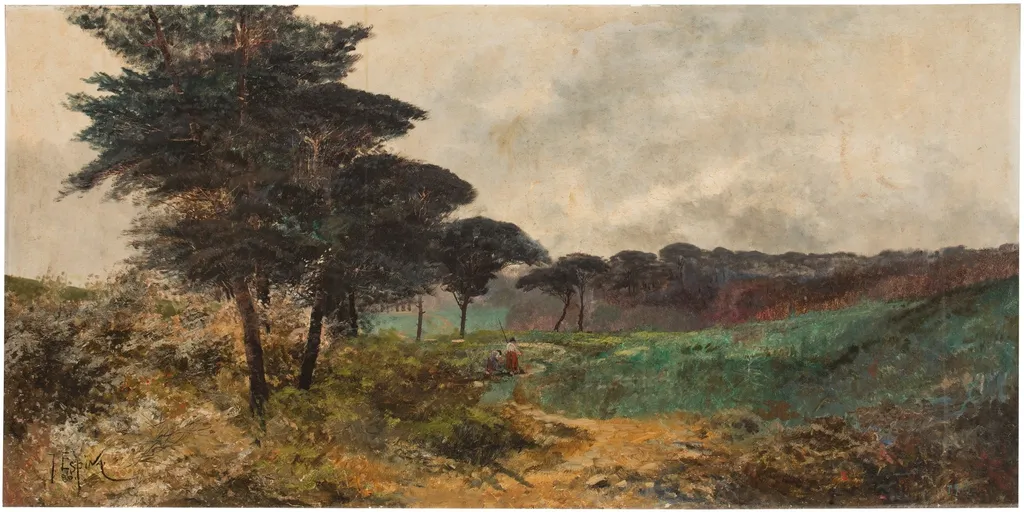
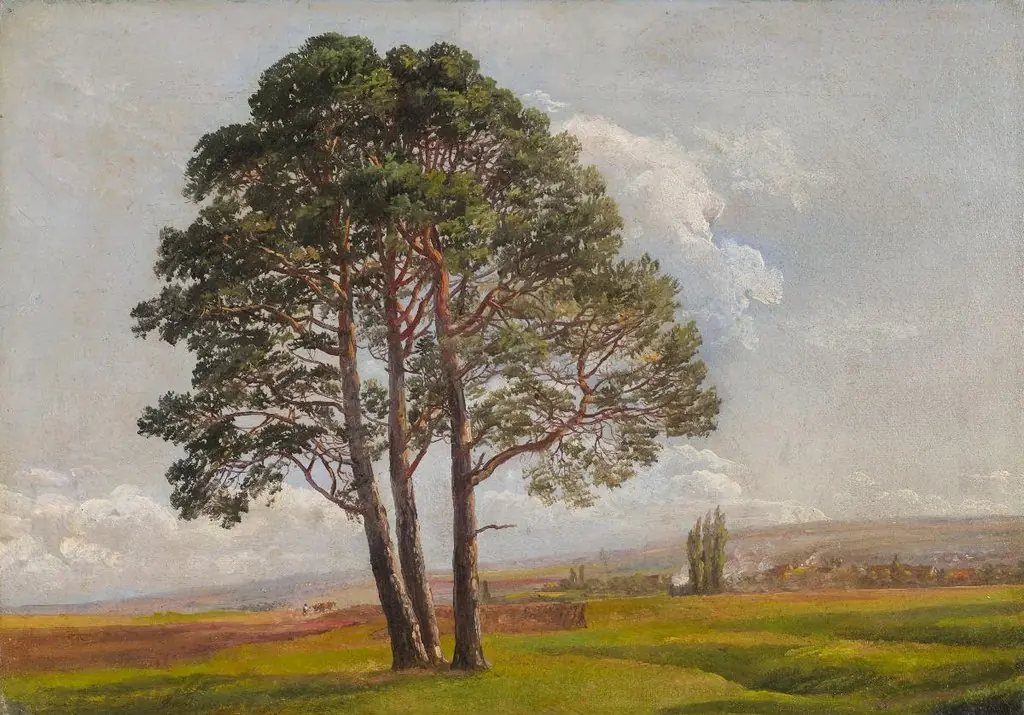
Los pinos de la Casa de Campo is an oil painting by the Post-Impressionist artist Juan Espina y Capo. It dates from 1894 and is held in the collection of the Museo del Prado.
About this work
If you like this painting, you might also like the work of Juan Espina y Capo, who painted this landscape in 1886.
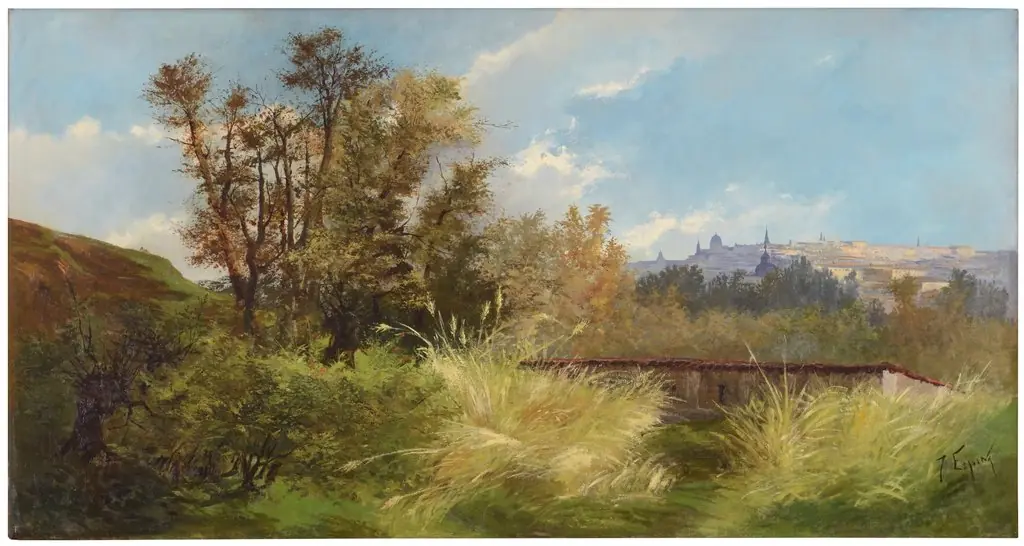
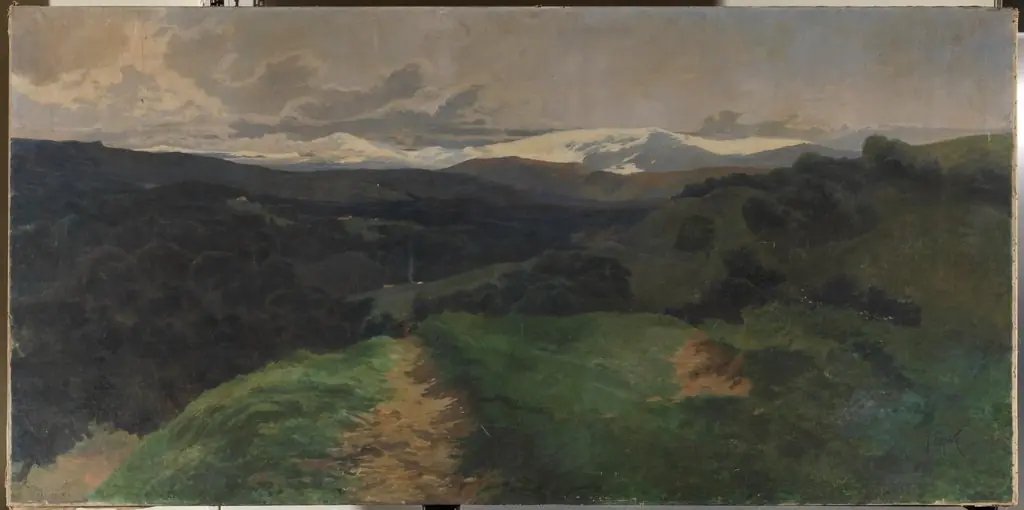
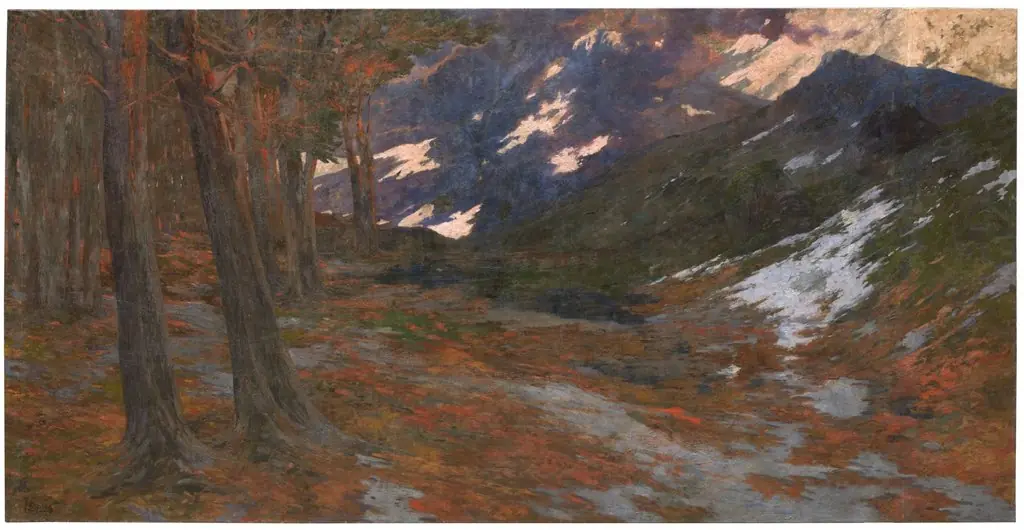
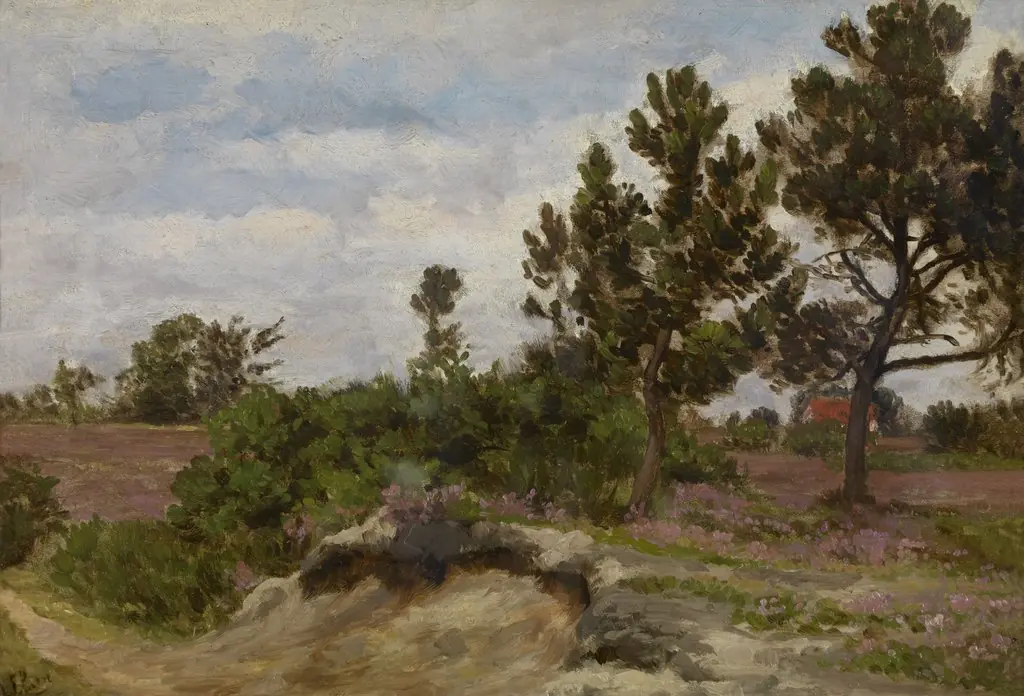
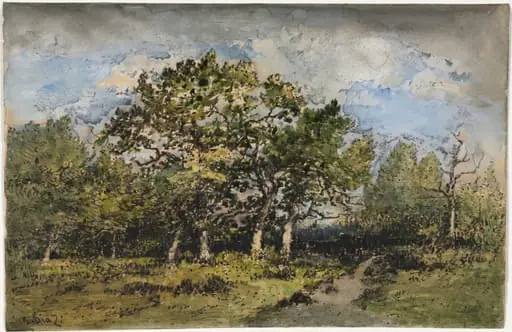
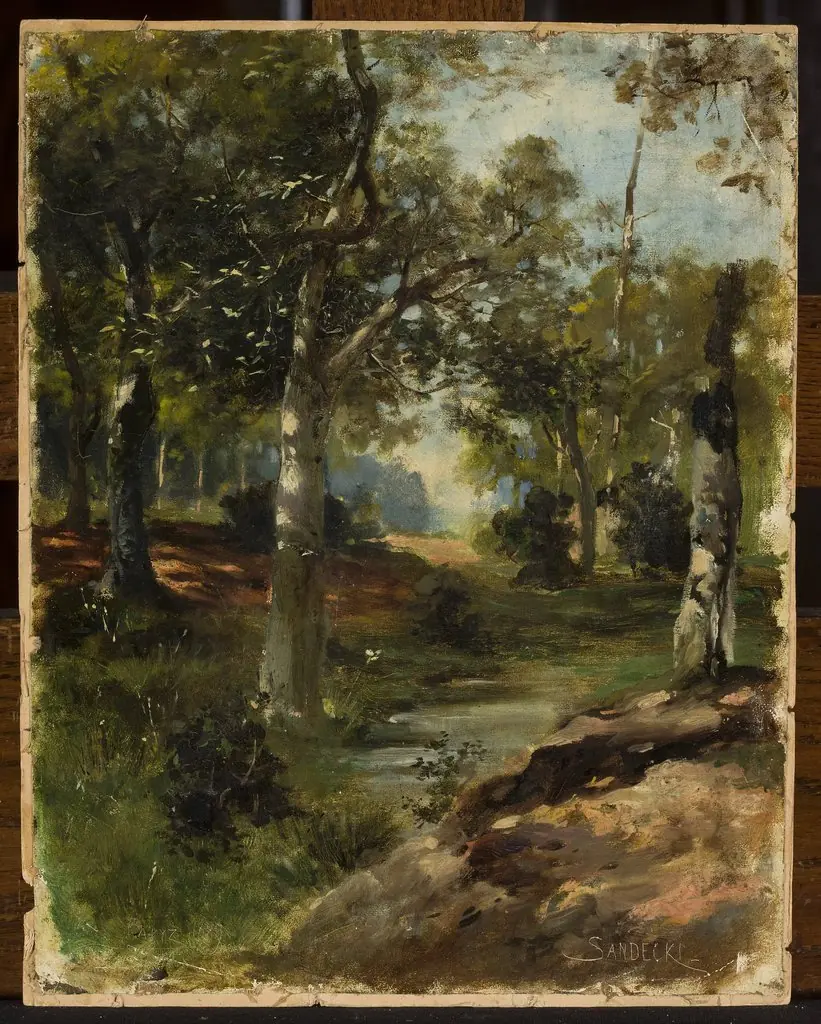
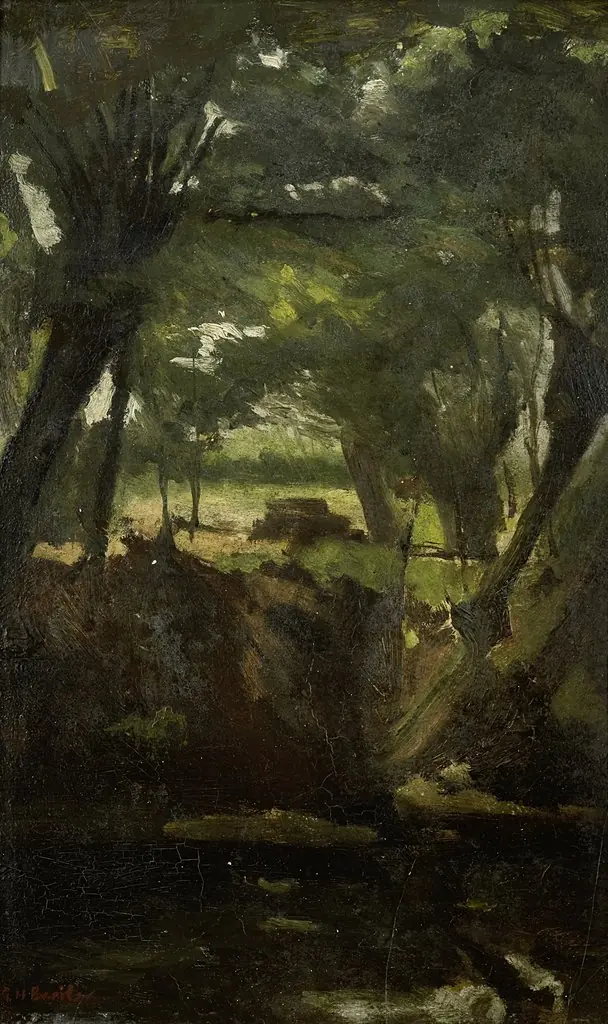
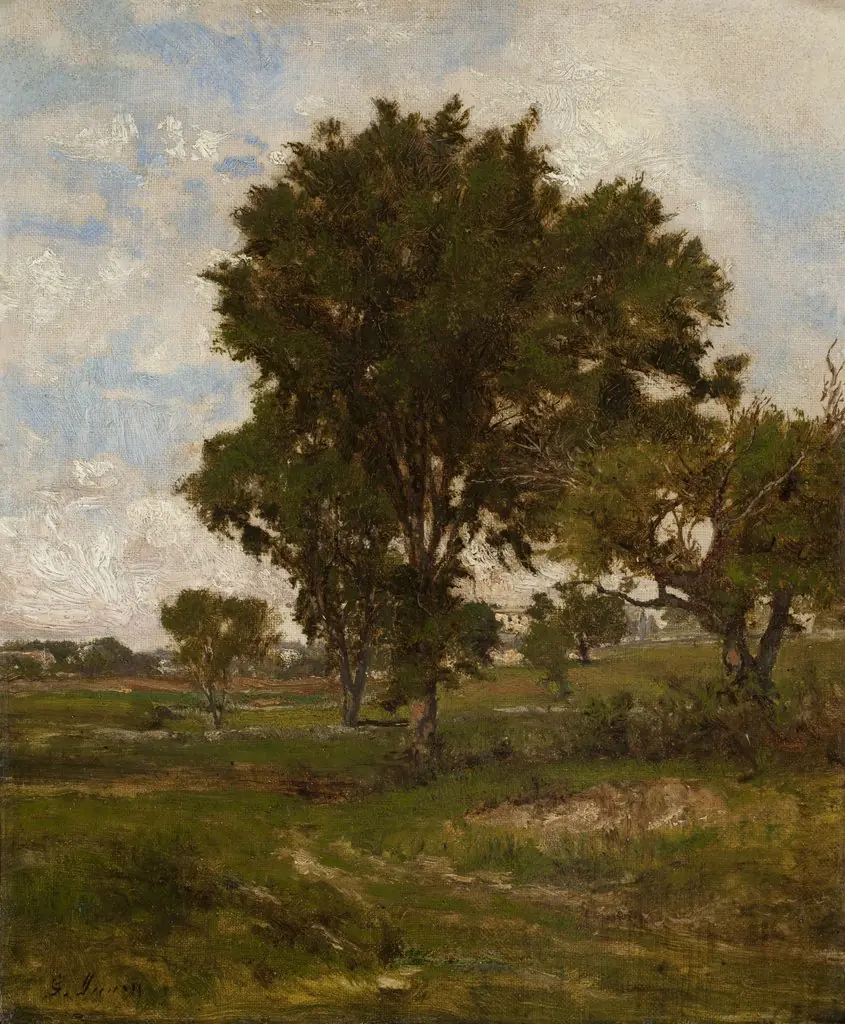
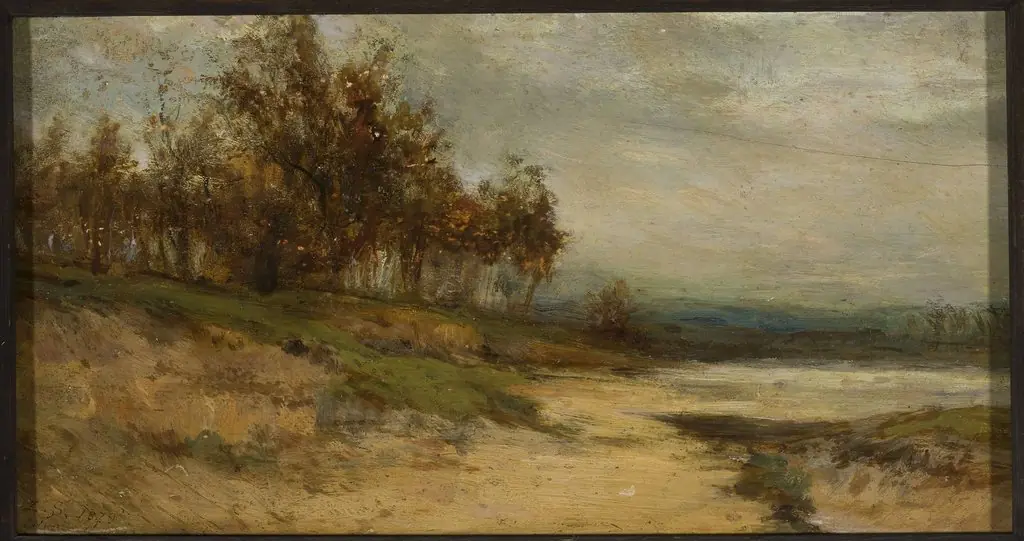
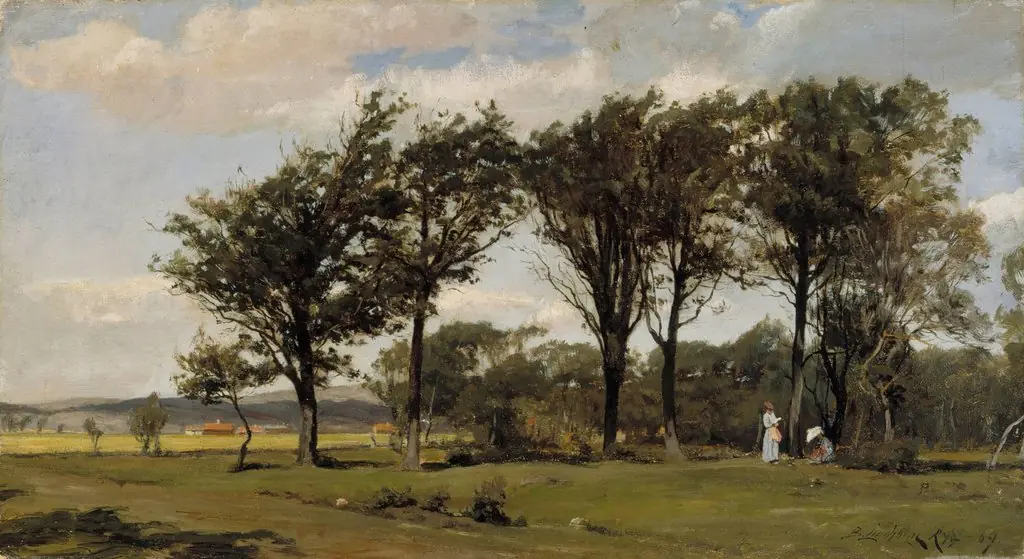
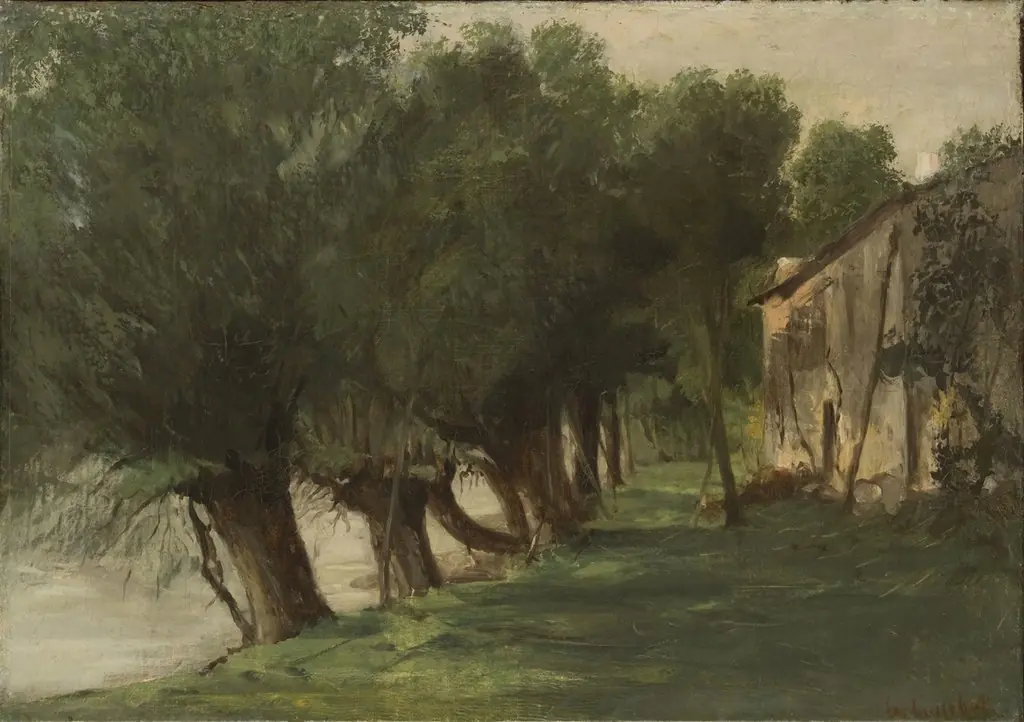
This painting shows a landscape with trees in the foreground and a field in the background. The trees are dark green and have thick trunks, while the field is light green and has a few bushes. In the distance, there are more trees and a cloudy sky.
The painting is done in oil paint and has a lot of texture, especially in the trees and bushes. The colors are muted, with lots of greens and browns. The overall effect is one of calmness and serenity.
If you like this painting, you might also like the work of Juan Espina y Capo, who painted this landscape in 1886.
Overview
Juan Espina y Capo painted *Los pinos de la Casa de Campo* in 1894 using oil on canvas. The work belongs to the collection of the Museo del Prado in Madrid and reflects the artist’s engagement with naturalistic landscape traditions. Though influenced by the Barbizon school, the painting also shows subtle shifts toward post-impressionist sensibilities in its handling of light and form, without abandoning representational clarity.
Subject & Meaning
The painting captures a quiet stretch of the Casa de Campo, Madrid’s expansive public park, dominated by dense pine trees in the foreground. The composition leads the eye from the textured trunks and foliage toward a distant field and hazy skyline. There is no human presence, emphasizing solitude and the enduring rhythm of nature. The scene conveys stillness rather than narrative, inviting contemplation of the landscape’s quiet persistence.
Technique & Style
Espina y Capo applied oil paint with deliberate texture, particularly in the rendering of tree bark and underbrush, using thickened strokes to suggest tactile surfaces. The palette is restrained, anchored in muted greens and earthy browns, with subtle variations in tone to suggest depth and atmosphere. Light is diffused, avoiding sharp contrasts, and the sky is rendered with soft, clouded gradations that unify the composition in a subdued harmony.
History & Provenance
Painted in 1894, the work entered the Museo del Prado’s collection as part of its broader effort to document 19th-century Spanish landscape painting. Espina y Capo, known for both painting and engraving, produced several works of the Casa de Campo during this period, reflecting a personal and recurring interest in the park’s topography. The painting’s acquisition underscores its significance within the national artistic record of the era.
Context
In late 19th-century Spain, landscape painting gained renewed attention as artists moved beyond academic conventions toward direct observation of nature. Espina y Capo’s work aligns with this trend, influenced by French Barbizon painters but rooted in local topography. The Casa de Campo, once royal land, had recently become a public space, making its depiction a quiet acknowledgment of shifting social and cultural landscapes.
Legacy
Though not widely known outside Spain, Espina y Capo’s landscapes contributed to a generation of painters who prioritized atmospheric realism over idealized scenery. *Los pinos de la Casa de Campo* remains a representative example of how Spanish artists adapted international influences to depict their own environment with restraint and sensitivity, preserving a quiet record of place during a period of national transformation.
Artist & collection
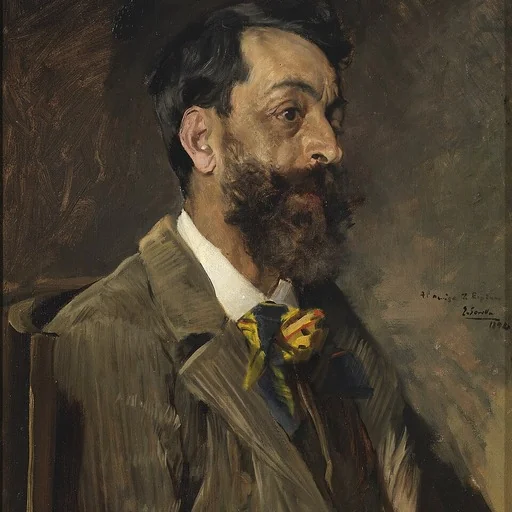
Artist
Juan Espina y Capó (1848, Madrid - 15 December 1933, Madrid) was a Spanish painter and engraver, influenced by the Barbizon school, who specialized in landscapes.