Artwork
Still Life with Fruit and Vegetables
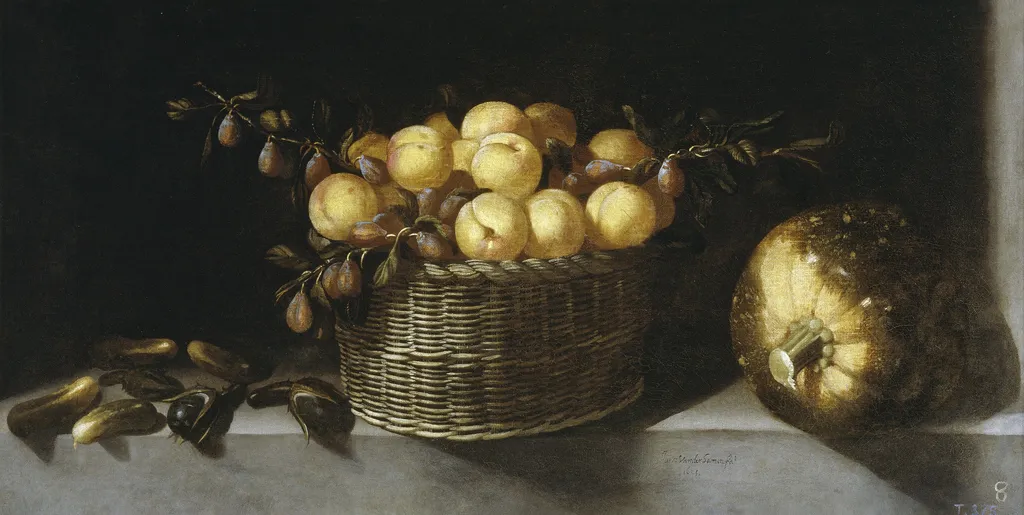
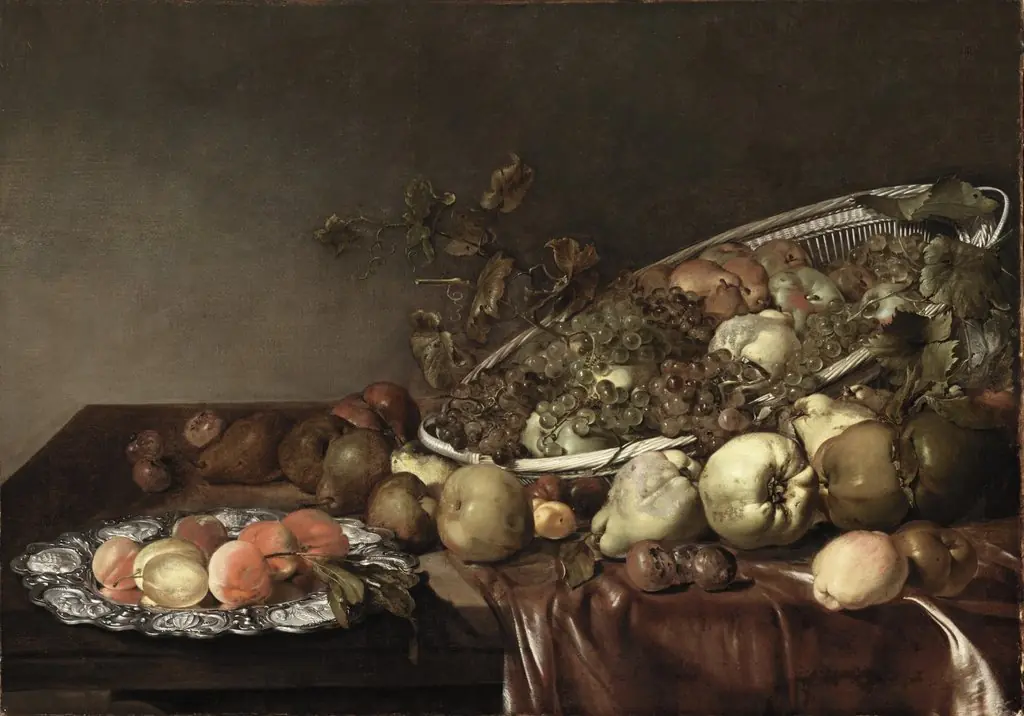
Still Life with Fruit and Vegetables is an oil painting by the Dutch Golden Age artist Juan van der Hamen. It dates from 1623 and is held in the collection of the Museo del Prado.
About this work
Overview
Created in 1623, this oil painting presents a carefully arranged still life of fruit and vegetables rendered in the manner of the Dutch Golden Age, yet executed by the Spanish painter Juan van der Hamen. The composition centers on a wicker basket brimming with ripe peaches and dark plums, accompanied by a textured squash and scattered leaves against a deep, neutral background.
Subject & Meaning
The work exemplifies the bodegón genre, focusing on everyday produce to explore texture, form, and the fleeting quality of abundance. By juxtaposing the smoothness of the peaches with the roughness of the squash and the glossy darkness of the plums, the painting invites contemplation of natural variety and the sensory richness of the market table.
Technique & Style
Van der Hamen employs a strong chiaroscuro effect, allowing light to strike the fruit and create a luminous surface that contrasts sharply with the surrounding darkness. The careful rendering of skin tones, subtle reflections, and the tactile quality of the basket demonstrates a meticulous handling of oil paint, emphasizing depth and three-dimensionality within a compact tableau.
History & Provenance
After its completion in early 17th‑century Madrid, the painting entered private collections before being acquired by the Museo del Prado, where it remains part of the permanent holdings. Its presence in the museum reflects the artist’s role in introducing the still‑life tradition to Spanish audiences during the 1620s.
Artist & collection
Artist
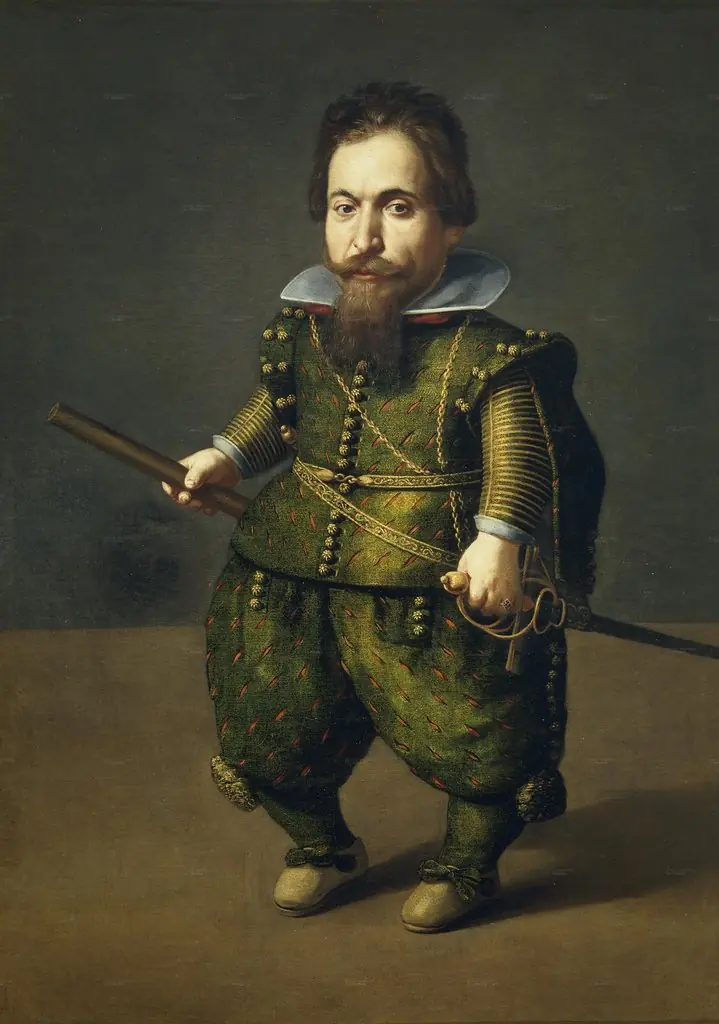
Juan van der Hamen y (Gómez de) León (baptized 8 April 1596 – 28 March 1631) was a Spanish painter, a master of still life paintings, also called bodegones.

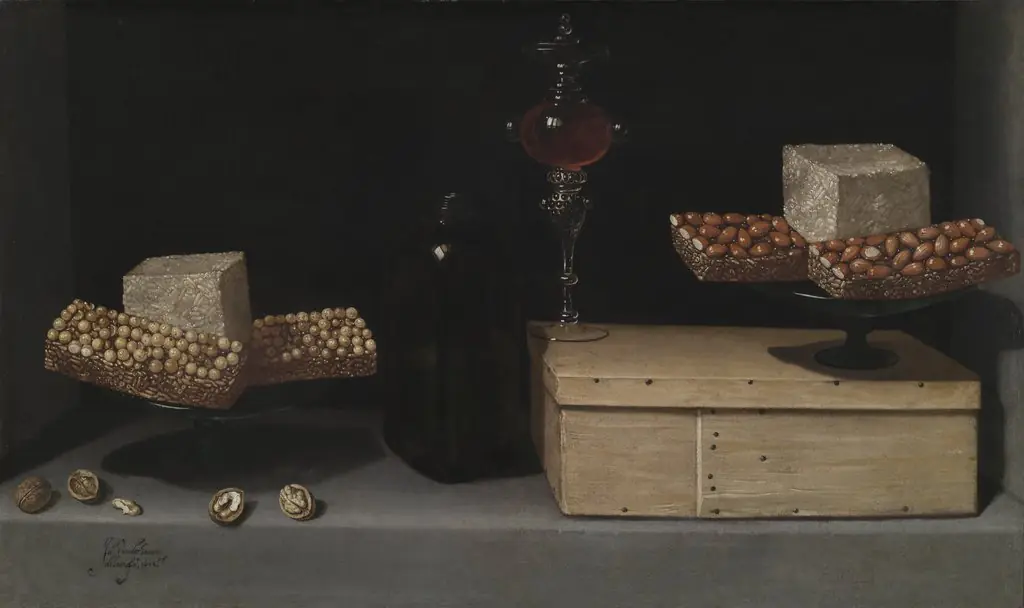
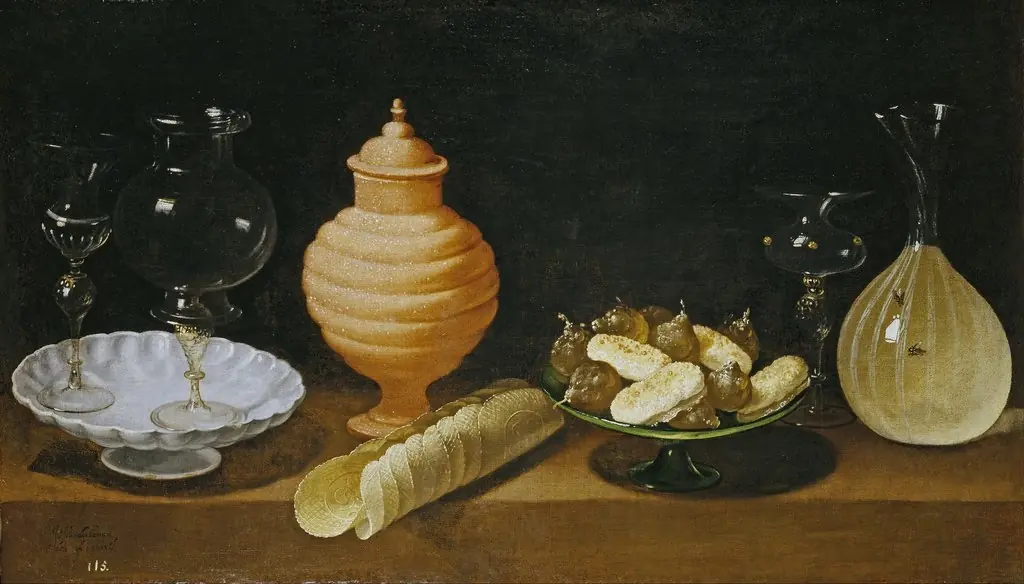
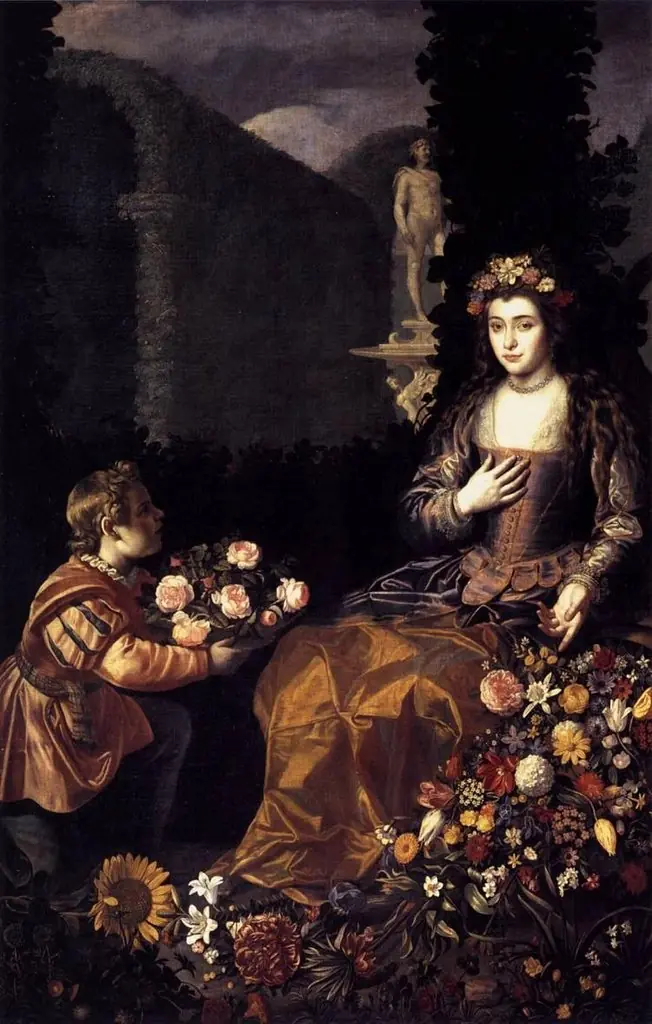
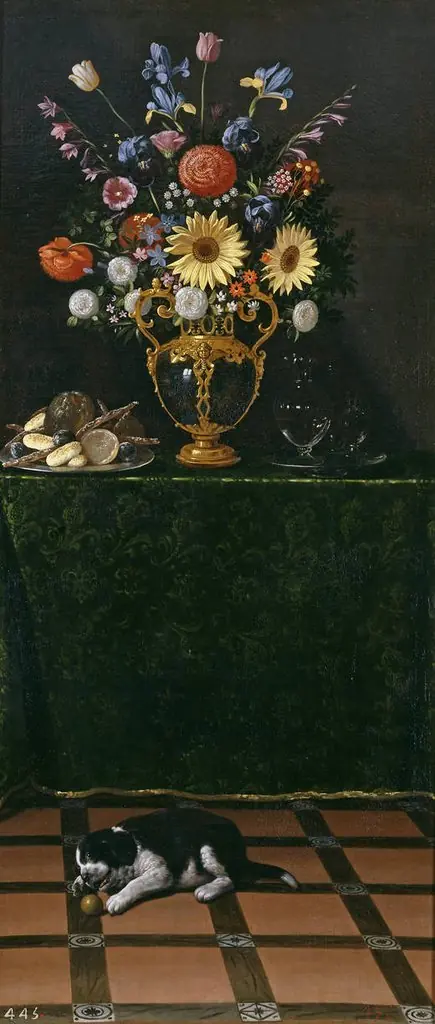
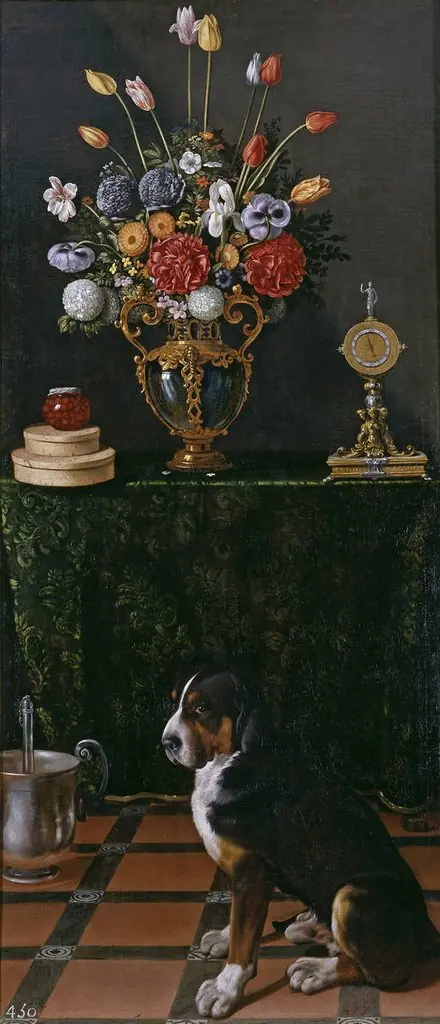
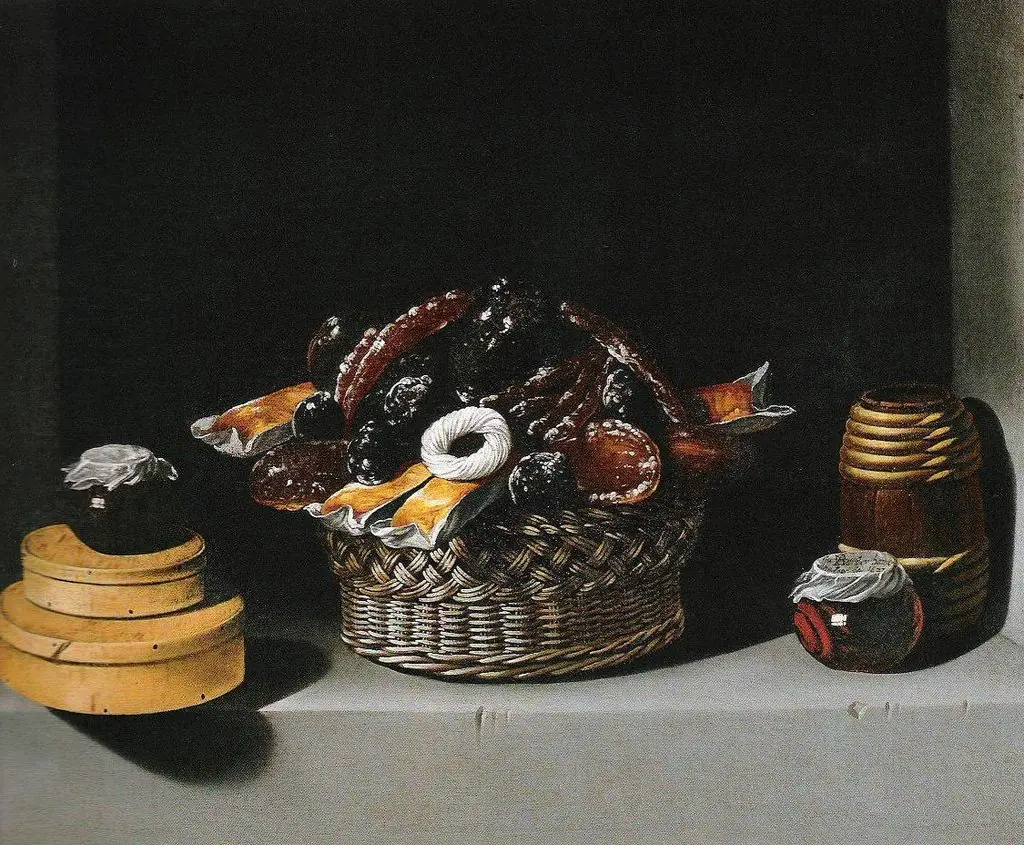
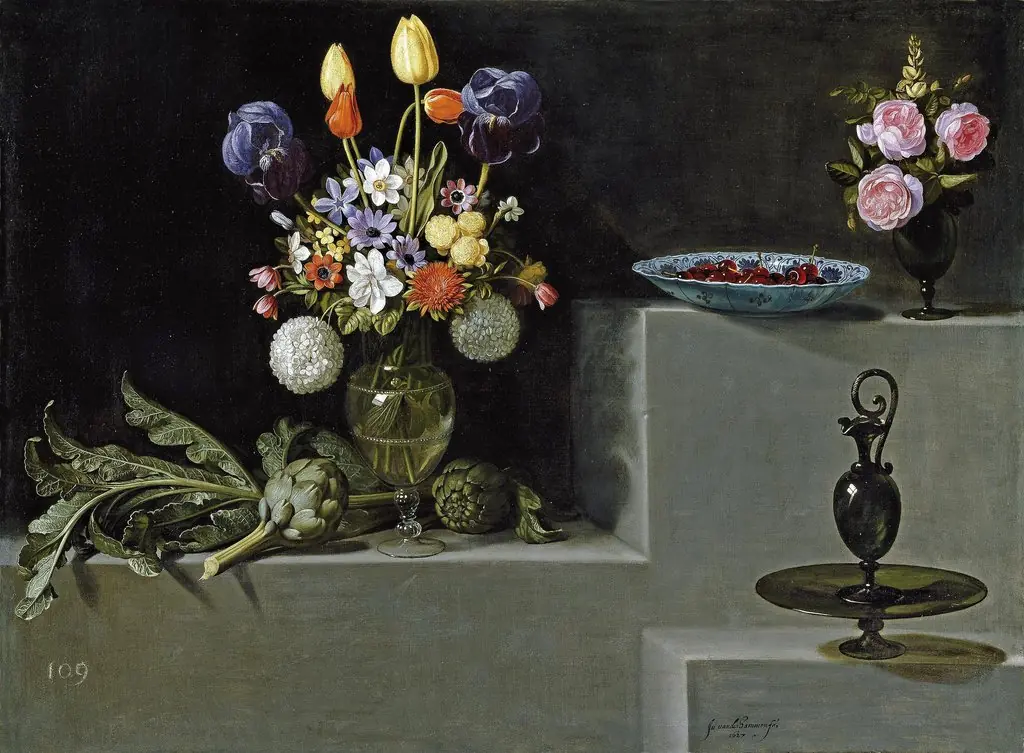
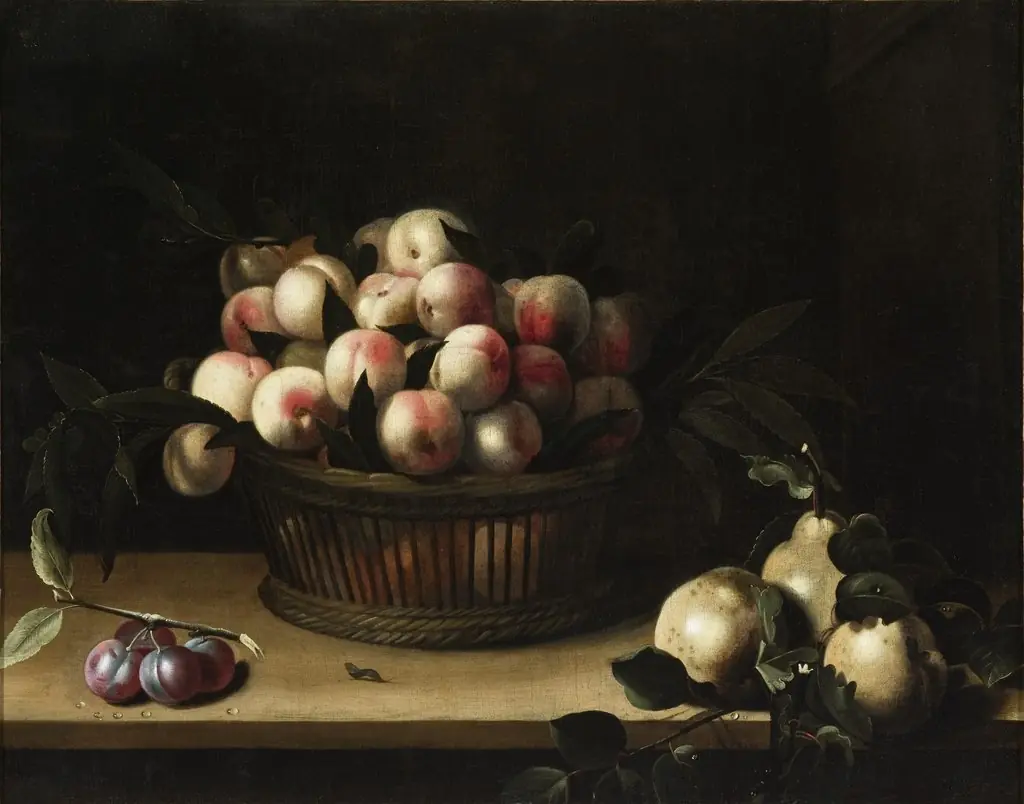 Basket of Peaches, with Quinces, and Plums
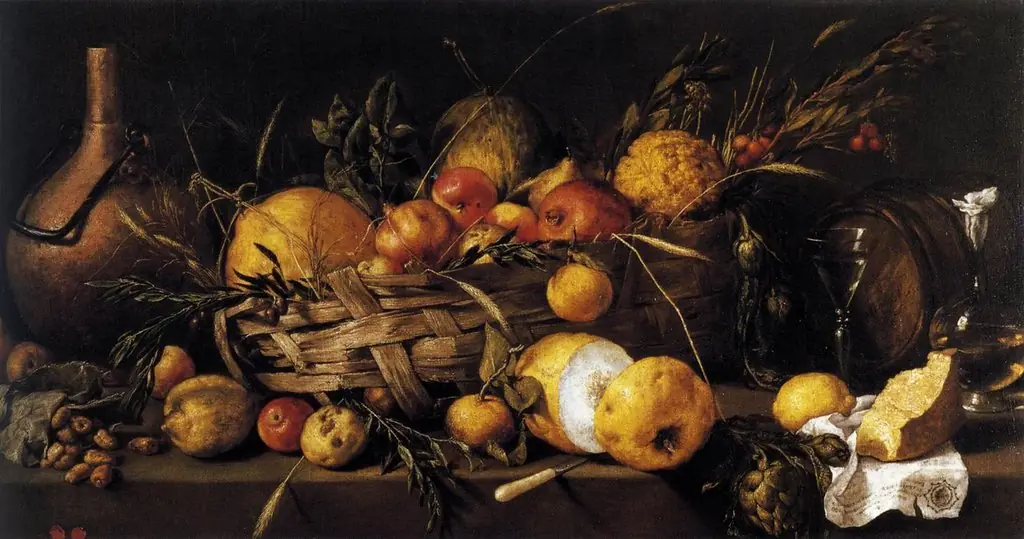 Still-Life with Fruit
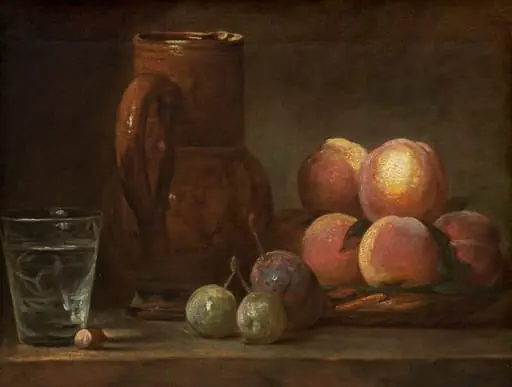 Fruit, Jug, and a Glass
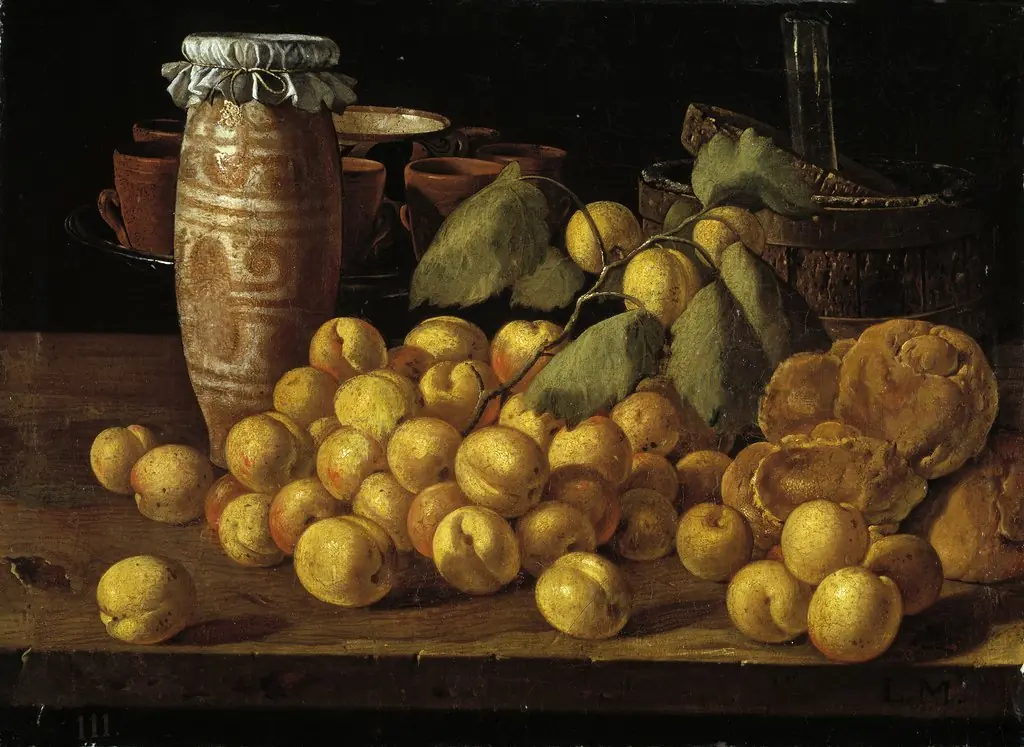 Still Life with Apricots Buns and Vessels
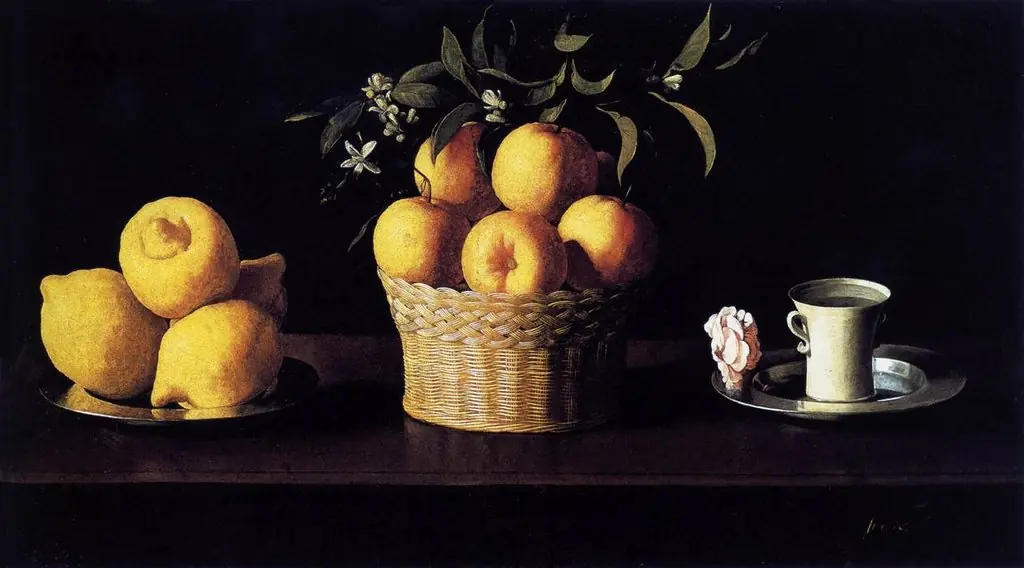 Still Life with Lemons, Oranges and a Rose
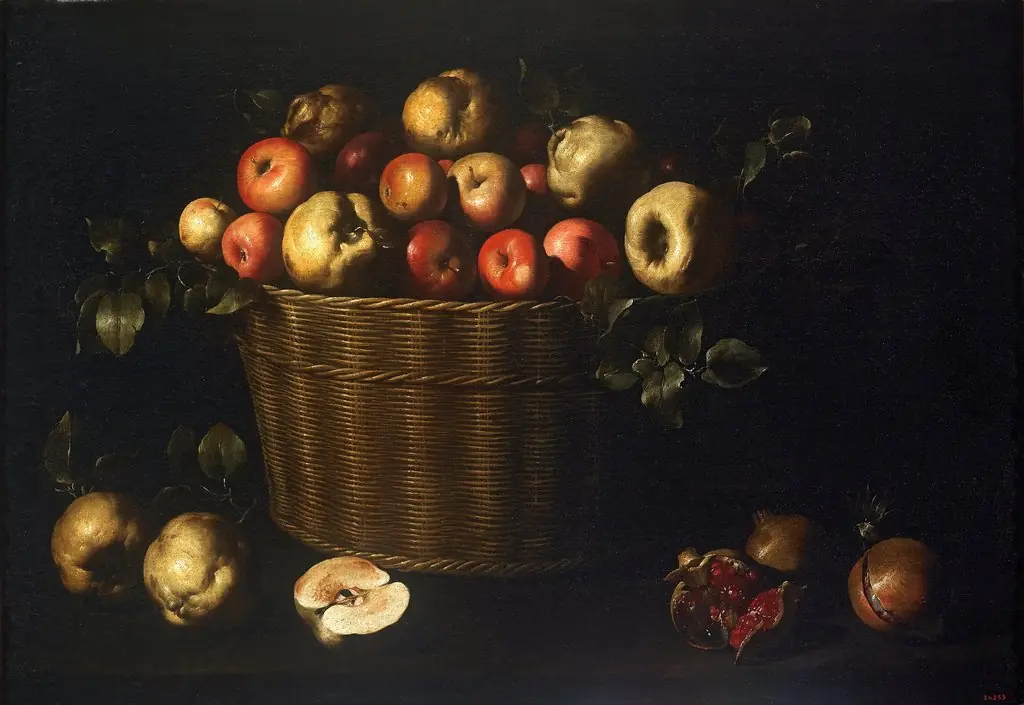 Basket with Apples, Quinces and Pomegranates
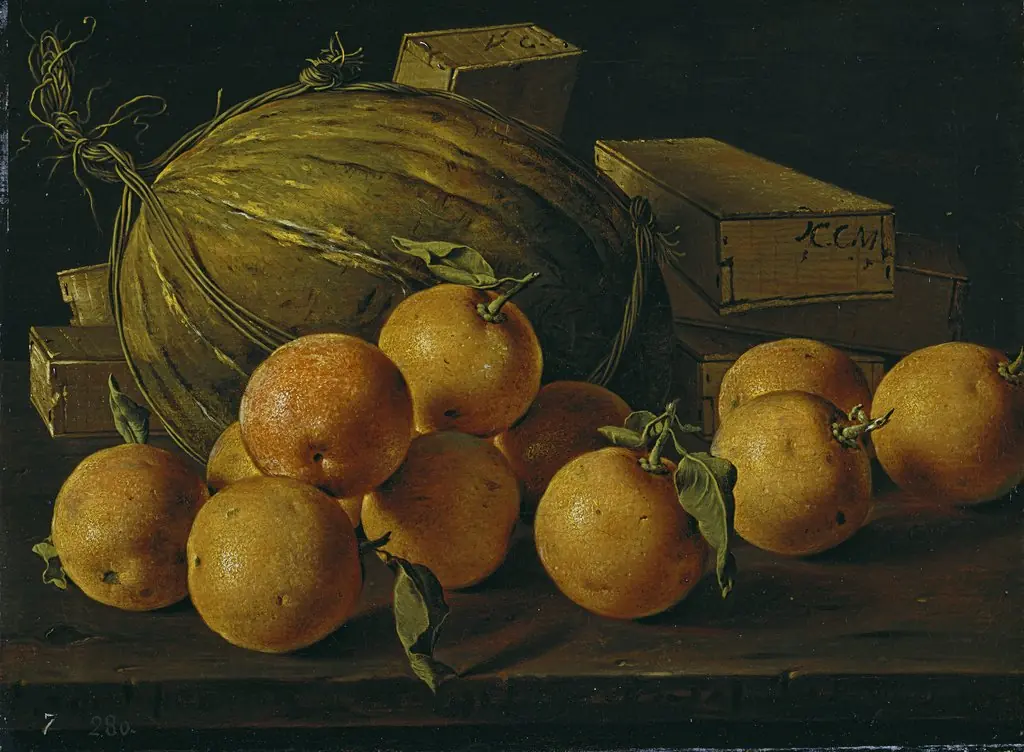 Still Life with Oranges Melon and Boxes of Sweets
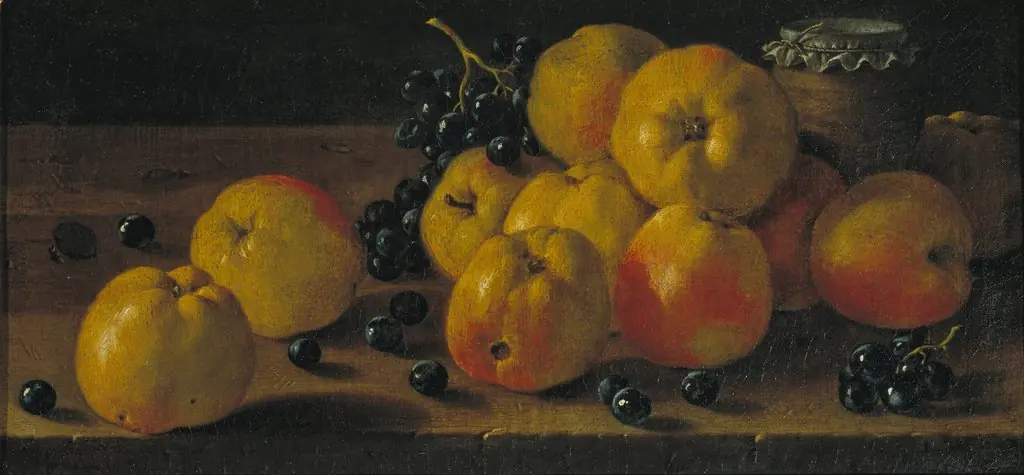 Still Life with Apples, Grapes and a Pot of Jam
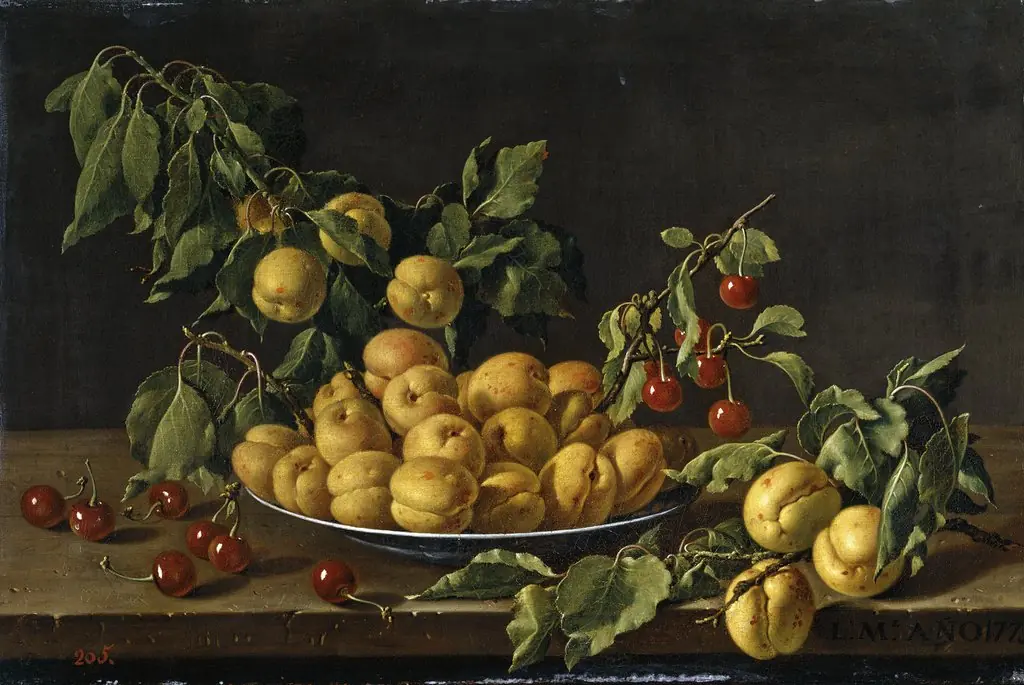 Still Life with Plate of Apricots and Morello Cherries
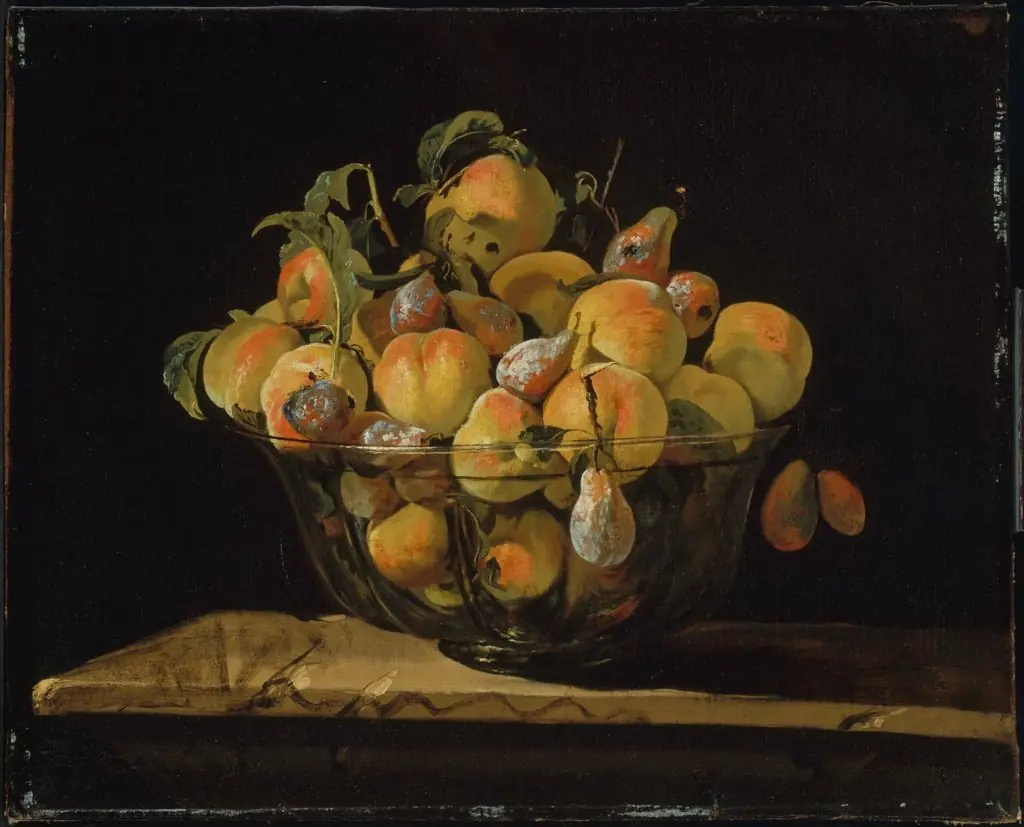 Peaches and Pears in a Glass Bowl
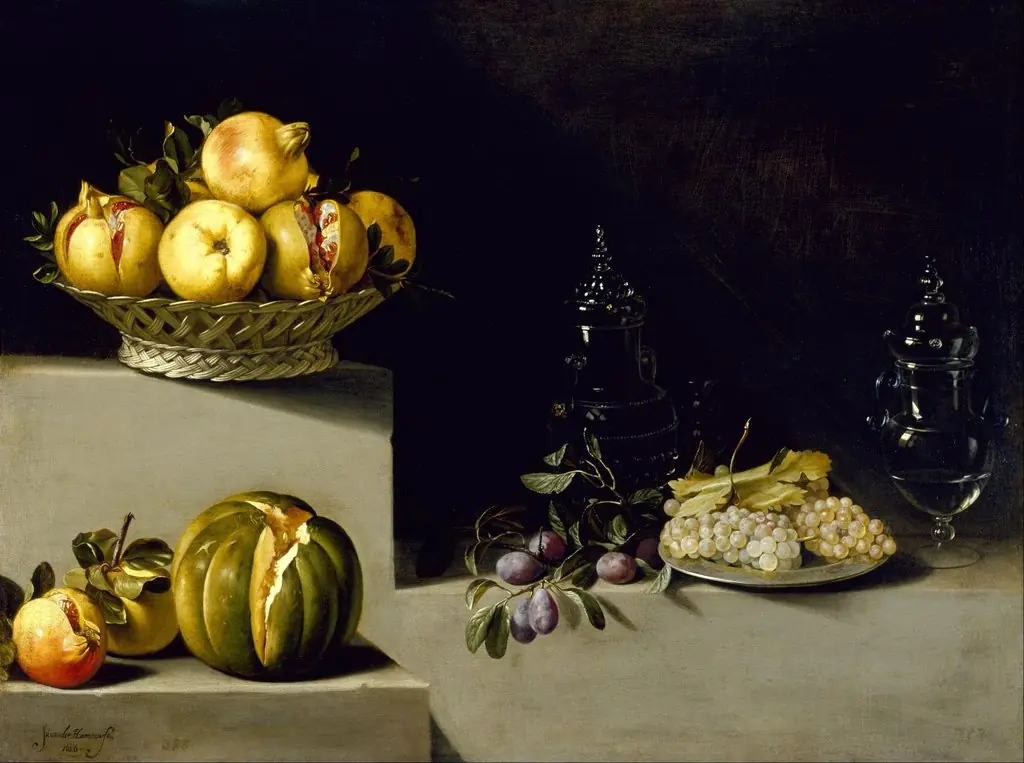 Still Life with Fruit and Glassware
 Still Life with Fruit