Artwork
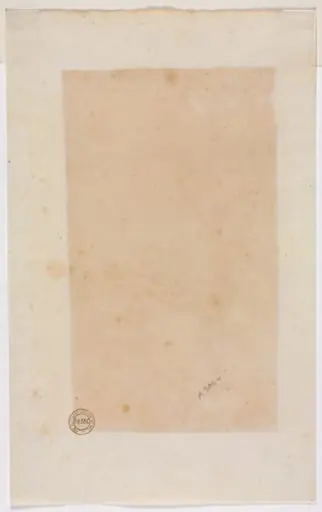
Cattle (verso)
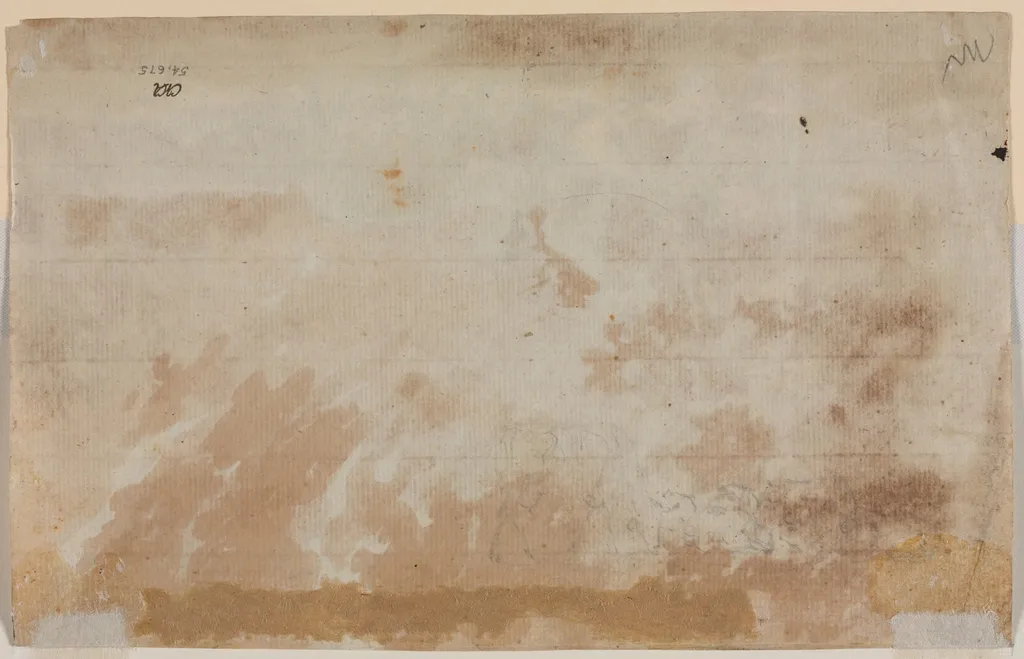
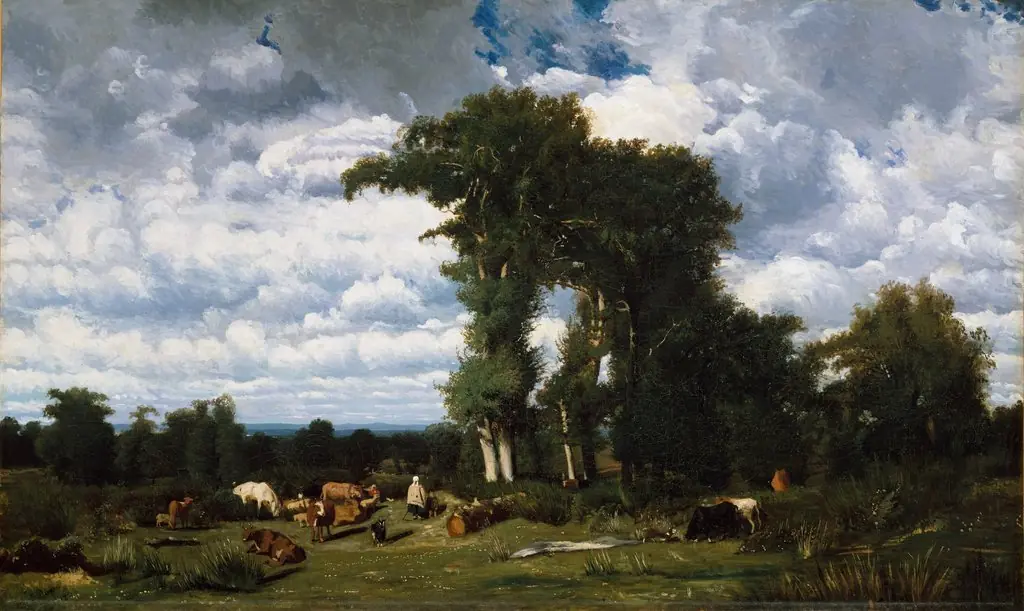
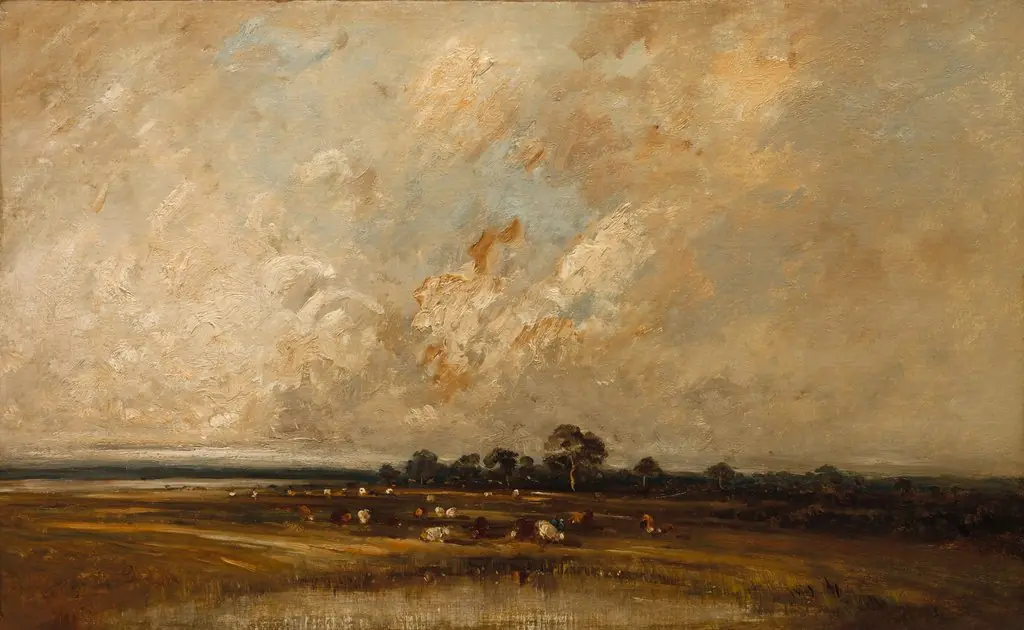
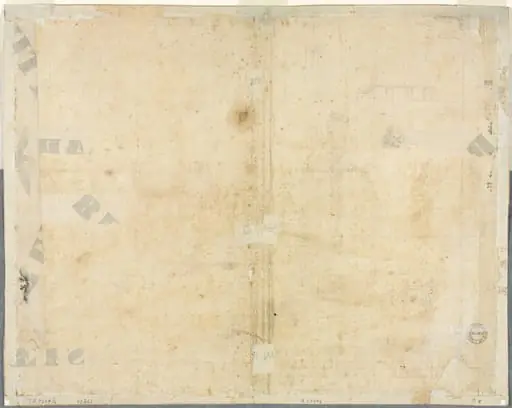
Cattle (verso) is a drawing by the Romanticist artist Jules Dupré. It dates from 1804 and is held in the collection of the Cleveland Museum of Art.
About this work
Overview
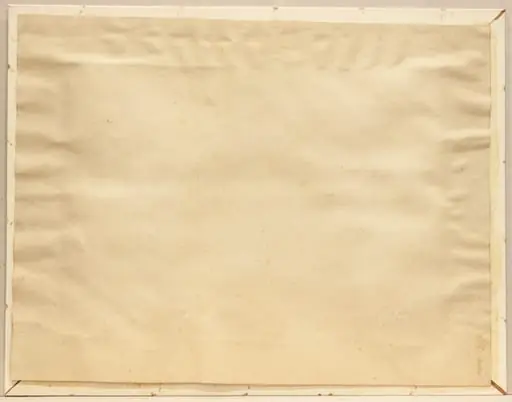
The paper shows signs of age—yellowing, faint smudging, and wear—suggesting it was handled or stored over time.
Cattle (verso) is a pencil and ink drawing attributed to Jules Dupré, likely executed in the early 1830s. It appears on the reverse side of another work, a common practice among artists reusing paper. The composition is spare, capturing a group of cattle in a quiet field with minimal detail. The paper shows signs of age—yellowing, faint smudging, and wear—suggesting it was handled or stored over time. Its unfinished quality reflects the artist’s habit of working directly from nature.
Subject & Meaning
The drawing presents a modest rural scene: cattle standing still in an open landscape, their forms suggested rather than defined. There is no narrative or human presence, emphasizing the animals’ quiet coexistence with their environment. This restraint aligns with the Barbizon school’s rejection of idealized pastoralism in favor of unembellished observation. The work conveys stillness and solitude, valuing the dignity of everyday rural life over dramatic spectacle.
Technique & Style
Dupré employed light, fluid pencil strokes to outline the cattle and suggest the contours of the land. The lines are tentative, almost ephemeral, with areas of soft smudging indicating erasure or atmospheric blending. The absence of heavy shading or color reinforces the sketchlike character. The use of the paper’s reverse side and its worn condition point to a working drawing—intended not for display but as a study for later compositions or a record of observed forms.
History & Provenance
The drawing’s origin lies within Dupré’s personal sketchbooks, likely created during his field excursions near Barbizon. Its verso placement suggests it was not intended as a finished piece but as part of an ongoing observational practice. The faint inscriptions in the lower right may be artist’s notes or labels, though their meaning remains unclear. The work entered institutional collections after Dupré’s death, preserved as evidence of his method rather than as a standalone artwork.
Context
In the 1830s, Dupré and other Barbizon painters moved away from studio-based historic or mythological subjects to paint directly from the French countryside. They prioritized light, weather, and the rhythms of rural labor. Cattle (verso) exemplifies this shift: a quiet, unadorned record of animals in their natural setting, made without theatricality. Such sketches formed the foundation for larger, exhibited landscapes and helped redefine French landscape art in the decades before Impressionism.
Legacy
Though modest in scale and finish, drawings like Cattle (verso) reveal the disciplined observational habits that underpinned the Barbizon movement. They influenced later artists who sought authenticity in landscape representation, including the Impressionists. Today, such works are valued not for their polish but for their immediacy—offering direct access to the artist’s process and the quiet rhythms of 19th-century rural life.
Artist & collection
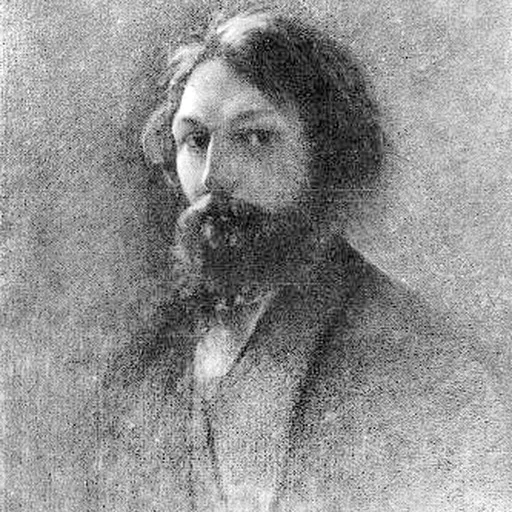
Artist
Jules Louis Dupré (French pronunciation: ; April 5, 1811 – October 6, 1889) was a French painter, one of the chief members of the Barbizon school of landscape painters.

 Sketches of Windows and Pilasters of the Attic Storey of the Collegio di Propaganda Fide (verso)
 Nuntă tătărască
 Conglomerat chimic
 Cartouche (verso)
 Peisaj marin Balcic
 Octombrie în deltă
 Border Lines (verso)
![Figure on Horseback and Other Studies [verso], by Winslow Homer](https://artifactworldgallery.com/img/winslow-homer--figure-on-horseback-and-other-studies-verso--3909dbf700a8f786-w320.webp) Figure on Horseback and Other Studies [verso]
Figure on Horseback and Other Studies [verso] Anul 1821
 Krishna and Balarama with Various Nobles
 The Head of Saint George and Architectural Plans (verso)
 Peisaj din deltă