Artwork
The Estuary Farm
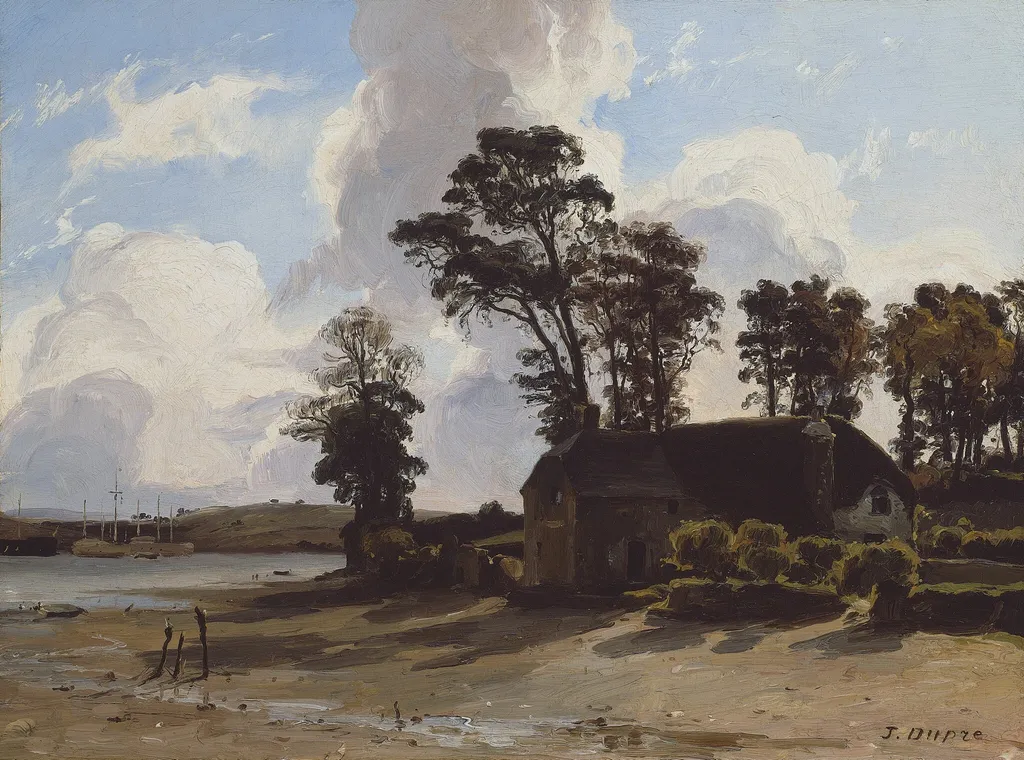
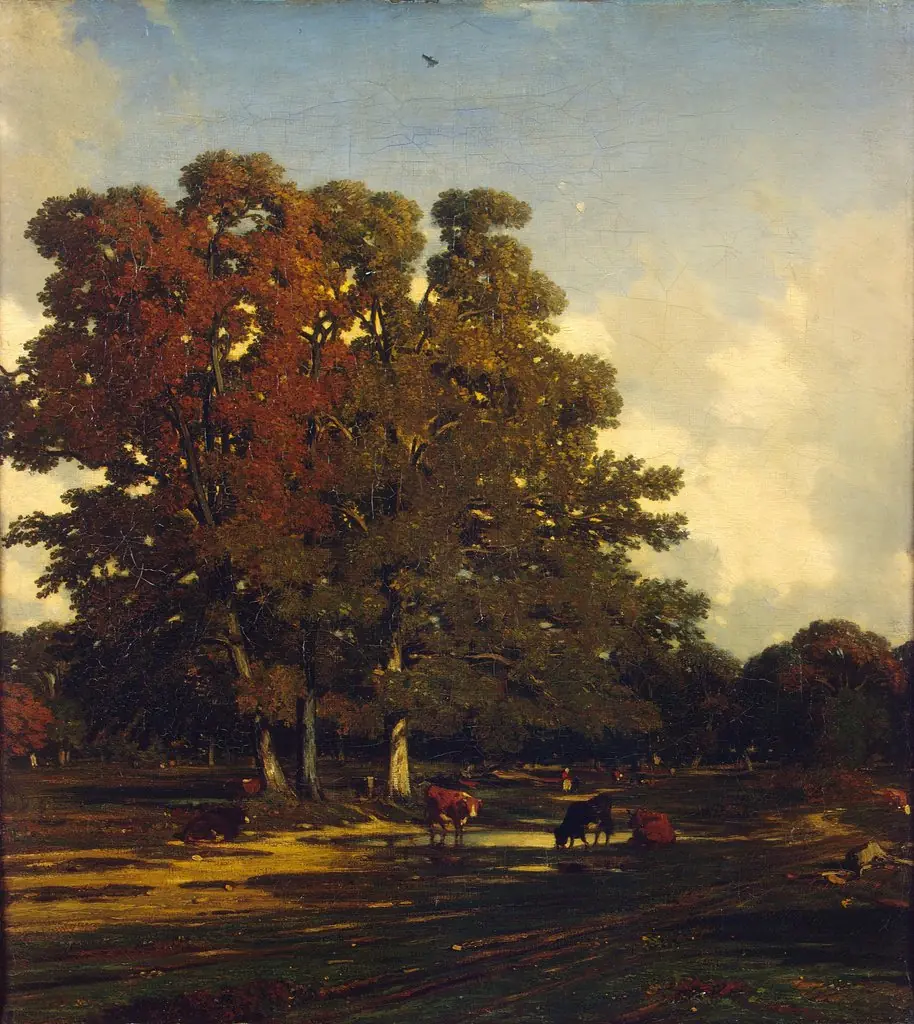
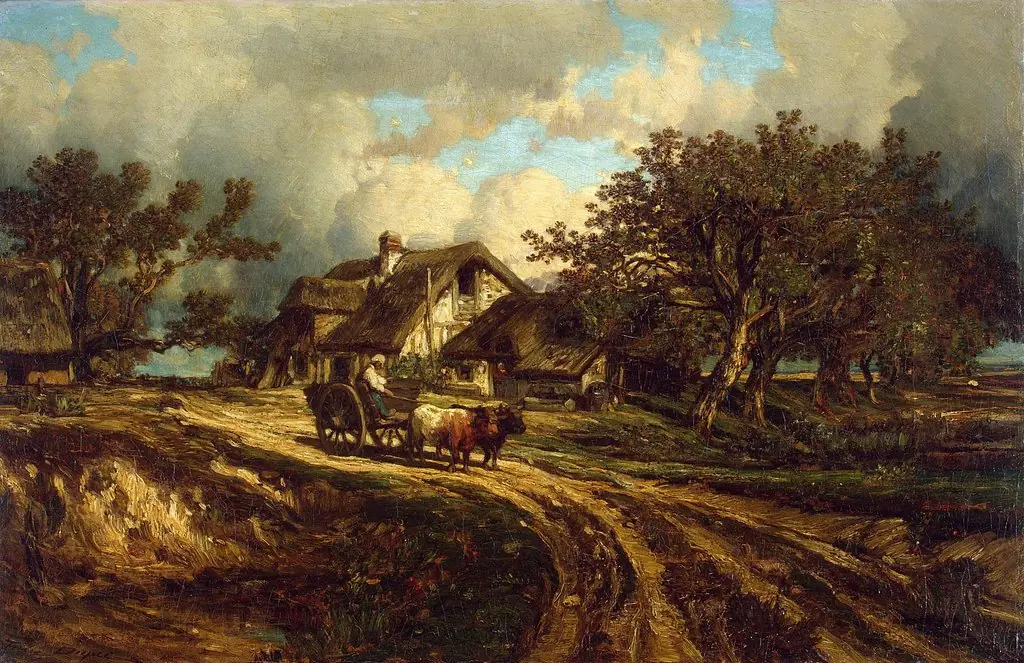
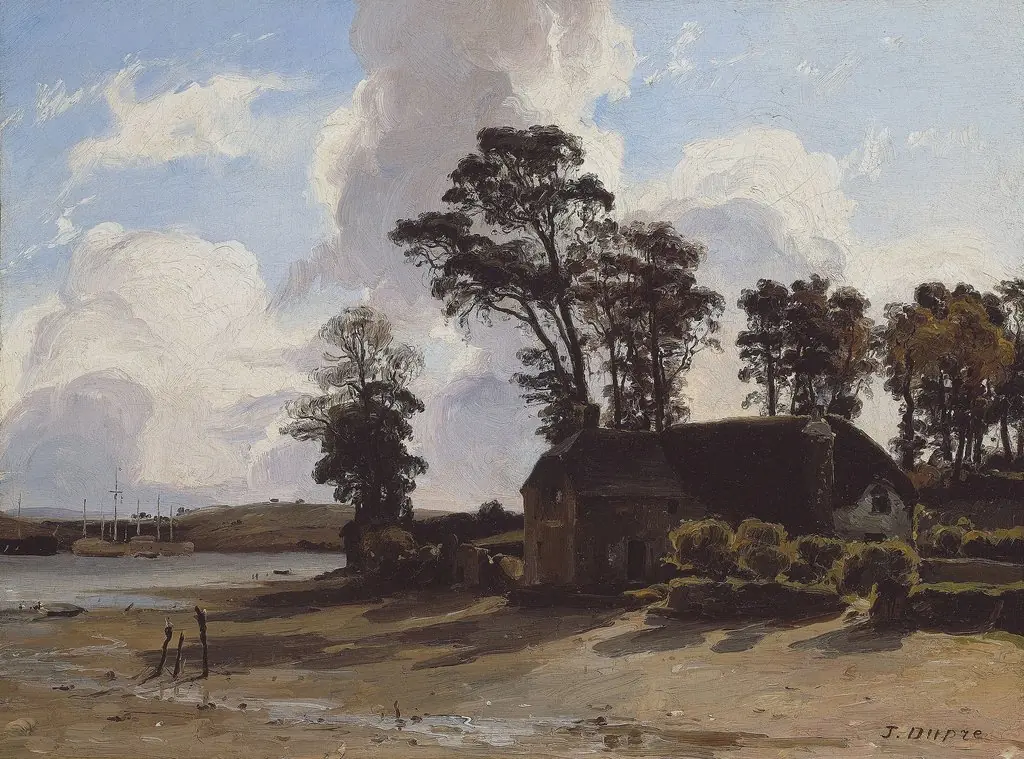
The Estuary Farm is an oil painting by the Barbizon school artist Jules Dupré. It dates from 1832 and is held in the collection of the Art Institute of Chicago.
About this work
Overview
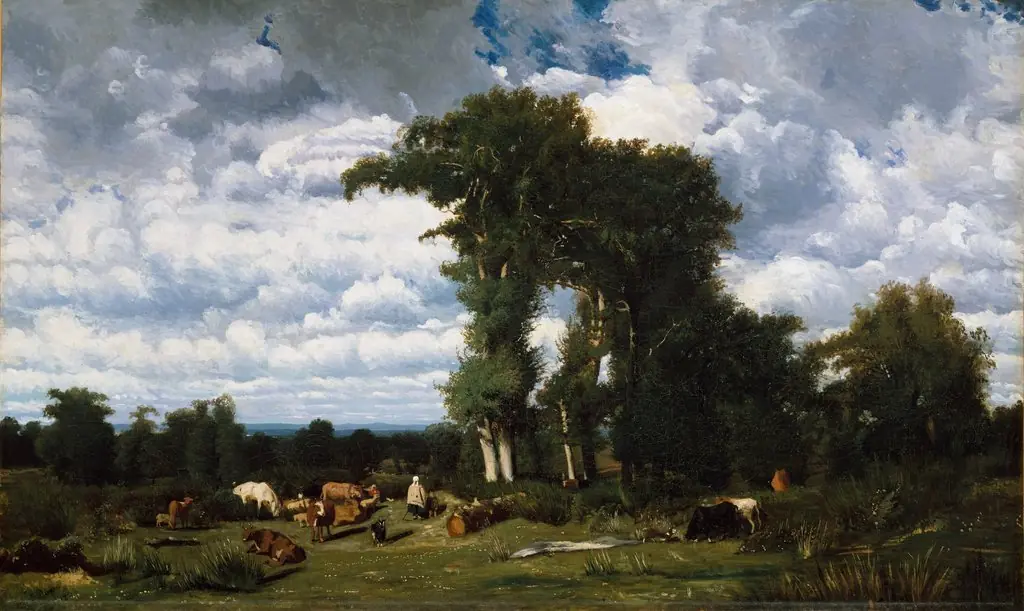
The Estuary Farm, an oil on canvas painting from 1832, is a work by Jules Dupré, a prominent figure in the Barbizon school of landscape painting. The piece depicts a serene rural scene of a farm situated near a body of water.
Subject & Meaning
The painting portrays a tranquil riverside farm with trees, buildings, and animals, conveying a sense of peace. This subdued approach contrasts with the dramatic landscapes prevalent during the period, instead emphasizing simplicity and naturalistic calm.
Technique & Style
Dupré employed a predominantly brown and green palette to achieve the serene atmosphere, characteristic of the Barbizon School’s emphasis on capturing light and atmospheric effects in rural settings.
History & Provenance
Created in 1832, The Estuary Farm is now part of the Art Institute of Chicago’s collection.
Context
The work reflects the Barbizon School’s influence, which focused on naturalistic depictions of the countryside, diverging from the more dramatic landscape traditions of the time.
Legacy
While specific lasting impacts of The Estuary Farm on subsequent art movements are not detailed, it remains representative of Dupré’s contribution to the Barbizon school, with viewers drawn to its style often directed towards exploring more of Dupré’s oeuvre.
Own this work as a print
Artist & collection
Artist
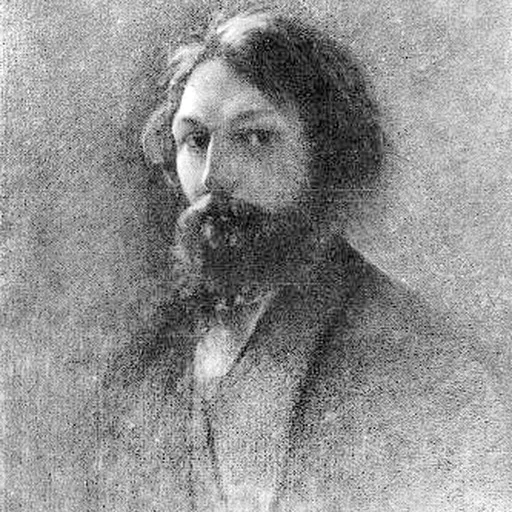
Jules Louis Dupré (French pronunciation: ; April 5, 1811 – October 6, 1889) was a French painter, one of the chief members of the Barbizon school of landscape painters.

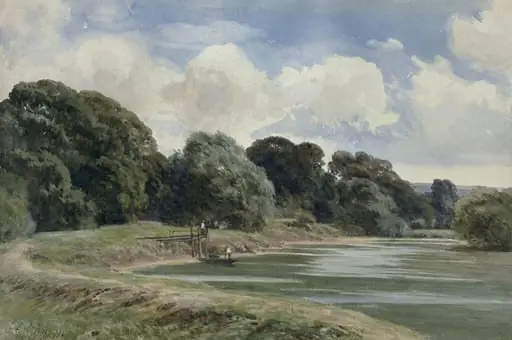 A Peaceful River
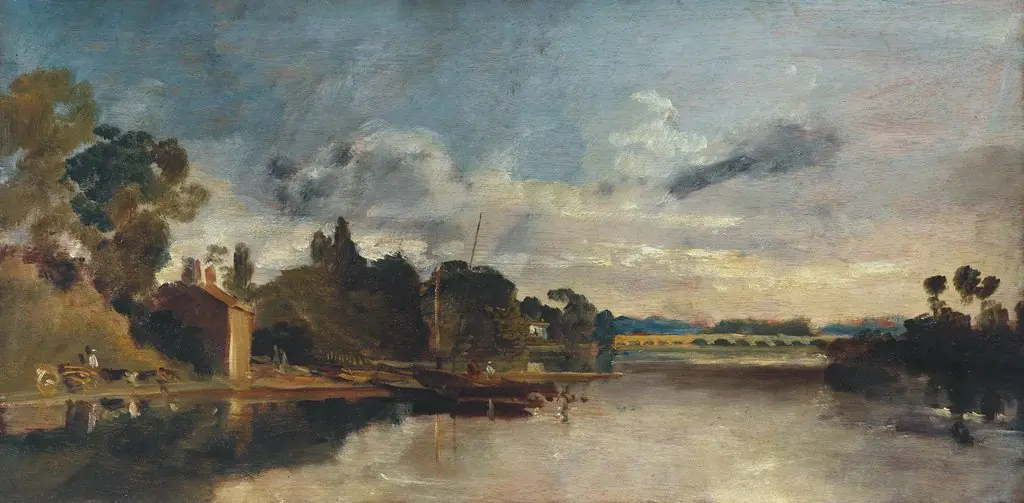 The Thames near Walton Bridges
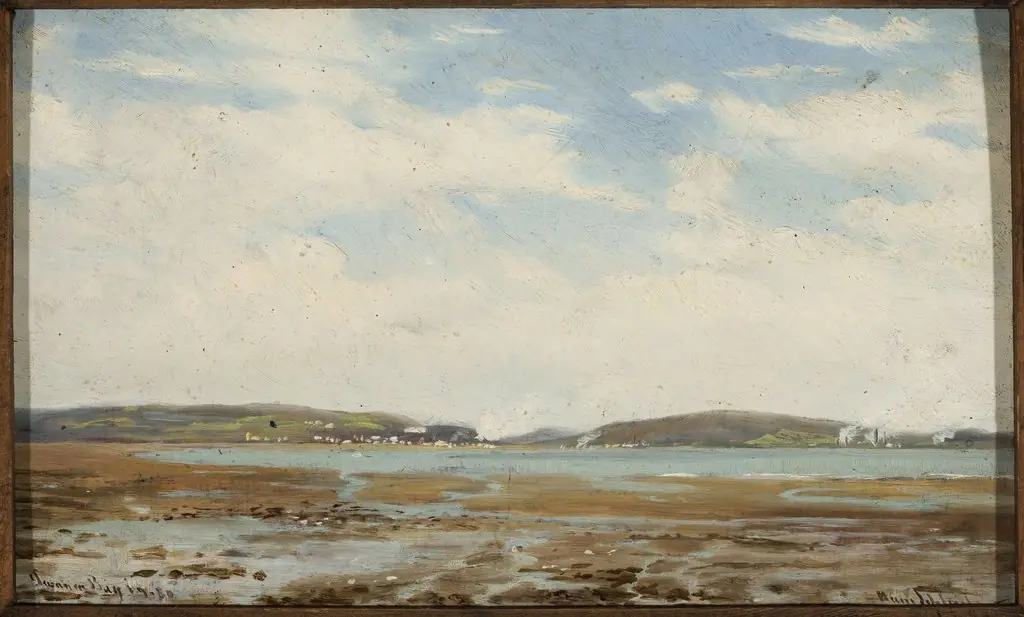 Waterside landscape
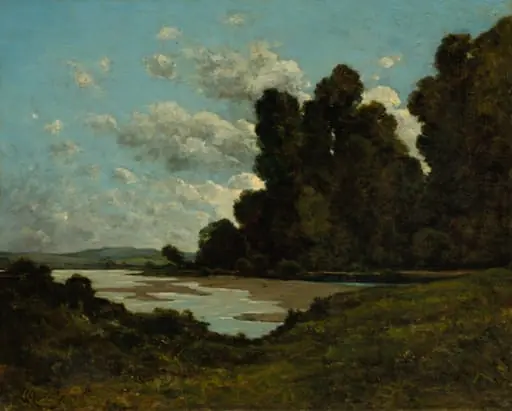 The River Loire at Nevers
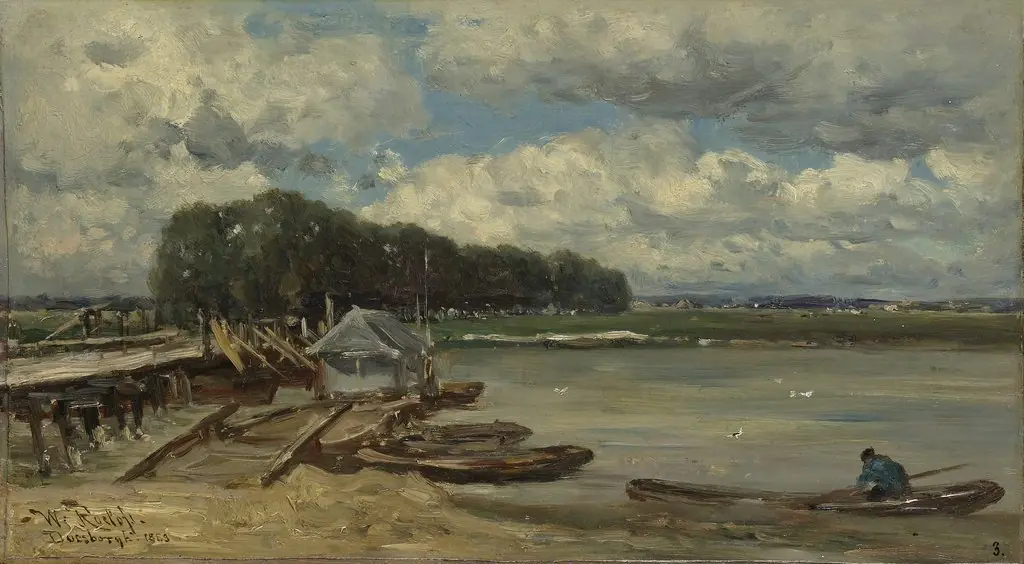 De brug over de IJssel bij Doesburg
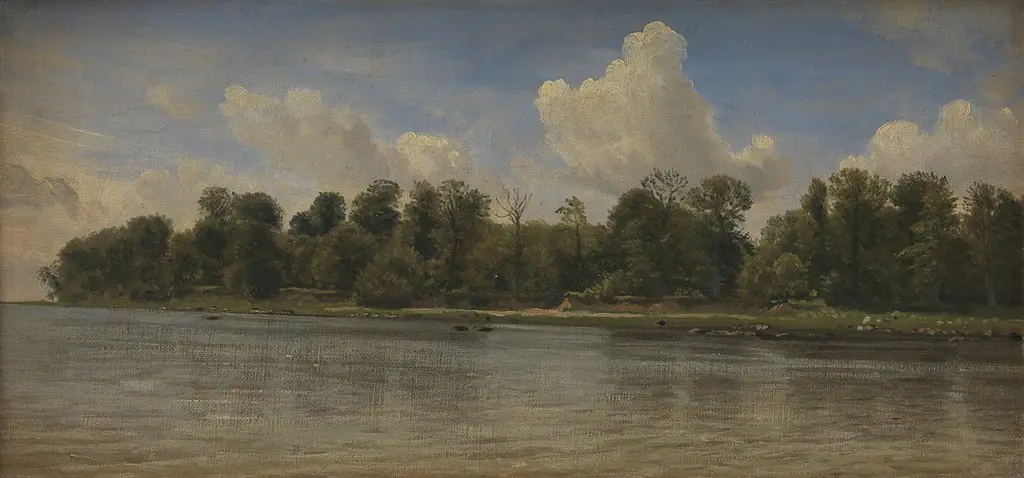 Strand ved Præstø
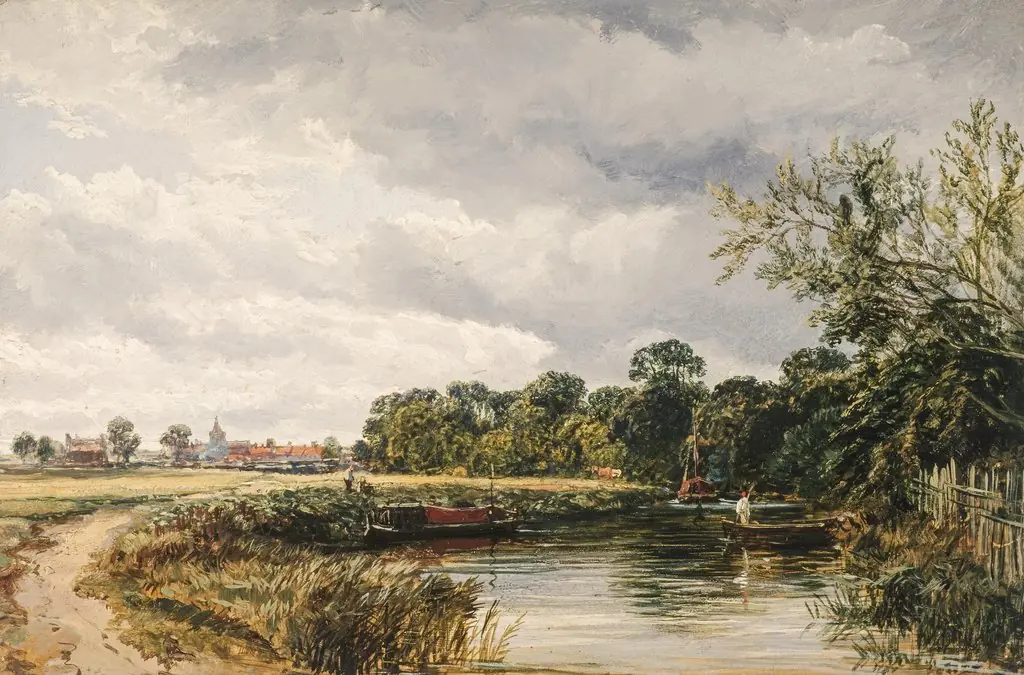 An English Canal Scene
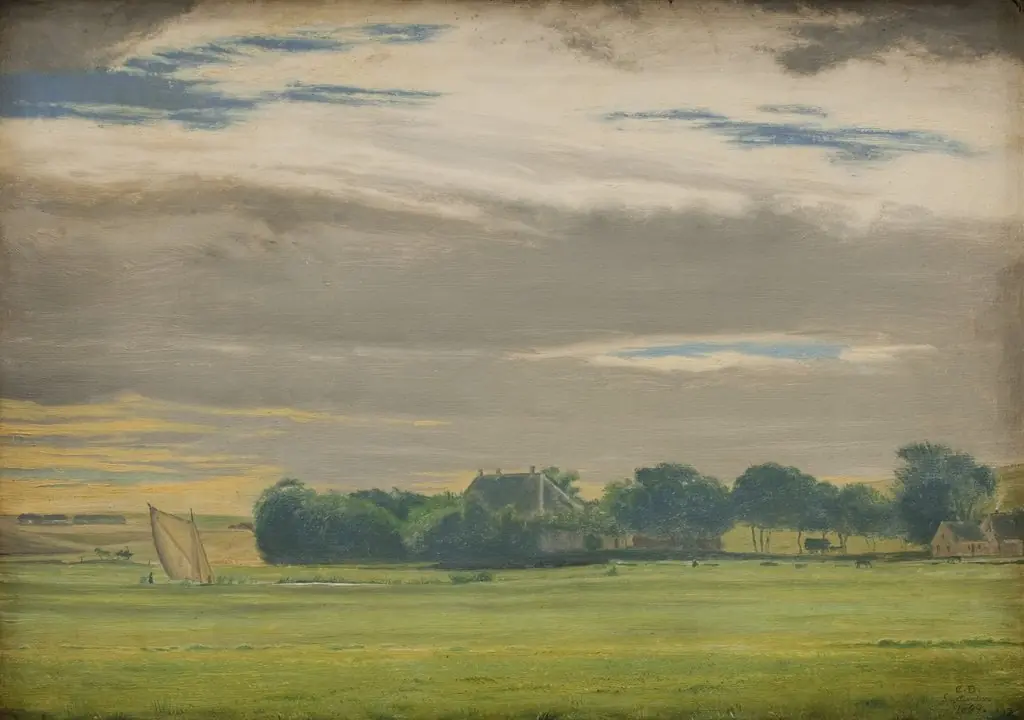 Landscape near the Town of Skive with Skivehus Manor, Jutland
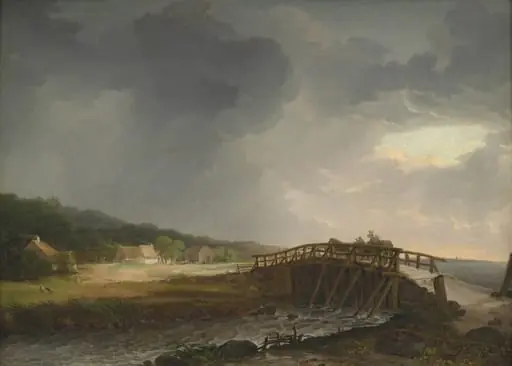 The Bridge across Tryggevælde River with a View of Køge, Zealand
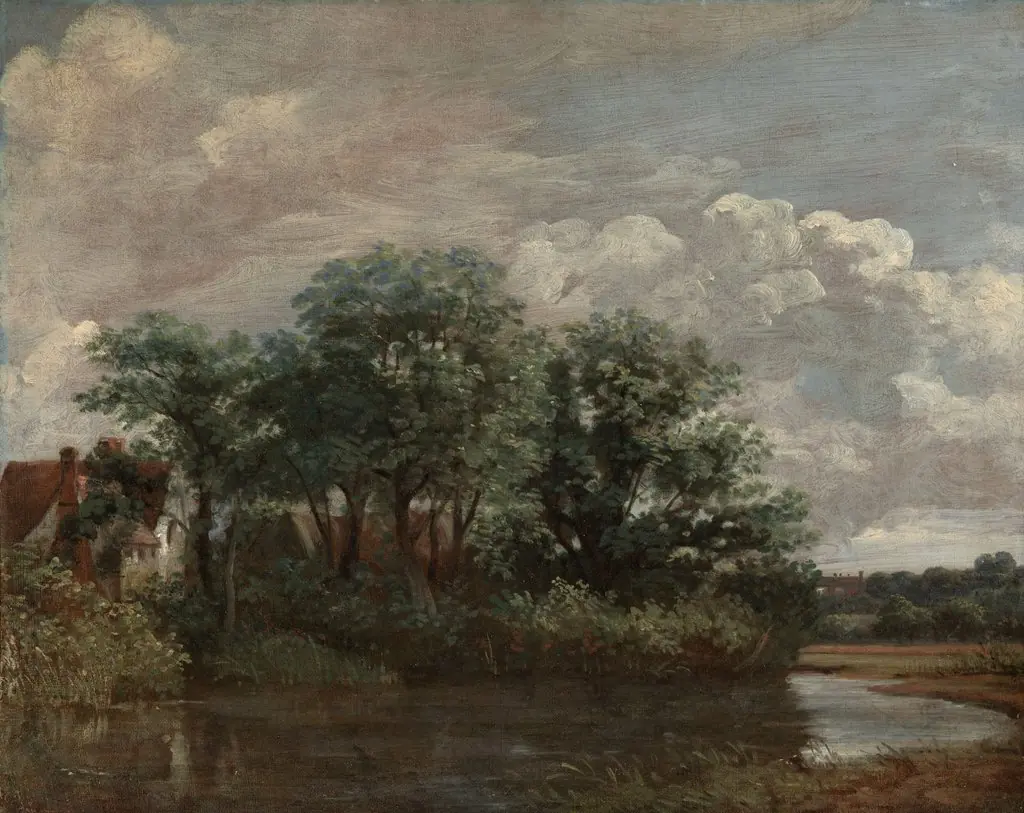 Willy Lott's House
 The River Loire at Nevers
 The Estuary Farm