Artwork
The Grand Canal, with Santa Maria della Salute, Venice
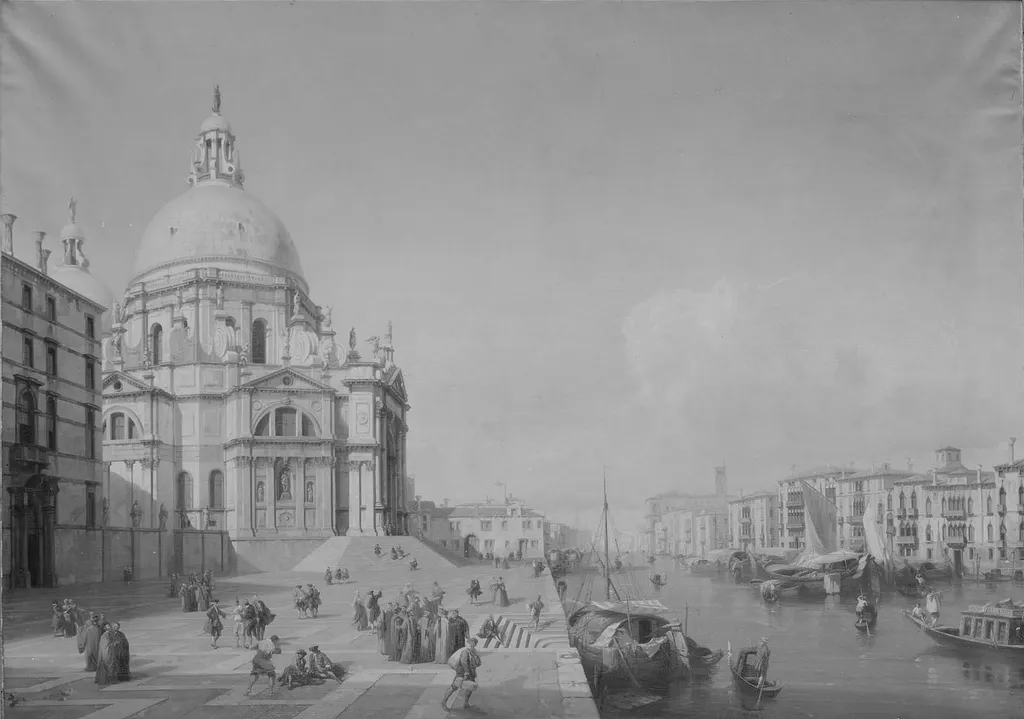
The Grand Canal, with Santa Maria della Salute, Venice is an oil painting by Jules-Romain Joyant. It dates from 1850 and is held in the collection of the Museum of Fine Arts Boston. Painted around 1850, this oil on canvas depicts a view along Venice’s Grand Canal, centered on the domed church of Santa Maria della Salute.
About this work
Overview
Painted around 1850, this oil on canvas depicts a view along Venice’s Grand Canal, centered on the domed church of Santa Maria della Salute.
Painted around 1850, this oil on canvas depicts a view along Venice’s Grand Canal, centered on the domed church of Santa Maria della Salute. The work is attributed to Jules-Romain Joyant, a French artist known for his topographical scenes. It is part of the collection at the Museum of Fine Arts, Boston, where it serves as an example of 19th-century European landscape painting focused on Italian urban vistas.
Subject & Meaning
The scene captures a bustling civic waterfront, with the Salute church as a focal point of religious and architectural significance. Figures gather on the steps and along the canal’s edge, suggesting daily life and pilgrimage. The composition emphasizes the church’s prominence in Venice’s skyline, reflecting its role as a symbol of gratitude for deliverance from plague, while the activity below grounds the image in human experience.
Technique & Style
Joyant employs oil paint to render subtle shifts in light across water and stone, using soft transitions to suggest atmospheric depth. The reflections on the canal’s surface and the textured facades of buildings demonstrate attention to material realism. While not overtly dramatic, the handling of light and shadow follows principles of chiaroscuro to enhance volume and spatial coherence without theatrical emphasis.
History & Provenance
The painting was likely created during Joyant’s travels in Italy, a common practice among 19th-century French artists seeking inspiration in historic cities. It entered the Museum of Fine Arts, Boston’s collection in the late 19th or early 20th century, possibly through a private donor or acquisition from a European dealer. Its provenance remains modest, with no record of prominent early ownership.
Context
In the mid-1800s, Venice attracted European artists drawn to its decayed grandeur and enduring architecture. Joyant’s work aligns with a broader trend of topographical painting that documented urban landscapes for both documentary and aesthetic purposes. Unlike Romanticized interpretations, his approach favors quiet observation, reflecting the period’s growing interest in authentic, unidealized views of historic sites.
Legacy
Though not widely exhibited or studied today, the painting contributes to the historical record of 19th-century travel art. It represents a quiet, precise strand of landscape painting that valued accuracy and atmosphere over dramatic flair. As such, it offers insight into how foreign artists perceived and recorded Venice during a time of cultural transition and increasing tourism.
Artist & collection


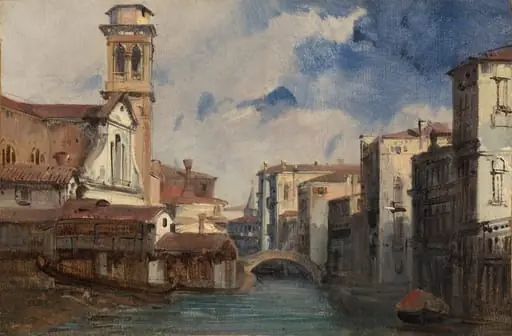
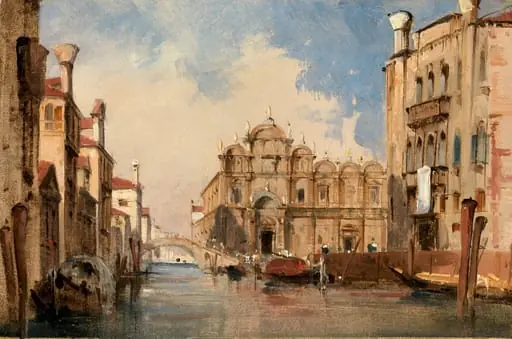
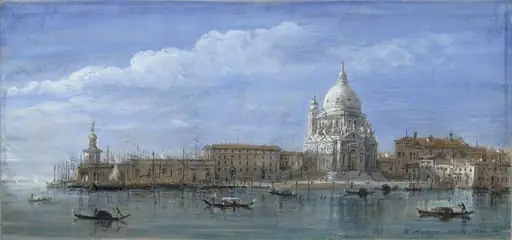 The Grand Canal and the Church of Santa Maria della Salute, Venice
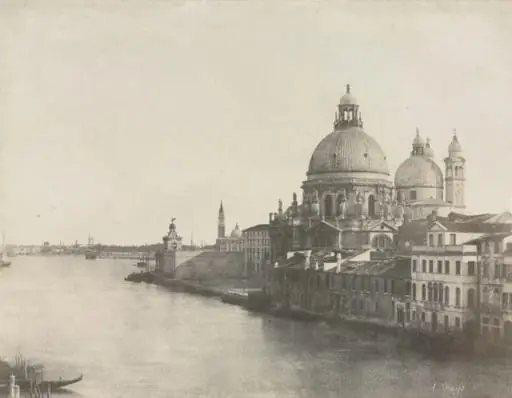 Santa Maria della Salute, View of the Grand Canal, Venice
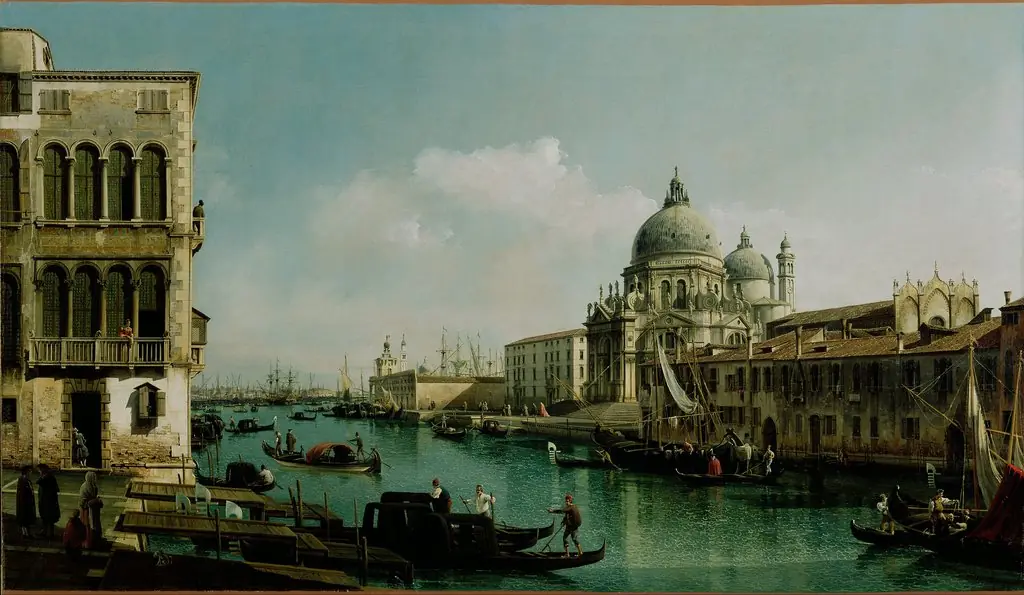 View of the Grand Canal: Santa Maria della Salute and the Dogana from Campo Santa Maria Zobenigo
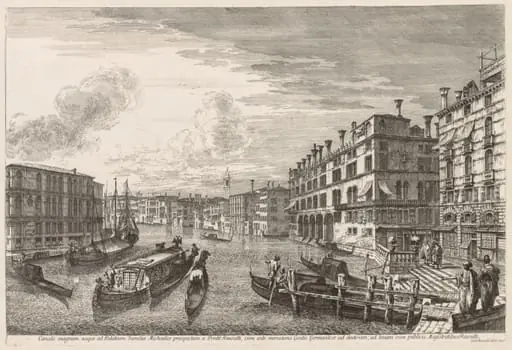 Views of Venice: Grand Canal
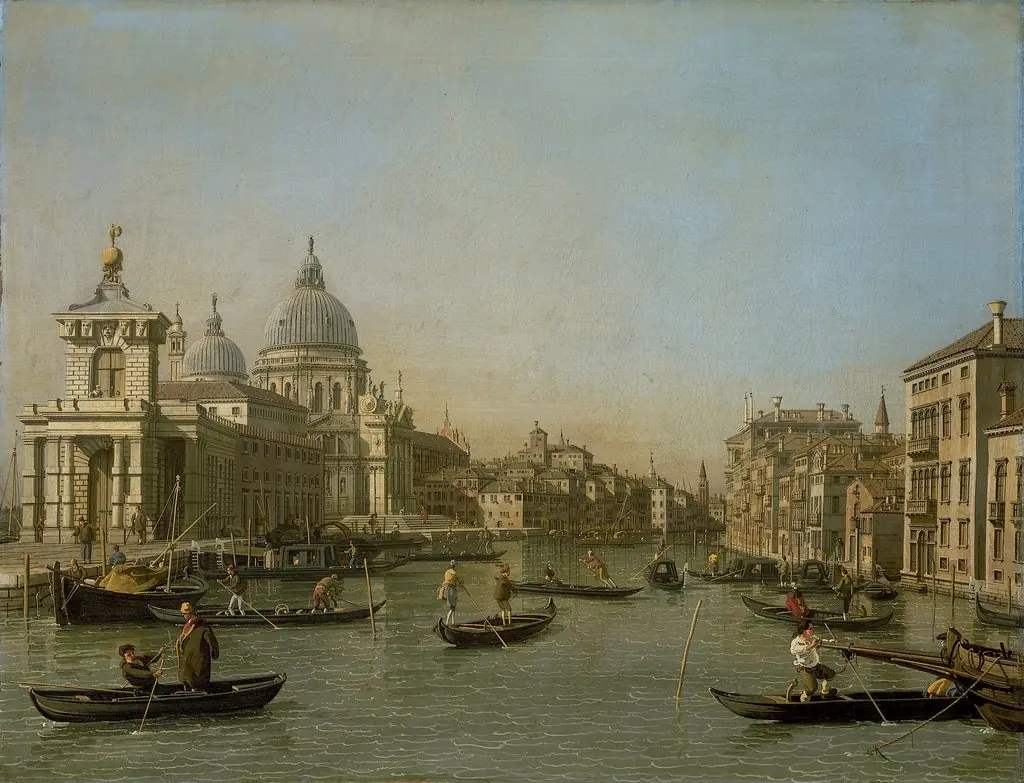 The Entrance to the Grand Canal at the Punta della Dogana and Santa Maria della Salute
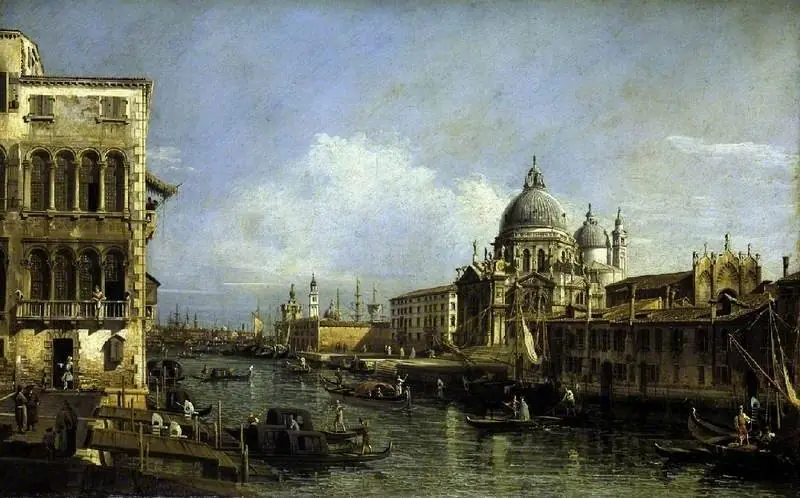 A View at the Entrance of the Grand Canal, Venice
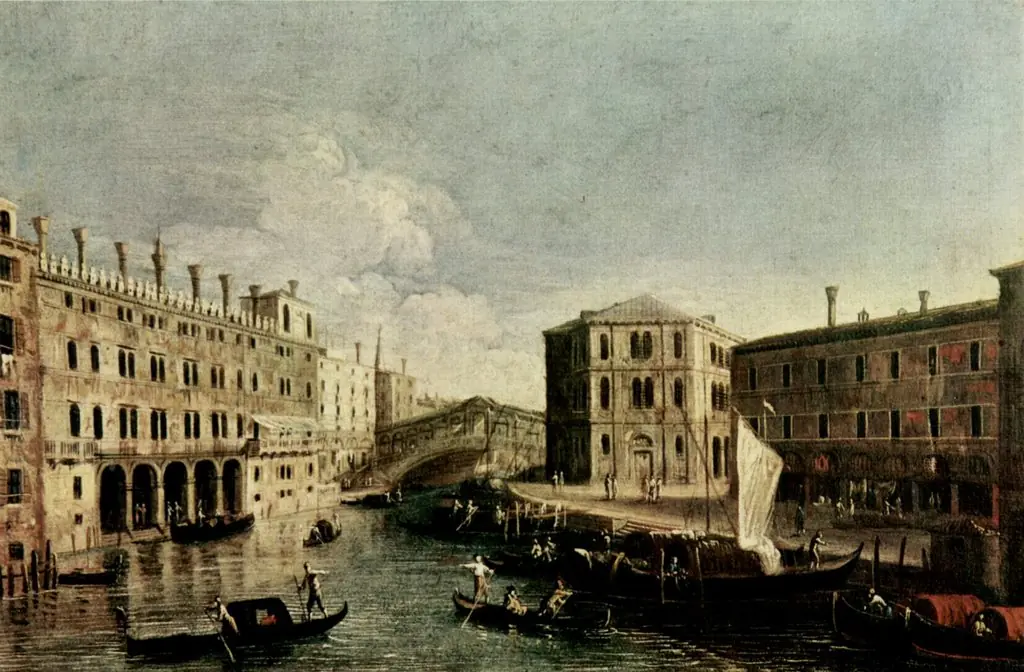 The Grand Canal at the Rialto