Artwork
Julia Jackson Duckworth (1846-1895)
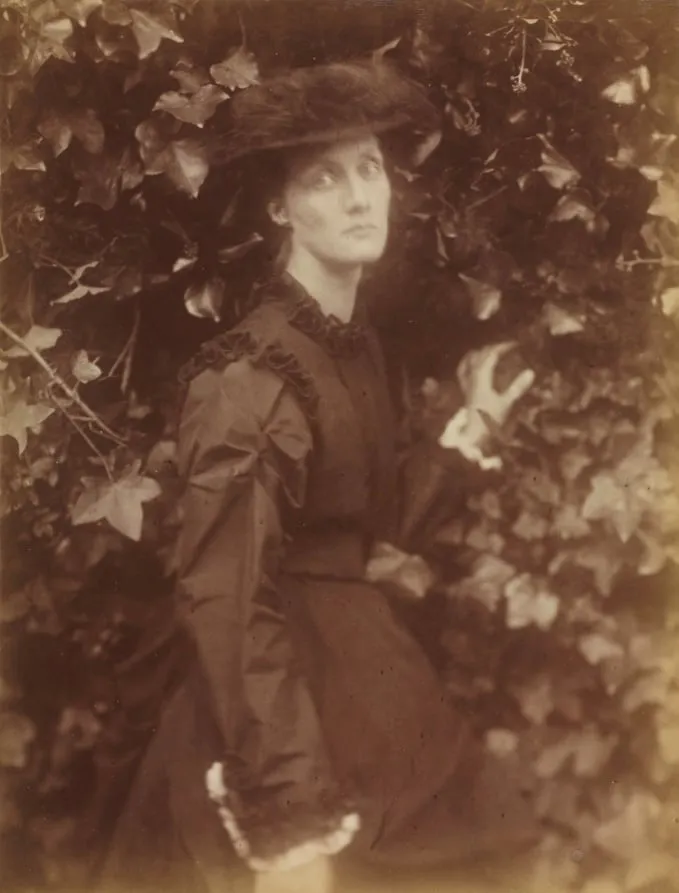
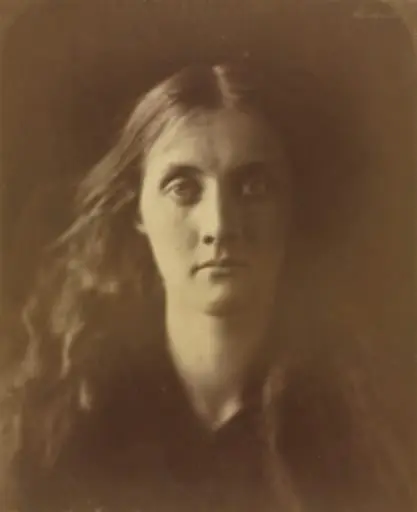
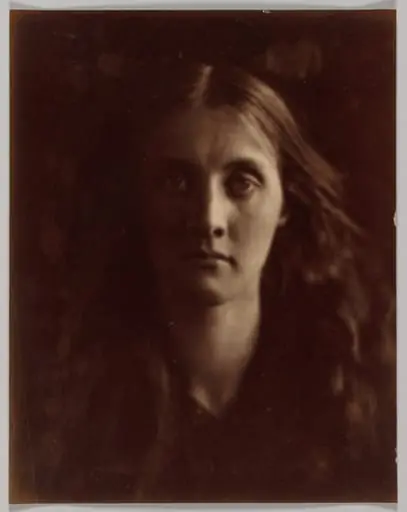
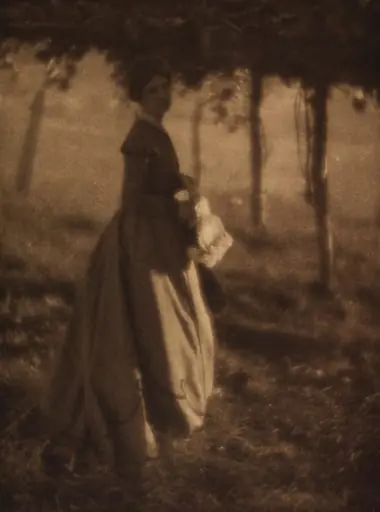
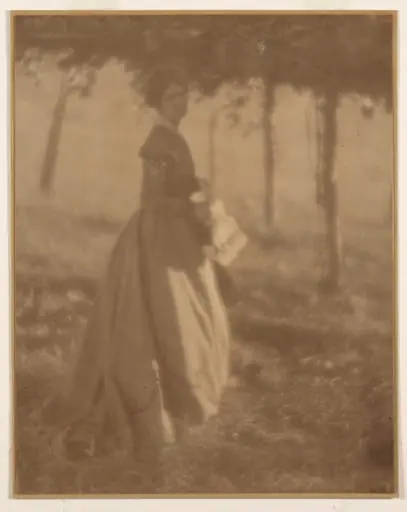
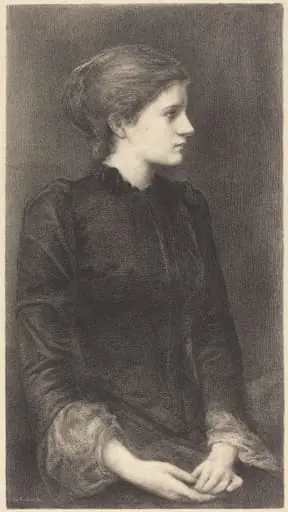
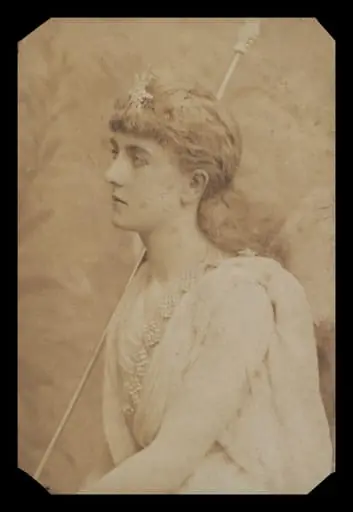
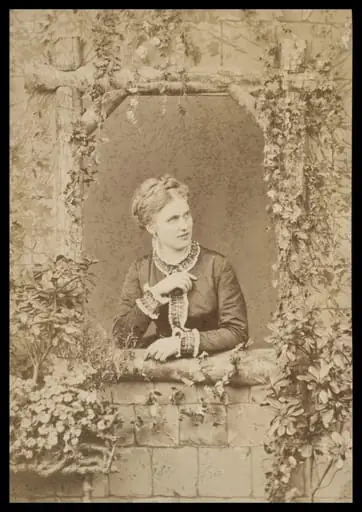
Julia Jackson Duckworth (1846-1895) is a photography by the Impressionist artist Julia Margaret Cameron. It dates from 1874 and is held in the collection of the Cleveland Museum of Art. This photograph captures Julia Jackson Duckworth at age 28, four years after the death of her first husband, Herbert Duckworth.
About this work
Overview
This photograph captures Julia Jackson Duckworth at age 28, four years after the death of her first husband, Herbert Duckworth.
This photograph captures Julia Jackson Duckworth at age 28, four years after the death of her first husband, Herbert Duckworth. Taken in the mid-1870s, it reflects a moment of quiet endurance rather than public display. The image is one of several portraits documenting her life during a period of profound personal transition, framed by the somber elegance characteristic of Victorian photographic portraiture.
Subject & Meaning
Julia’s pale complexion and weary expression convey the emotional toll of widowhood and single motherhood in Victorian society. The ivy behind her, a traditional symbol of enduring loyalty and immortality, contrasts with her fragile demeanor, suggesting a tension between societal expectations of resilience and private grief. The composition avoids overt sentimentality, instead offering a restrained meditation on loss and duty.
Technique & Style
The photograph employs soft lighting and a shallow depth of field, drawing attention to Julia’s face and the textured ivy wall. The tonal gradations and muted palette reflect the influence of early artistic photography, which sought to emulate painting through careful composition and atmospheric effect. No dramatic staging is present; the quiet realism underscores the intimacy of the moment.
History & Provenance
The image was taken shortly before Julia’s remarriage to Leslie Stephen in 1878. It predates her role as stepmother to Virginia Woolf and Vanessa Bell and captures her in the interim between two marriages. The photograph likely originated in the Stephen family’s private collection, later preserved as part of the historical record of Victorian intellectual circles.
Context
In late 19th-century England, widowed women were often expected to maintain a dignified, restrained public presence despite personal suffering. Julia’s portrait aligns with this cultural norm, avoiding theatrical displays of mourning. Her image reflects broader societal norms around gender, grief, and the domestic sphere, where personal loss was often rendered silently.
Legacy
Though not widely exhibited during her lifetime, this photograph contributes to the visual biography of a woman whose descendants became central figures in British modernism. It offers a tangible link to the domestic world that shaped Virginia Woolf’s literary imagination and the Bloomsbury Group’s aesthetic sensibilities, grounding their intellectual legacy in personal history.
Artist & collection

Artist
Julia Margaret Cameron was an English photographer who is considered one of the most important portraitists of the 19th century.