Artwork
Mnemosyne (Marie Spartali, 1844-1927)
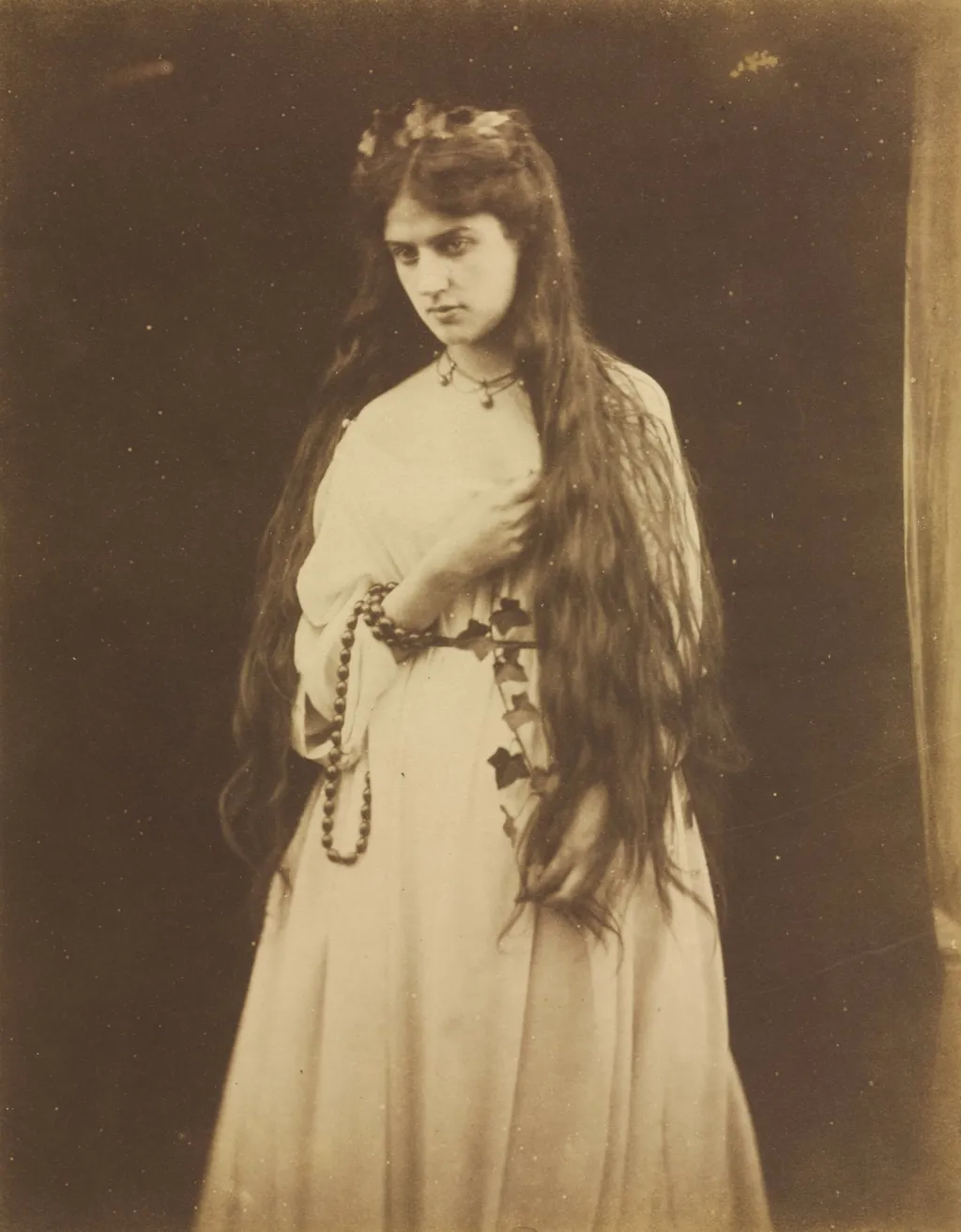
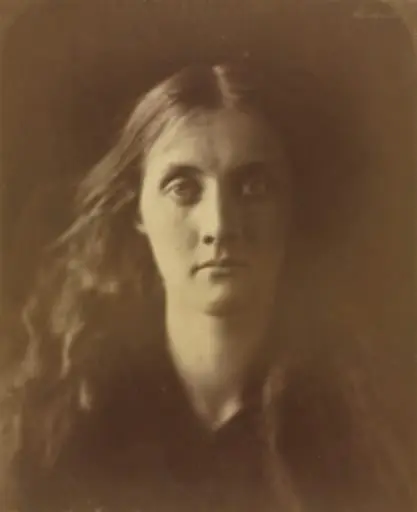
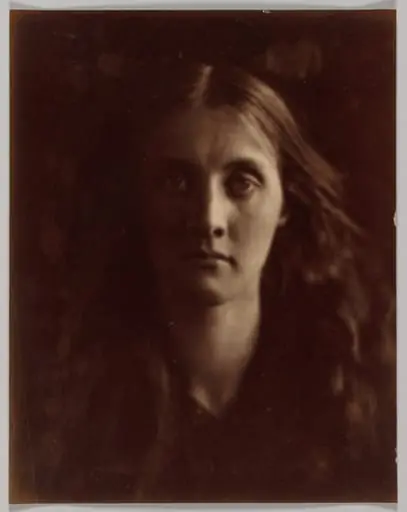
Mnemosyne (Marie Spartali, 1844-1927) is a photography by the Impressionist artist Julia Margaret Cameron. It dates from 1868 and is held in the collection of the Cleveland Museum of Art.
About this work
Overview
The work belongs to the Cleveland Museum of Art’s collection and reflects Cameron’s interest in allegorical themes and poetic portraiture.
This 1868 photograph by Julia Margaret Cameron depicts Marie Spartali, a member of London’s artistic circle, portrayed as Mnemosyne, the Greek goddess of memory. Shot against a dark, unbroken backdrop, the image emphasizes the figure’s presence through careful lighting and intimate composition. The work belongs to the Cleveland Museum of Art’s collection and reflects Cameron’s interest in allegorical themes and poetic portraiture.
Subject & Meaning
Marie Spartali is depicted not as a literal portrait but as Mnemosyne, the Titaness who personified memory and mother of the Muses. Her downward gaze and stillness evoke contemplation, suggesting an inner world of recollection. The absence of narrative context invites viewers to engage with the figure as a symbol rather than an individual, aligning with Victorian-era interests in myth and introspection.
Technique & Style
Cameron employed soft focus and dramatic chiaroscuro to heighten emotional resonance. The white dress and flowing hair catch subtle light, contrasting with the deep shadows behind, creating a sculptural effect. Textures in fabric and hair are rendered with tactile precision, yet the overall image retains a dreamlike blur, characteristic of Cameron’s rejection of sharp photographic realism in favor of atmospheric expression.
History & Provenance
The photograph was taken in 1868 at Cameron’s home in Freshwater, Isle of Wight, where she frequently photographed friends and cultural figures. Marie Spartali, a Greek-born artist and muse, was a regular subject. The image entered the Cleveland Museum of Art’s collection through documented acquisition, preserving its place within the early history of photographic art and feminist iconography.
Context
Cameron worked during a period when photography was redefining artistic expression. Her allegorical portraits, often inspired by literature and mythology, challenged the medium’s documentary function. This image reflects broader Victorian fascination with classical themes and the female figure as vessel for abstract ideas, positioning photography as a vehicle for poetic rather than purely factual representation.
Legacy
Cameron’s Mnemosyne contributed to the recognition of photography as a medium capable of conveying emotional and symbolic depth. The work influenced later artists exploring identity and myth through portraiture. Its enduring presence in museum collections underscores its role in expanding the boundaries of photographic art beyond realism into the realm of imaginative expression.
Artist & collection

Artist
Julia Margaret Cameron was an English photographer who is considered one of the most important portraitists of the 19th century.

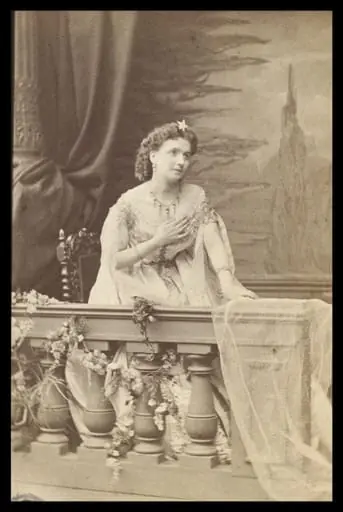 Guy Little Theatrical Photograph
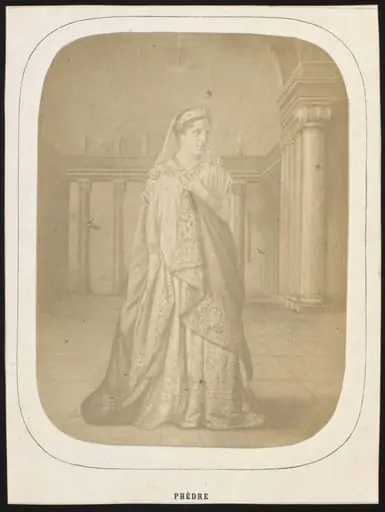 Guy Little Theatrical Photograph
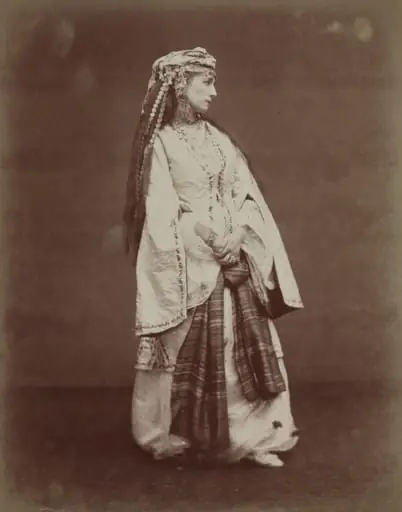 Sarah Bernhardt in "Zaire" by Voltaire
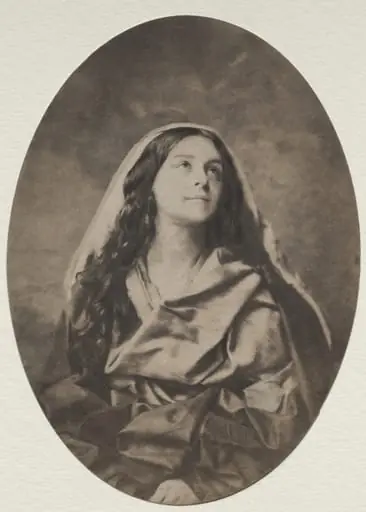 Allegorical Study of a Woman
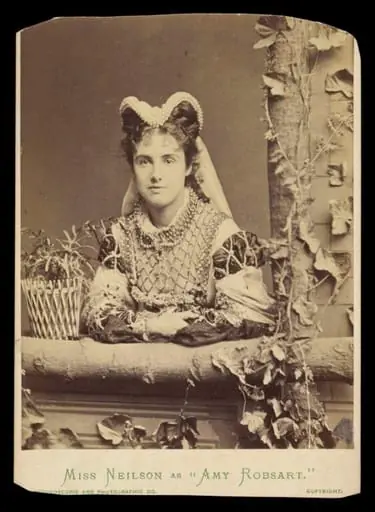 Miss Neilson as "Amy Robsart"
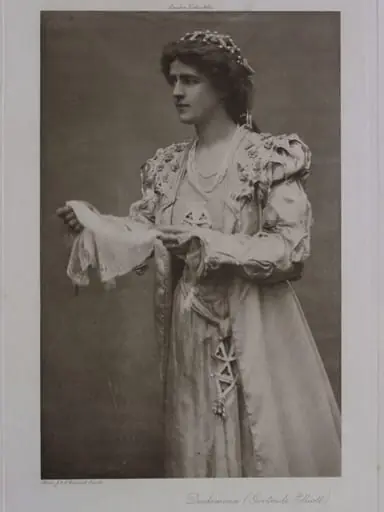 H Beard Print Collection
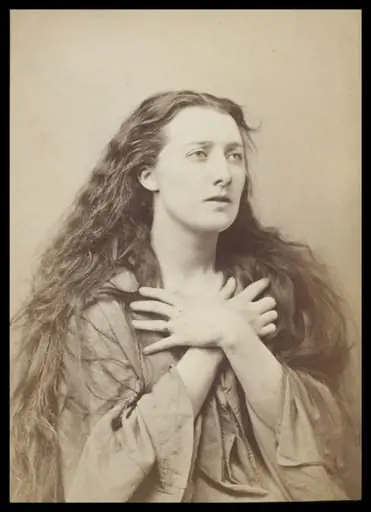 Guy Little Theatrical Photograph
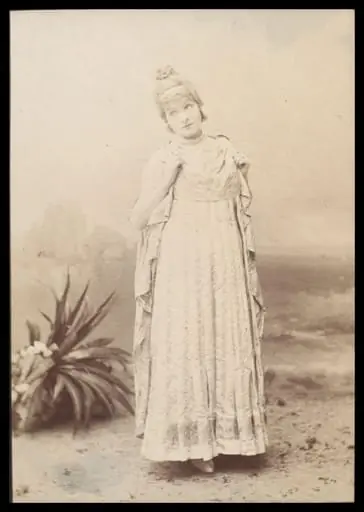 Guy Little Theatrical Photograph
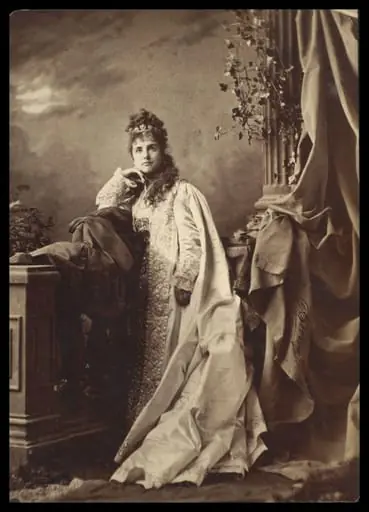 Guy Little Theatrical Photograph
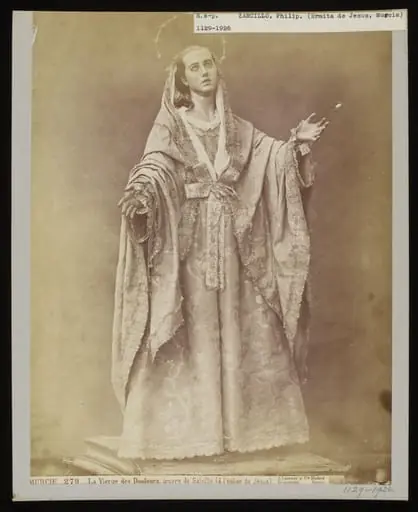 Untitled
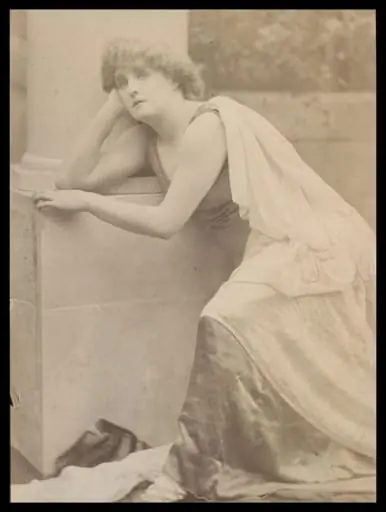 Guy Little Theatrical Photograph