Artwork
Julia Jackson Duckworth (1846-1895)
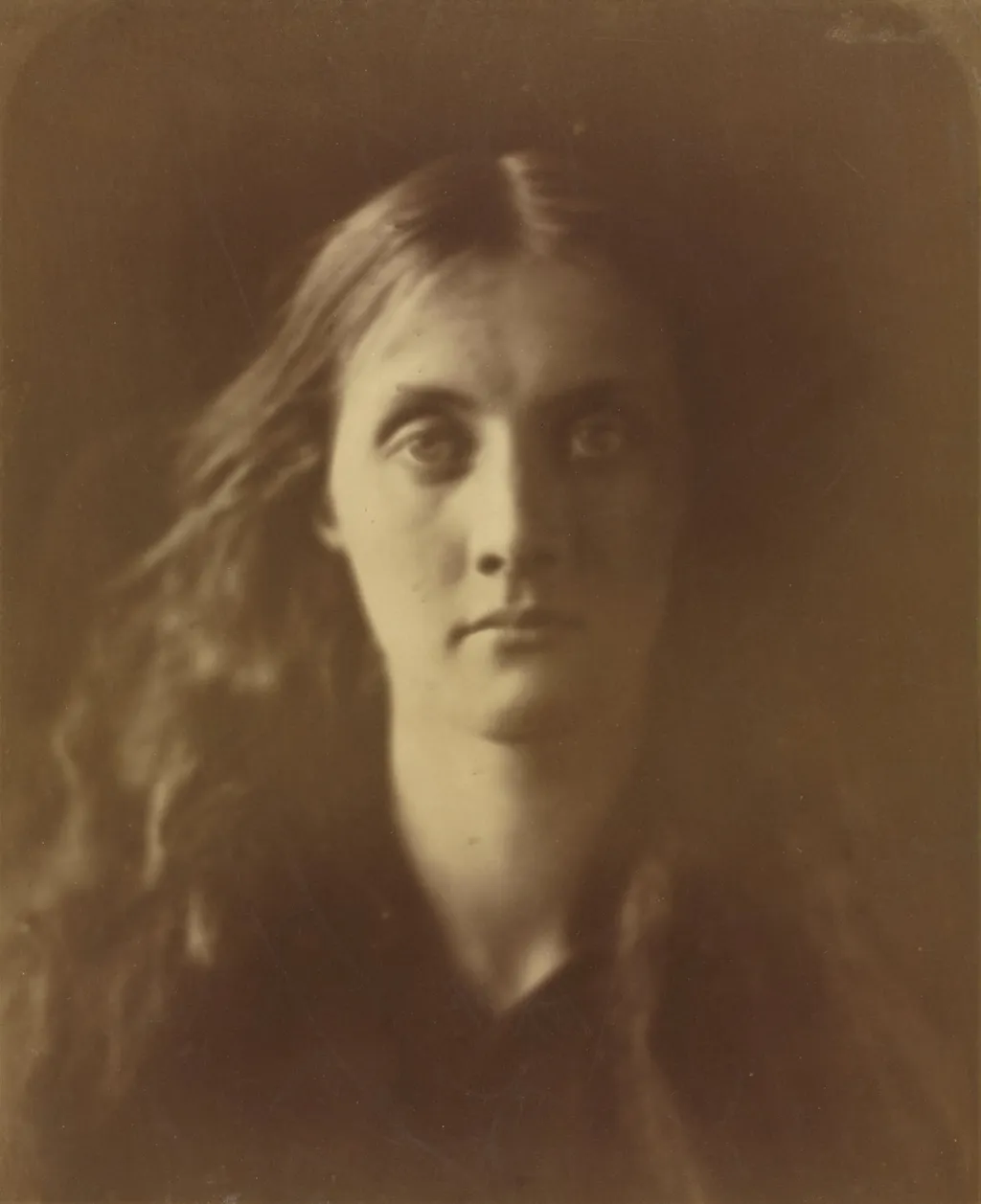
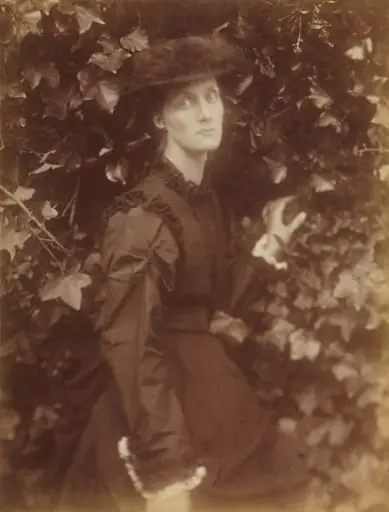
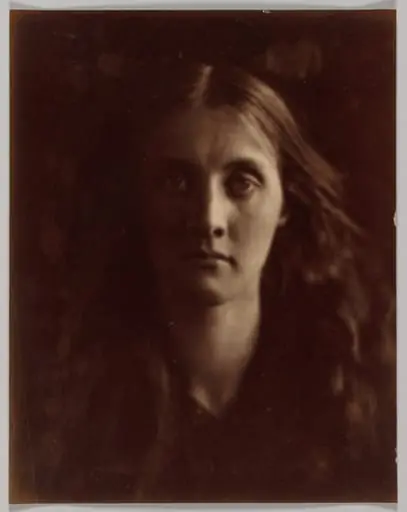
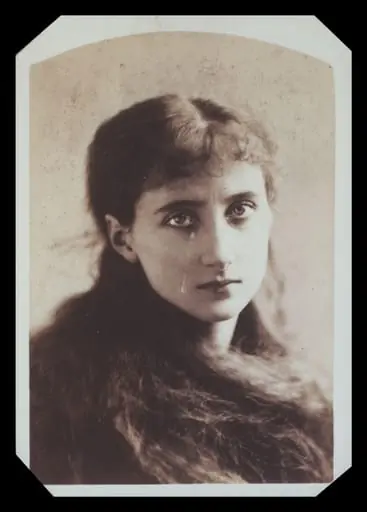
Julia Jackson Duckworth (1846-1895) is a photography by the Impressionist artist Julia Margaret Cameron. It dates from 1867 and is held in the collection of the Cleveland Museum of Art. Taken in 1867, this photograph captures Julia Jackson Duckworth at twenty-one, shortly before her marriage.
About this work
Overview
Taken in 1867, this photograph captures Julia Jackson Duckworth at twenty-one, shortly before her marriage. Shot by her aunt, Julia Margaret Cameron, the image belongs to a small series derived from a single negative. Cameron’s deliberate softness and intimate framing distinguish it from conventional portraiture of the era, transforming a personal moment into a contemplative study.
Subject & Meaning
Julia, the artist’s niece and frequent model, is depicted in a frontal close-up, her gaze steady and inward.
Julia, the artist’s niece and frequent model, is depicted in a frontal close-up, her gaze steady and inward. The timing—weeks before her wedding—imbues the image with quiet transition. Rather than celebrating an external event, the portrait suggests internal reflection, as if Julia is confronting the shift in identity that marriage entails, making the photograph a psychological portrait rather than a ceremonial record.
Technique & Style
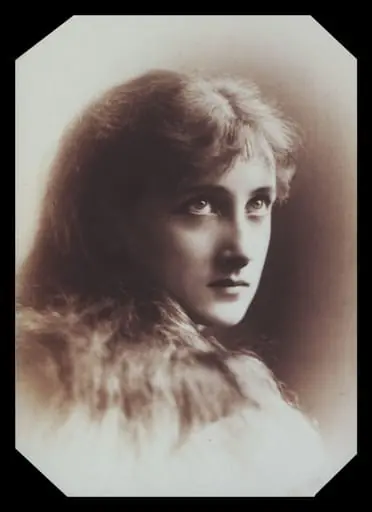
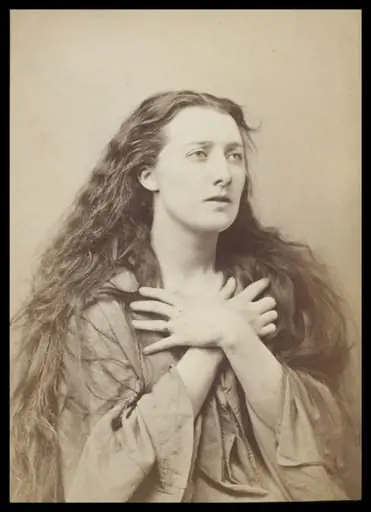
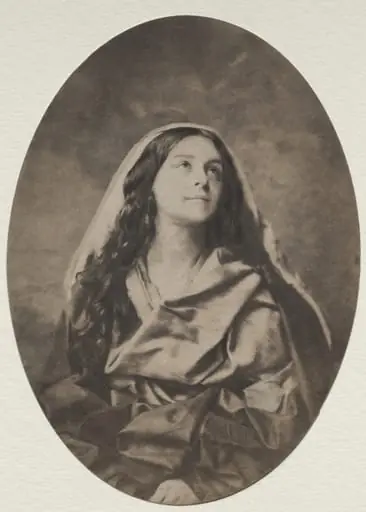
Cameron employed a soft-focus lens and long exposure, blurring edges to dissolve rigid detail. This technique, sometimes likened to sfumato in painting, avoids sharp definition to emphasize mood over precision. The close framing isolates Julia from context, intensifying emotional presence. The series of four variants, each a reversal of the last, indicates Cameron’s interest in subtle shifts of expression, not fixed likeness.
History & Provenance
The photograph was made at Cameron’s home in Freshwater, Isle of Wight, where she transformed her household into a studio. Julia Jackson was a frequent subject, and this series was among the earliest to treat photography as a medium for introspective portraiture. The four variants were likely printed sequentially, each revealing a nuanced change in Julia’s expression, possibly reflecting Cameron’s evolving perception of her sitter.
Context
In Victorian England, photographic portraiture was largely commercial, focused on clarity and social status. Cameron rejected these norms, aligning her work with Pre-Raphaelite ideals of emotional depth and spiritual resonance. Her approach challenged the notion that photography should merely document appearance, instead positioning it as a vehicle for inner life—a radical stance in the 1860s.
Legacy
Cameron’s treatment of Julia Jackson helped redefine photographic portraiture by prioritizing psychological nuance over physical accuracy. The series influenced later artists who sought to convey subjectivity through the medium. Though overlooked in her time, her work gained recognition in the 20th century as foundational to modern expressive photography.
Artist & collection

Artist
Julia Margaret Cameron was an English photographer who is considered one of the most important portraitists of the 19th century.