Artwork
Jairus' Daughter
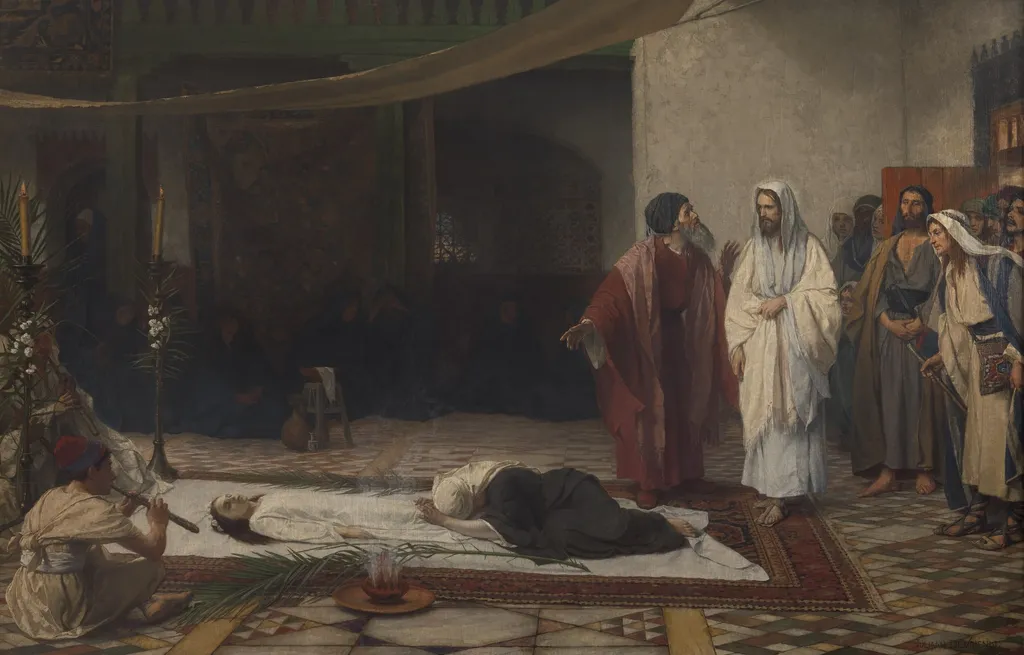
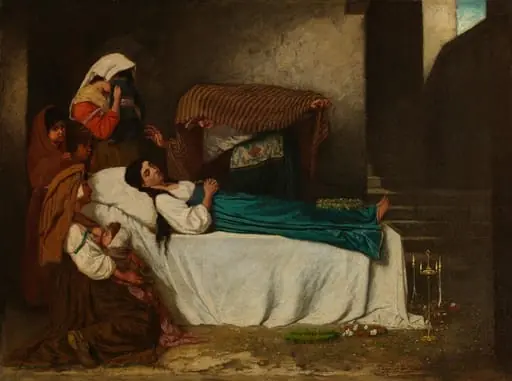
Jairus' Daughter is an oil painting by the Post-Impressionist artist Juliaan De Vriendt. It dates from 1894 and is held in the collection of the Royal Museum of Fine Arts Antwerp.
About this work
Overview
Painted in 1894 by Juliaan De Vriendt, this oil on canvas work illustrates a biblical episode from the Gospel of Mark. The scene captures the moment after Christ has restored life to Jairus’s daughter, yet before the full revelation of her revival. The composition emphasizes stillness and quiet reverence, focusing on the still form of the girl and the solemn gathering around her.
Subject & Meaning
The painting depicts the aftermath of Christ’s miracle, where Jairus’s daughter lies motionless beneath a white shroud, surrounded by mourners and witnesses. A flute player in the foreground suggests lingering grief, while the man in white, likely Christ, stands in quiet authority. The moment is suspended between death and restoration, conveying spiritual tension without overt drama.
Technique & Style
De Vriendt employs muted earth tones and soft lighting to sustain the scene’s gravity. The figures are rendered with restrained detail, avoiding theatricality; their postures and garments suggest social distinction without ornamentation. The tiled floor and open doorway ground the scene in a tangible, domestic space, enhancing its intimate, human quality.
History & Provenance
Completed in 1894, the painting entered the collection of the Royal Museum of Fine Arts Antwerp shortly after its creation. It remained within Belgian institutional holdings, reflecting the artist’s regional prominence during the late 19th century. No significant changes in ownership or restoration are documented in public records.
Context
De Vriendt worked during a period when Belgian religious painting retained cultural relevance, even as modernism emerged. His approach aligns with academic traditions, favoring narrative clarity and emotional restraint over expressive intensity. The choice of this biblical moment reflects a broader interest in quiet, transformative moments within sacred texts.
Legacy
Though not widely reproduced outside Belgium, the painting remains a representative example of late 19th-century Flemish religious art. It continues to be studied for its understated emotional tone and careful composition, offering insight into how biblical narratives were interpreted within a domestic, human framework rather than through grandeur.
Own this work as a print
Artist & collection

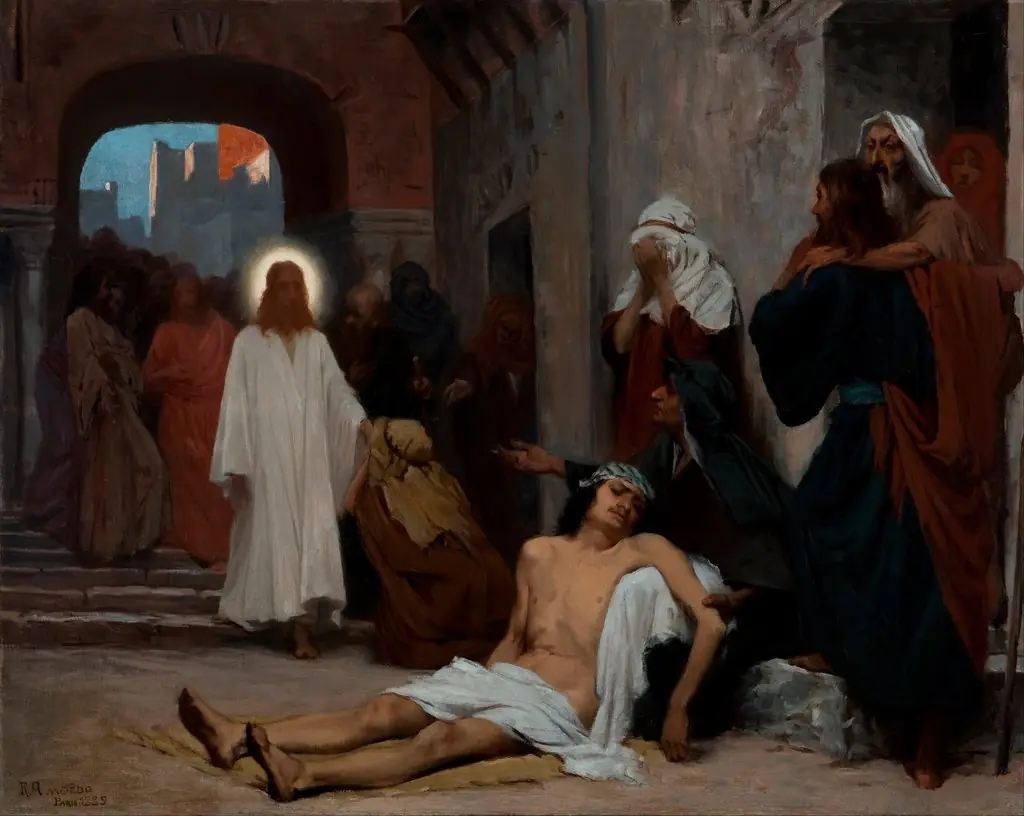 Study for "Jesus in Capernaum"
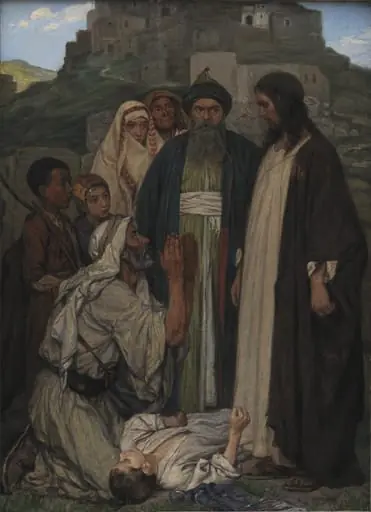 Christ Cures the Lunatic Child
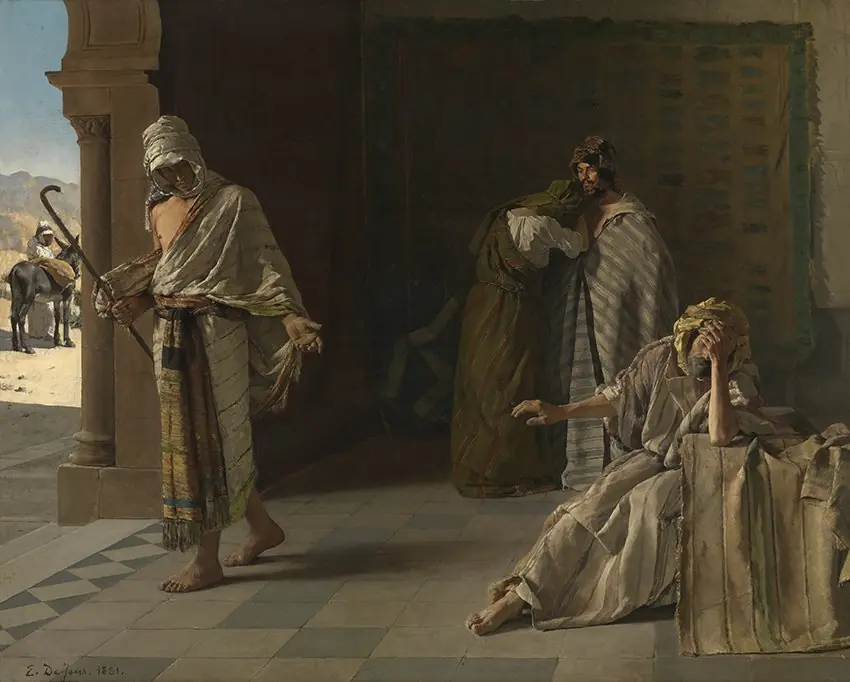 Het vertrek van de verloren zoon
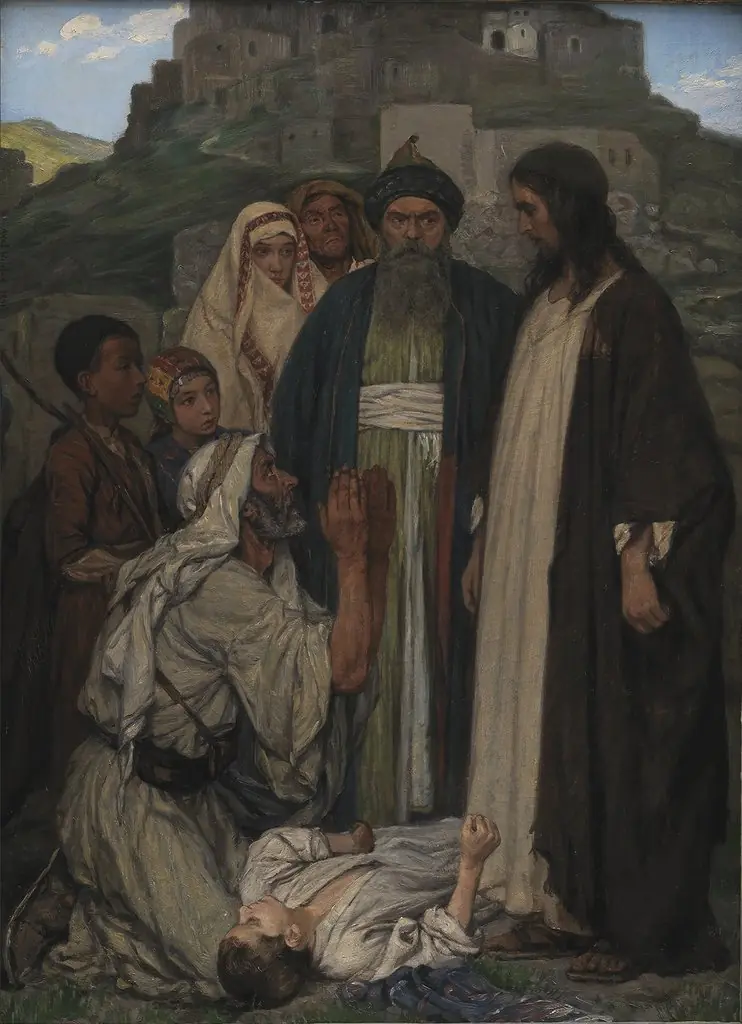 Christ Cures the Lunatic Child
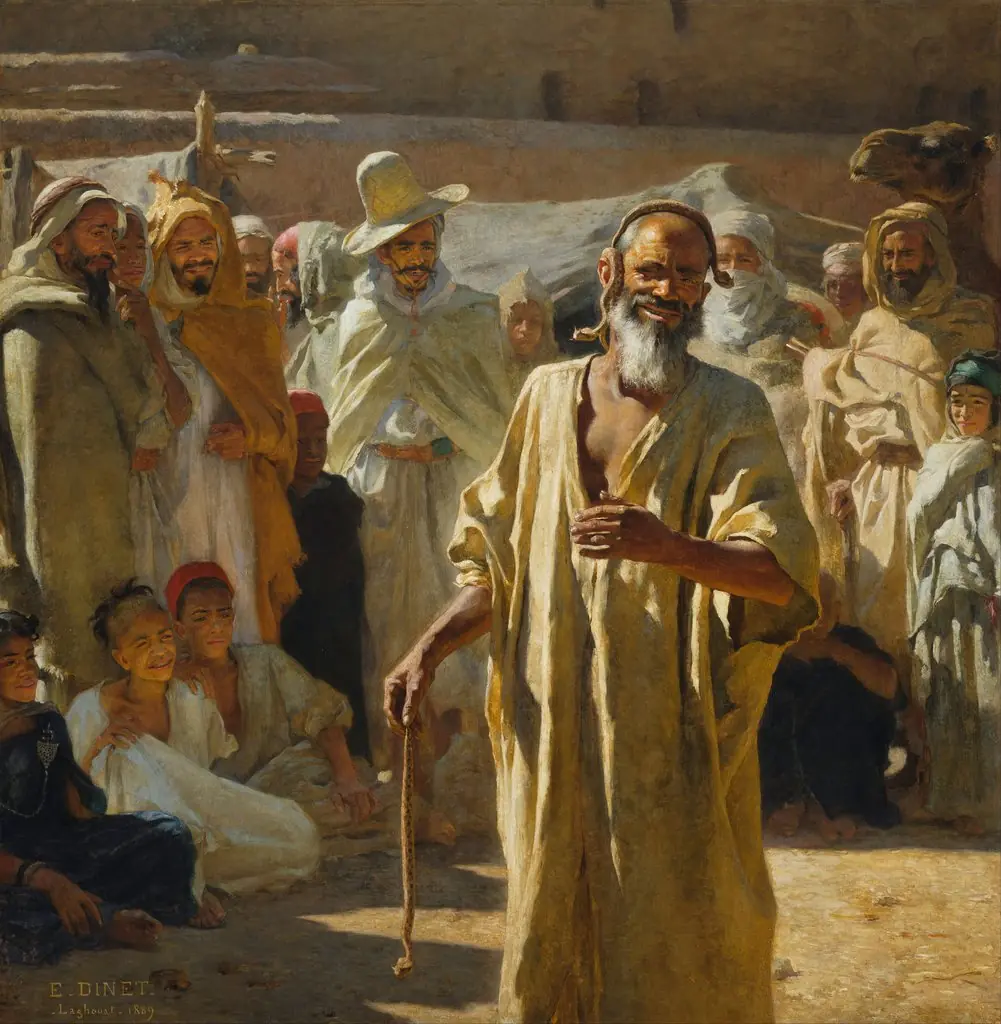 The snake charmer
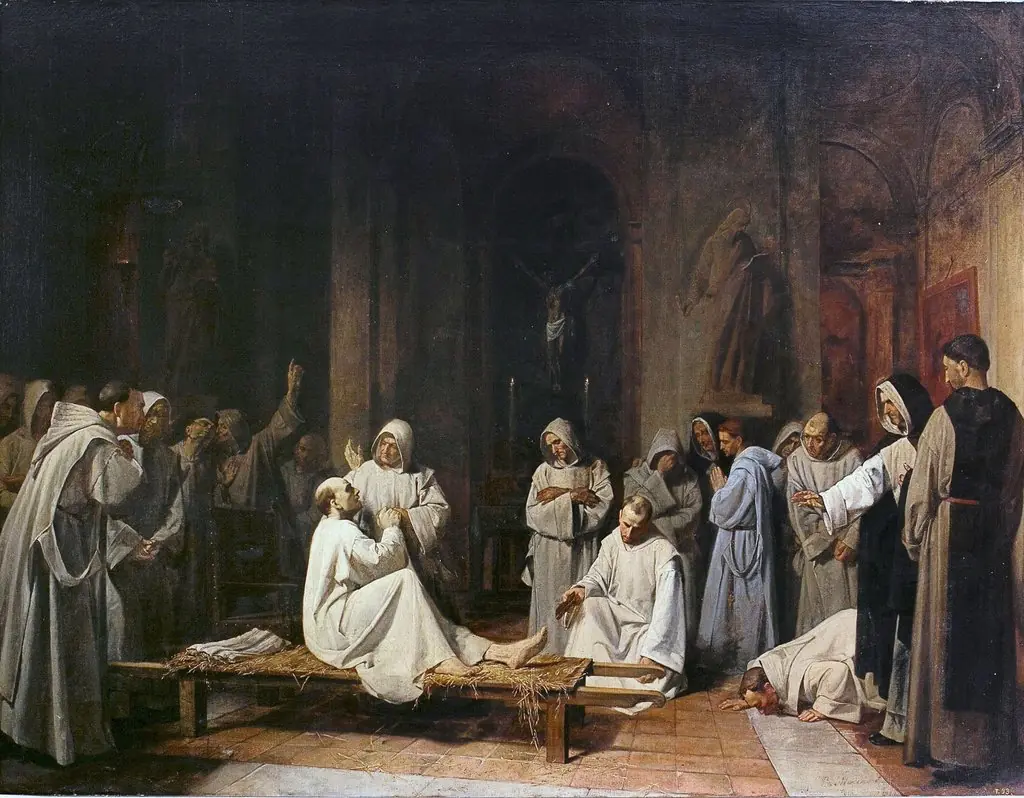 Últimos momento de Fray Charles Climaque
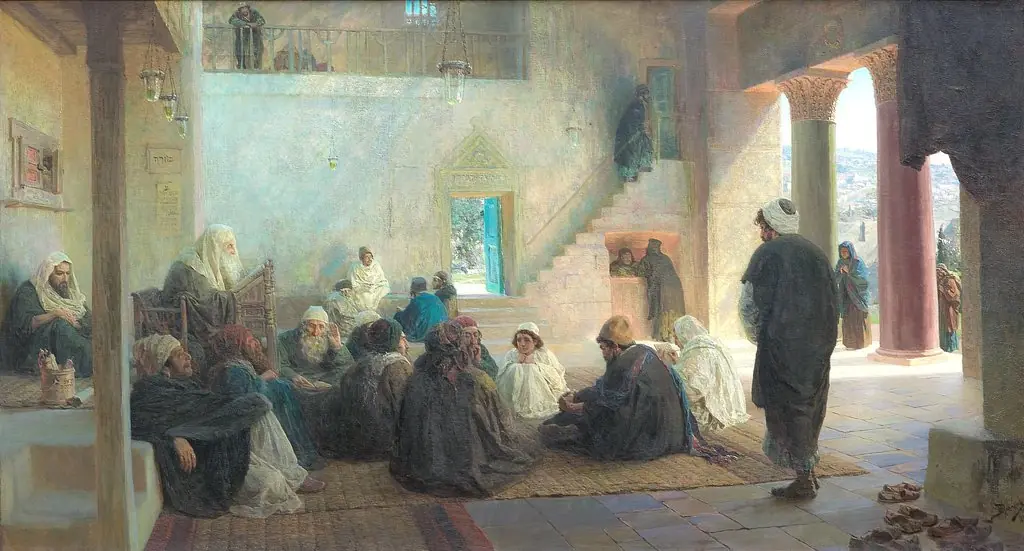 Christ among the doctors
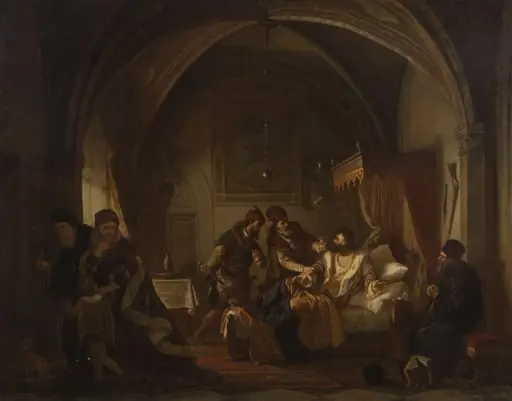 Moartea lui Alexandru Lăpușneanu
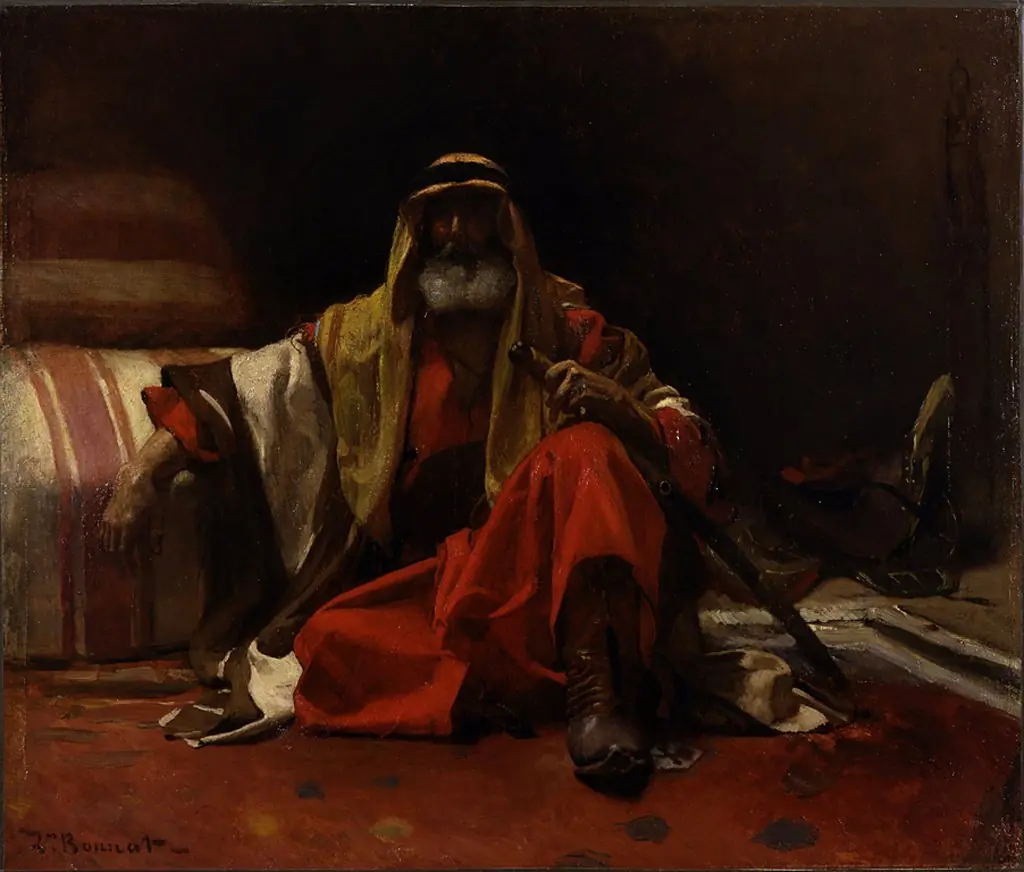 An Arab Sheik
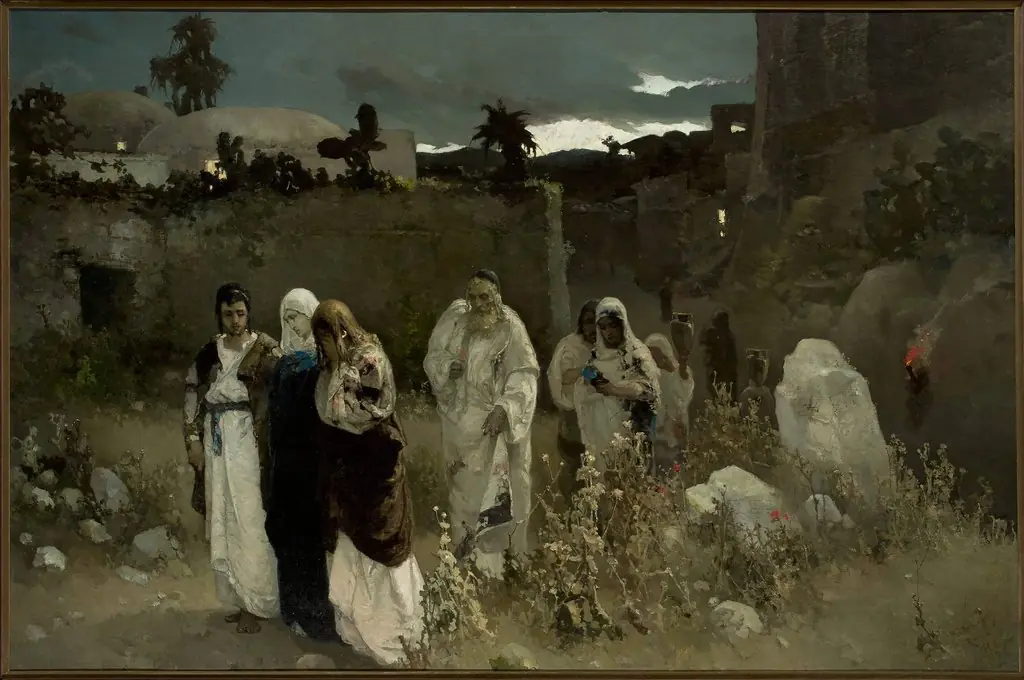 The Three Marys at the Tomb
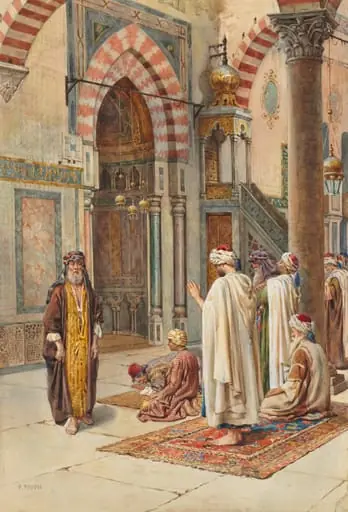 Moslems at Prayer
 Kyynelten tunti (L'ora del' pianto)