Artwork
Het vertrek van de verloren zoon
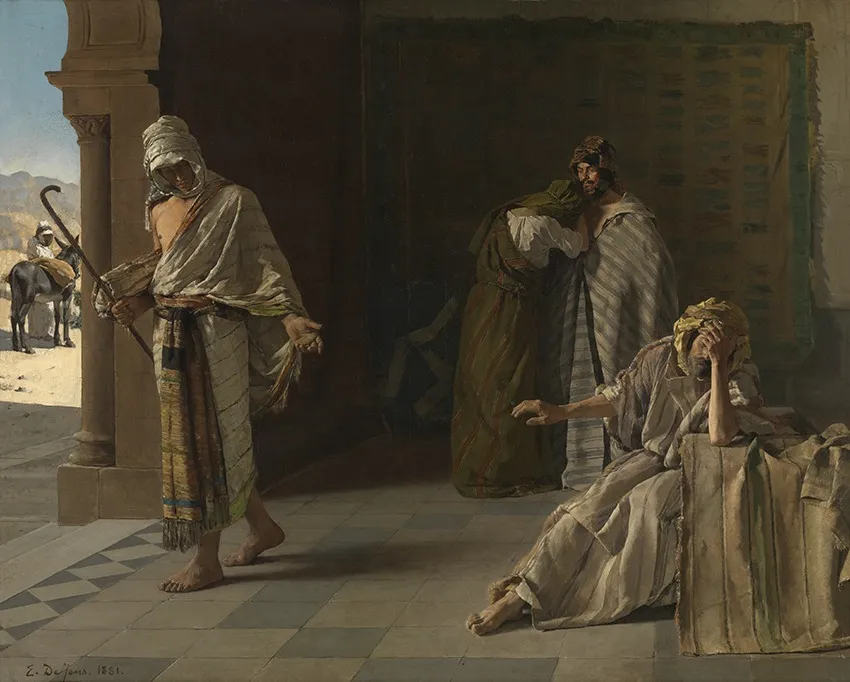
Het vertrek van de verloren zoon is an oil painting by the Post-Impressionist artist Edouard de Jans. It dates from 1891 and is held in the collection of the Groeningemuseum.
About this work
Overview
Edouard de Jans’ 1891 oil painting, titled Het vertrek van de verloren zoon, portrays a moment from the biblical Parable of the Prodigal Son. The composition places a solitary figure in the foreground against a stark, mountainous landscape, while additional characters occupy the middle ground. The work is part of the collection of the Groeningemuseum.
Subject & Meaning
The central figure, a barefoot man wrapped in a white headscarf and striped robe, holds a staff and appears to be moving away, suggesting the prodigal son’s departure from his father’s house. The surrounding figures—a seated woman and a standing man—reinforce the narrative context, evoking themes of exile, repentance, and the journey toward redemption.
Technique & Style
De Jans employs a muted palette of browns, beiges and grays, allowing the desert setting to dominate the visual field. Visible brushwork creates a textured surface that enhances the painting’s contemplative mood. The composition balances a detailed foreground with a more atmospheric background, emphasizing depth and distance.
History & Provenance
Created in 1891, the canvas entered the Groeningemuseum’s holdings, where it remains on display. Its acquisition reflects the museum’s focus on 19th‑century Belgian religious art, situating de Jans among his contemporaries in the national collection.
Context
The work belongs to a broader 19th‑century tradition of biblical genre painting in Belgium, where artists often rendered scriptural scenes within familiar, local landscapes. De Jans’ choice of a desolate, mountainous setting aligns with contemporary interests in naturalism and moral storytelling.
Artist & collection

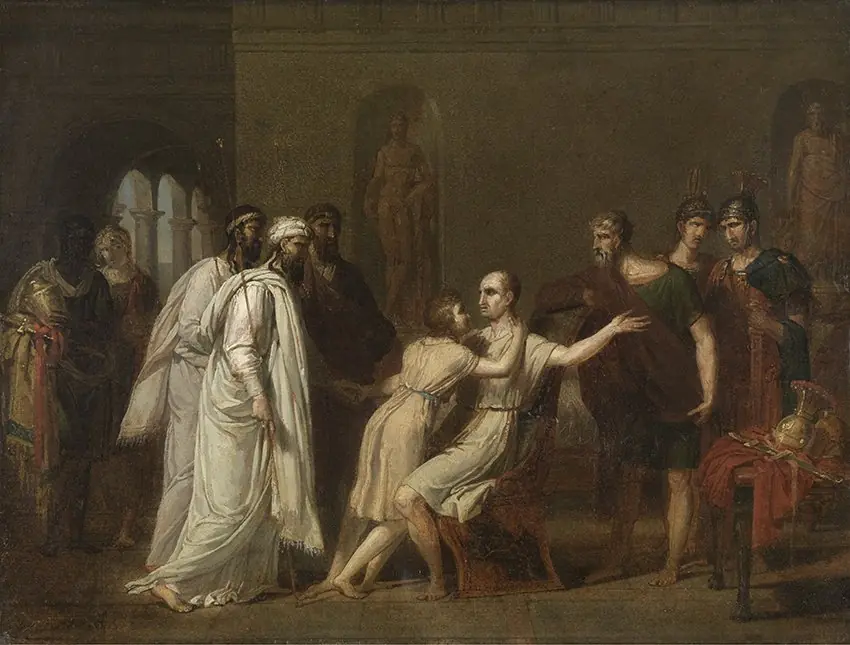 Terugkeer van Scipio's zoon
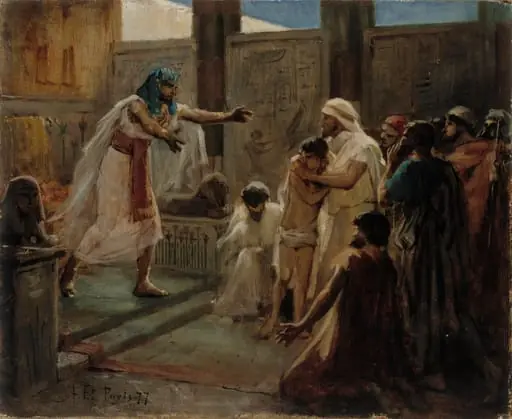 Joosef ja hänen veljensä
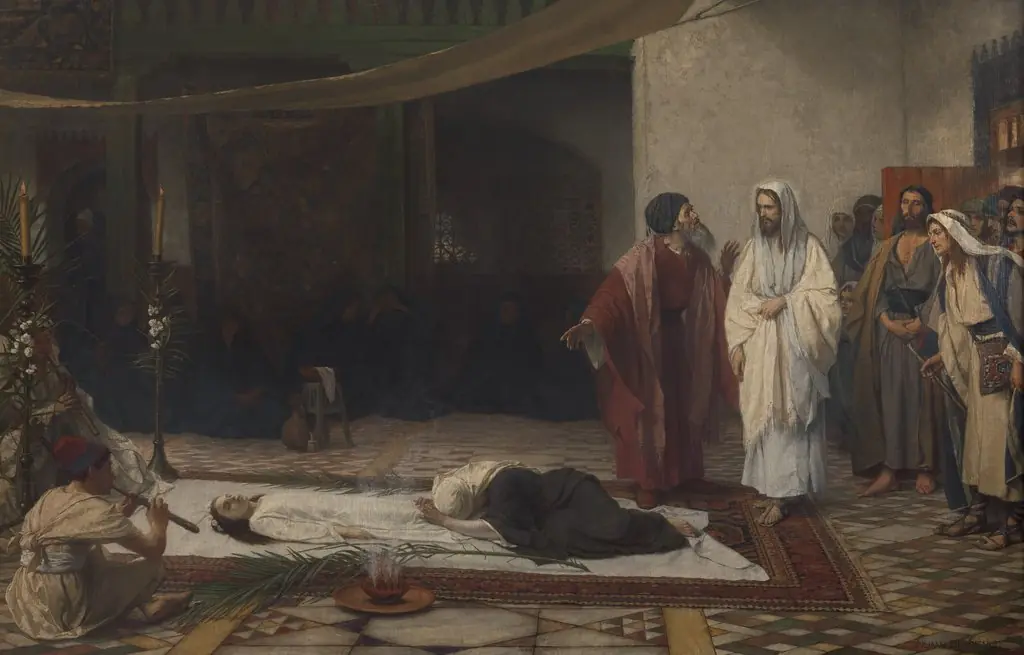 Jairus' Daughter
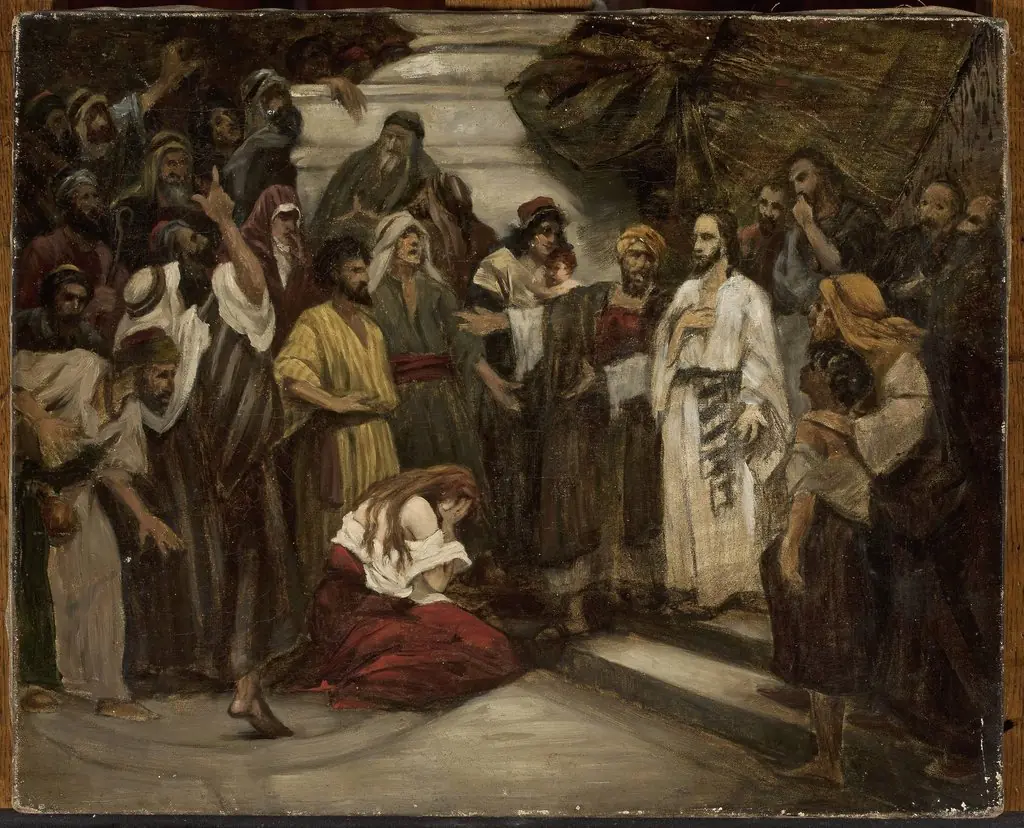 Adulteress
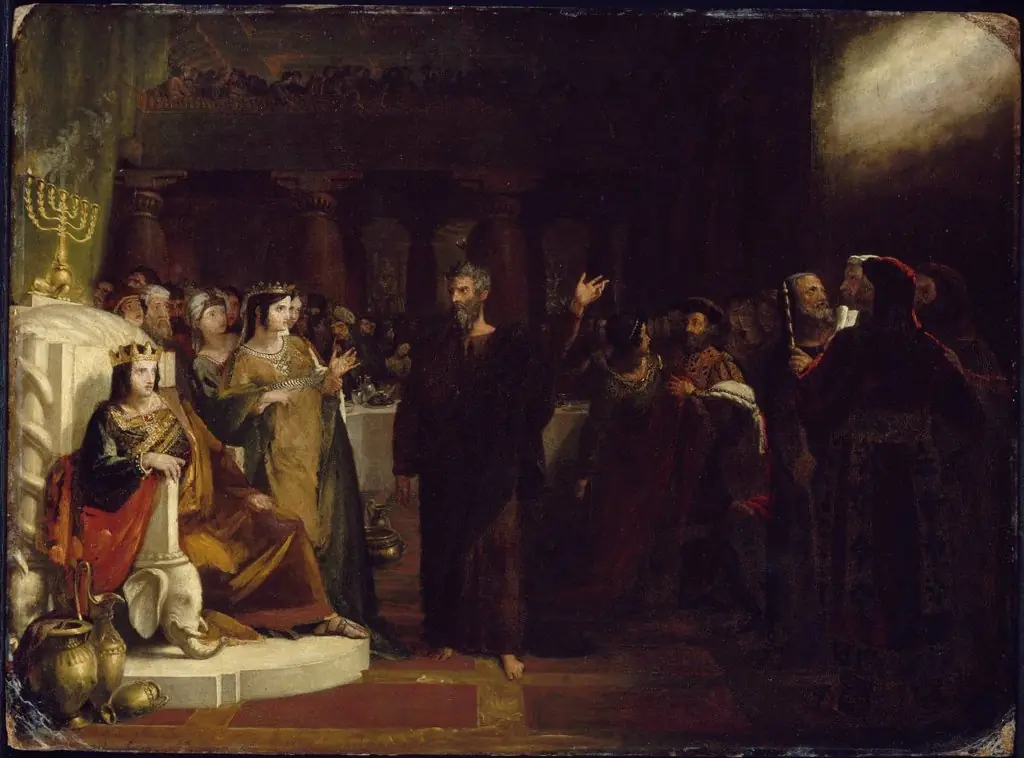 Study for Belshazzar's Feast
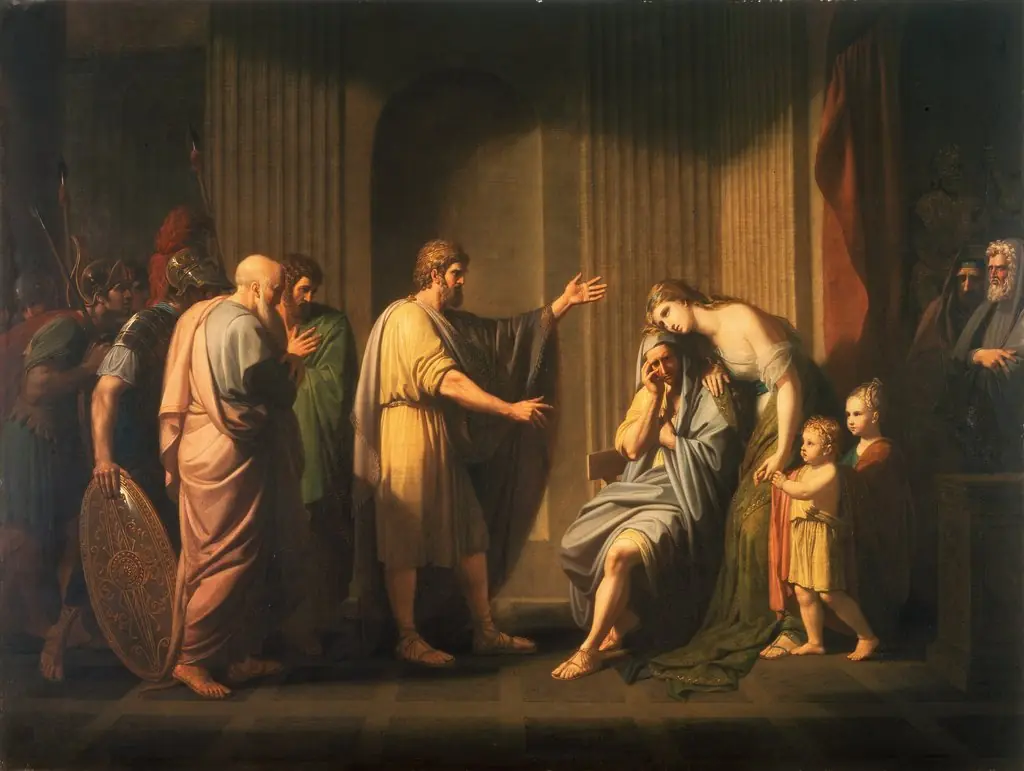 Cleombrotus Ordered into Banishment by Leonidas II, King of Sparta
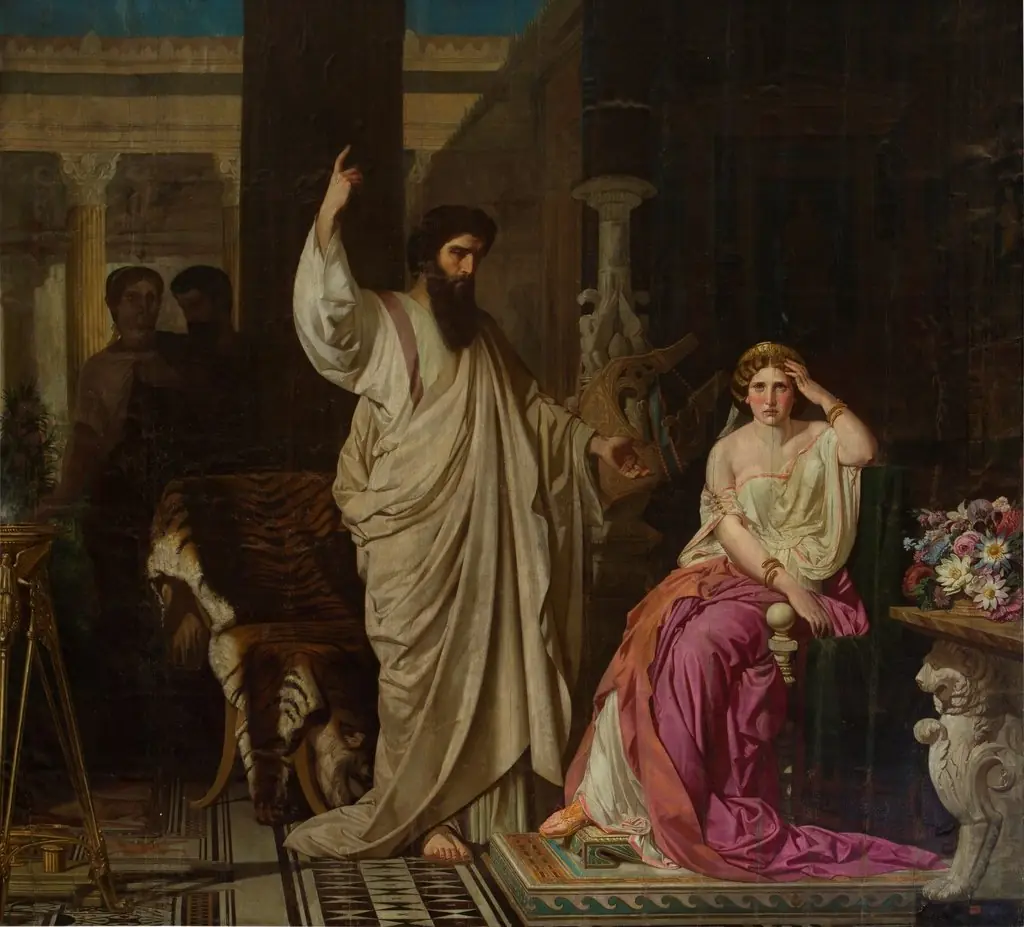 Saint Paul surprised by Nero at the moment of converting Sabina Poppaea
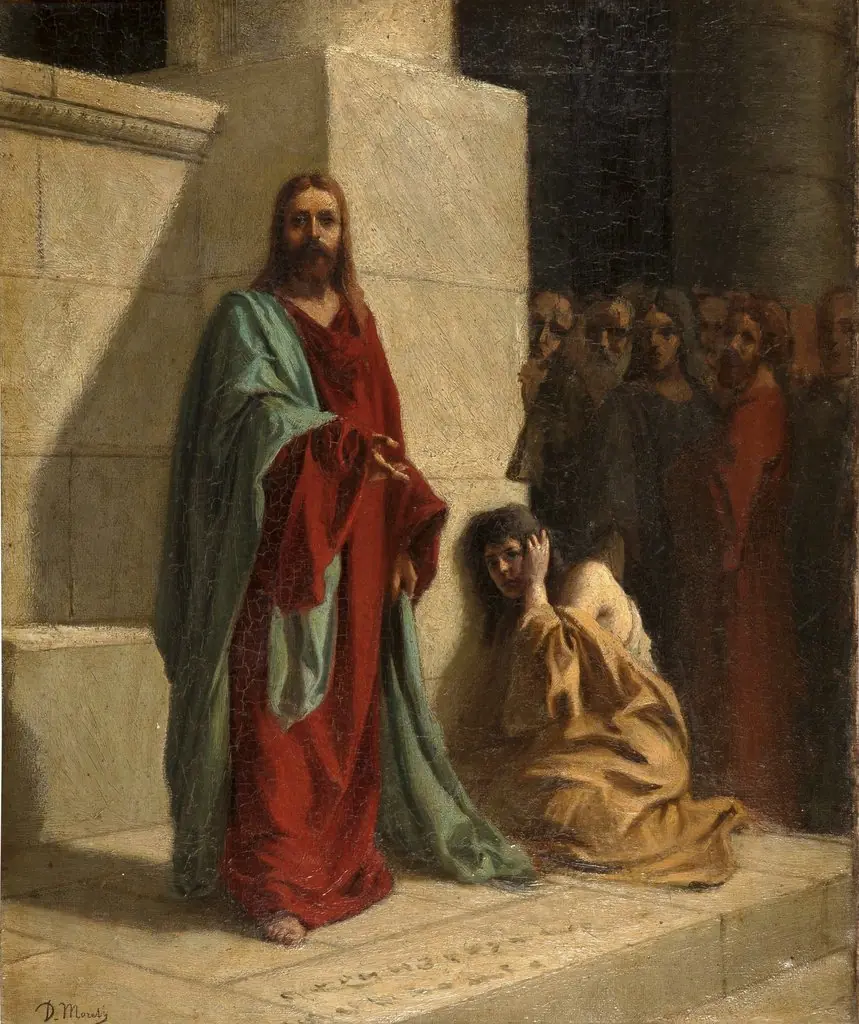 Cristo y la mujer adúltera
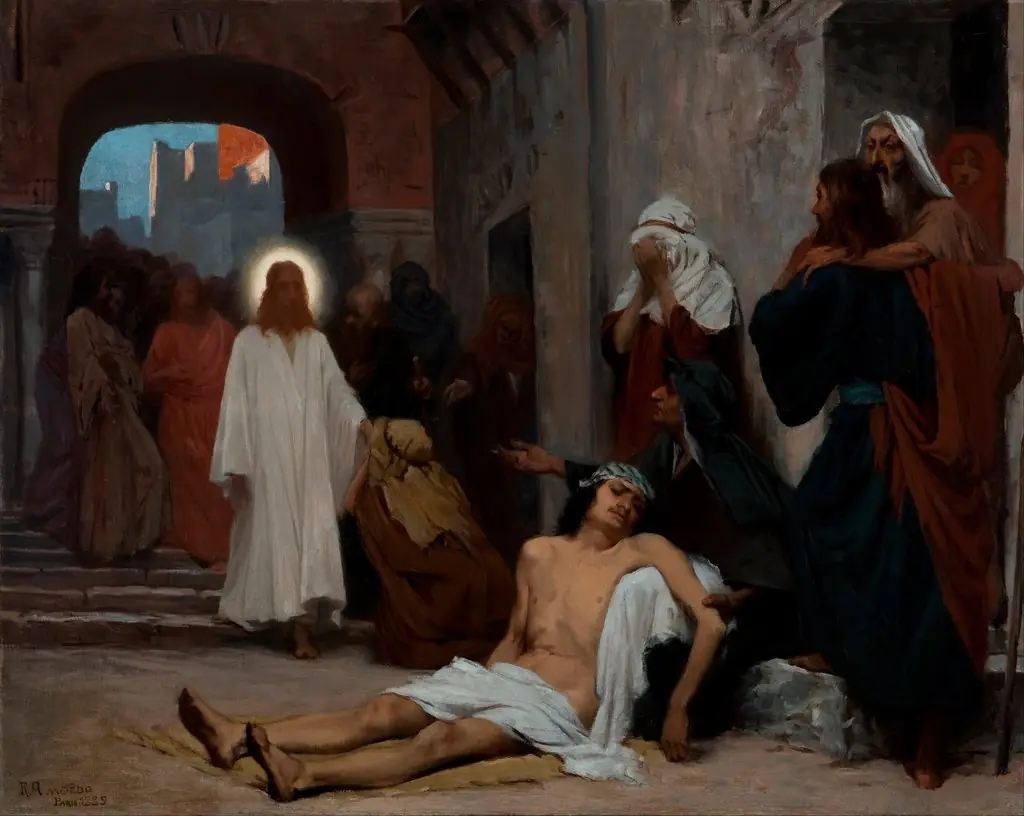 Study for "Jesus in Capernaum"
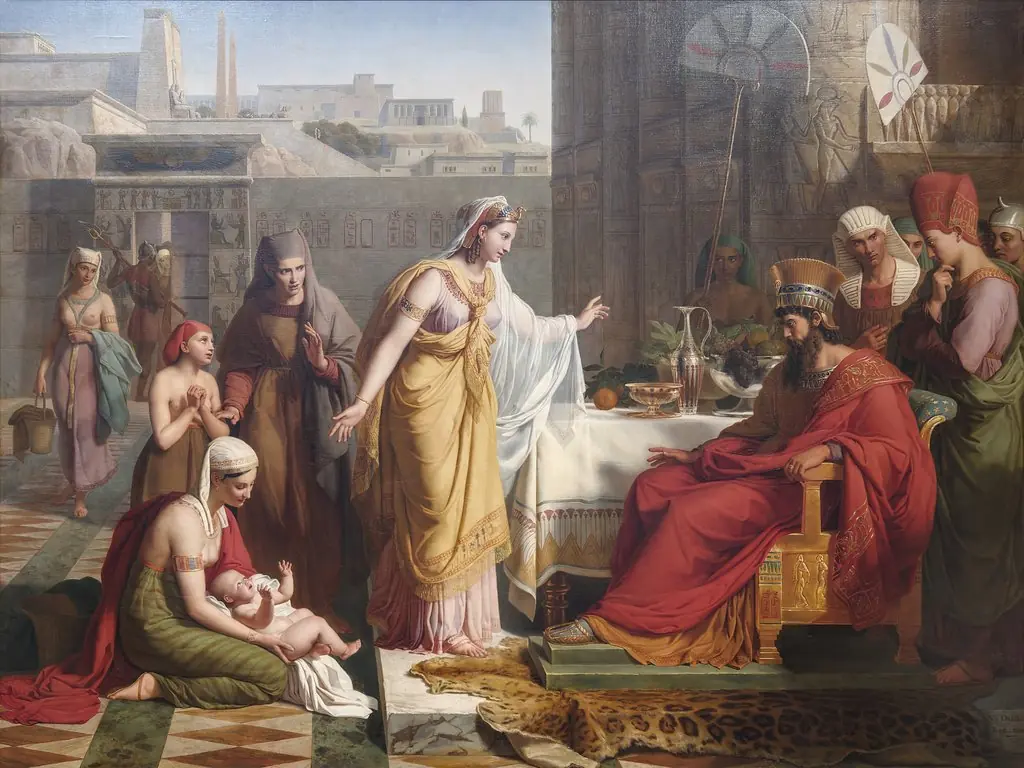 Moïse enfant présenté à Pharaon