Artwork
Study of Juliette
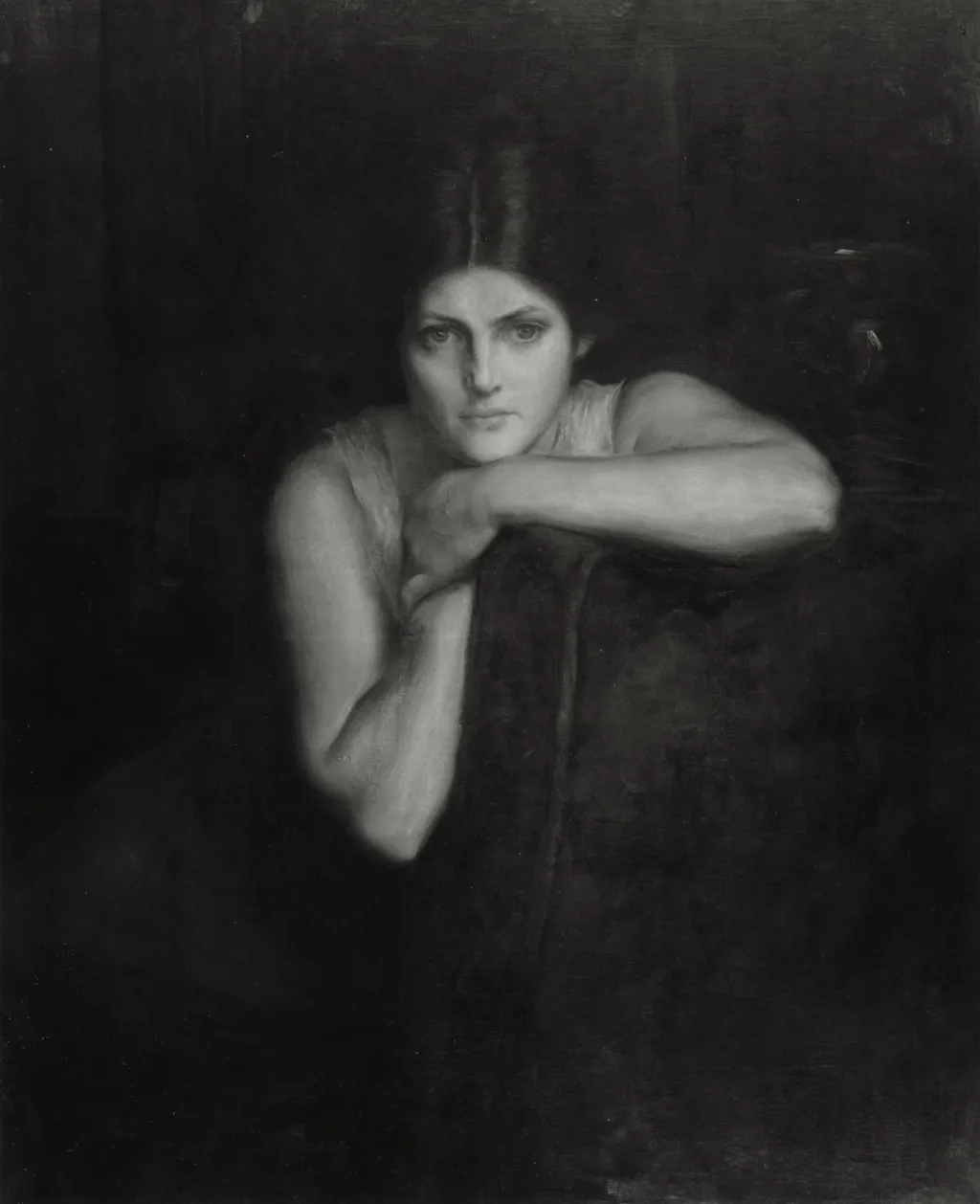
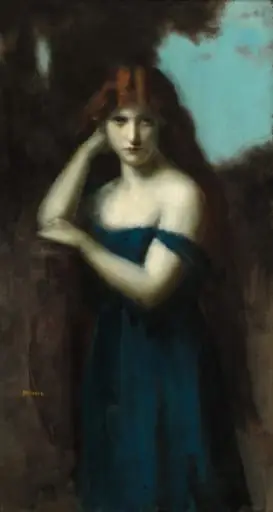
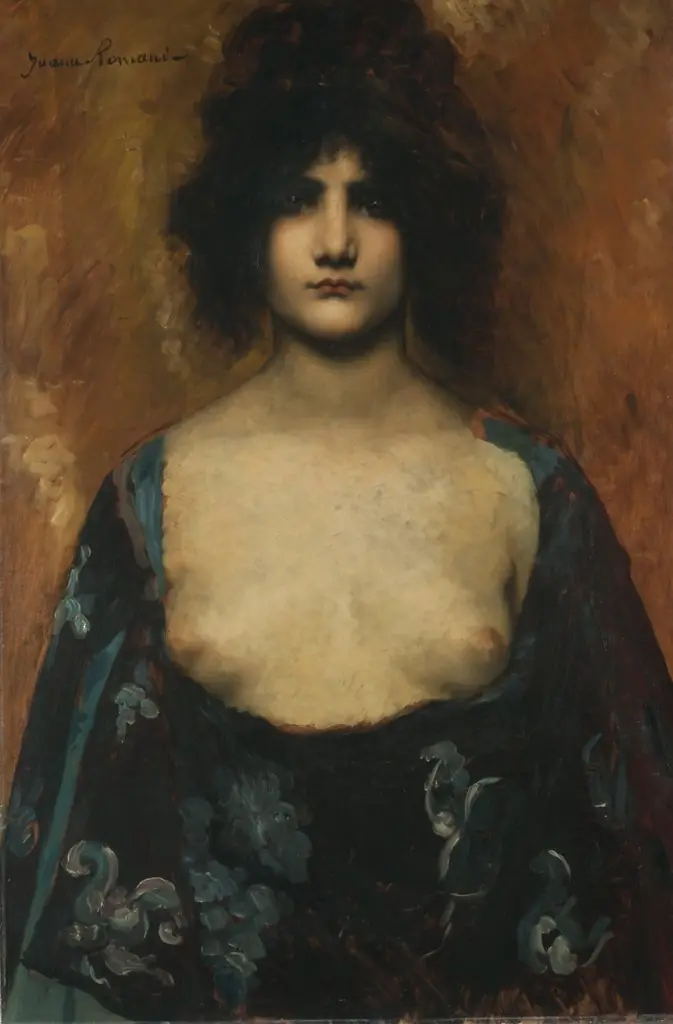
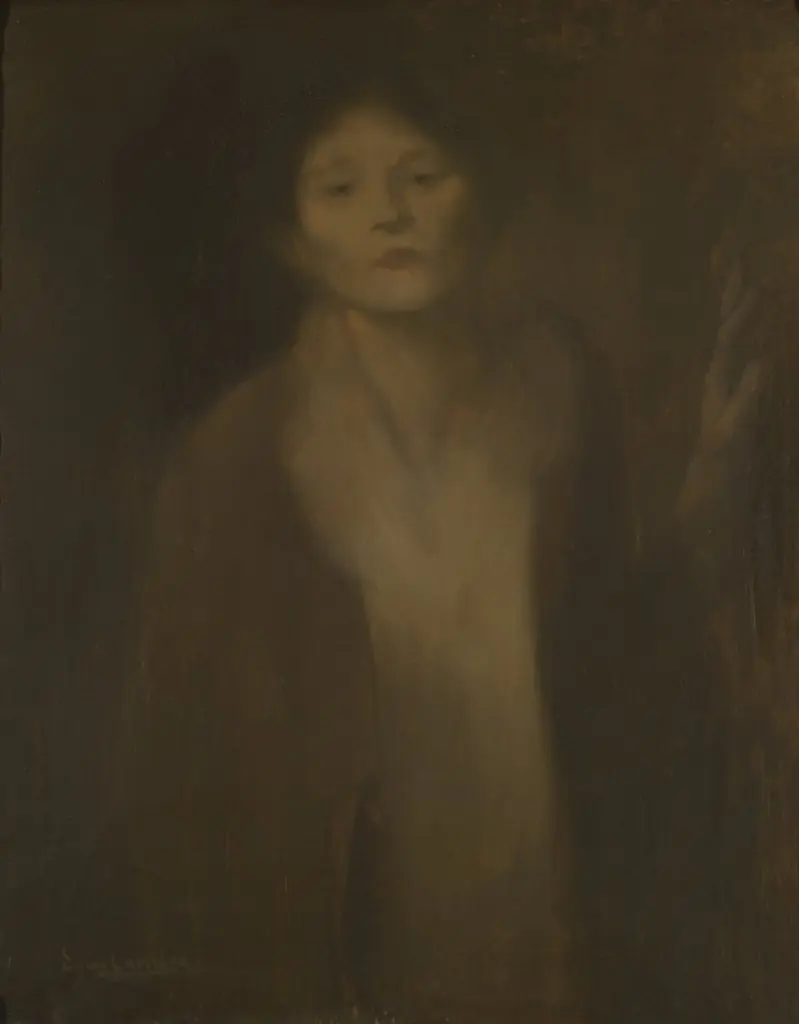
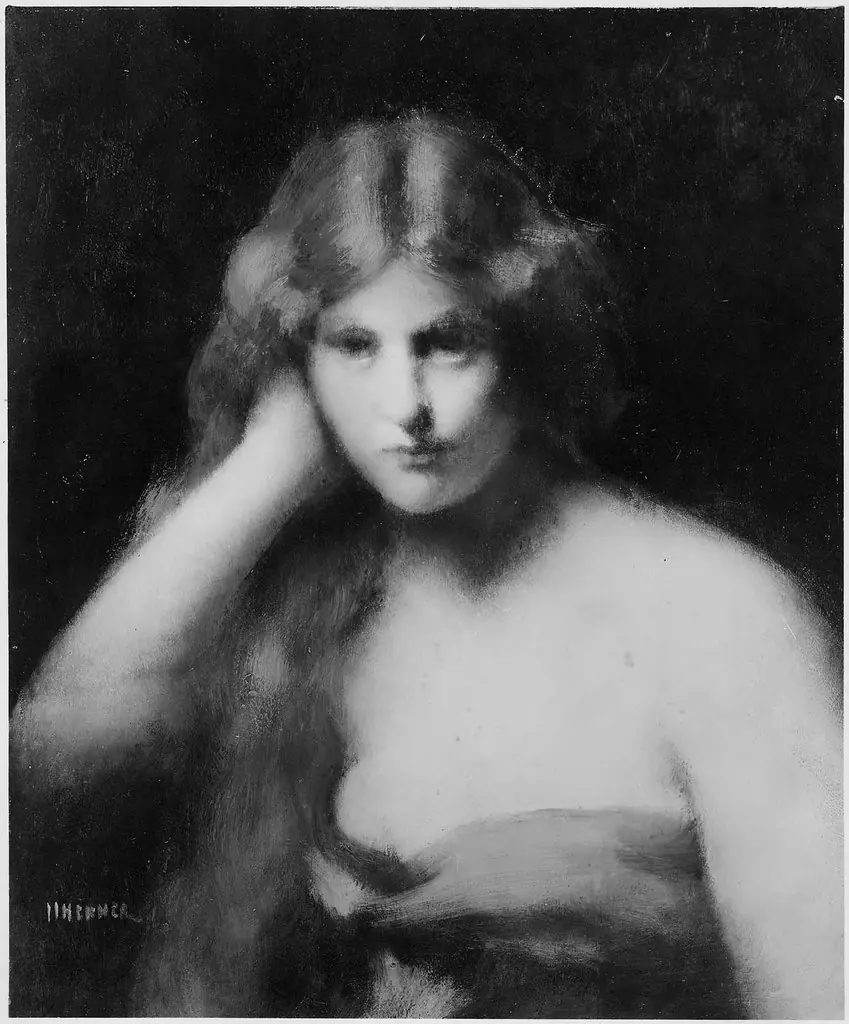
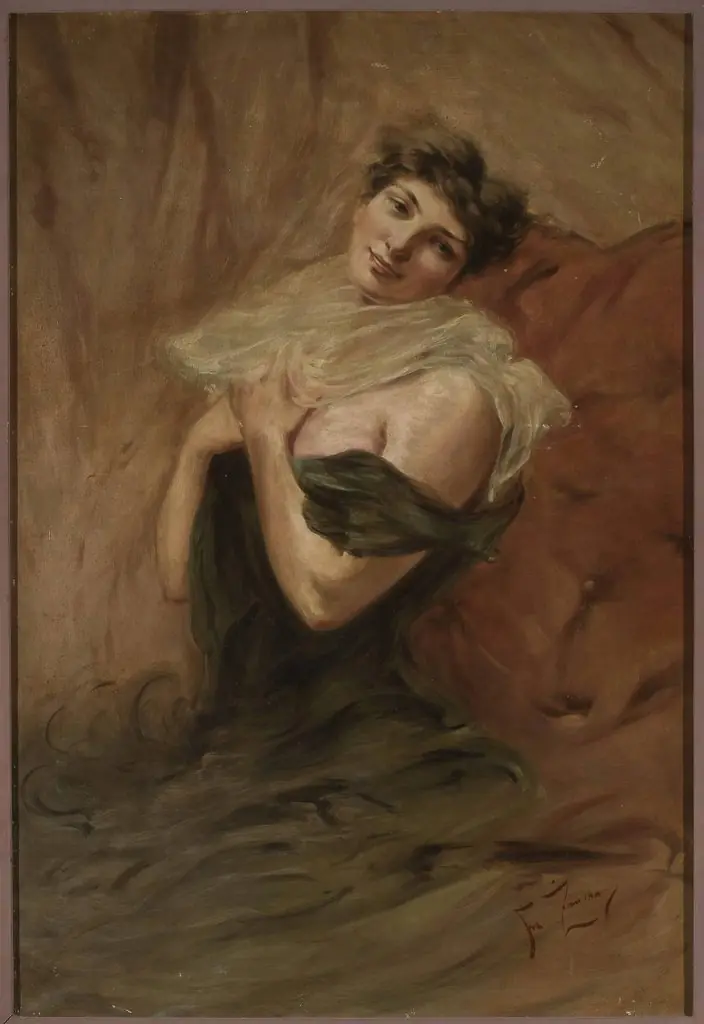
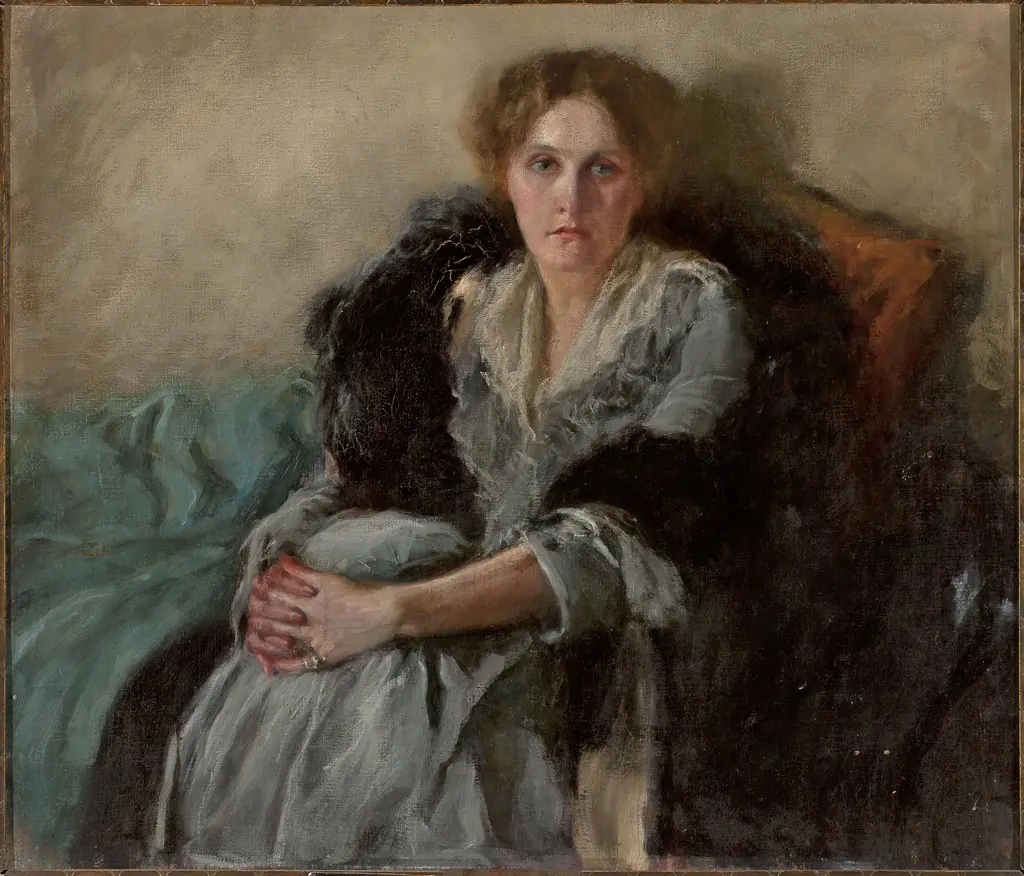
Study of Juliette is an oil painting by the Impressionist artist Julius LeBlanc Stewart. It dates from 1905 and is held in the collection of the Walters Art Museum.
About this work
Overview
Painted in 1905 by American artist Julius LeBlanc Stewart, this oil-on-canvas work is a portrait study titled Study of Juliette.
Painted in 1905 by American artist Julius LeBlanc Stewart, this oil-on-canvas work is a portrait study titled Study of Juliette. Stewart, who lived and worked in Paris, was known for his intimate depictions of figures in domestic or quiet settings. The painting is part of the Walters Art Museum’s collection and reflects his engagement with late 19th-century French painting traditions, particularly in its handling of light and form.
Subject & Meaning
The painting portrays a woman, identified as Juliette, seated with her head resting on crossed arms. Her gaze is directed outward, suggesting introspection or quiet solitude. The absence of narrative context or elaborate setting focuses attention on her emotional presence. The stillness of the pose and the muted tones convey a sense of personal stillness, inviting contemplation rather than storytelling.
Technique & Style
Stewart employed loose, expressive brushwork to capture the texture of skin and fabric, aligning with Impressionist sensibilities. A strong contrast between the illuminated face and arms and the deep, shadowed background creates a chiaroscuro effect. This interplay of light and dark enhances the three-dimensionality of the figure, while the limited palette—dominated by earth tones and blacks—reinforces the painting’s somber, focused mood.
History & Provenance
The painting entered the Walters Art Museum’s collection through its founding bequest in the early 20th century. It was likely acquired during a period when American collectors were actively seeking works by expatriate artists in Paris. Stewart’s reputation as a portraitist of European society helped ensure the preservation of such studies, though this piece remains less documented than his larger salon paintings.
Context
Created during the waning years of Impressionism, the work reflects a shift toward psychological portraiture among artists influenced by French modernism. While Stewart was trained in academic traditions, his adoption of looser brushwork and emphasis on atmospheric effects shows his adaptation to contemporary trends. The painting’s intimacy contrasts with the grandeur of his commissioned portraits, revealing a more personal artistic impulse.
Legacy
Study of Juliette stands as a quiet example of Stewart’s ability to merge academic precision with Impressionist immediacy. Though not widely exhibited, it contributes to understanding how American artists in Paris negotiated stylistic influences. The work remains a testament to the value placed on individual expression within a movement often associated with broader scenes of modern life.
Own this work as a print
Artist & collection
Artist
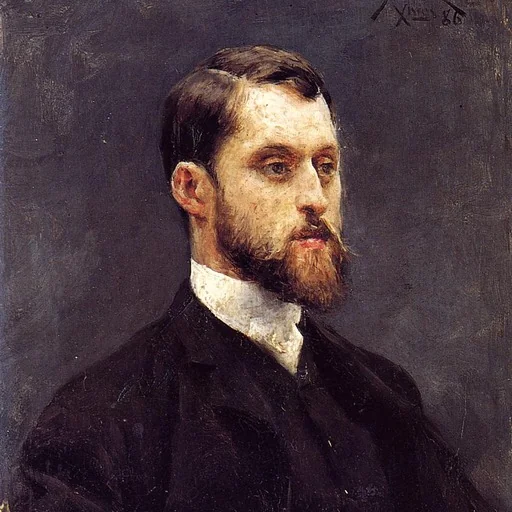
Julius LeBlanc Stewart (September 6, 1855, Philadelphia, Pennsylvania — January 4, 1919, Paris, France), was an American artist who spent his career in Paris.