Artwork
The Glade
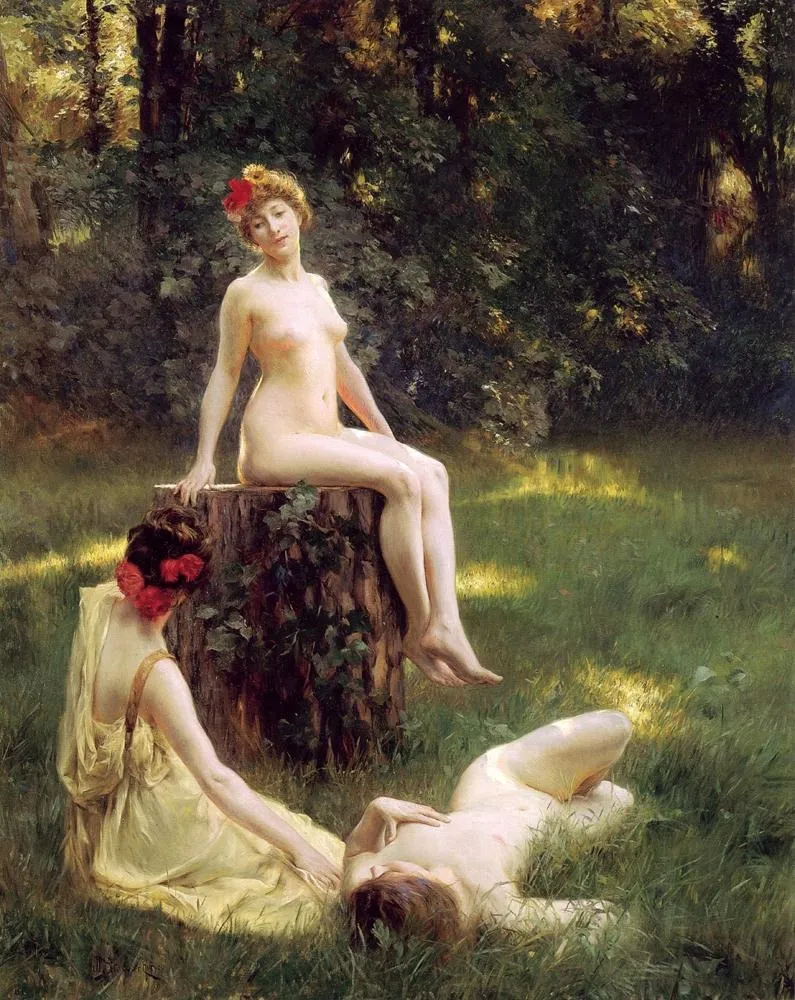
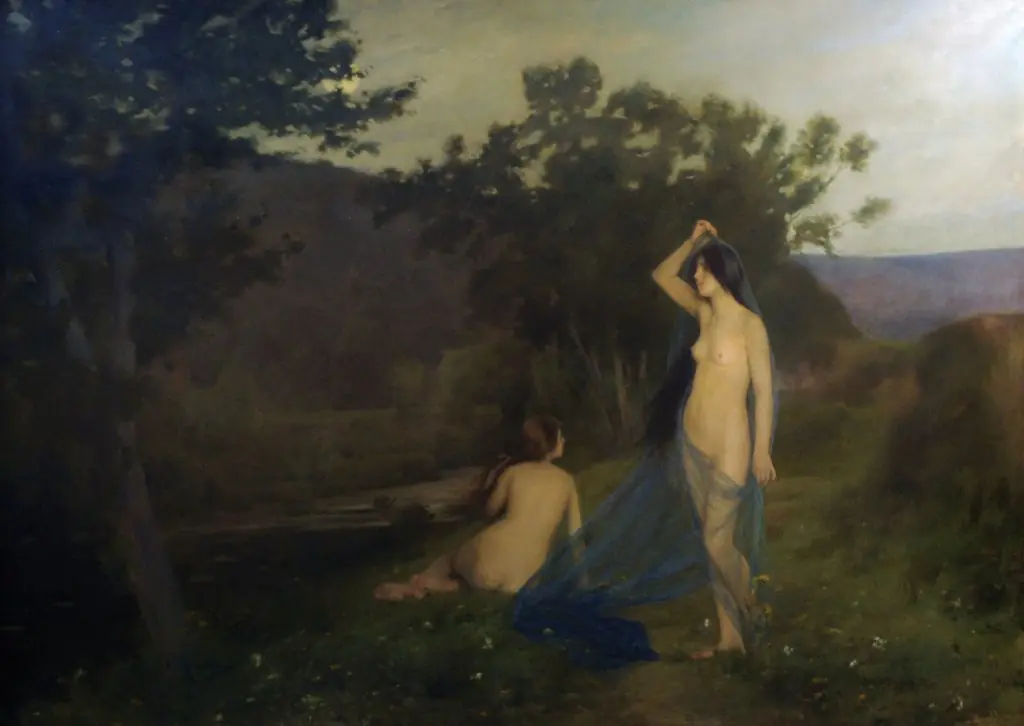
The Glade is an oil painting by the Impressionist artist Julius LeBlanc Stewart. It dates from 1900 and is held in the collection of the Detroit Institute of Arts.
About this work
Overview
The painting is part of the Detroit Institute of Arts’ permanent collection, reflecting its recognition within early 20th-century transatlantic art networks.
Painted in 1900 by American artist Julius LeBlanc Stewart, *The Glade* is an oil-on-canvas work created during his decades-long residence in Paris. Though American by birth, Stewart was immersed in French artistic circles and aligned with Impressionist sensibilities. The painting is part of the Detroit Institute of Arts’ permanent collection, reflecting its recognition within early 20th-century transatlantic art networks.
Subject & Meaning
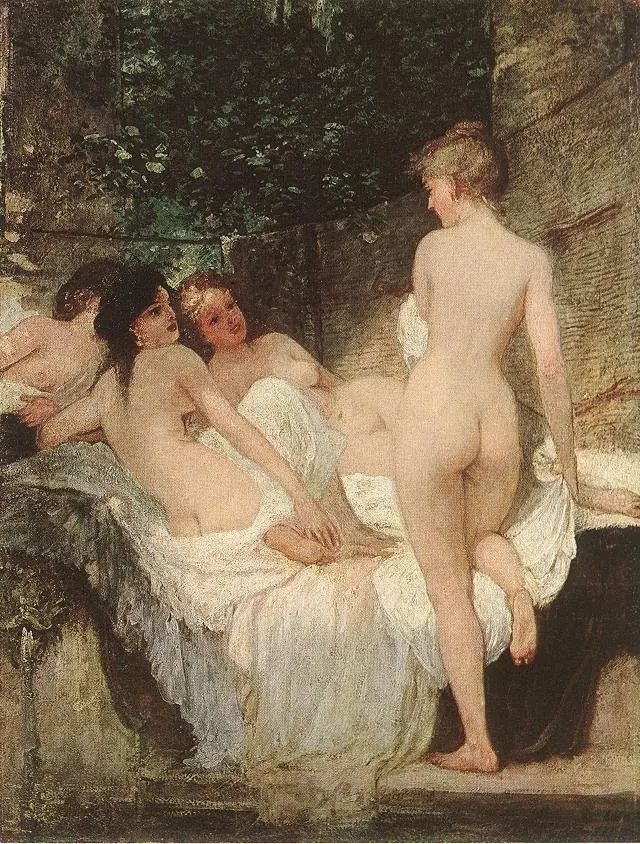
The scene portrays three women in a secluded woodland clearing. One figure, seated on a tree stump, is nude; the other two, reclining on the ground, wear light yellow garments. Their relaxed postures and the quiet setting suggest a moment of rest or contemplation. The absence of narrative or symbolic cues invites a focus on atmosphere rather than story, emphasizing harmony between the human form and the natural environment.
Technique & Style
Stewart employed loose, fluid brushwork typical of Impressionism, capturing the play of light through dense foliage. Warm skin tones and the luminous yellow of the dresses contrast with the cool greens of the surrounding trees, creating visual rhythm without sharp definition. The composition avoids dramatic lighting or chiaroscuro, instead relying on subtle tonal shifts to convey depth and spatial intimacy.
History & Provenance
Created in 1900, *The Glade* entered the Detroit Institute of Arts’ collection in the early 20th century, likely through acquisition from a private donor or dealer familiar with Stewart’s work. Its presence in a major American institution reflects the growing interest in expatriate American artists working in France during the Belle Époque, though Stewart’s reputation has since faded from mainstream art historical discourse.
Context
Stewart painted during a period when many American artists settled in France, drawn by its artistic institutions and open attitudes toward the nude. *The Glade* aligns with contemporary French Impressionist landscapes that featured figures in nature, though it lacks the social commentary or urban themes common in the movement. Its quiet, pastoral tone distinguishes it from more radical works of the era.
Legacy
While not widely exhibited today, *The Glade* remains a quiet example of American Impressionism’s adaptation to European traditions. Stewart’s focus on serene, uneventful moments in nature reflects a broader trend among expatriate painters seeking aesthetic harmony over narrative drama. The work endures as a testament to the transnational nature of late 19th-century art practice.
Artist & collection
Artist
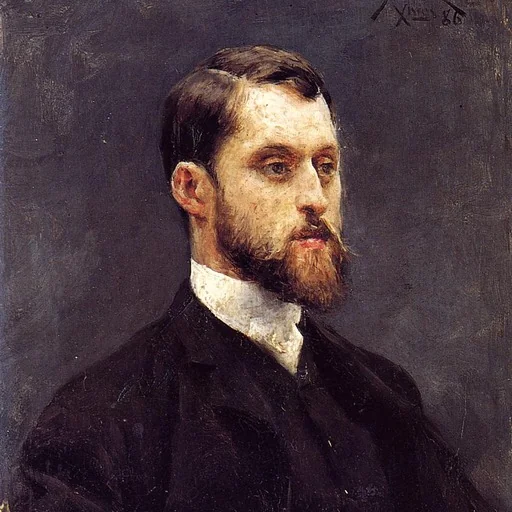
Julius LeBlanc Stewart (September 6, 1855, Philadelphia, Pennsylvania — January 4, 1919, Paris, France), was an American artist who spent his career in Paris.