Artwork
Warsaw coachman
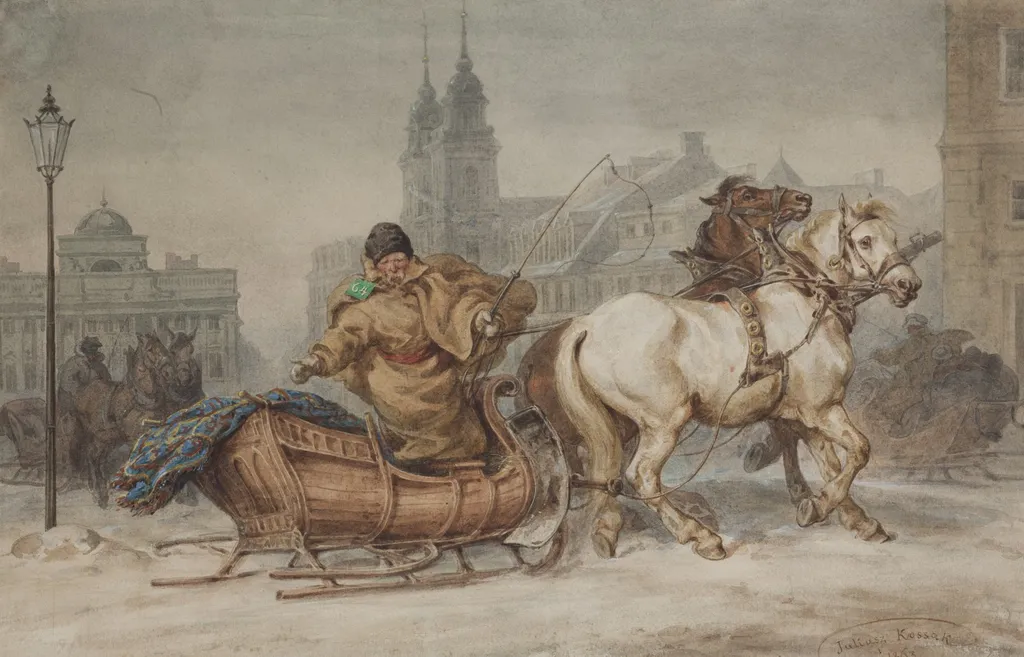
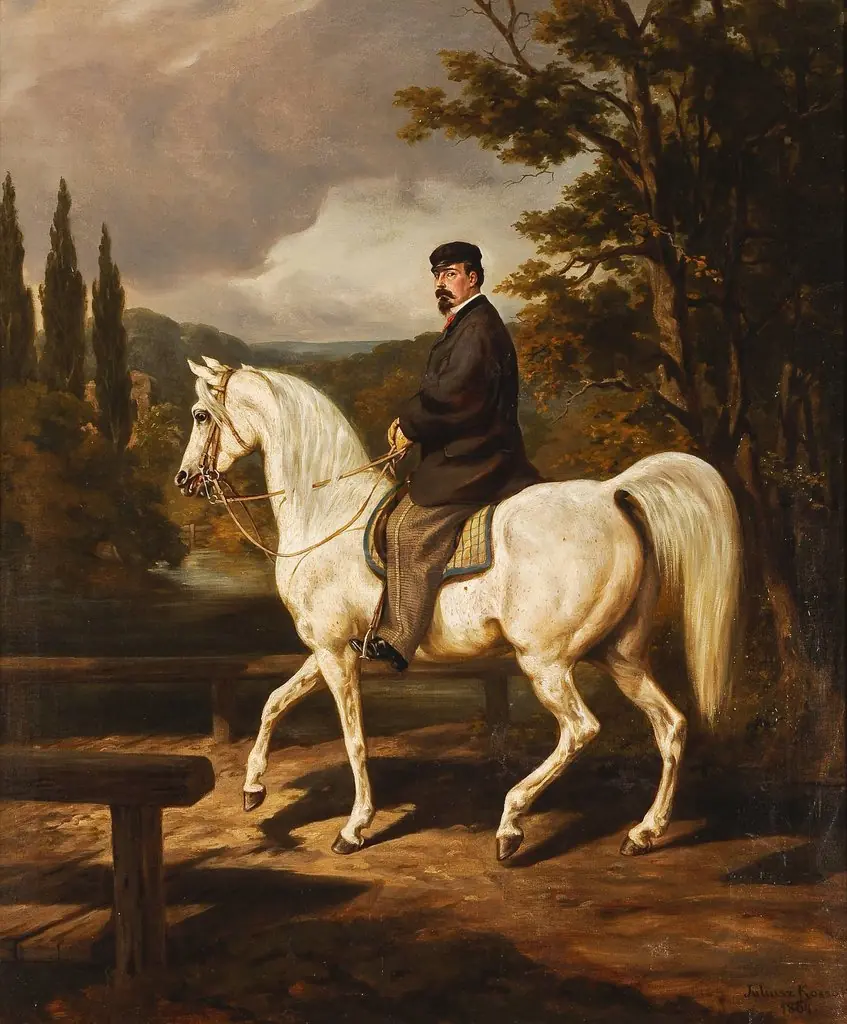
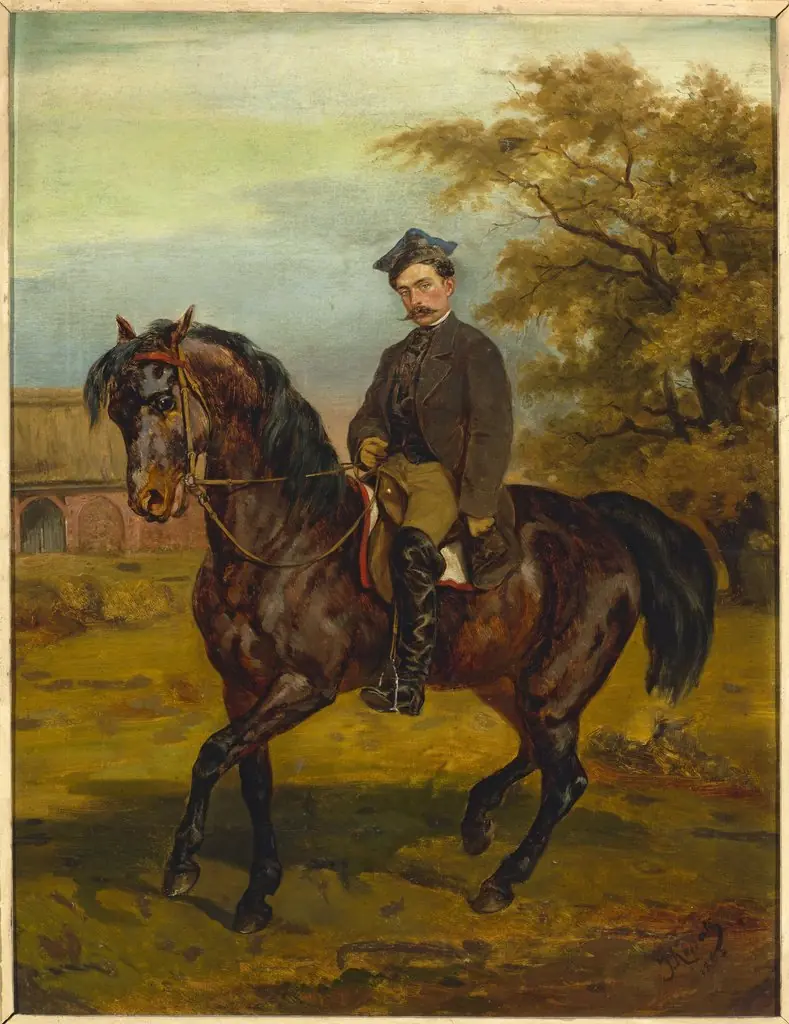
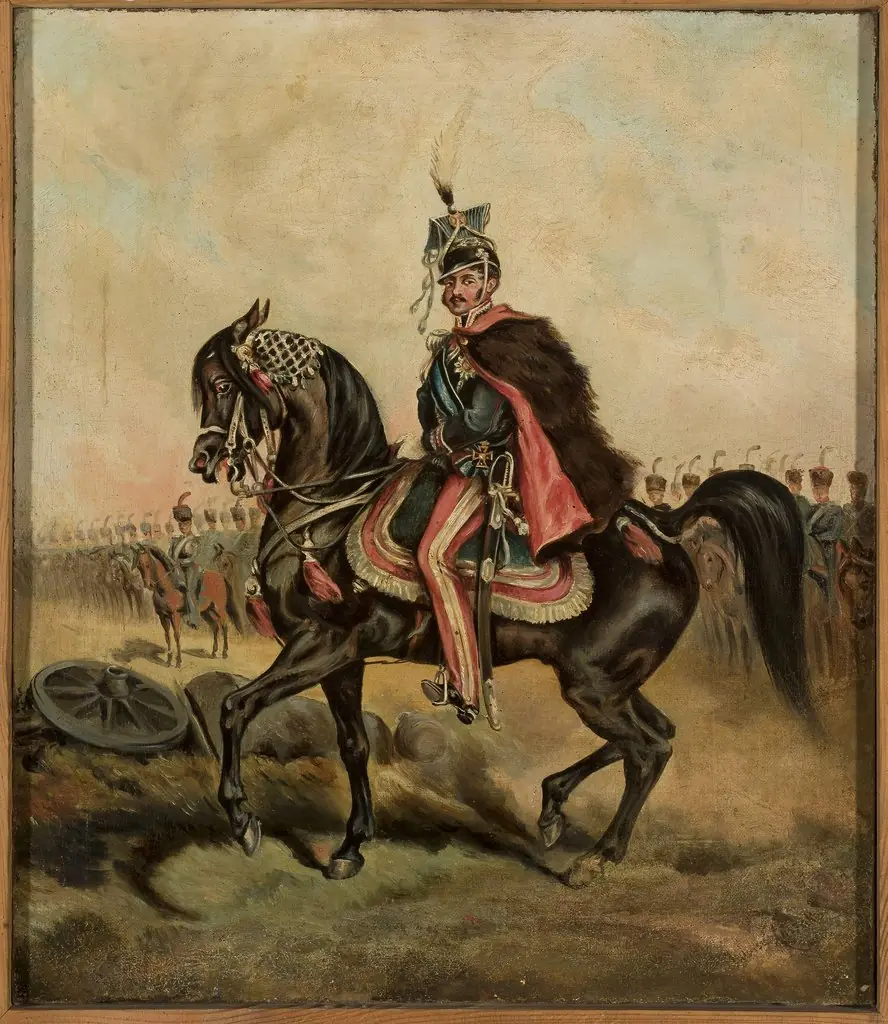
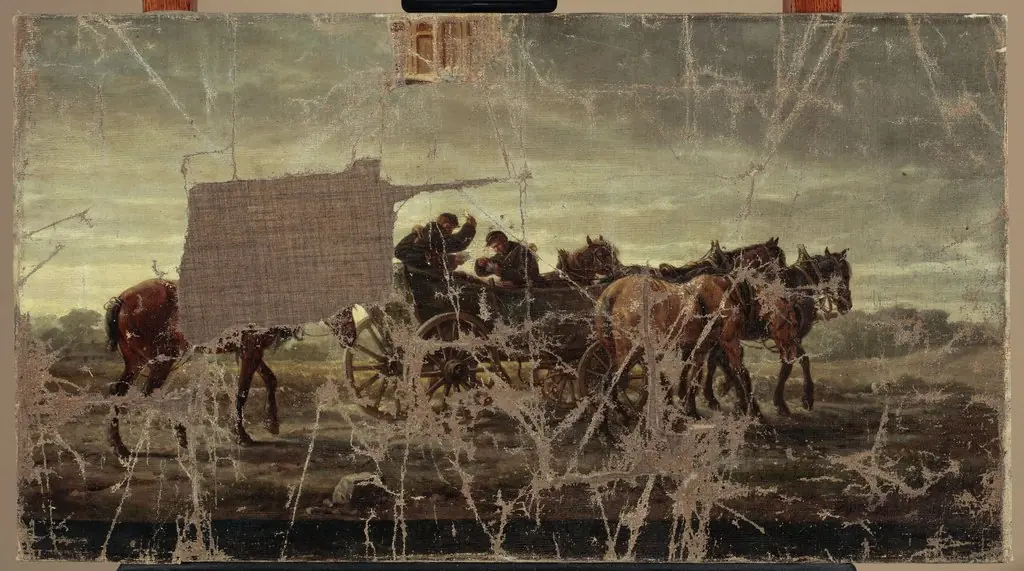
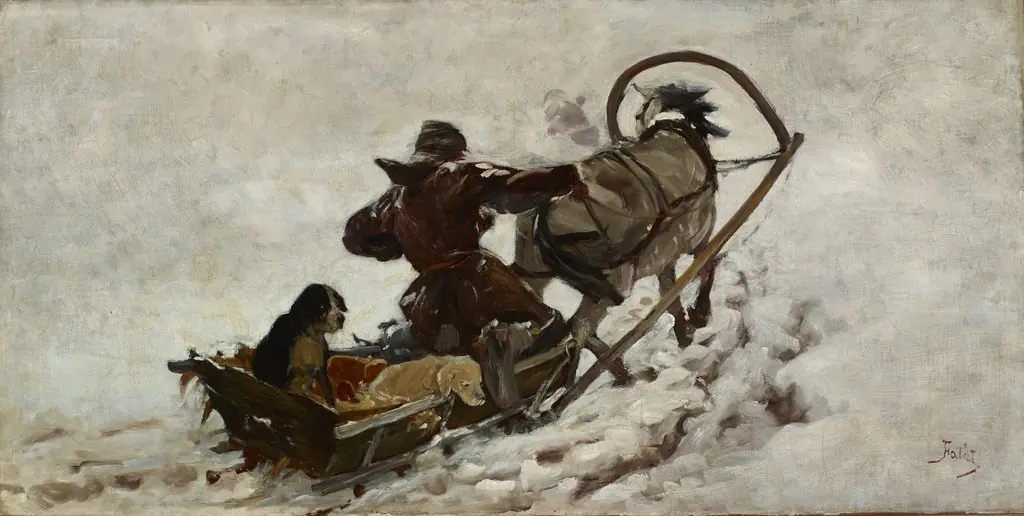
Warsaw coachman is an unspecified painting by Juliusz Kossak. It dates from 1863 and is held in the collection of the National Museum in Kraków.
About this work
Overview
Though best known for military subjects, this work shifts focus to a civilian equestrian figure, reflecting Kossak’s enduring interest in horses and movement.
Juliusz Kossak painted *Warsaw Coachman* in 1863, capturing a moment of urban winter life in Poland’s capital. Though best known for military subjects, this work shifts focus to a civilian equestrian figure, reflecting Kossak’s enduring interest in horses and movement. The painting is part of the National Museum in Kraków’s collection, representing a quieter facet of his oeuvre compared to his battle scenes.
Subject & Meaning
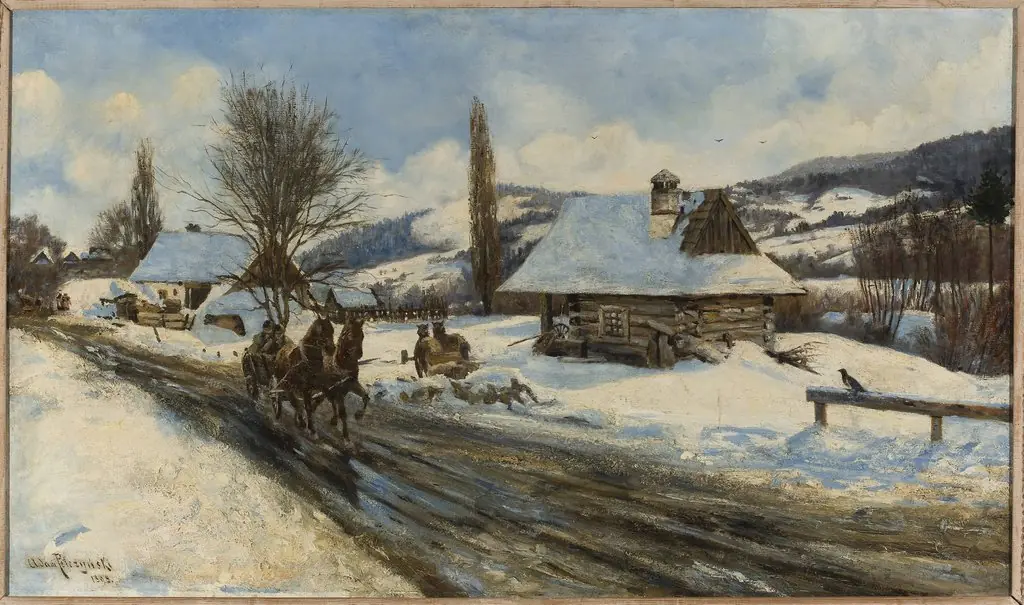
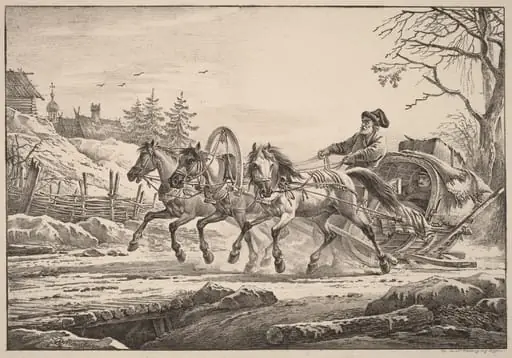
The painting portrays a Warsaw coachman guiding a two-horse sleigh through snow-covered streets. Dressed in a brown coat, black hat, and red waist sash, he leans forward in motion, reins in hand, left arm extended as if directing the team. The scene suggests daily labor amid winter’s constraints, honoring the working class without overt drama. The presence of other riders in the background reinforces the city’s routine rhythms.
Technique & Style
Kossak rendered the scene with precise brushwork, emphasizing the texture of snow, the sheen of horsehide, and the layered fabrics of the coachman’s attire. The composition balances motion and stillness: the forward thrust of the sleigh contrasts with the static buildings and distant figures. Cool tones dominate, with muted grays and whites conveying winter’s chill, while the red sash adds a subtle focal point.
History & Provenance
Created in 1863, the painting entered the National Museum in Kraków’s collection in the late 19th or early 20th century. Kossak, born in 1824 into a multi-generational artistic family, produced this work during a period of political unrest in partitioned Poland. Though not overtly political, the painting quietly preserves the visual culture of urban life under foreign rule.
Context
In mid-19th-century Warsaw, horse-drawn transport remained essential despite industrialization. Kossak’s choice to depict a coachman reflects a broader 19th-century European trend of elevating everyday labor into art. The scene aligns with realist tendencies of the time, yet retains romanticized dynamism—rooted in Kossak’s background as a painter of cavalry and equestrian life.
Legacy
Though overshadowed by his military paintings, *Warsaw Coachman* endures as a nuanced record of urban Polish life. It illustrates Kossak’s versatility and his ability to infuse ordinary moments with dignity. The work continues to be studied for its depiction of transportation, class, and seasonal labor in partitioned Poland, offering insight beyond grand historical narratives.
Own this work as a print
Artist & collection
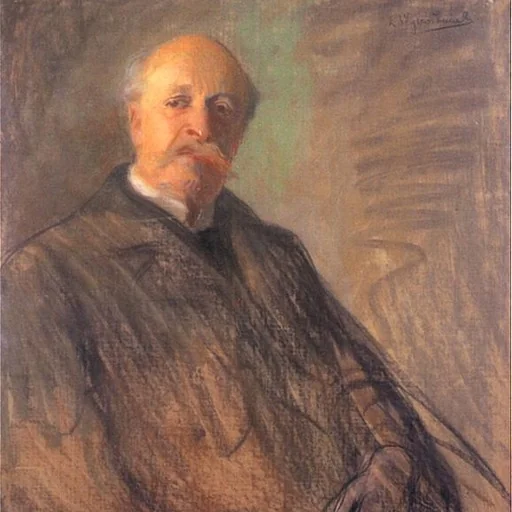
Artist
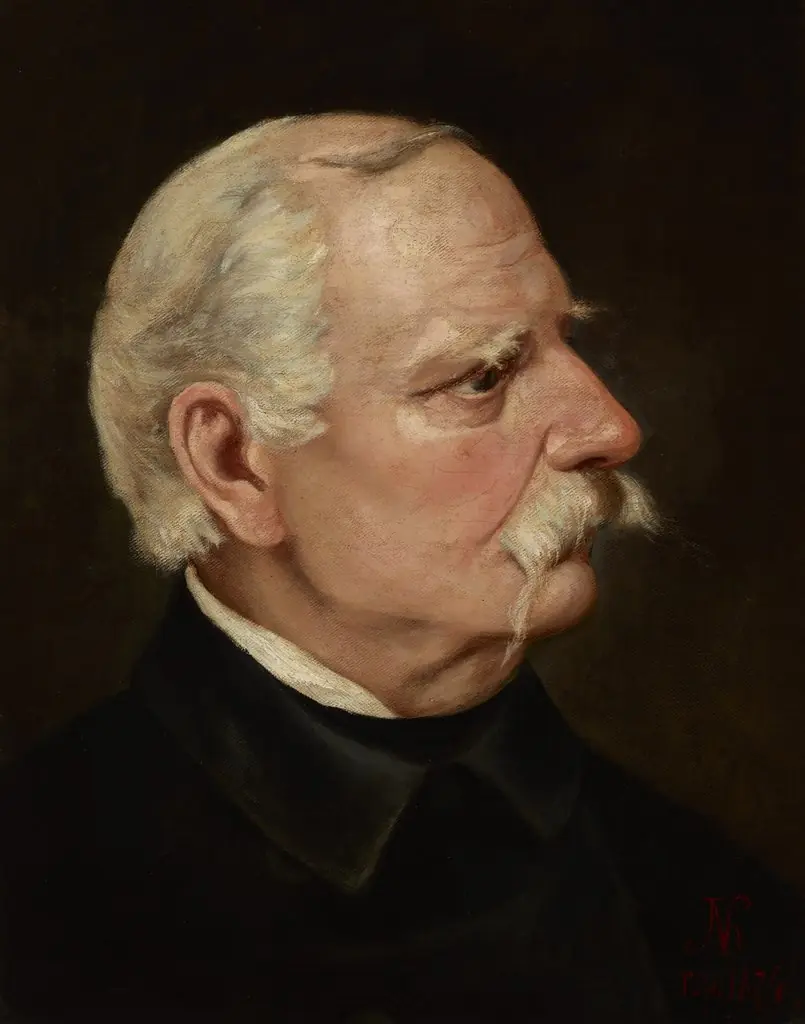
Juliusz Fortunat Kossak (15 December 1824 – 3 February 1899) was a Polish historical painter and master illustrator who specialized in battle scenes, military portraits and horses.