Artwork
Straßenszene auf der Herkulesbrücke, Berlin
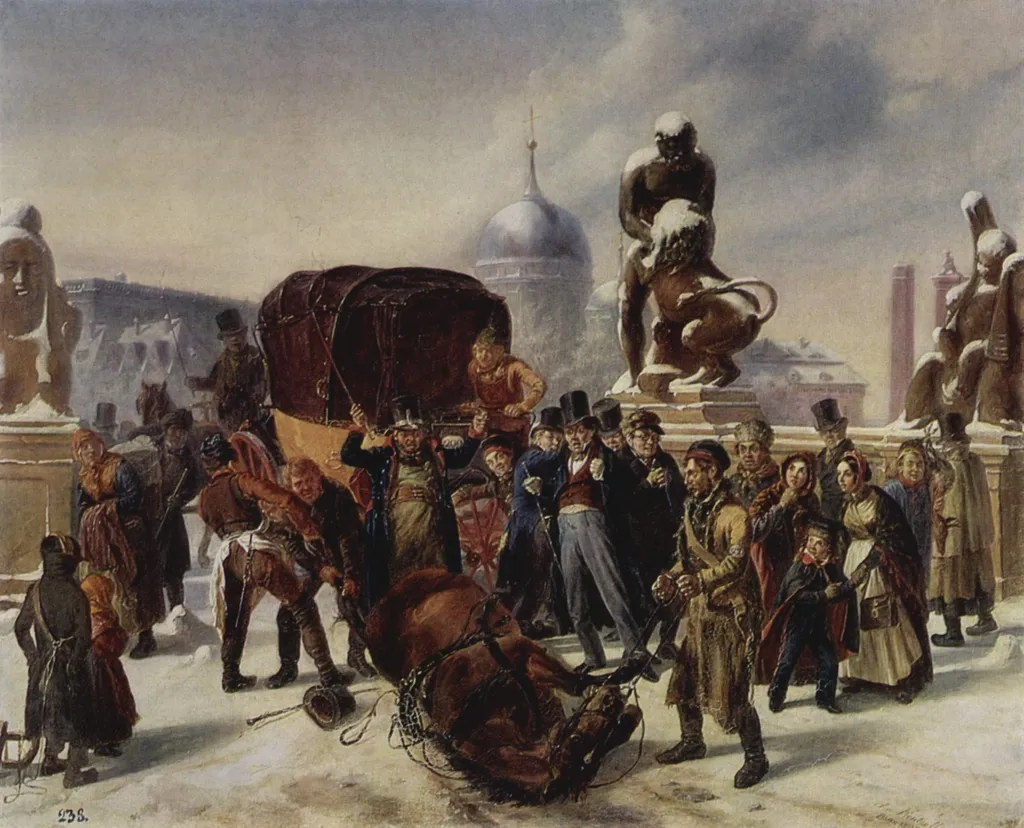
Straßenszene auf der Herkulesbrücke, Berlin is an oil painting by August von Rentzell. It dates from 1841 and is held in the collection of the Hermitage Museum.
About this work
Overview
The work belongs to the collection of the State Hermitage Museum and presents an unidealized glimpse of urban life during the early 19th century.
Painted in 1841 by August von Rentzell, this oil on canvas captures a winter street scene on the Herkules Bridge in Berlin. The work belongs to the collection of the State Hermitage Museum and presents an unidealized glimpse of urban life during the early 19th century. Its composition centers on a quiet moment of daily activity amid snow-covered surroundings, emphasizing atmosphere over narrative drama.
Subject & Meaning
The painting portrays a group of individuals in winter attire, gathered near a stationary horse-drawn carriage. Figures engage in casual interactions—conversations, adjustments of clothing, or quiet observation—suggesting ordinary routines in a cold climate. No single event dominates; instead, the scene conveys the rhythm of urban existence, where weather and infrastructure shape human behavior.
Technique & Style
Rentzell employs chiaroscuro to define forms against the muted winter light, using deep shadows and soft highlights to model figures and surfaces. The palette favors cool grays and blues for snow and sky, contrasted with warmer browns and russets in clothing and horsehide. Brushwork is restrained, favoring tonal harmony over detail, reinforcing the subdued mood of the scene.
History & Provenance
Created in 1841, the painting entered the collection of the State Hermitage Museum in Saint Petersburg, though the exact circumstances of its acquisition remain undocumented. It reflects the 19th-century European interest in genre scenes of everyday life, particularly those depicting urban environments under seasonal conditions.
Context
In early 19th-century Berlin, the Herkules Bridge was a functional urban crossing, connecting neighborhoods and facilitating transport. Rentzell’s depiction aligns with a broader trend among German painters to record civic life without romanticism, capturing the quiet dignity of common routines amid industrializing cities and harsh winters.
Legacy
Though not widely exhibited or reproduced, the painting remains a quiet example of German genre painting from the Biedermeier era. It contributes to the historical record of Berlin’s urban landscape and the visual documentation of winter life in northern Europe, valued more for its observational sincerity than for stylistic innovation.
Own this work as a print
Artist & collection

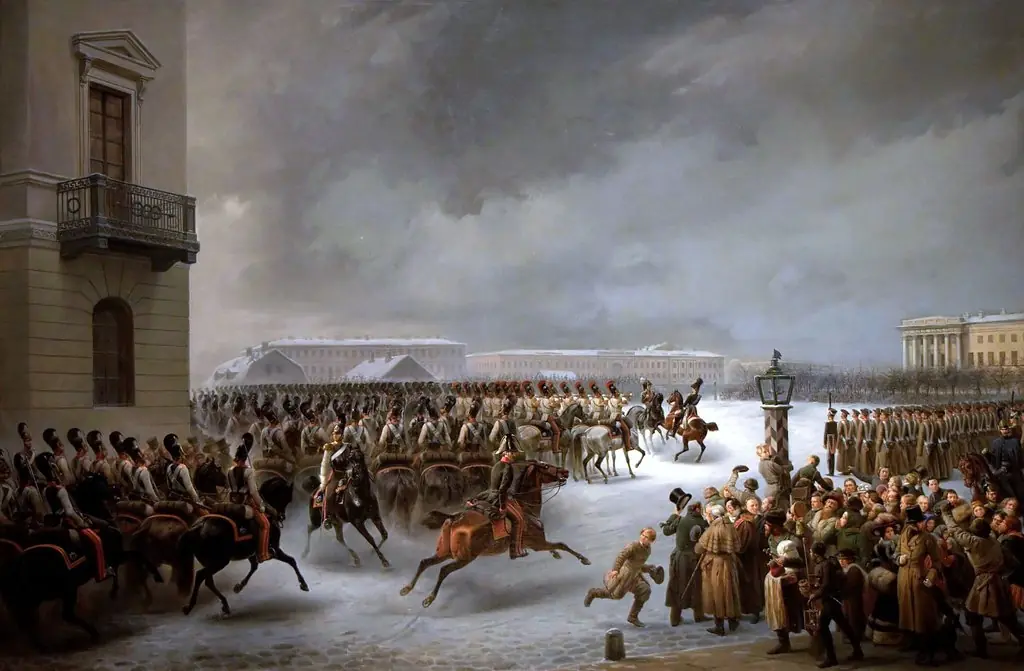 Life Guards Horse Regiment During the Uprising of December 14, 1825 at the Senate Square
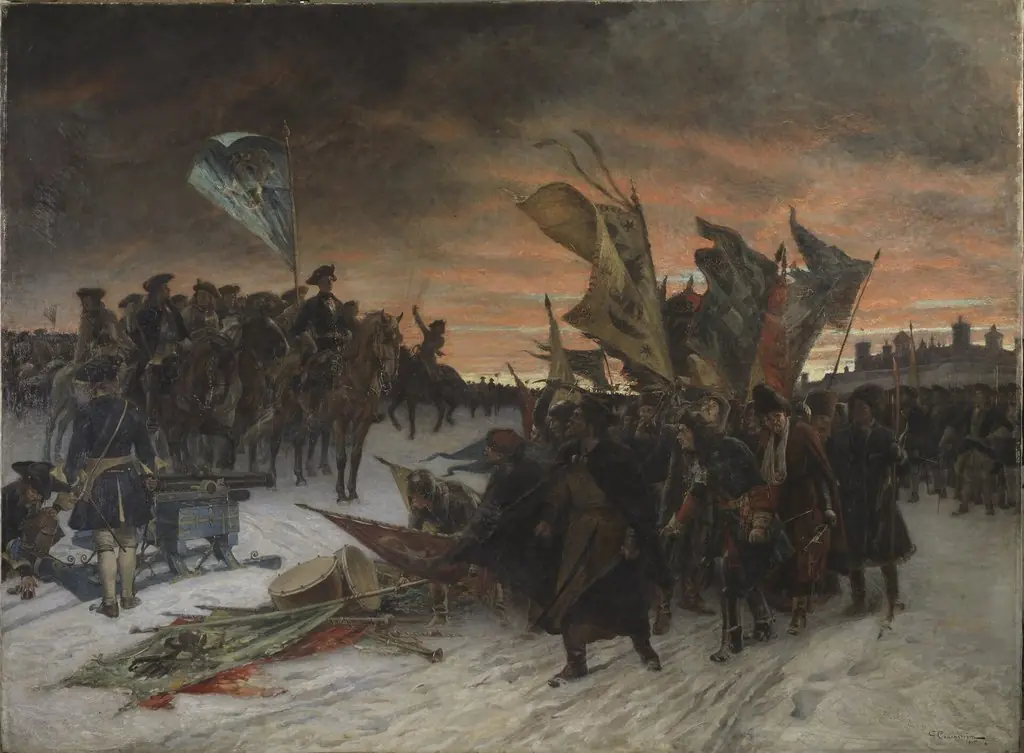 Victory at Narva
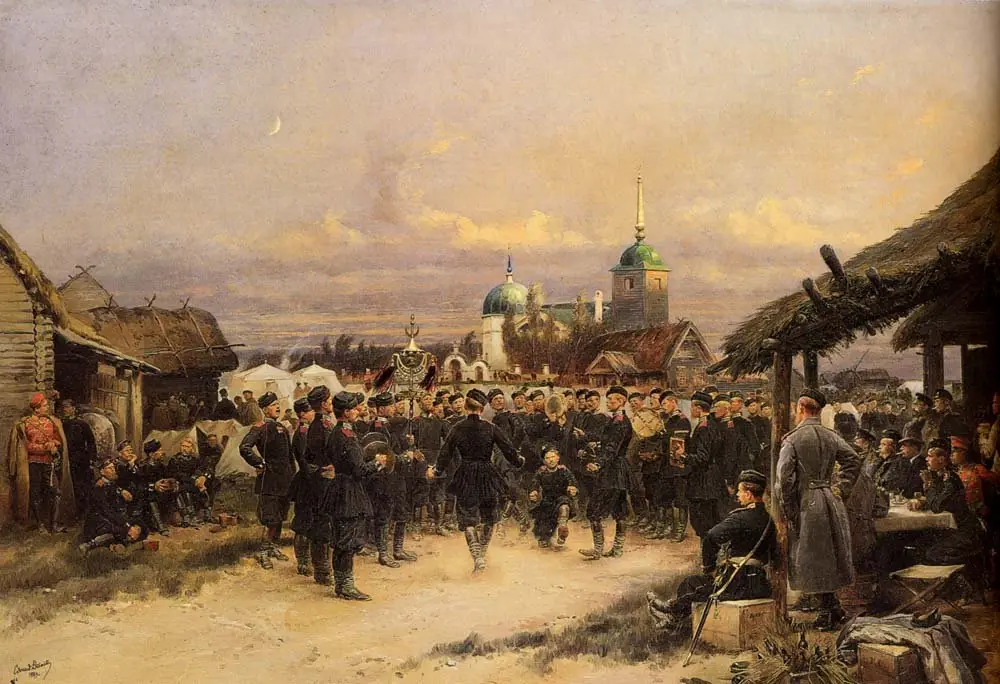 Singer of the 4th Rifle Battalion at Tsarskoe Selo
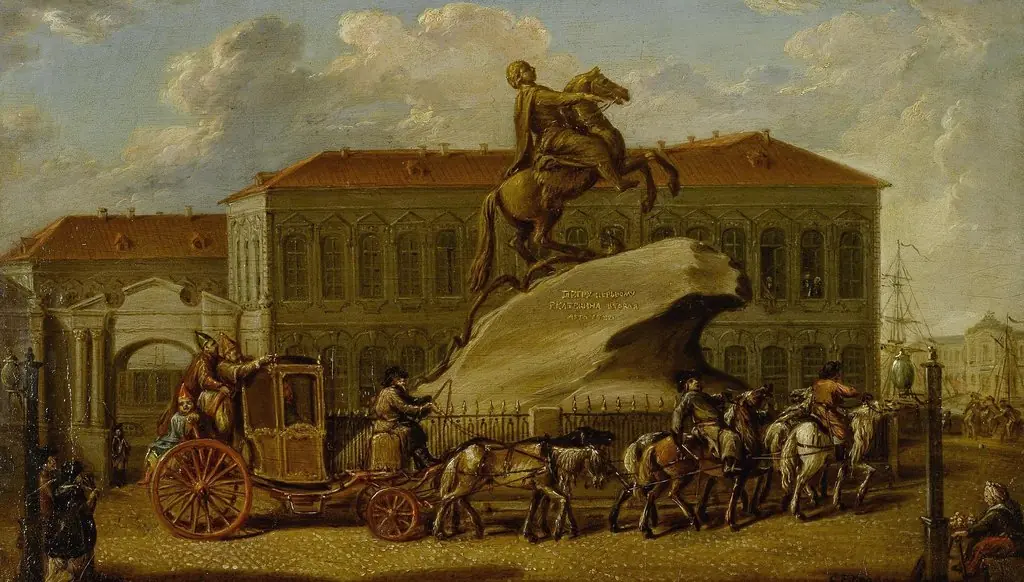 The View of Senate Square
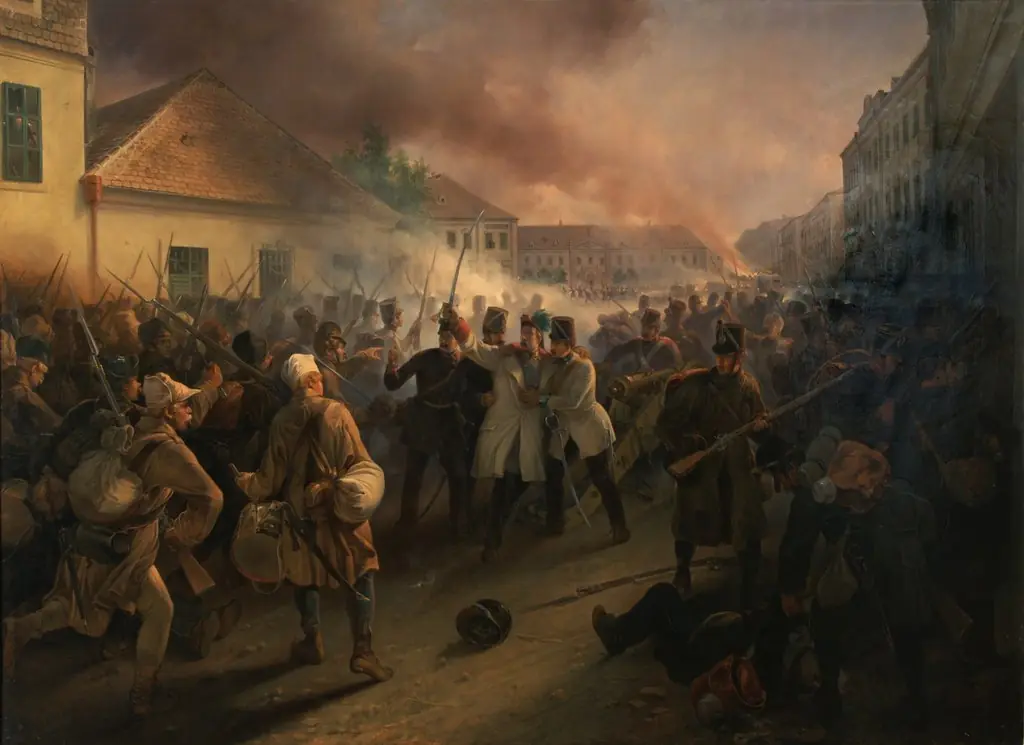 The Heroic Death of General Heinrich Hentzy von Arthurm
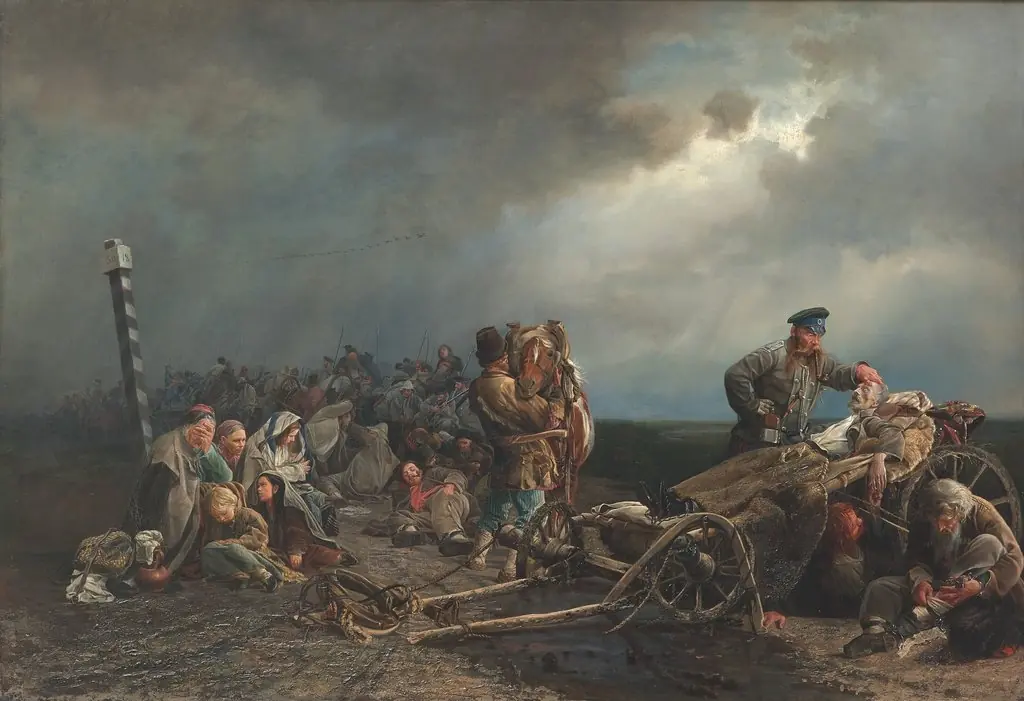 Halt for prisoners
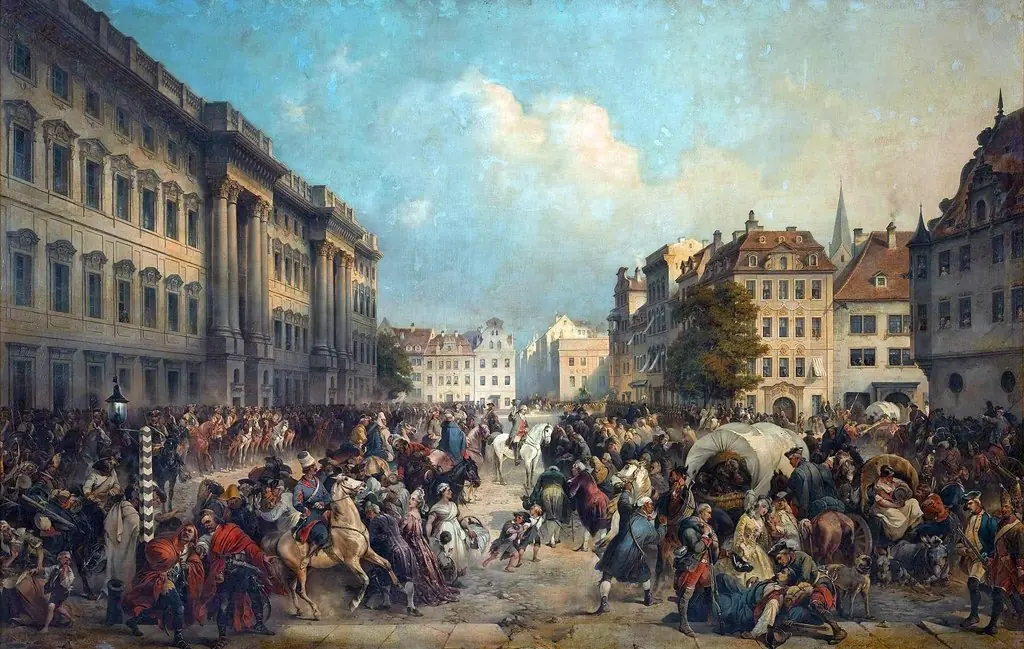 Capture of Berlin on 28 September 1760
 Warsaw coachman
 Battle of Viazma on 22 October (3 November) 1812
 View of the Moscow Kremlin
 Laying out the March Dead
 Welcomming the Icon