Artwork
Figure of a Woman
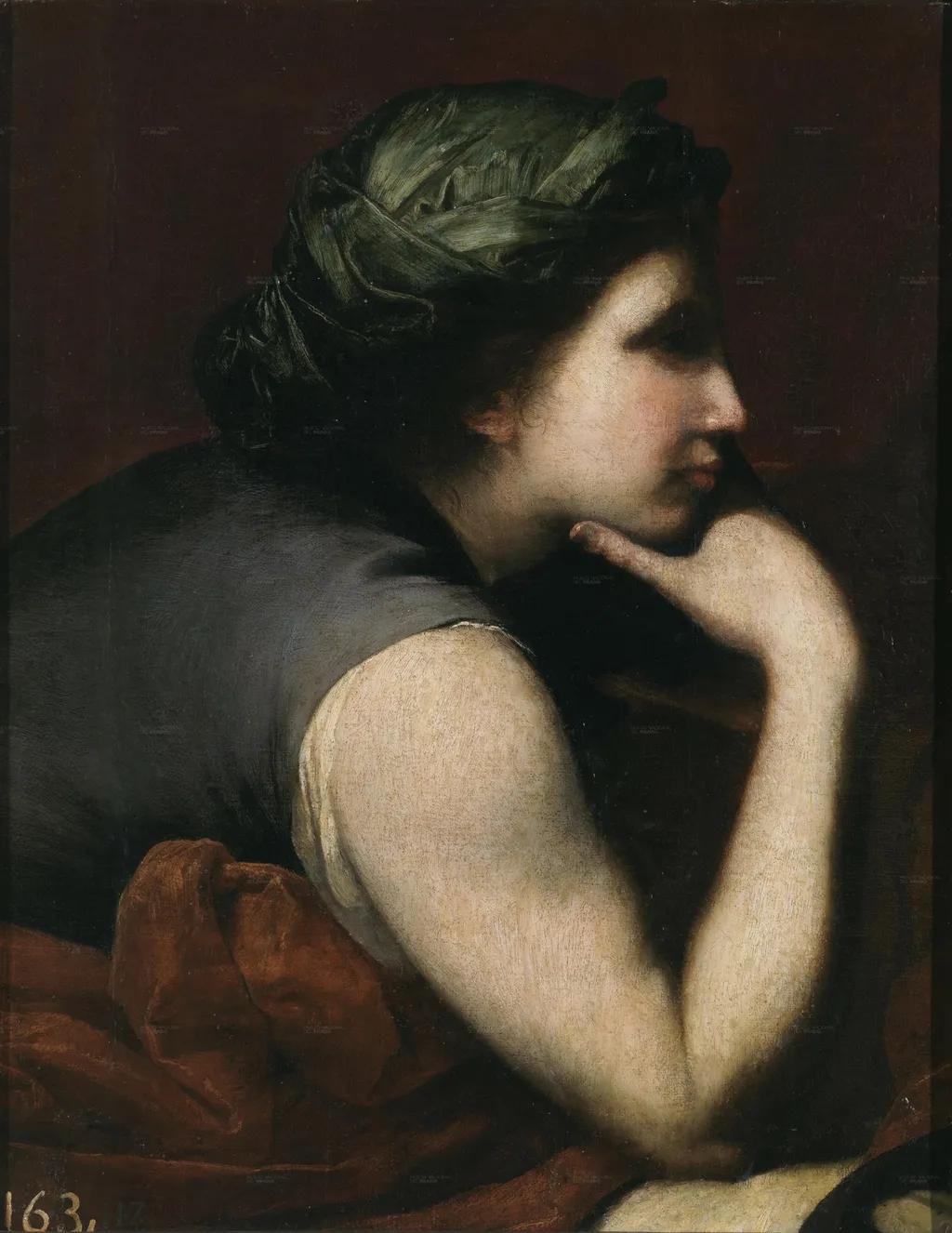
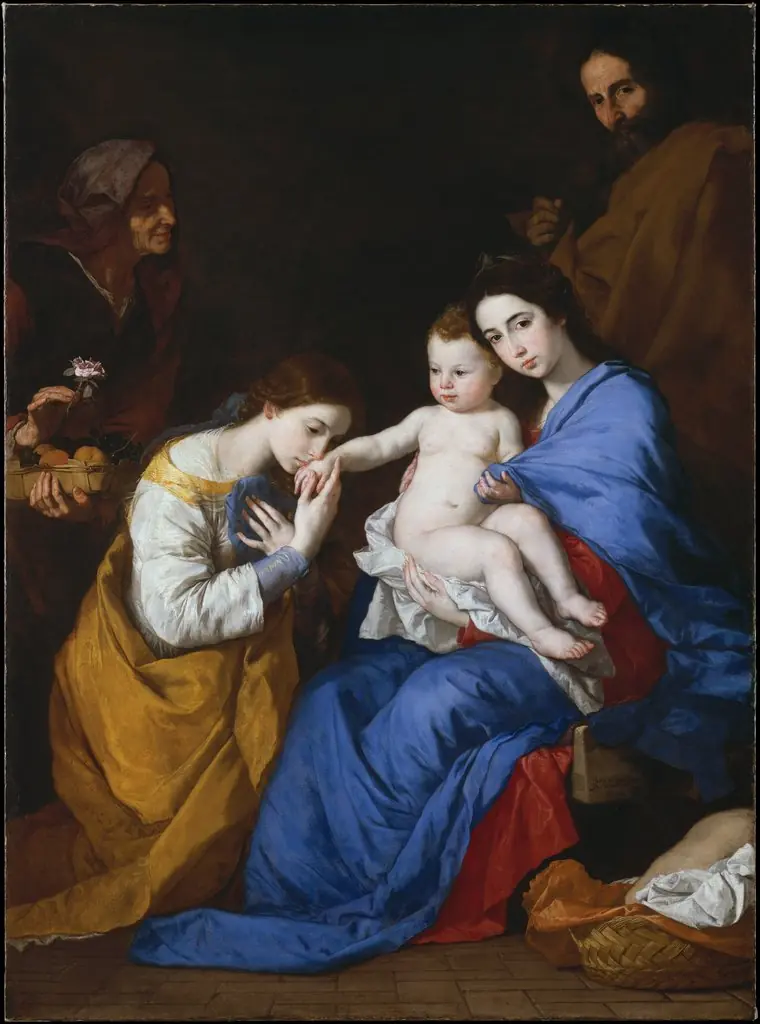
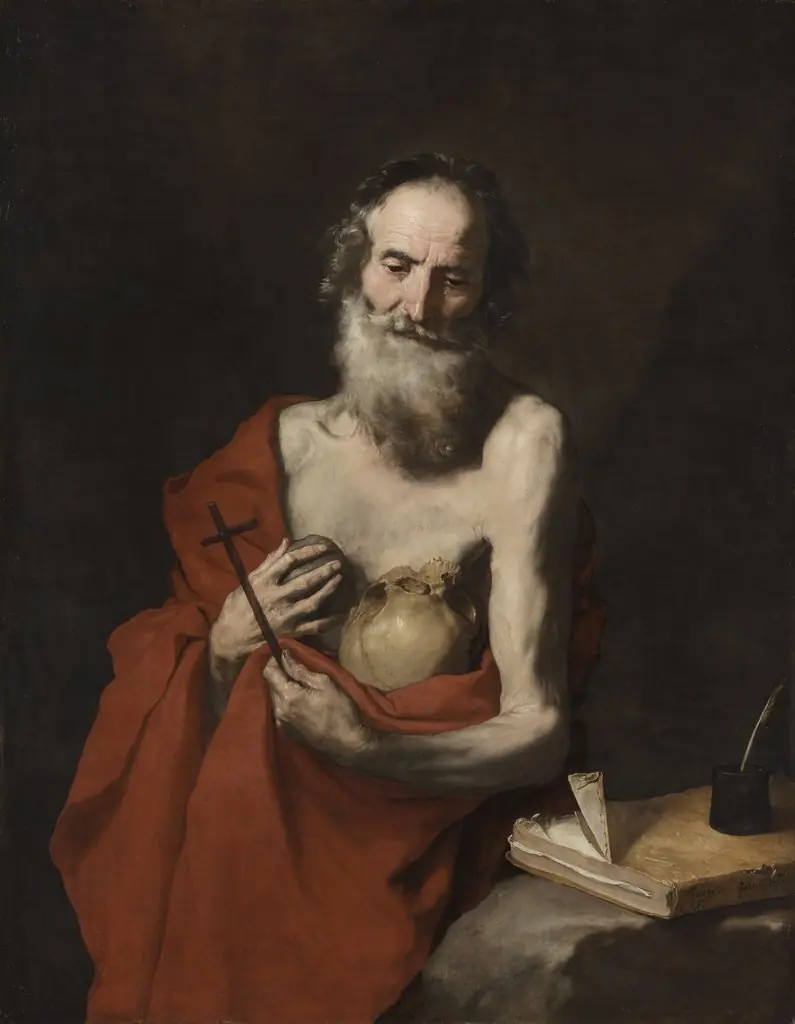
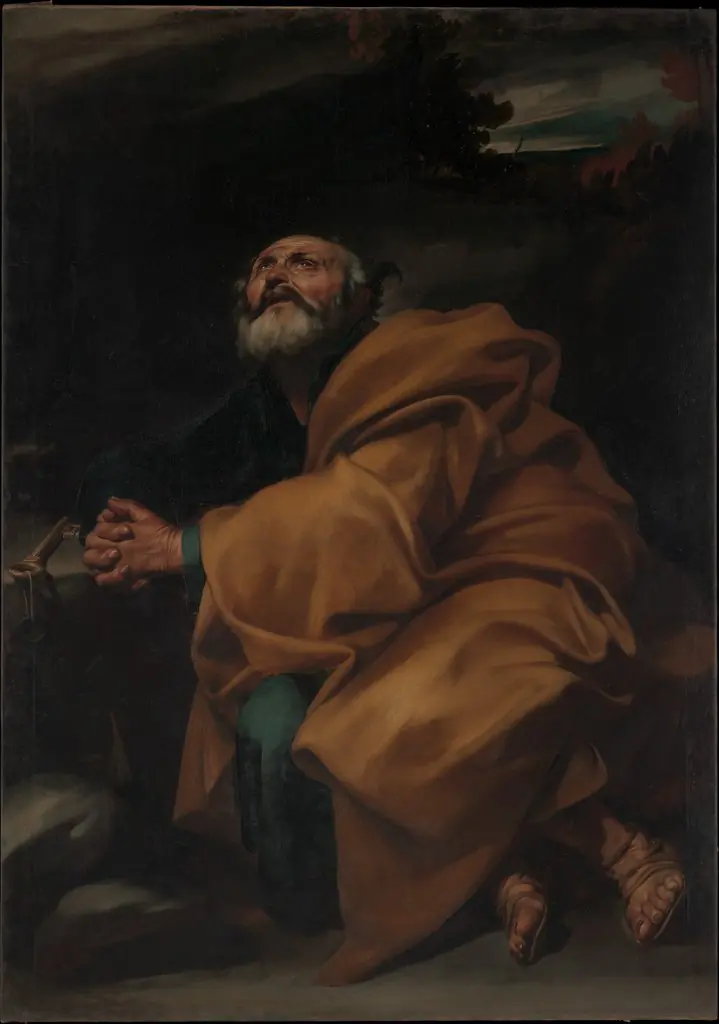
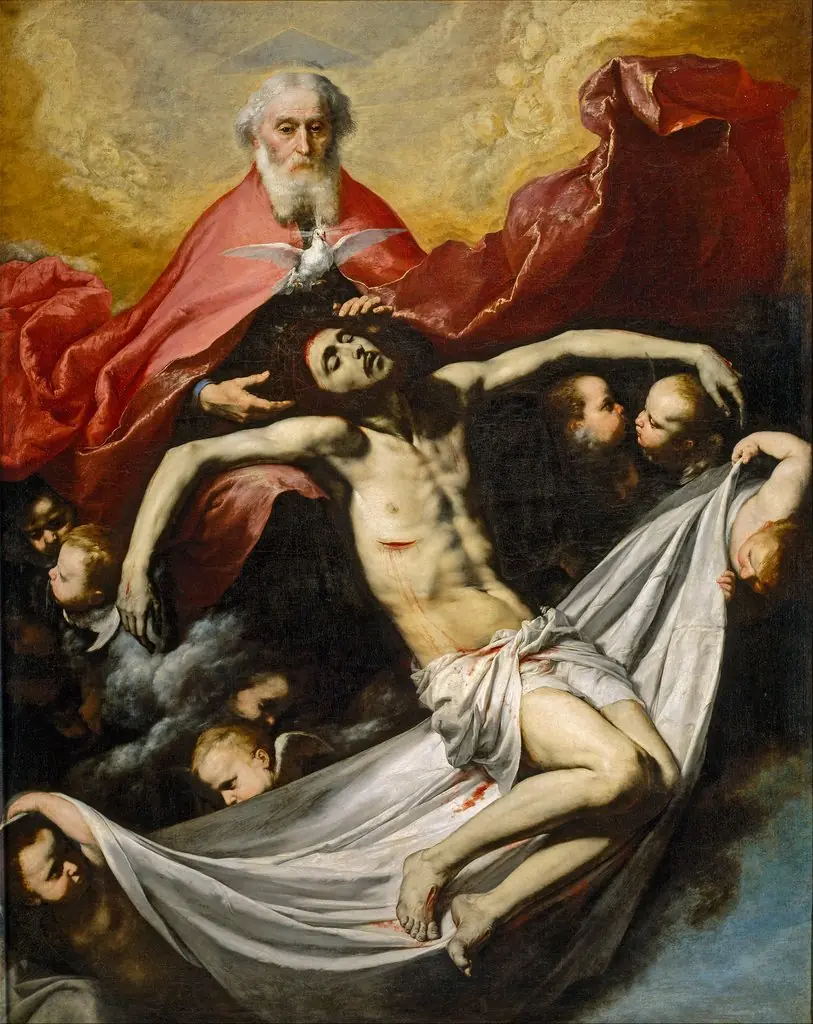
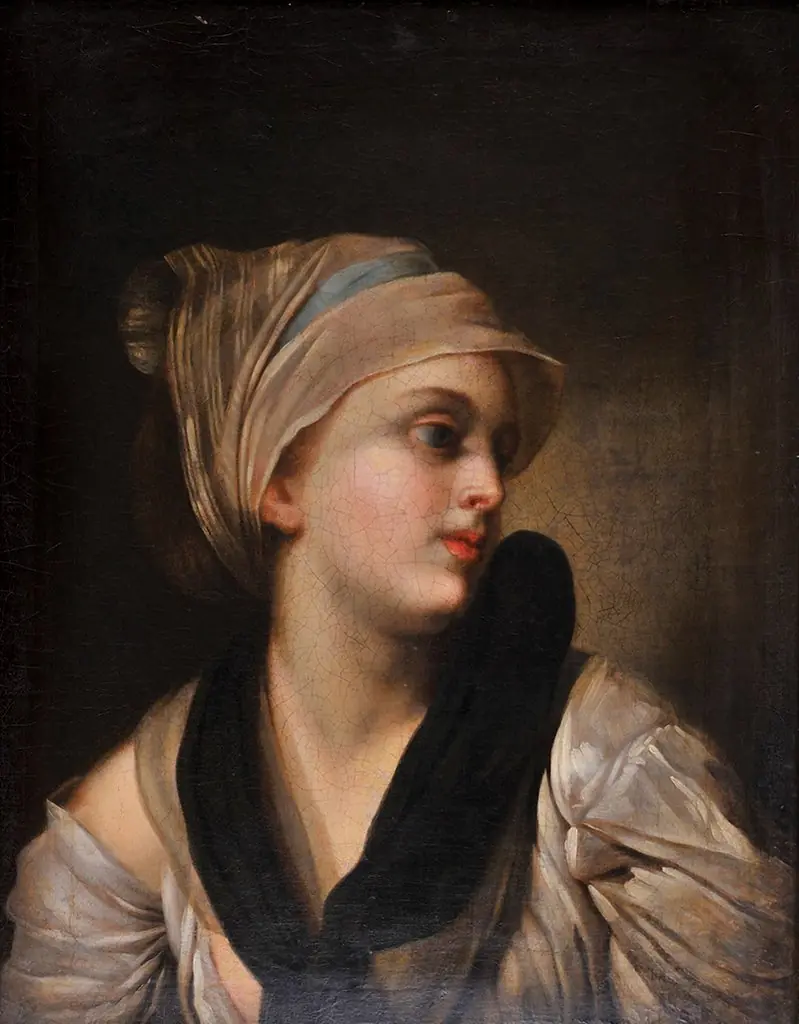
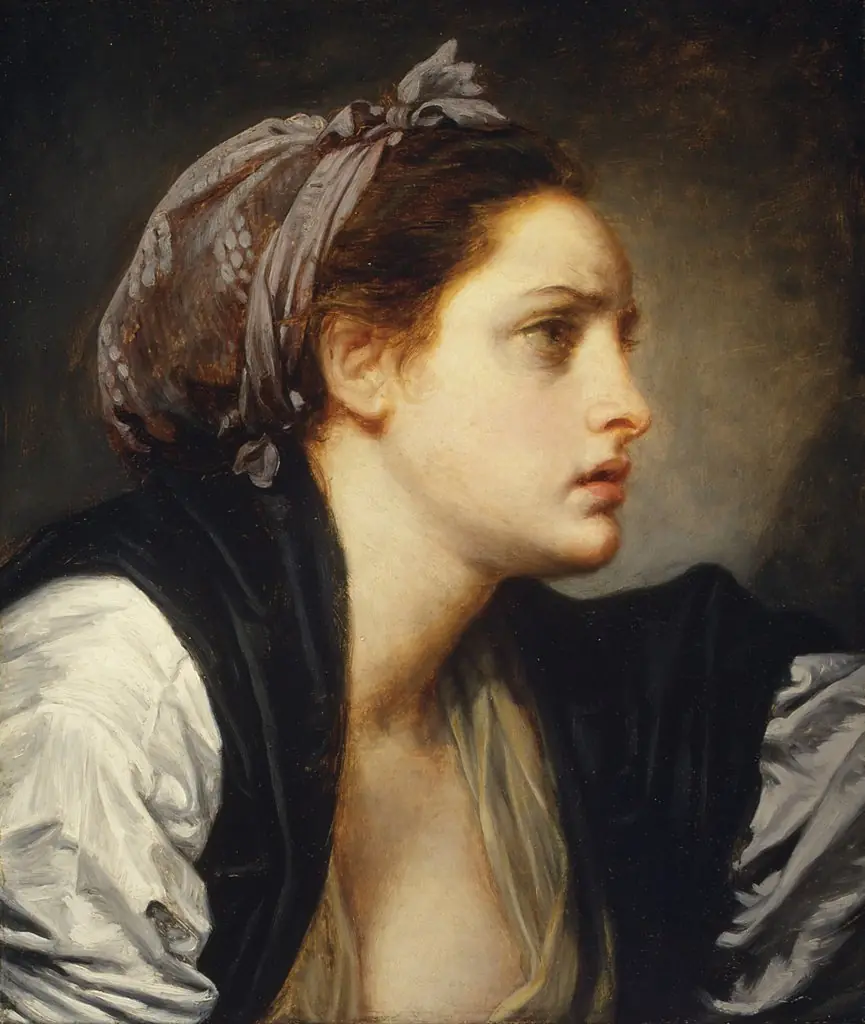
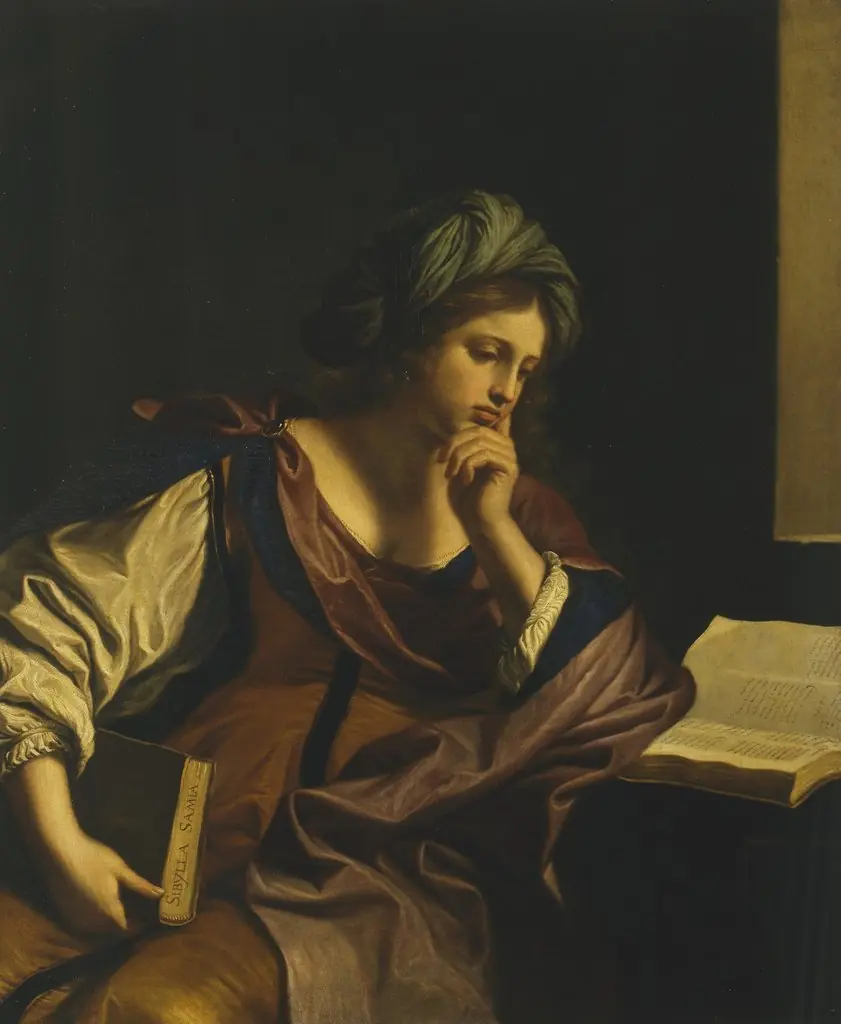
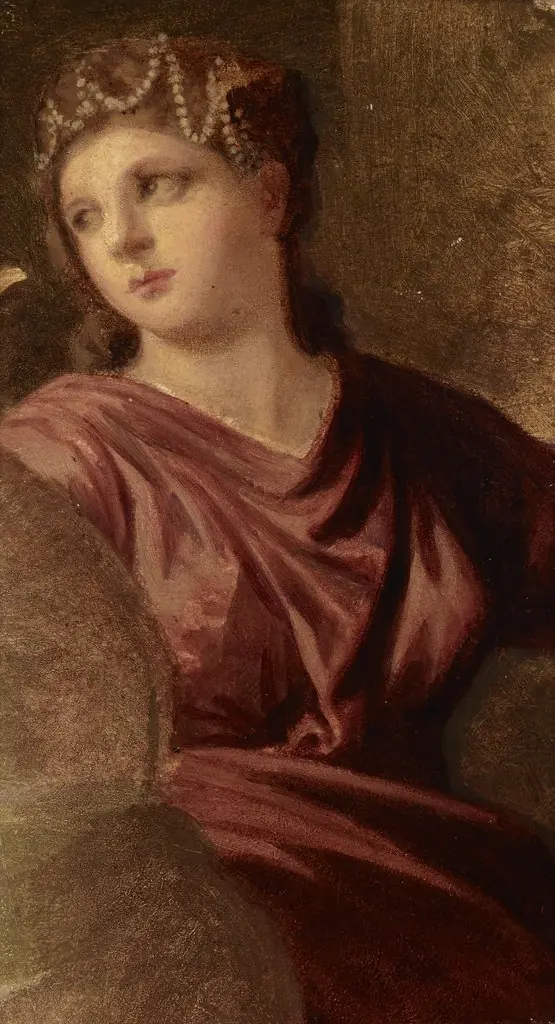
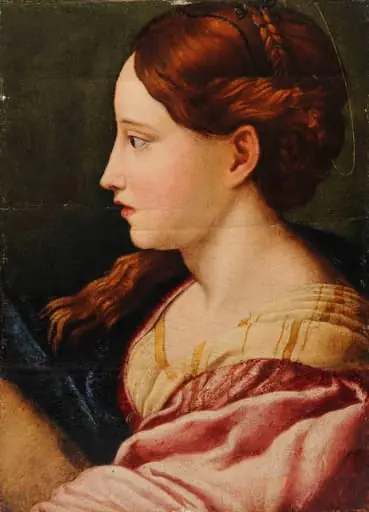
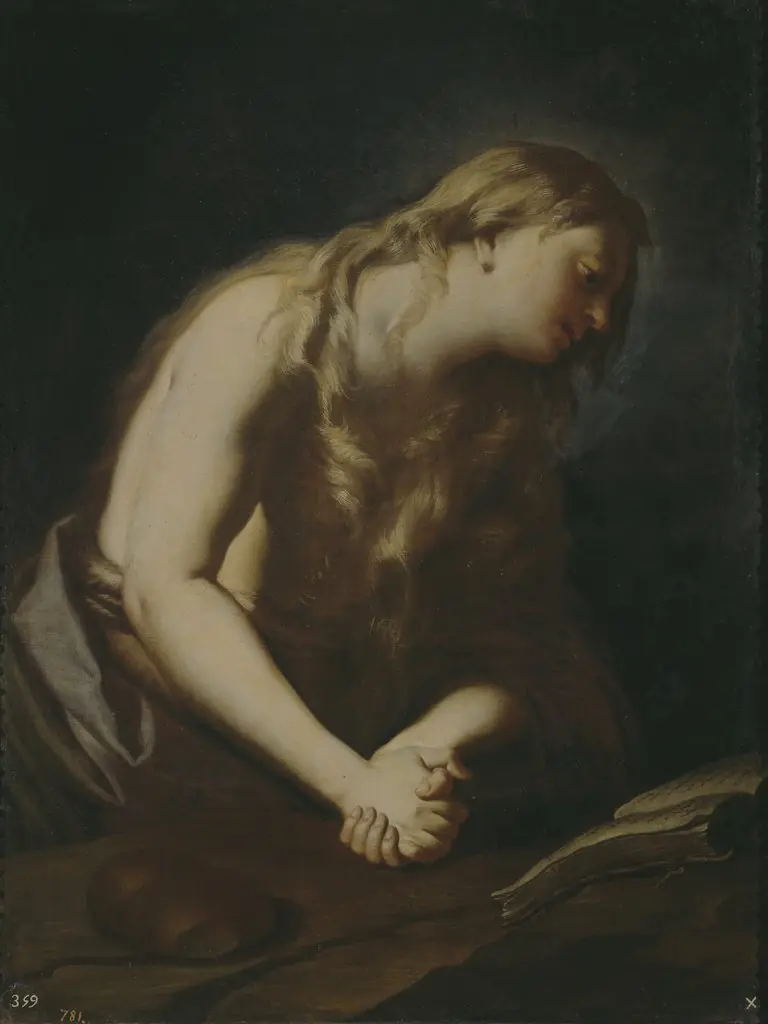
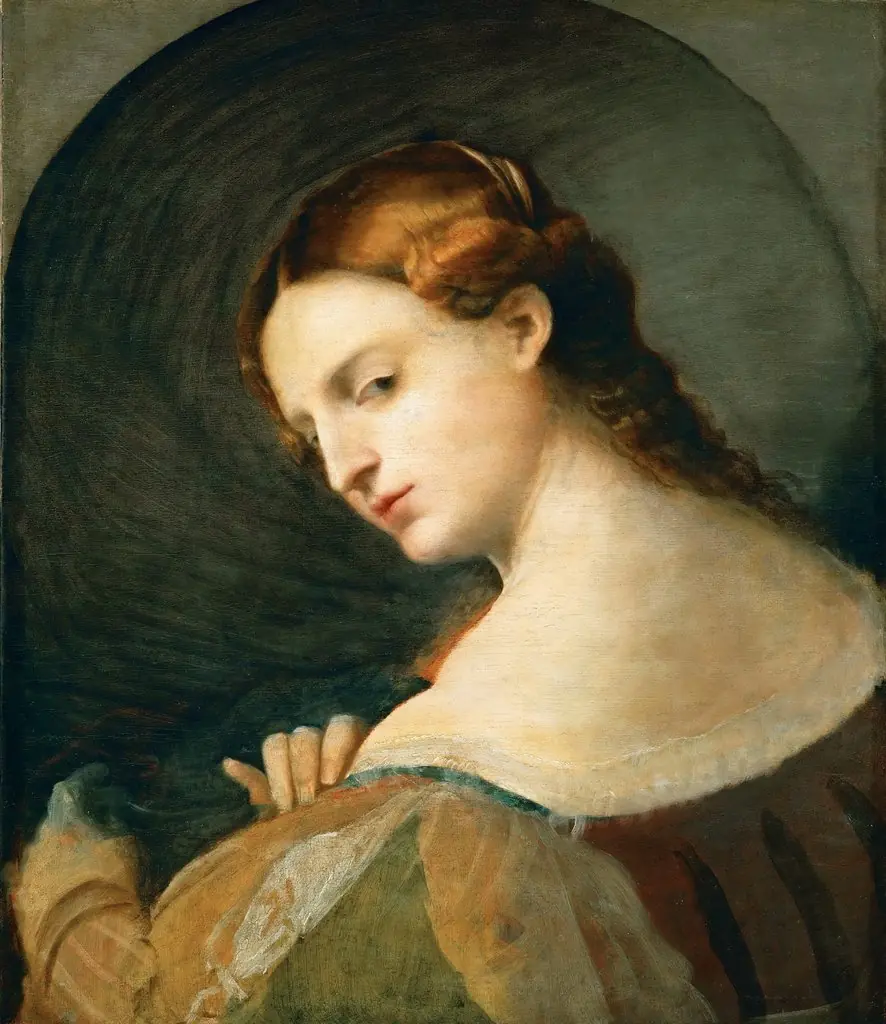
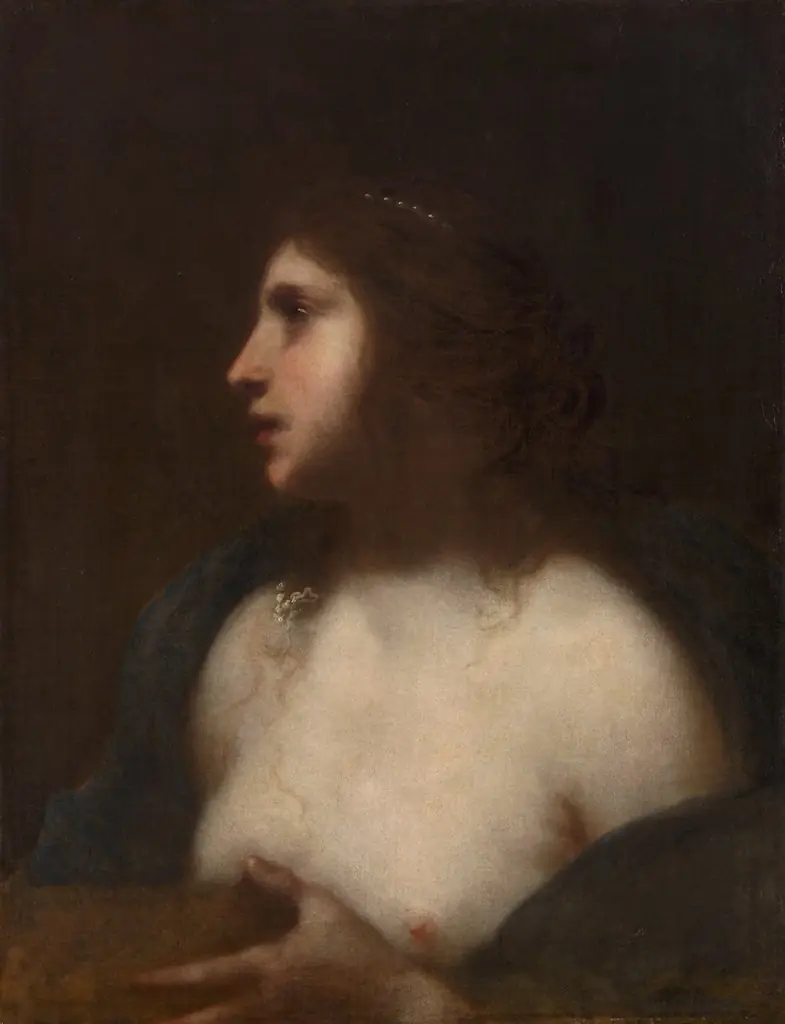
Figure of a Woman is an oil painting by the Early Baroque Italian artist Jusepe de Ribera. It dates from 1634 and is held in the collection of the Museo del Prado.
About this work
Overview
Created during Ribera’s time in Naples, it reflects the artist’s engagement with the naturalism of the early Baroque Italian tradition.
Painted in 1634 by Jusepe de Ribera, this oil-on-canvas work presents a solitary female figure in quiet contemplation. Created during Ribera’s time in Naples, it reflects the artist’s engagement with the naturalism of the early Baroque Italian tradition. The painting is part of the Museo del Prado’s permanent collection, where it stands as a representative example of his intimate portraiture beyond religious or mythological subjects.
Subject & Meaning
The figure is a woman seated in stillness, her chin supported by one hand, gaze turned inward. Her posture suggests introspection rather than narrative action—perhaps recalling a memory or awaiting an unseen presence. Dressed in a simple, dark garment with a faint glimpse of lighter fabric at the shoulder, she is stripped of identifiers of class or role, inviting a universal reading of solitude and inner life.
Technique & Style
Ribera employs chiaroscuro to model the figure with subtle gradations of light and shadow, giving her form a tangible, sculptural presence. Brushwork is restrained yet warm, particularly in the rendering of skin and fabric, where soft transitions replace sharp outlines. The plain, dark background isolates the subject, emphasizing volume and quiet emotion over environmental detail.
History & Provenance
Created during Ribera’s decades-long residence in Naples, the painting entered the Spanish royal collection before being transferred to the Museo del Prado. Its attribution to Ribera has remained consistent since the 17th century. Unlike his more dramatic religious scenes, this work reveals a quieter facet of his practice, possibly intended as a study of human presence rather than a commissioned piece.
Context
In 17th-century Naples, artists like Ribera blended Spanish sensibilities with Italian naturalism, often focusing on ordinary or marginalized figures. This painting aligns with a broader trend of introspective portraiture emerging in the Baroque period, where psychological depth replaced idealized forms. It reflects a shift toward personal, unadorned observation over theatrical storytelling.
Legacy
Though less known than Ribera’s violent or devotional scenes, this work exemplifies his mastery of psychological nuance through minimal means. It influenced later Spanish painters who sought emotional realism in secular subjects. Its quiet power endures as a testament to the expressive potential of stillness in Baroque art.
Own this work as a print
Artist & collection
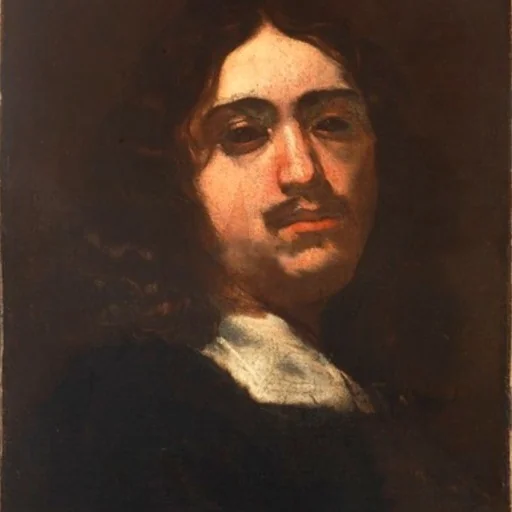
Artist
Jusepe de Ribera (Valencian: ; baptised 17 February 1591 – 3 November 1652) was a Spanish painter and printmaker.