Artwork
Magdalena Ventura with Her Husband and Son
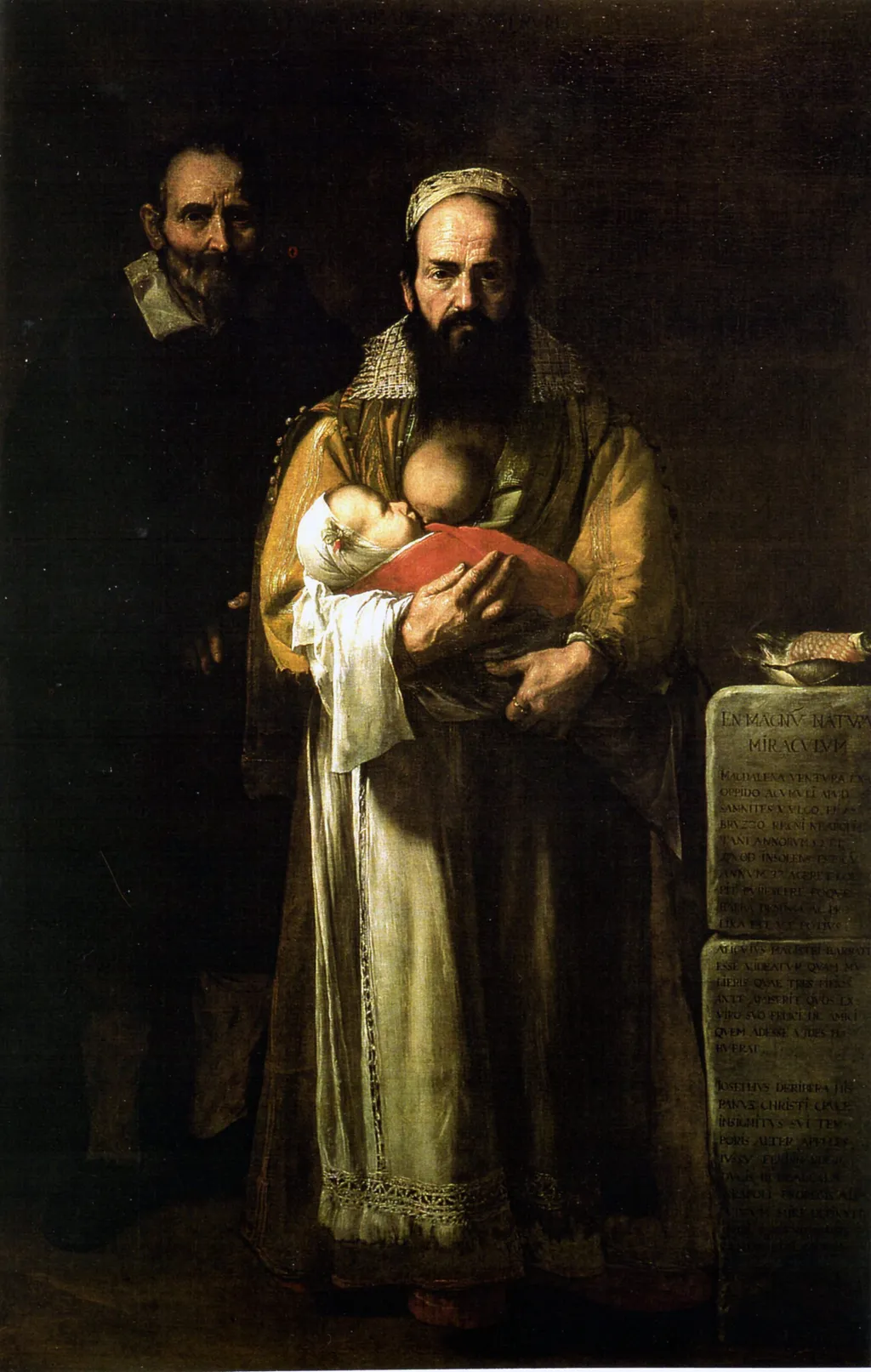
Magdalena Ventura with Her Husband and Son is an oil painting by the Early Baroque Italian artist Jusepe de Ribera. It dates from 1631 and is held in the collection of the Museo Fundación Lerma.
About this work
Overview
Painted in 1631 by Jusepe de Ribera, this oil on canvas depicts Magdalena Ventura, a woman with a full beard, alongside her husband and infant son.
Painted in 1631 by Jusepe de Ribera, this oil on canvas depicts Magdalena Ventura, a woman with a full beard, alongside her husband and infant son. The work belongs to the Fundación Casa Ducal de Medinaceli and is exhibited at the Museo Nacional del Prado in Madrid. Its unflinching realism and intimate composition reflect Ribera’s interest in portraying individuals outside conventional social norms, capturing a moment of quiet domesticity amid physical difference.
Subject & Meaning
Magdalena Ventura, known for her unusual facial hair, is shown not as a curiosity but as a mother and wife within a familial unit. Her husband, also bearded, stands beside her with a subdued expression, suggesting shared experience or burden. The infant, swaddled and asleep, anchors the scene in tenderness. The painting resists sensationalism, instead presenting their humanity through stillness and gaze, implying dignity rather than spectacle.
Technique & Style
Ribera employs chiaroscuro to model forms with deep shadows and focused light, enhancing the texture of fabric and skin. The white dress and shawl catch the light against darker robes, drawing attention to the figures’ gestures and expressions. Brushwork is precise yet unembellished, rendering curls of beard, folds of cloth, and the baby’s wrapped form with quiet authority. The composition is tightly framed, eliminating background distraction to emphasize psychological presence.
History & Provenance
Commissioned during Ribera’s time in Naples, the painting was likely intended for a private collector interested in natural wonders or human variation. It entered the Medinaceli collection in the 17th century and remained in their care for centuries. By the 20th century, it was transferred to the Prado for public display, where its historical and artistic value was formally recognized without altering its original context or intent.
Context
In early 17th-century Europe, individuals with unusual physical traits were often displayed as curiosities. Ribera’s approach diverged from this trend, aligning instead with the Counter-Reformation emphasis on human dignity and the sacredness of ordinary life. His portrayal of Magdalena reflects a broader artistic shift toward empathetic observation, influenced by Caravaggio’s naturalism and Spanish devotional realism.
Legacy
The painting endures as a rare example of a non-stereotypical depiction of bodily difference in Baroque art. Rather than reinforcing exoticism, it invites contemplation of identity, family, and resilience. Modern viewers encounter it not as a freak show relic but as a testament to Ribera’s commitment to portraying the unseen with quiet reverence, influencing later realist traditions in portraiture.
Own this work as a print
Artist & collection
Artist
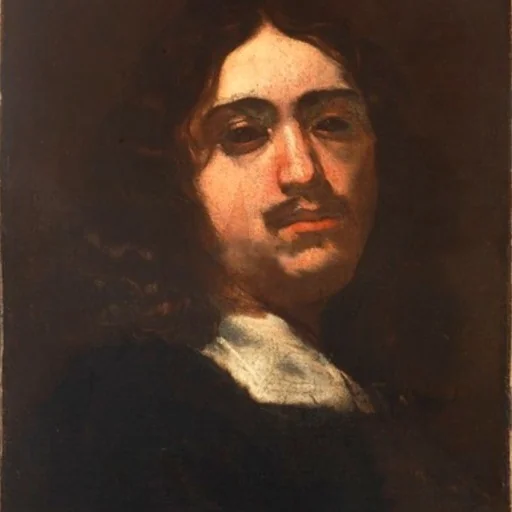
Jusepe de Ribera (Valencian: ; baptised 17 February 1591 – 3 November 1652) was a Spanish painter and printmaker.

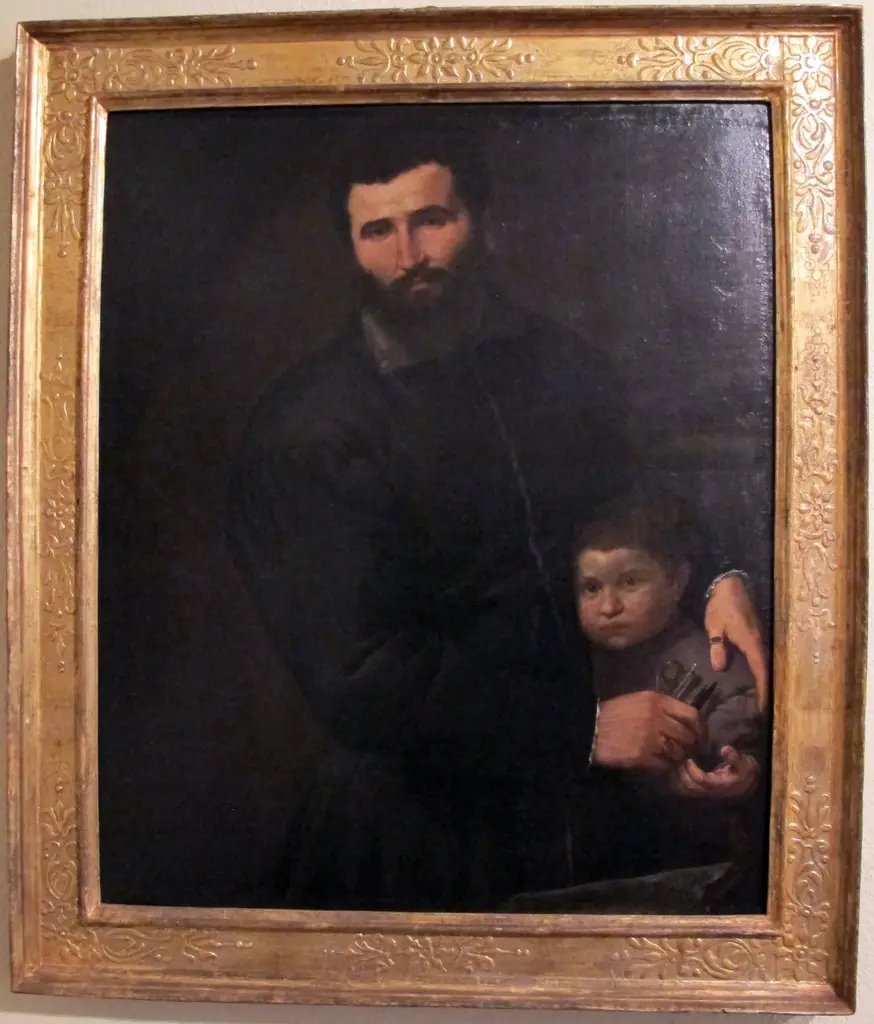 Portrait of the Surgeon Gian Giacomo Bonamigo with His Son Giovanni Antonio
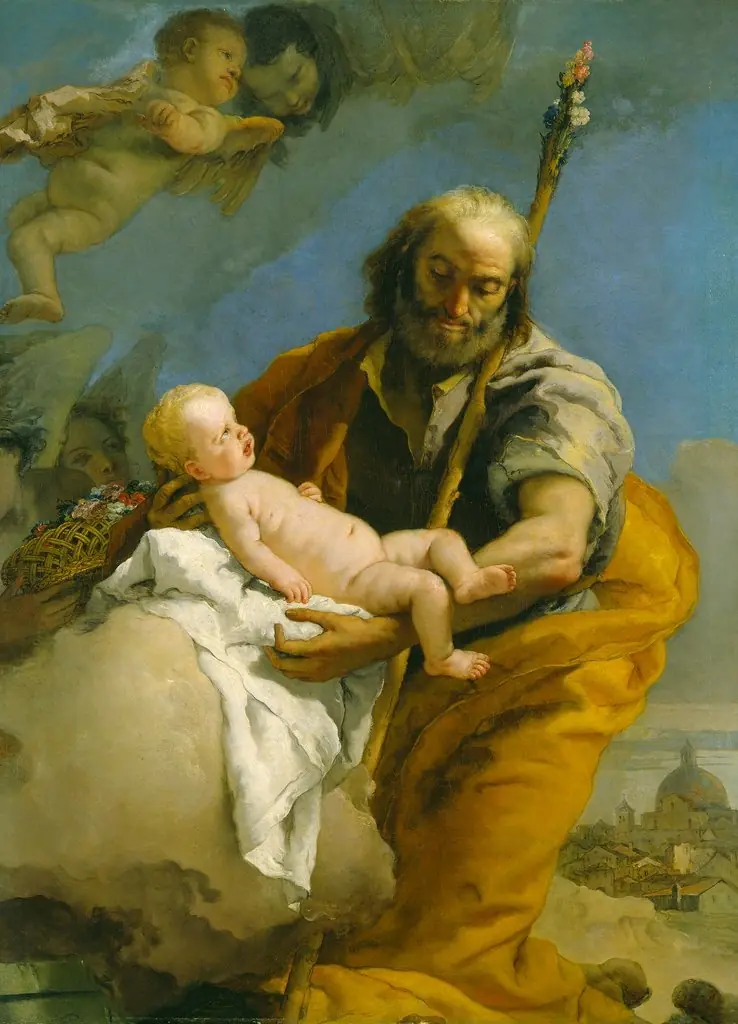 Saint Joseph and the Christ Child
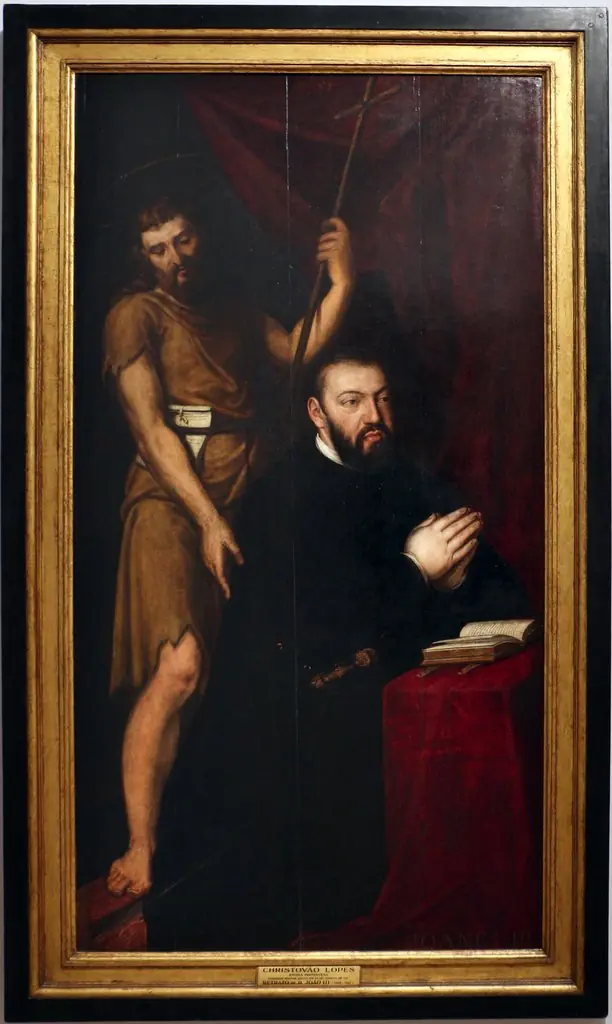 John III of Portugal and John the Baptist
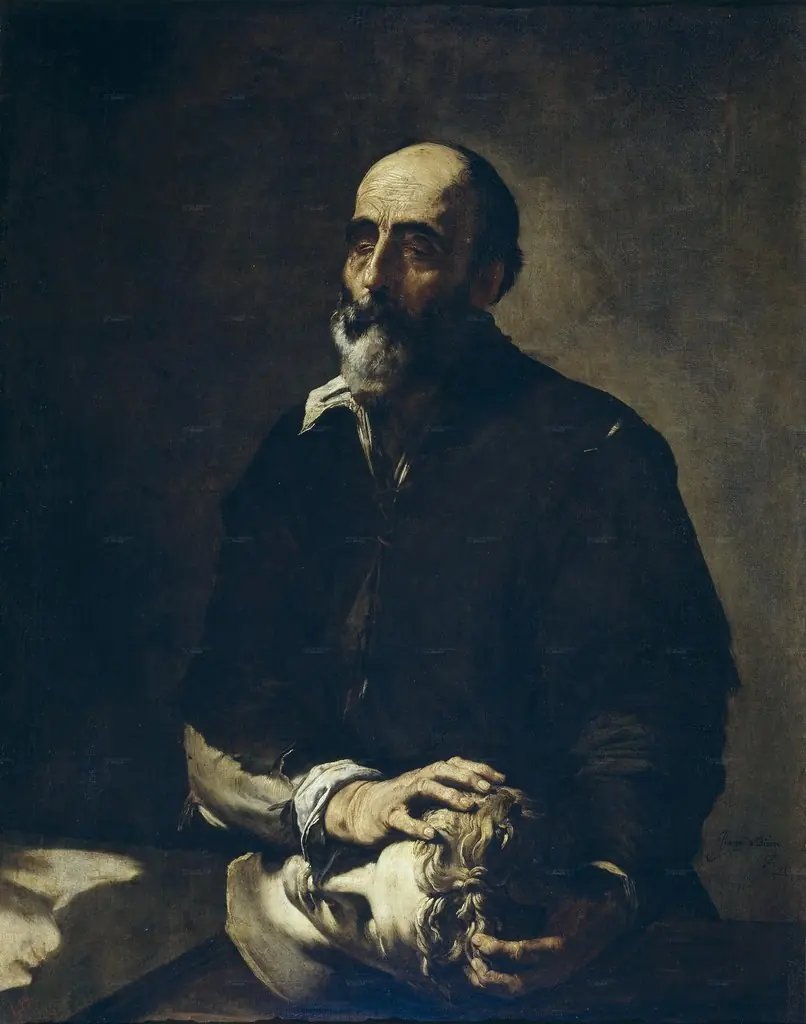 The Blind Sculptor
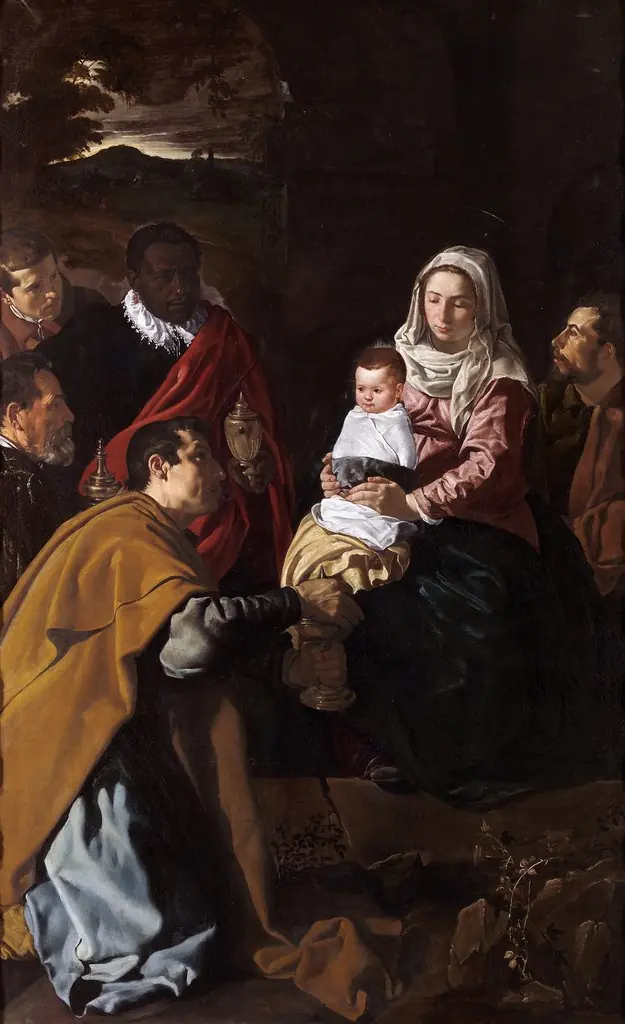 Adoration of the Magi
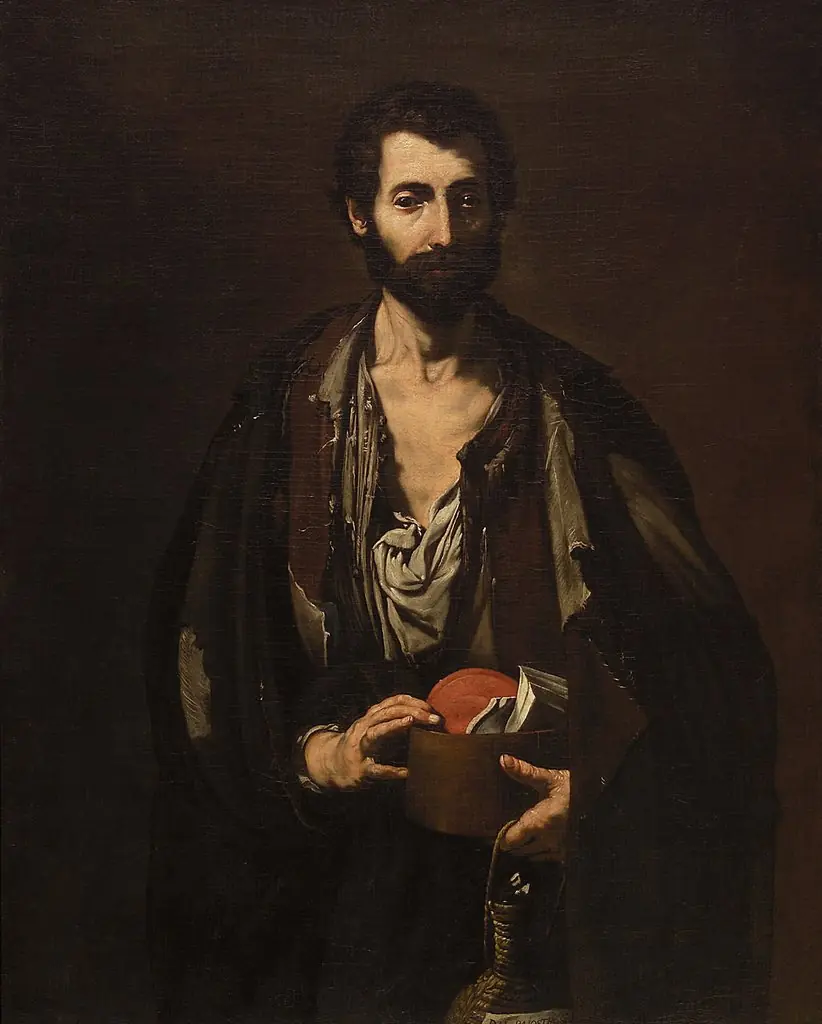 Bettler
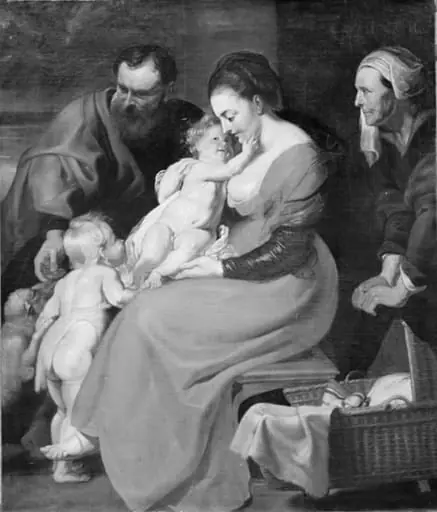 The Holy Family
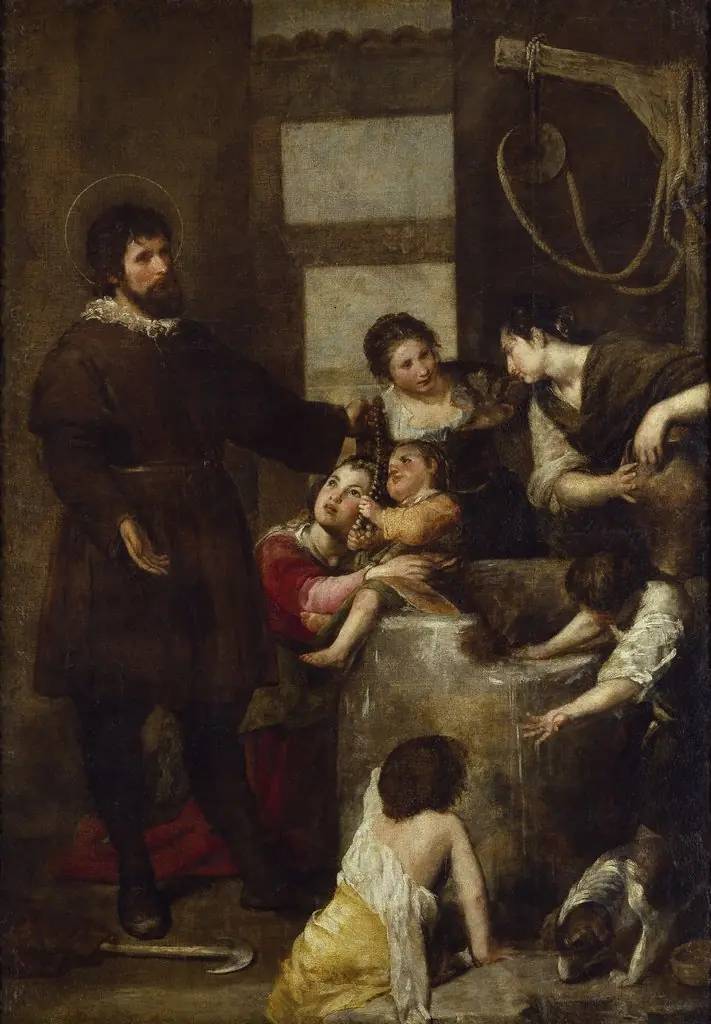 The Miracle at the Well
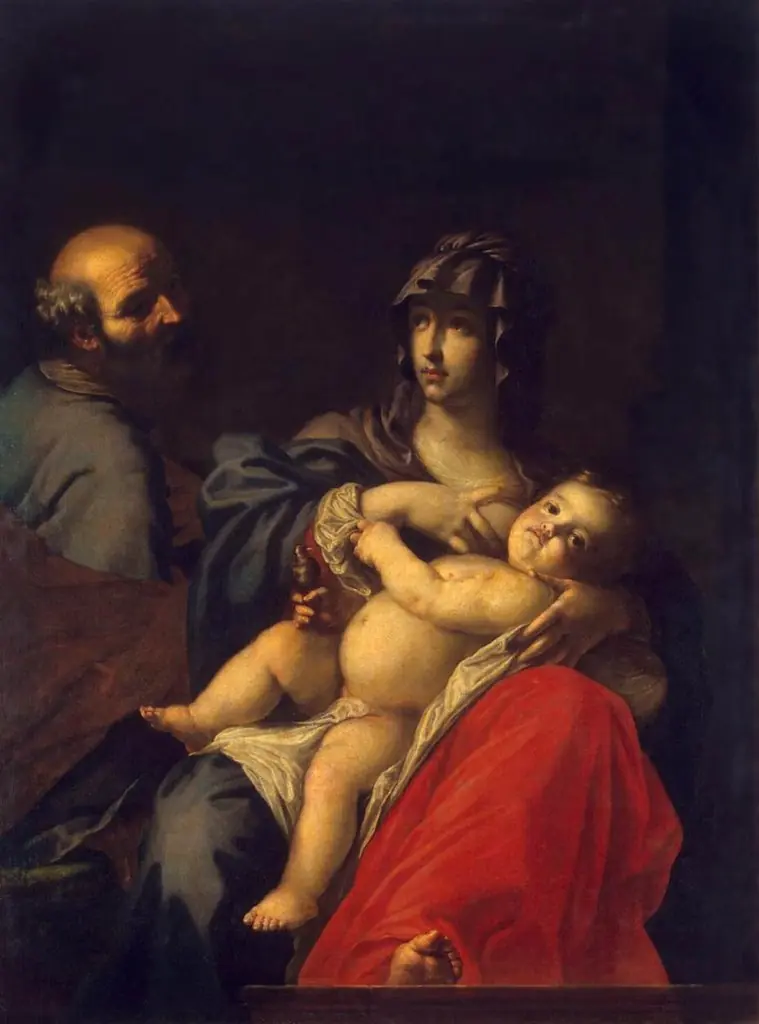 Holy Family
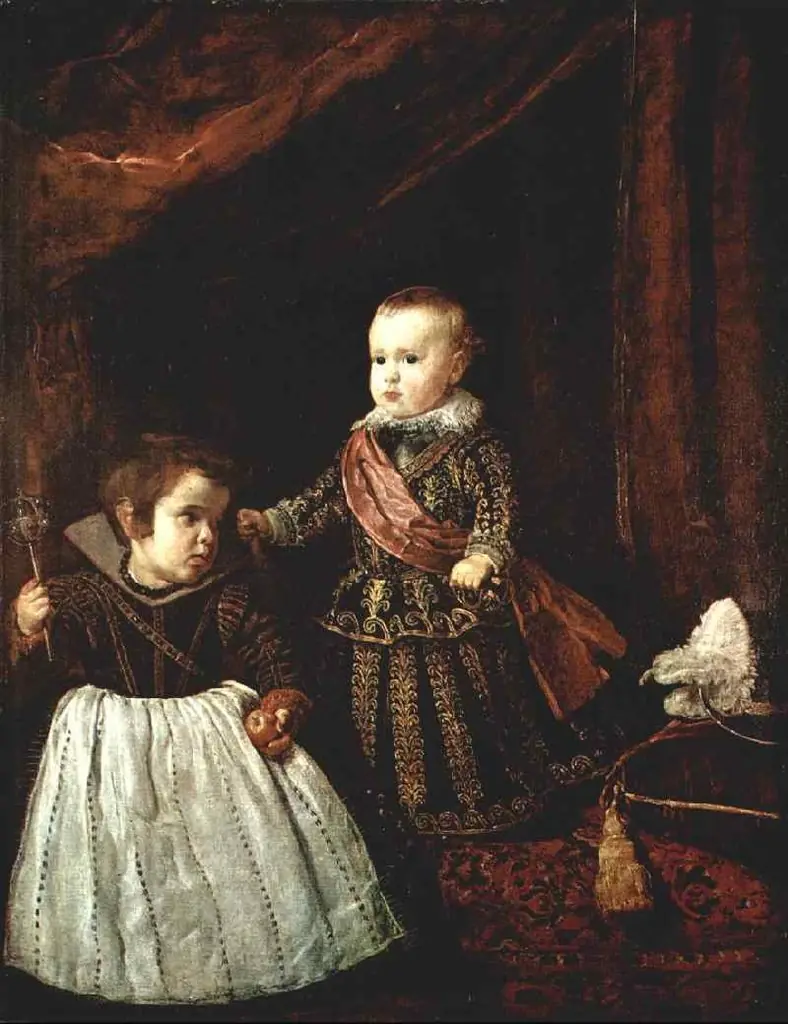 Prince Balthasar Charles With a Dwarf
 Presentation of Jesus Christ at the Temple
 Holy Family