Artwork
John III of Portugal and John the Baptist
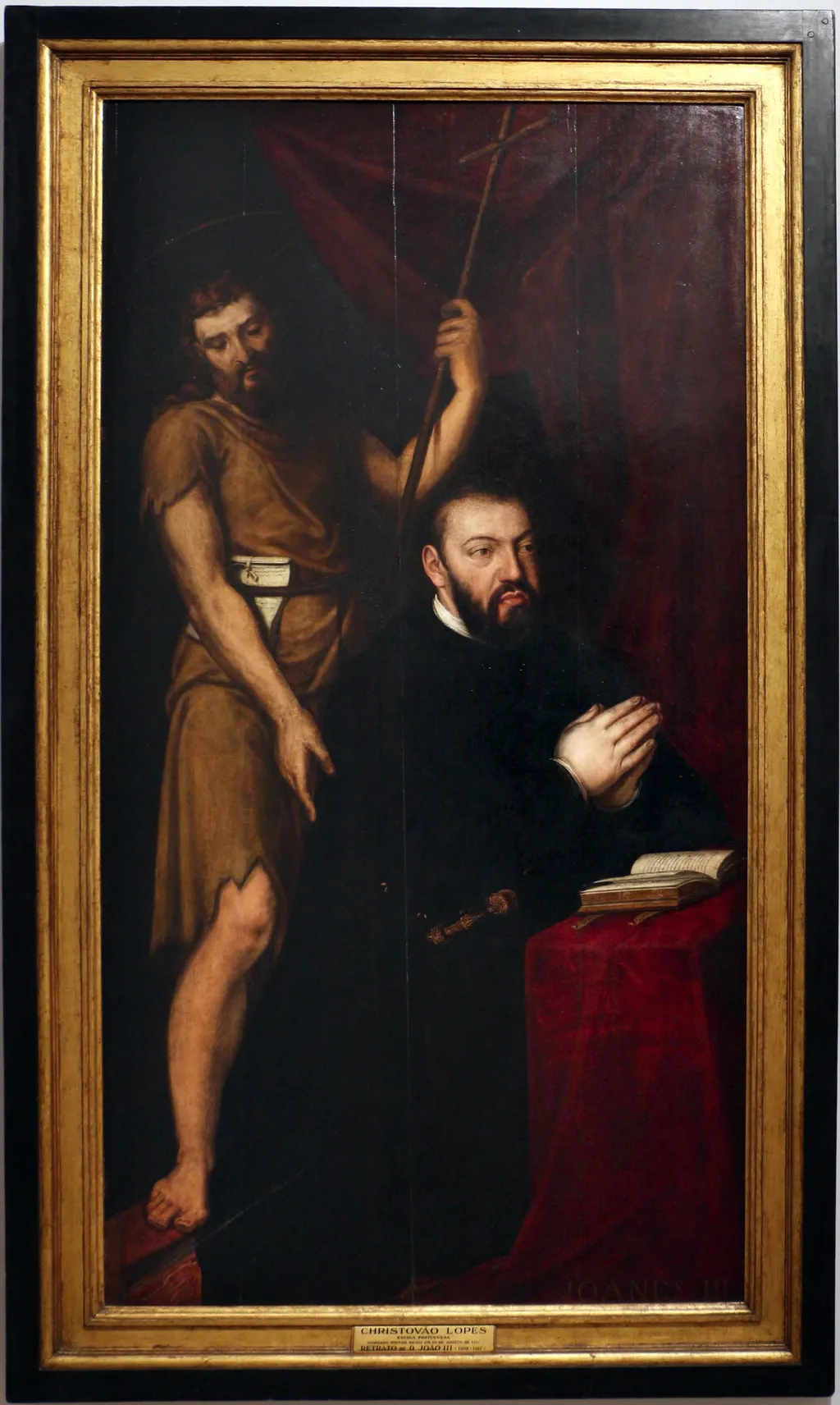
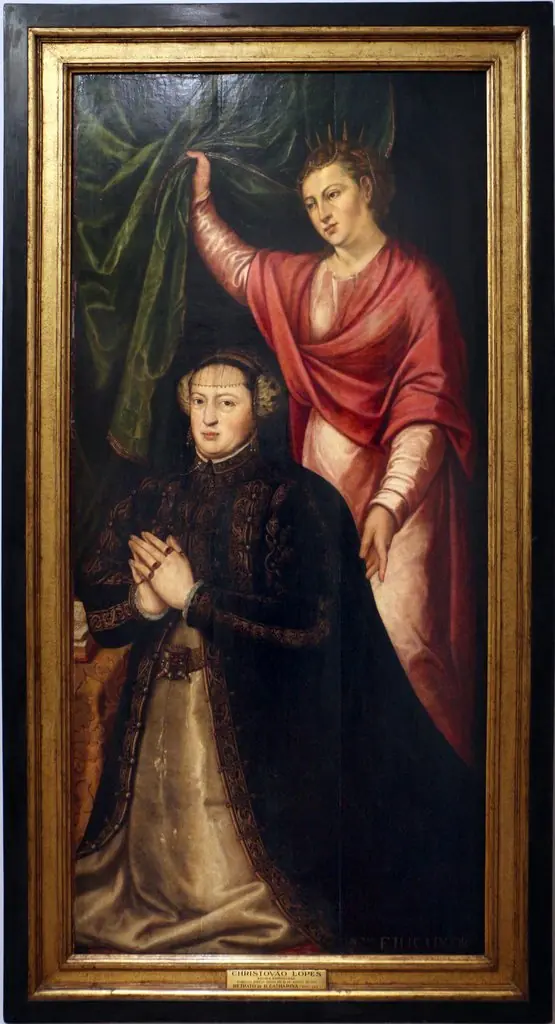
John III of Portugal and John the Baptist is an oil painting by the Mannerist artist Cristóvão Lopes. It dates from 1564 and is held in the collection of the National Museum of Ancient Art.
About this work
Overview
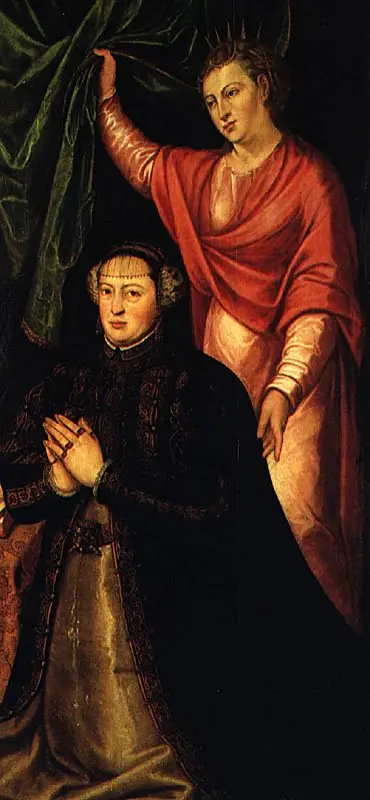
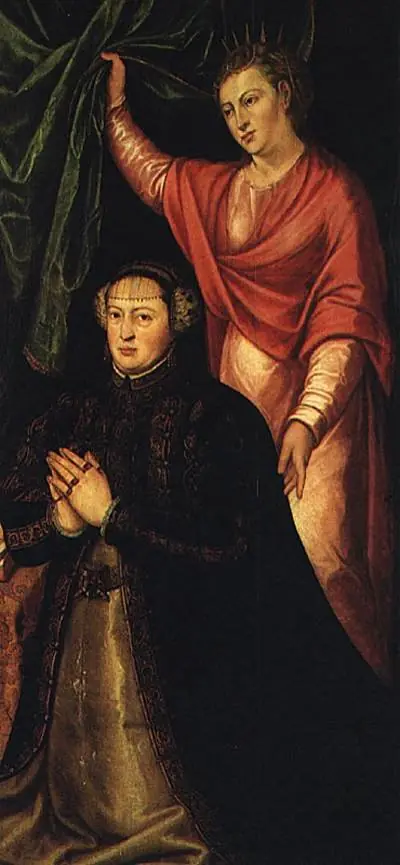
Painted in 1564 by Cristóvão Lopes, this oil-on-panel work presents King John III of Portugal alongside John the Baptist in a solemn, dimly lit composition.
Painted in 1564 by Cristóvão Lopes, this oil-on-panel work presents King John III of Portugal alongside John the Baptist in a solemn, dimly lit composition. Lopes, who inherited the role of royal painter from his father Gregório Lopes, crafted this image during a period when Portuguese court art was shaped by Northern European influences, particularly through the presence of Antonis Mor in Lisbon. The painting remains in the collection of the National Museum of Ancient Art in Lisbon.
Subject & Meaning
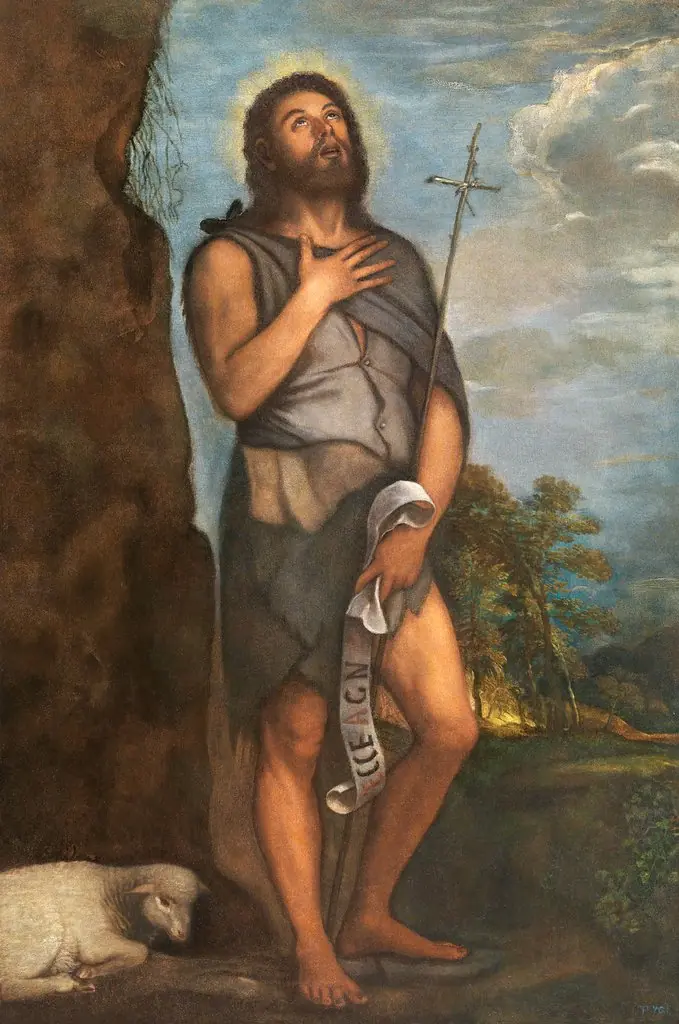
The painting juxtaposes the reigning monarch with the biblical prophet, suggesting a spiritual alignment between royal authority and divine mandate. John the Baptist, identified by his staff with a cross and halo, gestures toward the king, who is depicted in quiet contemplation, hands clasped before an open book. The pairing implies the king’s piety and his role as a Christian ruler, reinforcing the legitimacy of his reign through sacred association.
Technique & Style
Lopes employs a Mannerist approach with elongated forms and restrained gestures, avoiding naturalistic spontaneity in favor of controlled elegance. Chiaroscuro defines the figures against a near-black background, drawing focus to their faces and hands. The textures of fabric and the sheen of the book’s pages are rendered with precision, reflecting the influence of Northern Renaissance portraiture, particularly the detailed realism seen in Antonis Mor’s work.
History & Provenance
Commissioned during the reign of John III, the painting likely served a devotional or dynastic purpose within the royal household. It remained in Portuguese royal collections until the 19th century, when it was transferred to the National Museum of Ancient Art. Its survival through centuries of political change underscores its perceived importance as both a religious image and a symbol of royal identity.
Context
In mid-16th century Portugal, the court cultivated an image of devout monarchy amid the Counter-Reformation. Portraits like this one merged secular power with religious symbolism, aligning the king with biblical figures to affirm moral authority. Lopes, trained in a family workshop and influenced by foreign artists, helped adapt international styles to local devotional needs, creating a distinct Portuguese court aesthetic.
Legacy
Cristóvão Lopes’s work represents a bridge between Portuguese medieval traditions and the emerging Mannerist idiom. While not widely known outside Portugal, this painting exemplifies how royal imagery was shaped by cross-cultural exchange and religious imperatives. His influence extended through his workshop, helping define the visual language of Portuguese court portraiture in the late Renaissance.
Artist & collection
Artist
Cristóvão Lopes (c. 1516–1594) was a Portuguese painter. Cristóvão Lopes was the son and disciple of royal painter Gregório Lopes, who died in 1550. Cristóvão succeeded his father as the royal painter of King John III…