Artwork
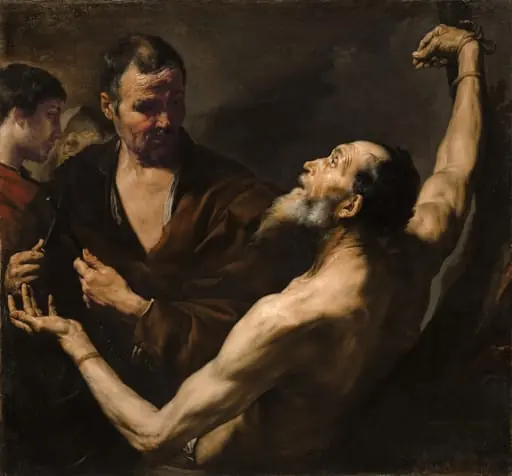
Martyrdom of St Lawrence
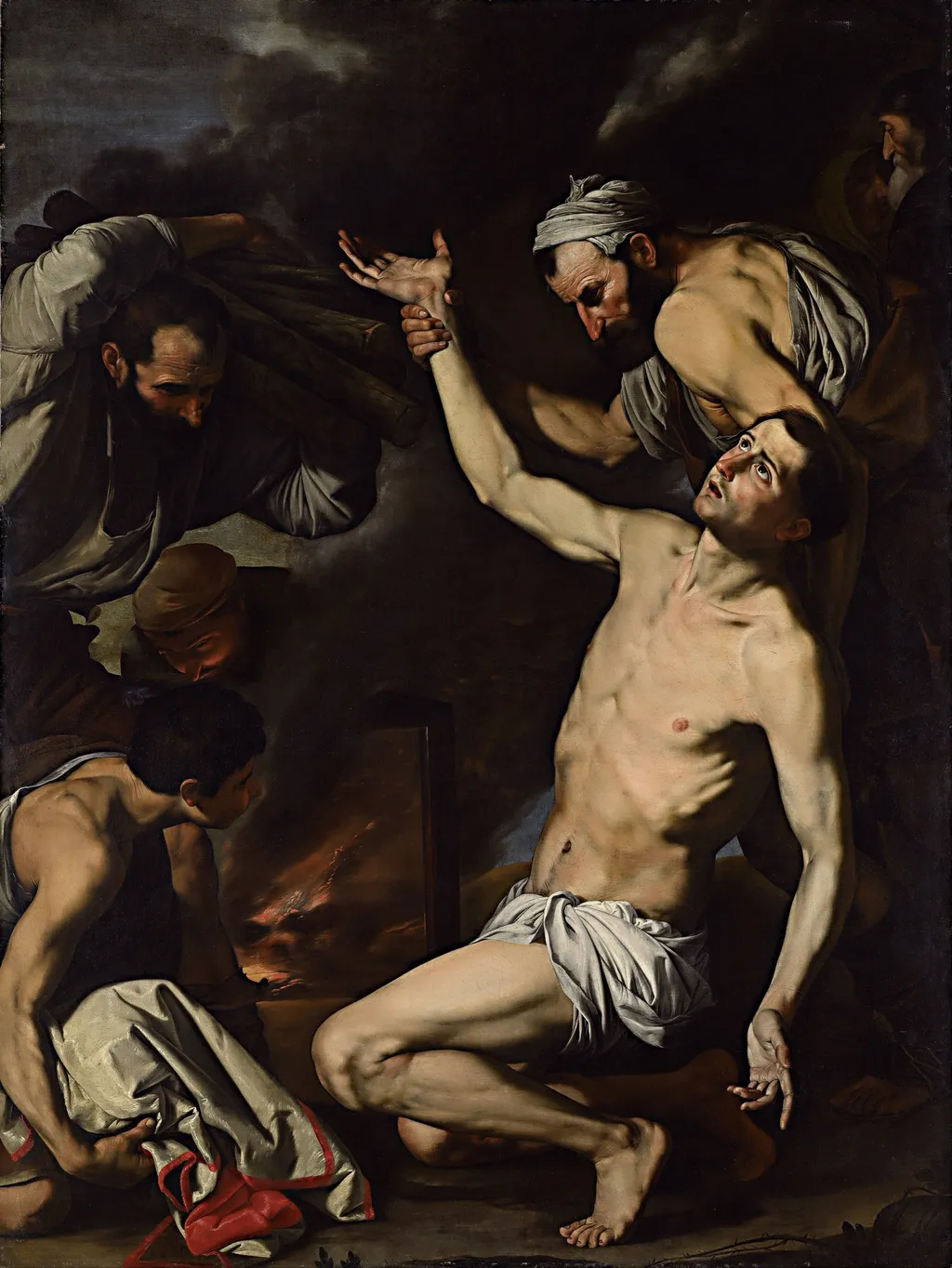
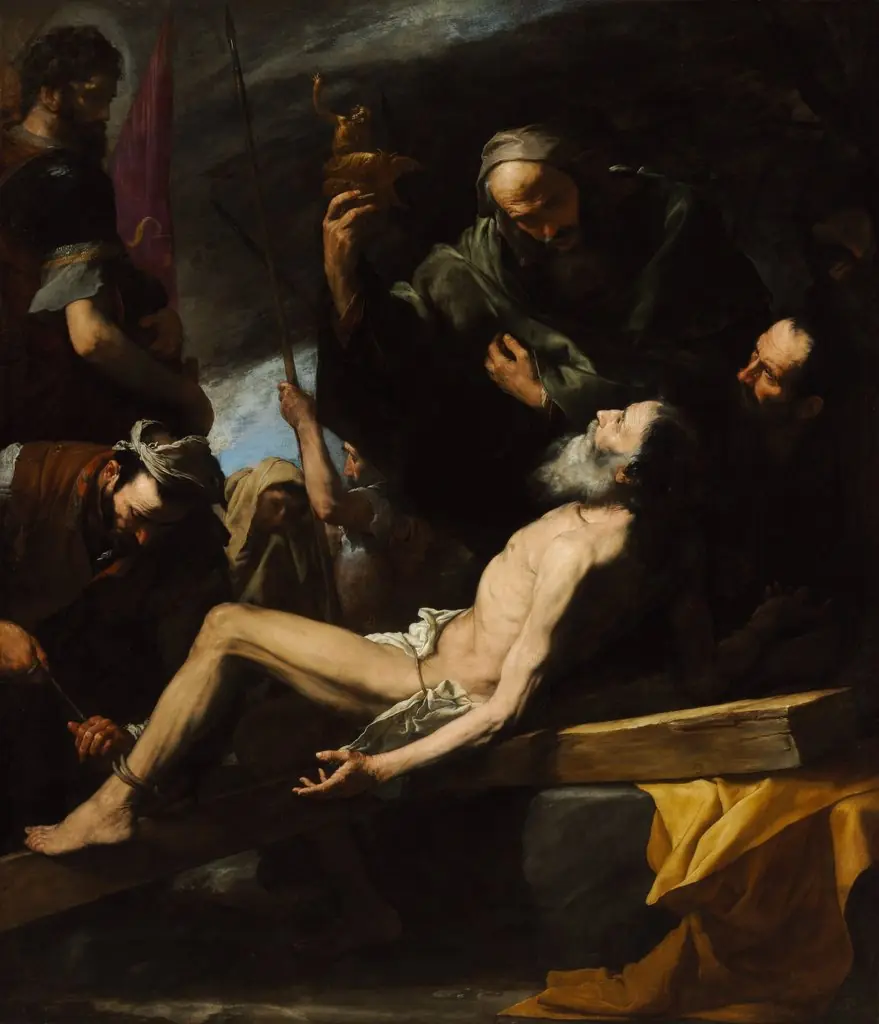
Martyrdom of St Lawrence is an oil painting by the Early Baroque Italian artist Jusepe de Ribera. It dates from 1620 and is held in the collection of the National Gallery of Victoria.
About this work
Overview
The painting is now part of the National Gallery of Victoria’s collection, representing the spread of Spanish Baroque sensibilities across southern Europe.
Painted in 1620 by Jusepe de Ribera, this oil-on-canvas work depicts the execution of Saint Lawrence, an early Christian deacon martyred in Rome. Ribera, a Spanish artist based in Naples, produced this piece during his formative years in Italy, where he absorbed the dramatic intensity of Caravaggio’s style. The painting is now part of the National Gallery of Victoria’s collection, representing the spread of Spanish Baroque sensibilities across southern Europe.
Subject & Meaning
The scene captures Saint Lawrence at the moment of his martyrdom, bound to a gridiron over burning coals. His posture—kneeling, arms raised, head thrown back—conveys resignation rather than agony, reflecting his legendary composure. Surrounding figures, including Roman soldiers and onlookers, are rendered with varied reactions, emphasizing the moral contrast between suffering faith and worldly cruelty. The subject was a popular theme in Counter-Reformation art, symbolizing steadfast devotion amid persecution.
Technique & Style
Ribera employs strong chiaroscuro to model the figures with sculptural weight, using deep shadows and sharp highlights to define muscle, fabric, and texture. The palette is restrained, dominated by earth tones and smoky grays, with only the embers and skin tones providing contrast. Brushwork is precise in facial expressions and anatomical detail, while the background recedes into near-obscurity, focusing attention on the central act. The composition is tightly framed, heightening the sense of confinement and inevitability.
History & Provenance
Commissioned during Ribera’s early Neapolitan period, the painting likely originated in a religious context, possibly for a church or private devotional use. It entered the National Gallery of Victoria’s collection in the 20th century, having passed through several European private holdings. Its survival through centuries of political and religious upheaval underscores its enduring presence in collections that valued emotional realism over idealized piety.
Context
Created during the height of the Counter-Reformation, the painting aligns with Catholic efforts to evoke visceral religious experience. Ribera’s choice of a brutal, unidealized martyrdom reflects the influence of Caravaggio and the broader Italian Baroque turn toward naturalism. In Naples, a city under Spanish rule, such works resonated with audiences familiar with both Spanish piety and the harsh realities of life under imperial authority.
Legacy
Ribera’s depiction of Saint Lawrence became a reference point for later artists exploring martyrdom and physical endurance. Its unflinching realism contributed to the development of Spanish Baroque painting’s distinctive emotional gravity. Though less widely known than works by Velázquez or Murillo, this painting remains a key example of how Spanish artists adapted Italian techniques to express theological themes with psychological depth.
Own this work as a print
Artist & collection
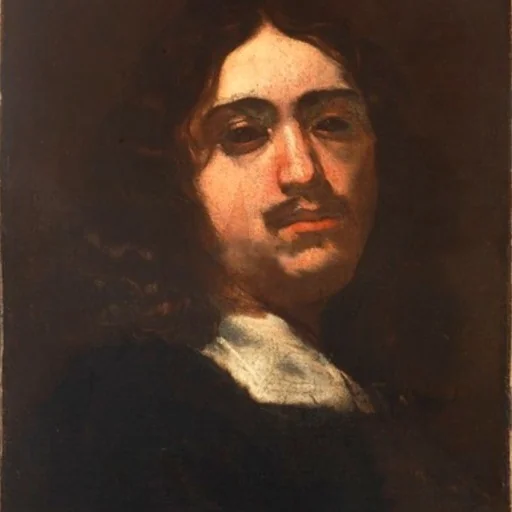
Artist
Jusepe de Ribera (Valencian: ; baptised 17 February 1591 – 3 November 1652) was a Spanish painter and printmaker.